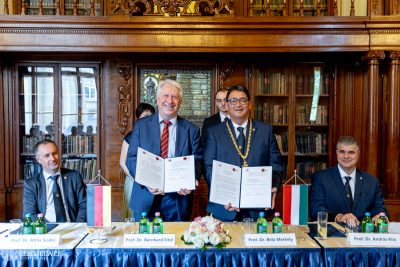
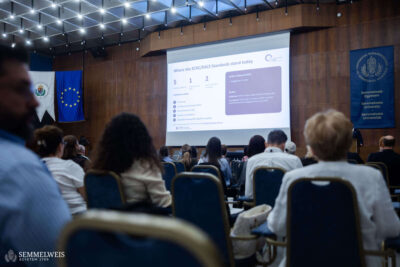
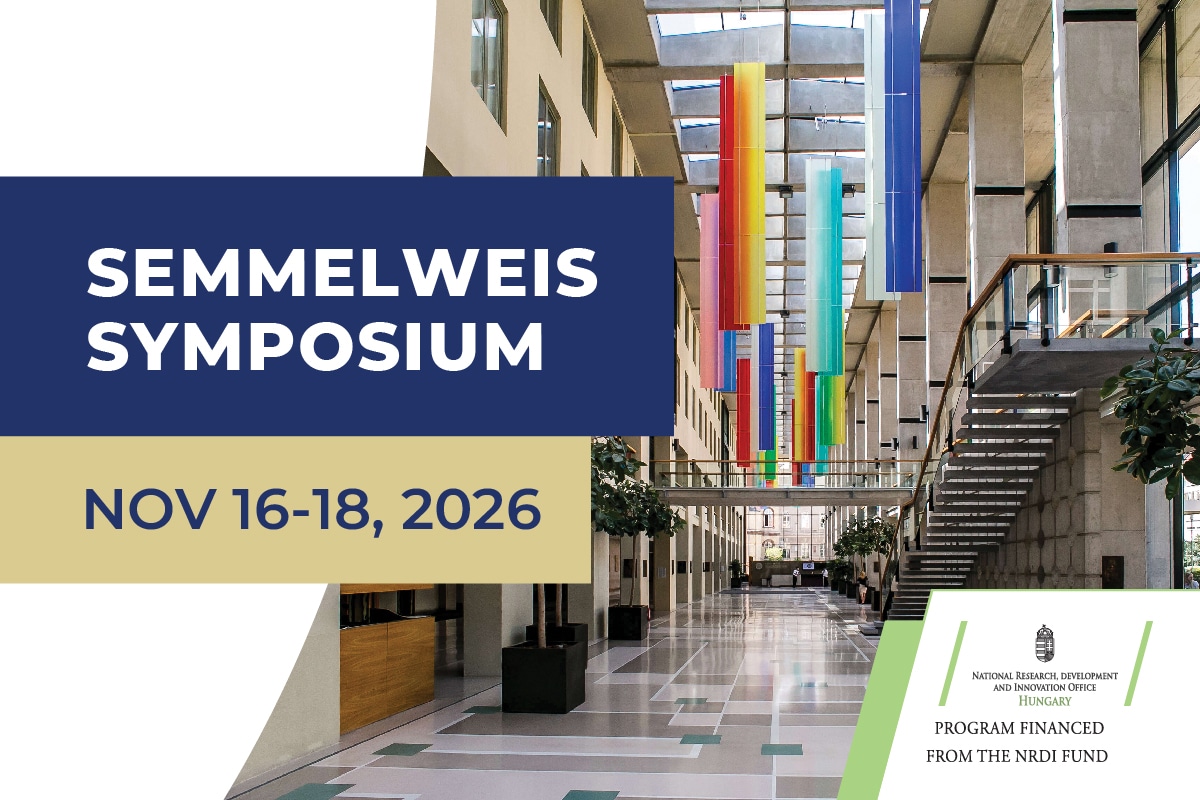
The Semmelweis Symposium is traditionally Semmelweis University’s most significant and prestigious annual scientific event, aimed at presenting the latest research findings and innovations while promoting international knowledge transfer and cross-border networking. The central theme of this year’s three-day event is oncology, one of the university’s largest research areas, bringing together numerous specialties.
The biological diversity and complexity of different forms of cancer, along with advances in modern technologies and personalized treatments, increasingly require collaboration among different scientific disciplines and specialists.
That is why this three-day event will focus on integrated cancer research, which is based on the premise that cancer cannot be studied from the perspective of isolated disciplines. Instead, the various research findings and methods must be brought together and coordinated across fields ranging from molecular biology, genetics, pathology, and artificial intelligence, all the way to clinical diagnostics and therapy.
The program of this year’s symposium also reflects this interdisciplinary approach. More than 30 presentations will be delivered across nine sessions, with speakers including leading figures in international cancer research and clinical practice. A total of 32 distinguished international speakers will attend from eleven countries, ranging from the United States through Germany and Western Europe to Japan and Hong Kong.
The chairs of the Scientific Organizing Committee are Dr. Béla Merkely, Rector of Semmelweis University; Dr. Magdolna Dank, Head of the university’s Department of Clinical Oncology and Director General of the National Institute of Oncology (OOI); and Dr. Balázs Győrffy, Head of the Department of Bioinformatics at Semmelweis University.
The program’s main areas of focus include precision oncology, which is partly based on molecular characteristics; the use of artificial intelligence in diagnostics and the development of therapies; the mapping of the molecular and genetic heterogeneity of tumors; and liquid biopsy, that is, the role in early detection and treatment monitoring of analyzing biomarkers and DNA fragments identifiable in blood or other bodily fluids and derived from tumors.
Other key topics will include anti-cancer immunotherapies, epigenetic regulation, therapeutic resistance, childhood cancers, and the interactions between cardiovascular diseases and anti-cancer treatments, explained Dr. Balázs Győrffy, emphasizing that the symposium also aims to present the research work that led to these results.
Based on advance registrations, approximately 800 participants are expected to attend the event, which is already fully booked. In addition to students from Semmelweis University, participants will include doctoral students, physicians, researchers, and specialty pharmacists, as the program also offers an opportunity for accredited continuing education.
The program for this English-language event is available on the Semmelweis Symposium website. The symposium was sponsored by Lilly and UniCorp Biotech, among others.
Pálma Dobozi
Translation: Dr. Balázs Csizmadia
Photos (illustration) by Boglárka Zellei – Semmelweis University