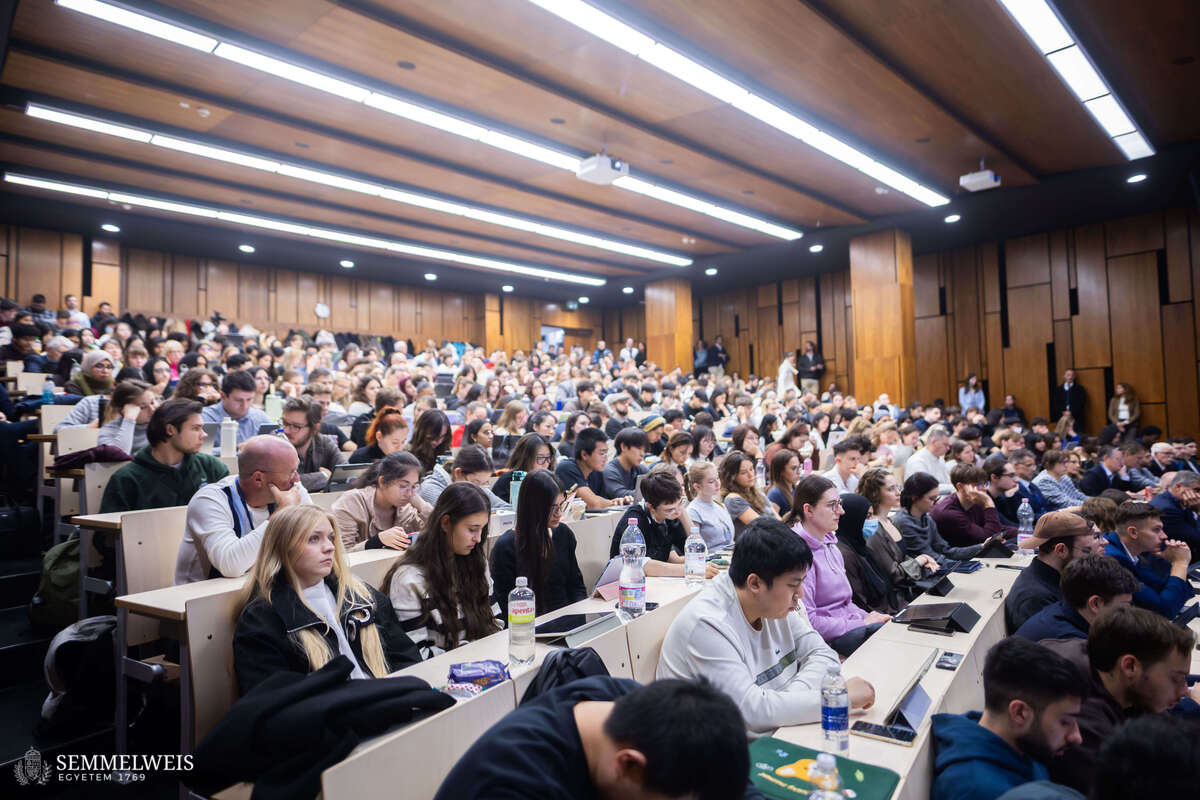
First held in 1992, the event – which has since grown into the university’s most significant and prestigious scientific conference – welcomed experts in the fields of cancer research and clinical oncology this year from outside Hungary, including Canada, France, Germany, Hong Kong, Italy, Japan, the Netherlands, Spain, Sweden, the United Kingdom, and the United States.
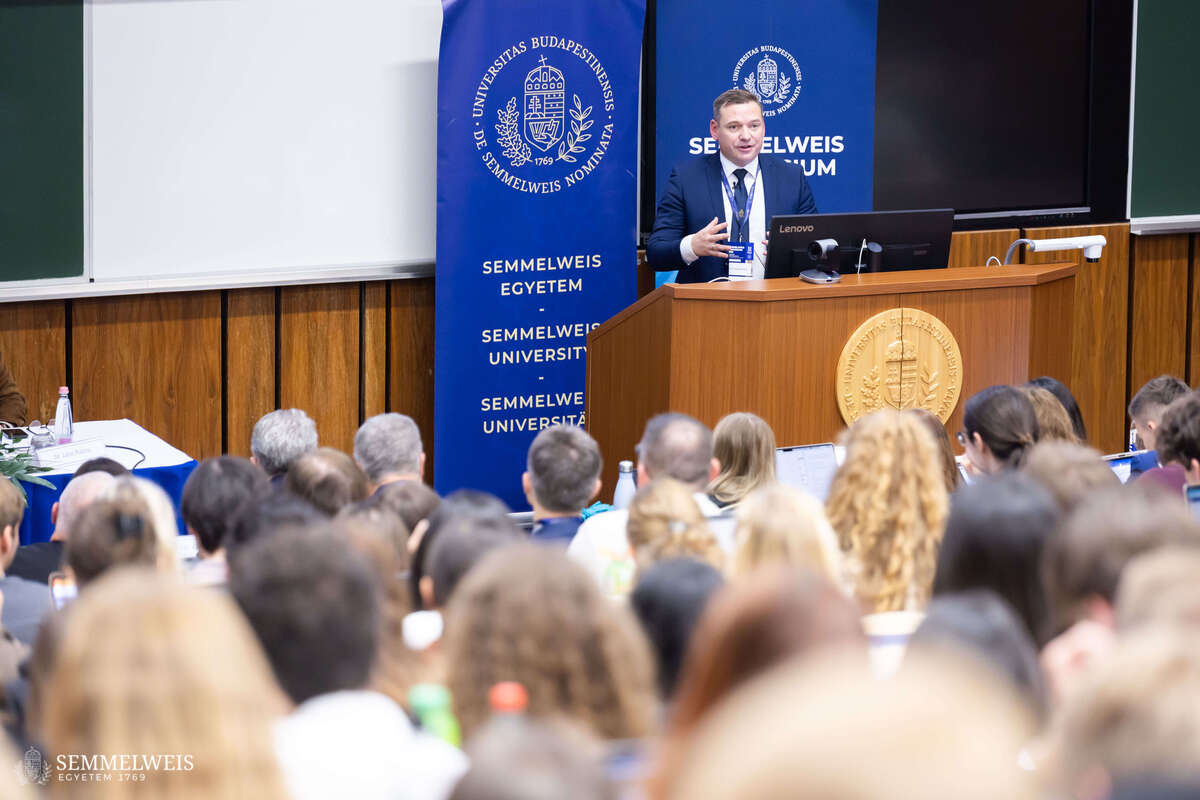
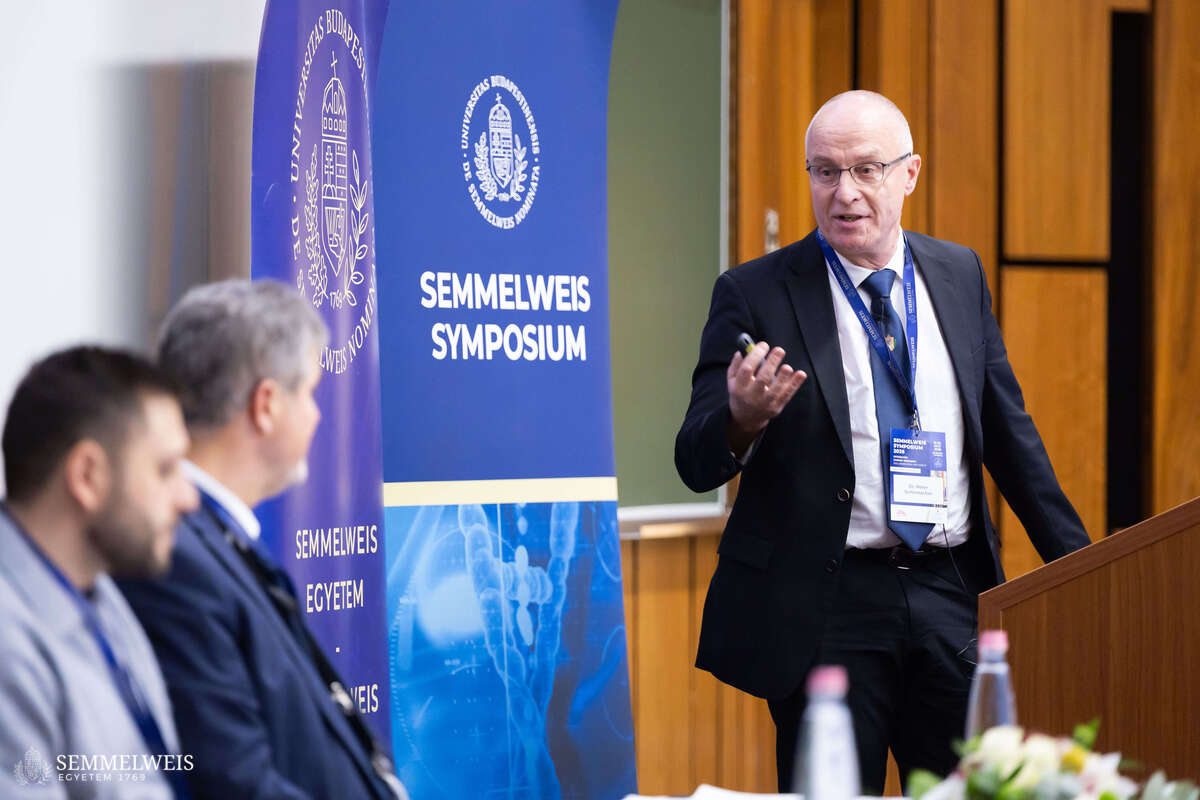
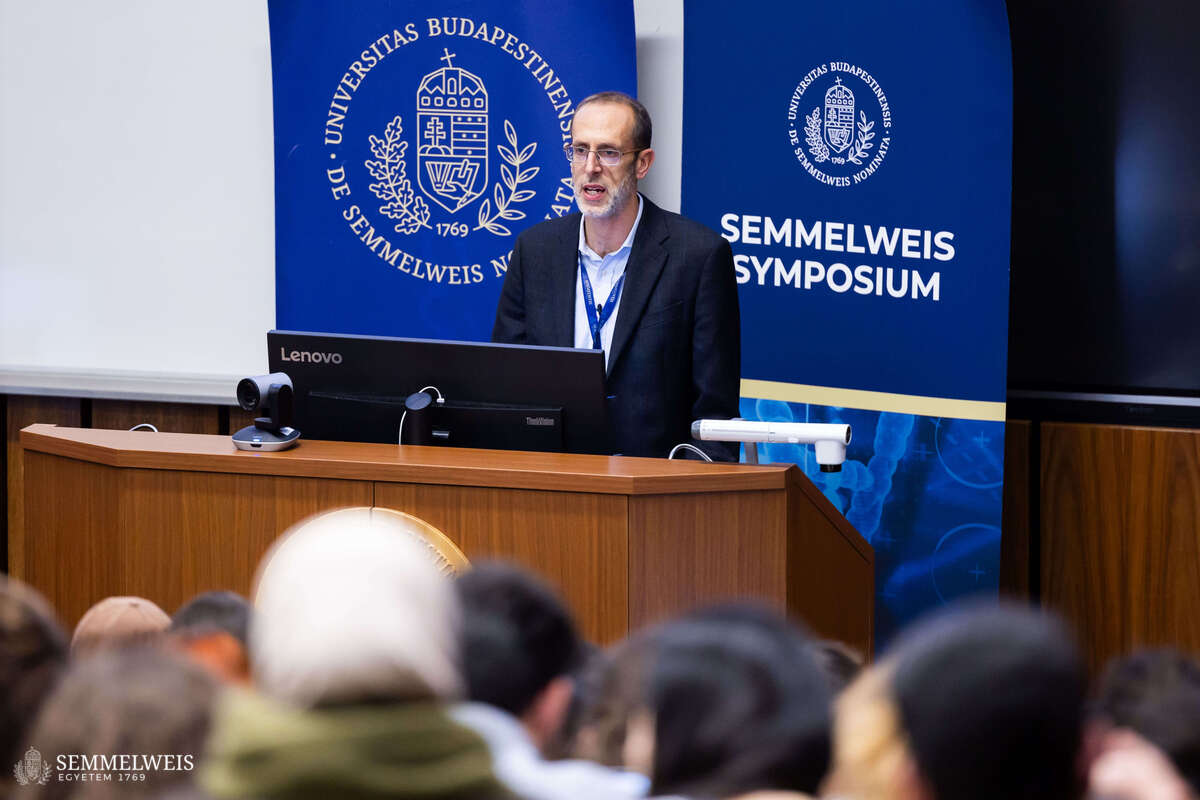
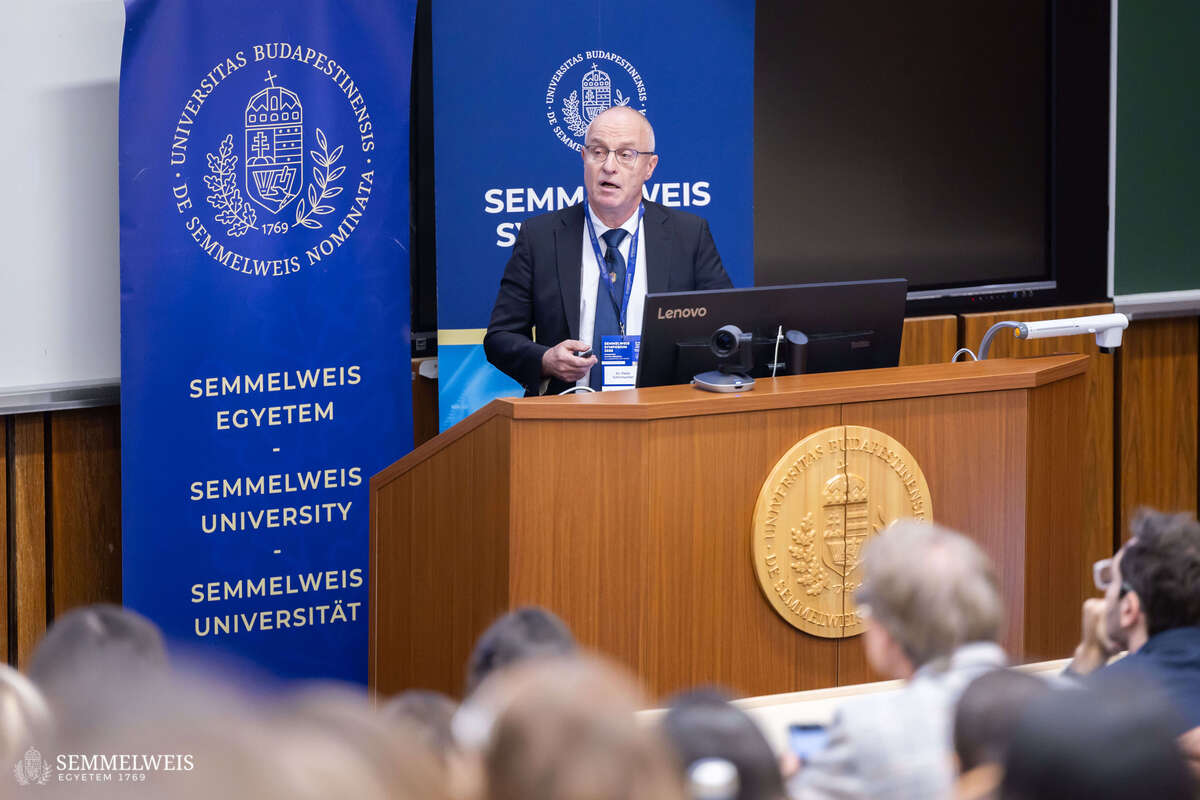
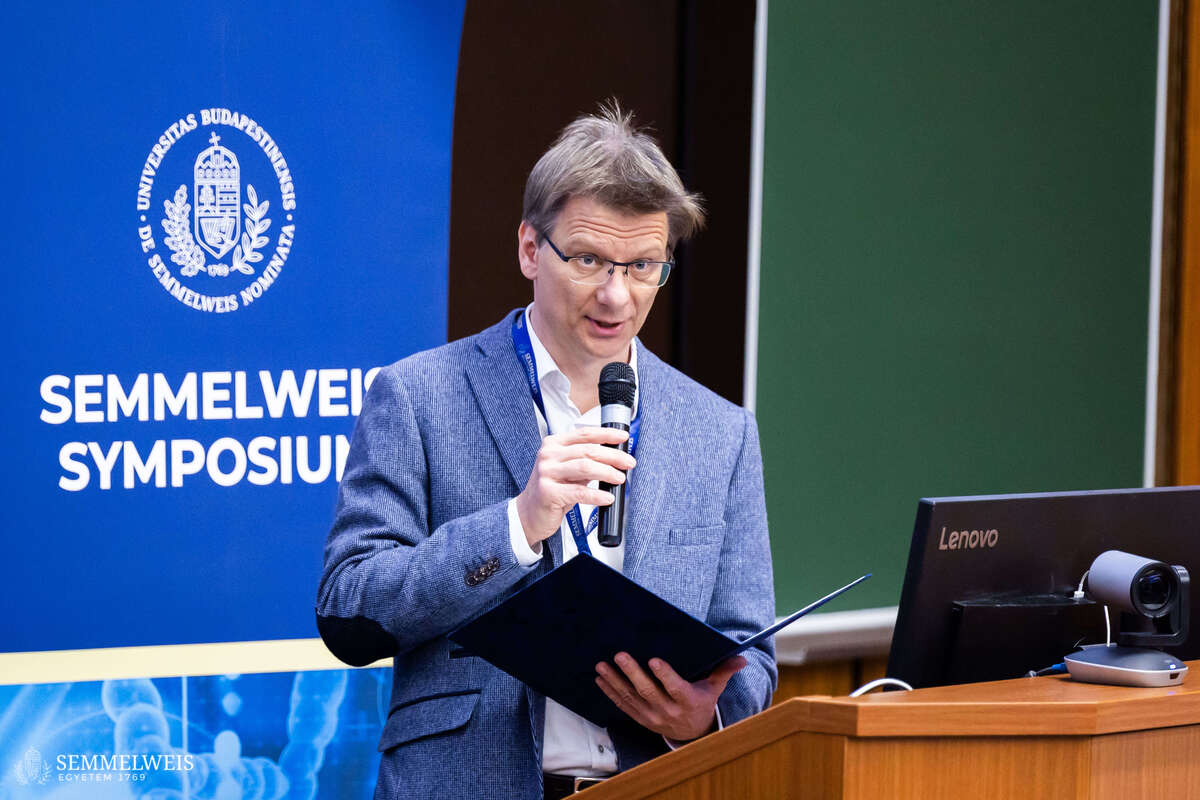 The symposium was opened by Dr. Balázs Győrffy, Head of the Department of Bioinformatics at Semmelweis University, who is also one of the co-chairs of the organizing committee, along with Rector Dr. Béla Merkely and Dr. Magdolna Dank, Head of the university’s Department of Clinical Oncology and Director General of the National Institute of Oncology. As Dr. Balázs Győrffy explained, this year’s theme was not only exciting from a scientific perspective but was also of great significance to society. “Cancer is not a single disease. It is an extremely complex group of diseases characterized by remarkable biological diversity and constantly evolving mechanisms,” he stated, adding that for this reason, understanding this complexity required much more than the expertise of any individual discipline. „In fact, cancer is probably one of the few topics where even bringing together all the experts still leaves us with plenty of open questions,” said the head of department, emphasizing that a deeper understanding of oncological processes depends on bringing together molecular biology, genetics, biology, bioinformatics, artificial intelligence, and clinical medicine. He emphasized the paramount importance of translating discoveries made in basic research into more effective diagnostics and patient care. He said he was pleased that the event would discuss not only successful discoveries and clinical implications, but also research processes, innovative approaches, and collaborative efforts.
“The Semmelweis Symposium is much more than a scientific event. It is also an educational one, which has special significance because today’s students are tomorrow’s researchers, clinicians, and innovators.” – Dr. Balázs Győrffy
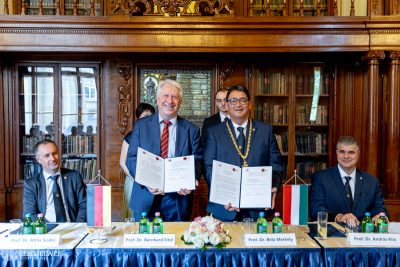
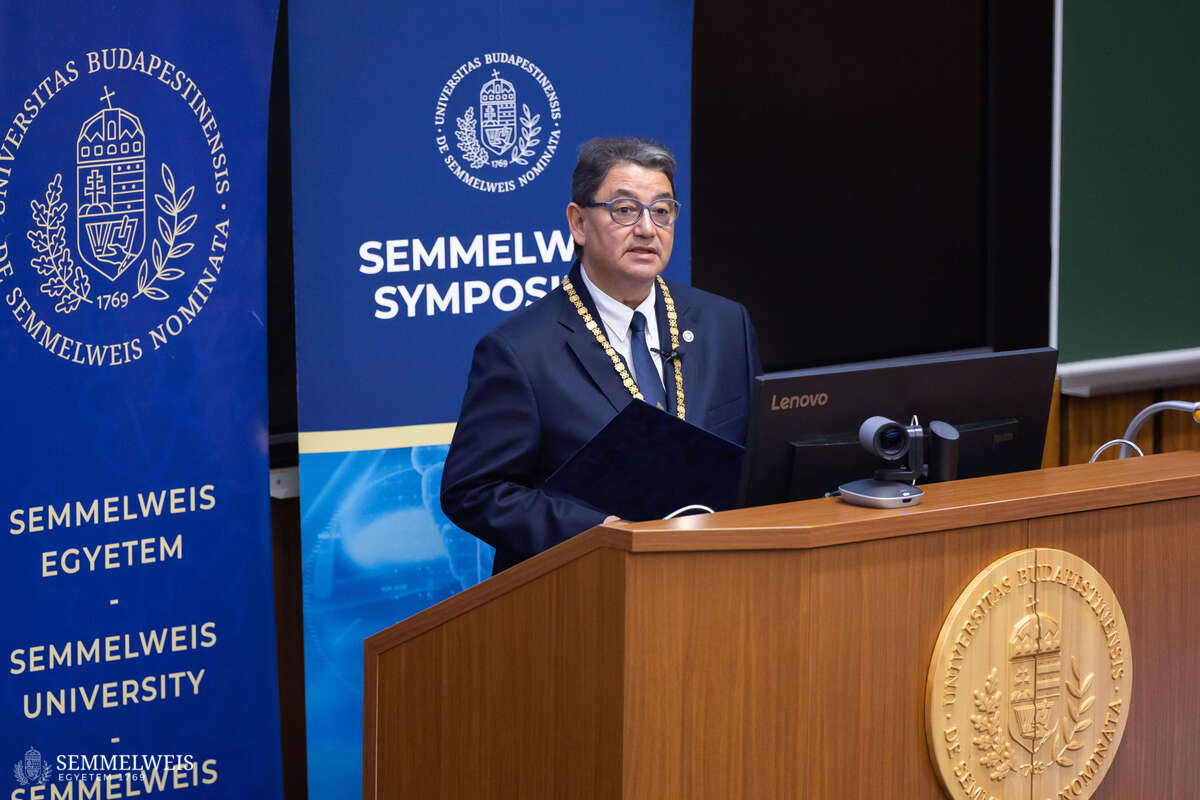 In his opening remarks, Rector Dr. Béla Merkely recalled that world-class achievements increasingly depend on cross-border and interdisciplinary collaboration and knowledge sharing. He believed this to be especially true for the field of oncology, which was the focus of this year’s symposium, given that the characteristics of cancerous diseases, the development of modern technologies, and personalized treatments now require ever-greater cooperation among diverse scientific disciplines and specialists. „It is no coincidence that oncology is one of Semmelweis University’s largest research areas, bringing together numerous specialties,” the rector stated. As he noted, the goal of the event – alongside presenting the latest research findings and innovations – was to promote international knowledge transfer and cross-border networking, and to build bridges between various disciplines, research, and clinical practice. “Year after year, our symposium provides an outstanding opportunity for the world’s most distinguished researchers, physicians, and specialists to come together. At the same time, our students and young PhD candidates have the chance to hear from the world’s leading experts about the most important developments in their respective fields,” Dr. Béla Merkely pointed out. He mentioned as Semmelweis University’s mission that scientific findings should be put to practical use as quickly and effectively as possible – that is, at patients’ bedside. He emphasized that this is of particular importance in the field of cancer, which ranks as the second leading cause of death after cardiovascular disease. “I am therefore very pleased that the focus over the next three days will be on integrated cancer research. It is key to ensuring that we move as quickly as possible from scientific discoveries to diagnostic and therapeutic procedures accessible to patients,” said Dr. Béla Merkely.
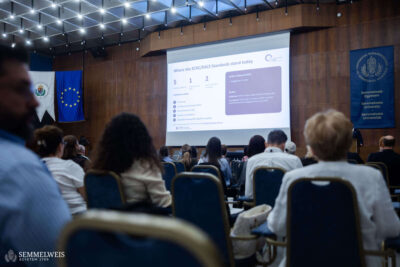
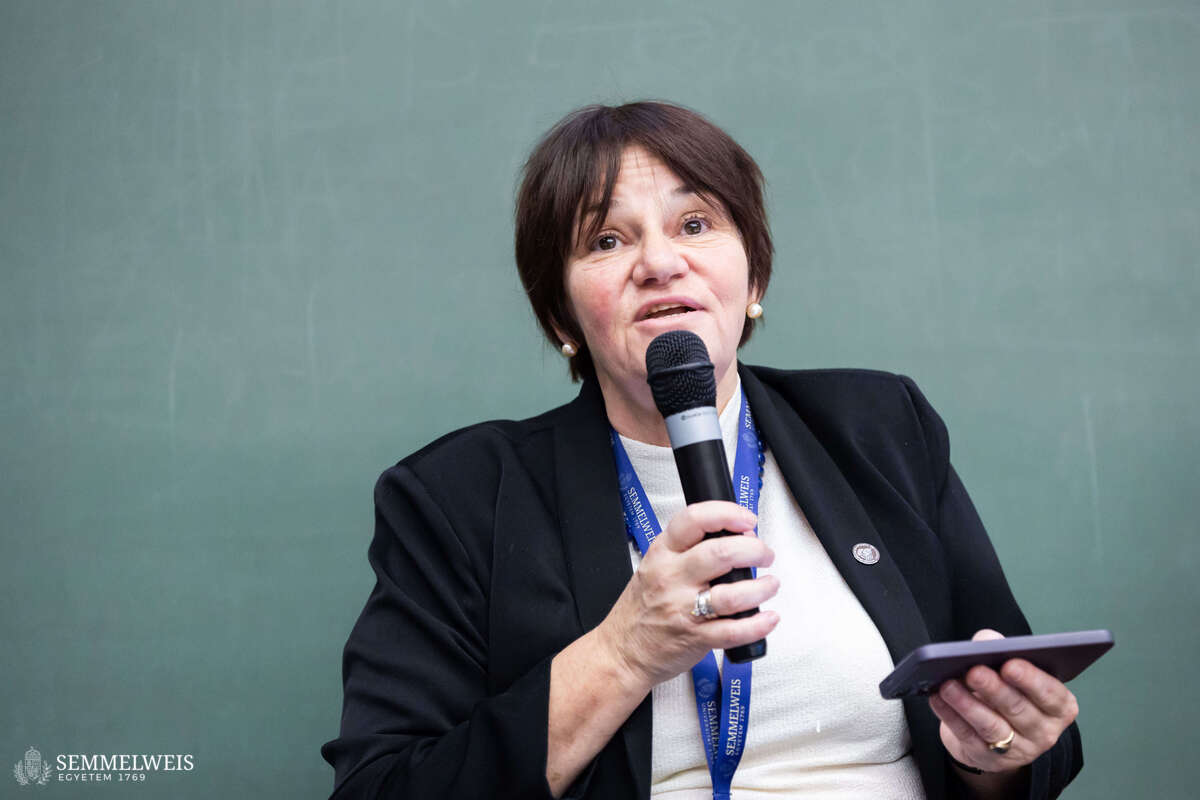 Dr. Beáta Pethesné Dávid, Dean of the Faculty of Health and Public Administration (EKK), welcomed the audience and the EUniWell Centre for Advanced Studies (CAS) Symposium, held as part of this year’s Semmelweis Symposium, in her capacity as a EUniWell Champions ambassador. As she noted, the Champions program was launched in July 2025 by the EUniWell university consortium; on behalf of Semmelweis University, the dean of EKK is responsible for the project titled “Social Health in the Context of Well-Being.” The goal of the Champions initiative is for selected researchers to promote the dissemination of scientific findings and to foster collaboration within their own institutions, among the alliance’s partners, and with civil society and policymakers. Dr. Beáta Pethesné Dávid introduced Semmelweis University’s next Champion ambassador, Dr. Katalin Fogarasi, who took office in July 2026. As Director and Associate Professor at the Institute of Languages for Specific Purposes, her objective will be to advance research at the intersection of language, medicine, and society, explore how communication practices influence patient safety, clinical decision-making, and equitable access to healthcare.
EUniWell Centre for Advanced Studies (CAS): A Bridge between science, public policy, and social well-being
The EUniWell Centre for Advanced Studies (CAS) Symposium is being held as part of this year’s Semmelweis Symposium. CAS is the main research, innovation, and technology transfer structure of the EUniWell university consortium. The primary goal of the initiative is to expand the alliance’s research capabilities, encourage inter- and transdisciplinary collaboration, and strengthen cooperation between science and public policy to enhance social well-being. CAS encourages researchers to adopt an entrepreneurial and transformative approach, supporting the commercialization of knowledge (valorization), successful grant acquisition, and the development of a vibrant scientific community.
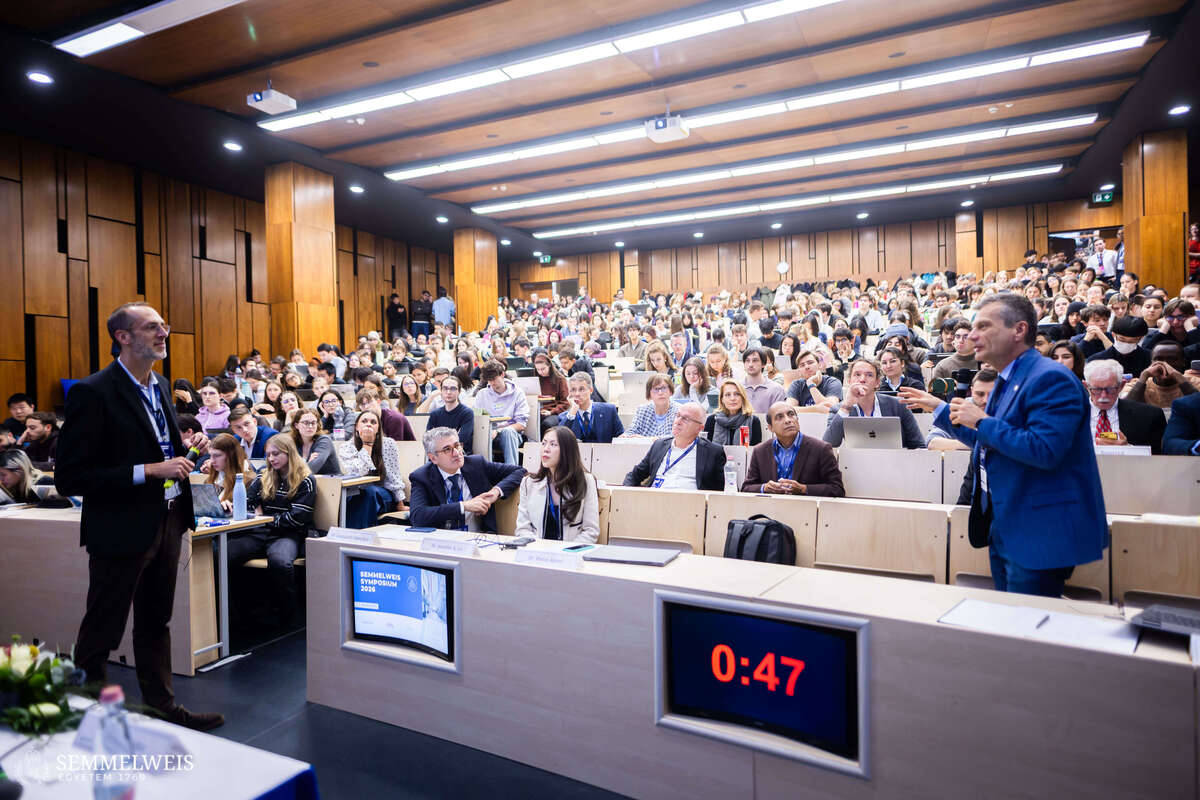
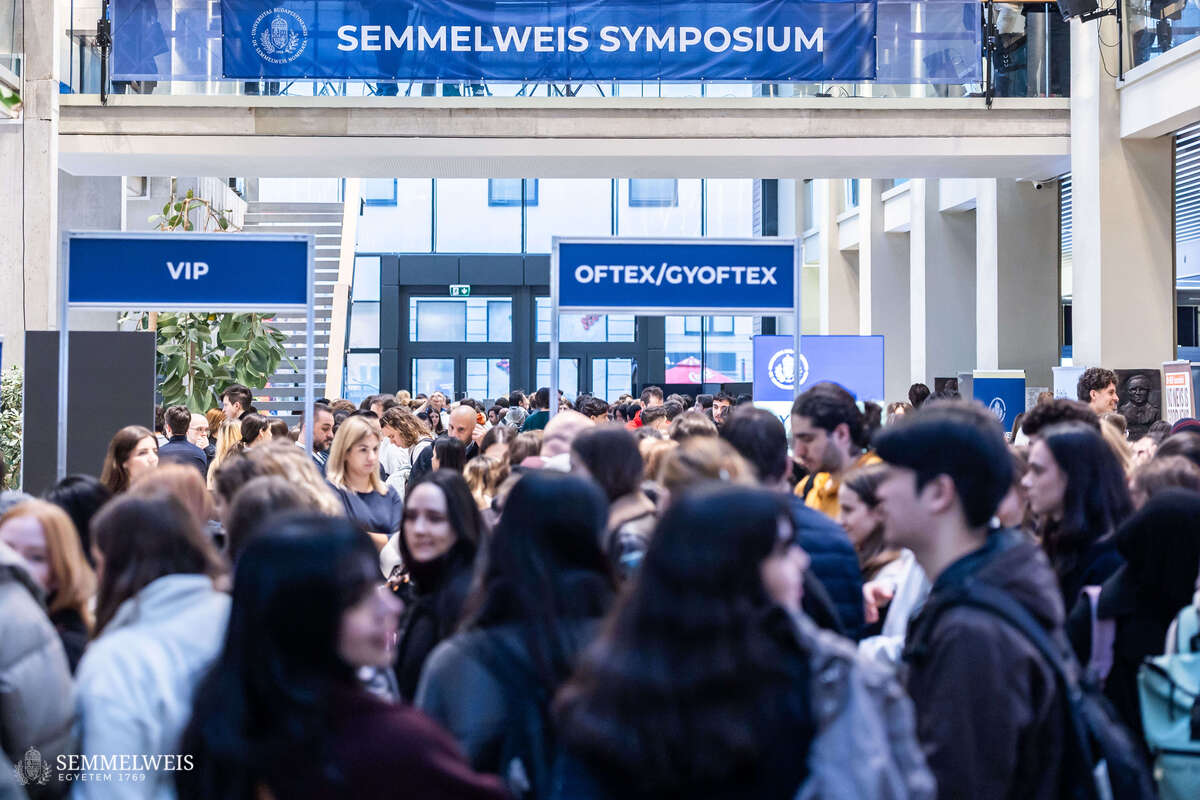
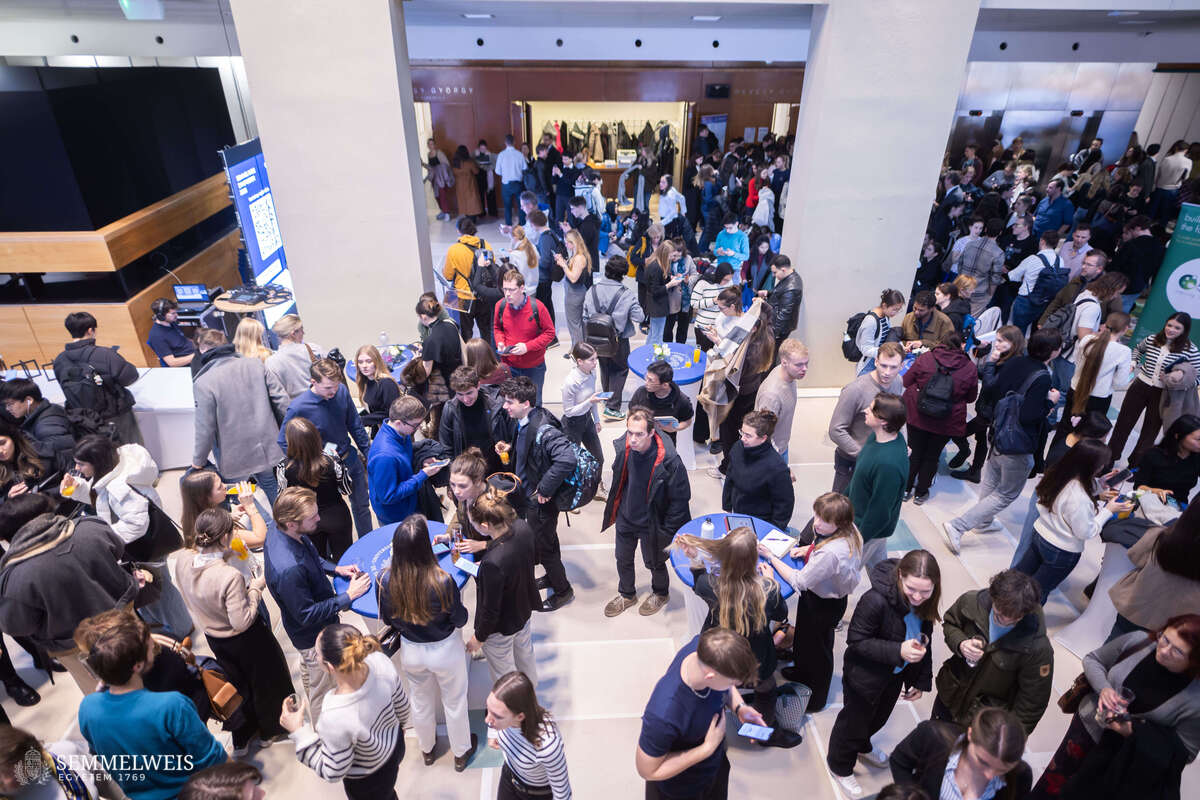
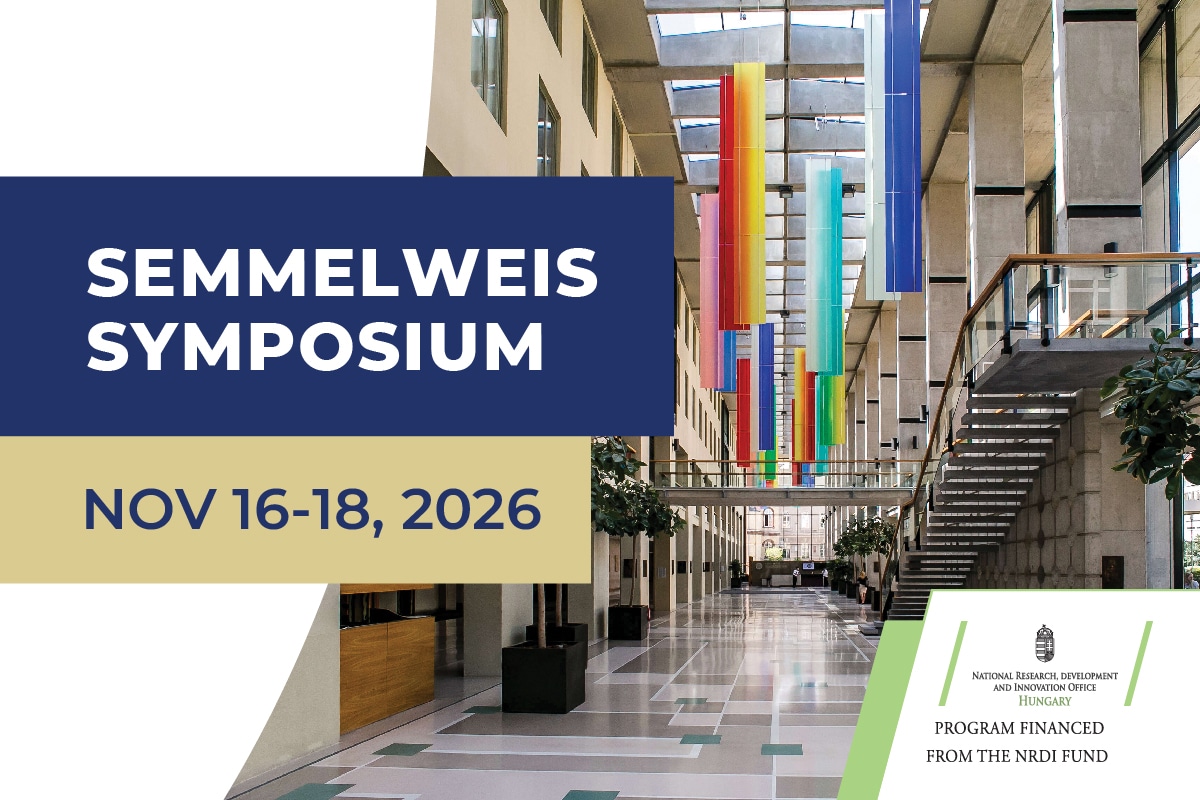
Taking place from November 16-18, the Semmelweis Symposium features more than 40 presentations across ten sessions, delivered by approximately 30 international speakers from eleven countries and Hungary.
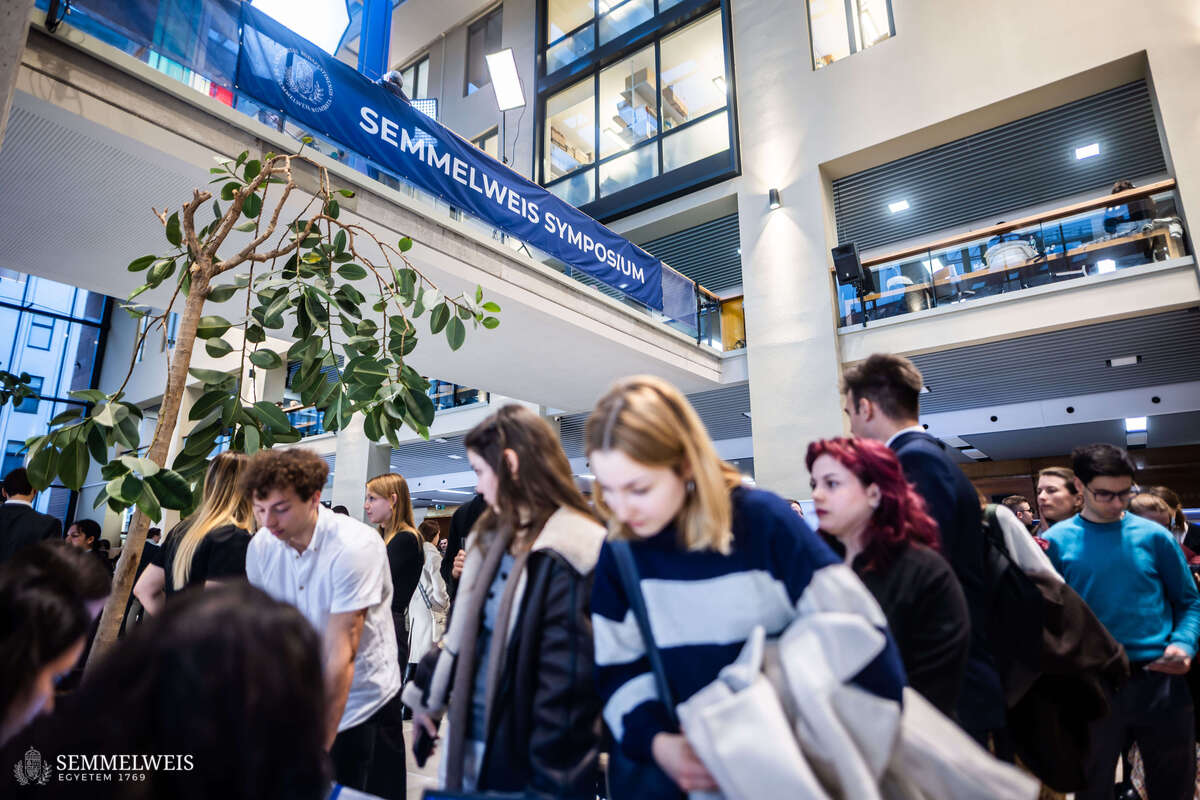
Gallery
The symposium is sponsored by Lilly and UniCorp Biotech, among others.
Judit Dőtsch
Photos by Bálint Barta – Semmelweis University