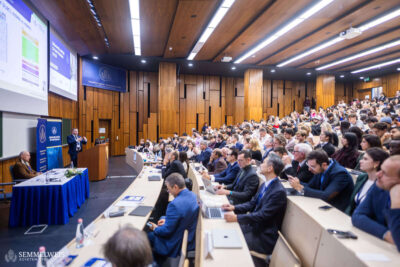
At the closing ceremony of the symposium, Dr. Magdolna Dank, one of the Co-Chairs of the Organizing Committee, Head of Semmelweis University’s Department of Clinical Oncology, and Director General of the National Institute of Oncology, delivered a speech. She reminded the participants that behind every molecular profile and every scan there is a person waiting to find out what their diagnosis means and what treatment they need. This is precisely the human dimension and the purpose of the scientific questions discussed during the three-day event, the director general added.
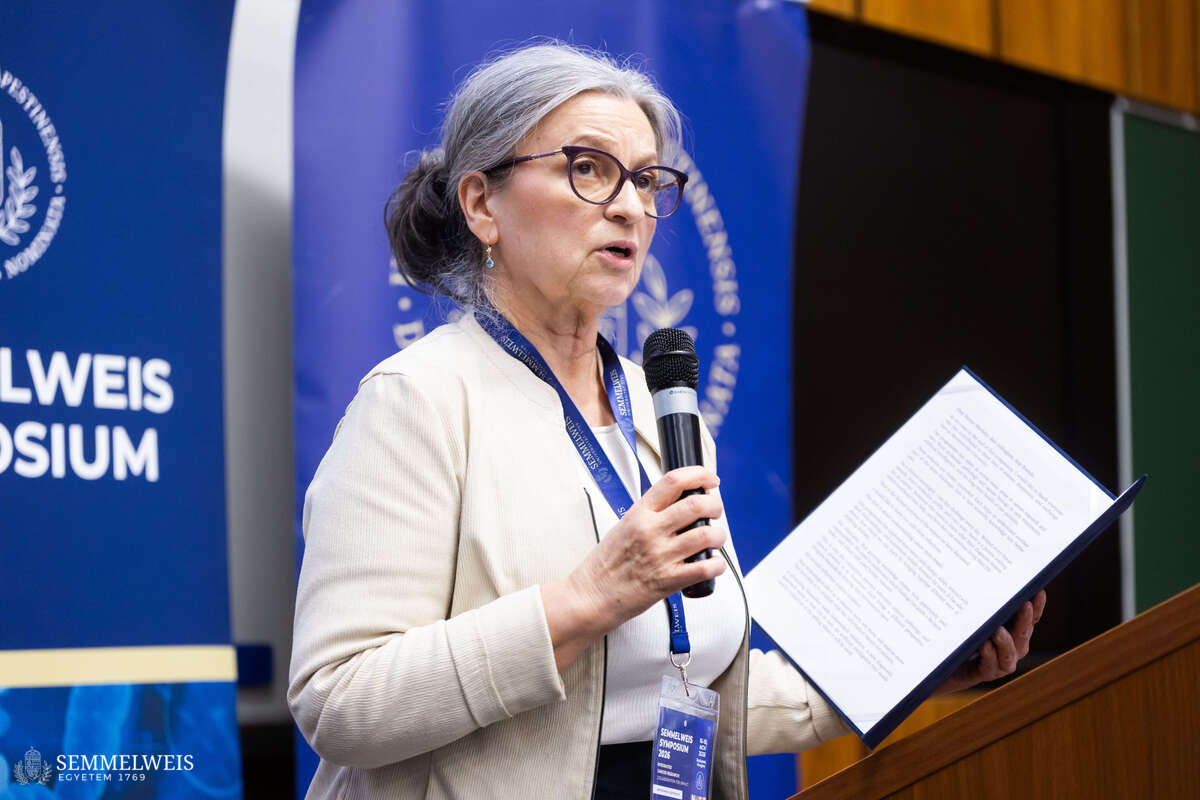 Summarizing the symposium, Dr. Magdolna Dank shared three key observations with the audience – regarding a better understanding of cancer, evidence-based treatment, and the patient as a whole person. As she explained, one of the key takeaways from the conference was the extent to which cancer can change, adapt to circumstances, and remain undetected for a long time. The professional program also highlighted how much we can learn from an interdisciplinary approach to cancer, which is why a close connection between laboratory science, pathology, and clinical practice is so important. As technology advances, we are able to perform more and more measurements and analyses, which can lead to an increasing number of discoveries; however, the vast amount of data – including biomarkers – must also be validated. Furthermore, as she noted, we must determine what this information means for patients – whether it helps us choose the most appropriate treatment for a given patient and allows us to decide when we need to reconsider the chosen approach. Regarding the third point, she emphasized that the success of cancer care depends on how patients feel during and after treatment, and this must be taken into account already when formulating the research question and making decisions about treatment. Concluding her remarks, the director general underlined the importance of collaboration, as all disciplines involved in cancer treatment are highly interdependent. She expressed her hope that the exchange of ideas that was begun at the symposium would continue in the form of shared projects, institutional exchange programs, and professional friendships. As Dr. Magdolna Dank said to her young colleagues and researchers at the end of her speech:
Your questions and your ideas are an essential part of this community. Please keep asking, keep challenging, and keep looking beyond the boundaries of your own field.
The professional program of individual sessions
The first session provided an overview of the fields of precision oncology and oncocardiology. In the plenary presentation, Dr. Giampaolo Bianchini (Vita-Salute San Raffaele University, Italy) presented the latest immunological implications of predictive biomarkers for immune checkpoint inhibitor therapies. Dr. Csaba Bödör (Semmelweis University) reported on precision oncohematology research conducted by the Molecular Oncohematology Research Group in the context of B-cell lymphomas and pediatric leukemias, with a particular focus on the potential clinical applications of liquid biopsy procedures. Dr. Jennifer Lo (Harvard Medical School, USA) talked about innovative research platforms supporting the development of precision immunotherapy. In the session’s closing presentation, Dr. Pietro Ameri (University of Genoa, Italy) reviewed unresolved issues in classical cardio-oncology, focusing on anthracycline-induced cardiotoxicity.
Session chairs: Dr. Lajos Pusztai (Yale University, USA), Dr. Csaba Bödör (Semmelweis University)
Dr. Csaba Bödör, Professor at the Department of Pathology and Experimental Cancer Research, Semmelweis University
The five presentations in this session covered various areas of precision cancer diagnostics and personalized oncology treatments. Dr. Peter Schirmacher (Heidelberg University, Germany) presented the developments in molecular pathological tumor diagnostics over the past twenty years, with a particular focus on comprehensive molecular analyses. Dr. Luca Magnani (Institute of Cancer Research, London) focused his presentation on the role of quiescent, or dormant, tumor cells in estrogen receptor-positive (ER+) breast cancers and the long-term course of the disease. Dr. Richard Rosenquist Brandell (Karolinska Institute, Sweden) discussed opportunities for developing precision medicine for chronic lymphocytic leukemia (CLL). Dr. Elias Arnér (Karolinska Institute, Sweden) explored the use of selenoproteins as targets in cancer therapy. The session concluded with a presentation by Dr. Zsófia Drobni (Semmelweis University), in which she discussed the cardiovascular side effects of modern anti-cancer treatments, specifically cardiovascular toxicity.
Session chairs: Dr. András Kiss (Semmelweis University), Dr. David E. Fisher (Harvard Medical School, USA), Dr. Stefan Prekovic (Center for Molecular Medicine, Utrecht, Netherlands)
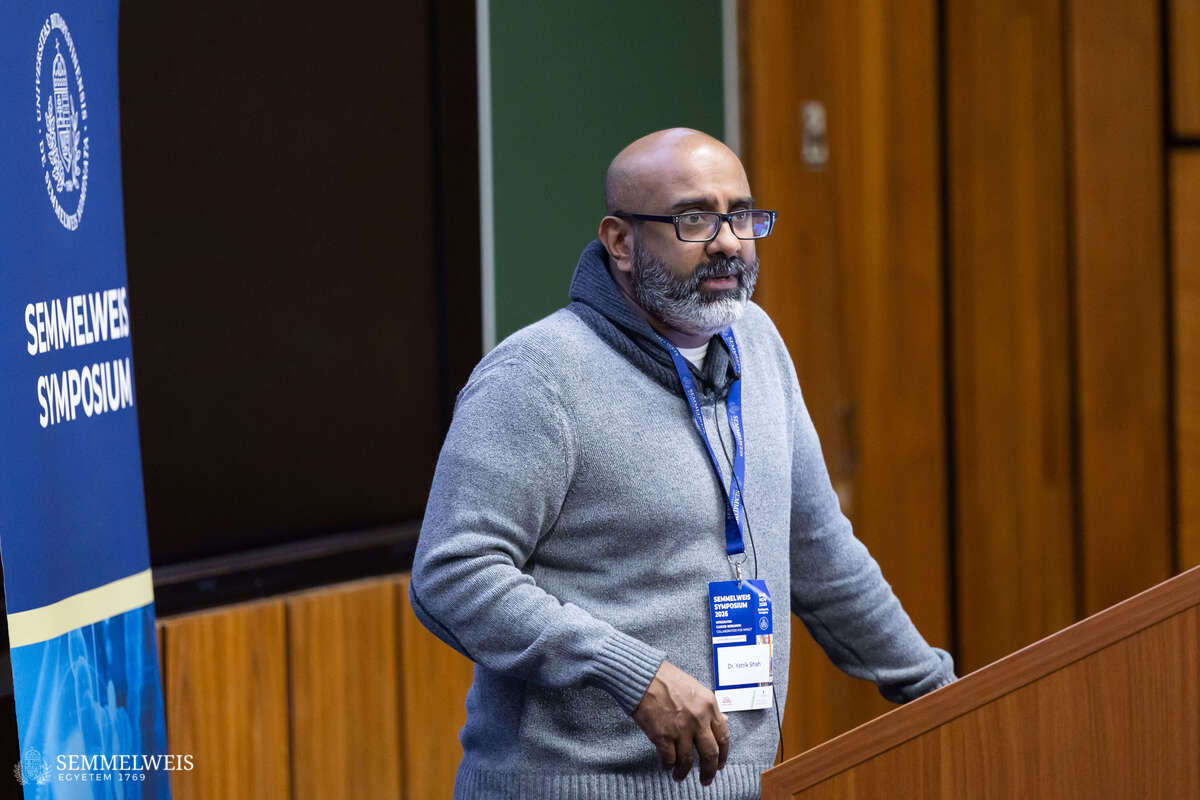
The five presentations in this session covered topics ranging from the role of metabolism in tumors to precision oncology treatments and robotic neurosurgery. Dr. Yatrik Shah (University of Michigan, USA) presented on the metabolic adaptation of tumors and the therapeutic opportunities this provides. Dr. Stefan Anker (Charité – Berlin University of Medicine, Germany) spoke about an important area in the treatment of advanced cancer – the targeted treatment of cancer cachexia – as well as opportunities for improving quality of life and survival. Dr. Francesco Crea (Open University, United Kingdom) discussed precision epigenetic treatment options for incurable neuroendocrine prostate cancer. Dr. Oliver Schilling (University of Freiburg, Germany) gave a presentation on the potential for integrating mass spectrometry-based proteomic analyses into molecular pathological diagnostics. Dr. Loránd Erőss (Semmelweis University) presented on the topic of robotization in neurosurgery.
Session chairs: Dr. Balázs Győrffy (Semmelweis University), Dr. Luca Magnani (Institute of Cancer Research, London)
The fourth session explored four key areas of precision oncology. Dr. Matteo Fassan (University of Padua) spoke about the precision pathological examination of tumors of the stomach and the gastroesophageal junction, highlighting the importance of biomarkers – including HER2, PD-L1, and CLDN18.2 – in therapeutic decision-making. In his presentation, Dr. Balázs Győrffy (Semmelweis University) outlined the conditions necessary for the reliable clinical application of cancer biomarkers. He emphasized that identifying a biomarker alone is not sufficient: It must also be validated using independent patient data to confirm that the results are reproducible and truly aid in treatment decisions. Dr. Alberto Ocaña (Hospital Clínico San Carlos, Madrid) presented the potential for the development of antibody-drug conjugates (ADCs). His presentation focused on the application of artificial intelligence and biophysical modeling, which can aid in the selection of more effective and safer drug candidates. Dr. Nada Jabado (McGill University, Canada) discussed the role of oncohistones – that is, mutations affecting histone proteins – in tumor formation, with a particular focus on certain gliomas in children and young adults. The common message of the four presentations was that the achievements of precision oncology can benefit patients only if accurate diagnostic information enables personalized treatment decisions based on reliable evidence.
Session chairs: Dr. Magdolna Dank (Semmelweis University), Dr. Rudolf de Boer (Erasmus MC, Rotterdam)
Dr. Magdolna Dank, Head of the Department of Clinical Oncology, Semmelweis University
This session focused on the links between cancer and cardiovascular disease, as well as the possibilities for personalized oncological care. Dr. Rudolf de Boer (Erasmus MC, Rotterdam) spoke about reverse cardio-oncology. He explained that people with heart failure have a higher risk of cancer, a risk in which chronic inflammation, the microbiome, and extracellular vesicles may all play a role. Dr. Wilbert Zwart (Netherlands Cancer Institute) presented the role of epigenetic plasticity in tumor progression and therapeutic response, with a particular focus on therapeutic resistance in estrogen receptor-positive (ER+) breast cancers. He also discussed the relationship between fasting-mimicking diets and glucocorticoid receptor (GR) activation, as well as the potential role of dexamethasone. Dr. Péter Nyirády (Semmelweis University) presented the precision oncological application of biomarkers. Molecular subtypes of bladder tumors can aid in predicting prognosis and the response to immunotherapy. He discussed the roles of PD-L1 status, tumor mutation burden, and the gut microbiome, and introduced liquid biopsy as an alternative to tissue biopsies. Dr. Stefan Pfister (German Cancer Research Center) spoke about the embryonic characteristics of childhood tumors. He demonstrated that genetic abnormalities can already appear during embryonic development, which may offer opportunities for early diagnosis; he also noted that embryonic antigens can serve as new therapeutic targets.
Session chairs: Dr. Zoltán Varga (Semmelweis University), Dr. Nada Jabado (McGill University, Canada)
Dr. Zoltán Varga, Deputy Scientific Coordinator at the Department of Pharmacology and Pharmacotherapy, Semmelweis University
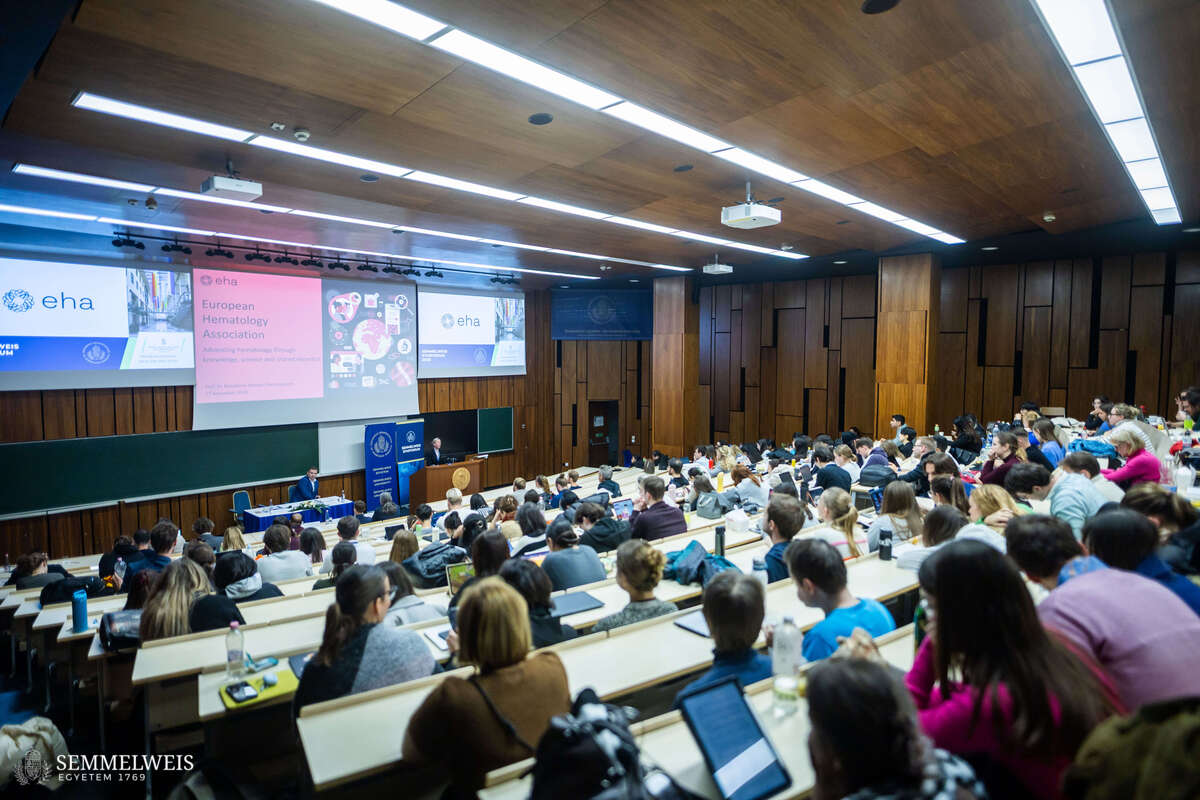
As the closing event of the second day, attendees had the opportunity to listen to a session organized jointly with the European Hematology Association (EHA). As the plenary speaker, EHA President Dr. Konstanze Döhner (Ulm University Hospital, Germany) discussed the educational, research, and other opportunities offered by EHA to students. In the technical portion of her presentation, she highlighted therapeutic advances in the treatment of acute myeloid leukemias, with a particular focus on the latest clinical trials underway for the disease. Dr. Bence Bátai (Semmelweis University / Charité – Berlin University of Medicine, Germany) presented his research findings in the field of B-cell leukemias. His findings drew attention to the spatial heterogeneity of B-cell lymphomas and its significance in the design of clinical trials. In addition to topics in oncohematology, Dr. Volker Coenen (University of Freiburg, Germany) gave a presentation on imaging-guided, targeted surgical approaches used in the treatment of neurological and psychiatric disorders. As the closing speaker of the session, a former student of Semmelweis University, Dr. Bimalangshu Dey (Harvard Medical School, USA), provided a comprehensive overview of his research and clinical achievements in the field of bone marrow transplantation.
Session chairs: Dr. Konstanze Döhner (Ulm University Hospital, Germany), Dr. Csaba Bödör (Semmelweis University)
Dr. Csaba Bödör, Professor at the Department of Pathology and Experimental Cancer Research, Semmelweis University
The four presentations in this session focused on topics ranging from the molecular mechanisms underlying the development of cancer to personalized treatments and cardiovascular risks. Dr. David E. Fisher (Harvard Medical School, USA) gave a presentation on the possible mechanistic links between Parkinson’s disease and melanoma, as well as the implications for melanoma prevention that can be drawn from these findings. Dr. Ana Barac (Inova Fairfax Hospital, USA) examined the preservation of cardiovascular health in breast cancer patients during and after anti-cancer treatment, with a particular focus on improving long-term outcomes. Dr. Pál Ákos Deák (Semmelweis University) presented the role of interventional oncology in integrated cancer care. Dr. Vincent Cavaillès (Montpellier Cancer Research Institute, France) discussed the transcriptional regulation of gastrointestinal tumor development.
Session chairs: Dr. Lajos Kemény (Semmelweis University), Dr. Peter Schirmacher (Heidelberg University, Germany)
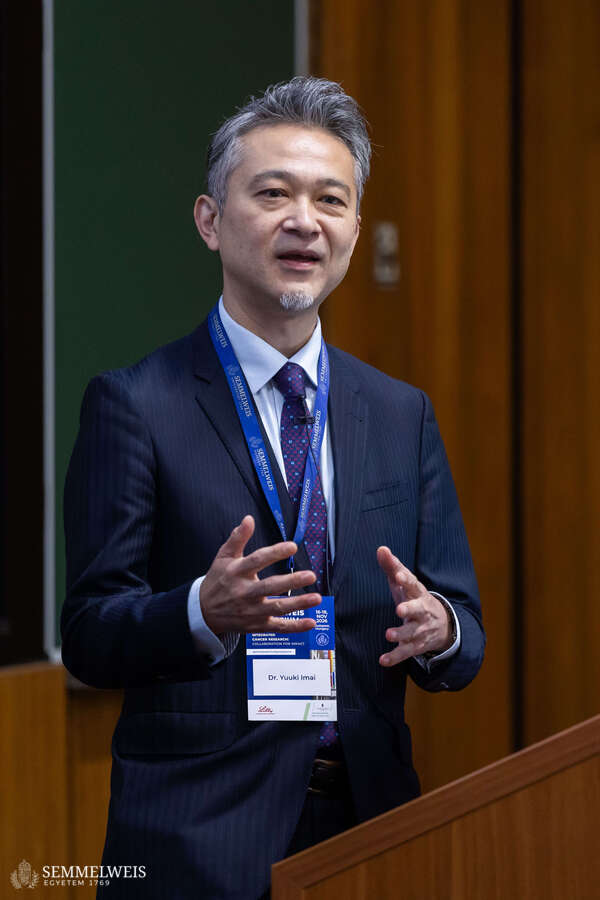
The four presentations in this session covered topics ranging from new treatment options for prostate cancer to early tumor diagnosis and the molecular mechanisms of melanoma and prostate cancer. Dr. Boris Hadaschik (University of Duisburg-Essen, Germany) spoke about a new approach to treating high-risk, localized prostate cancer. In his presentation, he discussed the use of apalutamide both prior to and during radical prostatectomy. Dr. Dennis Lo (Chinese University of Hong Kong) presented the analysis of circulating free DNA (cfDNA) fragments in cells – a field known as fragmentomics – as a new possibility for early cancer detection. Dr. Lajos Kemény (Semmelweis University) gave a presentation on mapping the therapeutic vulnerabilities of melanoma, with particular emphasis on the molecular heterogeneity of tumors and how they evade the immune system’s antitumor response. Dr. Yuuki Imai (Ehime University, Japan) discussed the molecular mechanisms underlying bone metastasis in prostate cancer.
Session chairs: Dr. Tibor Szarvas (Semmelweis University), Dr. Elias Arnér (Karolinska Institute, Sweden)
In the session’s plenary lecture, Dr. Marcin Wlodarski (St. Jude Children’s Research Hospital, Memphis, USA), a leading international expert on bone marrow failure syndromes, presented the latest findings on the genomic background of this group of diseases. He also discussed the practices at St. Jude Children’s Research Hospital and the impact of the latest single-cell genomic analysis results on daily patient care. Dr. András Kiss (Semmelweis University) spoke about the artificial intelligence-based platform developed by SE-PIBOI and its collaborating partners, which can provide significant assistance in colorectal cancer screening in everyday practice. In his presentation on cardio-oncology, Dr. Paaladinesh Thavendiranathan (University of Toronto, Canada) drew attention to the prevalence of late-onset cardiotoxicity associated with anti-cancer therapies and the limitations of current models and biomarkers used to predict it. He outlined a multidisciplinary framework that could be used to reduce the incidence of this adverse complication. Dr. Edward Schmidt (Montana State University, USA) introduced the audience to the details of cysteine metabolism and its oncological implications. In his presentation, he reported on a new, inducible cysteine pathway discovered by his research group that supports cell survival.
Session chairs: Dr. Csaba Bödör (Semmelweis University), Dr. Paaladinesh Thavendiranathan (University of Toronto, Canada)
Dr. Csaba Bödör, Professor at the Department of Pathology and Experimental Cancer Research, Semmelweis University
The four presentations in this session focused on the investigation of the molecular characteristics of tumors, early detection, targeted therapeutic options, and the medical application of artificial intelligence. Dr. Lajos Pusztai (Yale School of Medicine, USA) discussed the use of circulating tumor DNA (ctDNA) monitoring during follow-up of early-stage breast cancer. Dr. Stefan Prekovic (Center for Molecular Medicine, Utrecht, Netherlands) presented the transcriptional regulatory mechanisms that determine the identity of tumor cells. Dr. Richard Pestell (Pennsylvania Cancer and Regenerative Medicine Center, USA) discussed the potential of CCR5 receptor inhibition in the treatment of metastatic tumors, with a particular focus on therapeutically modulating the tumor microenvironment. Dr. Pál Maurovich-Horvat (Semmelweis University) gave a presentation on the role of artificial intelligence in medical imaging, covering everything from algorithm development to clinical application.
Session chairs: Dr. Balázs Győrffy (Semmelweis University), Dr. Yatrik Shah (University of Michigan, USA)
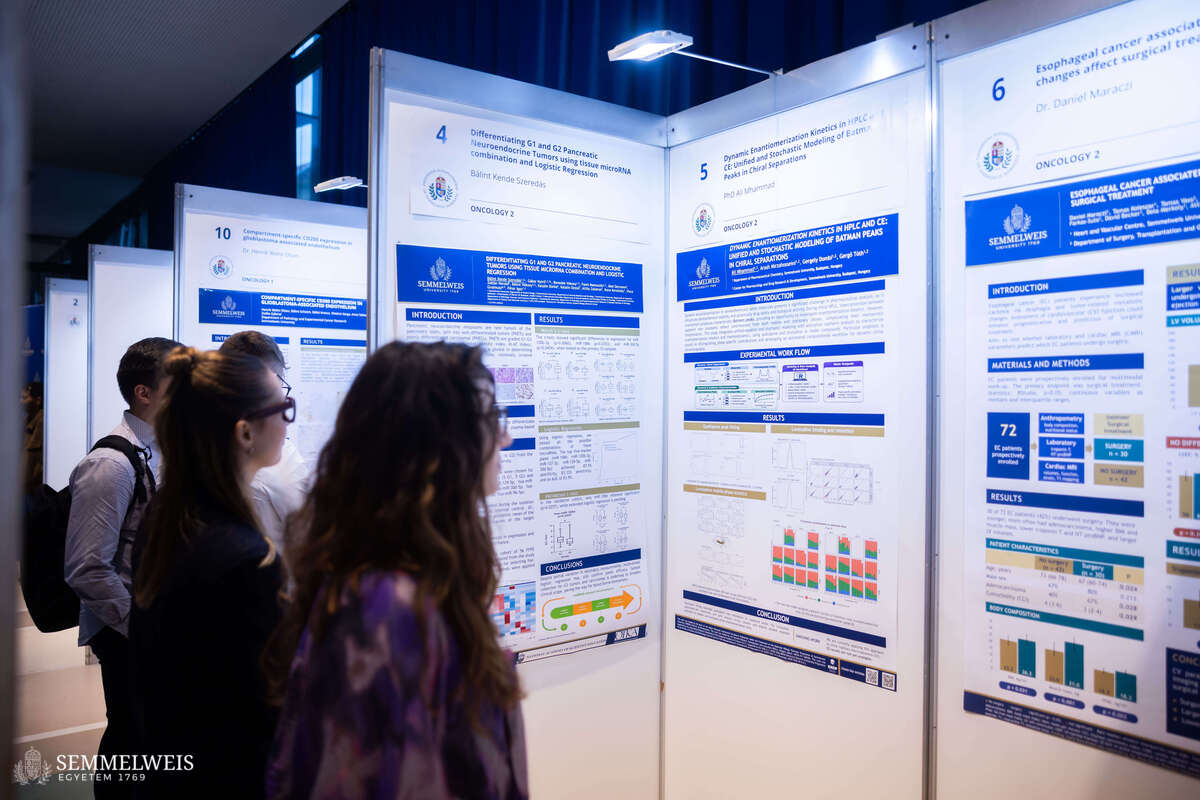
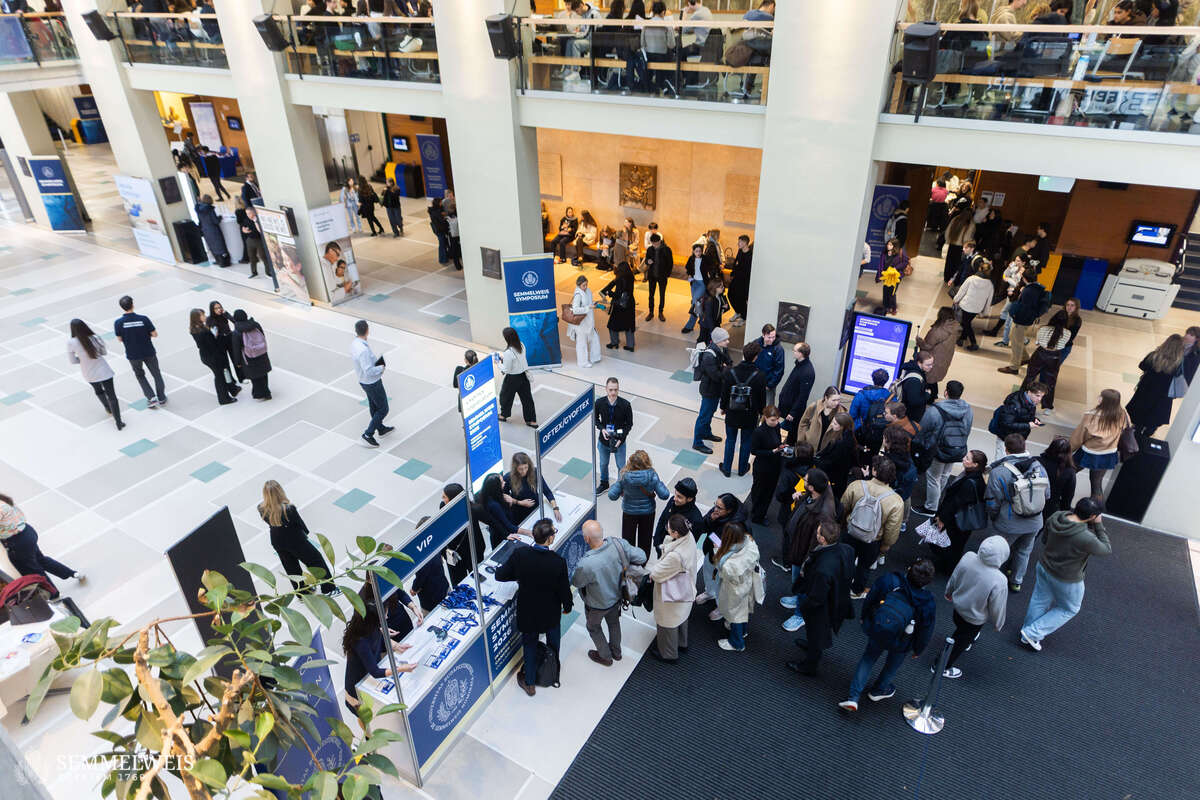
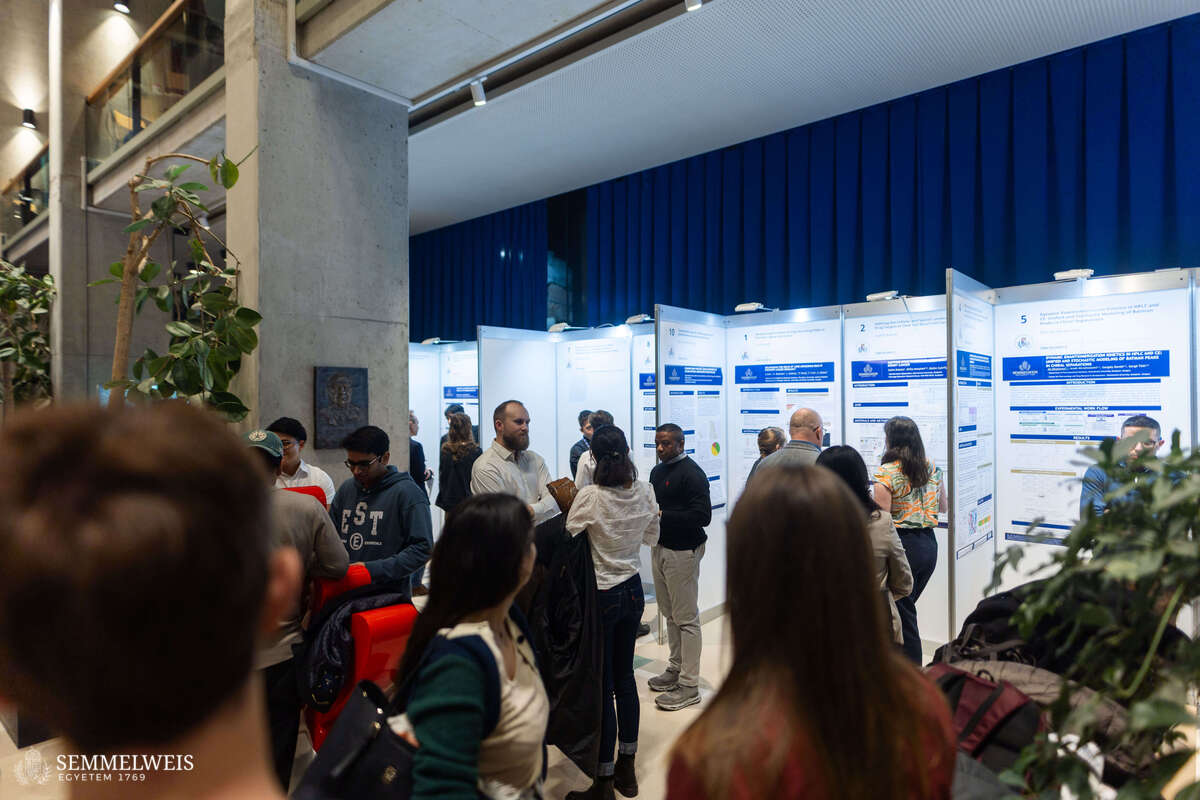
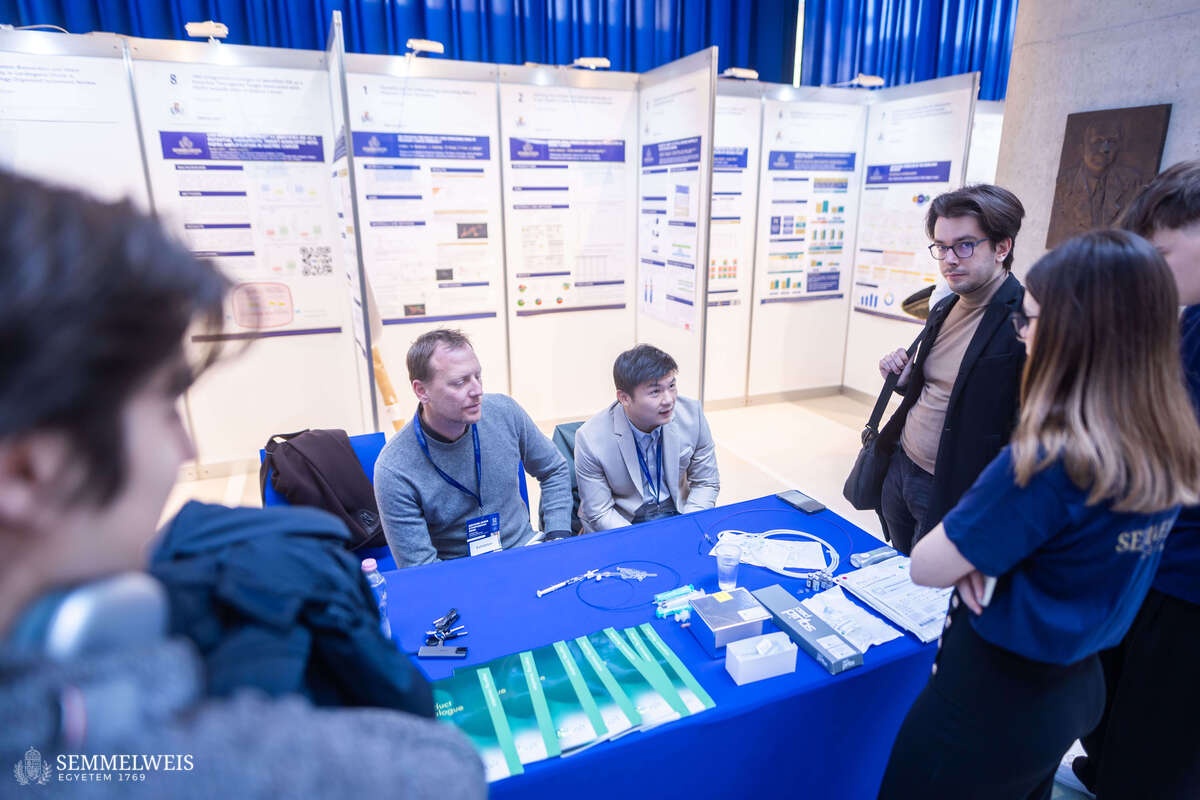
Over the three days of the symposium, participants presented a total of 126 abstracts in the poster sessions, organized into 12 groups. Six groups focused on oncology, while the topics of the other six were as follows: Molecular, Clinical, Neuro-Mental, Data-Dental-Health, Pharma-Theoretical, Pathological. The authors presented their printed posters in English to the members of the review committee in the EOK Foyer as part of the poster sessions. Evaluation criteria included the quality of the poster and of the presentation, the scientific novelty of the abstract and the research, and the presenter’s debating skills.
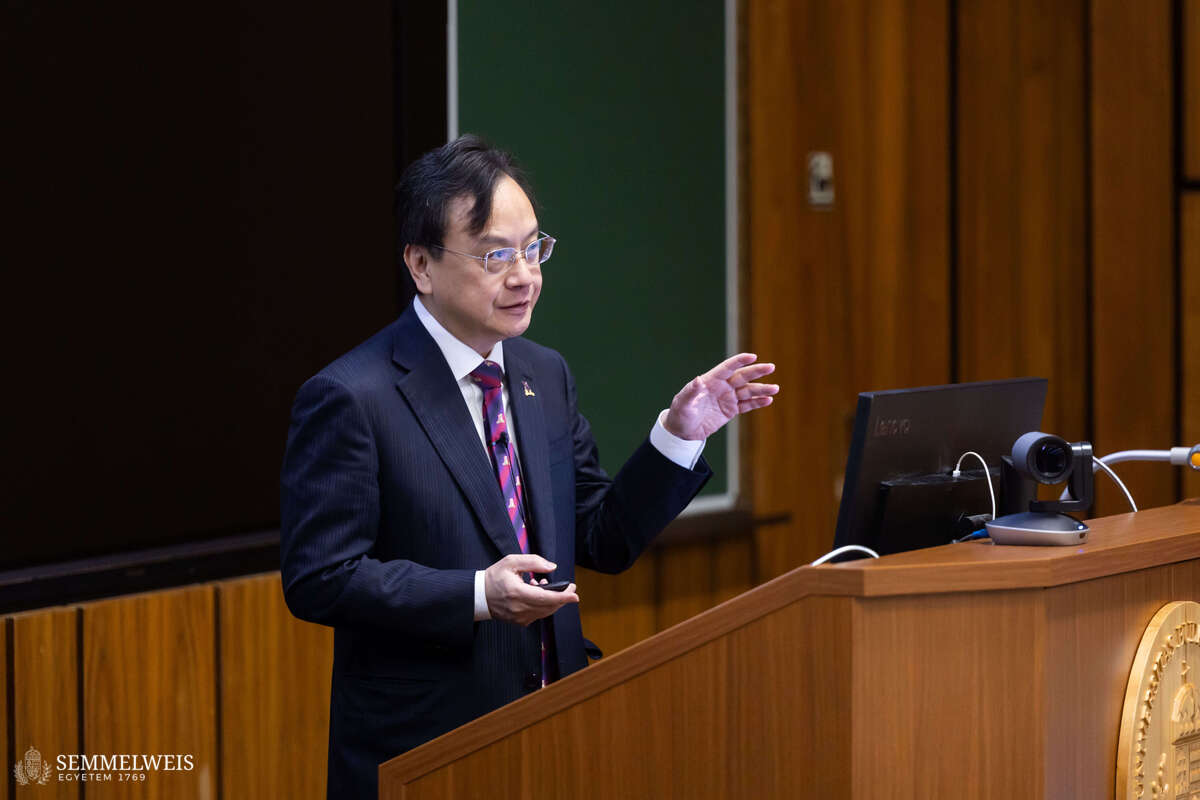
Gallery
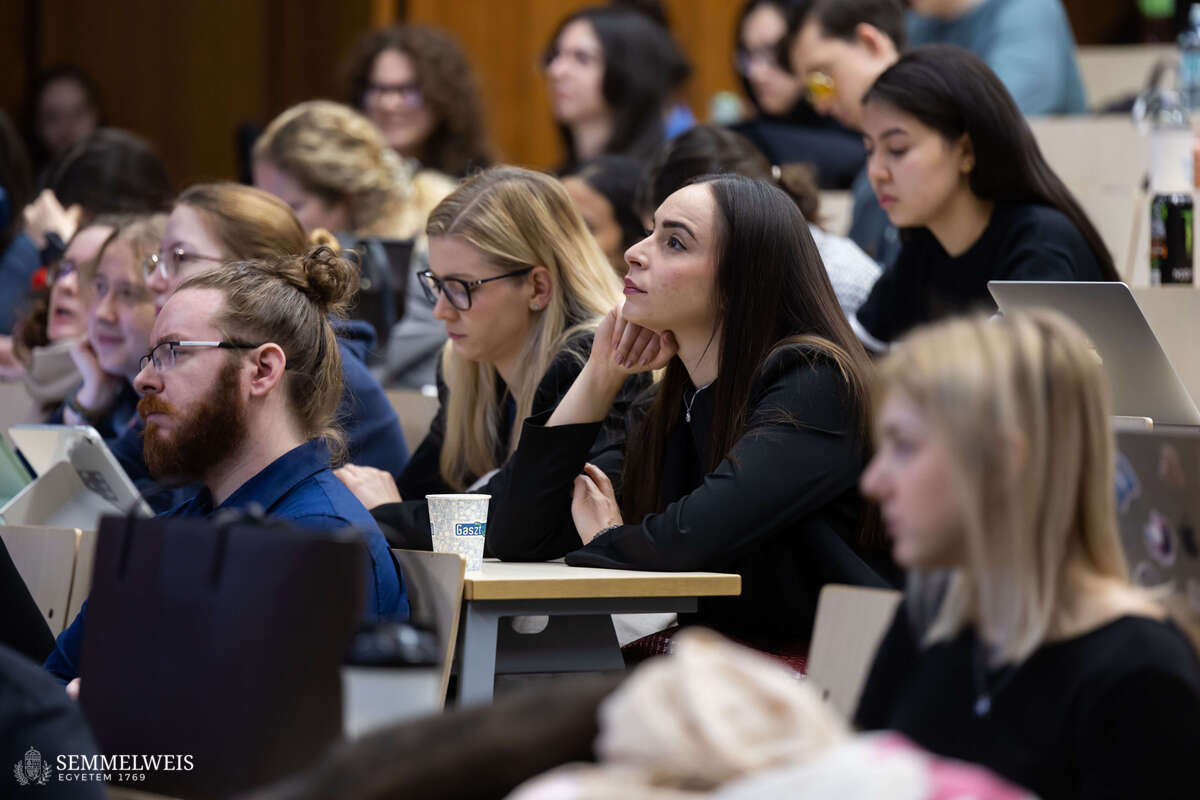
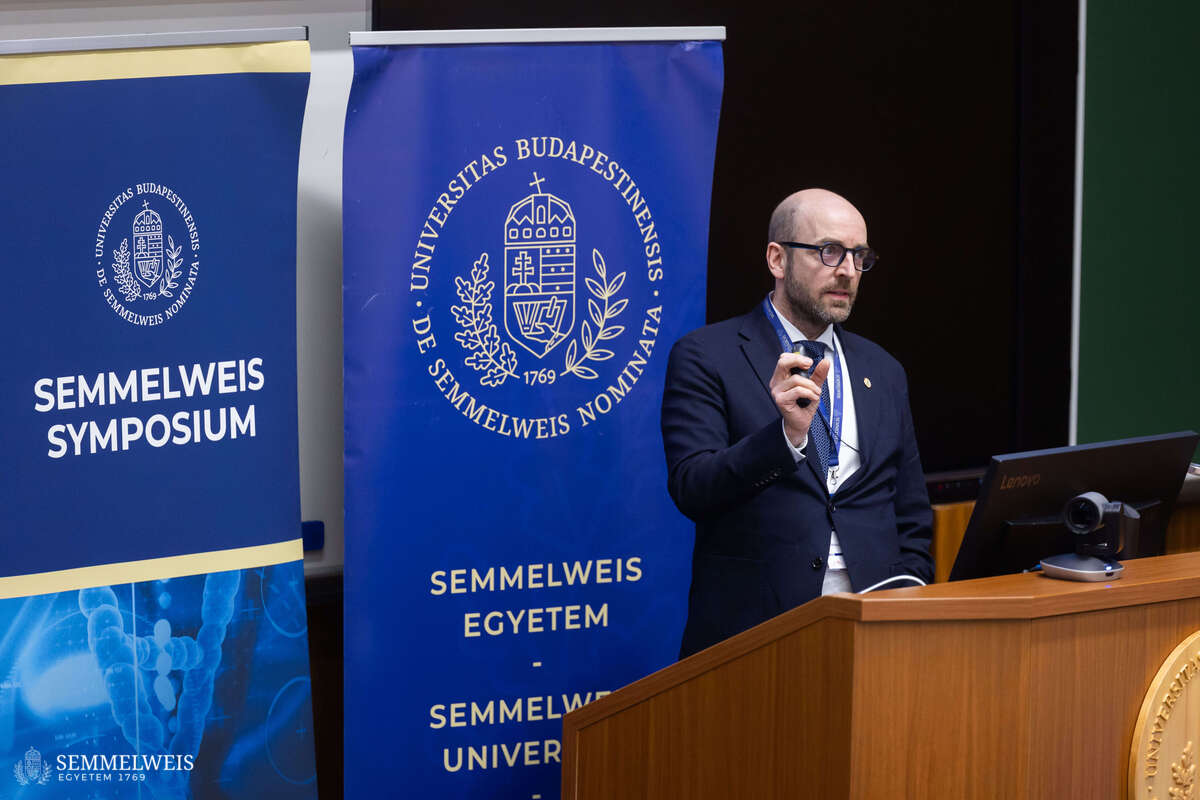
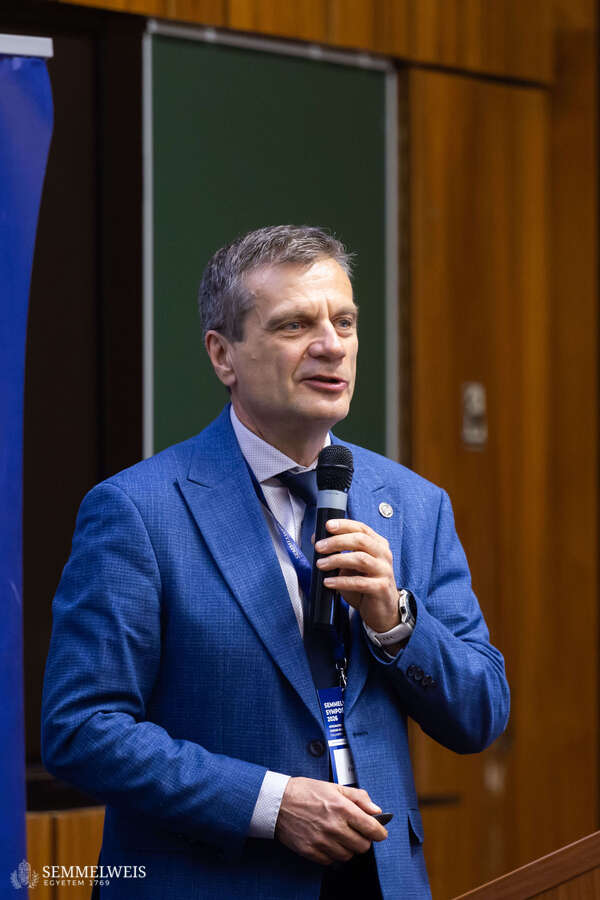
The event was sponsored by Lilly and UniCorp Biotech, among others.
Dr. Balázs Csizmadia
Photos by Bálint Barta – Semmelweis University