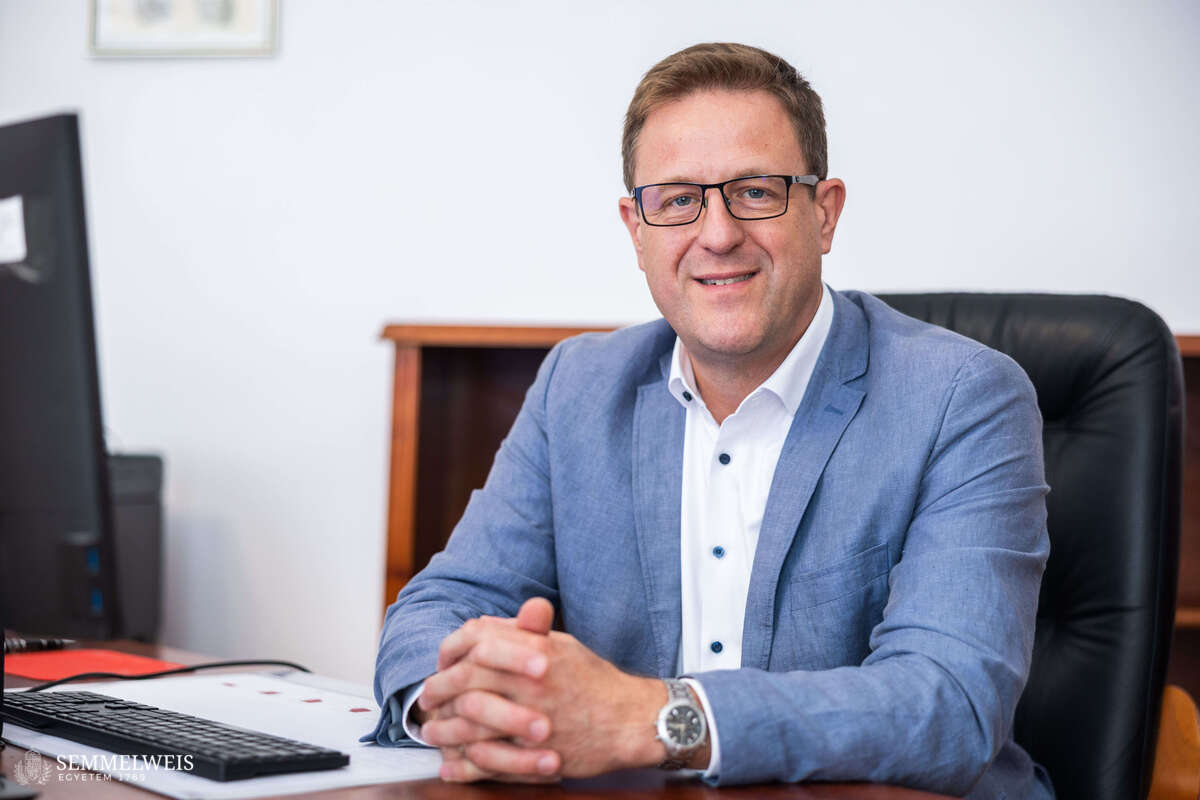
Over the past 10 to 15 years, the workings of the clinic and the range of services in its portfolio have undergone significant changes. The department has succeeded in building a team of doctors and nurses who are motivated, committed to professional development, and have specialized knowledge; thanks to this team, their performance has expanded significantly in terms of both outpatient and inpatient care as well as educational and research activities, explained Dr. Gábor Polony, newly appointed Director of the Department of Otorhinolaryngology, Head and Neck Surgery at Semmelweis University, in an interview with our website. Apart from two extended study trips to Germany, the director’s entire professional career unfolded at the Department of Otorhinolaryngology, Head and Neck Surgery, and he ultimately applied for the position as deputy director. He said that, wherever he went, he encountered good practices that could be integrated into the department’s operations, as well as practices that he considered to be less effective. Based on the experiences he gathered and taking into consideration the scientific advancements in the specialties covered by the institution, he has already begun implementing his ideas for making the institution’s operations more efficient, involving staff from various disciplines.
My main goal is to ensure that clinical work continues to run as smoothly and in as orderly a manner as possible, in a responsible and efficient way.
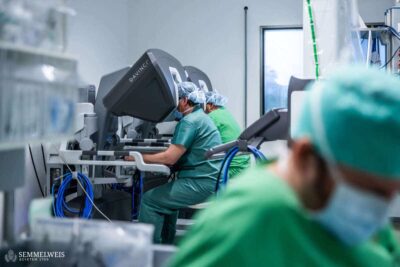
The director emphasized that, in recent years, the number of outpatients and inpatients treated by the department had increased, as had the complexity of the procedures performed. This is thanks to the expertise of the professional team and the complete renovation of the operating suite, which was finished last year. As a result, the institution has become one of the country’s largest specialist care facilities.
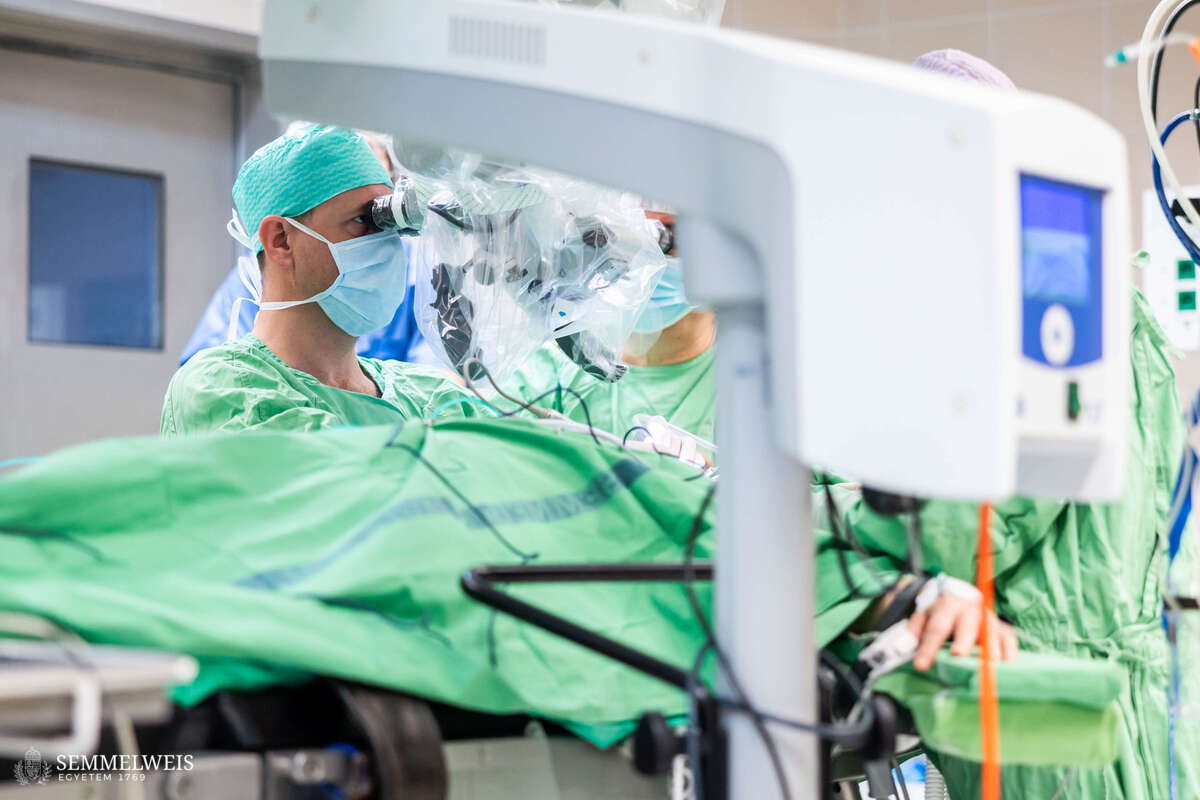
Following the renovation, the four newly available operating rooms are being used for complex sinus and ear surgeries, cochlear implant surgeries for elderly patients and children identified as deaf during infant hearing screenings, skull base surgeries in collaboration with neurosurgeons (i.e., tumor removal), tracheal stenosis (abnormal narrowing of the windpipe) procedures, and a large number of thyroid and parathyroid surgeries.
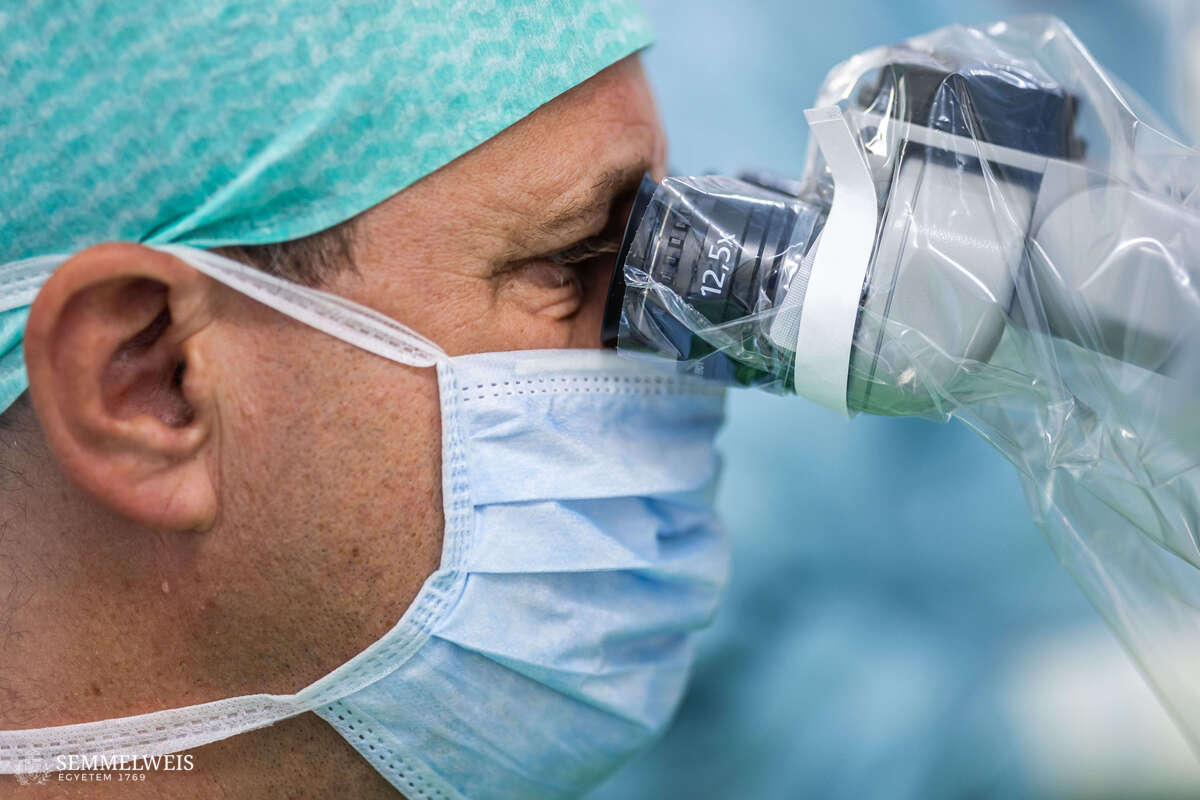
The director noted that the development of cochlear implant surgeries had been remarkable. Over the course of four years, the number of procedures performed rose from 25–30 per year to over 65. This makes the department a leader in Hungary in terms of case volume and places it in the middle of the pack internationally. He added that the number of patients was expected to continue rising, so the department planned to expand its infrastructure and equipment and increase the number of professionals involved in rehabilitation.
Over the past four to five years, the number of thyroid and parathyroid surgeries has risen significantly, reaching between 300 and 400 per year. This increase is due to improvements in diagnosing these conditions, primarily well-differentiated papillary thyroid cancer, which allows treatment to begin at an earlier stage. Another sign of the clinic’s professional development is its launch of tracheal and orbital surgeries. Tracheal surgery requires specialized knowledge, and orbital surgery is conducted in collaboration with the ophthalmology department. The latter encompasses procedures involving the eye socket, including the surgical treatment of tumors and inflammations extending into the socket. Another area at the intersection of specialties that requires specialized knowledge and is performed in collaboration with the Department of Dermatology is the removal of skin tumors in the head and neck region. These tumors include squamous cell carcinomas and melanomas, which may metastasize to lymph nodes in some cases. “We are seeing a staggering increase in the number of cases, primarily among the aging population,” said Dr. Gábor Polony.
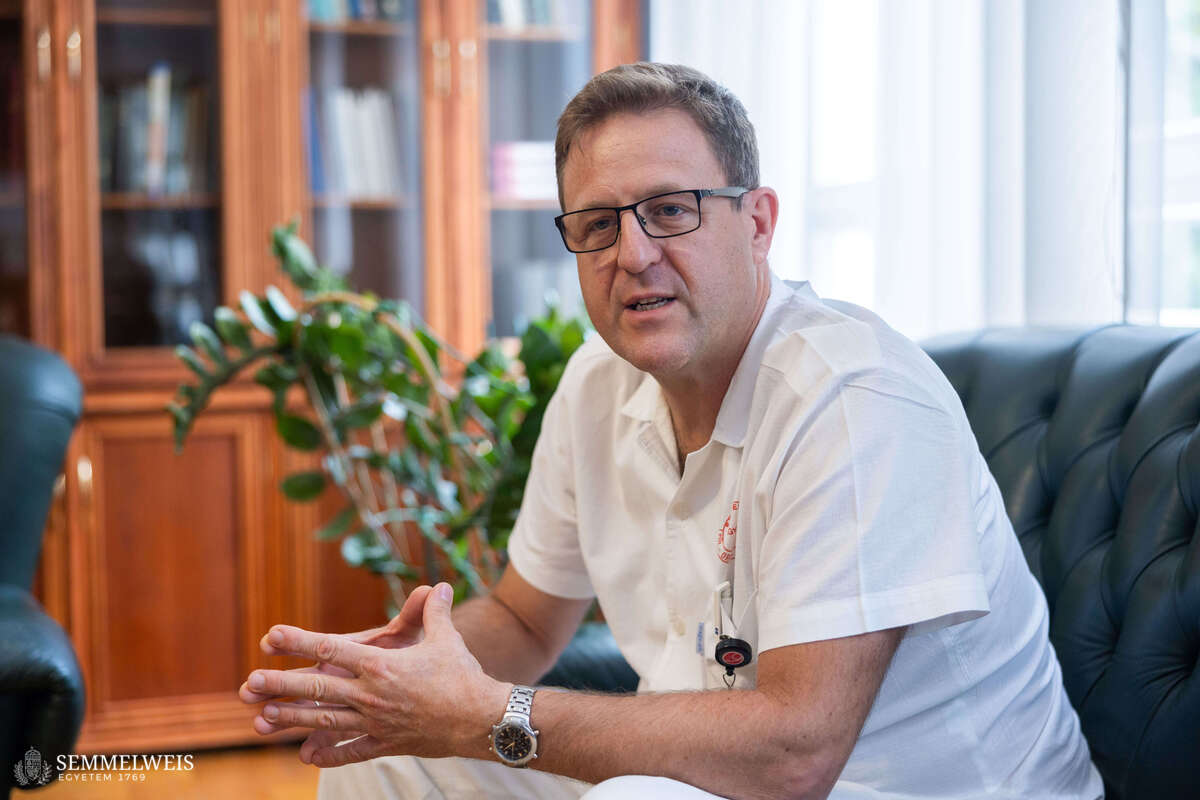
The department continues to treat a very high proportion of cancers classically associated with smoking. What is unique, however, is that the department also provides these patients with complementary oncological care on-site. Furthermore, treatment options have expanded in recent years. “In addition to surgery and radiation therapy of the entire affected region, we can achieve great results with targeted radiation therapy combined with chemotherapy or biological immunotherapy. We can save patients who have a good or relatively good quality of life – patients whom we would have lost five to six years ago,” added Dr. Gábor Polony.
Among the department’s plans for the near future, the director mentioned that they would introduce a case management system in the outpatient clinic. Under this system, the ordering and coordination of tests requested by doctors, as well as the management of patient pathways, could be handled at the nursing level, subject to strict regulations. The director strives to expand the staff of specialized professionals continuously. He believes that appointing and training leaders in every key area of the institution’s operations is one of the greatest opportunities for growth. These leaders can work with the department’s senior management to make operations more professional, efficient, and easily monitored.
I believe it is crucial for doctors and healthcare professionals to communicate as partners and treat patients with the same care they would expect for their own family members in similar situations.
Dr. Gábor Polony also mentioned that, even as director, he had no plans to give up his work as a surgeon; in addition, he was focusing on his application for a university professorship.
In recent years, the department’s educational activities have also expanded steadily: General medical training and dental training are conducted in practice-oriented block courses in three languages, and the department also participates in the practical training of a significant number of nursing students specializing in voice, speech, and swallowing therapy.
Dr. Gábor Polony also mentioned his plans to expand the scope of D1, Q1, and Q2 publications, and to encourage the department’s researchers, residents, physicians, and PhD students to regularly publish their findings and case studies in the national journal of otolaryngology, as this would significantly contribute to the training of otolaryngologists in Hungary.
Melinda Katalin Kiss
Translation: Judit Dőtsch
Photos by Bálint Barta – Semmelweis University