 How did your working day begin, and what will you be doing after this interview?
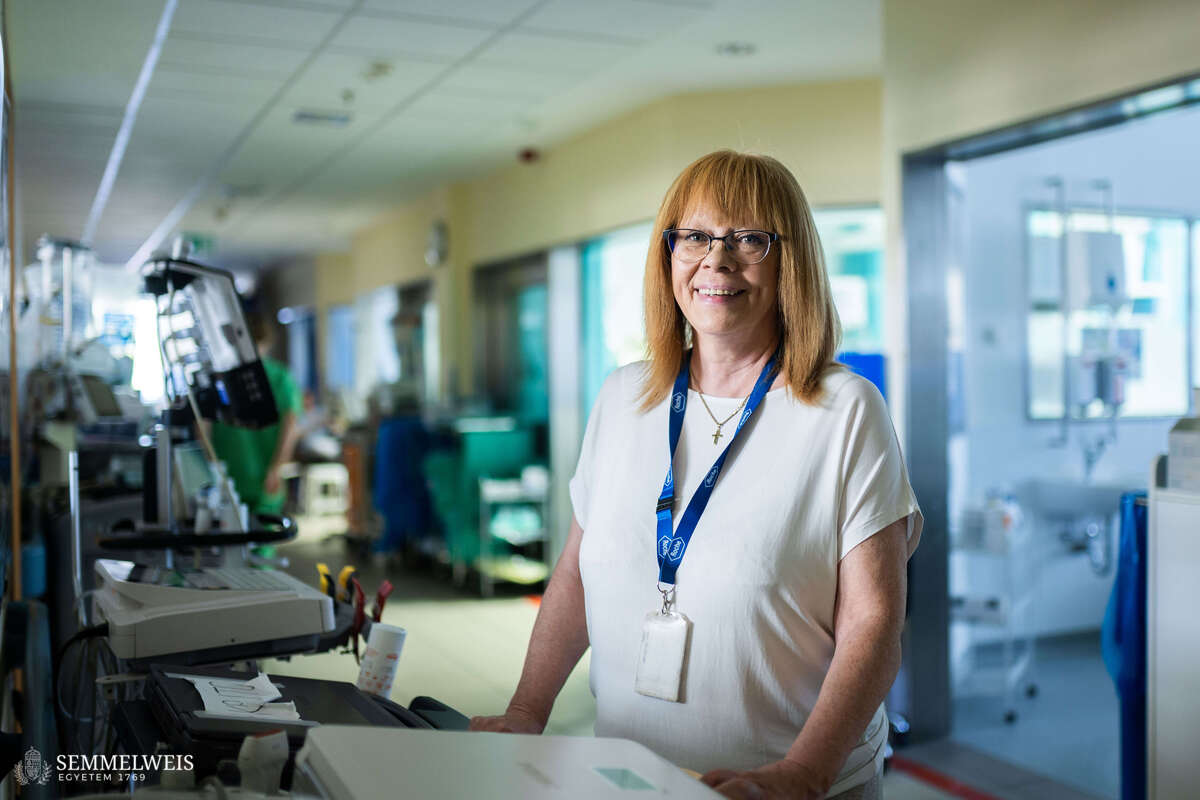
My day began at 4:30 a.m., when my fellow head nurse called to say that two of our colleagues could not get to work because of a train accident. We had to reorganize patient care, and I took over one of the patient rooms. So I came here straight from the bedside, and that is where I will return after our conversation. I am working until 7 p.m. today. When I do not have to take on bedside duties, I generally work an eight-hour day, but there is always something happening in intensive care. Sometimes five patients arrive in a single night, while all our life-support equipment is already in use.
Why did you choose a career in healthcare, and this particular field?
I attended a vocational high school specializing in healthcare in Kalocsa, a town in southern Hungary. There were fewer opportunities for further study at that time than there are today, and my mother encouraged me to give this career a try, although nobody in our family worked in healthcare. I really enjoyed my clinical placements in high school. When we had the chance to see an intensive care unit at work, I was immediately drawn to the complexity of the care and the quick decisions it required.
After graduating from high school, I joined what was then the National Korányi Institute for Pulmonology. When they were looking for applicants for three intensive care positions, I volunteered immediately. I soon felt that I was in the right place and that this was what I wanted to do.
I had the opportunity to learn from excellent professionals, and intensive care nursing was love at first sight. That was almost 40 years ago. I later worked in the intensive care unit at Saint John’s Hospital, before joining Semmelweis University’s Department of Intensive Therapy 28 years ago.
 What has been the most significant experience of your career so far?
I could not single out one case. The coronavirus pandemic was, of course, a defining period. It placed an enormous physical and emotional strain on us, and I know someone who left the profession afterward. We worked throughout it. During that time, I also completed my nursing degree and passed my final qualifying examination. Looking back, I still do not know how I managed to combine caring for patients during the pandemic with studying, but I am proud that I succeeded in both. Yet what touches me most is the feedback we receive: a thank-you letter or a photograph, or a family writing every Christmas to thank us for saving their loved one.
What is the greatest challenge in your work, and where do you find the strength to meet it?
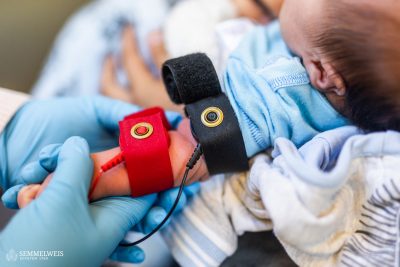
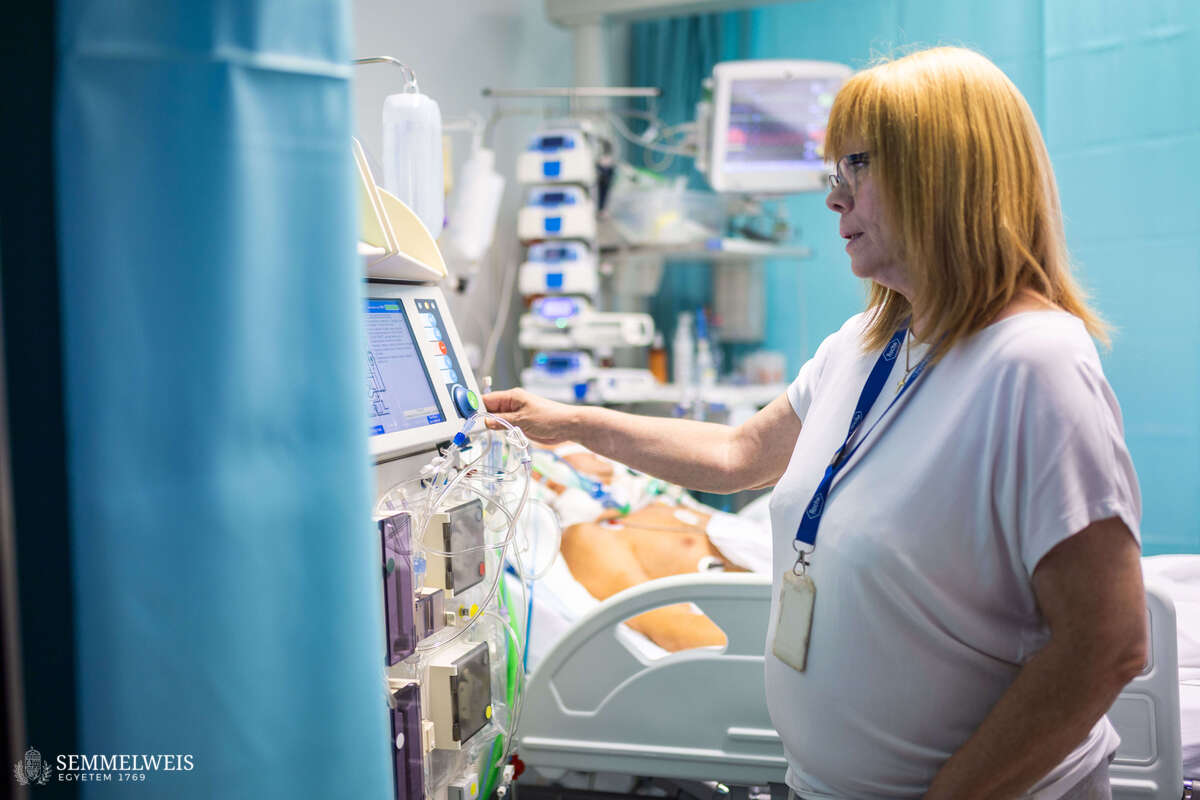
The greatest challenge is responsibility. Our patients are critically ill, often entirely dependent on us and unable to care for themselves at all. Things a healthy person takes for granted, such as breathing and a beating heart, often need support or replacement. We support their breathing and circulation, administer their medications and IV fluids, feed them, bathe them, and attend to their personal hygiene. This requires extensive knowledge, constant attention, and discipline, because there is no room for error.
I draw strength primarily from the feedback of patients who have recovered and their families. I also taught in specialist intensive care nursing programs for more than 10 years, as well as teaching basic life support. Passing on my knowledge meant a great deal to me because I saw the students as the professionals who would staff the intensive care units of the future. Outside work, I unwind by reading. Books allow me to escape into another world for a while.
 What do you consider the greatest strength or driving force of the university environment and your own department?
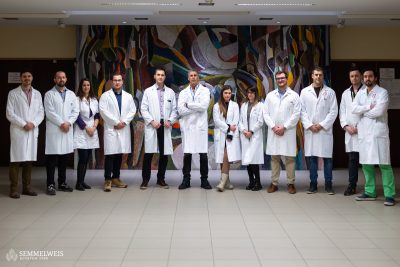
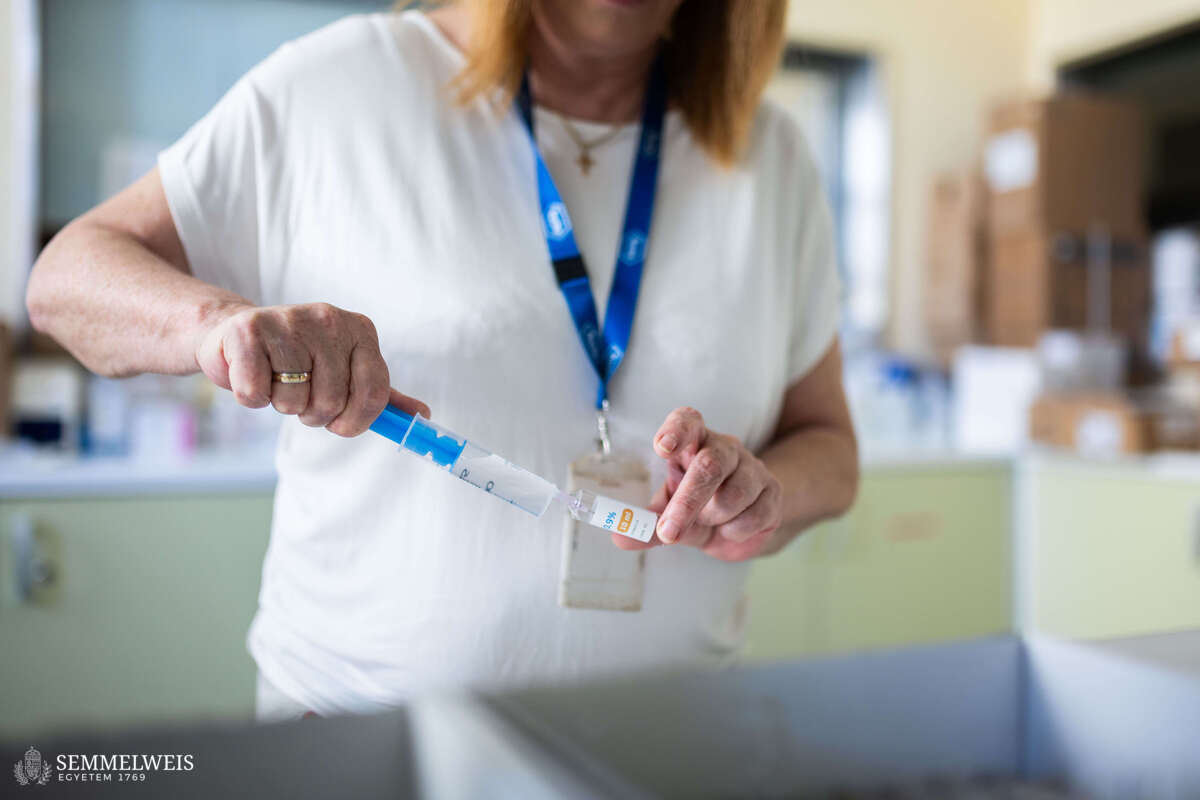
Our greatest strength lies in our team. The department’s leadership works to build and maintain a strong community and retain healthcare staff, which is a considerable task in itself. Fortunately, many young people joined us after the coronavirus pandemic. The university environment plays a special role in this because so many students come to us for clinical placements. Some develop a love of intensive care nursing and return as colleagues after graduating. Another major advantage is that the university provides the professional support, equipment, and resources we need to do our jobs. Patients receive everything they need to recover. Intensive care is always a team effort. Attending physicians, residents, specialist nurses, nursing assistants, physical therapists, psychologists, and infection prevention and control staff work together to help patients recover and return home to their loved ones.
How would you describe your work, and what would you say to encourage a young person considering this career?
Intensive care nursing requires compassion, precision, an interest in technology, and continuous learning. You need a tremendous capacity for care and a willingness to remain humble. Professional knowledge can then be built on that foundation.
For someone who enjoys varied responsibilities, this field offers the chance to work with ventilators, dialysis equipment, and continuous renal replacement therapy (CRRT) machines, while being directly involved in caring for the most critically ill patients. I would recommend this career to someone who wants to do more, develop a deeper understanding, take on considerable responsibility, and work as part of a team. It is a demanding profession, but seeing a patient recover makes every effort worthwhile.
Orsolya Jancsó
Photos by Bálint Barta – Semmelweis University