“In most cases, lymphedema is a lifelong, incurable condition that requires ongoing therapy. In rare cases, it is congenital, occurring when the lymphatic vessels and lymph nodes do not develop properly, which leads to a partial or complete dysfunction of the lymphatic system,” explains Dr. Erzsébet Boros, chief physician at Semmelweis University’s Department of Rehabilitation.
“However, lymphedema most commonly develops following traumatic injuries, infections, or surgical treatment of cancer. Among these, upper extremity lymphedema following breast cancer is the most common, but it also frequently occurs in the lower extremities after abdominal and gynecological tumors, as well as prostate cancer in men,” says the head of the Department of Mixed Profile Musculoskeletal Rehabilitation, which operates as part of the Department of Rehabilitation.
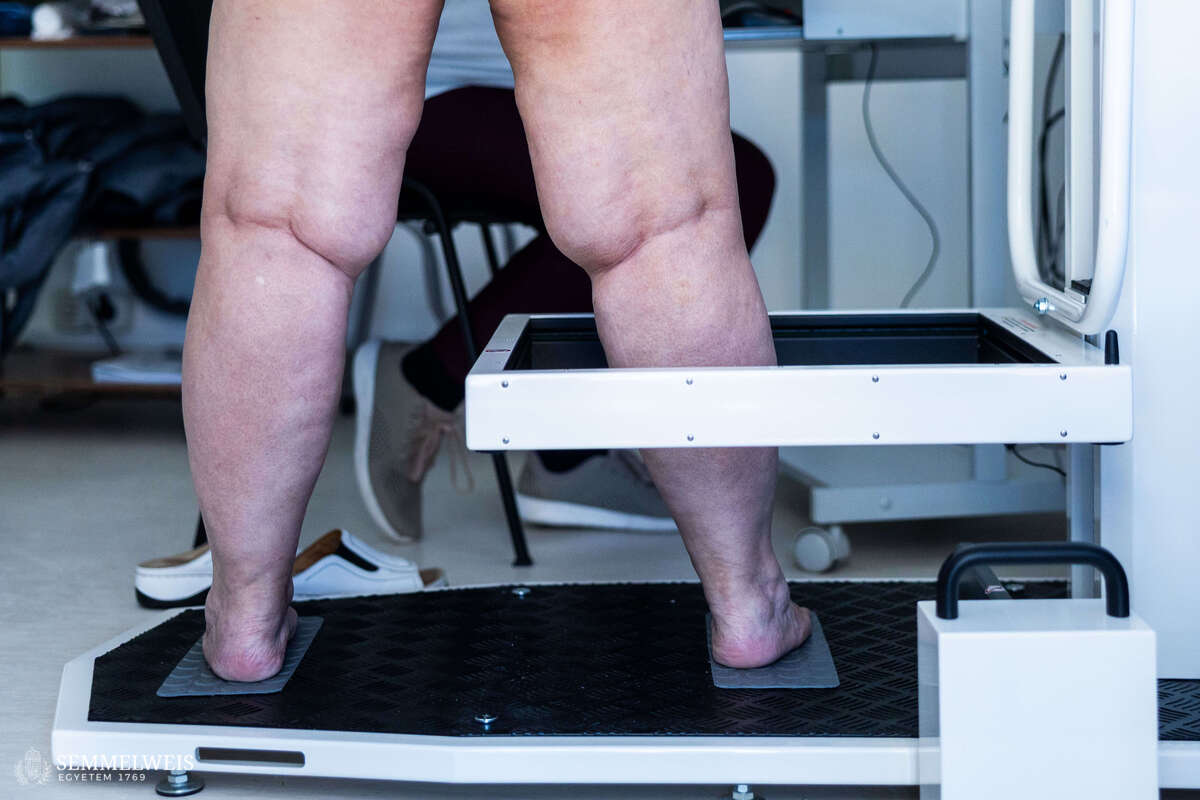 The limbs of patients with lymphedema can swell to twice their normal size, which is accompanied by a feeling of heaviness and tightness, thereby hindering movement. According to Dr. Erzsébet Boros, approximately 150,000 to 170,000 people may be affected in Hungary. Often, these patients do not receive an accurate diagnosis of their condition but instead seek lymphatic drainage massage treatment based on information and recommendations found, for example, on social media. However, if this is performed by a practitioner who is not sufficiently trained, it can do more harm than good, as improper treatment can cause wounds and injuries. Furthermore, those affected often have multiple comorbidities: They may have other circulatory, internal medicine, or musculoskeletal issues that must be taken into account during therapy. Lymphedema treatment performed improperly and without medical supervision can therefore lead to further deterioration of the patient’s condition, as Dr. Erzsébet Boros points out. As she also notes:
Mechanical lymphatic treatment without proper manual drainage can be harmful. Mechanical treatment has its place and benefits – it is used at the Department of Rehabilitation as well – but rehabilitation specialists do not recommend it to patients without professional supervision.
Safe care means that affected patients first consult their primary care physician, who then, if necessary, refers them to the appropriate specialty clinic or inpatient facility based on their place of residence, where they will receive the appropriate treatment.
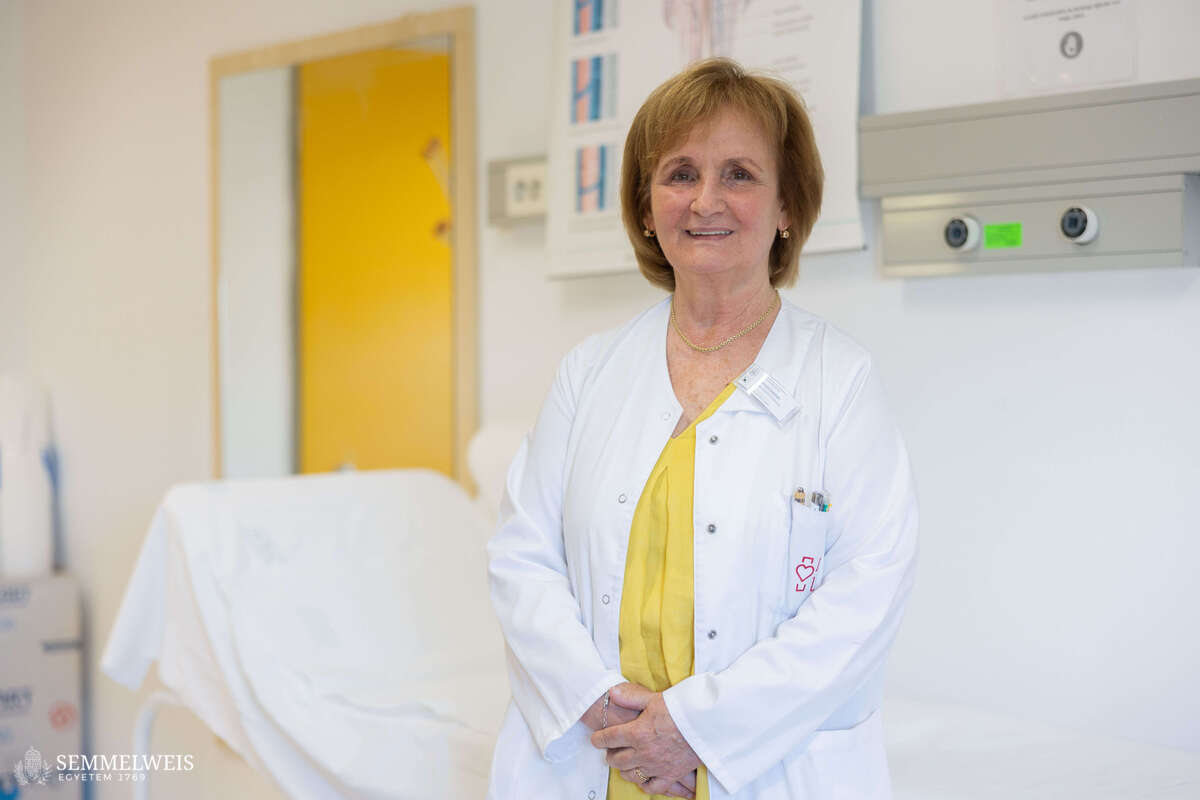 “In this context, ‘treatment’ refers to a comprehensive edema reduction therapy based on specialized manual lymphatic drainage, followed by bandaging performed using appropriate equipment and techniques. Exercise therapy is a particularly important part of the treatment, and psychological or dietary counseling may be necessary as well, as patients often struggle with being overweight. In addition, occupational therapy and the treatment of skin wounds, for example, may form part of this multifactorial therapy; therefore, it is of paramount importance that patients be referred to the appropriate medical facility,” the chief physician emphasizes.
Specialist lymphatic clinics operate in several major cities across Hungary. The Department of Rehabilitation at Semmelweis University has a long tradition of providing this type of care; it has been treating patients with lymphedema since 1985, primarily on an outpatient basis, but also as inpatients in more severe cases.
During the 2- to 4-week outpatient treatment, patients not only learn self-care and physical therapy exercises they can perform at home, but also how to live with their condition and how to make their lives easier – which is a very important part of therapy when dealing with an incurable disease.
As a result of complex treatments performed correctly and professionally, the circumference of swollen limbs, tightness, and the feeling of heaviness in them can be significantly reduced, thereby increasing physical endurance, walking distance, and manual dexterity. If patients diligently perform the exercises at home and also use the prescribed edema-relief devices (e.g., compression stockings, bandages), they can achieve a significant improvement in their quality of life and may even be able to return to work, which is the most important goal of rehabilitation, as Dr. Erzsébet Boros points out.
Orsolya Dávid
Translation: Dr. Balázs Csizmadia
Photos by Bálint Barta – Semmelweis University; cover photo/illustration: iStock/Toa55