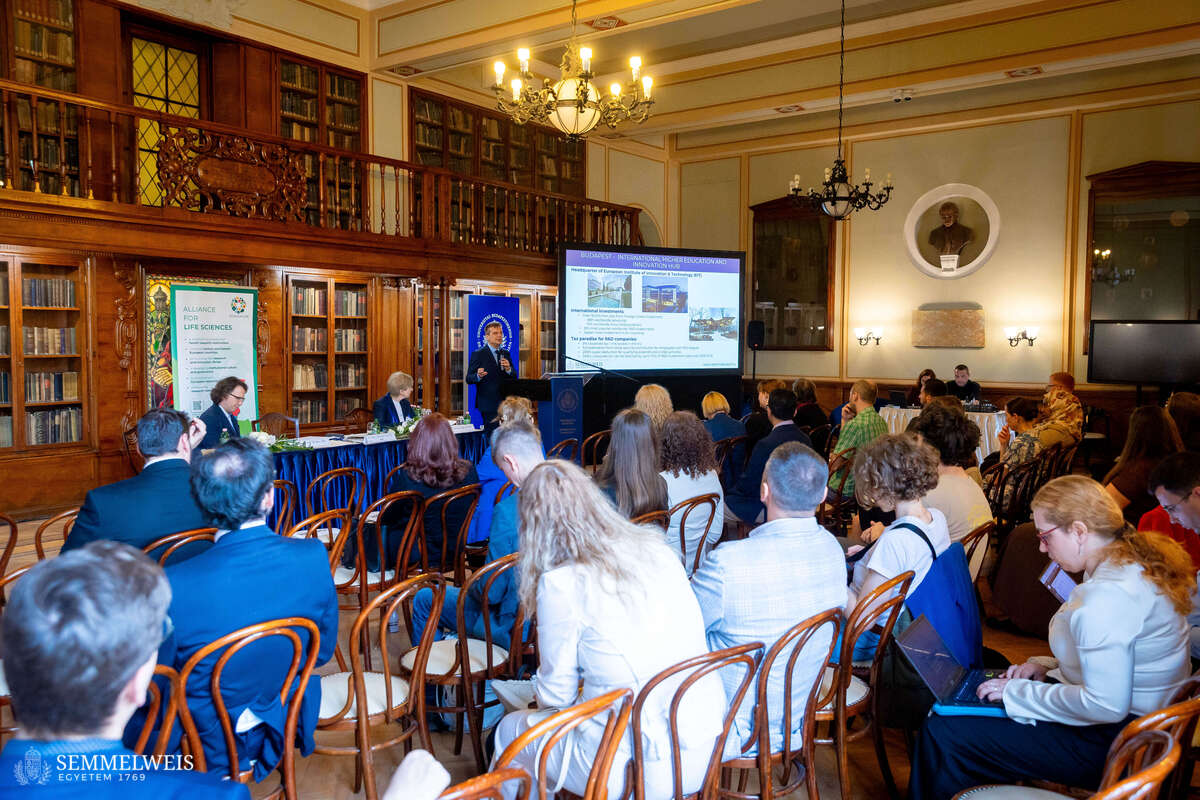
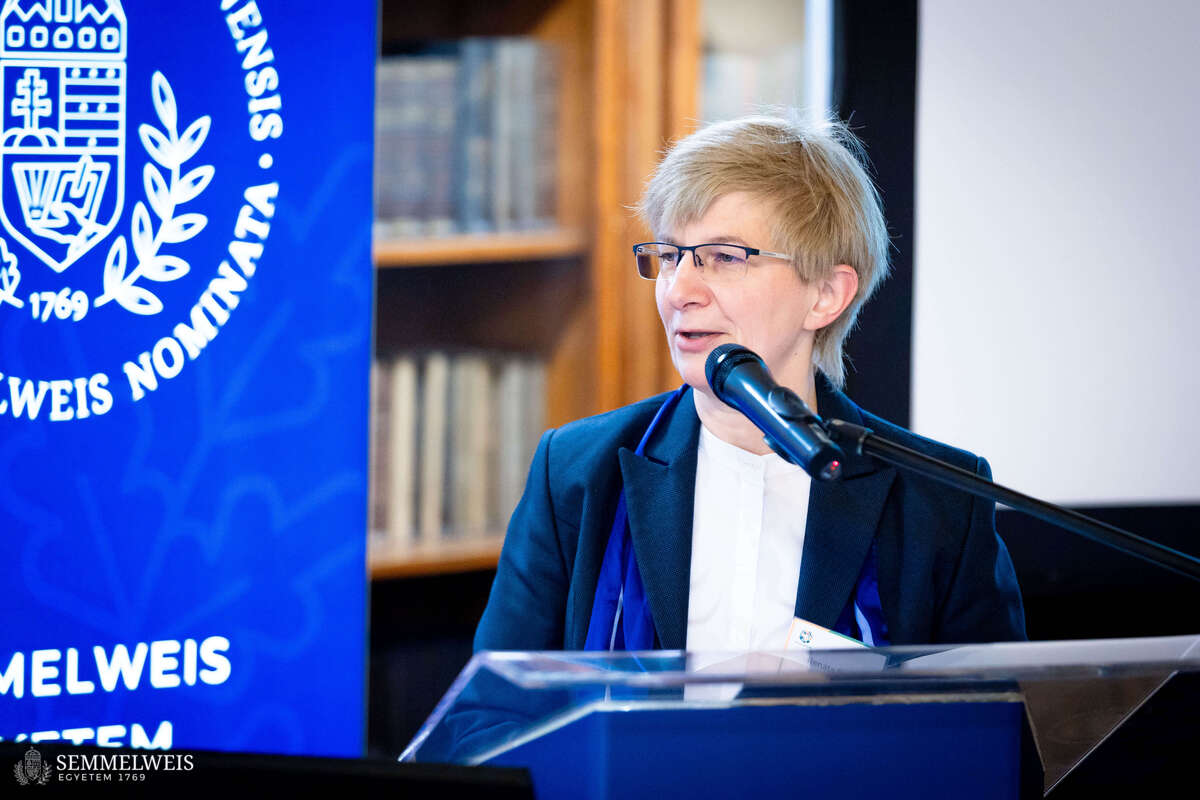
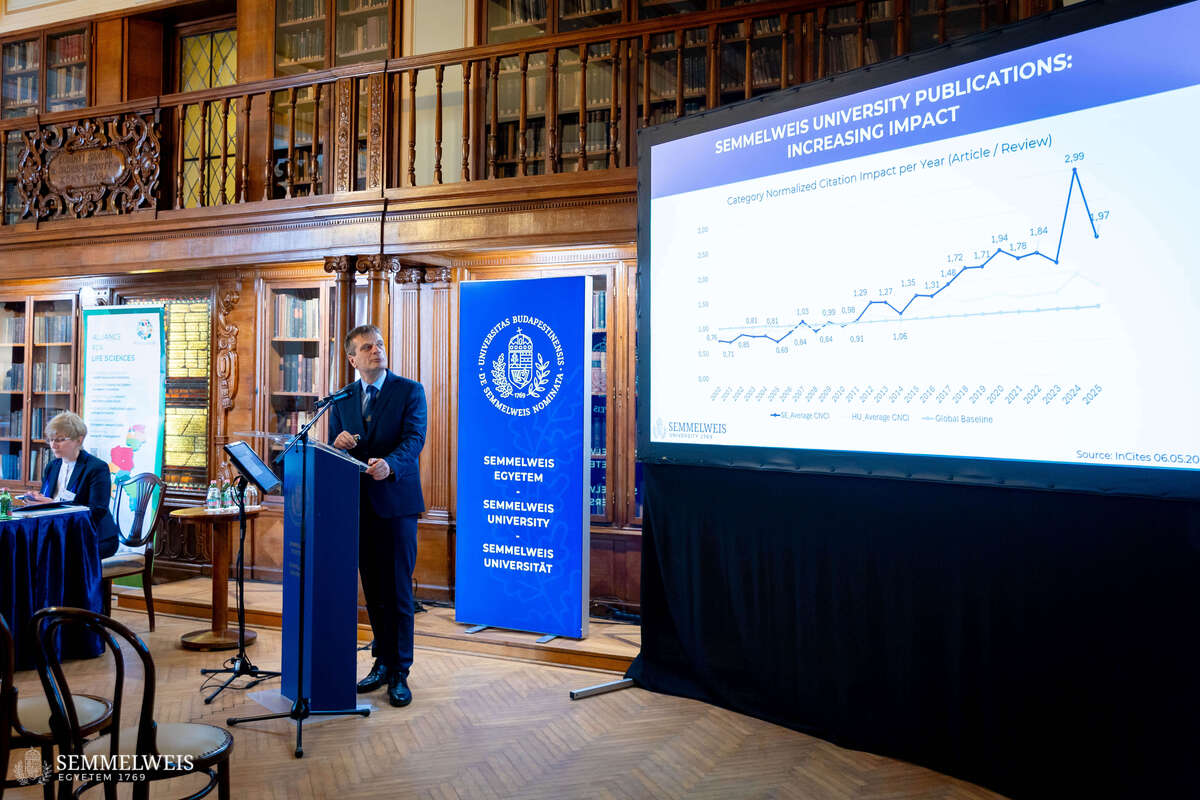
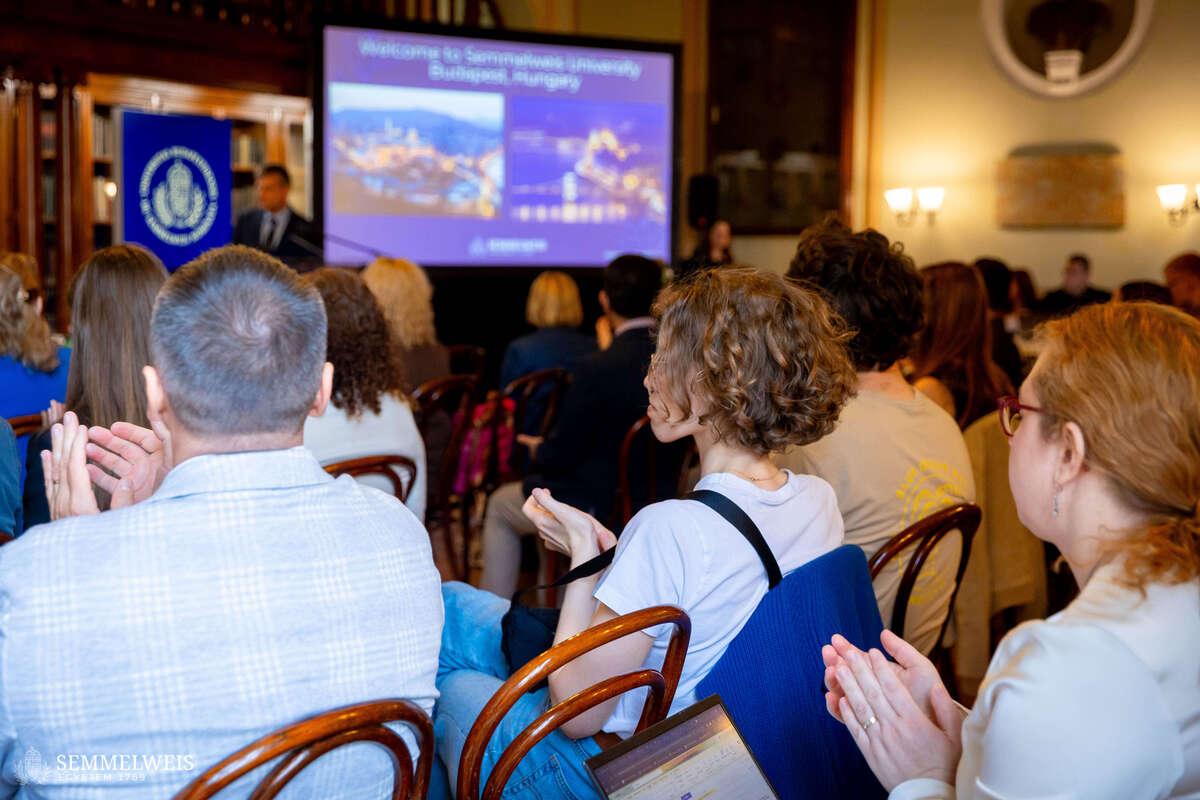
In her brief opening remarks, Dr. Renáta Papp, Director of the Center for the Vice-Rector for Science and Innovation & Business Development (TÜK), welcomed the participants and then introduced the chairs of the first session: Dr. Péter Ferdinandy, Vice-Rector for Science and Innovations at Semmelweis University, and Dr. Jozef Ukropec, Head of the Department of Metabolic Disease Research, Biomedical Research Center Slovak Academy of Sciences. Dr. Péter Ferdinandy then delivered a speech outlining the work of Ignác Semmelweis as well as the patient care, education, and research and innovation activities taking place at Semmelweis University. He highlighted the university’s achievements in international higher education rankings and emphasized that, since nearly two-thirds of the parameters used in university rankings are derived from the fields of science and innovation, these areas are of central importance. As he noted, science and innovation are developing at a rapid pace at the university, which is reflected in the number, quality, and impact of publications. He discussed how increasing the number of PhD students was an important and effective way to improve scientific performance. To this end, a flexible doctoral training system was established; for example, in the translational medicine PhD program, residency and doctoral training can be successfully integrated. The proportion of international students in the PhD programs lags somewhat behind that in undergraduate programs (where one in three students comes from outside Hungary), so the university would like to increase their numbers.
As a problem, the vice-rector mentioned that – although the number of publications authored by researchers in the Central and Eastern European region was significant – the innovation culture, the entrepreneurial spirit, and the nature and extent of collaboration with the business sector were still insufficient.
There are few companies and patents compared to the number of publications. Without ties to the world of business, there is absolutely no education and no healthcare. That is precisely why we have built up a research, development, and innovation support system internally at Semmelweis University. Its aim is to relieve researchers and students of administrative burdens and help them focus on science and establish spin-off companies. – Dr. Péter Ferdinandy
The university began developing the support system eight years ago and has been continuously expanding it ever since. It also has core facilities and systems supporting clinical research and trials, in addition to offering assistance with intellectual property management. As an example of the support system, Dr. Péter Ferdinandy mentioned the Center for Pharmacology and Drug Research & Development, founded in 2023, where a new English-language program has also been launched under the name Pharmaceutical Innovation and Business Administration MSc, which may also be attractive to international students.
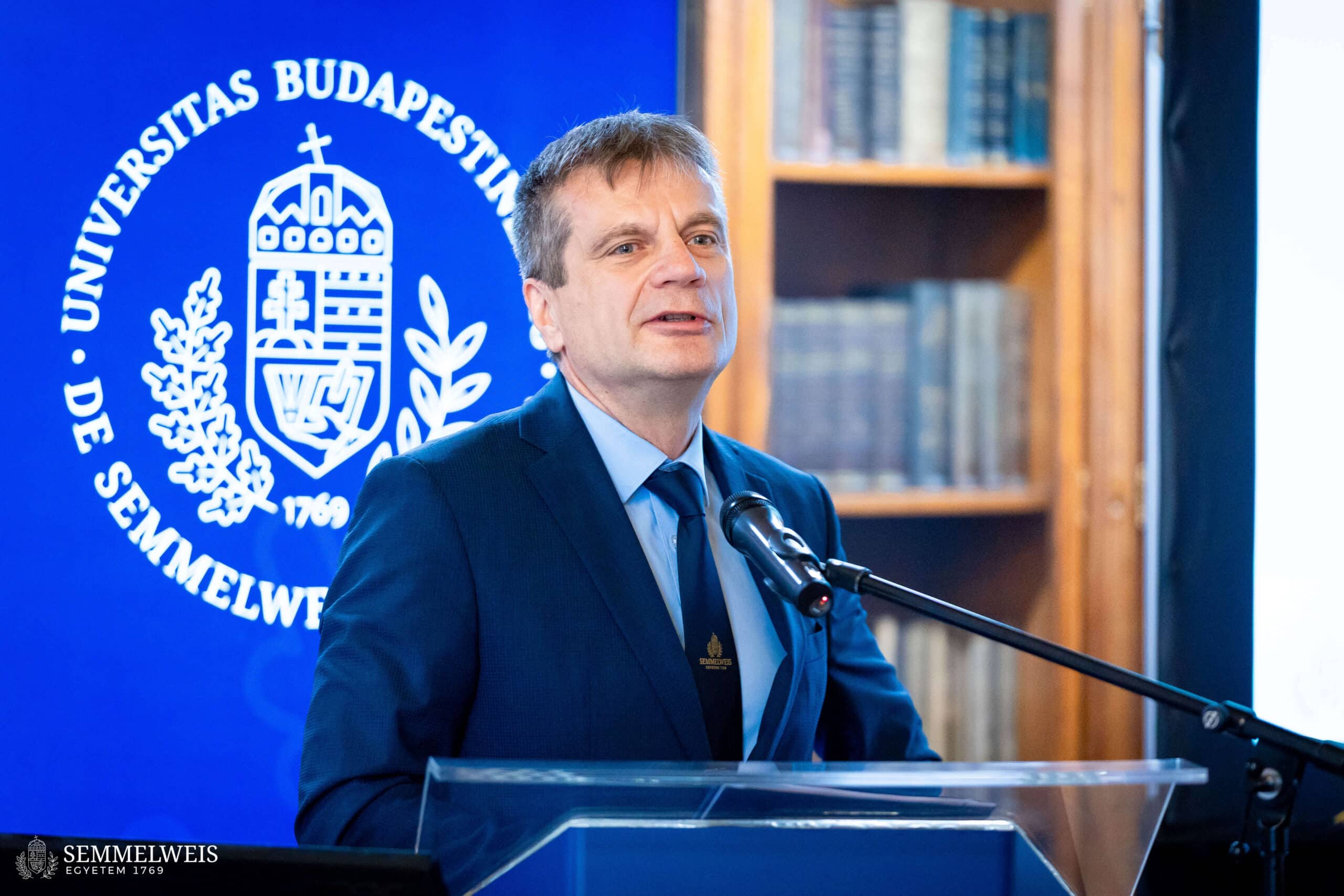 The vice-rector for science and innovations also presented the core facility services and Semmelweis University’s Health Industry-Biotechnology Science Park project. The aim of the latter is to facilitate cooperation between the university and industry players; as its first step, the Anatomy & Innovation Center for Education and Research (AICER) was inaugurated this year on April 9. He also spoke about the university’s industrial partners, with whom it collaborates on a long-term basis – including multinational and Hungarian companies, as well as the university’s spin-off enterprises. He further noted that Budapest itself was considered an important international higher education and innovation hub; for example, the European Institute of Innovation and Technology (EIT) is also located here.
In closing his presentation, he touched on how Semmelweis University contributes to the work of Alliance4Life: The institution collaborates on developing best practices in HR management, participates in the Green Lab Audit program promoting sustainable research operations, and supports doctoral education, innovation management, and interinstitutional cooperation through its network of experts. In addition, Semmelweis University takes part in international research projects, regularly engages in A4L professional training and events, and hosts 11 international interns within the framework of the A4L Internship Programme.
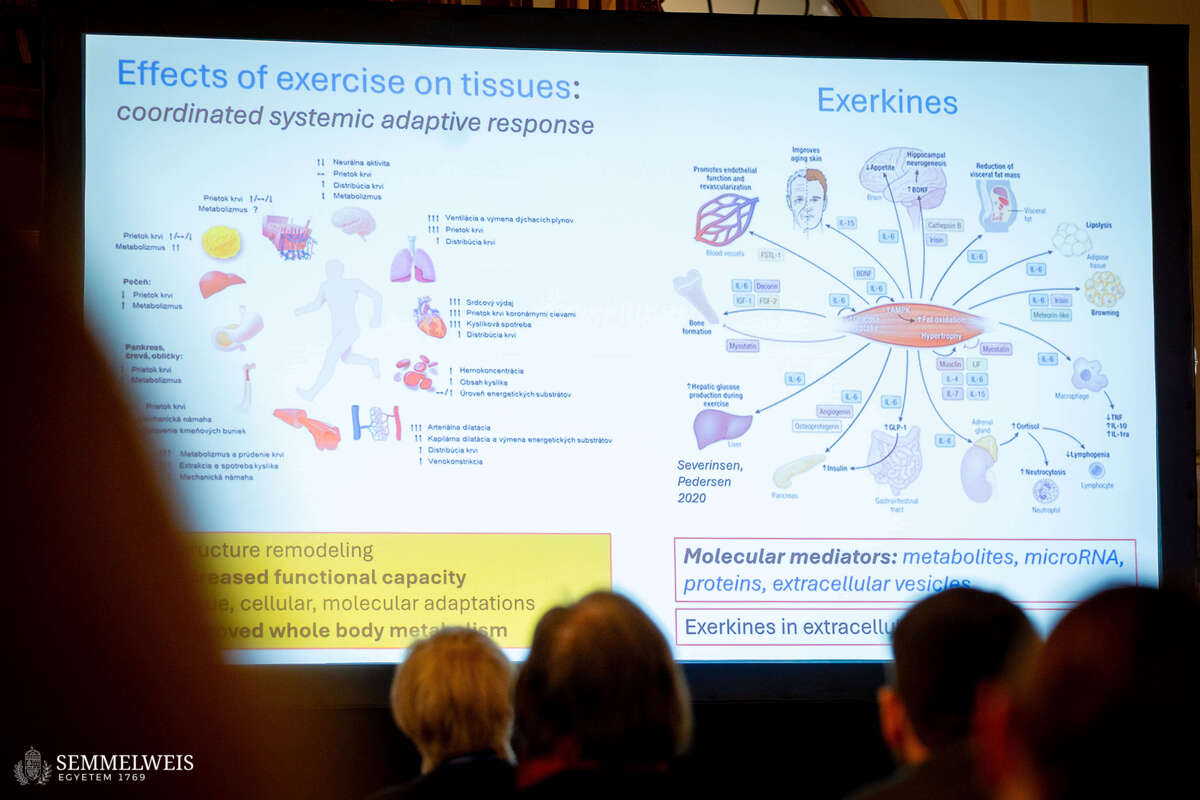
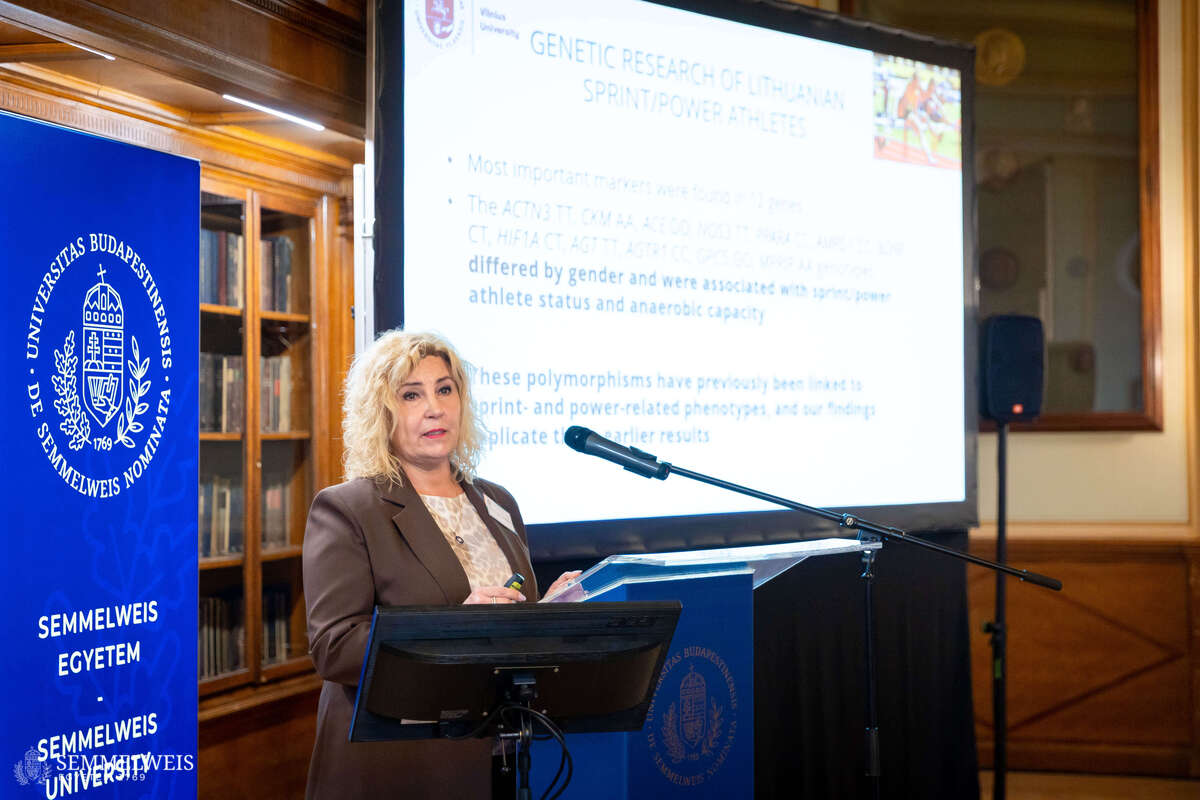
Presentations at the two-day conference covered topics including the metabolic effects of obesity and physical activity, genetic and molecular biomarkers in sports medicine, the effects of GLP-1 receptor agonists on muscle structure and function, and blood biomarkers as predictors of running performance. Dedicated sessions focused on big data and innovation in medical research, including medical data analysis, clinical data utilization, AI in clinical sport sciences and fitness prediction, and health industry innovation ecosystems. Further presentations addressed future challenges in pharmacology, including antibiotic stewardship programs, precision antibiotic therapy based on pharmacokinetic modeling, synergistic effects of fluconazole and cinnamon oil on Candida auris strains, and the impact of spaceflight and microgravity on pharmacokinetics and pharmacodynamics. On the second day, presentations highlighted current trends in cardiometabolic molecular research, including biomarkers reflecting high-density lipoprotein composition and functional properties, T-cell involvement in hypertrophic cardiomyopathy phenocopy of Fabry patients revealed by spatial and single-cell transcriptomics, and targeting acylcarnitine levels in heart failure therapy. The final session focused on advances in pain management research, covering opioid analgesia, novel opioid peptides with reduced side effects, peripheral antinociceptive effects of opioids, and the role of Glycine Transporter 1 inhibitors in opioid analgesic tolerance.
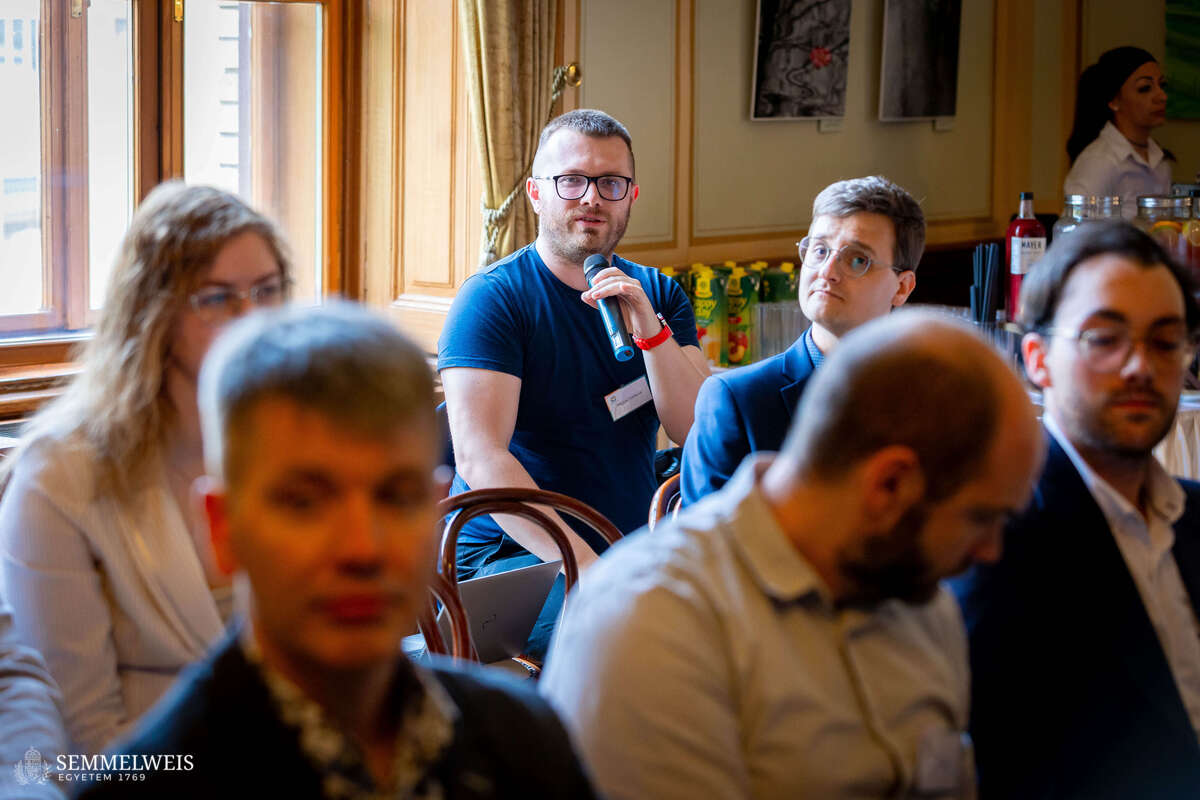
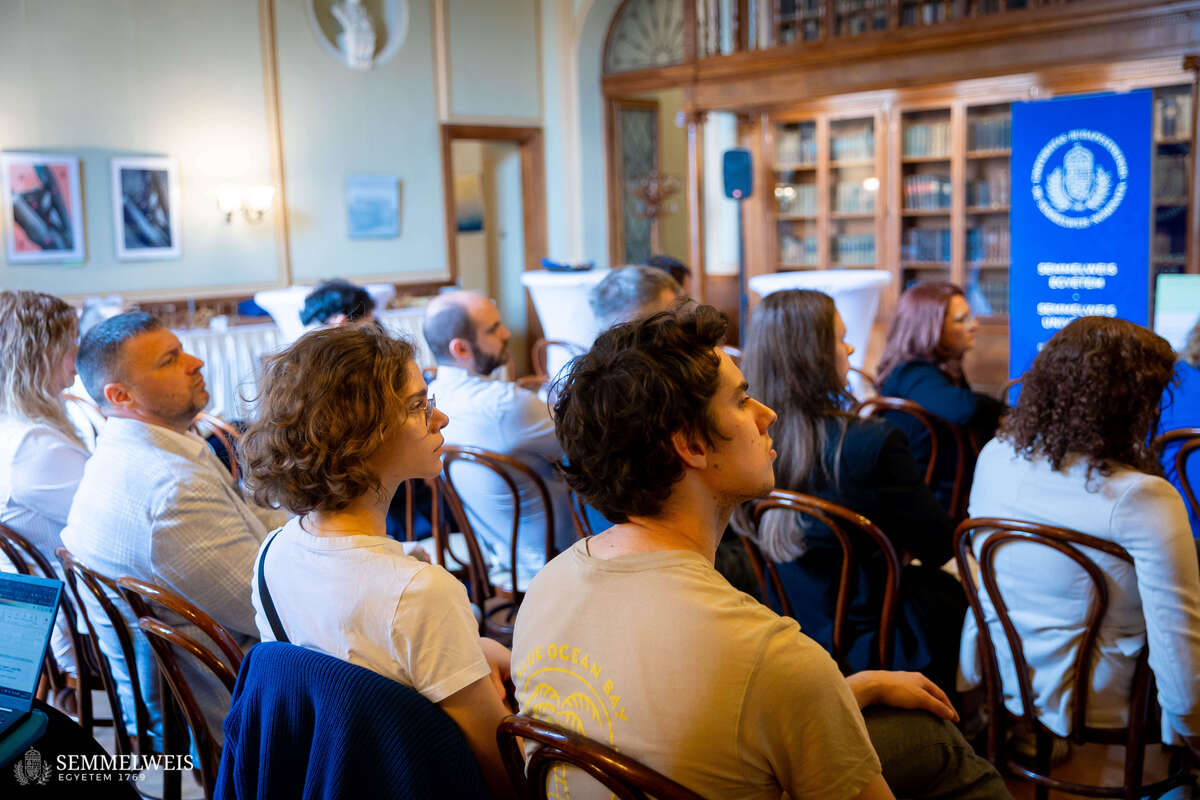
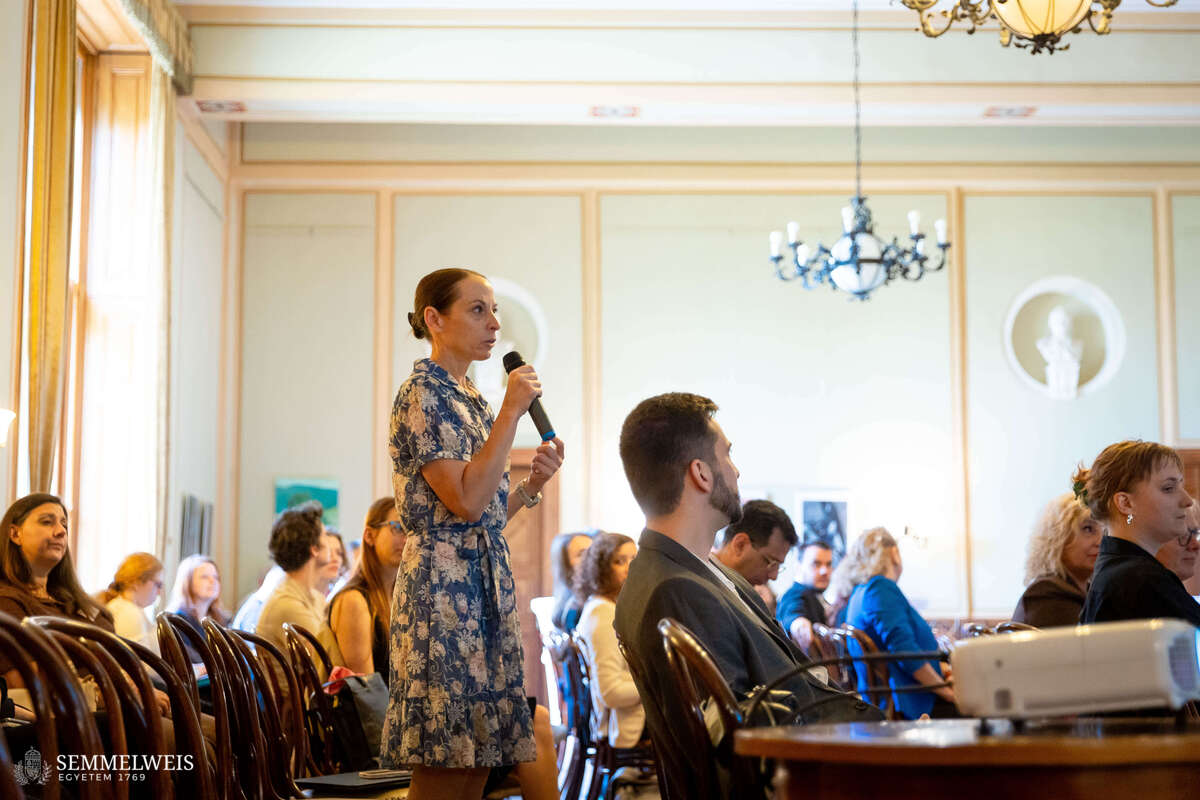
On May 8, alongside the scientific presentations, focus group discussions were conducted on factors influencing the operation of the innovation ecosystem, providing participants working in innovation with opportunities for in-depth professional dialogue and exchange of experiences. More than 50 participants from nearly ten European countries attended the conference, further strengthening the international character of the event. The program provided an inspiring environment for speakers and participants to establish new professional connections and collaborations.
Gallery
What is Alliance4Life’s mission?
Alliance4Life (A4L) is a consortium of progressive life sciences institutions from Central and Eastern European countries established to address the challenges arising from the persistent disparity in research and innovation performance between Western and Eastern Europe. Leveraging successful European Structural and Investment Funds (ESIF) investments in health research, Alliance4Life has driven strategic institutional changes and facilitated improvements in research management practices and regional competitiveness. Alliance4Life has evolved into a strategic alliance of twelve leading life sciences institutions and medical universities from eleven Central and Eastern European countries. Its mission is to foster knowledge exchange, identify best practices, and lay the foundations for a culture of excellence in the region.
Dr. Balázs Csizmadia; Center for the Vice-Rector for Science and Innovation & Business Development
Photos by Boglárka Zellei – Semmelweis University