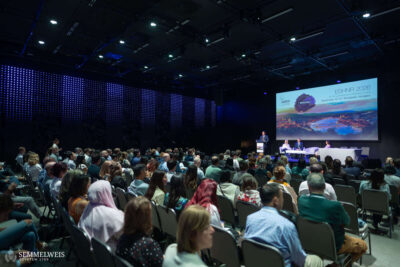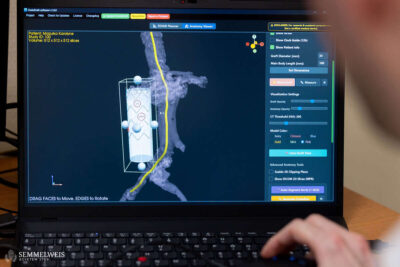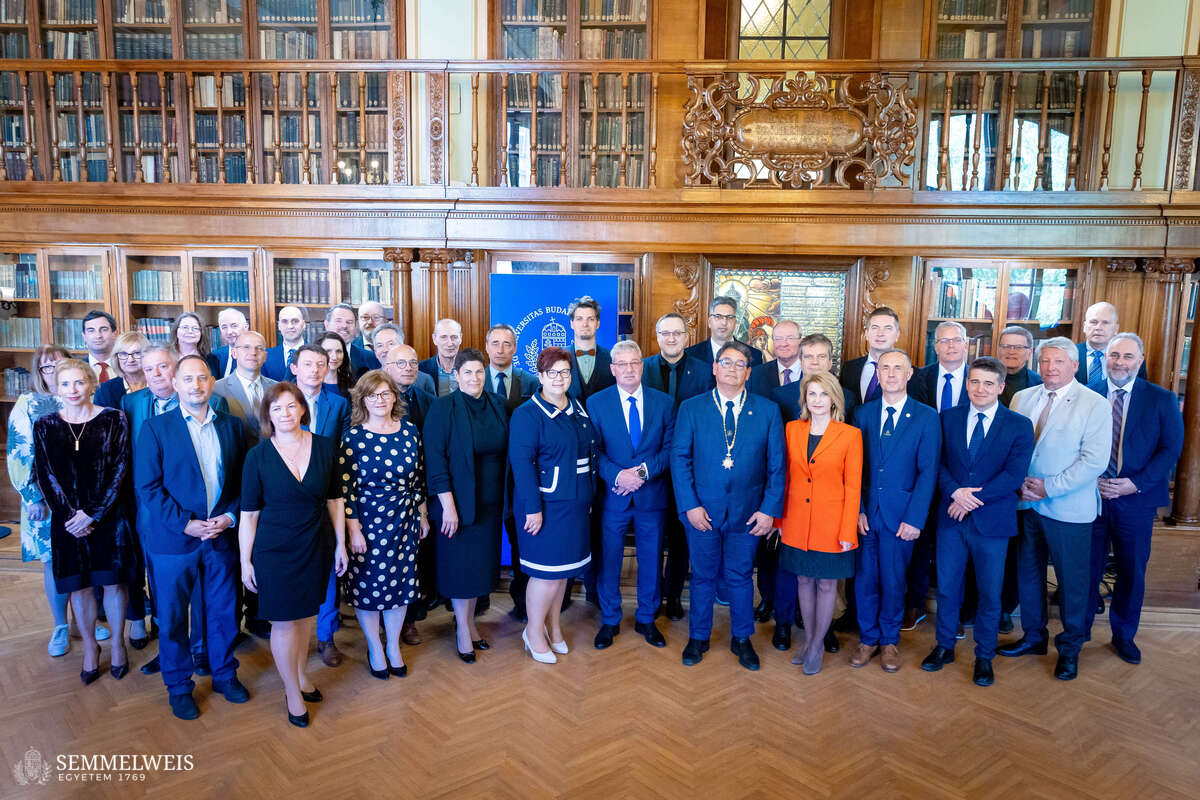
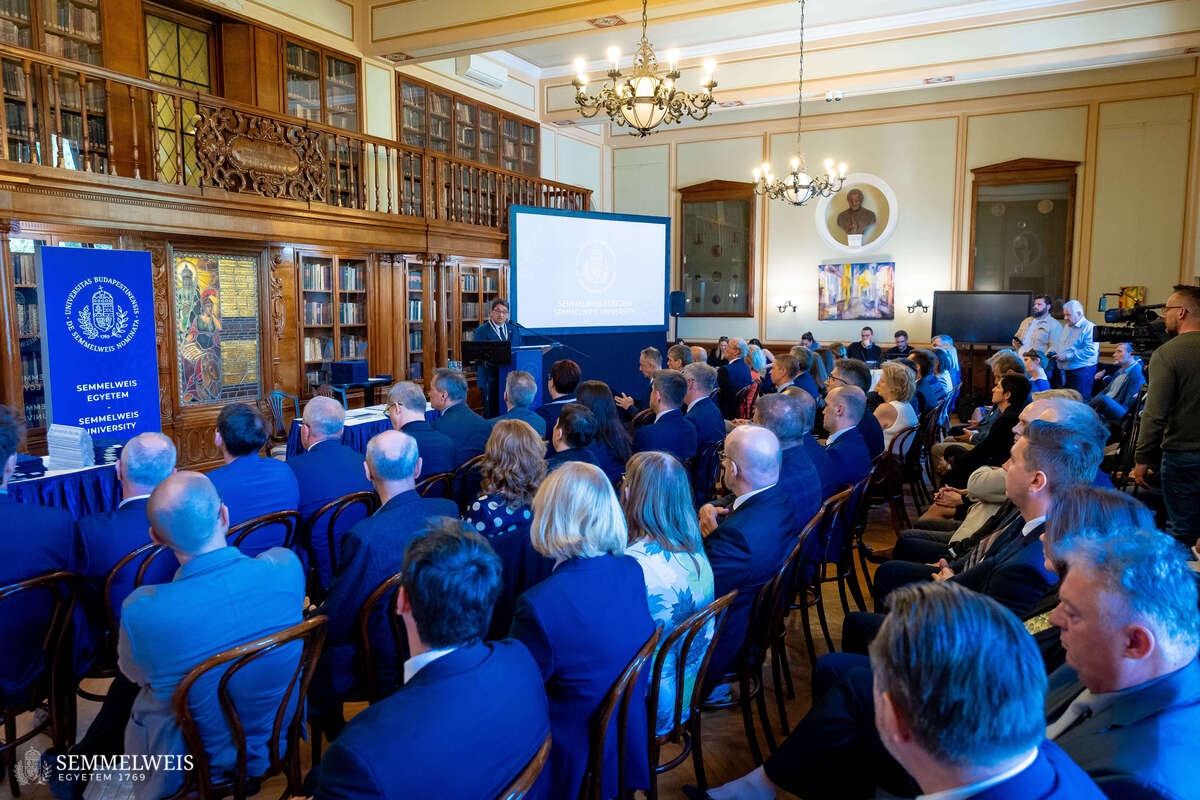
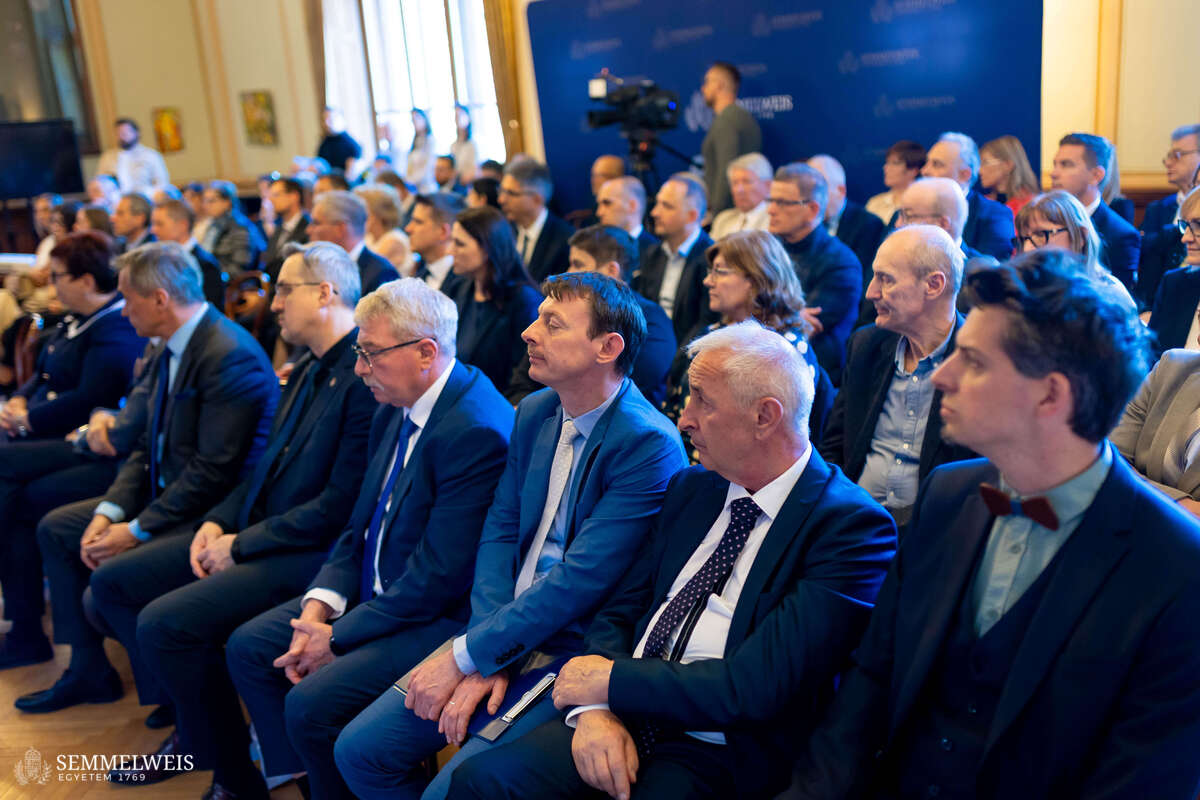
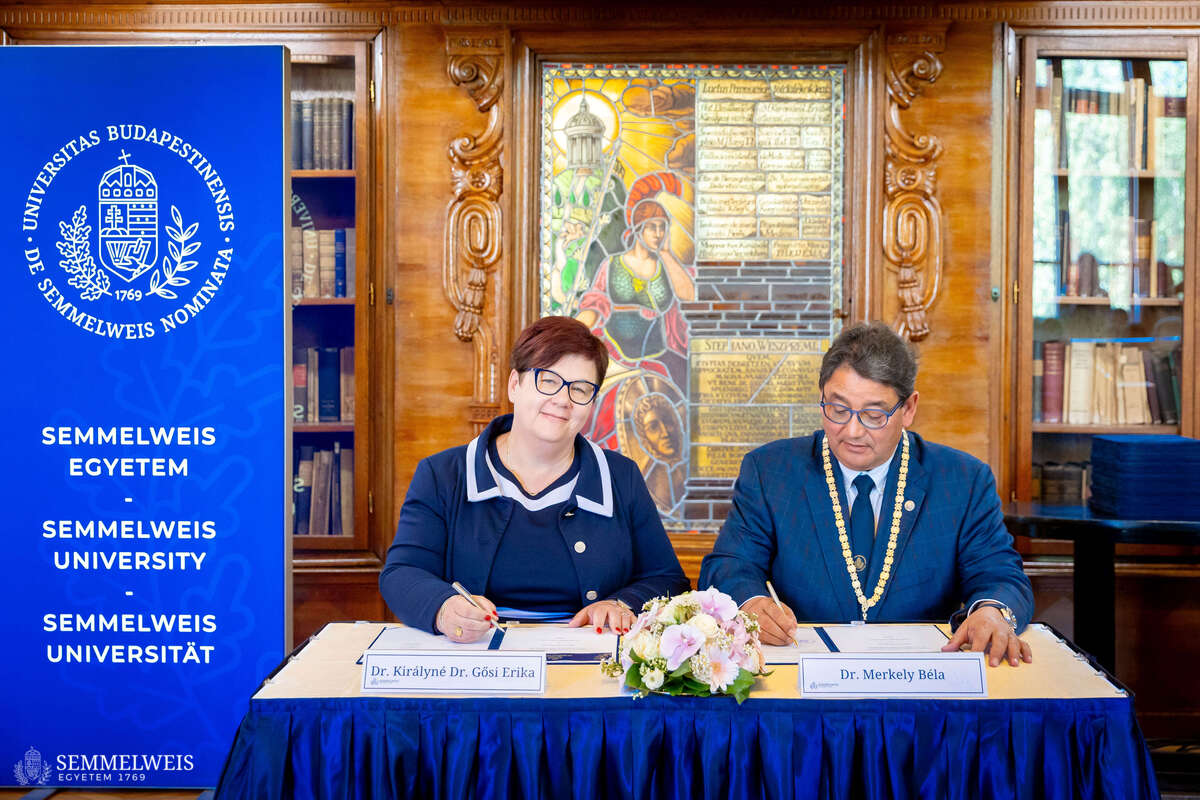
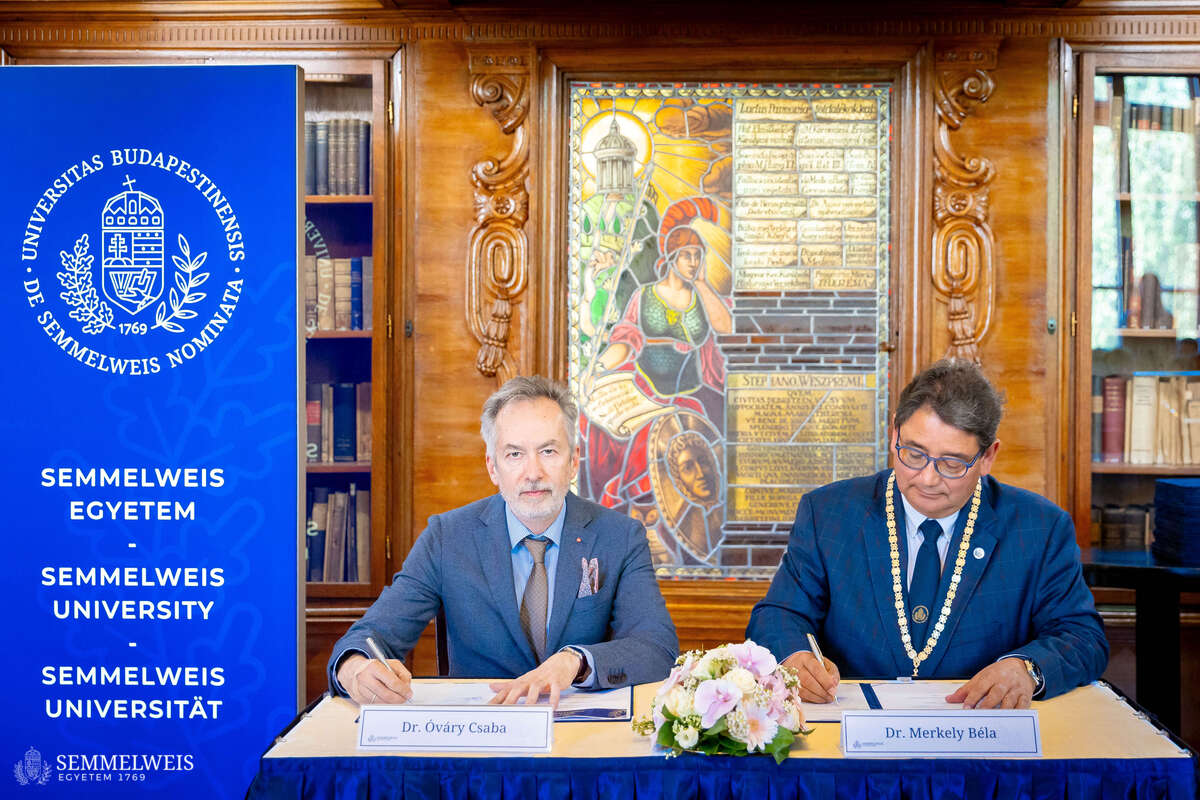
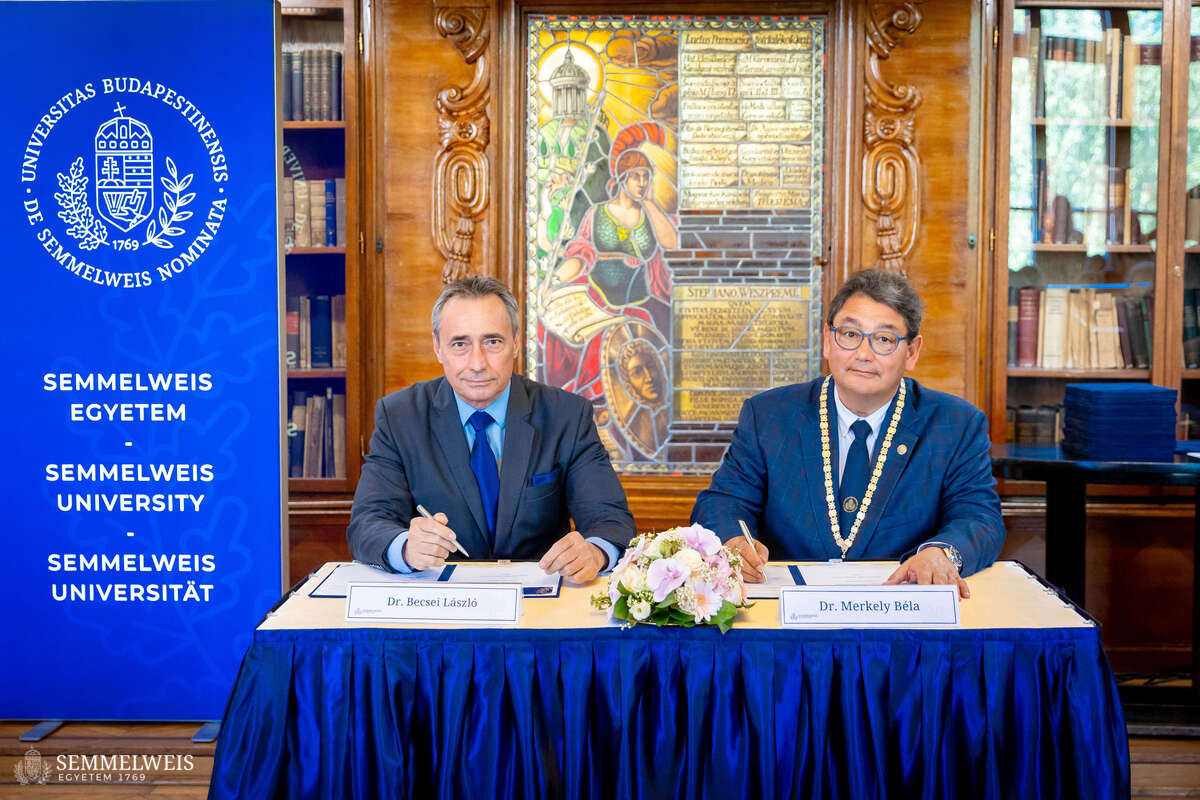
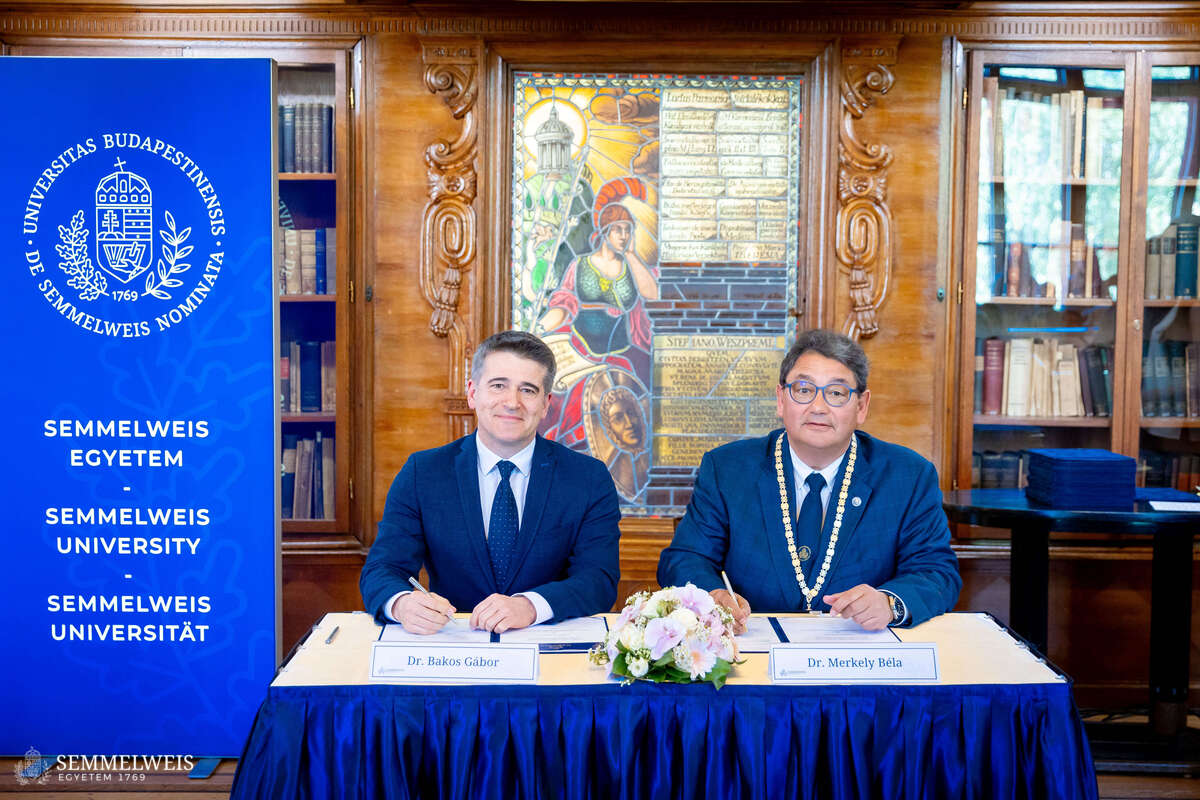
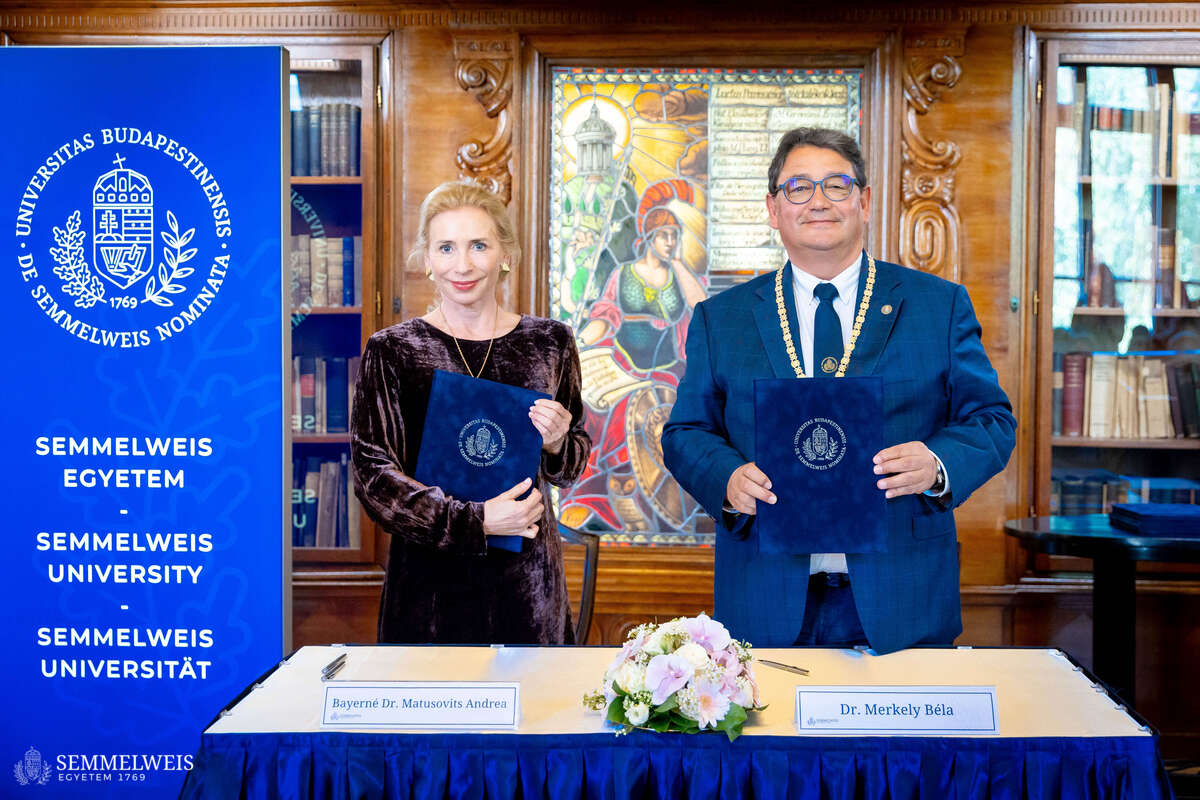
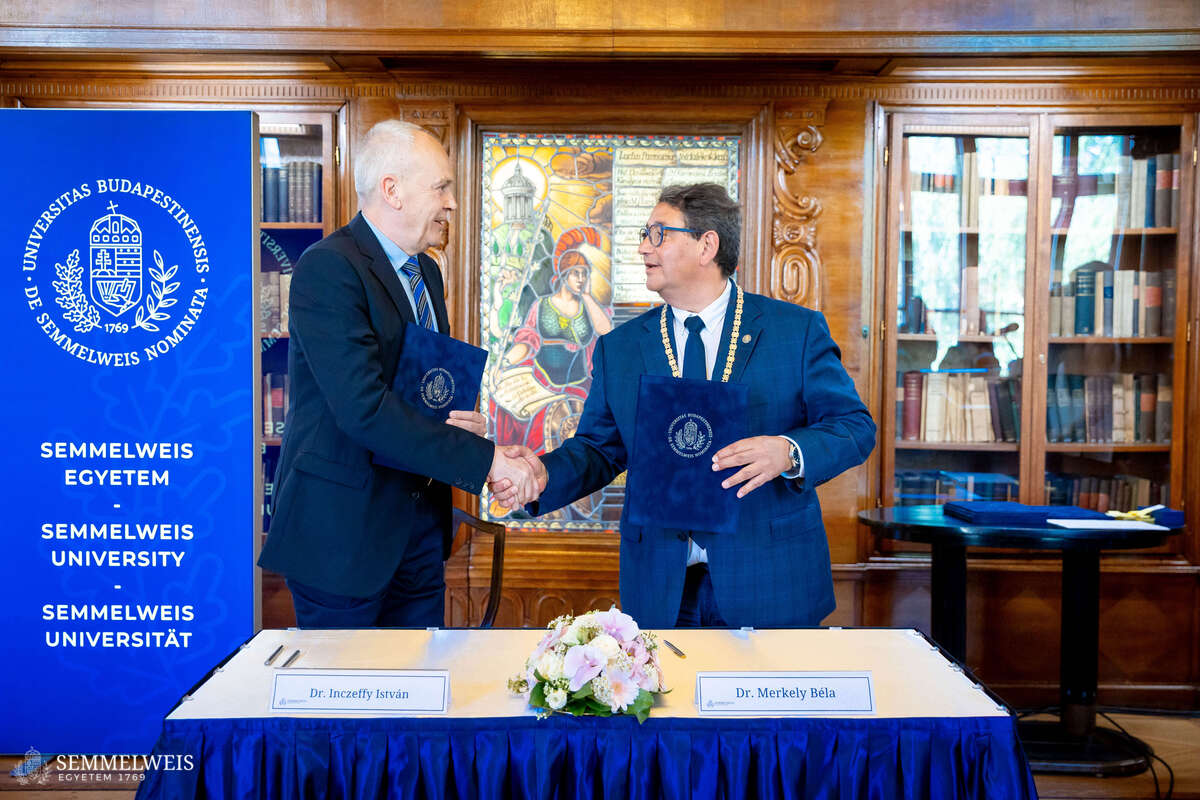
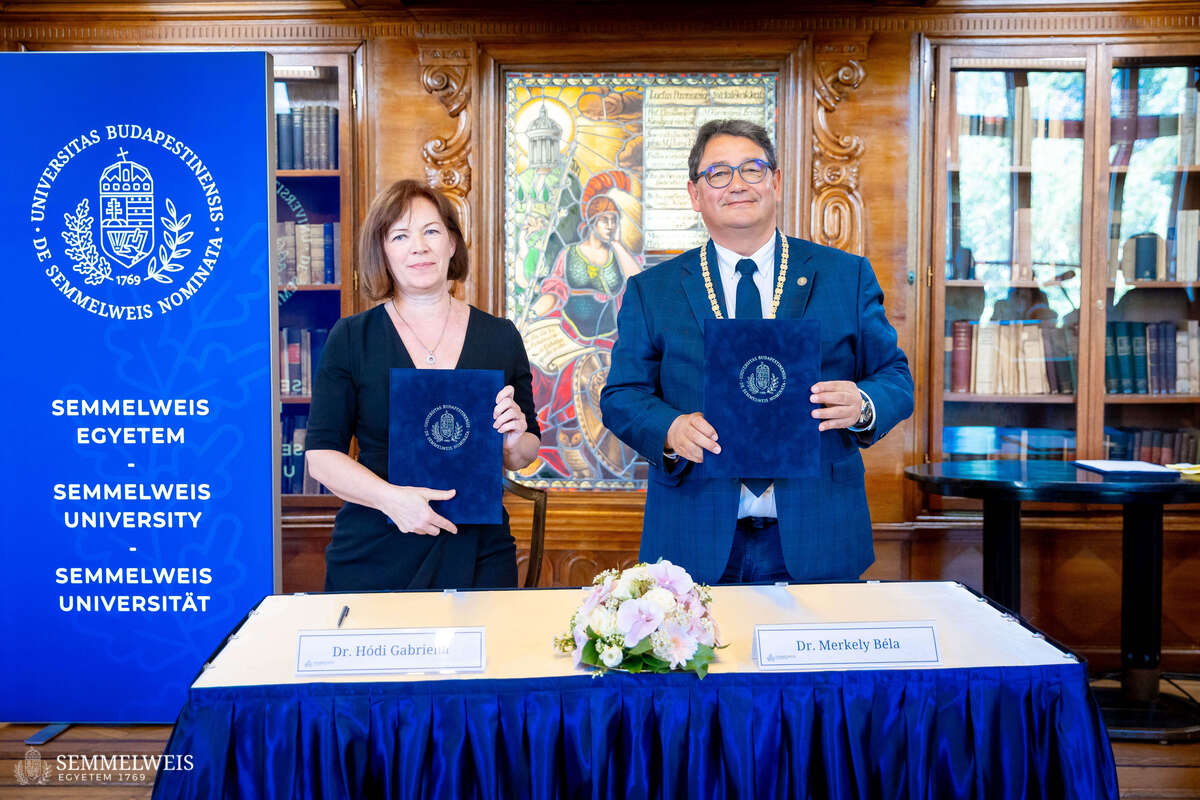
On the occasion of the ceremonial signing of the agreement between Semmelweis University and hospitals, outpatient clinics, and national institutes in Hungary, Rector Dr. Béla Merkely emphasized that the university continued to operate in accordance with the creed of its namesake, Ignác Semmelweis. The essence of this is that scientific findings must be put to use at the bedside as soon as possible. This has also contributed to the fact that the university is now ranked 186th in the world in the field of medicine and health sciences, and that it is the leading higher education institution in the country and the region in its subject area as well as Hungary’s largest healthcare provider.
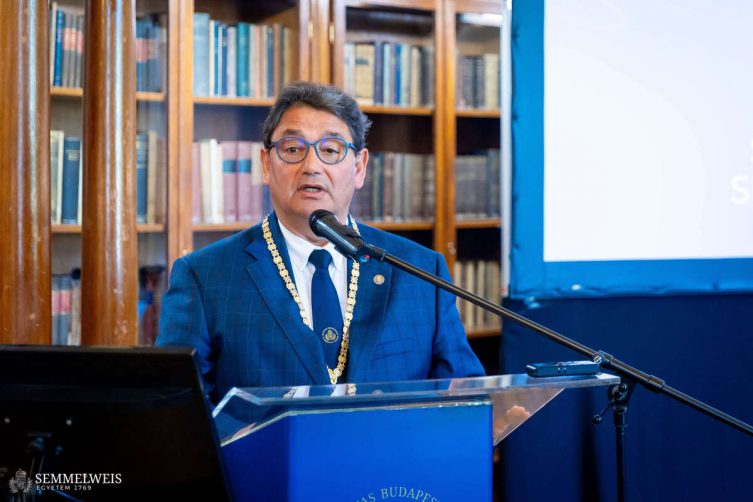 “Through this strategic partnership, we can support the scientific and professional advancement of young resident doctors nationwide, thereby contributing to raising the overall standard of patient care in Hungary and strengthening scientific innovation capacity,” Dr. Béla Merkely stated. Under the newly established hybrid resident-researcher program, residents working in various parts of the country can participate in Semmelweis University’s PhD program, balancing their clinical and scientific work thanks to part-time employment permitted by law. He also mentioned that the most outstanding doctoral students and residents would be able to participate in Harvard Medical School’s 9-month postgraduate program focusing on clinical research, which is being offered for the fourth time this year.
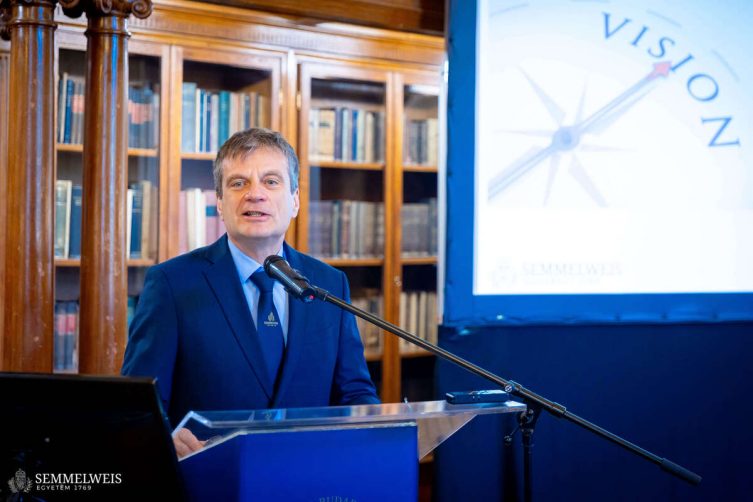 Scientific achievement, training, and innovation only become true values when they are reflected in the day-to-day care of patients, stressed Dr. Péter Ferdinandy, Vice-Rector for Science and Innovations at Semmelweis University. In his presentation, he outlined the complexity of the university’s doctoral program, which took shape after the leadership’s decision to significantly expand the number of those working in research – and, within that group, PhD students. As he noted, the university’s Doctoral College (DI) currently has approximately 1,200 students (nearly a third of whom are internationals), and almost one in five of them is enrolled in the Theoretical and Translational Medicine Division. Speaking about the flexibility of the Doctoral College of Semmelweis University, he underlined that students could begin their studies as early as during their undergraduate years, and they could choose between two types of cooperative doctoral training: the conventional PhD program and the research excellence doctoral training. Additionally, they may request the launch of an individual PhD program if they have a suitable research proposal.
Among the achievements of the Center for Translational Medicine (TMK), he mentioned that during its five years of operation, it had evolved into a cooperative doctoral program and was now available at both the MSc and PhD levels, engaging more than 800 participants. Its students have produced nearly 500 scientific publications to date, with a cumulative impact factor of approximately 2,000. “This model is unique in the world, as it is a training and research system in which clinical practice and science do not compete with each other but develop in parallel,” emphasized Dr. Péter Ferdinandy. He added: “We are not simply building a program here, but a new generation for whom science and patient care form a unity.”
This agreement marks the beginning of a new era in healthcare in Hungary; the training of the next generation of leaders that results from it will shape the future of the entire Hungarian healthcare system. – Dr. Attila Szabó
Dr. Attila Szabó, Vice-Rector for Clinical Affairs at Semmelweis University, explained that in the traditional model decades ago, knowledge typically flowed from universities to hospitals through individuals.
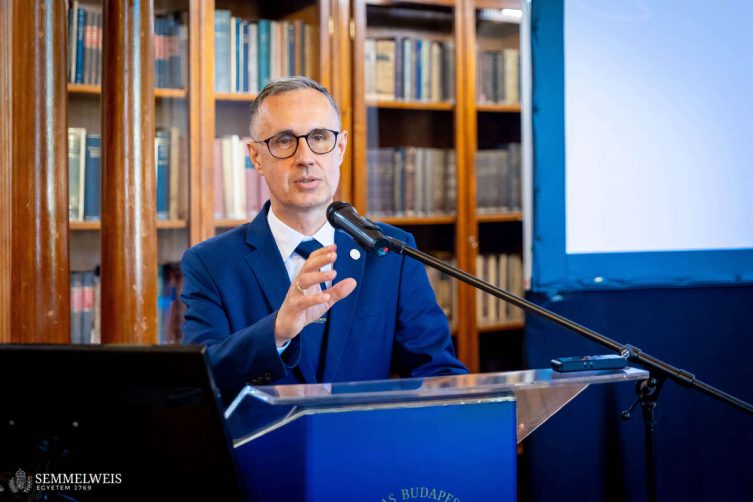 “The demands of the 21st century are different; we are different, we have changed, the next generation is different, and we are adapting to this,” said the vice-rector. According to Dr. Attila Szabó, the programs in the Theoretical and Translational Medicine Division of Semmelweis University’s Doctoral College uniquely combine residency training with a scientific PhD program, as participants can remain at their own hospitals while receiving guidance from both clinical and scientific mentors. He also stressed that the research workshops established in hospitals could support the daily work taking place there. “The physicians participating in this training may in the future become department heads, head physicians, or even leaders at their own institutions – individuals who have already grown up within this system and embody Semmelweis’s translational approach,” added Dr. Attila Szabó.
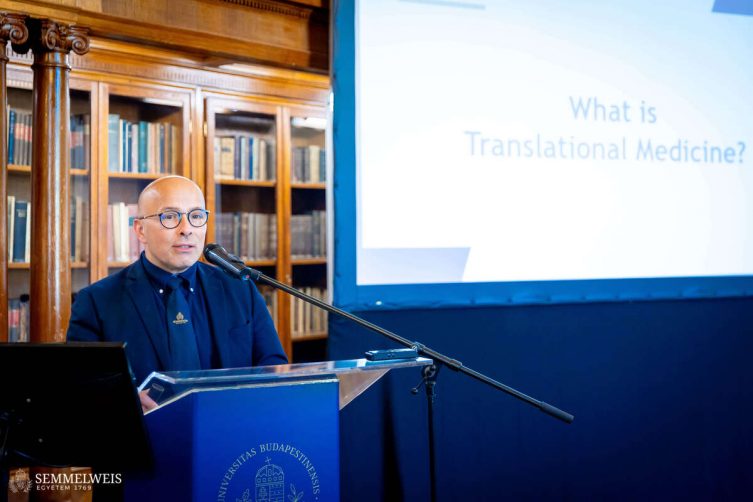 “It is our shared responsibility to link science and patient care, resulting in higher-quality patient care in hospitals and higher-quality science at universities,” Dr. Péter Hegyi, Director of the Center for Translational Medicine, highlighted in his presentation, during which he also outlined the conceptual and practical differences between exploratory research, translational research, and translational medicine. In his words, the beauty of translational medicine is that very often the patient benefits from it before the PhD degree is earned. Among the examples he listed was the work of the cystic fibrosis team at the Heim Pál National Pediatric Institute, which, upon observing vision problems and diabetic complications in 10-year-old patients, investigated what would happen if screening began as early as age 4. Within a year, one-third of the children were screened, placed on therapy, and no diabetic complications have developed as yet during the follow-up period. “The simplest way to predict the future is to shape it ourselves. Science provides the tools; education provides the people. Together, they unleash energies and synergies capable of improving the standard of patient care in Hungary at an unprecedented level of quality and speed,” added Dr. Péter Hegyi.
Semmelweis University’s strategic goal is to attract talented students and researchers through the program, which will ensure a steady supply of highly skilled professionals in the long term. In this regard, Dr. Péter Hegyi told our website that, based on preliminary interest, the number of applicants to the doctoral program in translational medicine could double, reaching as many as 150 per year. Institutions joining the hybrid resident-researcher program will become part of the national scientific network, thereby enhancing their professional prestige.
Gallery
Melinda Katalin Kiss, Éva Haiman
Translation: Dr. Balázs Csizmadia
Photos and cover (illustration) by Boglárka Zellei – Semmelweis University