The Highly Cited Researchers list recognizes those scholars who have had a significant and far-reaching impact in their fields of research over the past eleven years, and whose exceptional and community-level contributions are shaping the future of science, technology, and academia worldwide. To be included, researchers must author several scientific publications that, based on their citation counts, rank in the top 1 percent of their respective fields. Such papers are typically characterized by their exceptional scientific impact; as a result, many other researchers cite them in their own publications, thereby generating significant international attention. Out of all the scientists in the world, only about one in every thousand make it onto the list of Highly Cited Researchers – a group of scientists who are cited exceptionally often and thus have an extraordinary impact.
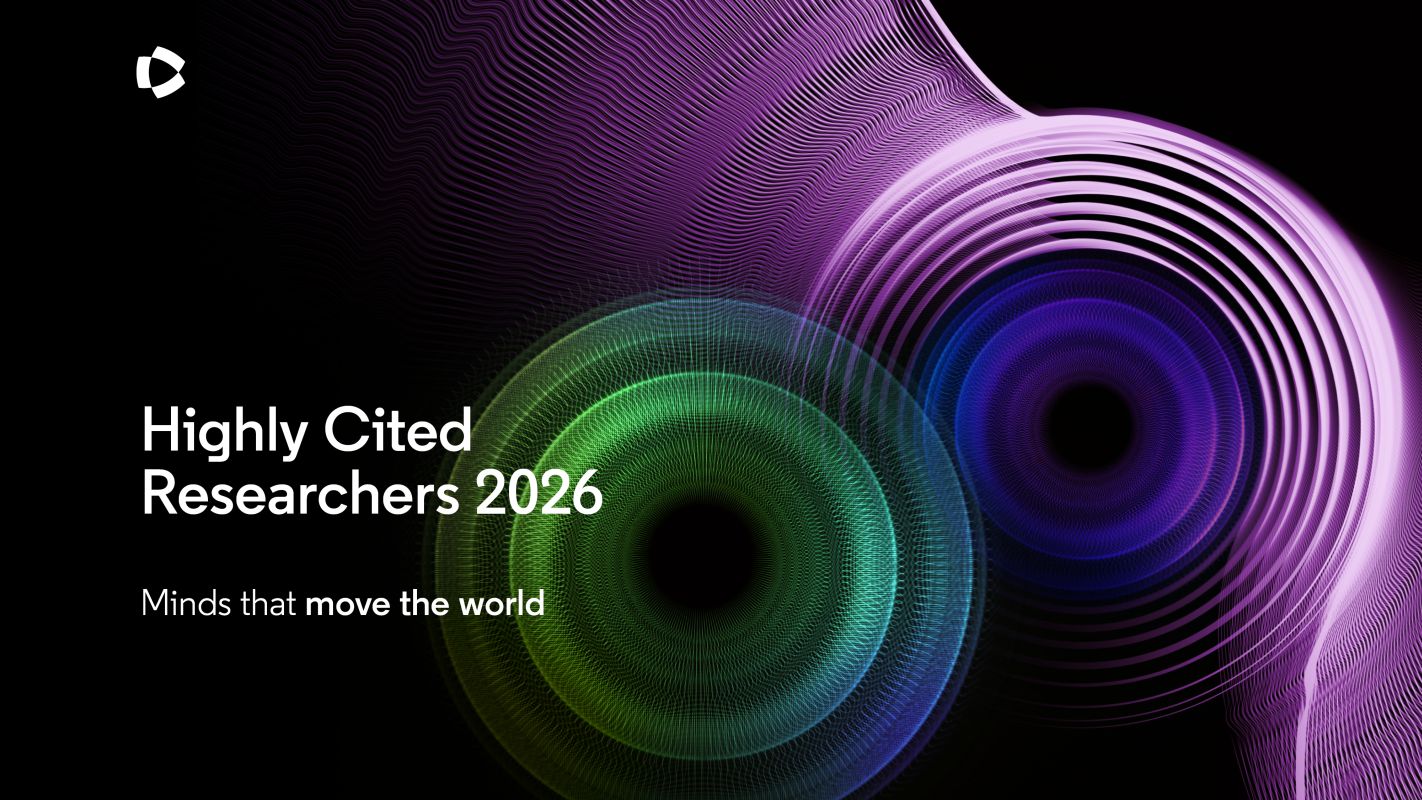
This year’s edition of the list of researchers – based on data from Web of Science, one of the most prominent international scientific databases – includes a total of 6,802 names from 21 fields of study, covering various branches of the natural and social sciences.
This year, a total of three researchers from Semmelweis University were included on the list of the world’s most cited scientists, which is the highest number to date. This latest achievement is yet another testament to Semmelweis University’s leading role in Hungary and the Central and Eastern European region in the international competition for research and development. – Dr. Péter Ferdinandy
The vice-rector for science and innovation noted that one more Hungarian researcher was also featured in the latest list: Dr. Ádám Dénes (HUN-REN Institute of Experimental Medicine), who works in the fields of neurobiology and neuroimmunology. The vice-rector emphasized that all three Semmelweis researchers had established significant collaborations – including joint research groups and grant projects – with the Hungarian Academy of Sciences (MTA) and HUN-REN, among others, which have contributed to the achievements of the past more than 10 years. Dr. Péter Ferdinandy has been conducting research on the relationship between cardioprotection and hidden cardiotoxicity as part of the joint MTA–SE System Pharmacology Research Group under a five-year grant beginning in 2019. Dr. Balázs Győrffy is also the head of the Oncology Biomarker Research Group at the HUN-REN Institute of Molecular Life Sciences. Dr. Edit Buzás is the head of the HUN-REN–SE Translational Extracellular Vesicle Research Group.
All four Hungarian researchers were designated as Highly Cited Researchers based on cross-field criteria (based on results from multiple scientific disciplines), indicating that they have achieved significant scientific impact across multiple fields.
Both Dr. Péter Ferdinandy, Professor and Director of the Department of Pharmacology and Pharmacotherapy and Vice-Rector for Science and Innovation and Dr Balázs Győrffy, Professor and Head of the Department of Bioinformatics, have appeared on the list in previous years. Dr Edit Buzás, Professor and Director of the Institute of Genetics, Cell- and Immunobiology, has been included for the first time.
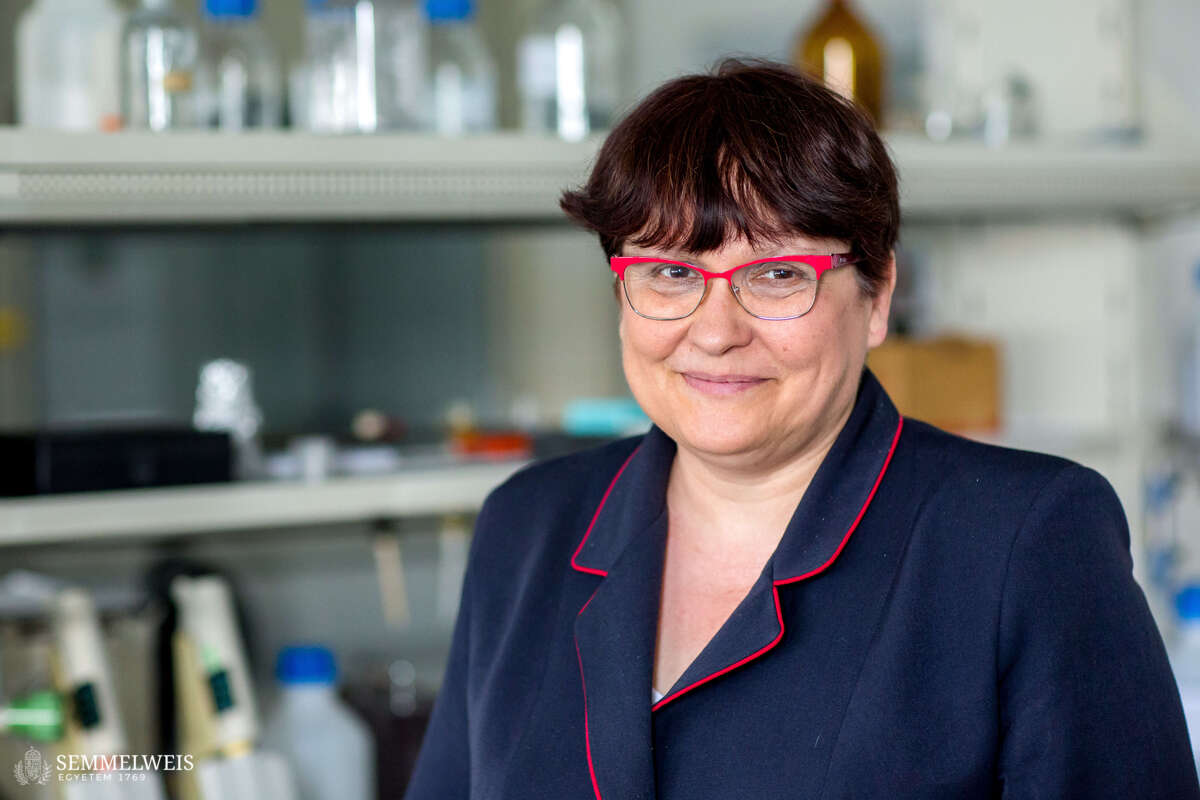 Dr. Edit Buzás’s research focuses on membrane-bound extracellular vesicles released by cells, which play an important role as mediators in cell-to-cell communication. She and her colleagues were the first to provide direct experimental evidence that a protein corona forms spontaneously on the surface of extracellular vesicles in blood plasma. This represents a new paradigm in the study of extracellular vesicles. She has achieved significant results in relation to the immunological role of extracellular vesicles: she has demonstrated that extracellular vesicles play a prominent role in all known processes of both innate and adaptive immunity. Her findings regarding the presence of LDL particles in extracellular vesicle preparations are particularly noteworthy.
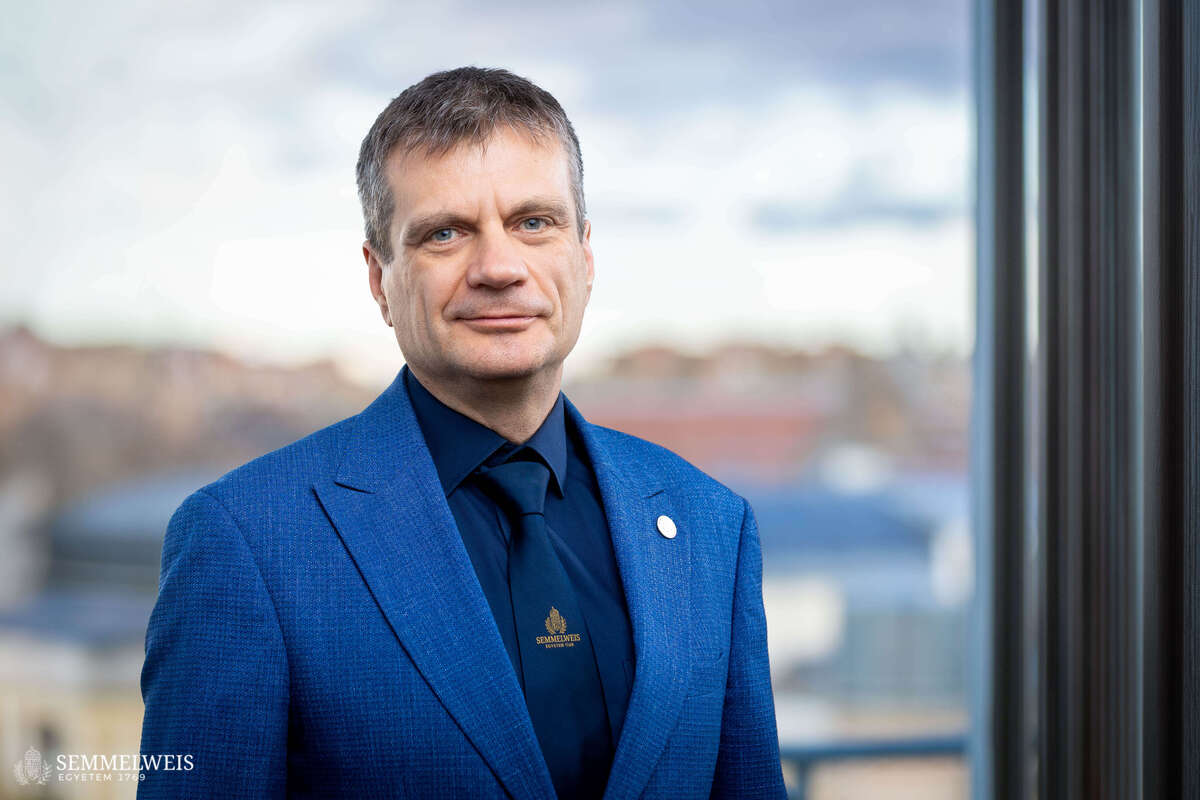 Dr. Péter Ferdinandy and his team primarily focus on cardiovascular and metabolic diseases, which are the leading causes of death in the world. Through several seminal research findings, he has highlighted that taking comorbidities into account is crucial in the development of drugs for myocardial infarction and heart failure. Moreover, his main focus is the development of so-called non-coding microRNAs, based on a novel concept of simultaneously targeting several drug targets to modify the molecular network affected by the diseases.
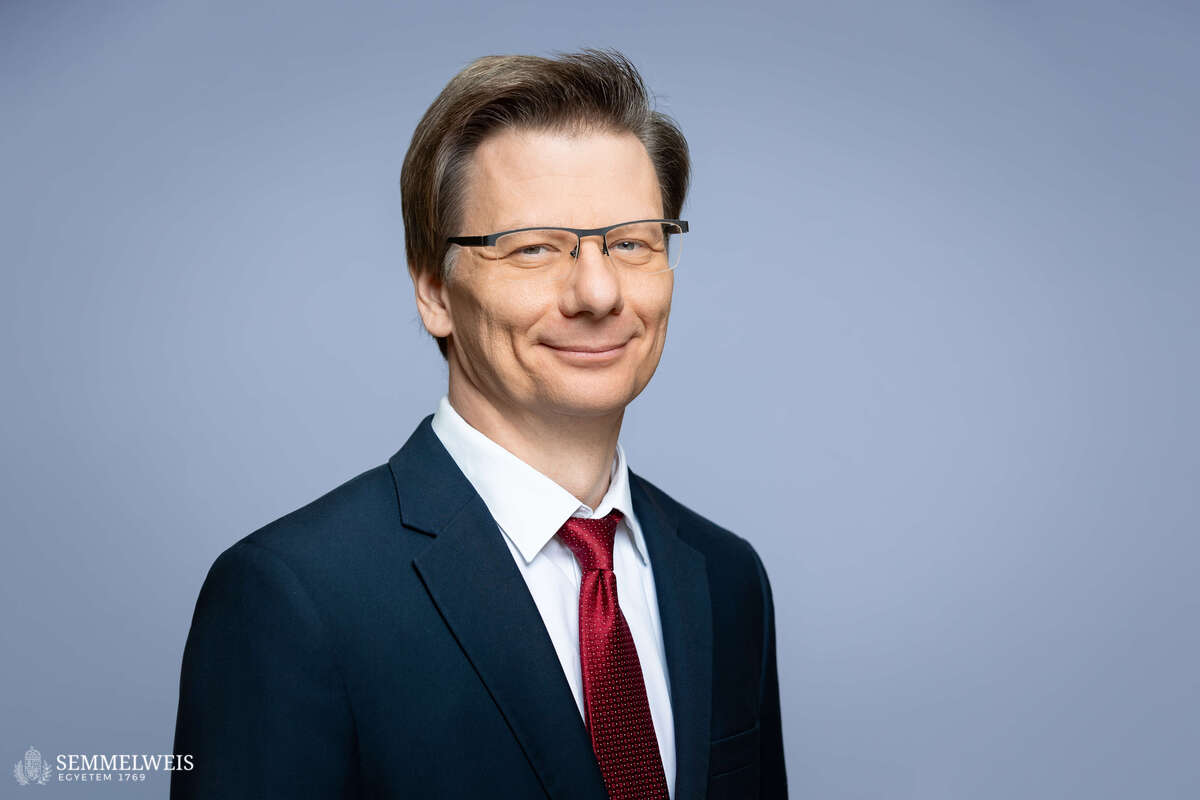 Dr. Balázs Győrffy’s research focuses on the relationship between oncology and bioinformatics. He studies the genetic and molecular characteristics of tumors through bioinformatic analysis of large amounts of genomic and other molecular data. One of their studies in the field of oncology is based on the “hallmarks of cancer” framework, which explores the common biological and metabolic principles underlying various types of tumors. This framework provides key insights into cancer prevention, diagnosis, and the development of new therapies. Another study by his team focuses on gaining a deeper understanding of the epigenetic regulation of colorectal cancer.
Hungary ranks second in the Central and Eastern European region in terms of the number of Highly Cited Researchers
Among the world’s scientists, those on the Highly Cited Researchers list – who have had an exceptional impact – represent 62 countries and regions; however, 86.1 percent of the recognitions are concentrated in just 10 countries and regions. Researchers working in the United States received the most recognition, with China coming in second. The top 10 countries also include the United Kingdom, Germany, Australia, Canada, the Netherlands, Switzerland, Hong Kong, and France. Most of the Highly Cited Researchers come from the following three universities: the Chinese Academy of Sciences (China), Harvard University (U.S.), and Stanford University (U.S.). Hungary ranks second in the Central and Eastern European region, tied for third place with four Highly Cited Researchers. The Czech Republic ranks first with six researchers, while Poland and Estonia tied with Hungary.
Pálma Dobozi
Cover: Clarivate; portraits: Boglárka Zellei, Attila Kovács – Semmelweis University