Gábor László suffered from a previously unrecognized, rare coronary artery anomaly that occurs once in every 300,000 live births, and most patients do not survive past the age of three. Gábor’s heart had adapted to the anomaly, but on September 24, it stopped beating. At 2:27 p.m., the National Ambulance Service (OMSZ) received an emergency call: A young man had collapsed, and resuscitation efforts had already begun at the scene.
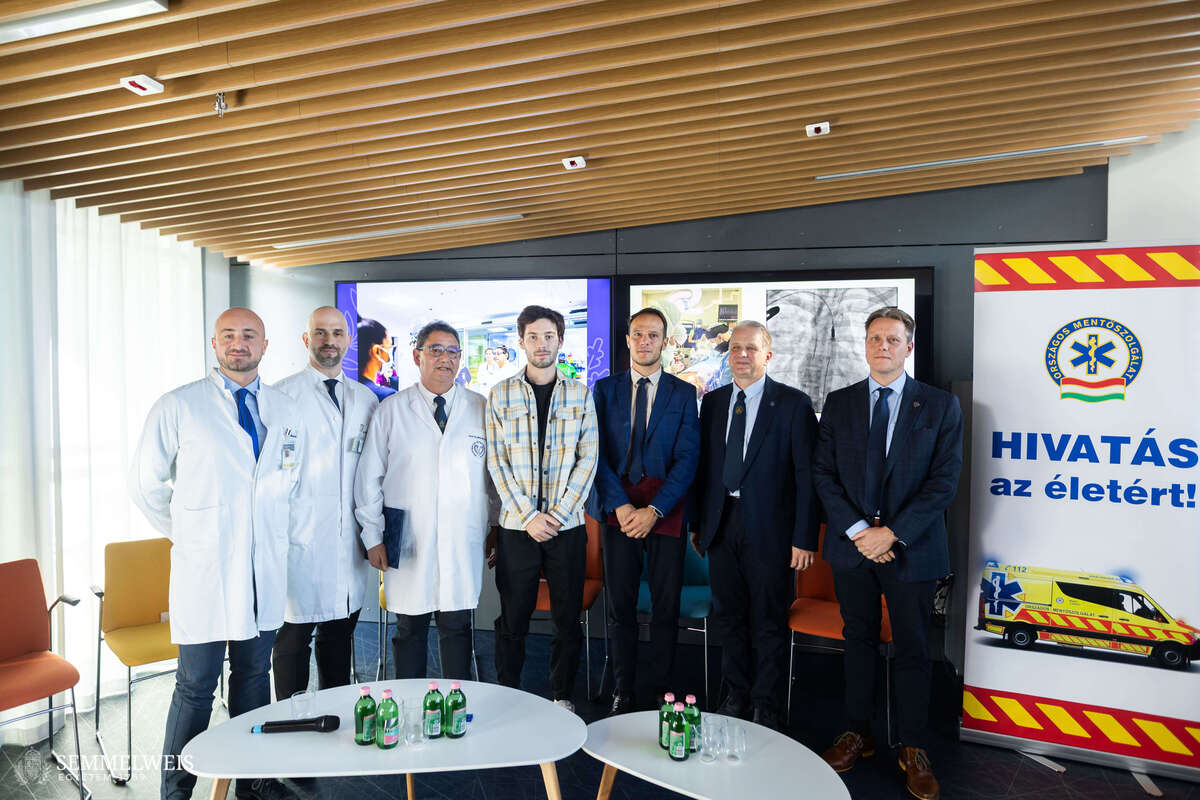
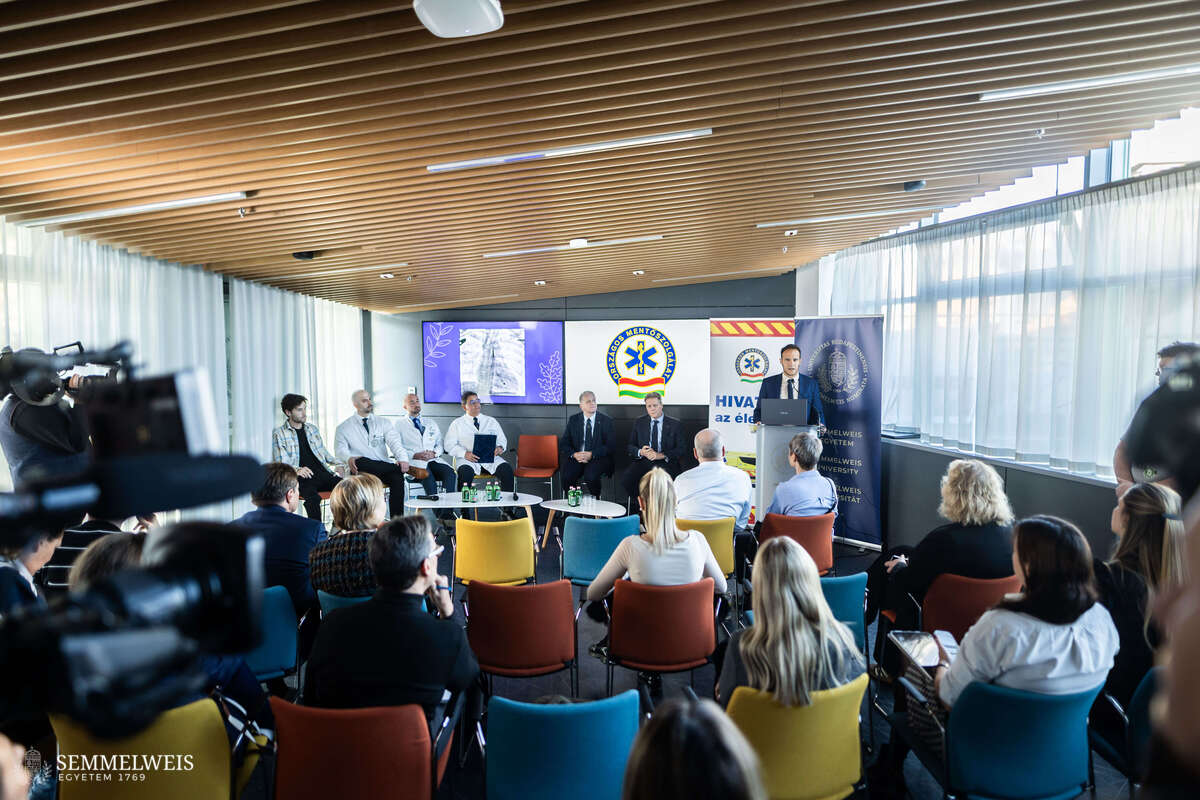
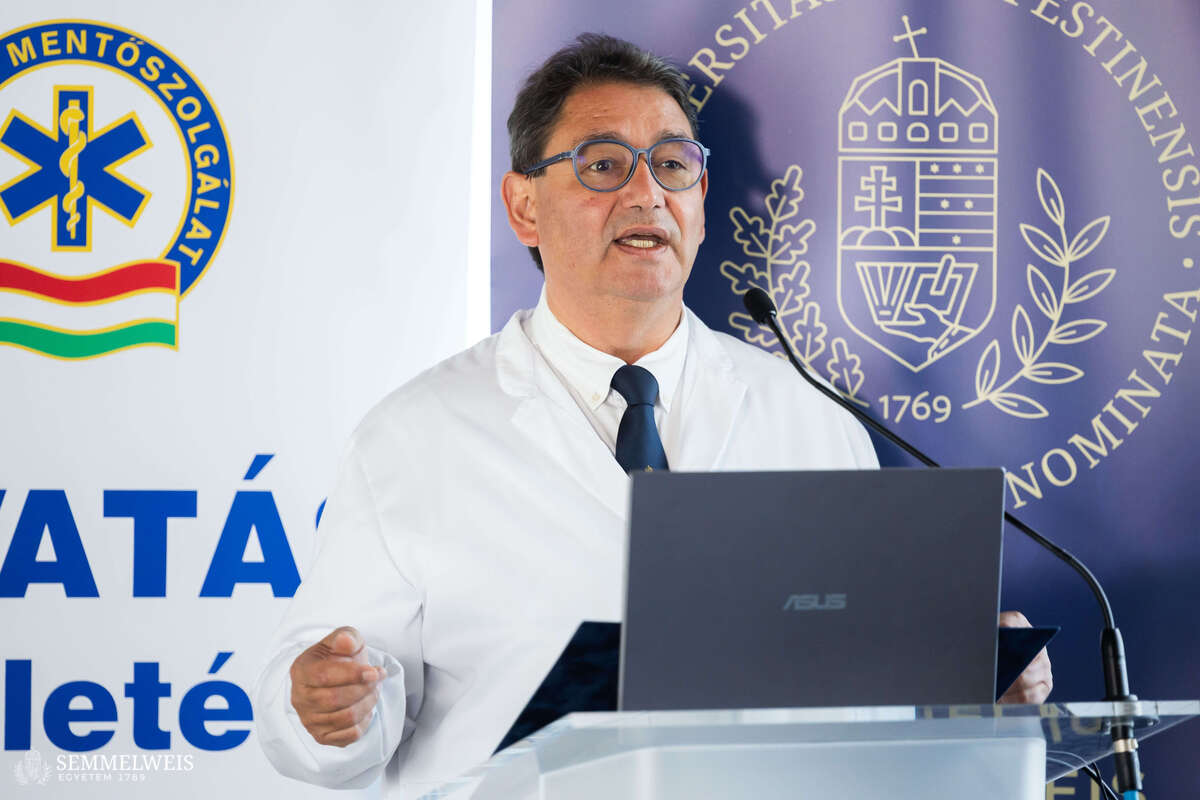
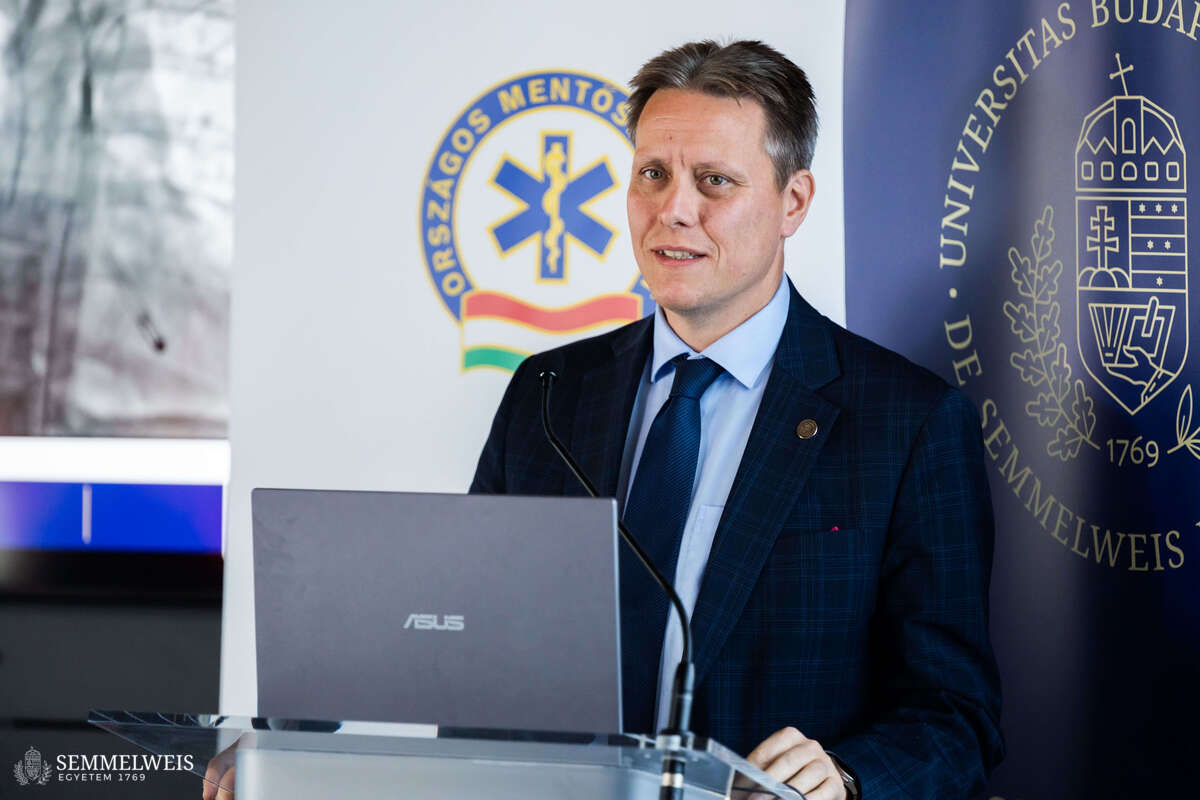
At a news conference held in connection with the intervention, Dr. Béla Merkely, Rector of Semmelweis University, highlighted the importance of teamwork and collaboration. He emphasized that success required quick and correct decisions, a high level of preparedness, cutting-edge technology, and cooperation among various medical disciplines.
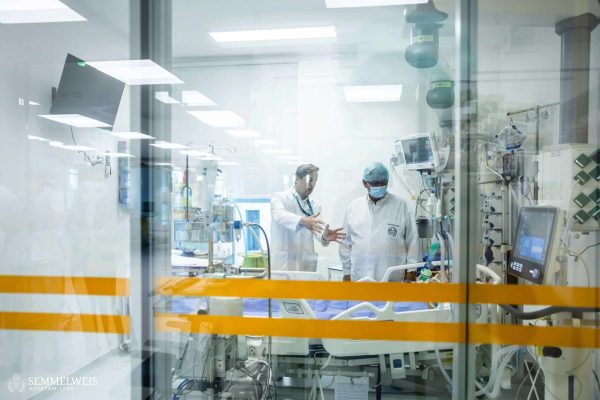 Dr. Miklós Constantinovits, Director General of OMSZ, noted that the first and indispensable link in the rescue chain was the assistance provided by bystanders, who were not health professionals. The ambulance arrived at the scene within eight minutes, but despite specialized care, the patient’s spontaneous circulation could not be restored. After professional consultation, the decision was therefore made to transport the patient to the Városmajor Heart and Vascular Center. Continuous chest compressions were provided en route by a mechanical device called LUCAS.
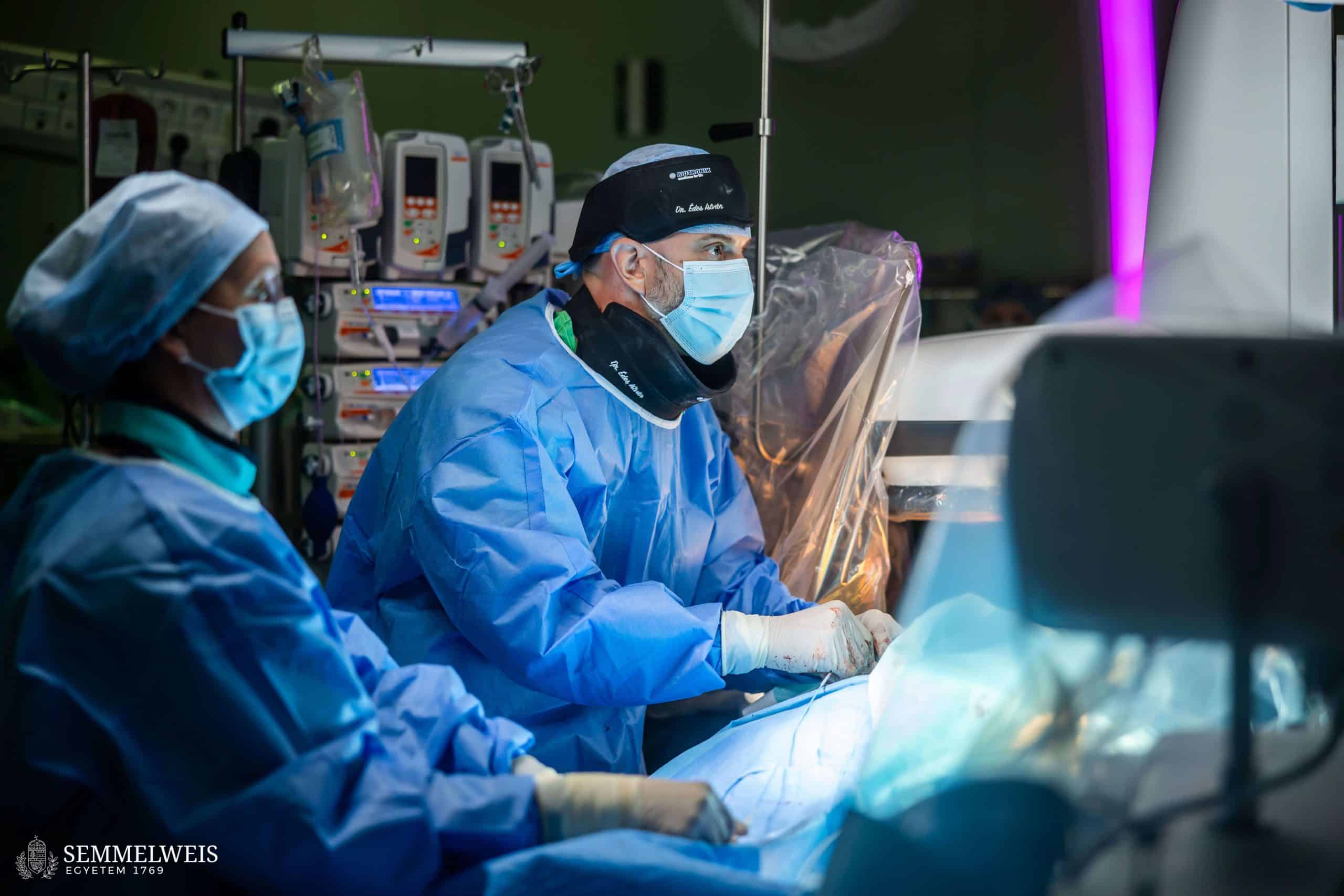
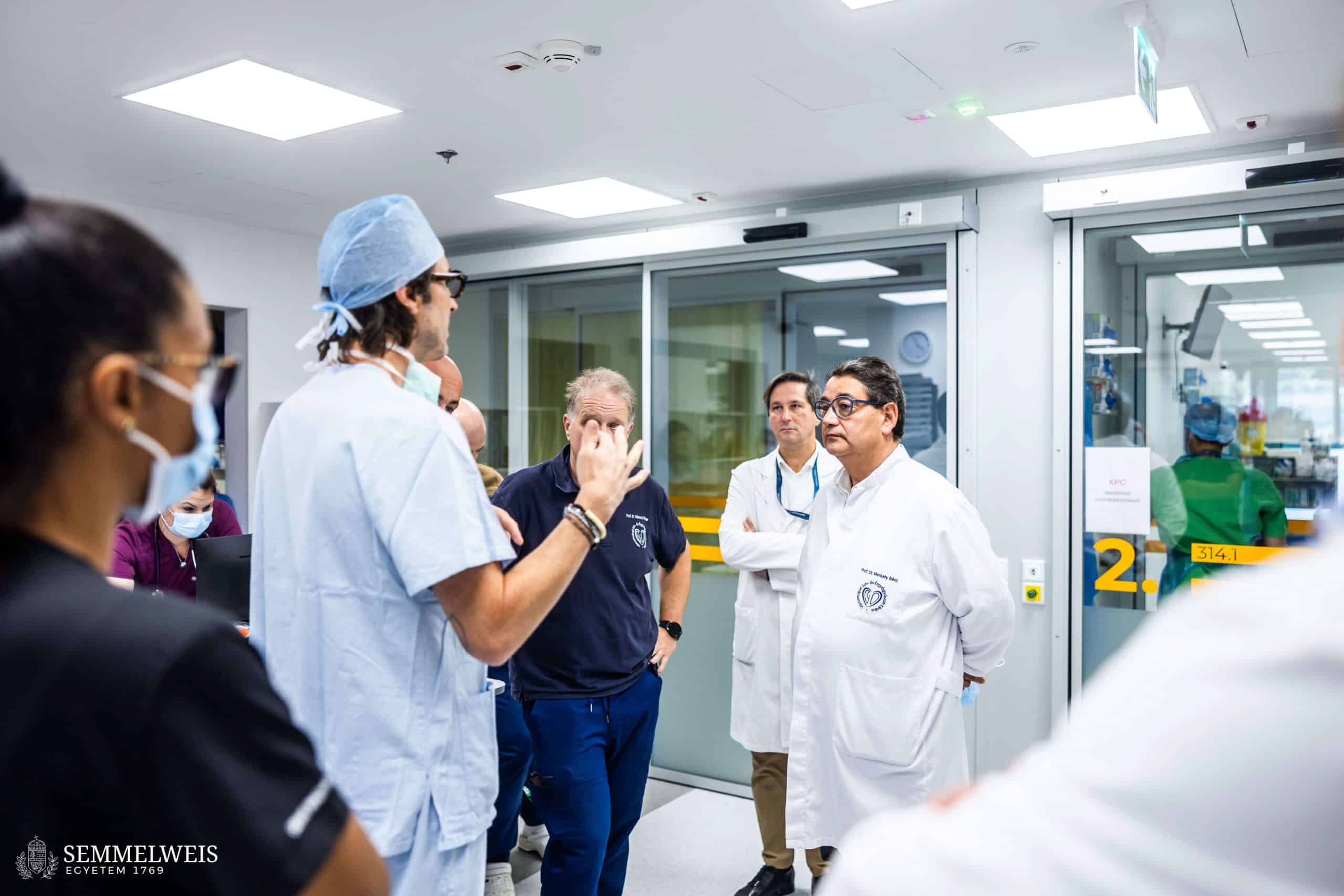
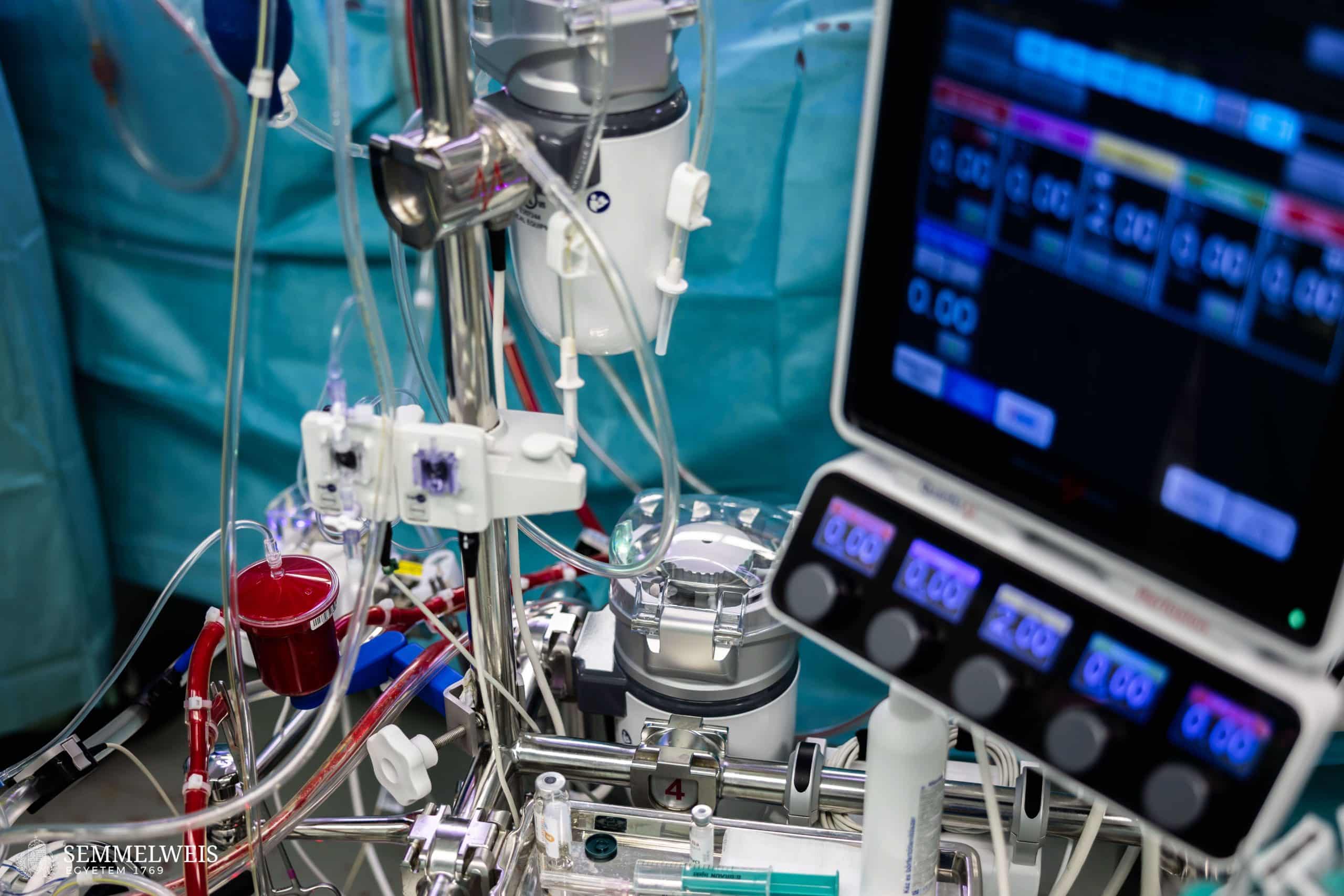
The patient was eagerly awaited at the center’s cardiac catheterization laboratory. According to Associate Professor and cardiologist Dr. István Ferenc Édes, the care chain designed for such situations was immediately activated upon receiving the preliminary alert. Within minutes, Gábor László was prepared for extracorporeal membrane oxygenation (ECMO) treatment, a circulatory support system that also ensures the oxygenation of the blood. Within eleven minutes of vascular access, the device was activated, taking over the functions of the heart and lungs, thus allowing chest compressions to be discontinued.
A coronary angiogram performed after circulation had been stabilized confirmed a rare congenital anomaly. The left coronary artery originated from the pulmonary artery instead of the aorta, but the right coronary artery, which originated from the correct location, was significantly dilated and, through anastomoses, also contributed to the blood supply of the left coronary artery system. This is why the anomaly did not cause any noticeable symptoms earlier and was only discovered after the patient had suffered cardiac arrest as an adult.
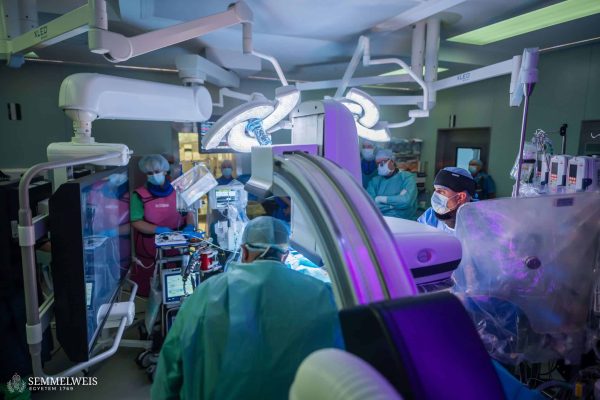 In the transplant and mechanical circulatory support intensive care unit, his neurological condition was encouraging, but his heart was functioning very poorly, and life-threatening arrhythmias also developed. In the days that followed, pneumonia and hemorrhagic complications made treatment more difficult. Corrective heart surgery in this condition would have carried an extremely high risk. We had to find a temporary solution that would ensure circulation while also allowing the body to regain strength, explained Dr. Béla Merkely.
After joint deliberation by cardiologists, cardiac and vascular surgeons, anesthesiologists, and intensive care specialists, they decided to use the Impella catheter-based heart pump. Two days later, on September 29, the latest-generation device was implanted for the first time in Hungary. The pump transfers blood from the left ventricle to the aorta at a rate of up to five and a half liters per minute, thereby relieving the burden on the heart and supporting blood flow to the organs.
Professor and vascular surgeon Dr. Péter Sótonyi pointed out that the artery beneath the collarbone was exposed, and then a graft was sutured to it, through which the catheter-based pump could be inserted. This approach also allowed for subsequent mobilization. After the new device had been activated, the ECMO cannulas inserted in the groin were removed, and the affected vessels were repaired. The transition had to be performed in such a way that the patient’s circulation was continuously maintained throughout the procedure.
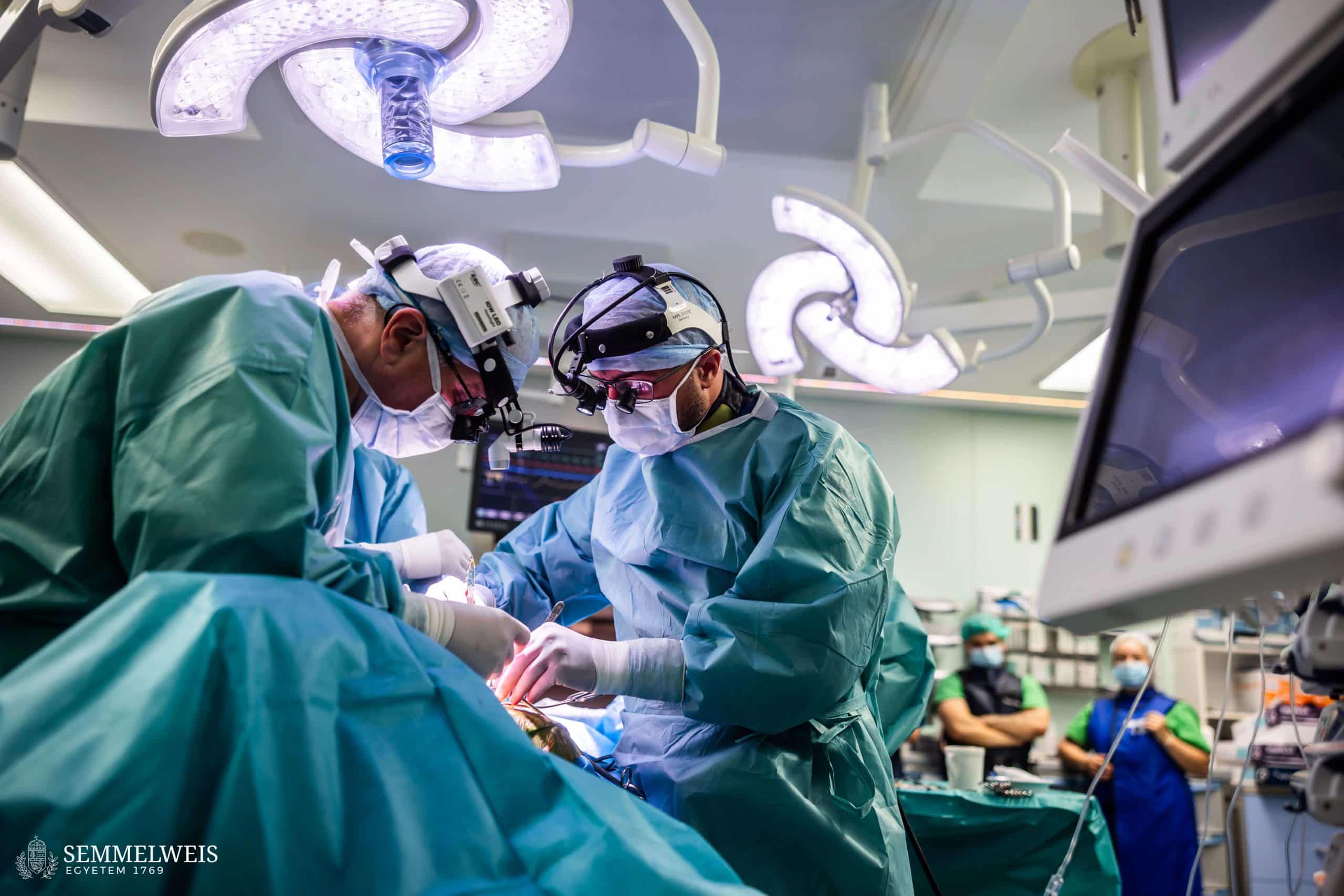 Associate Professor and cardiac surgeon Dr. Kálmán Benke, who participated in the procedure, had already gained experience with Impella during his work in Germany. In his view, the introduction of the new procedure was facilitated by the team’s preparedness, mutual support, and ongoing consultation. Gábor László could be awakened and taken off the ventilator on the very evening of the implantation. Over the next two weeks, he was able to sit up, stand, and walk, all while the heart pump supported his circulation.
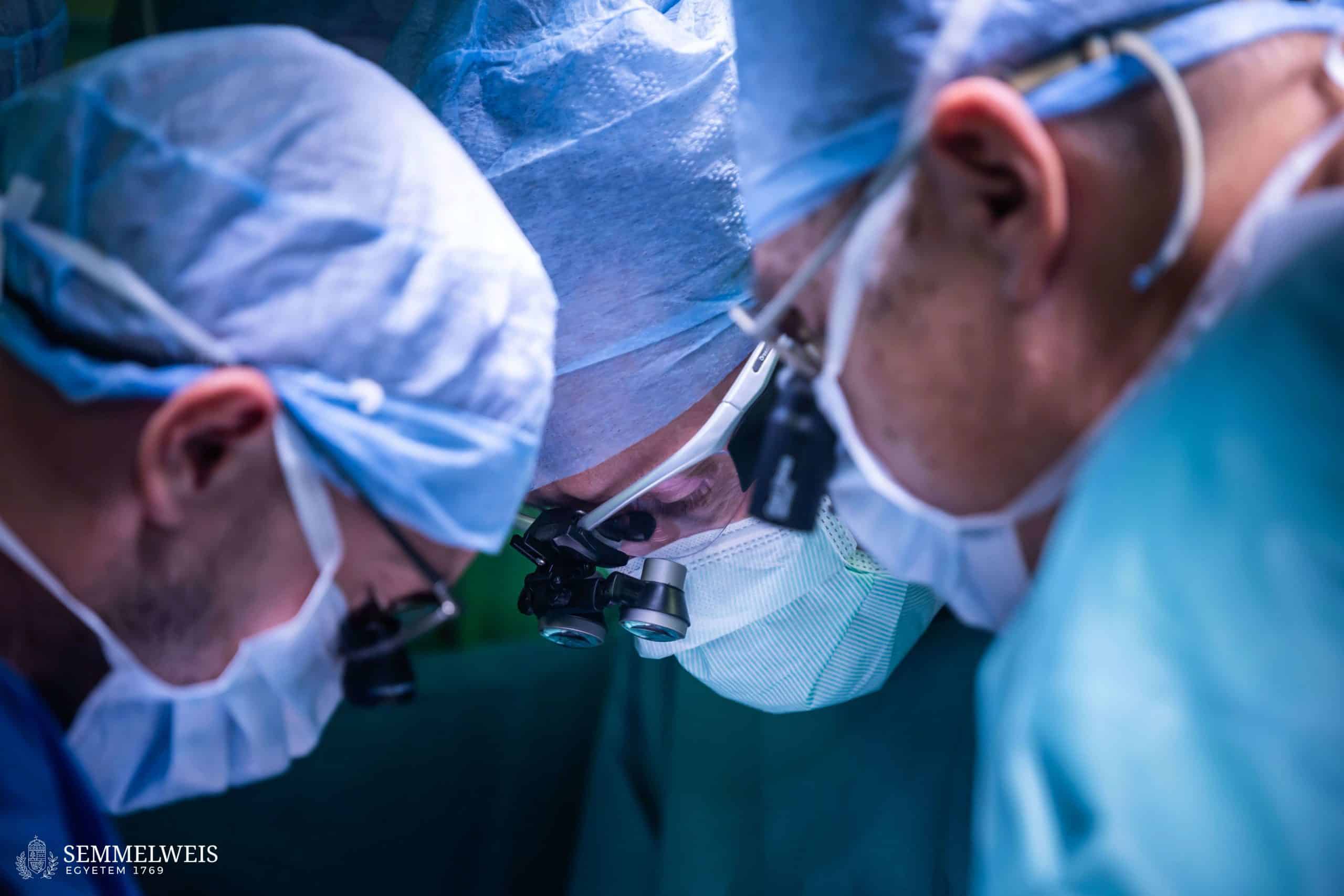
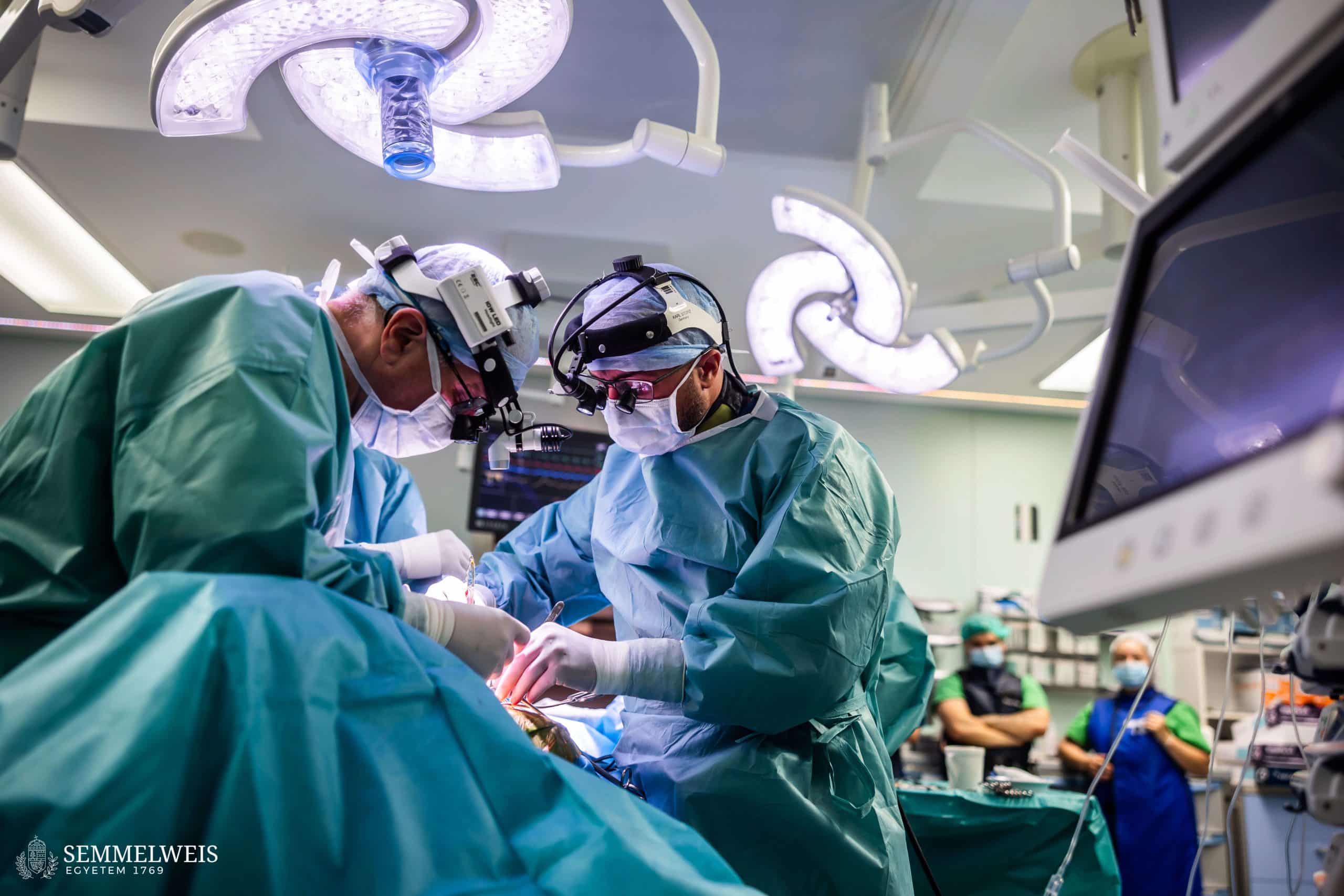
The reconstructive surgery was led by Associate Professor and Specialty Lead Head Surgeon Dr. István Hartyánszky. He noted that, due to the rarity of the condition and the diversity of anatomical variations, a customized surgical plan was required, for which they also utilized three-dimensional reconstruction. With a 20-year-old patient, it is necessary to plan decades ahead, so the goal was to establish natural coronary circulation. During the heart surgery, the abnormally originating left coronary artery was transplanted into the aorta, so that both coronary arteries now receive blood from the appropriate vessel.
Careful preparation also aided his postoperative recovery. Gábor László was taken off the ventilator on the very day of the surgery, and after four more days of intensive care, his treatment continued in the inpatient ward. After a total of five weeks of hospitalization, he is now preparing to begin rehabilitation.
Gallery
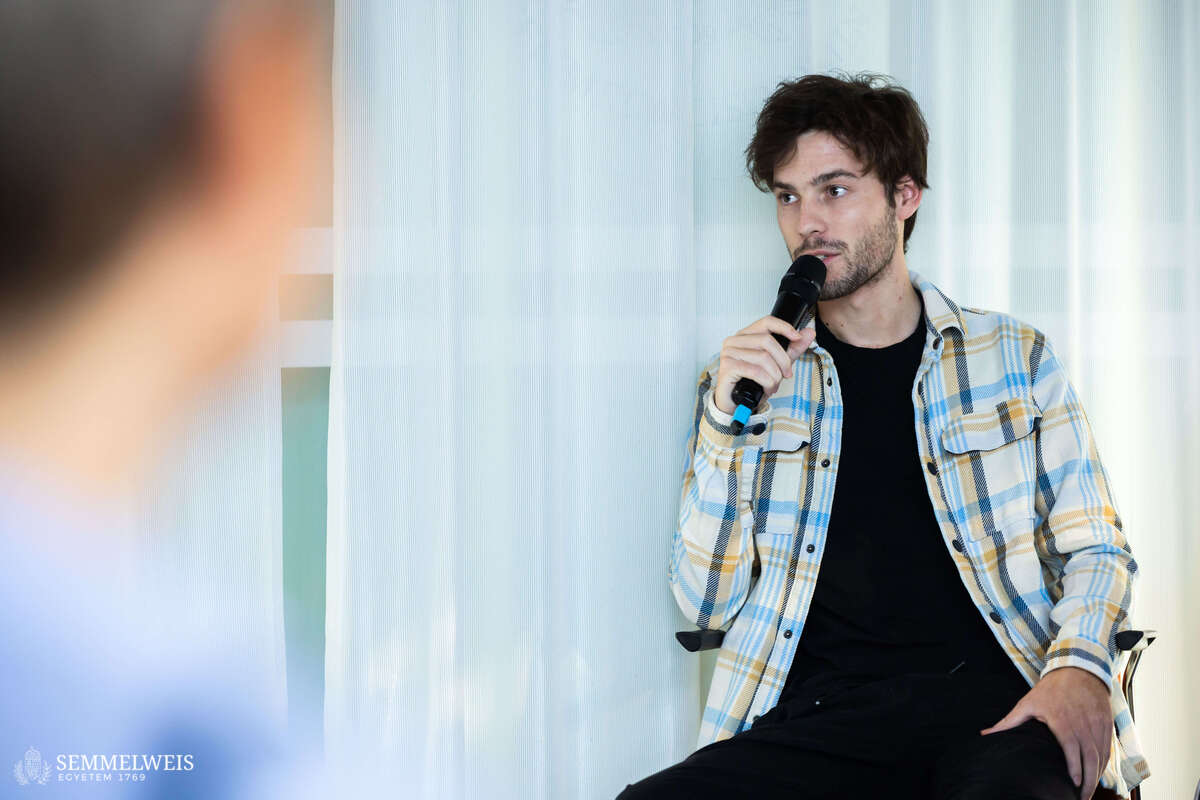
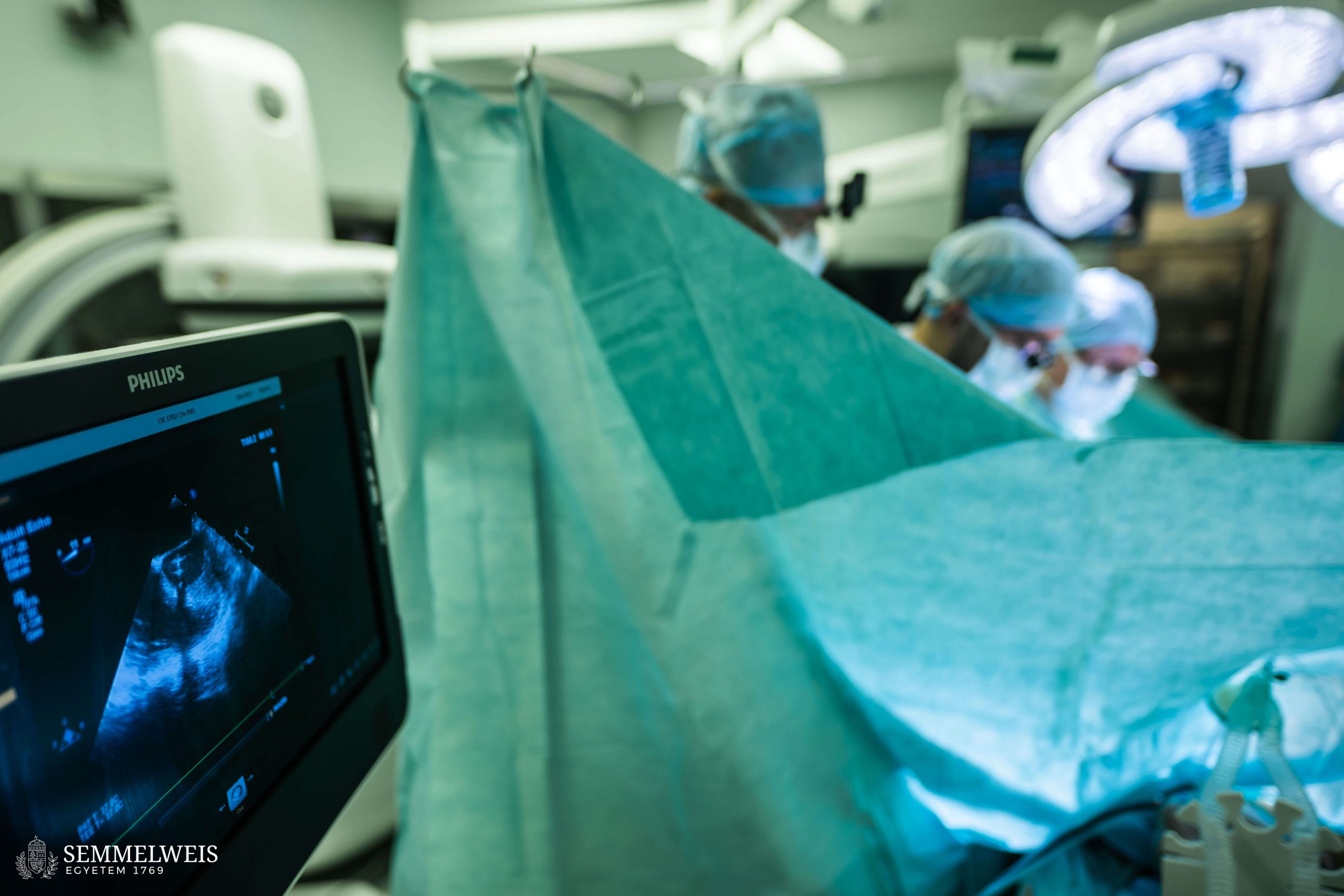
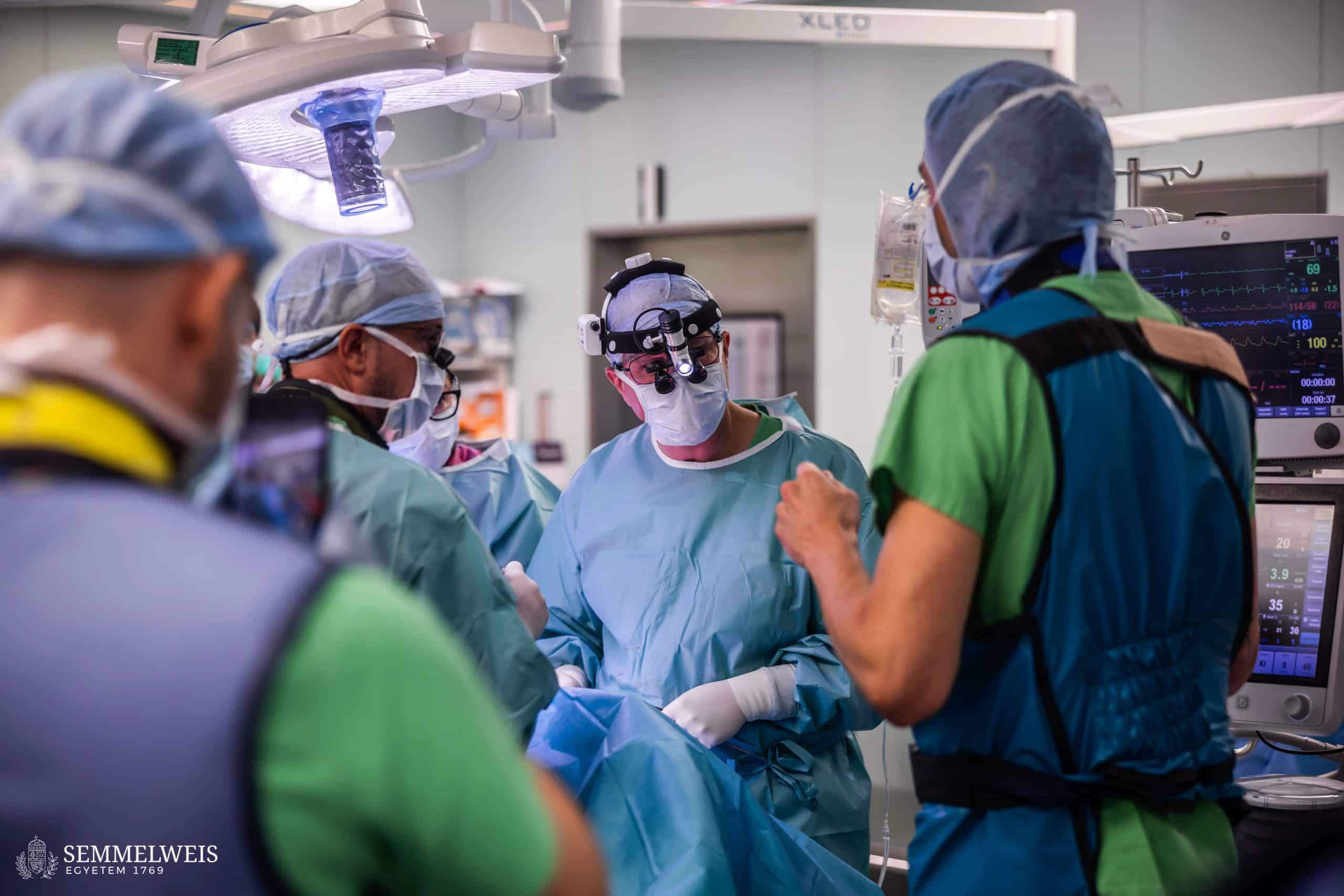
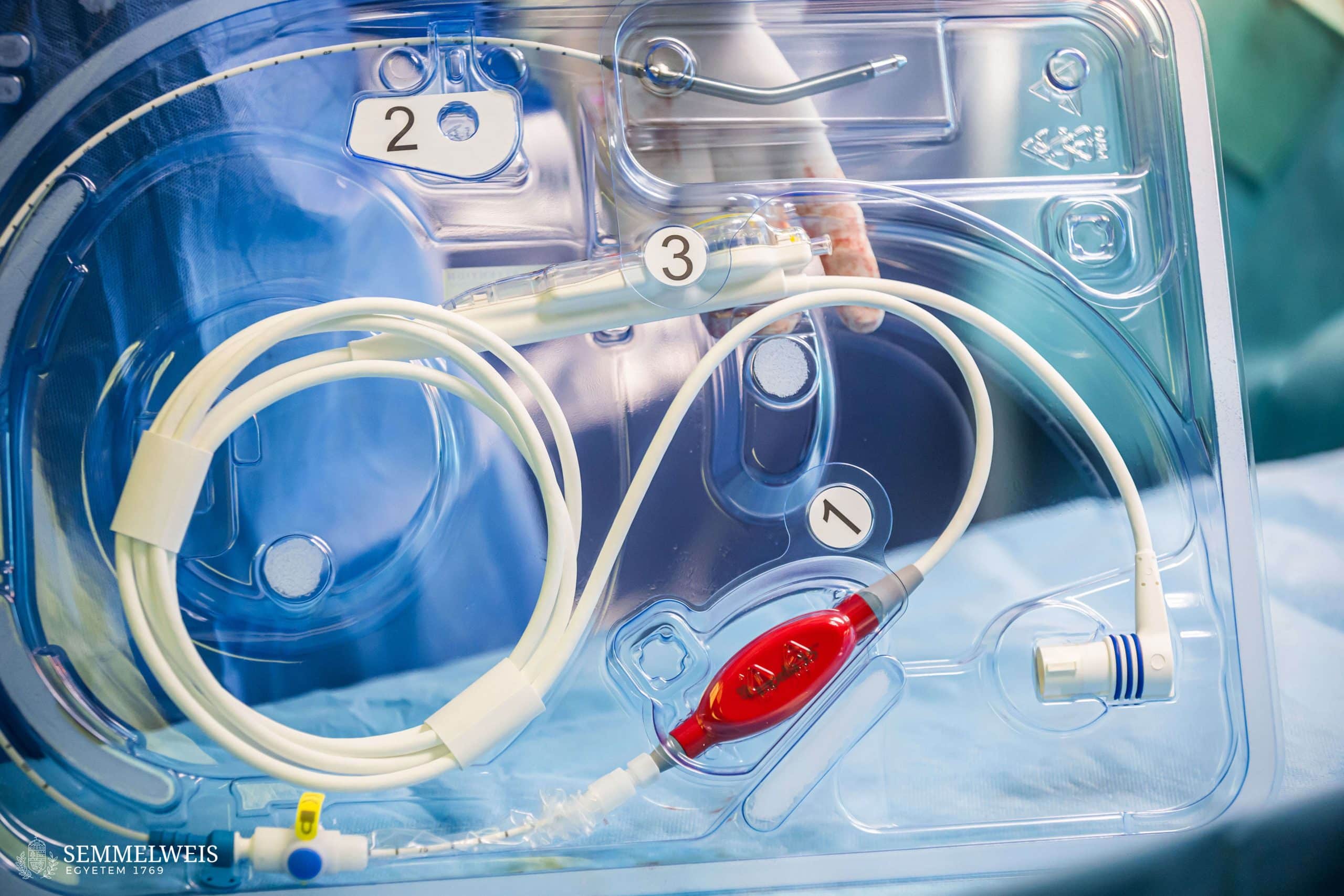
A third-year economics student at Eötvös Loránd University (ELTE), Gábor László has no memory of the day he became unwell and part of the period that followed; his earliest memories are of the intensive care unit. He would like to finish his undergraduate degree, go on to pursue a master’s degree, and return to sports. He expressed his gratitude for the work of the doctors and nurses involved. Dr. Béla Merkely described the events as a milestone in cardiac care and cardiac surgery in Hungary, as the experience gained could help in the care of other patients with similarly severe conditions in the future.
Orsolya Jancsó
Translation: Dr. Balázs Csizmadia
Photos by Bálint Barta – Semmelweis University