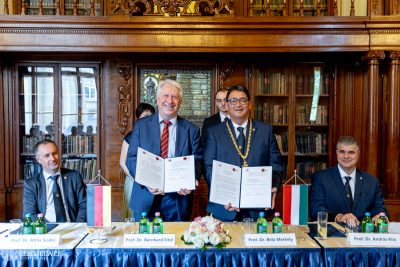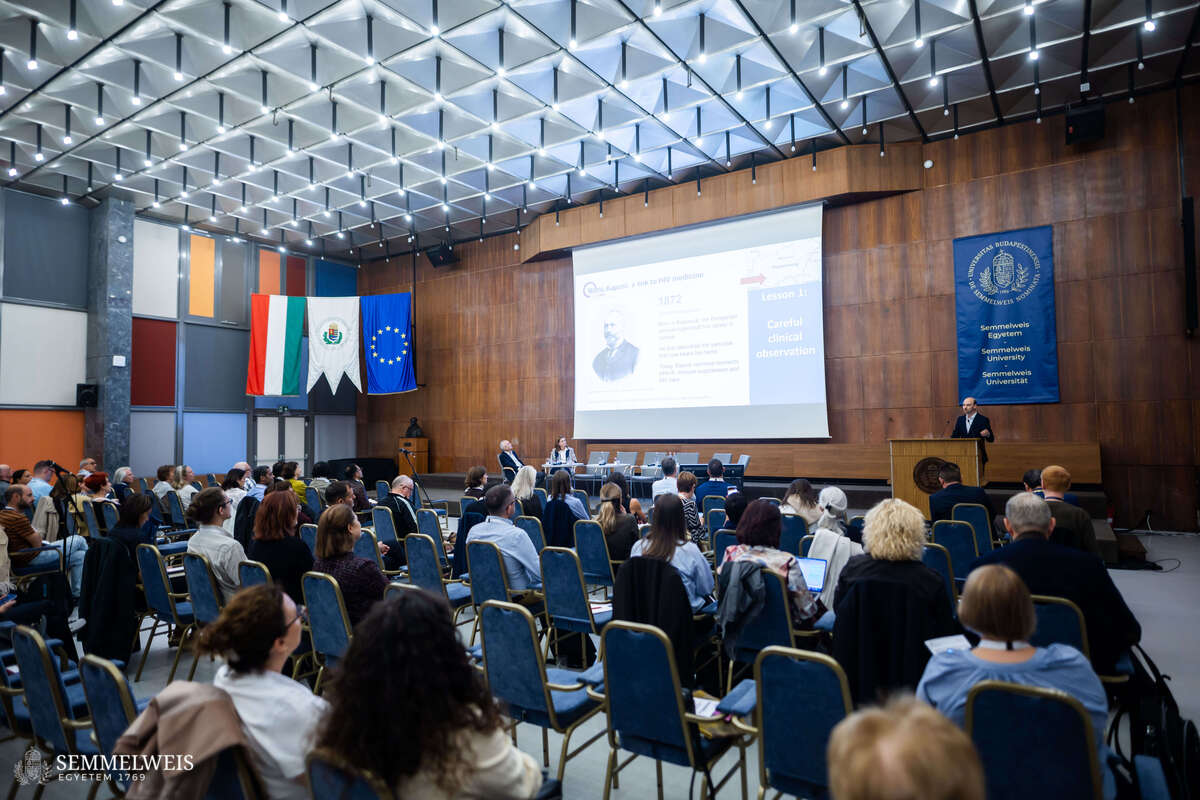
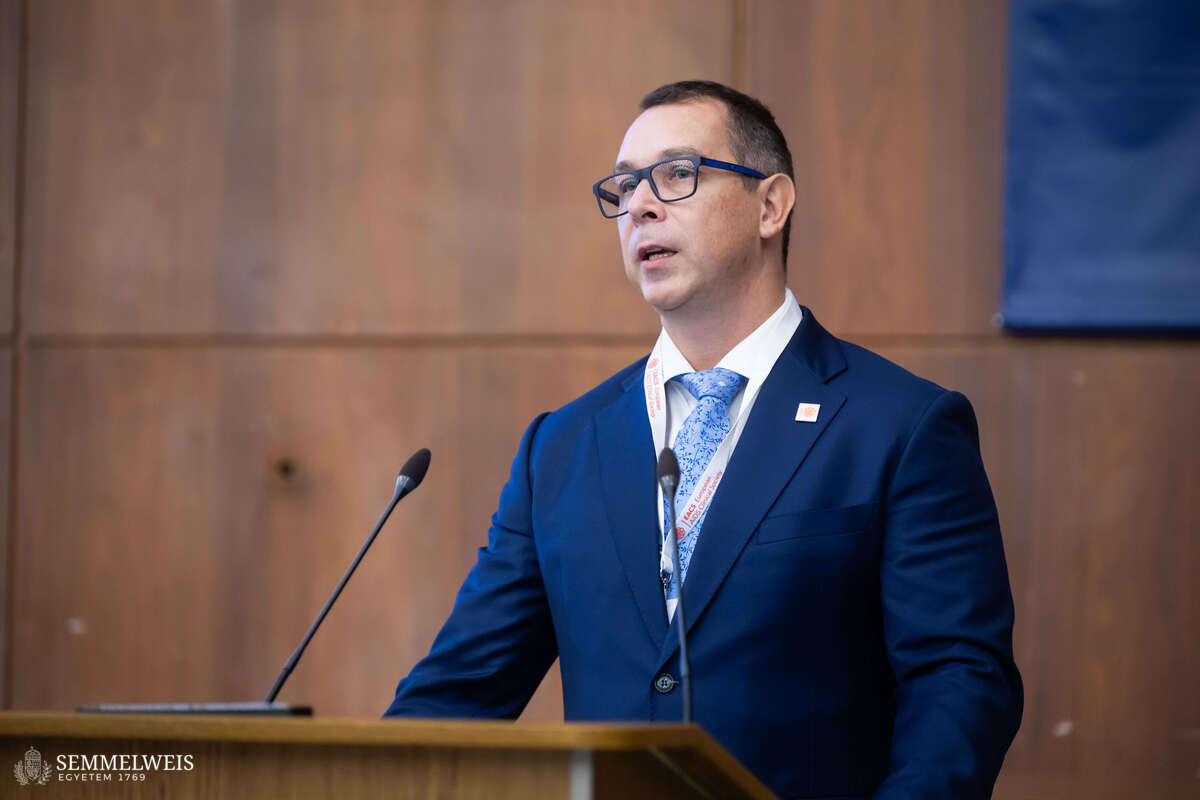
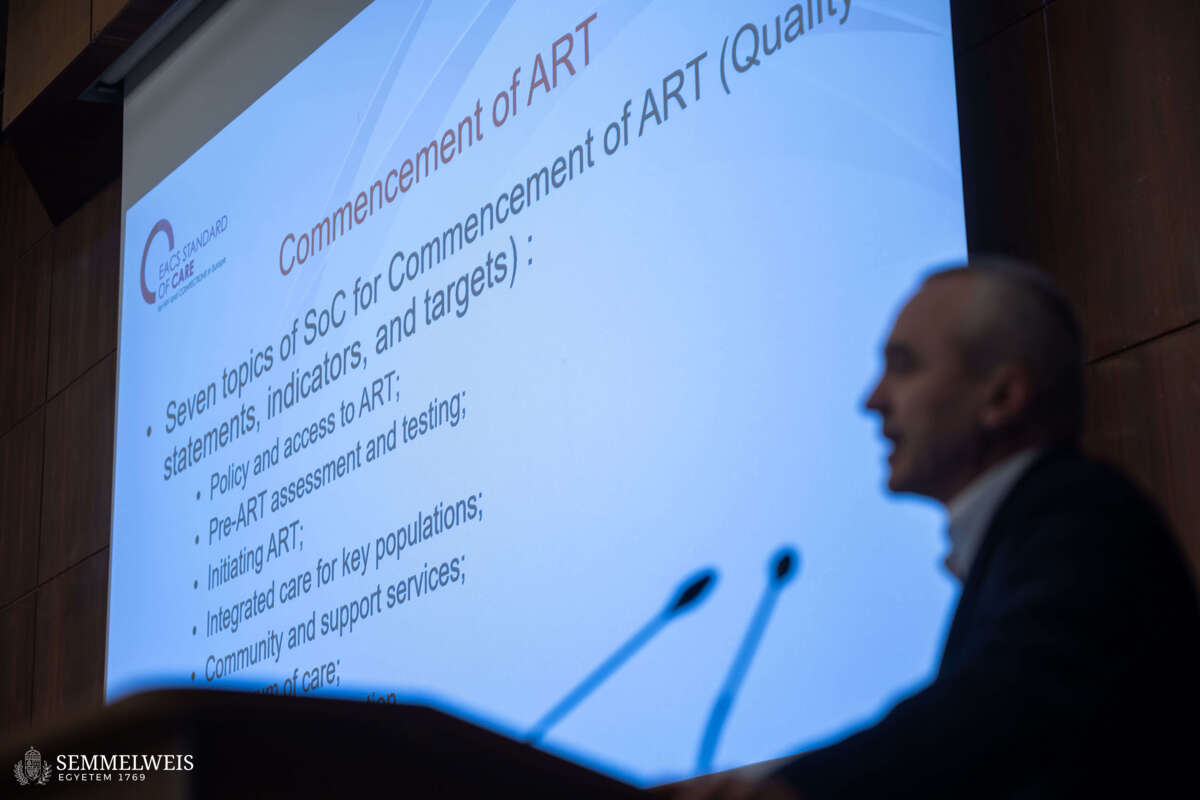
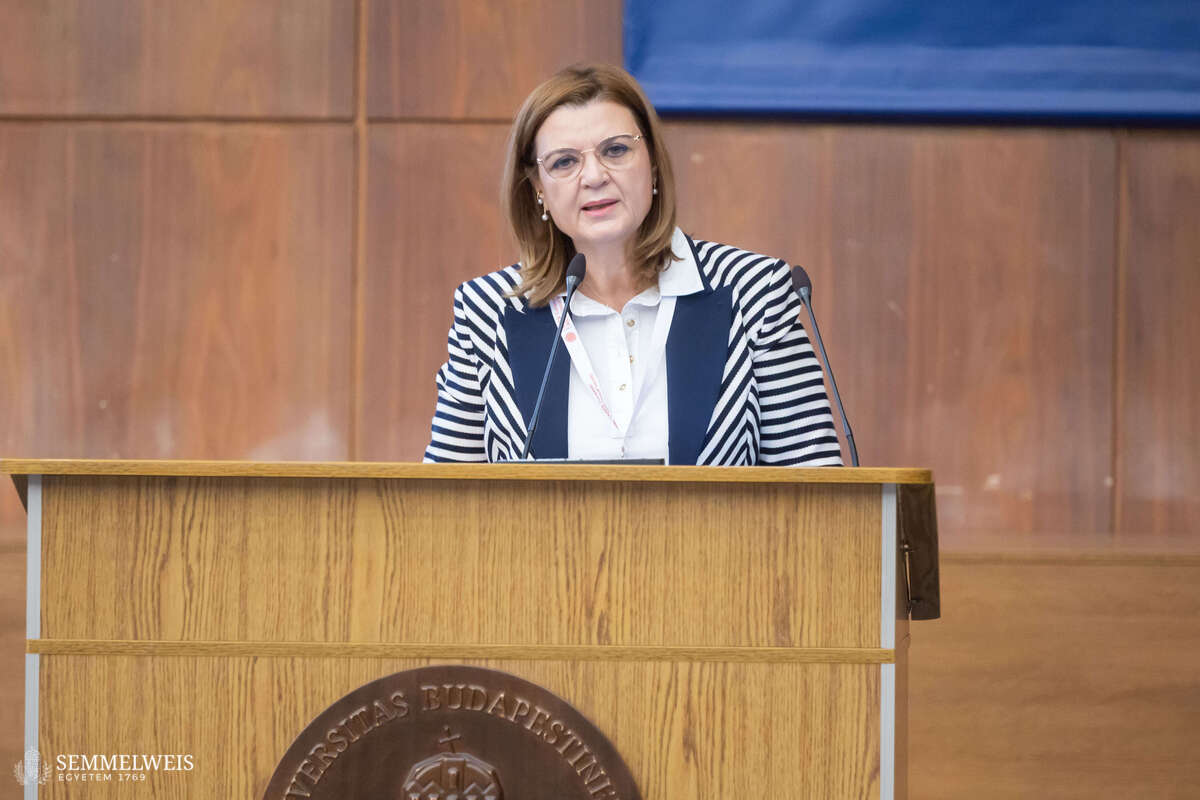
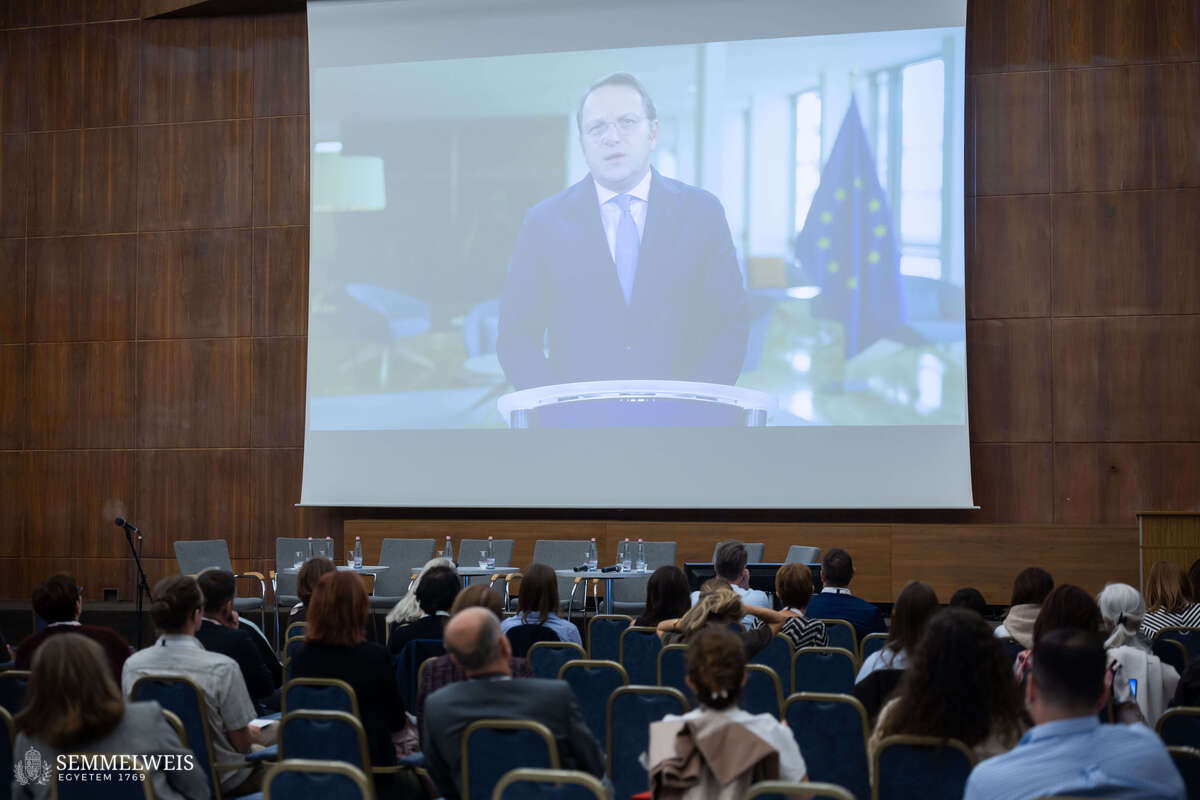
At the start of the event, Dr. Cristiana Oprea, Co-Chair of the Organizing Committee, welcomed the participants, recalling the first EACS Standard of Care Meeting held in Rome in 2014. She expressed her hope that, continuing this tradition, the current meeting was uniquely structured to foster dialogue among clinicians, researchers, policymakers, and community representatives. “True progress happens when science meets policy and policy is shaped by the lived experiences of the communities we serve,” she added. In his opening remarks, Dr. Miłosz Parczewski, President of EACS, spoke about the objectives of the Standard of Care meetings and their 12-year history. As he noted, the organization’s guidelines are now the cornerstone of medical practice across Europe and even influence healthcare beyond the continent. EACS is placing increasing emphasis on standardizing not only HIV care but also prevention, taking into account the differences among the healthcare systems of European countries. Since the 2024 meeting in Athens, these events have always focused on two countries; therefore, the current program also prominently features issues related to HIV care in Hungary as well as Albania, he explained.
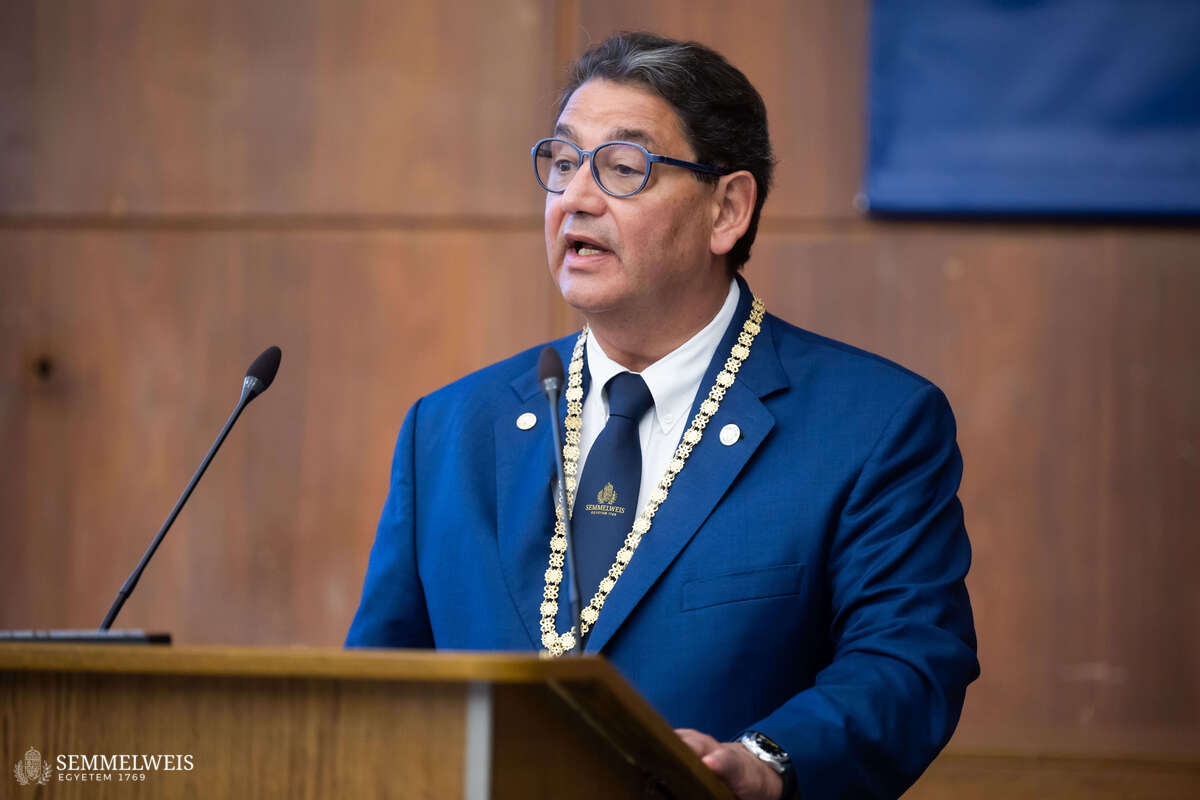 In his welcome speech, Dr. Béla Merkely, Rector of Semmelweis University, pointed out that the institution put a high priority on the discipline of infectious diseases and on providing appropriate care for people living with HIV. “The treatment of this disease has changed dramatically both internationally and here in Hungary since its early stages. While it has now been brought under control as a manageable condition, it still requires special attention, multidisciplinary care, and collaboration across clinical departments,” he stated. Although HIV care in Hungary is largely centralized at a single facility, Semmelweis University’s departments work closely together to support people living with HIV. However, the institution aims to set an example not only in the treatment of special infections but also in providing authoritative education in that field: In the final year of medical school, the Hungarian, English, and German-language programs all include a specialized infectious diseases education module, during which students learn about the prevention, diagnosis, and treatment of AIDS and tropical diseases, the rector said.
I consider our conference particularly timely as there are significant differences between countries – and even within individual countries – in terms of access to HIV prevention, testing, treatment, and support services. I am convinced, however, that by sharing our experiences, challenges, and best practices with each other, we contribute to advancing research, training future generations of doctors, and – most importantly – to the recovery of patients. – Dr. Béla Merkely
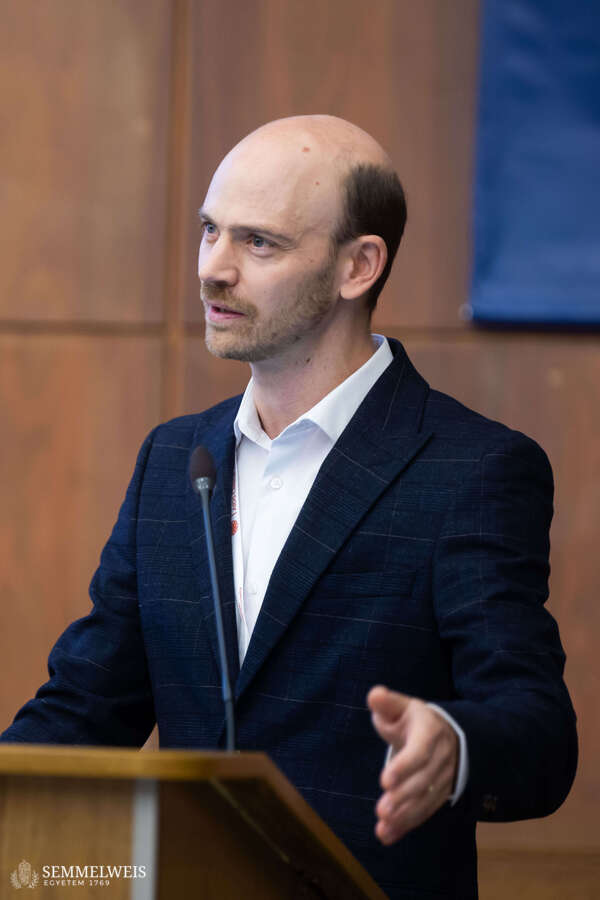 The first plenary presentation was delivered by Dr. Botond Lakatos, Co-Chair of the Local Organizing Committee, Associate Professor in the Division of Infectology at Semmelweis University, and Head of the Department of Infectious Diseases at the South-Pest Central Hospital – National Institute of Hematology and Infectology. He highlighted key challenges and priorities in HIV care in Hungary, placing particular emphasis on clinical awareness, targeted prevention, comprehensive patient care, and future vaccine development. Drawing on the legacies of Hungarian physician Moritz Kaposi as well as Nobel laureates Albert Szent-Györgyi and Katalin Karikó, he underscored the importance of clinical observation, a holistic approach to care, and advances in RNA technology. Despite specialist education, AIDS-defining conditions and AIDS-related deaths remain a cause for concern, highlighting the need for continued multidisciplinary training. Molecular surveillance has revealed increasing HIV subtype diversity and transmission clusters, suggesting that targeted interventions could help curb the epidemic. Dr. Botond Lakatos also stressed the importance of psychological support and well-being and called for routine antenatal HIV screening. He emphasized that regional and international collaboration was essential to strengthening HIV care across Central and Eastern Europe.
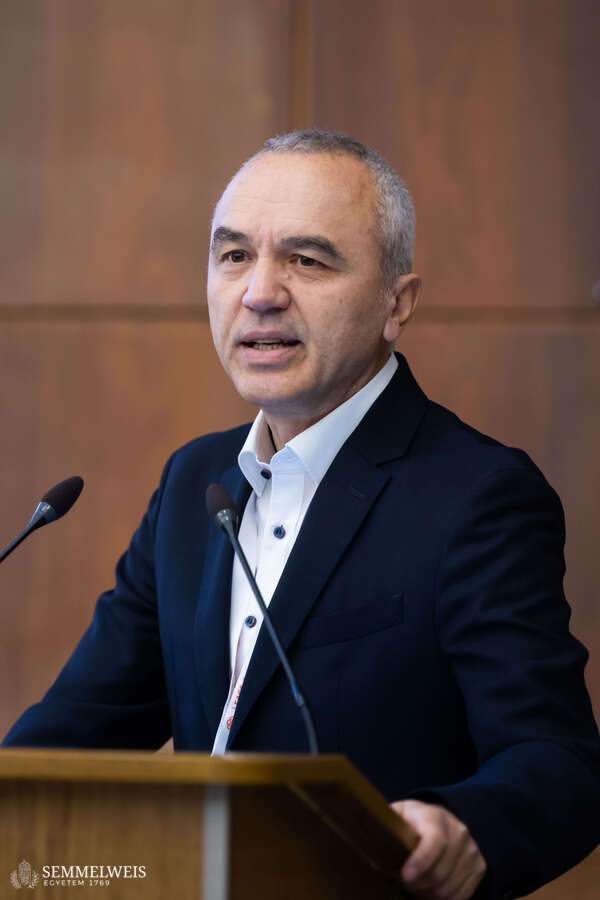 The next speaker was Dr. Arjan Harxhi, Professor at the University of Medicine in Tirana, who outlined the greatest challenges in HIV care in Albania. As he noted, while treatment is available in the country, late diagnosis, as well as gaps in linkage to care, treatment adherence, and viral load monitoring continue to pose problems. He also highlighted limitations in testing, data collection, and the management of opportunistic infections, as well as some doctors’ reliance on a single treatment regimen. He called for improved testing, drug procurement, and patient support, and advocated reviewing progress against care standards to strengthen Albania’s HIV response.
The central message of the meeting was that high-quality HIV care encompasses the full continuum of the patient journey: prevention, early diagnosis, access to treatment, sustained engagement in care, and the management of comorbidities. Participants emphasized the importance of involving people living with HIV and community organizations, as well as of collaboration across healthcare, public health institutions, and policy sectors.
Dr. Botond Lakatos told our website that for Hungary, the discussions at the conference identified key areas for improvement: reducing late diagnosis, improving access to pre-exposure prophylaxis (PrEP) to prevent HIV infection, ensuring antenatal HIV screening during the first trimester of pregnancy, and strengthening access to reproductive healthcare for people living with HIV. Further priorities include supporting continuity of care and reducing barriers to care affecting vulnerable and marginalized populations. The meeting provided a shared professional framework and opportunities for international collaboration to support these developments; however, further institutional and policy measures are needed to bring about actual changes in Hungary, added Dr. Botond Lakatos.
Gallery
Dr. Balázs Csizmadia
Photos by Bálint Barta – Semmelweis University