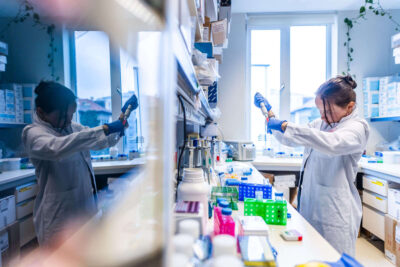
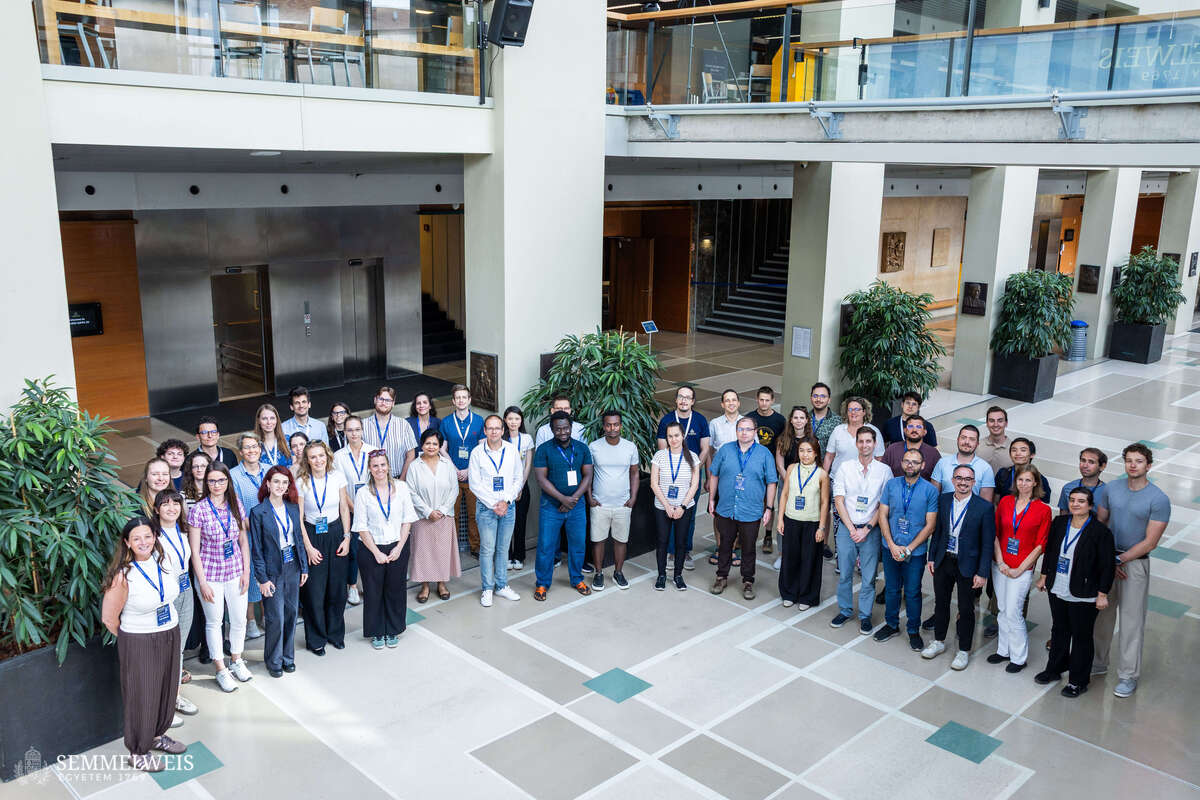
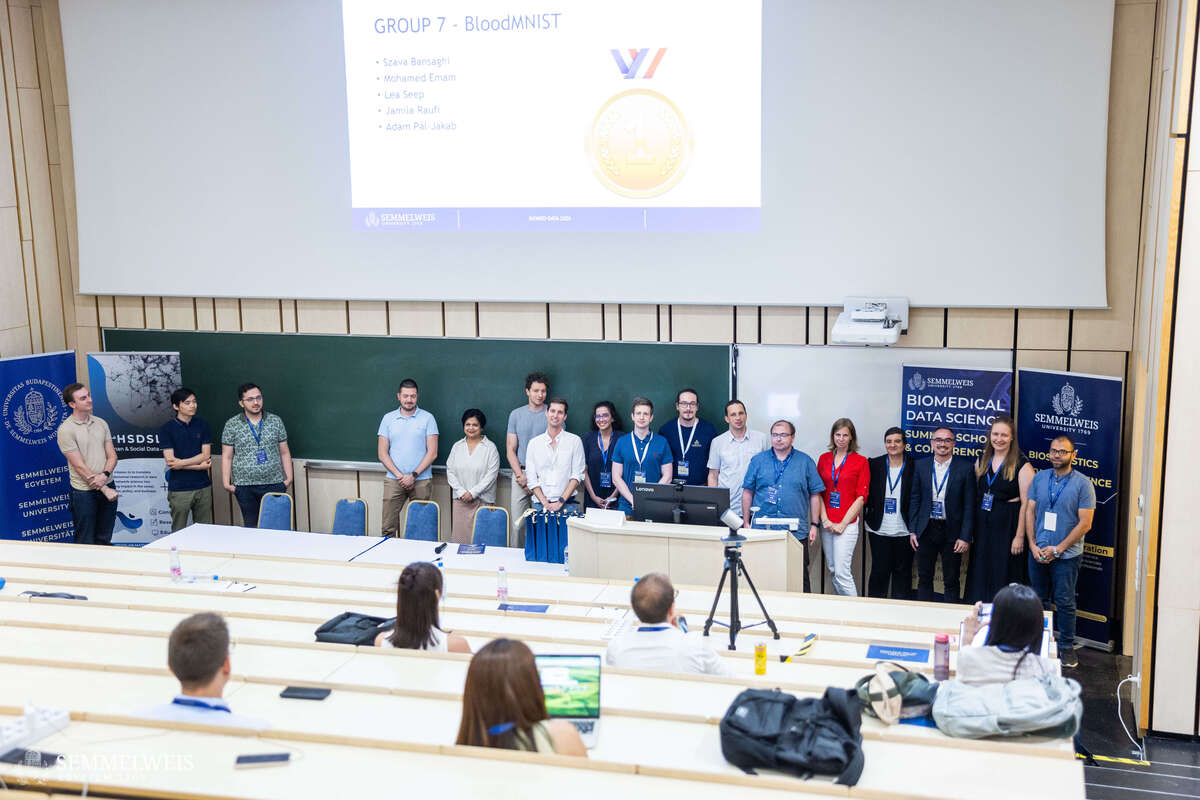
The summer school, held prior to the conference from July 6 to 14, offered practice-oriented training to 46 students interested in biomedical data science coming from ten countries around the world. Through intensive, hands-on workshops, the program integrated biostatistics, network science, machine learning, data visualization, and biomedical applications, facilitating knowledge transfer across different scientific disciplines. The initiative aims to contribute to the spread of data-driven research, digitalization and modern analytical methods in healthcare at both the national and regional levels, responding to the rapidly changing challenges in medicine. The summer school’s credit-bearing program focused on biomedical network science, healthcare data sources and visualization, machine learning on tabular medical data, and deep learning on unstructured medical data. Under the guidance of mentors, participants also worked in teams on data-driven projects, applying the knowledge they had acquired in the various courses; at the end of the program, the teams presented their results to an expert jury.
In his opening speech at the conference, Dr. Béla Merkely, Rector of Semmelweis University, pointed out that the explosive growth in the volume of data generated in healthcare, the advancement of artificial intelligence, and increasingly complex research questions called for a new approach today.
It is no longer sufficient to possess only clinical or biological knowledge – we also need the tools of data science, mathematics, information technology, and network science to transform the information at our disposal into true knowledge. – Dr. Béla Merkely
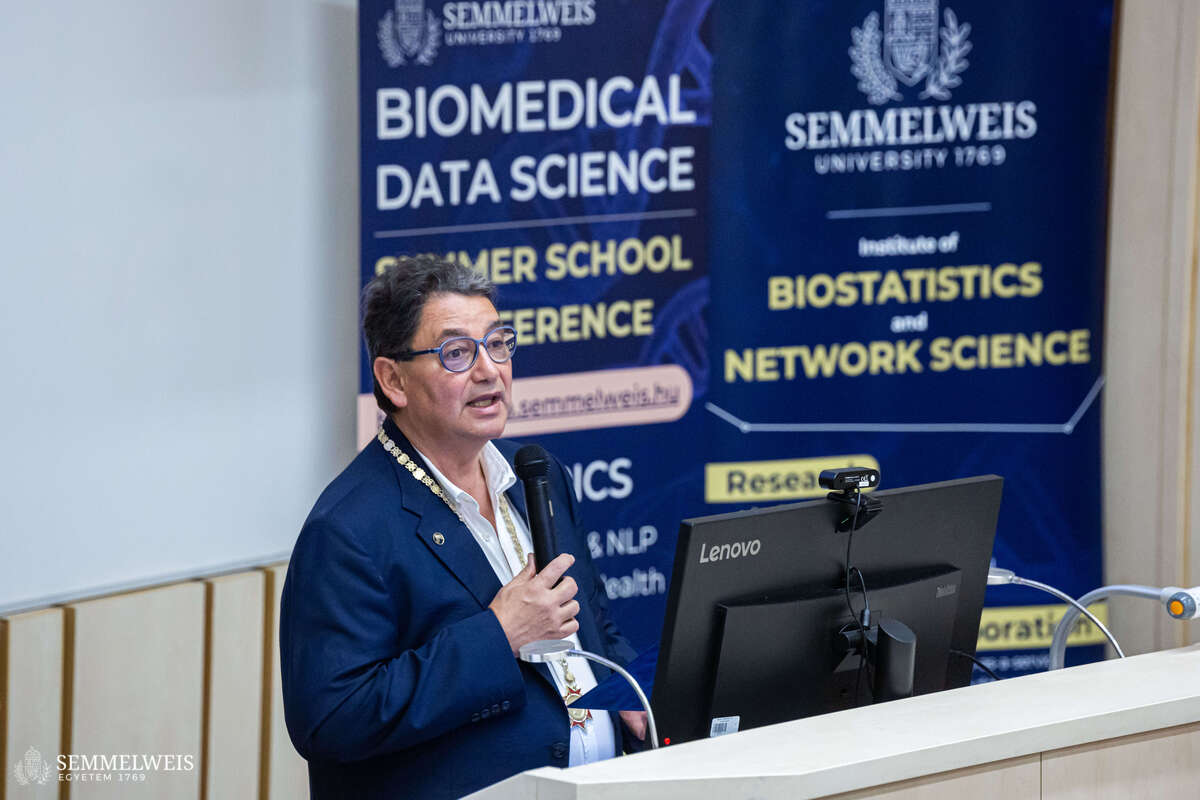 “Among Semmelweis University’s strategic goals, the responsible application of innovation, digitalization, and artificial intelligence in education, research, and patient care holds a prominent place. We believe that data-driven medicine is not a promise for the future, but one of the most important tasks of the present,” the rector emphasized. He also highlighted the success of the summer school held prior to the conference, adding that during the program, participants were not only able to acquire cutting-edge methodological knowledge but also to build a network of international connections that could shape their scientific careers in the long term. In closing his remarks, he expressed his hope that, in addition to the excellent scientific presentations and meaningful professional discussions, the conference would also serve as a starting point for new research collaborations, joint publications, and long-term international partnerships.
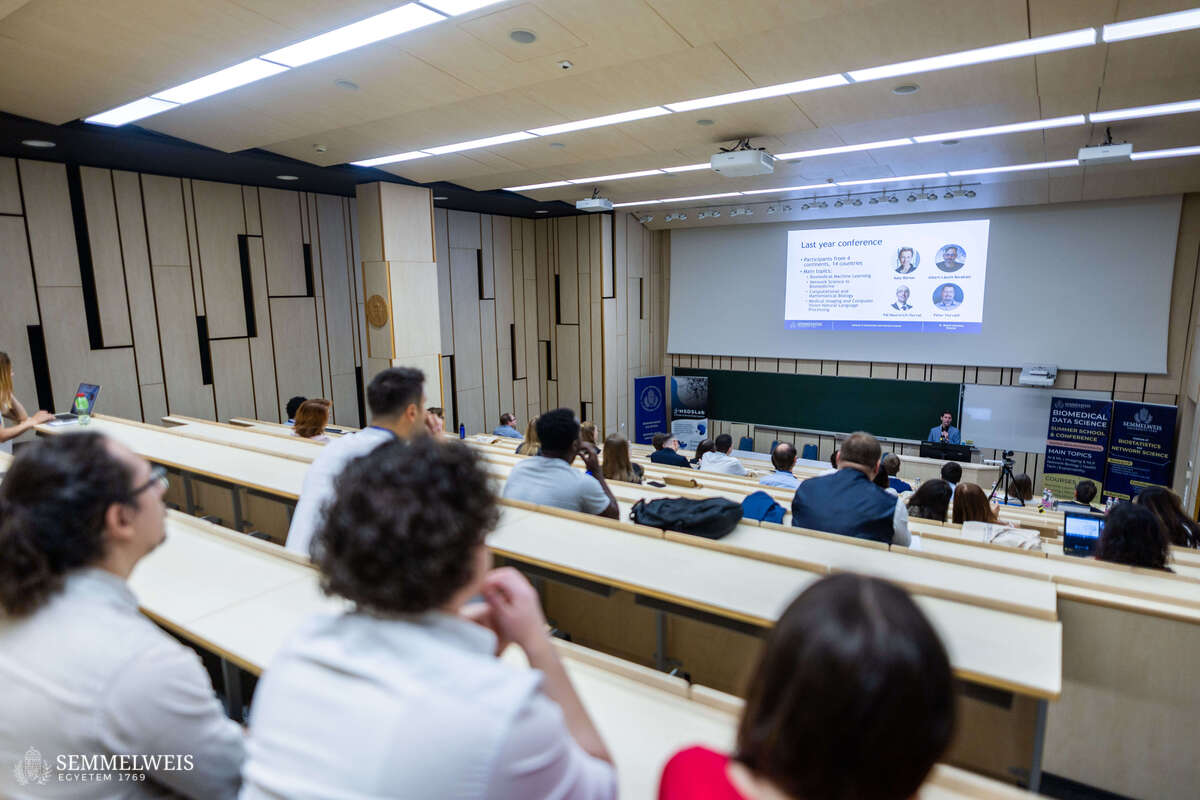
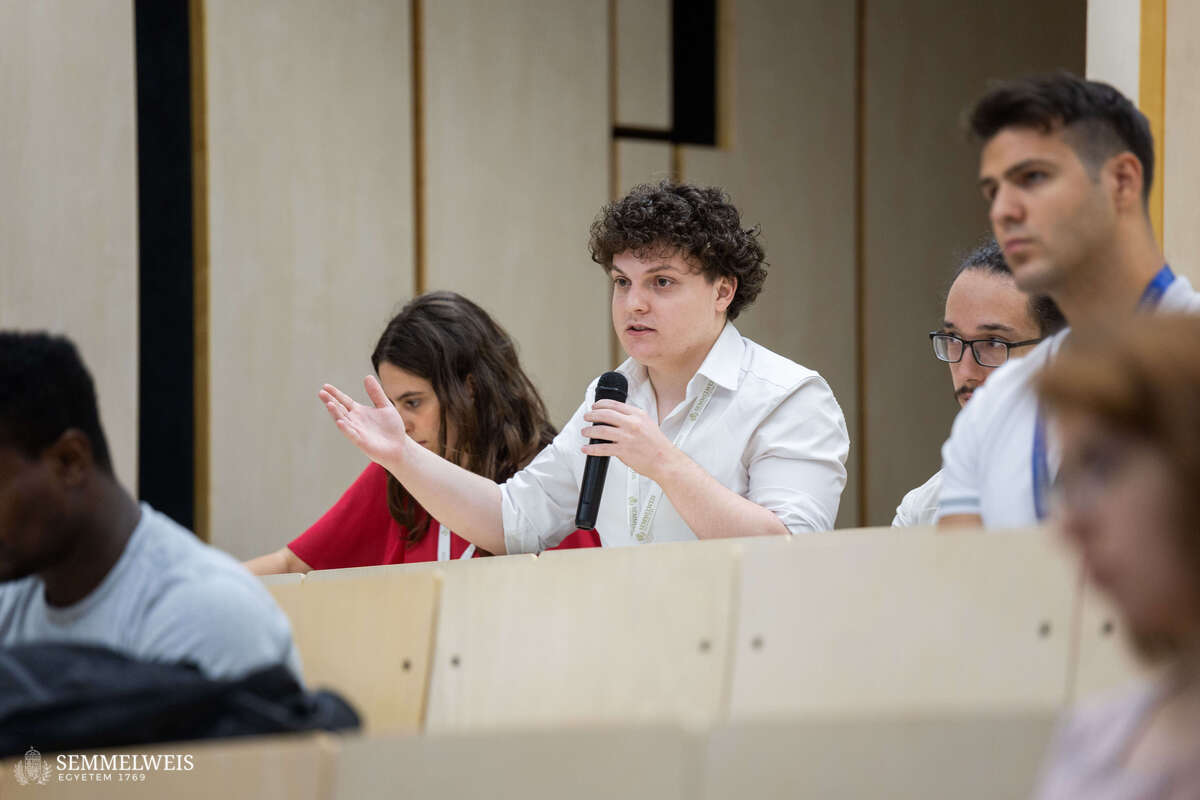
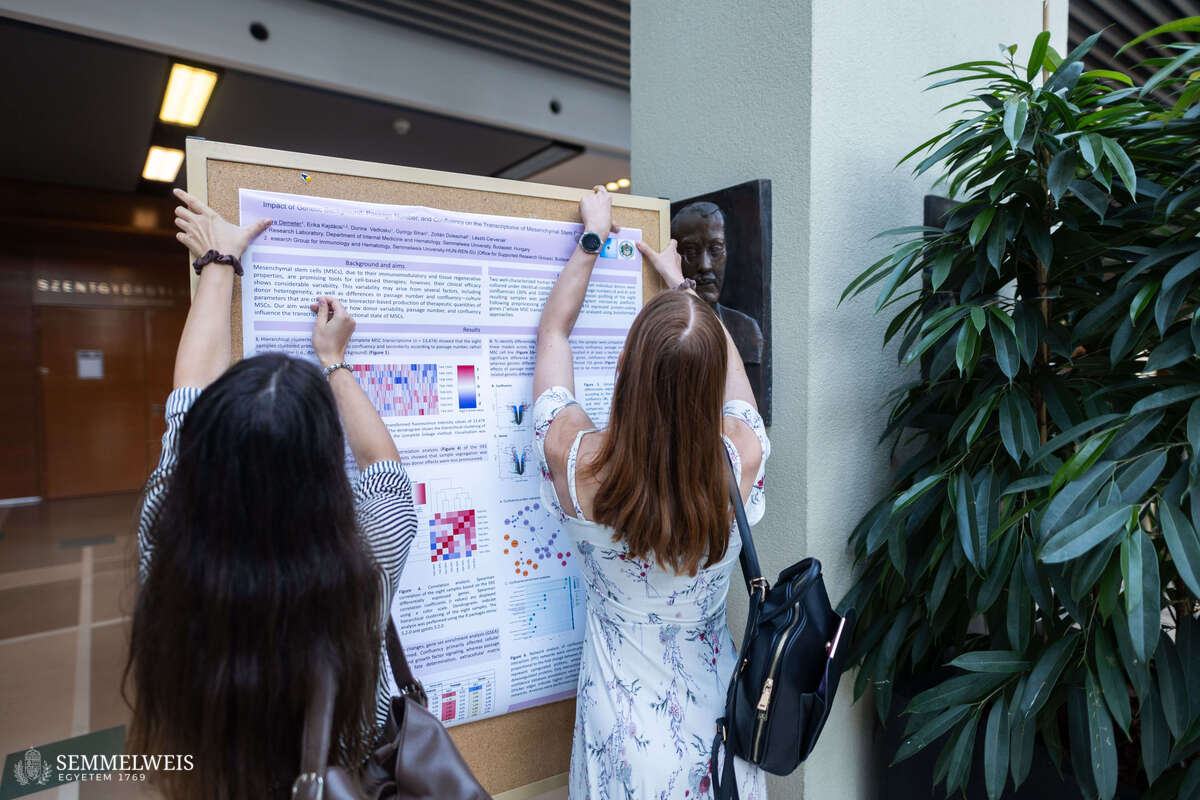
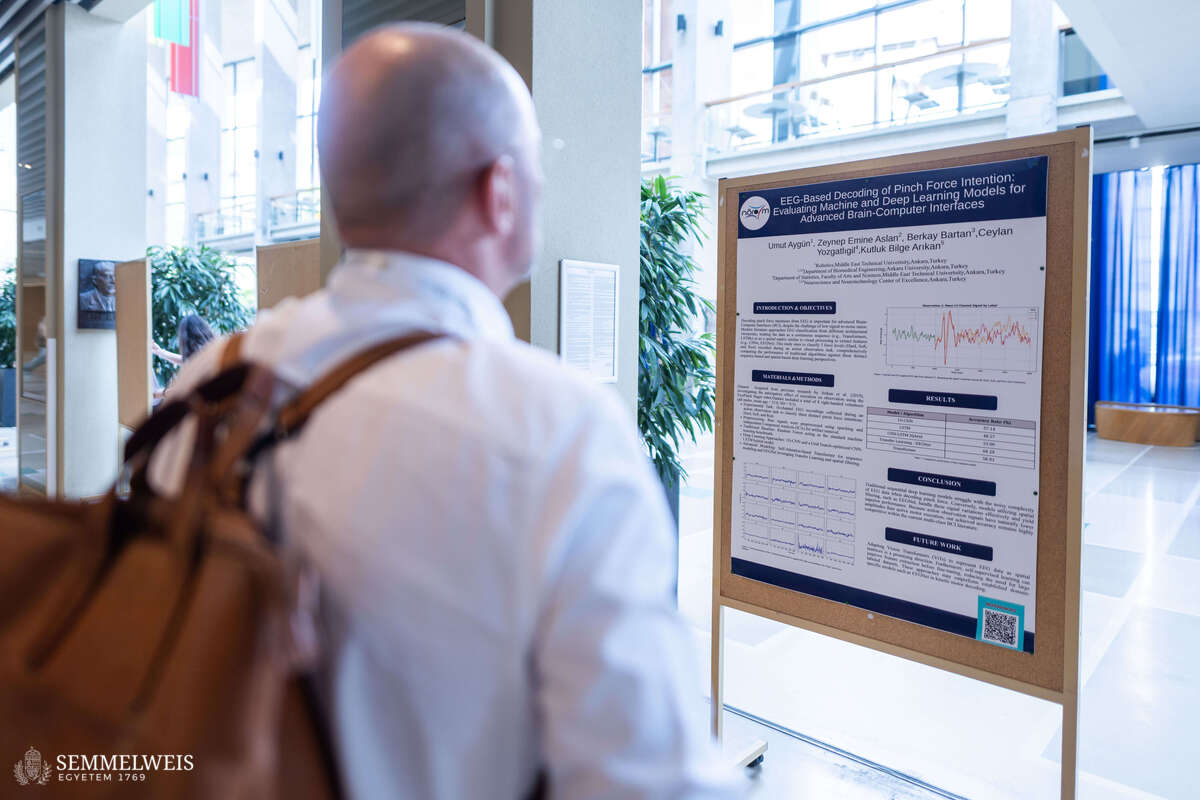
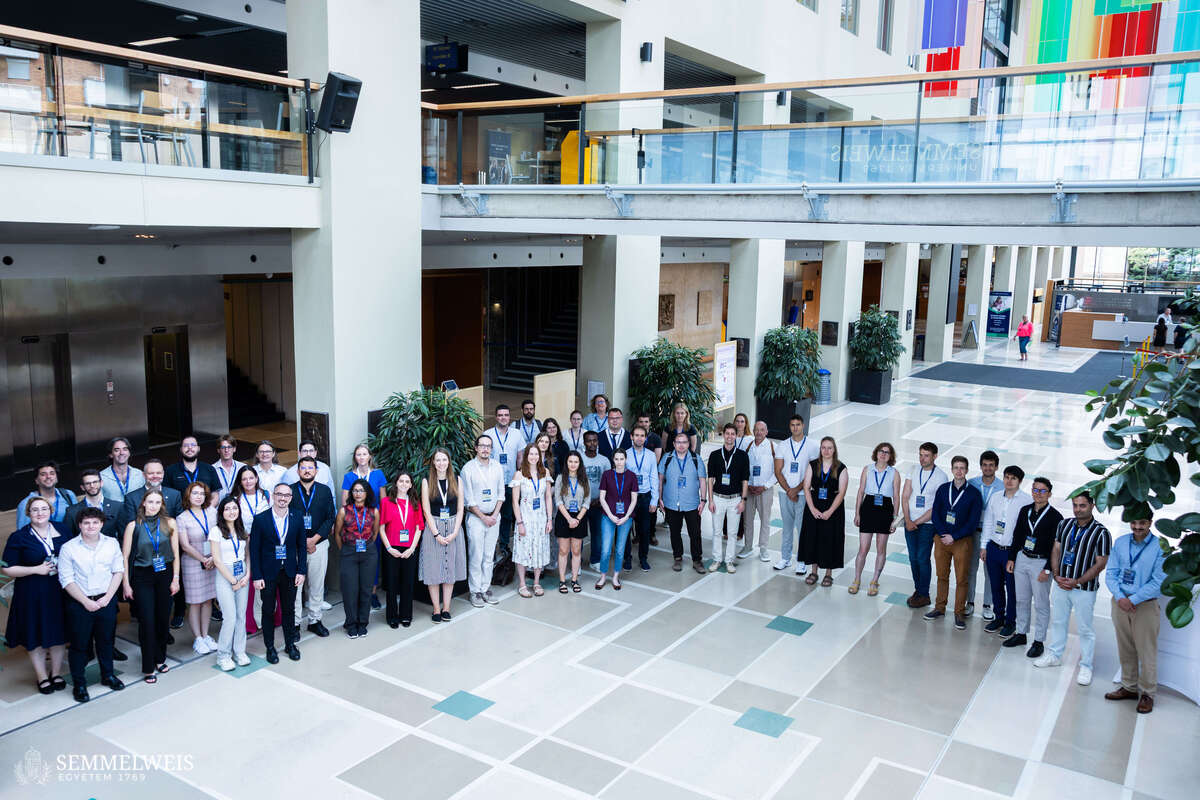
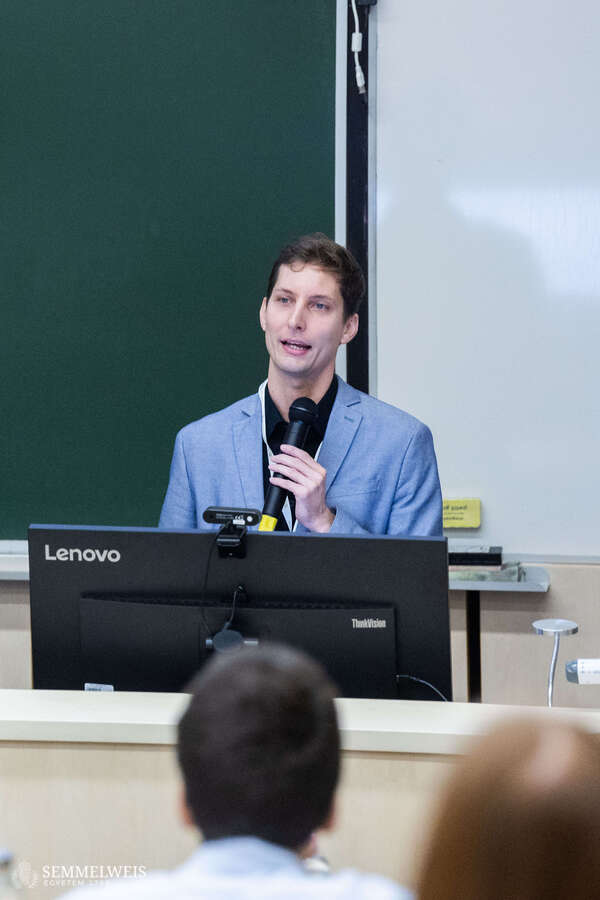 In his welcome speech, Dr. Roland Molontay, Head of the Organizing Committee, Director of the Institute of Biostatistics and Network Science, and Head of HSDSLab at the Budapest University of Technology and Economics, briefly presented the institute’s work and then looked back on last year’s successful Biomedical Data Science Summer School and Conference. Regarding this year’s series of events, he spoke about the summer school’s diverse program and added that he was impressed by the high quality of the presentations and by the significant achievements the students were able to make in such a small amount of time. As he explained, social events were also organized to complement the program of the summer school, allowing participants to visit St. Stephen’s Basilica in Budapest and the Hungarian Open-air Museum in Szentendre. Lauding the international nature of the three-day conference, he noted that there were 59 participants from 15 countries, from all over the globe. He also drew attention to the awards ceremony that concluded the conference, during which, in addition to the best talk and best poster presentation, an award was given to the best questioner as well this year (Question Master award).
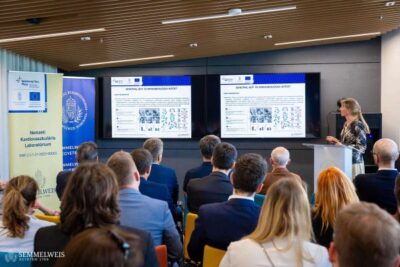
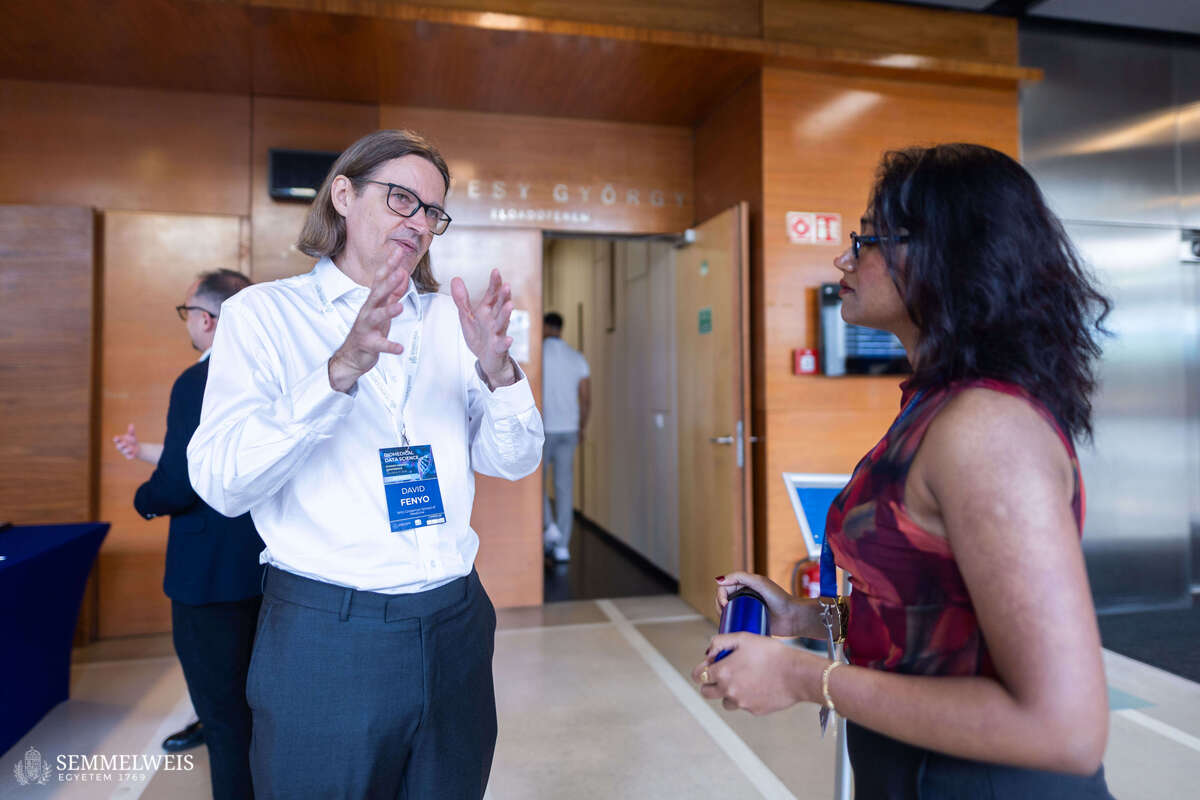
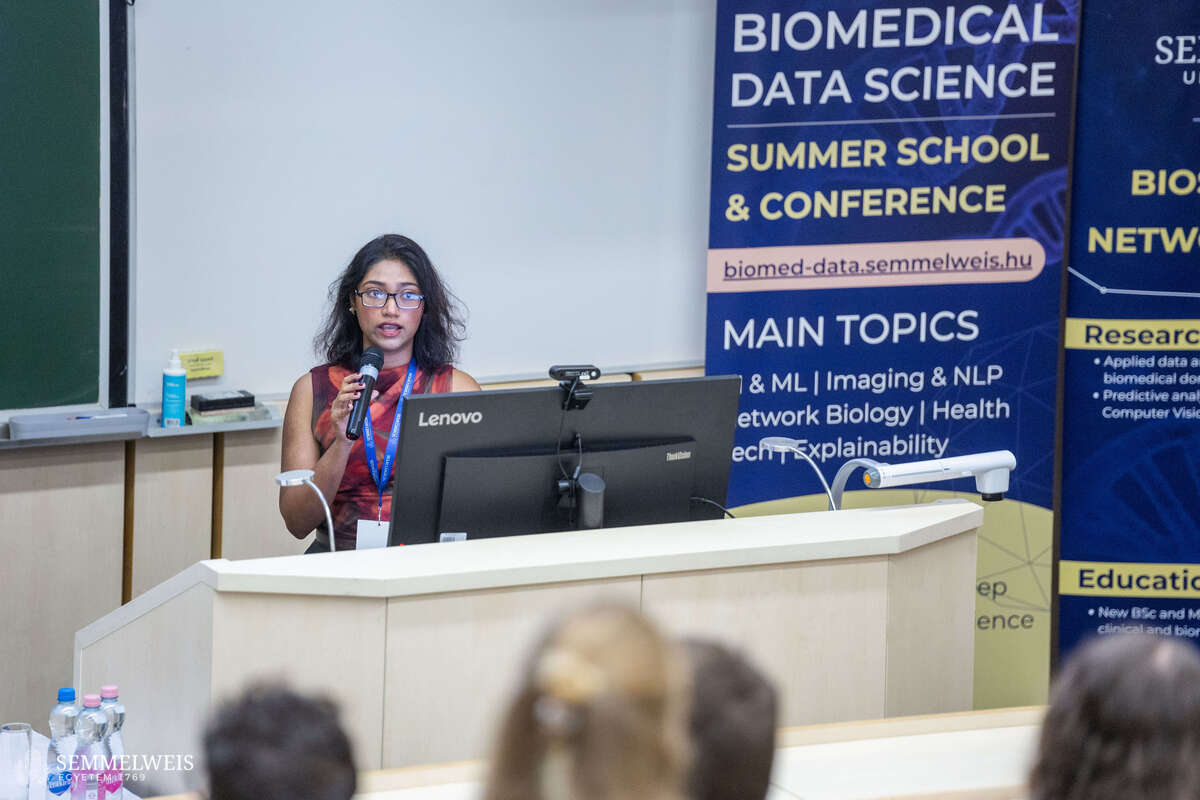
In his keynote address, Dr. David Fenyő, Professor at New York University (NYU) Grossman School of Medicine, presented the latest computational approaches for analyzing spatial omics data, demonstrating how artificial intelligence and mathematical modeling can provide researchers with new insights into the tissue microenvironment of cancer. His research focuses on understanding why some tumors respond well to treatment while others recur, with the ultimate goal of improving clinical decision-making and developing personalized therapies.
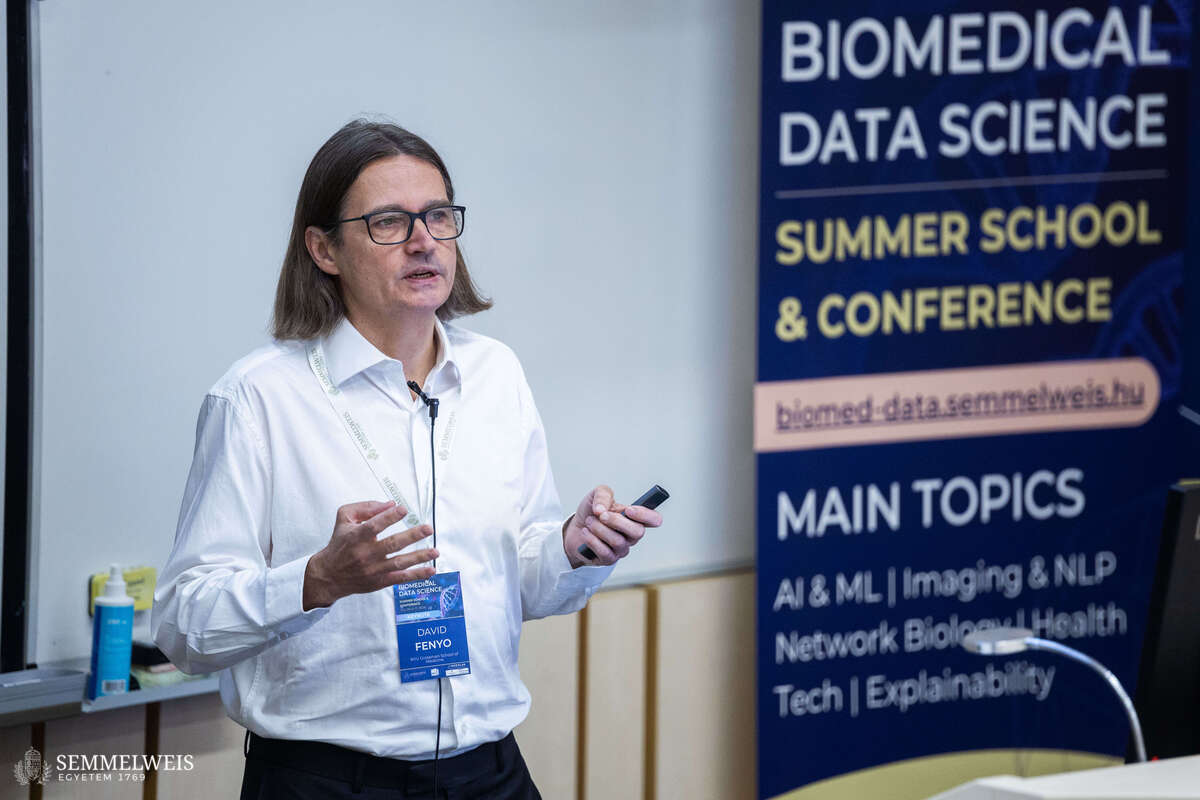 Dr. David Fenyő’s talk centered on two complementary analytical strategies. One employs self-supervised machine learning to uncover hidden patterns in highly complex imaging data without relying on predefined cell segmentation, while the other uses simplified mathematical models to describe interactions between different cell types with a limited number of interpretable parameters. According to the professor, combining these approaches makes it possible to extract clinically relevant information from increasingly sophisticated spatial omics technologies. Using endometrial cancer as a case study, he showed how these methods can help identify the tissue characteristics associated with successful immunotherapy and reveal why nearly half of eligible patients fail to respond to immune checkpoint inhibitors. His research team’s analyses suggest that it is not only the presence but also the spatial organization of immune cells within the tumor that influences treatment outcomes. Dr. David Fenyő concluded that integrating advanced computational methods with clinically meaningful research questions would be essential for translating spatial omics data into improved cancer diagnosis and treatment.
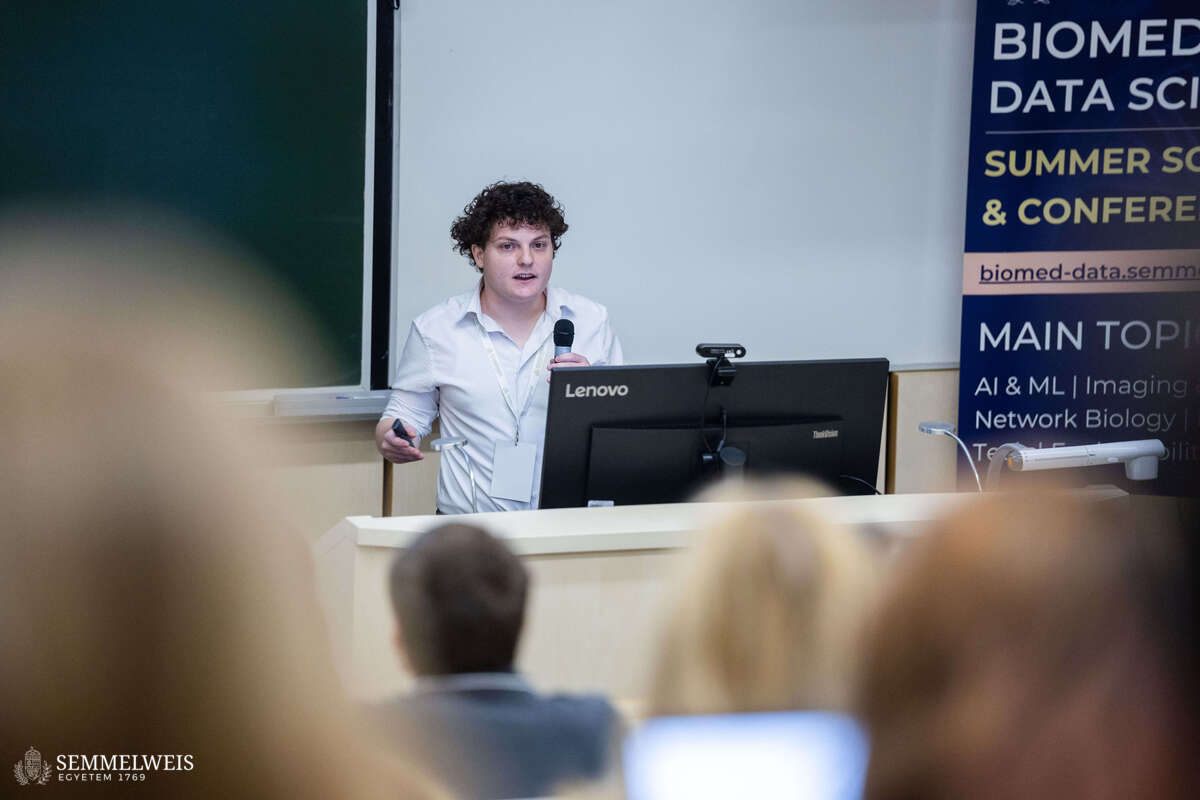
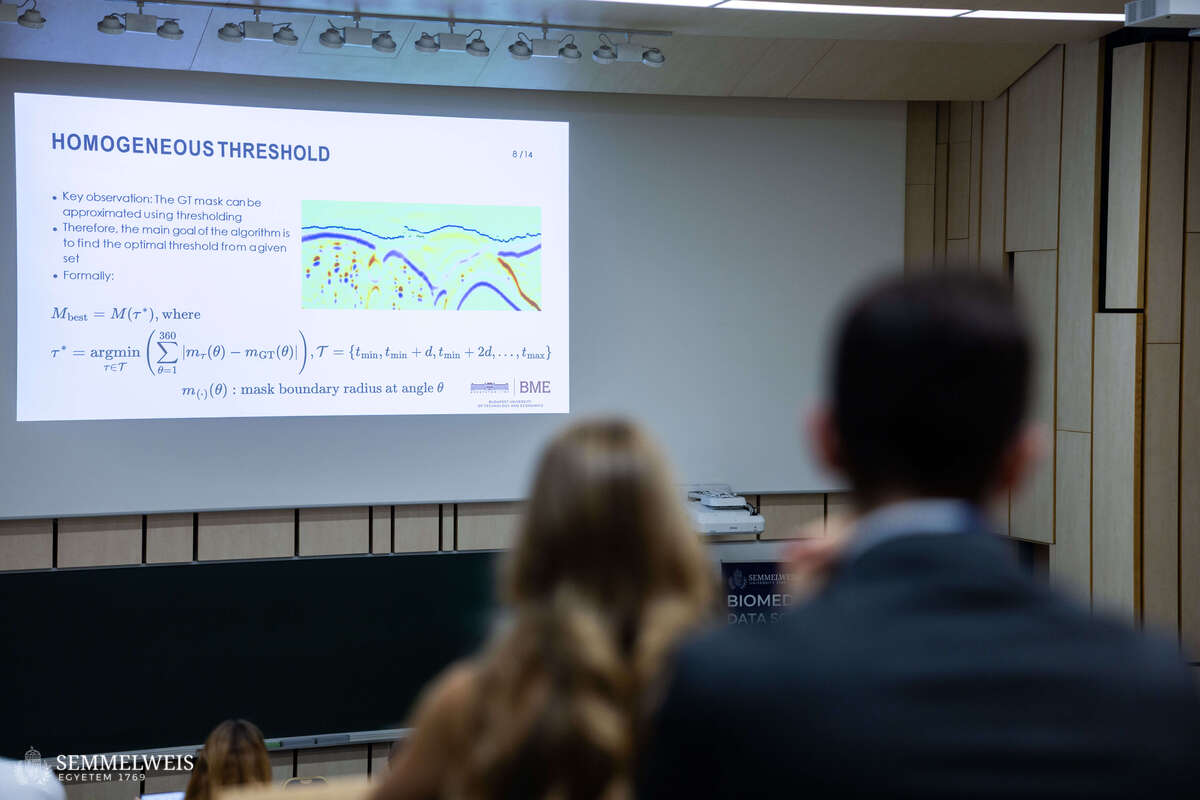
Further keynote presentations at the conference were delivered by Dr. Andreas Dengel, Executive Director of the German Research Center for Artificial Intelligence (DFKI); Dr. Petra Vértes, a researcher at the University of Cambridge; and Dr. Jörg Menche, Professor at Max Perutz Labs, which is affiliated with the University of Vienna. In addition, numerous young researchers, PhD students, and postdoctoral researchers presented their latest findings in nine sessions on the most important current issues in biomedical data science and artificial intelligence.
The Institute of Biostatistics and Network Science
Established in October 2024, the Institute of Biostatistics and Network Science offers clinical and biomedical data scientist training in English, conducts data and network science research, and supports the resolution of biomedical research questions with advanced mathematical and computational methodologies to help answer biomedical research questions, with a particular focus on computer vision, natural language processing, predictive analytics, artificial intelligence, and network science. The institute aims to process complex biomedical data from healthcare systems and its own data collections using modern statistical, network science, and artificial intelligence tools. Through interdisciplinary collaboration, doctors, statisticians, and data scientists work together to develop rapidly deployable data-driven innovations that support clinical decision-making and personalized medicine.
Gallery
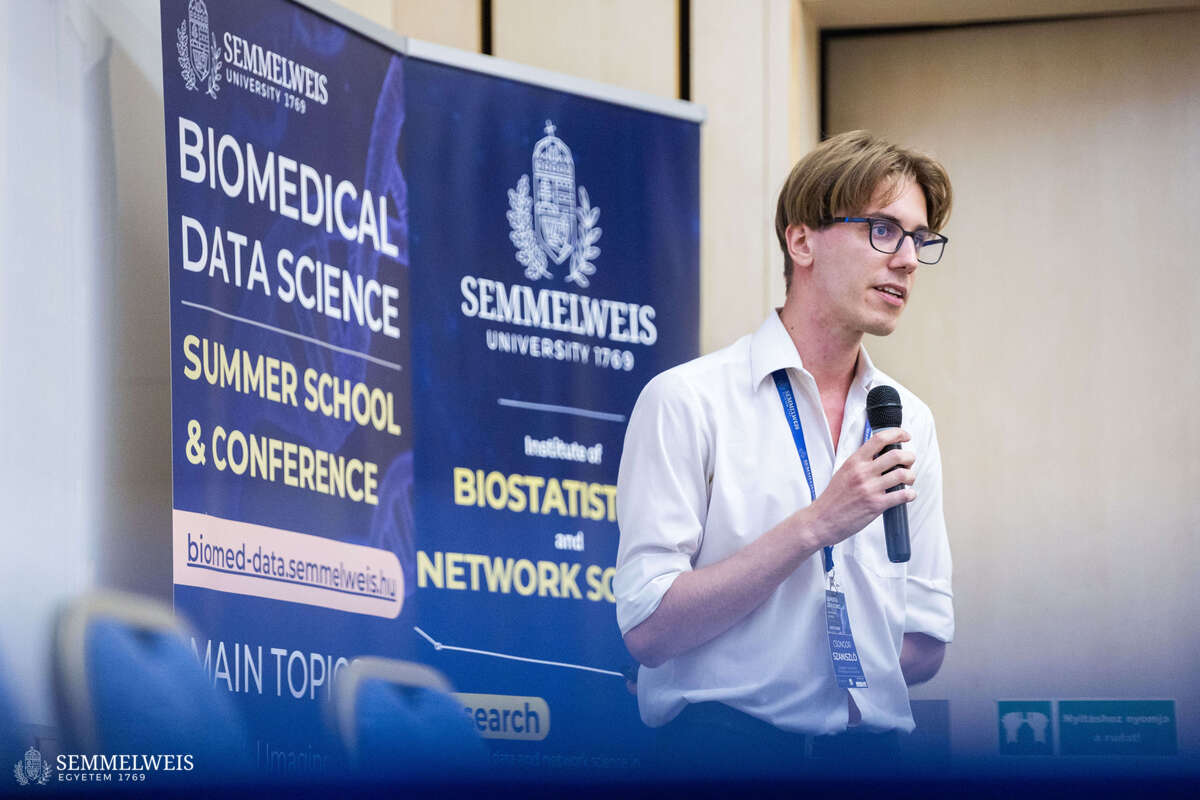
Dr. Balázs Csizmadia
Photos by Bálint Barta – Semmelweis University
This event series was supported by the Mecenatúra Grant Program of the National Research, Development and Innovation Office (NRDIO). Grant ID: NKFI-154653
We gratefully acknowledge the sponsorship of DPC Software GmbH.