The conference focused on the ways ambiguity, uncertainty, and communicative risk influence healthcare interactions, patient safety, professional decision-making, and access to healthcare services. Throughout the two-day event, participants explored how language shapes medical practice and how effective communication can contribute to safer, more equitable, and more patient-centered healthcare systems.
The conference was officially opened by Dr. György Purebl, Vice-Dean for Educational Affairs at the Faculty of Medicine (ÁOK), Semmelweis University. In his speech, he emphasized the outstanding role of languages and communication in patient care, as well as the contribution of the Institute of Languages for Specific Purposes to the establishment of the OSCE examination at the university. The institute supports the examination process by providing standardized patients in Hungarian, English, and German, both for the examination itself and for students’ preparation and practice. He welcomed all plenary speakers, with special appreciation for Dr. Jobst-Hendrik Schultz from Heidelberg University, who played a crucial role in the implementation of the Organization for Security and Co-operation in Europe (OSCE) at Semmelweis. In her welcome address, Dr. Katalin Fogarasi, Conference Chair and Director of the Institute of Languages for Specific Purposes, greeted the participants and highlighted the growing international visibility of medical linguistics as an emerging field of research. She also emphasized that, over the past twenty years, interprofessional collaboration between medical professionals and linguists had become a standard approach to research in all areas of linguistics that focus on medical communication. She noted that such collaboration had greatly contributed to advancing the field and improving the quality of research. Furthermore, she celebrated the fact that this conference brought together scholars working at the intersection of medicine and linguistics, fostering further collaboration and networking. She stressed that such interdisciplinary cooperation was essential for reducing ambiguity in healthcare communication and ultimately enhancing patient safety.
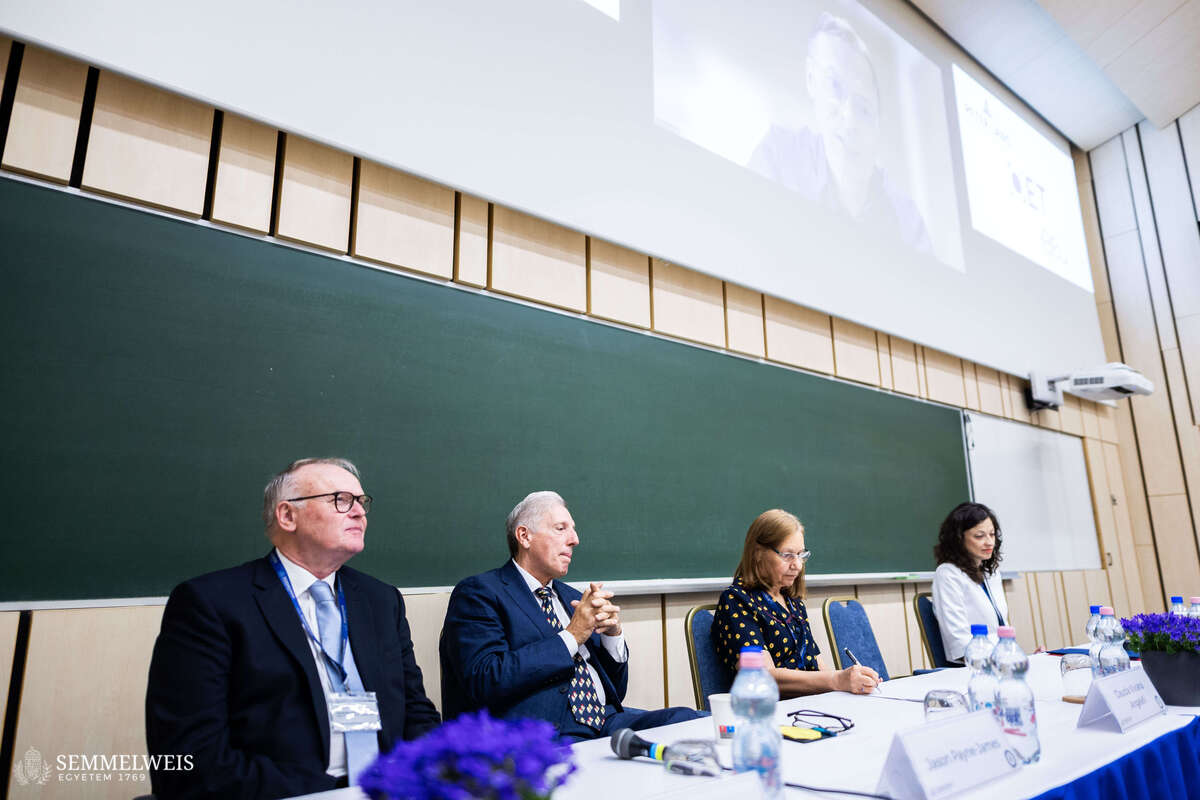
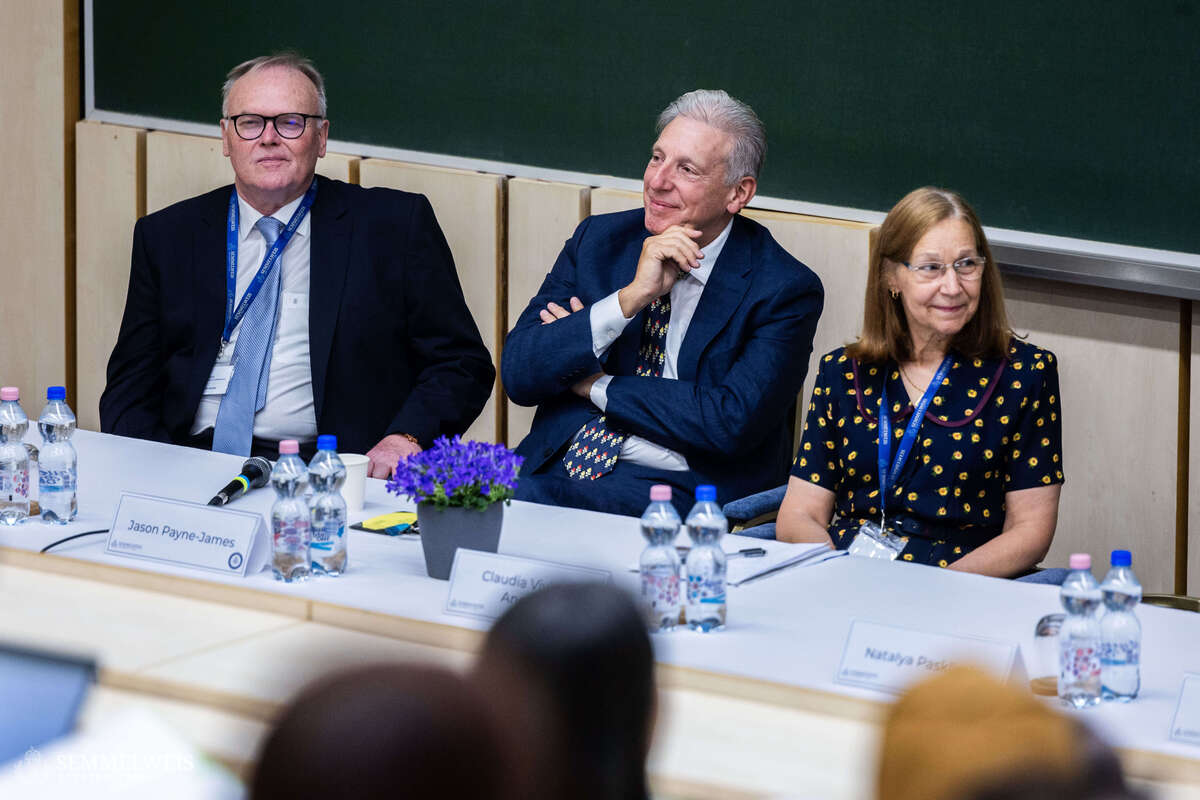
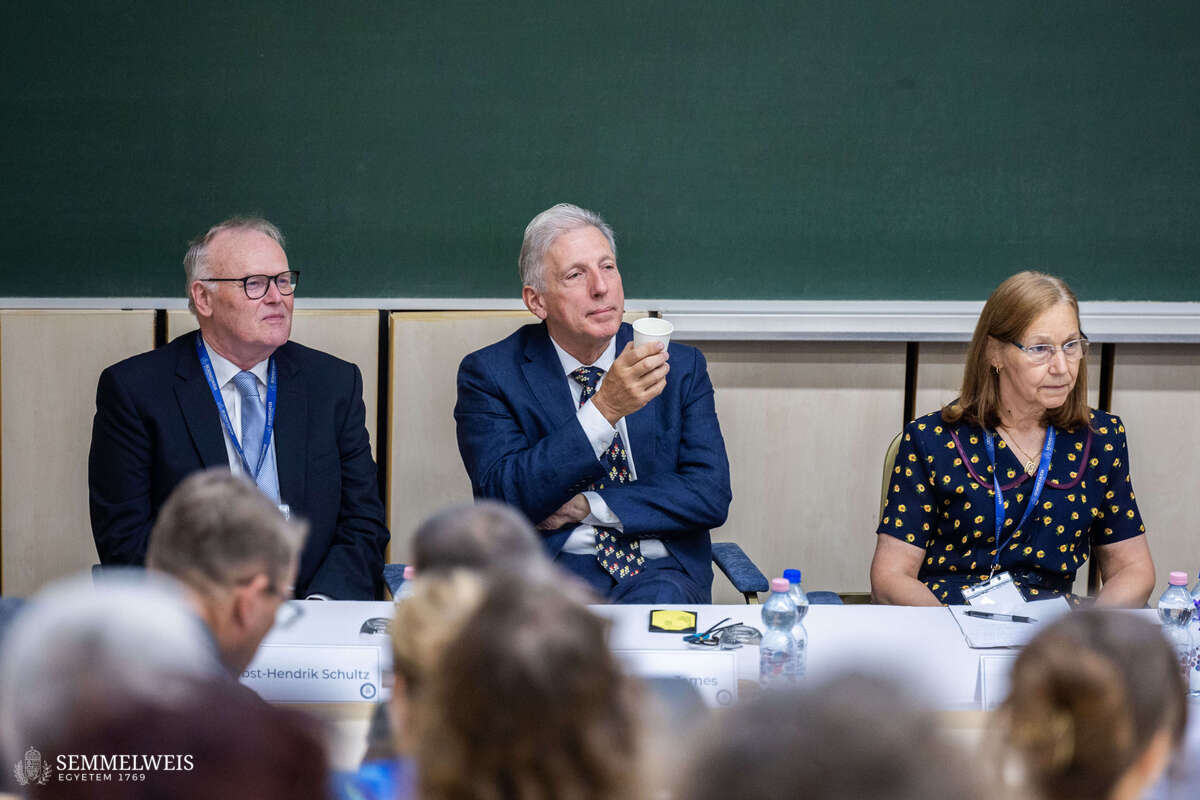
The scientific program featured four distinguished plenary speakers. Dr. Jason Payne-James (Queen Mary University of London and President of the European Council of Legal & Forensic Medicine) discussed the consequences of ambiguity and documentation errors in medical terminology from a forensic perspective. He emphasized that the involvement of linguists was essential for promoting clear and accurate communication among medical professionals, as well as between healthcare providers and patients, both at the national and European levels. He highlighted that interdisciplinary collaboration between medicine and linguistics could help reduce misunderstandings, improve documentation practices, and ultimately contribute to patient safety and legal certainty. Dr. Claudia Viviana Angelelli (Heriot-Watt University, San Diego State University, and Beijing Foreign Studies University) addressed healthcare access for linguistically and culturally diverse patients through professional and non-professional translation and interpreting. She emphasized the crucial role of interpreters in facilitating effective communication between healthcare professionals and patients, particularly in multilingual and multicultural settings. Her presentation highlighted how high-quality interpreting services contribute not only to improved understanding and patient satisfaction, but also to the overall quality and safety of healthcare delivery. Dr. Jobst-Hendrik Schultz presented the Heidelberg Faculty Model of doctor–patient communication training with standardized patients, while Dr. Natalya Pasklinsky (Columbia University, New York) explored compassionate communication through simulation-based education.
Across four parallel lecture halls, the conference program reflected the diversity of current medical linguistics research. Sessions covered forensic and legal linguistics, risk communication, pragmatics, inclusive and easy language, medical terminology, corpus-based analysis, healthcare interactions, women’s health, medical translation, medical interpreting, English for specific purposes (ESP) and Language for specific purposes (LSP) pedagogy, communication strategies, AI and large language models (LLM), social perspectives on healthcare communication, ambiguity in medical discourse, special communication needs, and vernacular medical languages. Researchers discussed the use of LLM in medical translation, clinical report generation, terminology development, communication training, scientific writing, and medical education, while also addressing ethical considerations and risks associated with AI-assisted communication. The conference further highlighted current developments in multilingual healthcare communication, patient safety, intercultural communication, accessibility, health literacy, and communication with vulnerable patient populations.
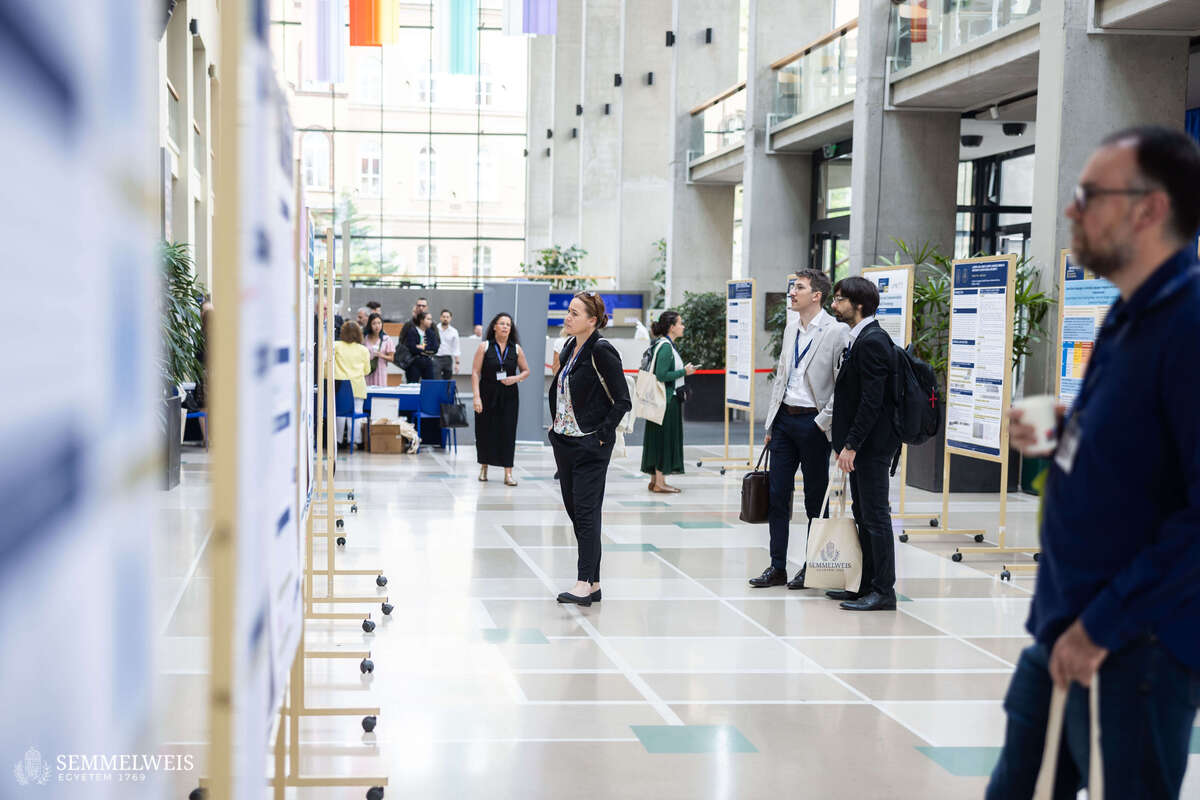
The program also included a PhD Forum providing doctoral researchers with an opportunity to present and discuss their work, as well as a poster session showcasing innovative projects in areas such as intralingual translation, AI in medical education, telecommunication in healthcare, autopsy report analysis, uncertainty annotation, cardiology terminology, and easy-to-read health information.
The conference was supported by Peter Lang International Academic Publishers, the Occupational English Test (OET), and the European Association of Urology (EAU). Participants also had the opportunity to attend a presentation by EAU, further strengthening connections between healthcare communication research and clinical practice.
Beyond the academic program, SMLC 2026 offered numerous opportunities for professional networking and international collaboration. The conference dinner and the thematic Hungarian ruin bar program provided an informal setting for participants to exchange ideas and establish new research partnerships. The conference further strengthened the institute’s growing international network through collaborations involving universities and researchers from Europe, North America, Asia, Africa, and Australia.
Gallery
The organizers announced that the fifth edition of SMLC, preparations for which were already underway, would continue to serve as an international platform for advancing research and education in medical linguistics, healthcare communication, translation, interpreting, and language-related aspects of patient care.
Dr. Katalin Fogarasi, Dr. Dániel Mány – Institute of Languages for Specific Purposes
Photos by Bálint Barta – Semmelweis University