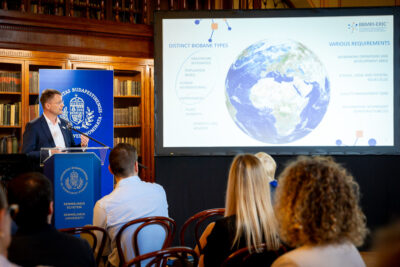
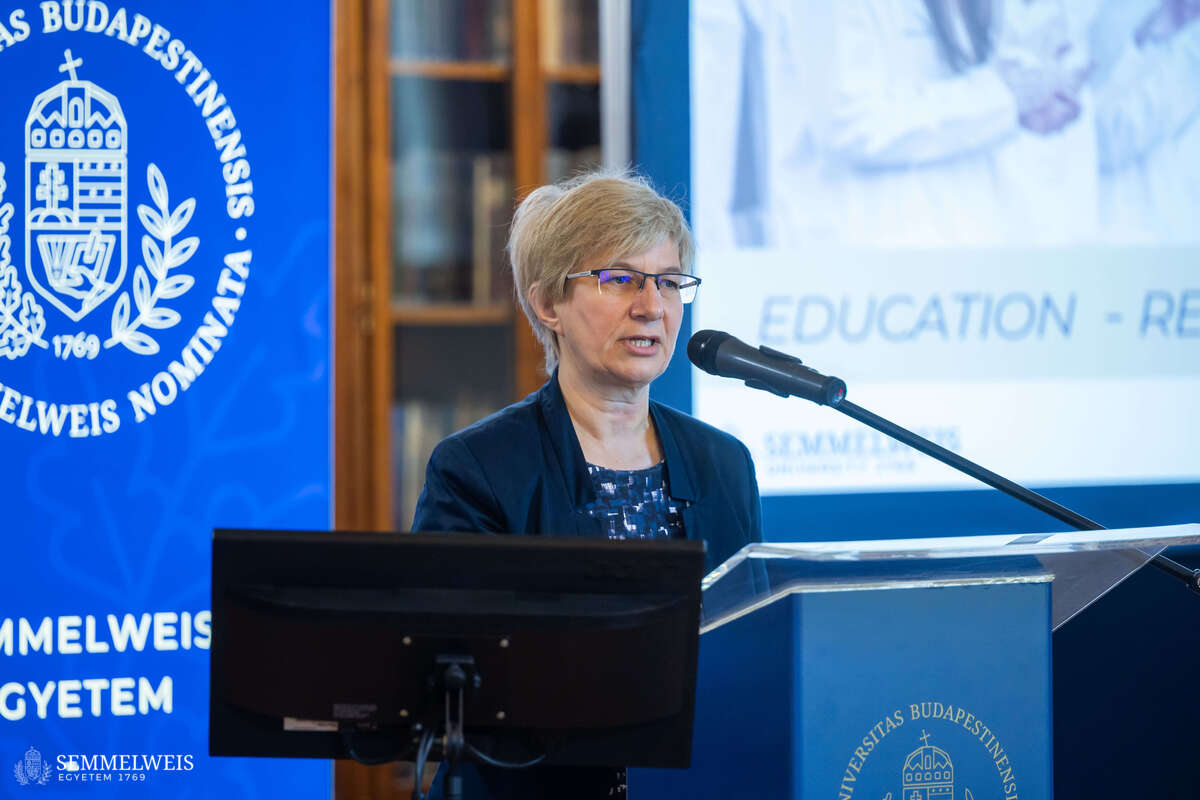
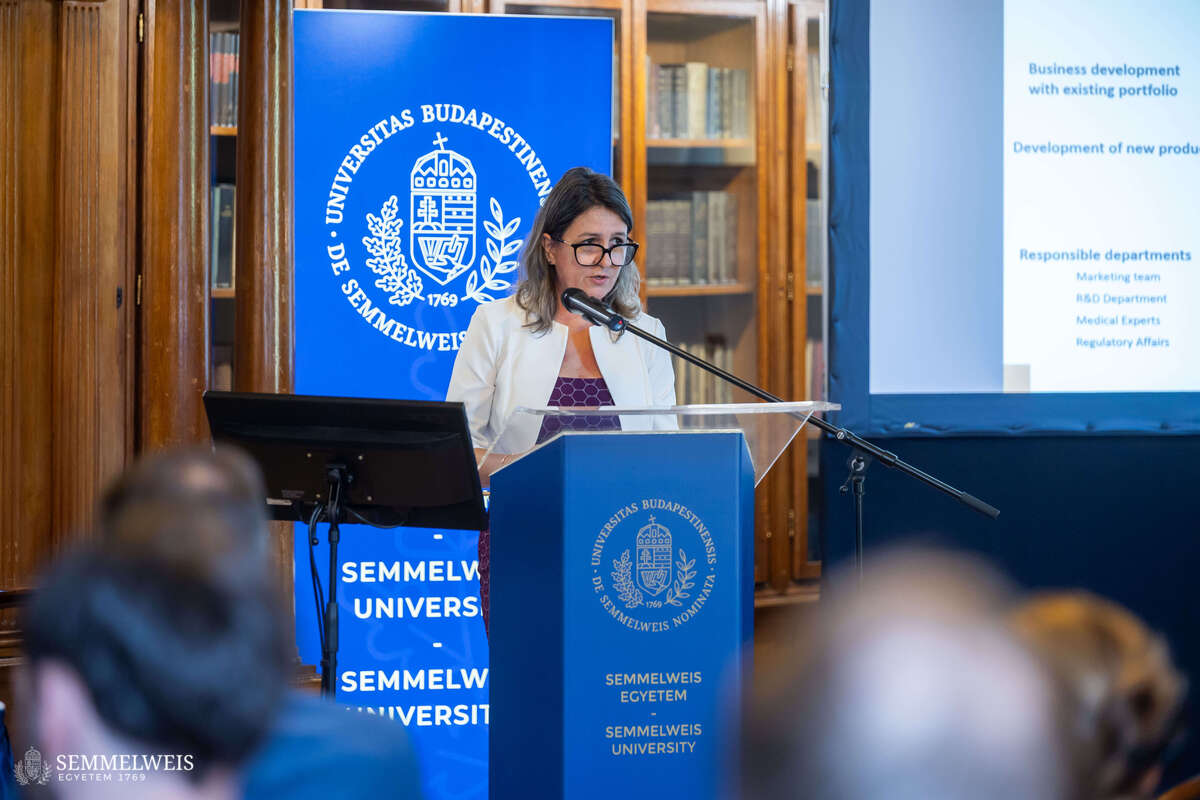
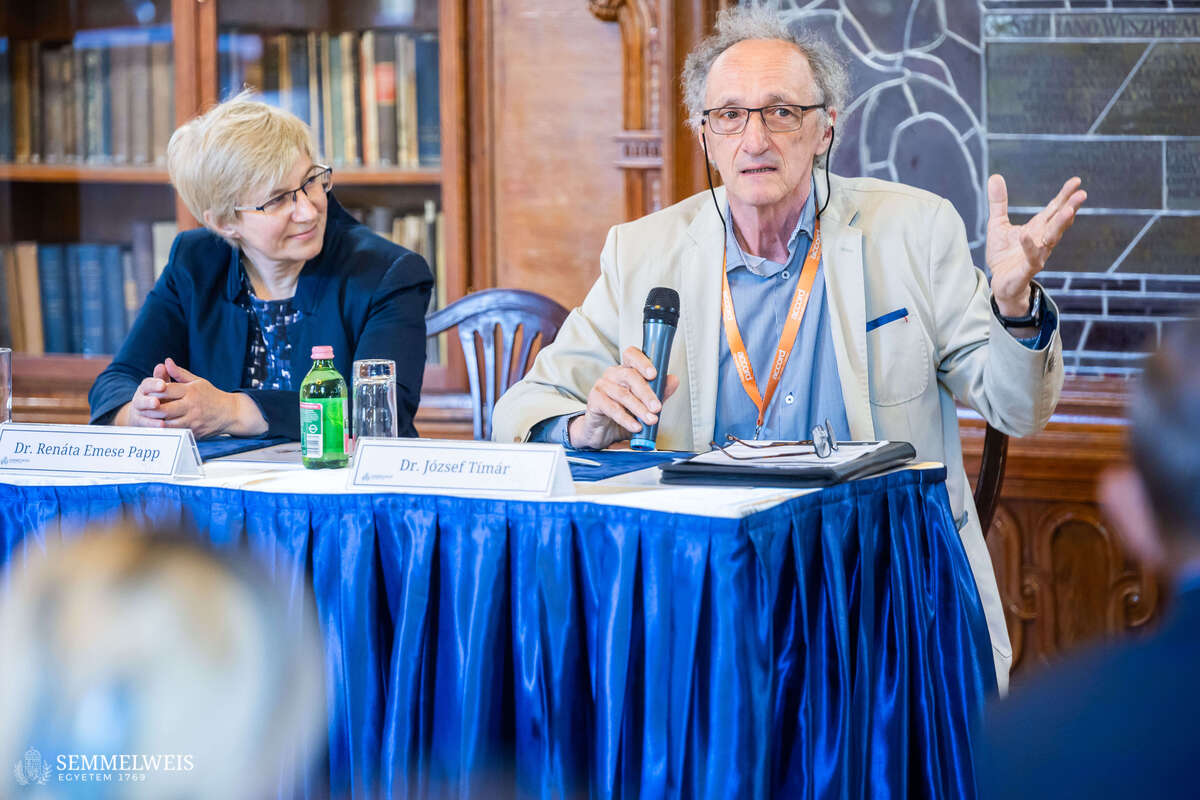
 The event was opened by Dr. Renáta Papp, Director representing the Center of Science & Innovation Vice-Rector and Business Development (TÜK). In her welcome speech, she emphasized that the aim of the event was to present experiences and strategies that help understand both the process behind the emergence of innovative ideas and the pathway leading to the establishment of internationally successful enterprises. The program was primarily dedicated to students of the Pharmaceutical Innovation and Business Administration program and the Healthcare Entrepreneurship PhD course. In addition, other PhD students, early-career researchers, inventors from the university, and business partners were also invited.
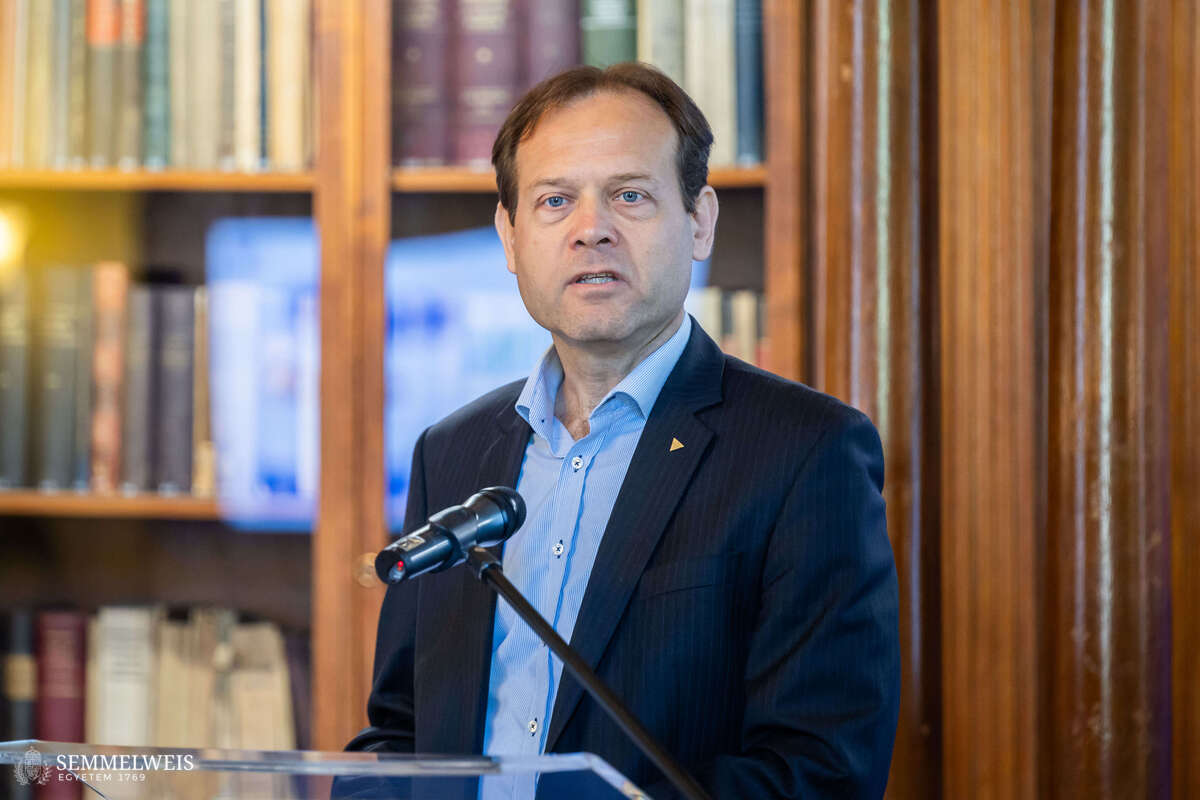
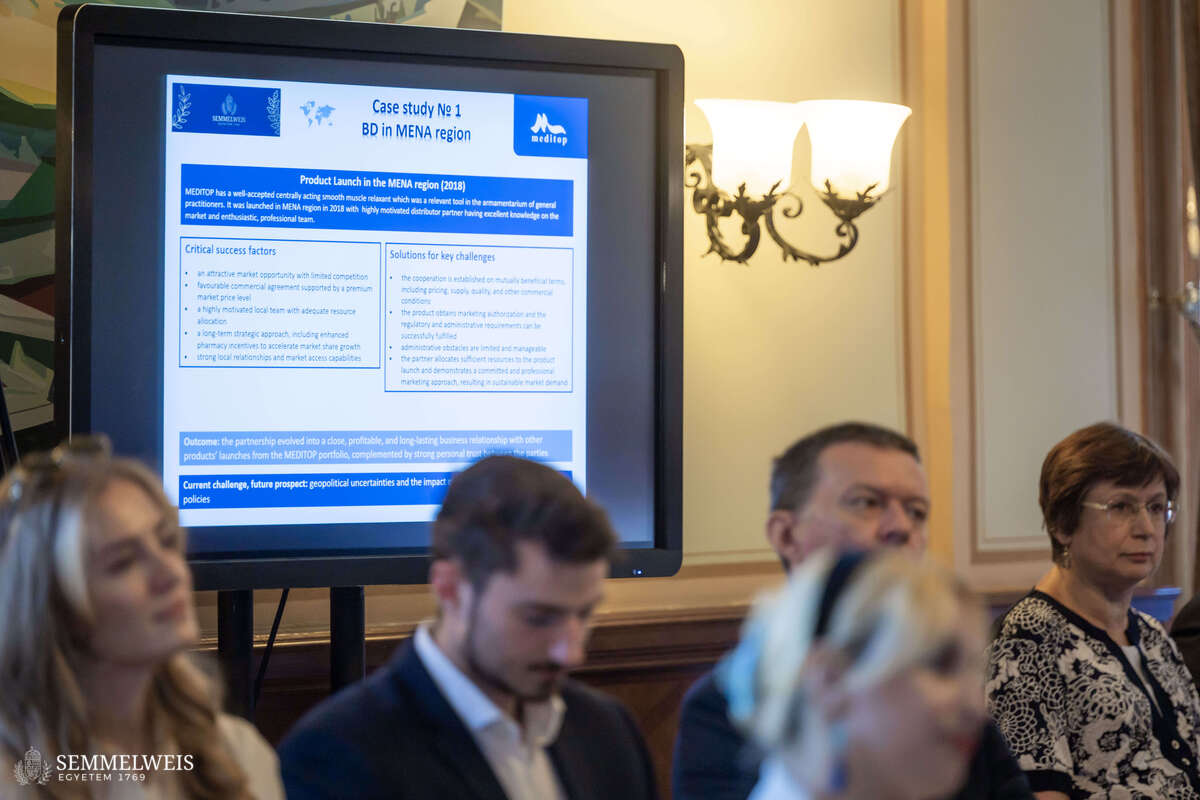
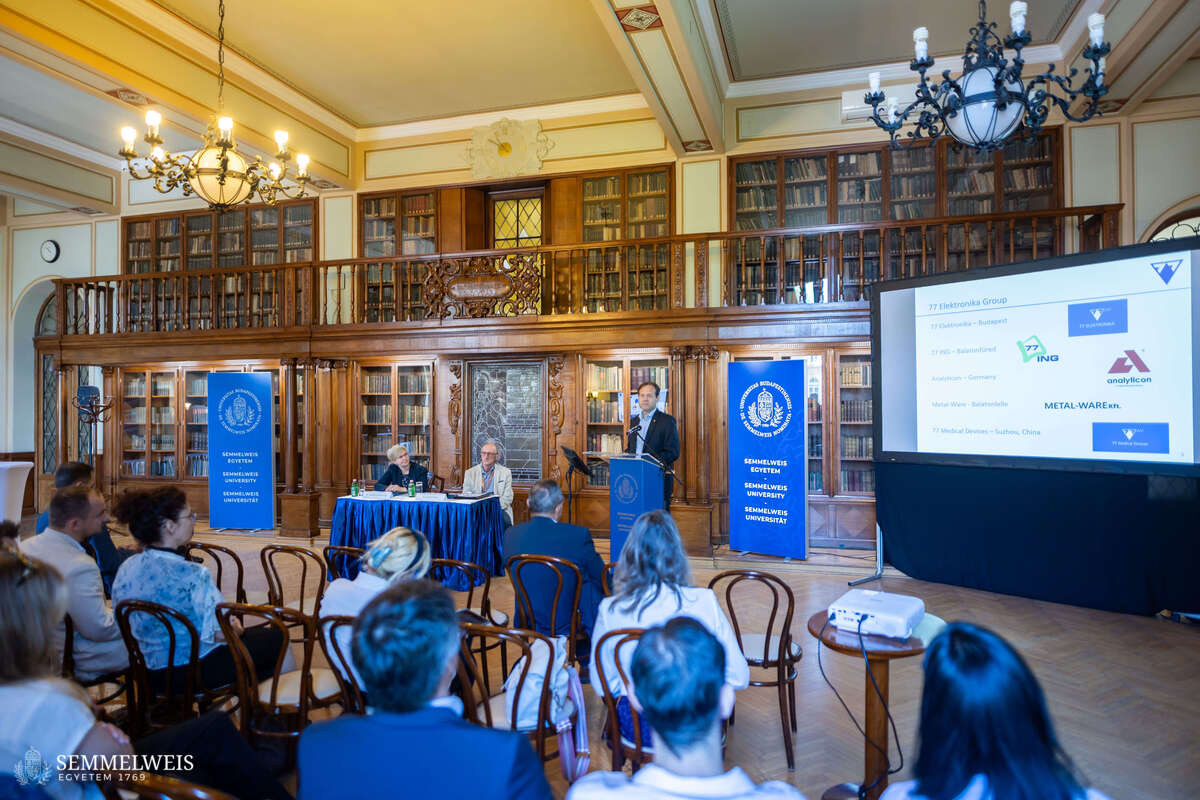
The first speaker of the conference was Dr. Katalin Bíró, Marketing Director at Meditop Pharmaceutical, who shared her experiences regarding the role of innovation in the operation of medium-sized pharmaceutical companies. She pointed out that new developments might create significant growth opportunities; however, market entry was a lengthy and resource-intensive process that involved substantial business risks. She highlighted that, alongside strategic planning and long-term thinking, rapid and flexible decision-making and operational practices were essential for the successful commercialization of innovation.Following this, Gábor Bayer, Director of Medical Device Development at 77 Elektronika, presented his company’s innovation experiences. In his presentation, he emphasized that technological development alone did not guarantee market success. Sustainable growth also requires an understanding of market needs, adaptability, and carefully considered planning.
Gallery
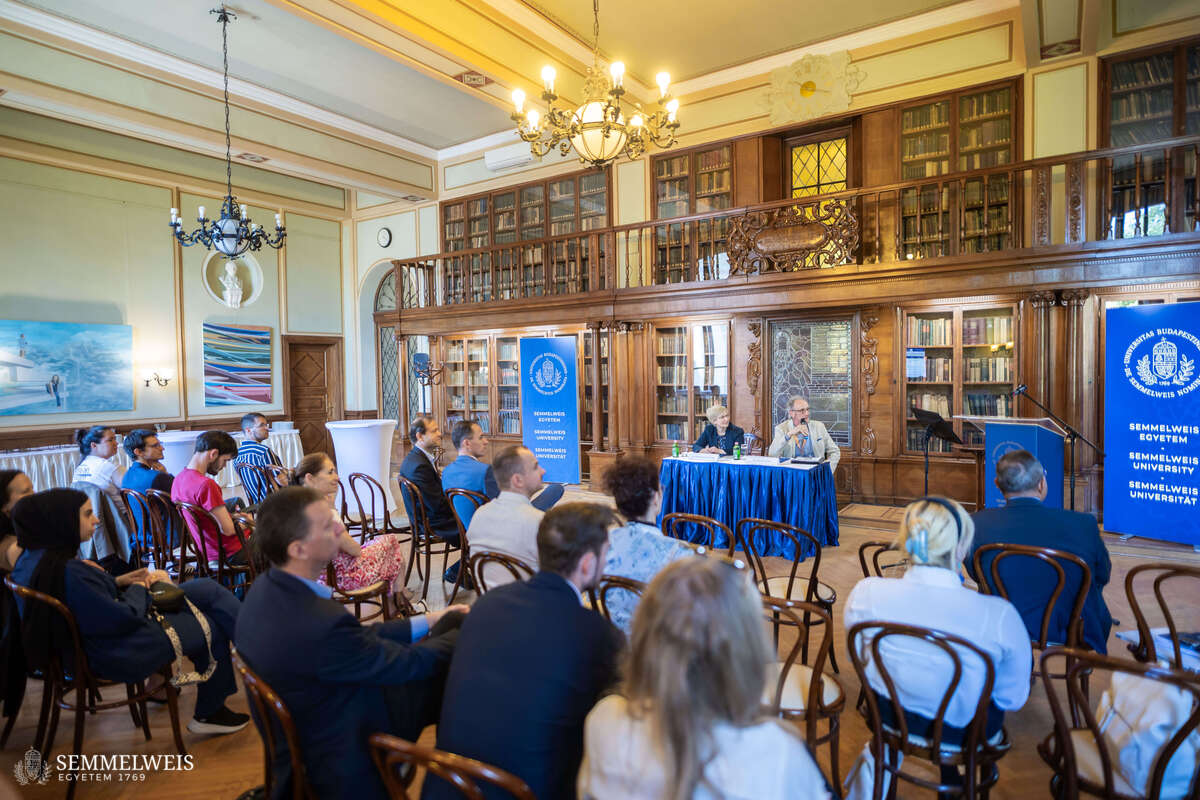
During the second half of the morning program, Dr. Klára Marton, Business Development Director at Egis, spoke about innovation opportunities in the field of generic pharmaceutical manufacturing. Her presentation highlighted that the development of the industry was not driven exclusively by spectacular breakthroughs: in many cases, smaller, continuous improvements provided lasting competitive advantages. Examples include repositioning — the investigation of new indications for already registered and marketed medicines — as well as the development and authorization of new fixed-dose combinations.
The next speaker, Rudolf Tubbeh, founder of Sager Pharma, presented key lessons on growth and development through the experiences of his own entrepreneurial journey. In his presentation, he emphasized that flexibility, perseverance, and continuous learning were indispensable factors for the long-term success of any business. He also compiled a practical guide outlining the essential elements of a successful business plan.
The investor perspective was introduced by Zsombor Gégöl, representative of Impact Ventures. In his presentation, he analyzed the specific characteristics of the Central and Eastern European healthcare technology and medtech sectors, placing special emphasis on the fact that entrepreneurs and investors often faced different challenges during growth and market entry. He stressed the importance of mutual understanding and strategic cooperation in financing successful developments.
As part of the afternoon program, András Nógrádi, Business Development Director at Pharmahungary Group, delivered a presentation on the importance of maintaining a deliberate presence at international professional conferences and business events. He emphasized that successful networking and business acquisition were generally built upon thorough preparation, a consistent strategy, and a professional network developed over the long term.
The closing presentation of the conference was delivered by Mark Hedberg, Chief Commercial Officer at MDE Technologies. Through practical examples, he demonstrated the key challenges of medical technology sales and shared business lessons that could contribute to improved market performance.
The event provided a comprehensive overview of how the success of healthcare innovation today is no longer based solely on scientific excellence. The effective commercialization of research outcomes also requires business-oriented thinking, strategic planning, appropriate financial support, and the deliberate development of international partnerships. Participants gained valuable practical insights that may contribute to the more successful operation of future healthcare innovations and entrepreneurial ventures.
Project no. STARTUP-2026-ÖSZTÖNDÍJ-013 has been implemented with the support provided by the Ministry of Culture and Innovation of Hungary from the National Research, Development and Innovation Fund, financed under the STARTUP-2026-OSZTONDIJ funding scheme.
 |
 |
 |
Center of Science & Innovation Vice-Rector and Business Development
Photos by Bálint Barta – Semmelweis University