TACE (transarterial chemoembolization) is a minimally invasive procedure in which a chemotherapeutic agent is delivered into the blood vessel supplying the tumor, and the vessel is then occluded. As a result, the drug exerts its effect in a targeted manner at high concentrations in the vicinity of the tumor, while the interruption of its blood supply also contributes to the destruction of tumor cells, which places less strain on the body. This method is primarily used for liver tumors, but it can also be an effective treatment for breast and kidney cancer.
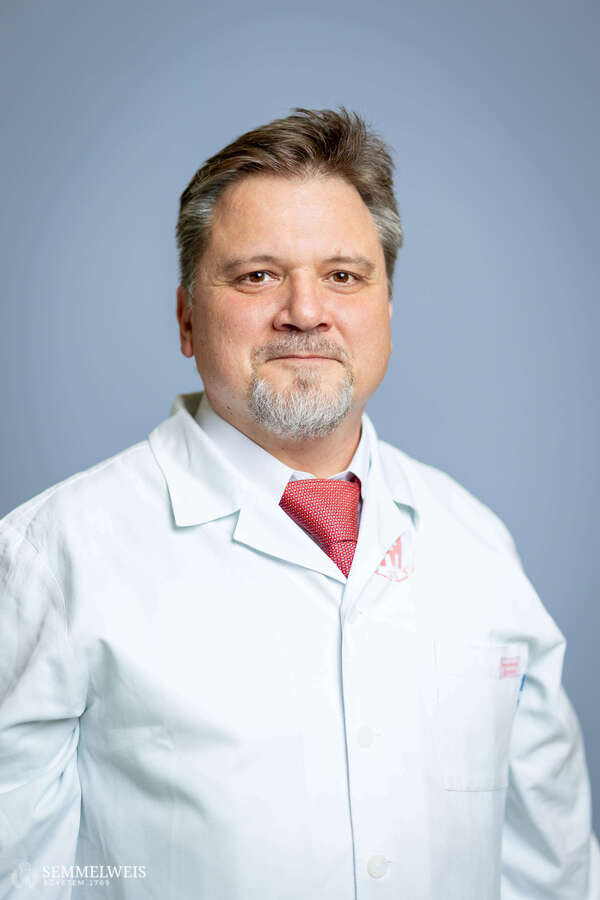
The procedure involves accessing the arterial system through a small puncture, typically in the wrist, the crook of the elbow, or the groin. From there, we guide thin catheters through the blood vessels all the way to the artery supplying the tumor. We verify the correct position using X-ray fluoroscopy and a contrast agent. – Dr. Pál Ákos Deák
However, the head of the Onco-Interventional Department at Semmelweis University adds that the treatment is not suitable for everyone, and that decisions regarding treatment options are always made by an oncology team, which – depending on the specific type of tumor – includes representatives from various specialties, such as surgeons, oncologists, hepatologists, pulmonologists, endocrinologists, nuclear medicine specialists, and diagnostic and interventional radiologists. They determine which procedure could be the most effective option for that particular patient.
 The embolization technique can be useful on its own; for example, in cases of large kidney tumors, the procedure can reduce the tumor’s size, and afterward, a heat-based treatment known as thermal ablation can also be performed. During this procedure, the tumor tissue is destroyed using a special needle. Radioembolization works on a similar principle: Instead of a chemotherapy drug, tiny beads containing a radioactive substance are injected into the blood vessels supplying the tumor, where they deliver the radiation dose directly, making the treatment highly targeted.
“The most important feature of minimally invasive procedures is that they involve significantly less surgical stress and a faster recovery. They generally require only a one- or two-day hospital stay, and some procedures can even be performed on an outpatient basis,” notes Dr. Pál Ákos Deák. This allows patients to return to their daily lives sooner and avoids the burdens and complications associated with open surgery, such as larger incisions and prolonged wound healing.
The goal of TACE treatment is not merely to slow the progression of the disease or alleviate symptoms; in certain cases, reducing the size of the tumor may even make surgical removal possible, and for patients awaiting a liver transplant, it can buy them time until the transplant. However, the goal is increasingly to achieve a complete cure using this technique.
As a national center, Semmelweis University accepts patients from all over Hungary for these treatments. The demand for interventional radiology services has grown steadily in recent years, along with the number of patients treated.
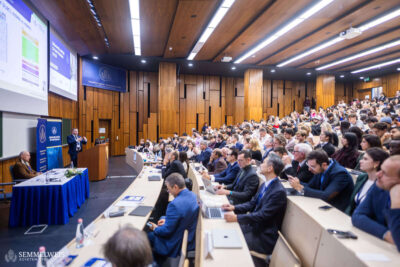
Dr. Pál Ákos Deák gave a detailed presentation on the topic at the Semmelweis Symposium, which took place November 16–18.
Eszter Csatári-Földváry
Translation: Judit Dőtsch
Photo by Boglárka Zellei – Semmelweis University; cover image (illustration): iStock/mr.suphachai praserdumrongchai