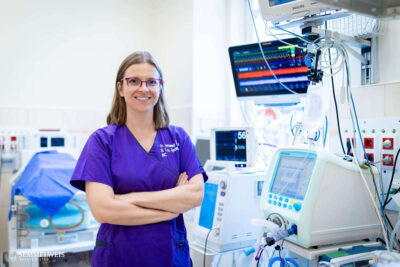
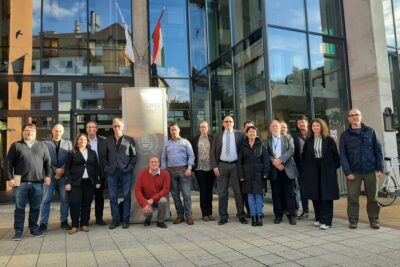
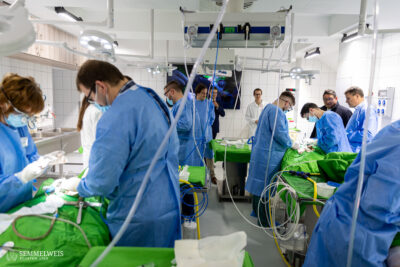
Semmelweis University hosted the 2026 International Workshop on Alport Syndrome on September 5–7. The event was co-organized by the Alport Syndrome Alliance, the world’s largest patient organization dedicated to Alport syndrome, as well as the European Rare Kidney Disease Reference Network (ERKNet), and Semmelweis University’s Pediatric Center, which cares for approximately 115 patients. The workshop attracted more than 250 participants from 40 countries around the world, not only researchers and practicing clinicians – primarily nephrologists, geneticists, audiologists, and ophthalmologists – but also affected patients.
What is Alport syndrome?
Alport syndrome is one of the most common hereditary kidney diseases, which causes harm to the kidneys, inner ear, and possibly the eyes due to abnormally formed collagen fibers and damage to the basement membrane. Different variants of the three causative genes lead to varying degrees of collagen fiber damage, so symptoms can vary widely. Early diagnosis of the disease is important, but this is challenging due to an initial, almost asymptomatic period that can last for years. The initial symptoms of severe Alport syndrome – microscopic hematuria (the presence of blood in the urine) and proteinuria (excess protein in the urine) – typically appear during the first decade of life and are initially detectable only through laboratory testing. In severe forms, the disease requires renal replacement therapy within the first four decades of life. These severe forms are usually accompanied by hearing impairment; less frequently, eye complications (macular degeneration or cataracts) may also occur.
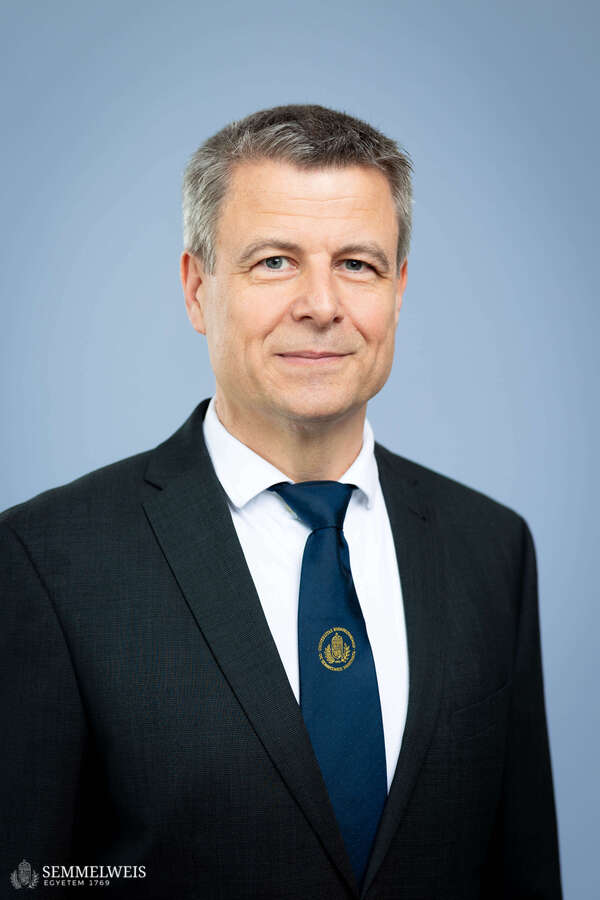 “The first day of the event was dedicated to patients: In addition to informational presentations, they had the opportunity to raise issues and questions that directly affect them. The second day focused on the latest developments in diagnostic and genetic research, the third day on advances in gene therapy and drug development, as well as ongoing clinical trials,” Dr. Kálmán Tory, a nephrogeneticist, head of the Dialysis Unit at the Pediatric Center, and host of the conference, told our website. Approximately 100 patients attended the event, including fifty from Hungary; in addition to listening to the presentations and exchanging experiences, they were able to gain insight into the day-to-day work of researchers. At Semmelweis University’s Department of Biophysics and Radiation Biology, which also conducts research on collagenopathies, visiting patients were welcomed by Head of Department Dr. Miklós Kellermayer and Dr. Benedek Nagy; at the Nephrogenetics Research Laboratory – located at the Bókay Street Department of the Pediatric Center – they were received by Tália Magdolna Keszthelyi and Regina Légrádi.
Participants in the conference included Dr. Roser Torra, President of the European Renal Association (ERA); Dr. Franz Schaefer, Coordinator of ERKNet; Dr. Billy Hudson, a collagen researcher at Vanderbilt University; as well as Dr. Katalin Suszták, a researcher at the University of Pennsylvania and a Semmelweis alumna. In their presentations, they summarized current developments in basic research, including opportunities related to targeted therapies. Dr. David Bick, Principal Clinician of the British Generation Study, reported on how whole genome sequencing can be integrated into population-level newborn screening, which also enables the early detection of hereditary kidney diseases. Dr. Lutz Nährlich, one of the founders of the European Cystic Fibrosis Society Patient Registry (ECFSPR), demonstrated how, in the case of a rare disease, a systematic, international patient registry can become a shared driving force for both research and patient care. “For the Alport community this is an experience they can adapt directly,” summarized Dr. Kálmán Tory. The presentation of research on genetic therapies also featured prominently in the program. Among these, both RNA and DNA-based therapies appear promising, and manufacturers are attempting to influence the course of Alport syndrome through multiple targets, added Dr. Kálmán Tory.
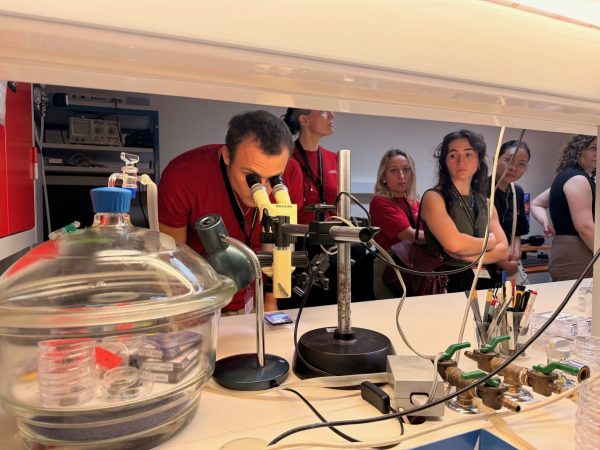
Gallery
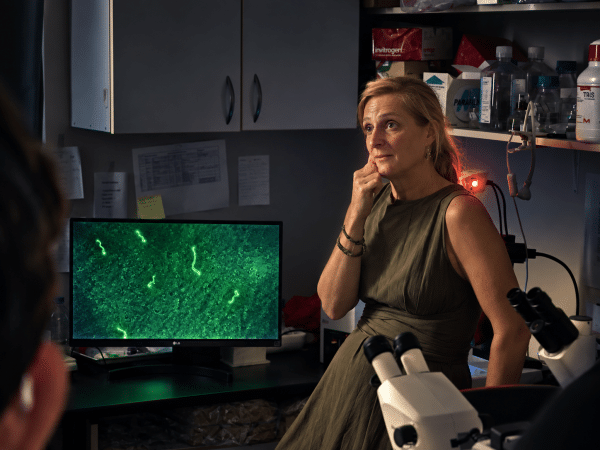
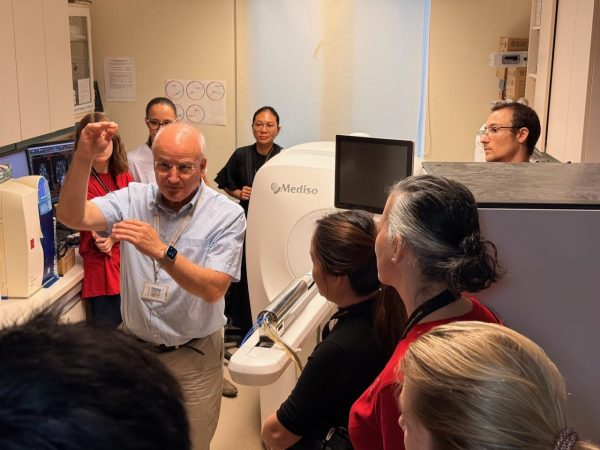
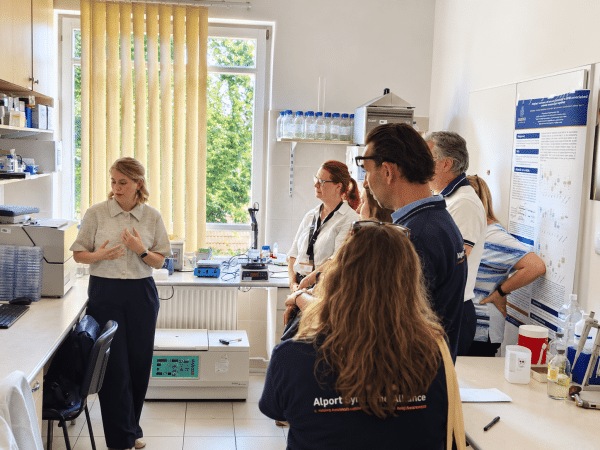
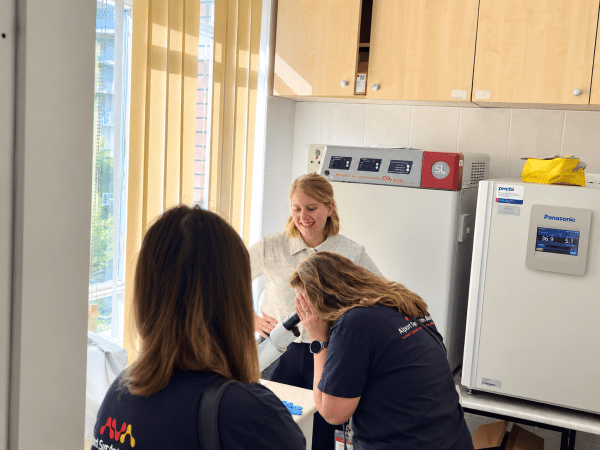
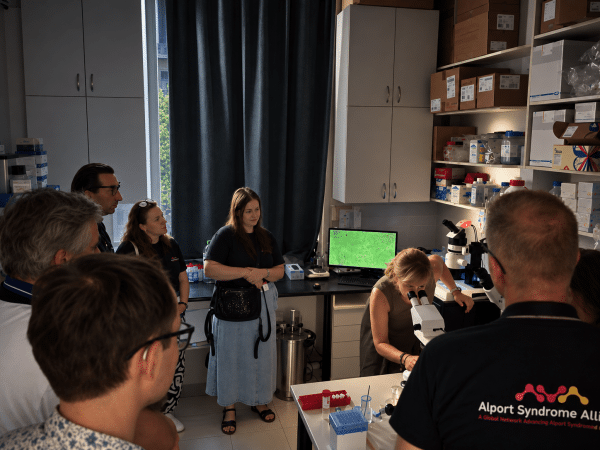
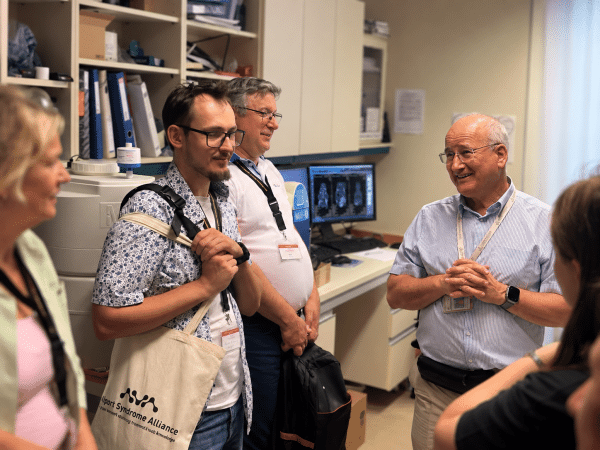
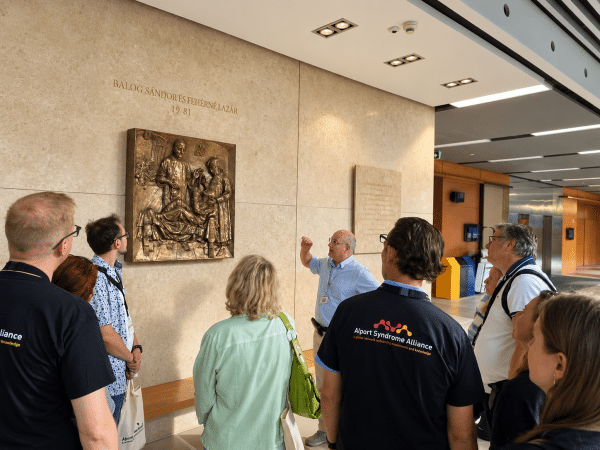
In Hungary, the prevalence of severe forms of Alport syndrome is approximately one in 20,000 to 50,000, meaning that there are at least 200 patients living with this form of the syndrome in the country. 56 families and 115 patients with various forms of Alport syndrome have been identified through genetic testing at Semmelweis University’s Pediatric Center, but numerous other families have also been identified at other university centers across the country. Many affected individuals have a mild form of the disease, so the condition – and the predisposing gene variants – are often not identified, or are only identified later in life, possibly during genetic testing conducted for other medical conditions.
The Pediatric Center provides genetic testing for children and adults in the Central Hungary region who are referred with suspected hereditary kidney diseases. They also frequently receive patients from hospitals elsewhere in the country, as the center houses a hemodialysis center – the only one in the country that treats exclusively children – as well as a laboratory specializing in nephrogenetic testing. Here, researchers primarily investigate the likelihood that specific variants of the approximately 300 known genes causing various kidney diseases actually trigger the disease. “This is generally less common than one might expect based on clinical experience,” noted Dr. Kálmán Tory.
Newborn and fetal exome sequencing may become widespread in the coming decades, Dr. Kálmán Tory pointed out. “A major breakthrough in the treatment of Alport syndrome was the realization that, with early diagnosis, taking certain blood pressure-lowering medications could delay the progression of the disease and the need for renal replacement therapy by one or even two decades. Therefore, the early identification of patients with more severe forms of the disease can significantly influence its course,” said Dr. Kálmán Tory.
Melinda Katalin Kiss
Translation: Dr. Balázs Csizmadia
Photos by Boglárka Zellei and the Pediatric Center – Semmelweis University
 “Project No. MEC_SZ156924 was implemented with funding from the National Research, Development and Innovation Fund of the Ministry of Science and Technology.”