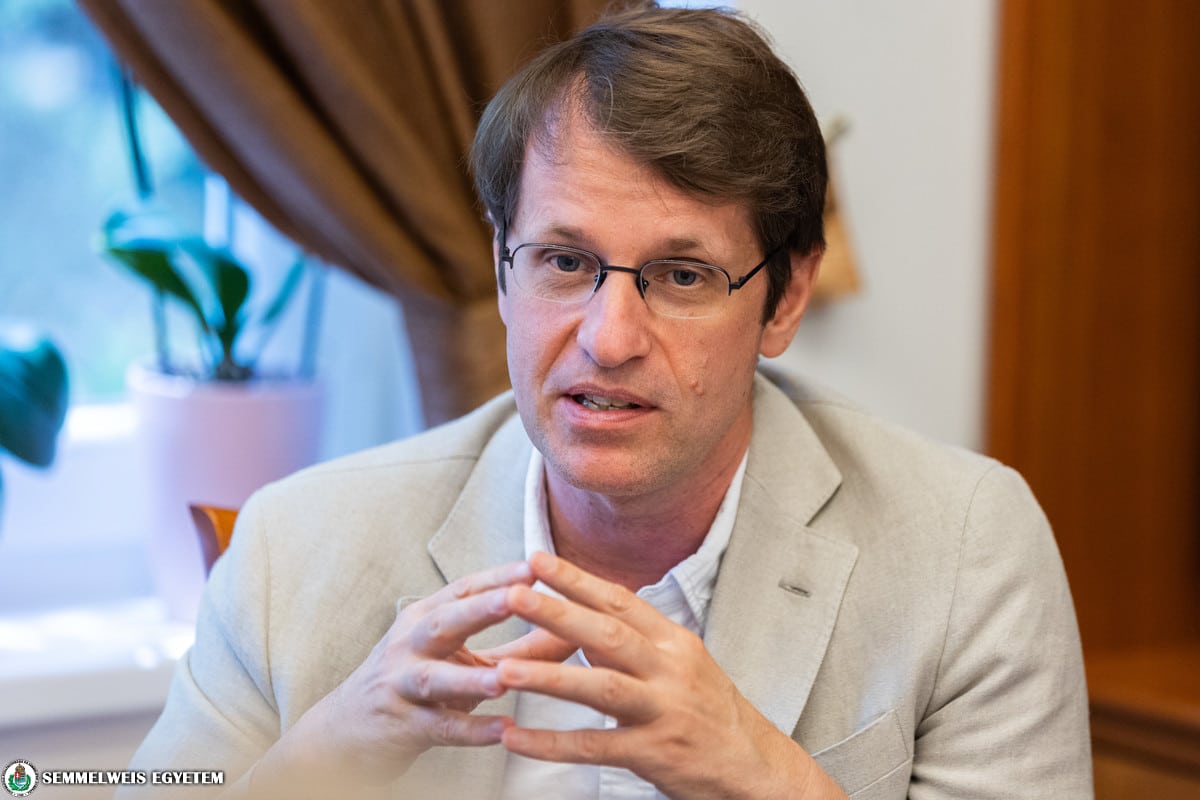
 Retinal diseases are among the leading causes of vision loss, particularly in developed countries. Dr. Botond Roska, the world-renowned researcher who heads the Institute of Molecular and Clinical Ophthalmology Basel (IOB) and is a visiting professor and former student at Semmelweis University, is working to understand precisely how the retina functions and to develop potential therapies to restore vision based on that knowledge. His five-year grant-funded research project, which included the university among its partners, has now concluded.
What is the retina?
The retina is the light-sensitive layer of nerve tissue at the back of the eye that converts light stimuli into electrical signals for the brain. Damage to retinal cells or their blood supply directly threatens vision. The two most common retinal diseases that cause blindness and severe vision loss are age-related macular degeneration (AMD) and diabetic retinopathy.
World-class collaboration with Semmelweis University
“Essentially, two major problems in the retina can cause blindness. One is disease affecting the photoreceptors, which prevents them from converting light into signals the nervous system can interpret. The other is disease affecting the ganglion cells that form the optic nerve, which prevents them from transmitting information to the brain. Through the five-year Élvonal research grant, which ended on September 30, we were able to advance our understanding of both types of disease,” Dr. Botond Roska said, discussing the project’s results.
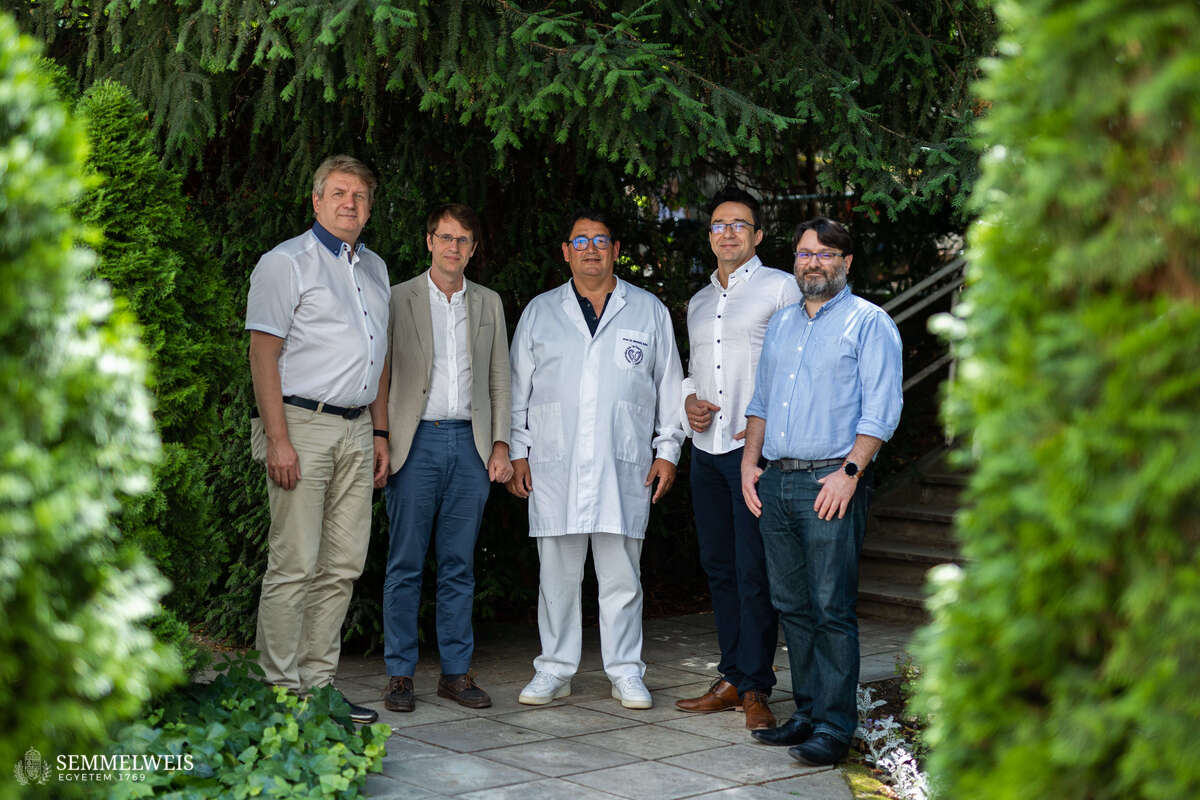
In Dr. Botond Roska and IOB worked with Dr. Arnold Szabó, Assistant Professor in Semmelweis University’s Department of Anatomy, Histology and Embryology and Head of its Retina Laboratory; Dr. Zoltán Zsolt Nagy, Director of the university’s Department of Ophthalmology; and Dr. Balázs Rózsa, Founder and Scientific Director of the BrainVisionCenter Research Institute and Competence Center and Femtonics Ltd., and Group Leader at the HUN-REN Institute of Experimental Medicine and Pázmány Péter Catholic University.
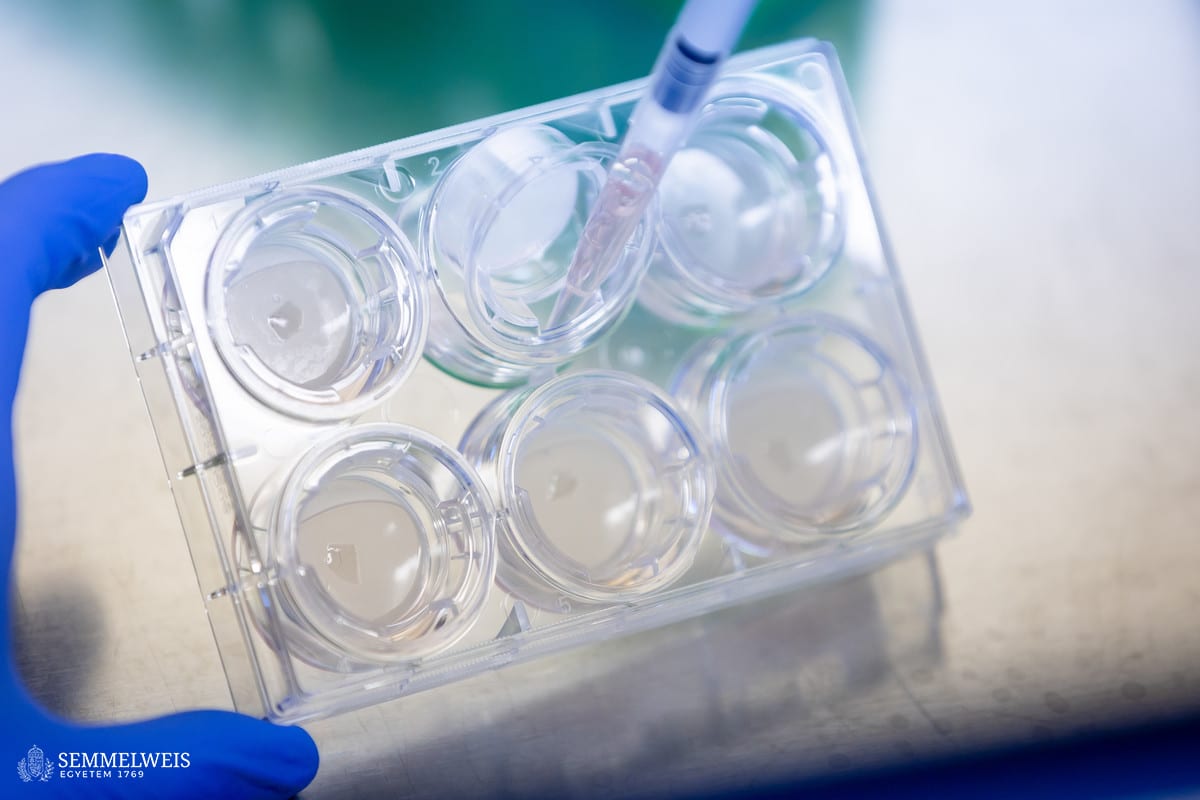
Among other questions, they investigated whether it is theoretically possible to produce color vision through optogenetic therapy and whether ganglion cell death can be slowed. All of these findings contribute to the future development of therapies, Dr. Botond Roska emphasized. The development of a gene-editing technique that could lead to a treatment for Stargardt disease also formed part of the work associated with the project.
 IOB has numerous collaborations around the world, but its 15-year partnership with Semmelweis University and Dr. Balázs Rózsa stands out, Dr. Botond Roska said.
“I obviously have an emotional connection to Hungary and Semmelweis University. What makes this collaboration crucial, however, is that the technology Dr. Arnold Szabó was the first in the world to develop, which allows us to study processes in living retinas, together with Dr. Balázs Rózsa’s microscopy techniques, enables us to take measurements in Hungary that we cannot take anywhere else in the world. On top of that, Semmelweis University’s Department of Ophthalmology sees a very large number of patients and follows them very closely, allowing us to recruit many patients for studies at a single site,” he said.
Recognition for taking findings from basic research to therapy
Dr. Botond Roska has spent 20 years working to understand the retina at the molecular and physiological levels and using that knowledge to develop optogenetic therapy to restore vision. This sustained work, spanning basic research through clinical application, was recognized with the António Champalimaud Vision Award, considered the field’s most significant honor. He recently accepted the award jointly with his colleague José-Alain Sahel, a French-American ophthalmologist and researcher.

A study reporting on the treatment of the first 10 patients was also published recently in The New England Journal of Medicine. According to the study, the therapy is safe, and increased light perception was reported in seven patients, with clinically significant improvements in six.
But when could optogenetic therapy that partially restores vision become more widely available to patients? According to Dr. Botond Roska, the next step is to enable patients to see faces as well as objects as a result of the therapy. RhyGaze, a Swiss-American spin-off company founded by IOB, will launch a clinical trial addressing this next year.
If the results are encouraging, Dr. Botond Roska believes the therapy could enter widespread clinical use within a few years. At the same time, he pointed out that there is enormous interest worldwide in the optogenetic therapy he and his colleagues described. At least 10 other companies, independent of the researchers, are working toward broader clinical use, and it is impossible to predict which will achieve results or when.
The researcher also said that, if possible, he would like the treatment to become available to patients in Hungary, potentially as early as the clinical trial phase. Preparatory work has already been done, numerous patients from the Department of Ophthalmology have been enrolled in a clinical study that provides the multiyear follow-up needed for the eventual use of the therapy.
Optogenetics, however, is just one of IOB’s 13 research areas, which together cover virtually every disease of the eye. Discussing future goals, Dr. Botond Roska highlighted the institute’s work on dry eye.
“Dry eye, which affects one-third of people, involves a complex biological process. We want to understand that process in depth and then begin developing a future therapy,” he said.
A chance discovery made restoring vision his life’s work
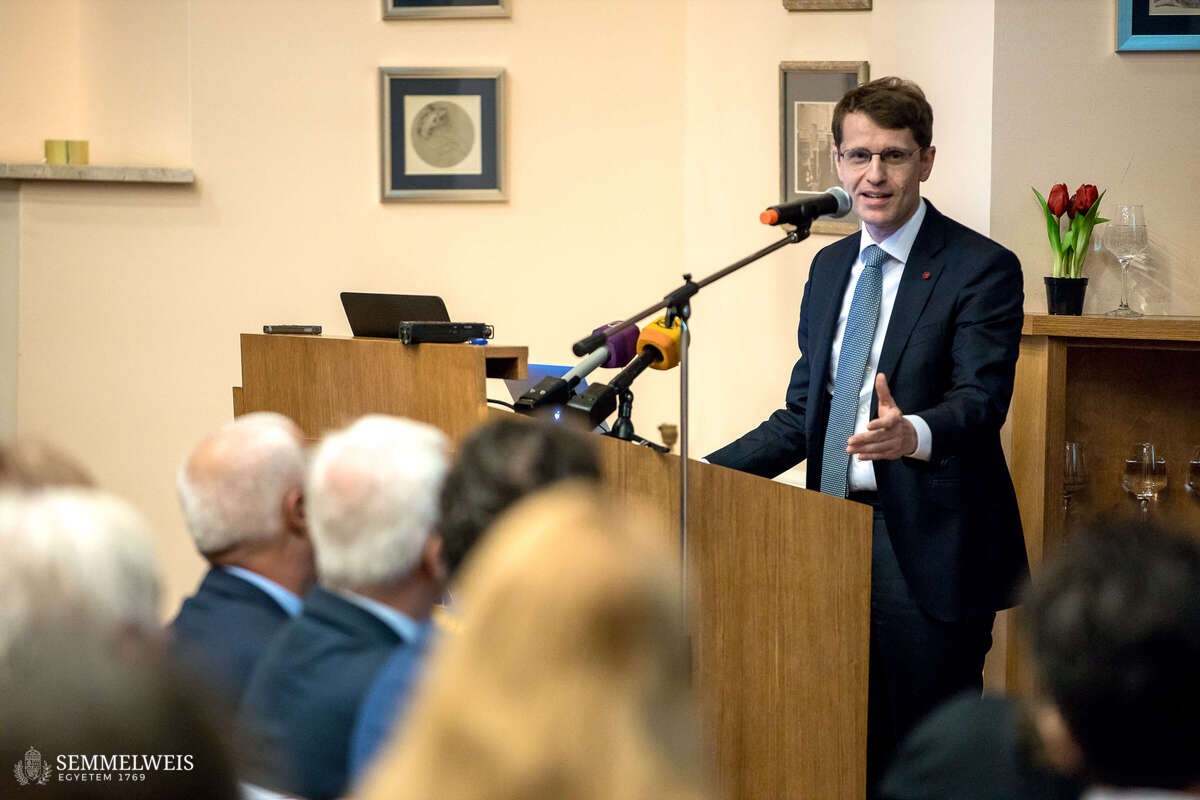
Dr. Botond Roska earned his medical degree at Semmelweis University in 1995, but by his own account, ophthalmology was not a primary interest during his studies. He wanted to pursue brain research and began working toward that goal at the Department of Medical Biochemistry as a student researcher under Dr. Veronika Ádám, who headed the department at the time.
Later, as a PhD student at the University of California, he read a paper showing that introducing a few genes could make cells sensitive to light.
“That was the moment I had the idea that these two things could be connected. For the first 10 years, I was interested only in the technological aspect. Then, around the age of 40 to 45, I began to feel very strongly that I wanted to use what I knew about the retina to help patients gain access to treatment. Since then, this has become my passion. I work on it 15 to 16 hours a day, Monday through Sunday. I admit that I’m a complete workaholic. This is what my life is about, and it is what I will devote my remaining years to.”
Pálma Dobozi
Translated by Orsolya Jancsó
Photo: Boglárka Zellei, Attila Kovács – Semmelweis University; Gábor Ancsin – Photo Desk; Champalimaud Foundation