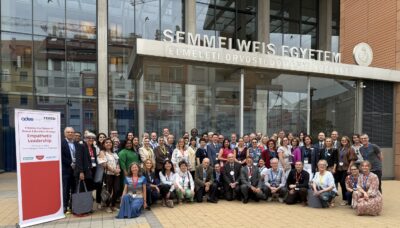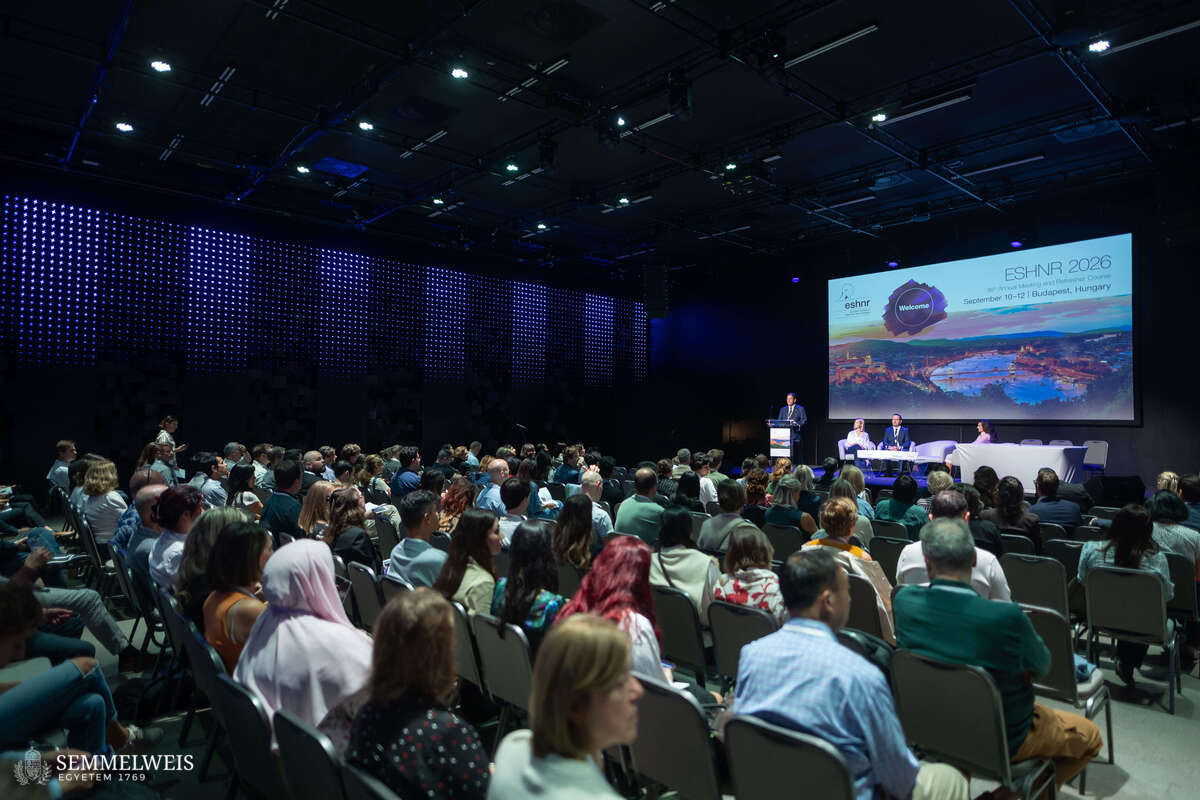
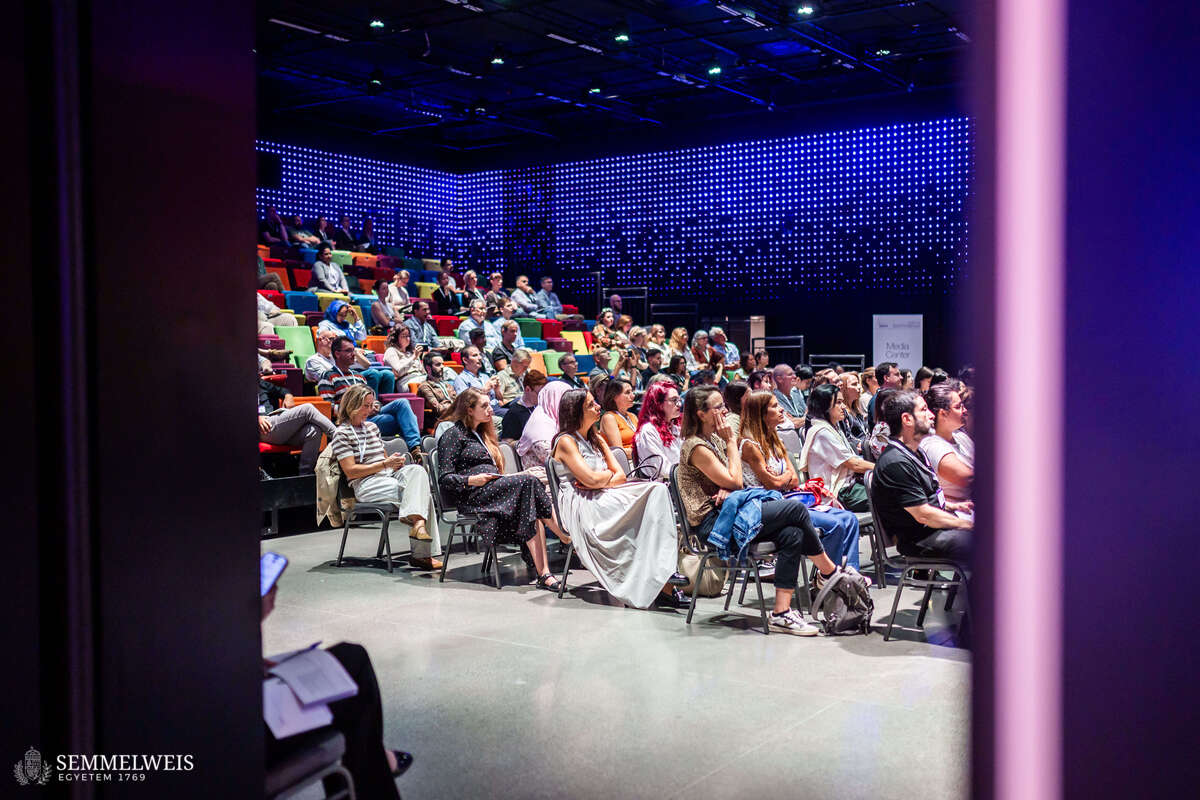
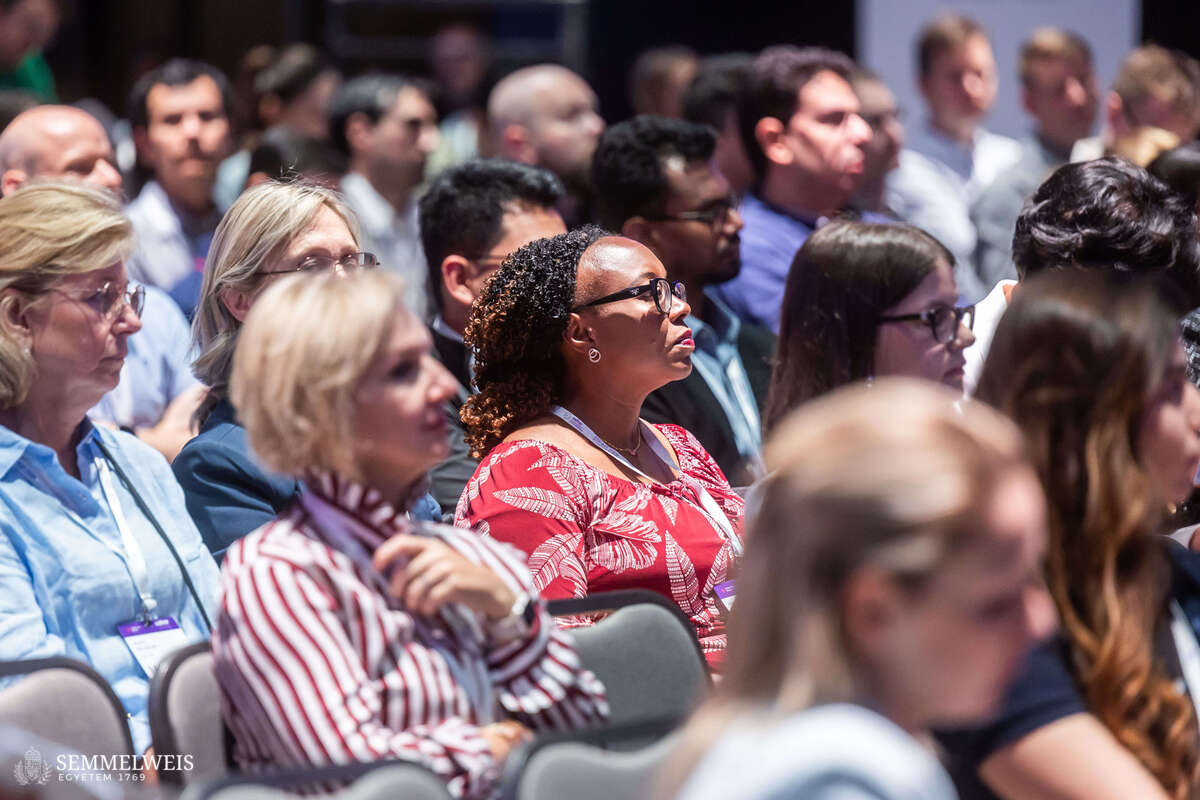
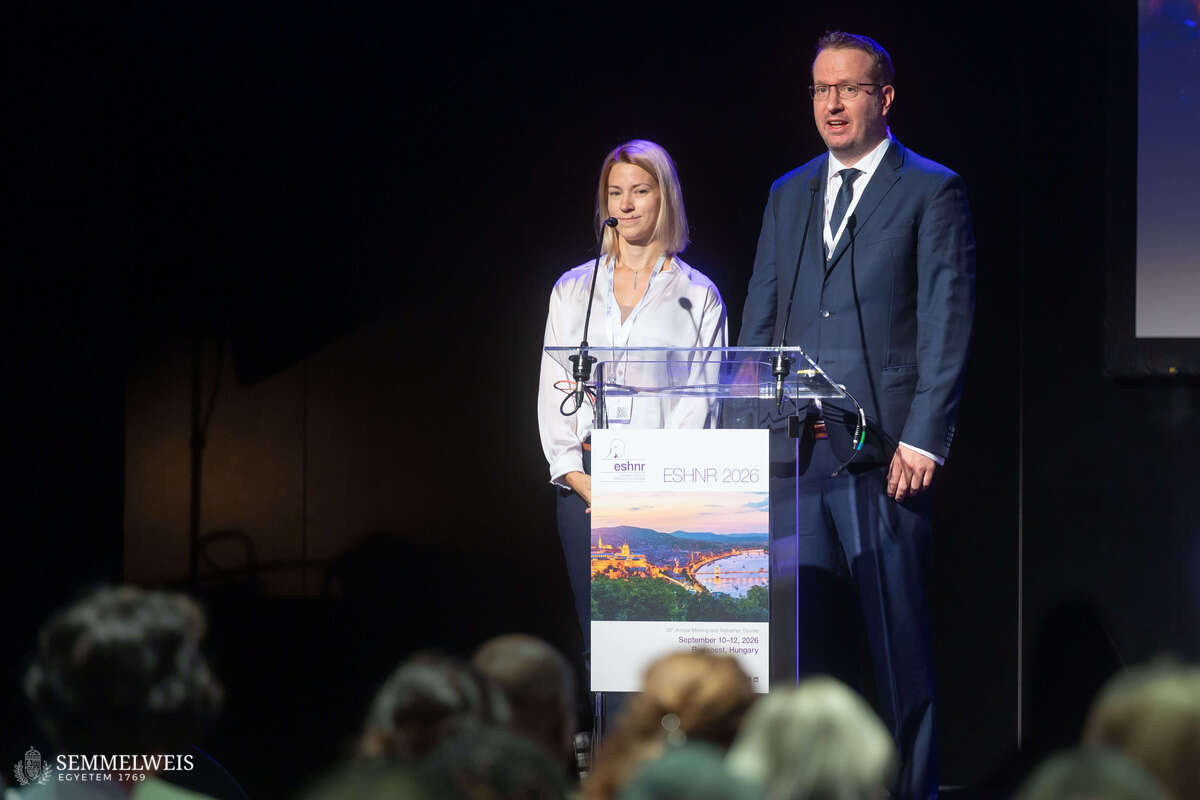
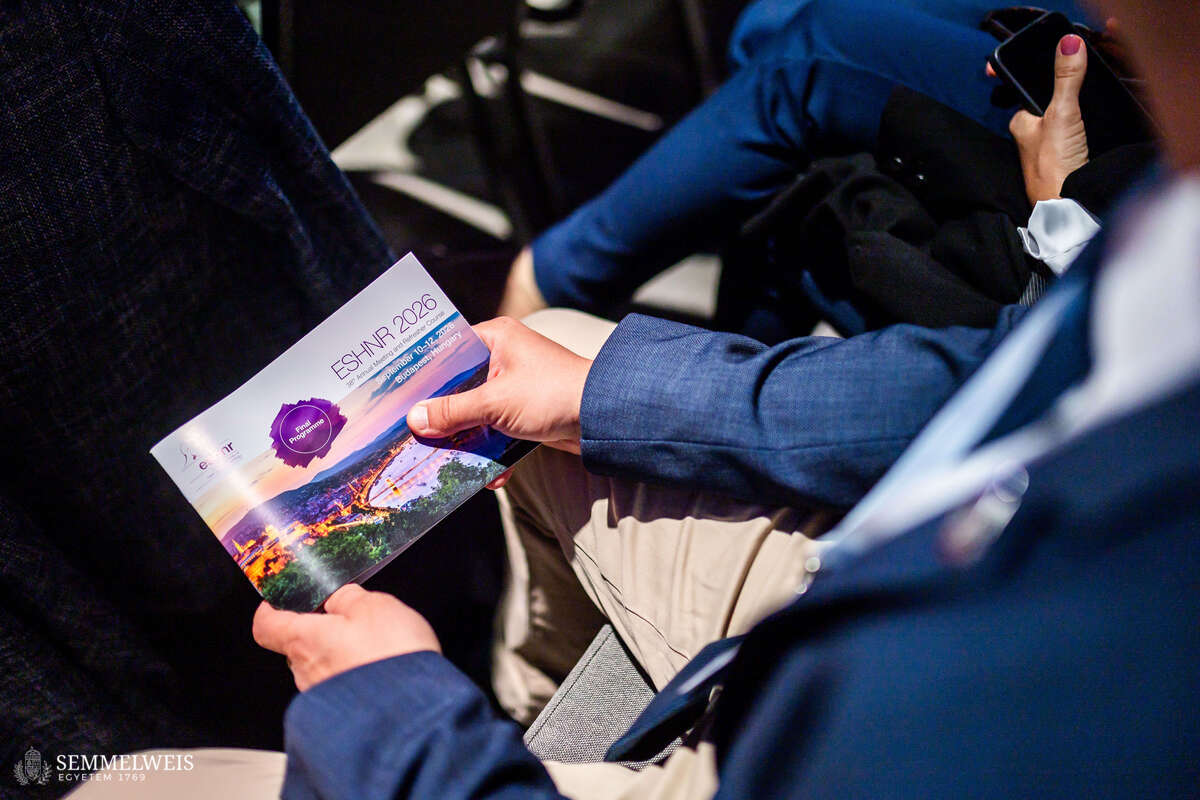
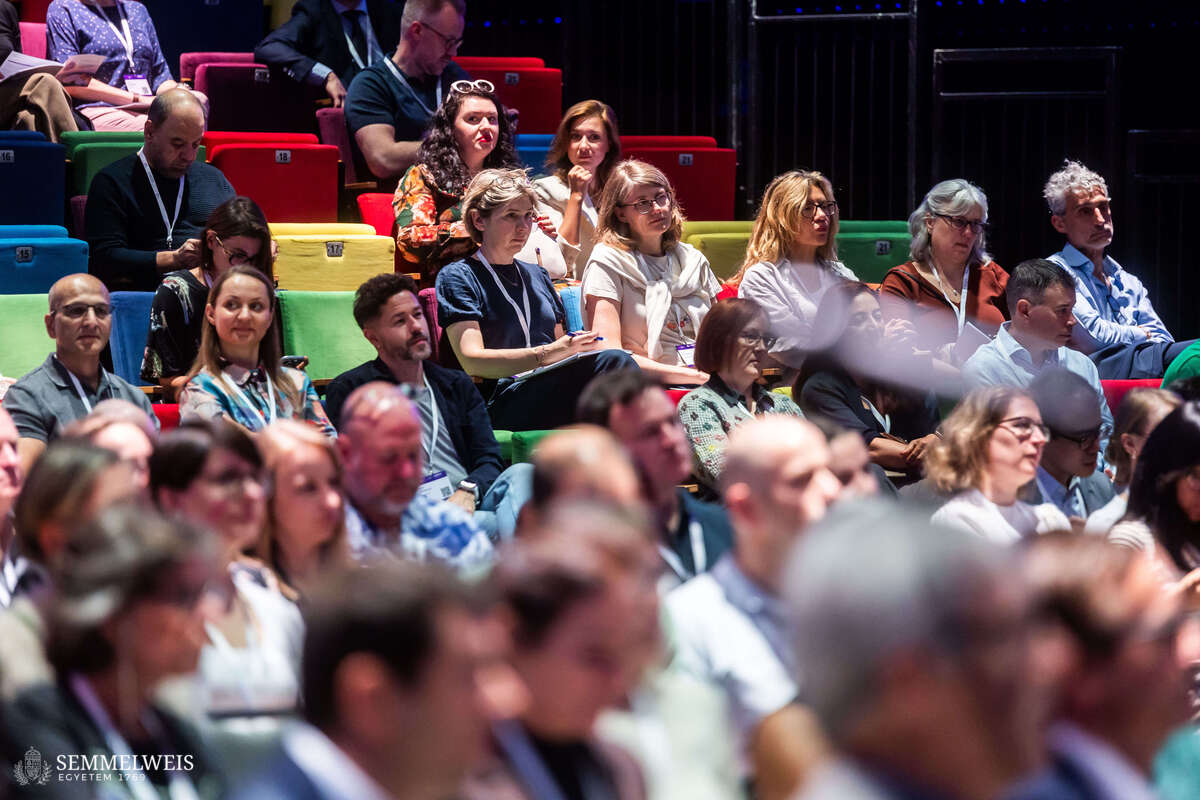
This year’s congress of the European Society of Head and Neck Radiology, which returned to the Hungarian capital after two decades, attracted head and neck radiologists, dentomaxillofacial radiologists, radiology specialists and residents, clinicians from related fields, university faculty and researchers, young specialists and students, as well as professional societies and industry partners from Hungary and abroad. This year’s congress presidents were Dr. Adrienn Dobai, Assistant Professor at Semmelweis University’s Department of Oral Diagnostics, and Dr. Bence Tamás Szabó, Associate Professor and Vice-Dean of the Faculty of Dentistry (FOK).
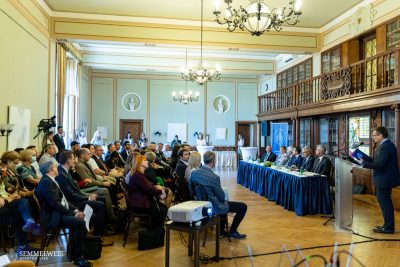
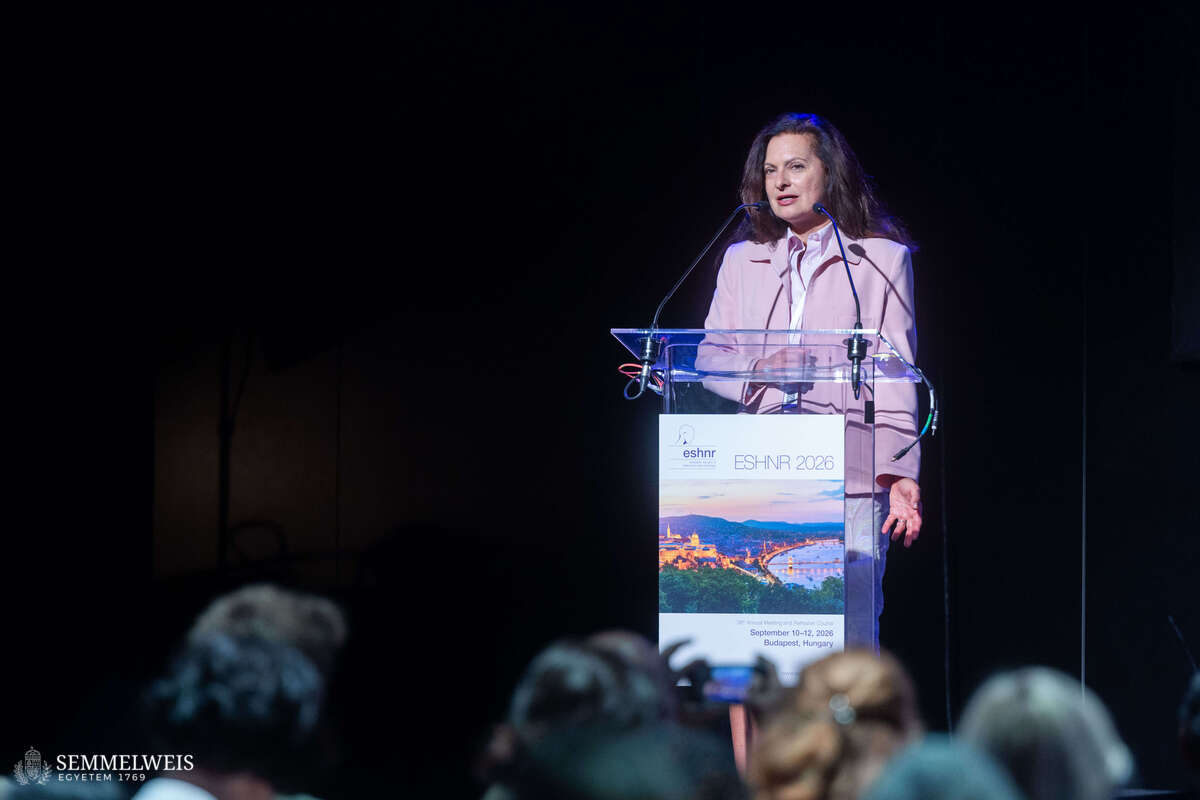
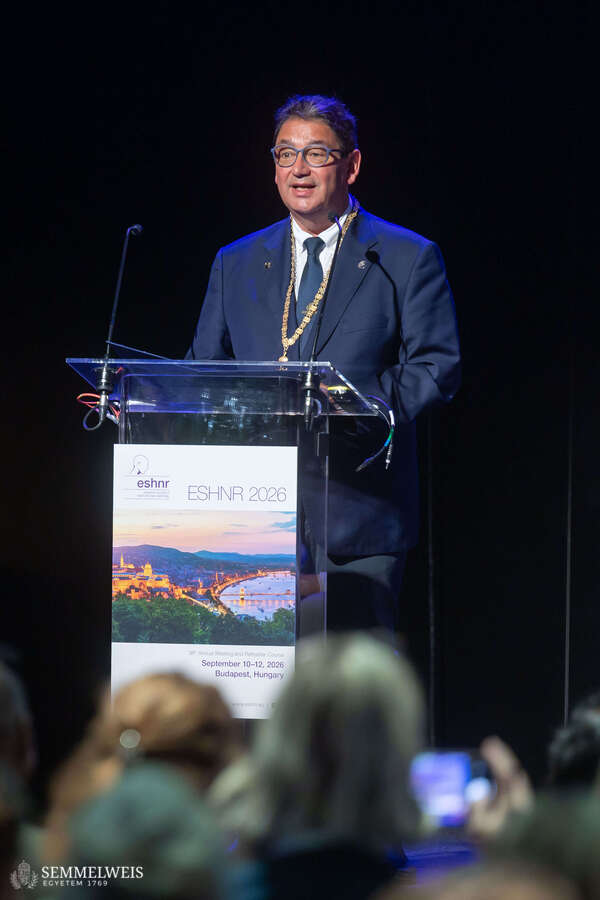
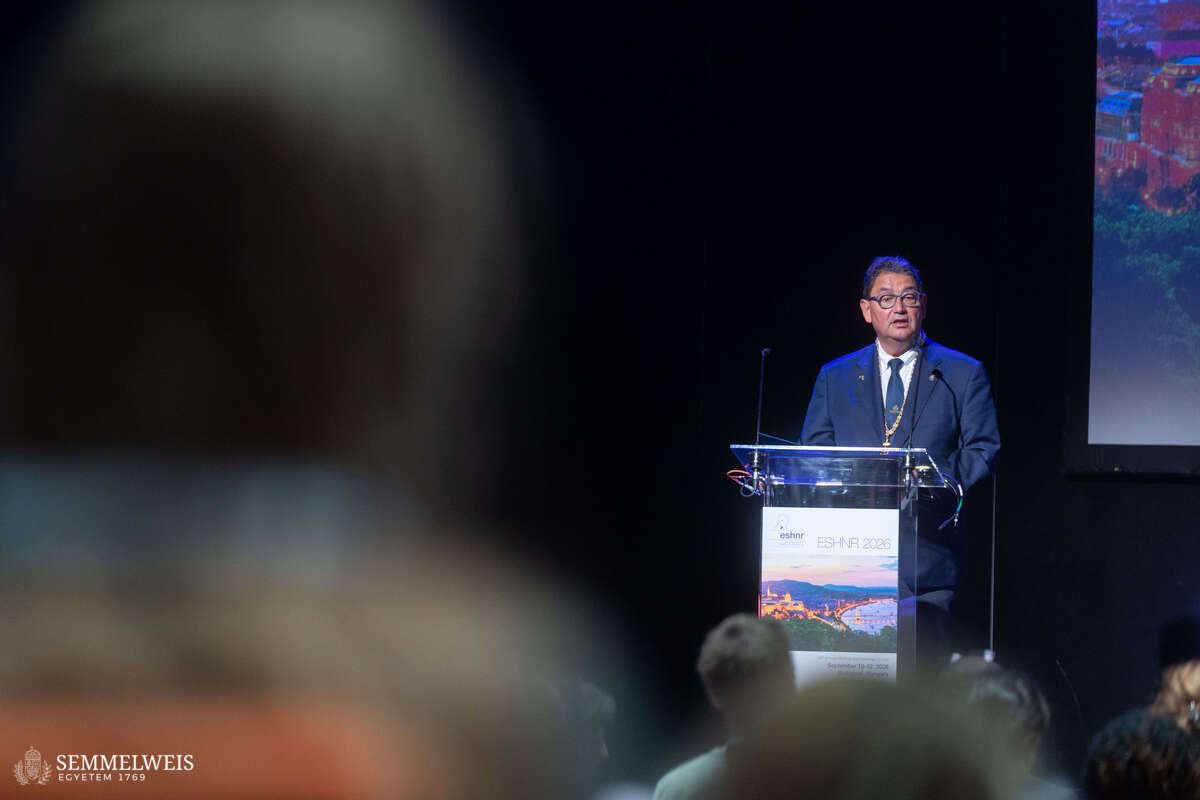 The congress was opened by Dr. Béla Merkely, Rector of Semmelweis University, who highlighted that the speaker lineup featured the most distinguished domestic and international experts of the field. While discussing Semmelweis University’s achievements, he emphasized that the institution aimed not only to improve its own activities in education, patient care, and scientific innovation, but also to further strengthen the role of Hungary and the region through these efforts. He explained that the university’s Department of Otorhinolaryngology, Head and Neck Surgery was constantly evolving with this objective in mind. Its outpatient and inpatient numbers had risen, as had the complexity of the procedures performed there. The rector also noted that the institution had become one of the largest specialized care facilities in the country thanks to the completely renovated operating suite, which was inaugurated last year. As he pointed out, the congress brought together experts from all corners of the world and addressed opportunities and challenges that affected all of us, wherever we came from. “As you are all well aware, science knows no borders. This is particularly true of the medical and health sciences, where truly pioneering results can be achieved only through international collaboration and, just as importantly, interdisciplinary partnerships,” Dr. Béla Merkely concluded.
Dr. Soraya Robinson, President of ESHNR, also welcomed the participants, expressing her delight that the congress offered opportunities for both professional networking and knowledge sharing, thereby contributing to the improvement of the quality of patient care.
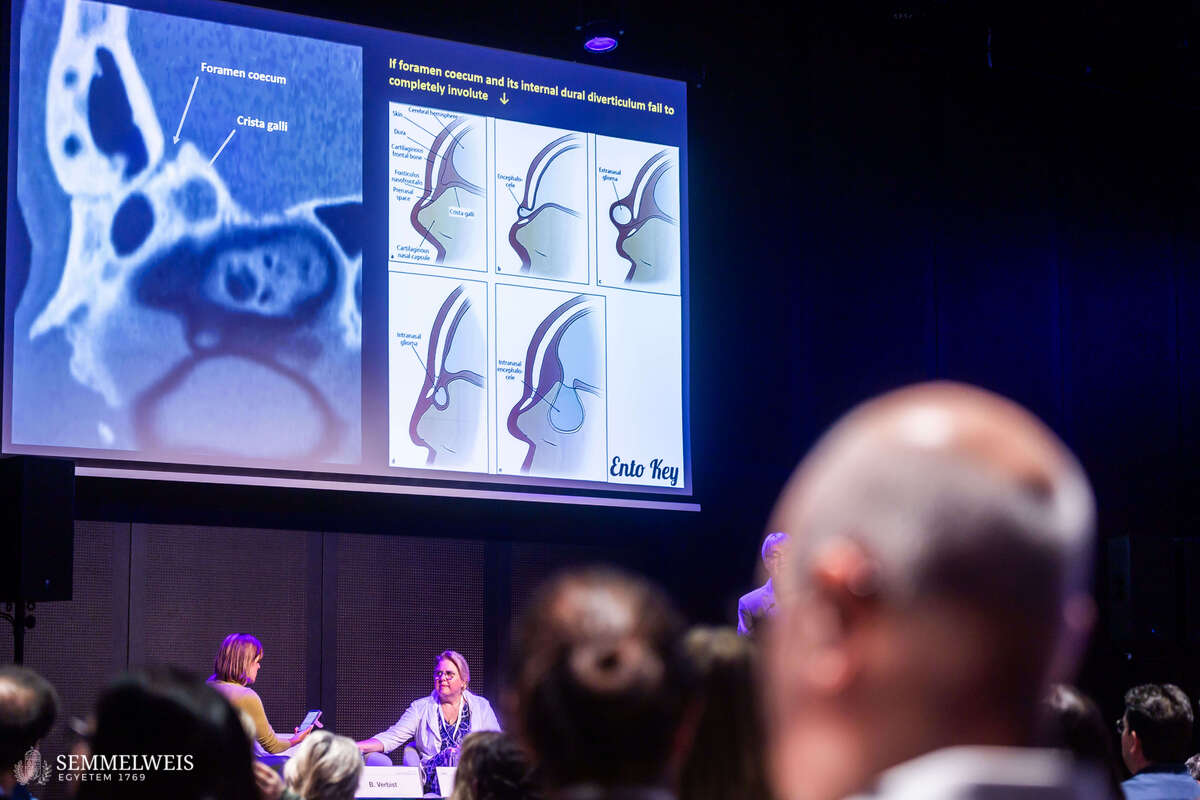 The speakers at the three-day event came from Europe – from Austria, Belgium, Estonia, Finland, France, Germany, Italy, Malta, the Netherlands, Norway, Poland, Portugal, Romania, Serbia, Slovenia, Spain, Switzerland, and the United Kingdom, – as well as from Turkey, the Middle East, Asia, Australia, and the United States. Speakers from Semmelweis University were Dr. Péter Barsi, Honorary Professor at the Department of Neuroradiology; Dr. Adrienn Dobai; Dr. Bence Tamás Szabó; and Dr. Márton Kivovics, Associate Professor at the Department of Dental Public Health.
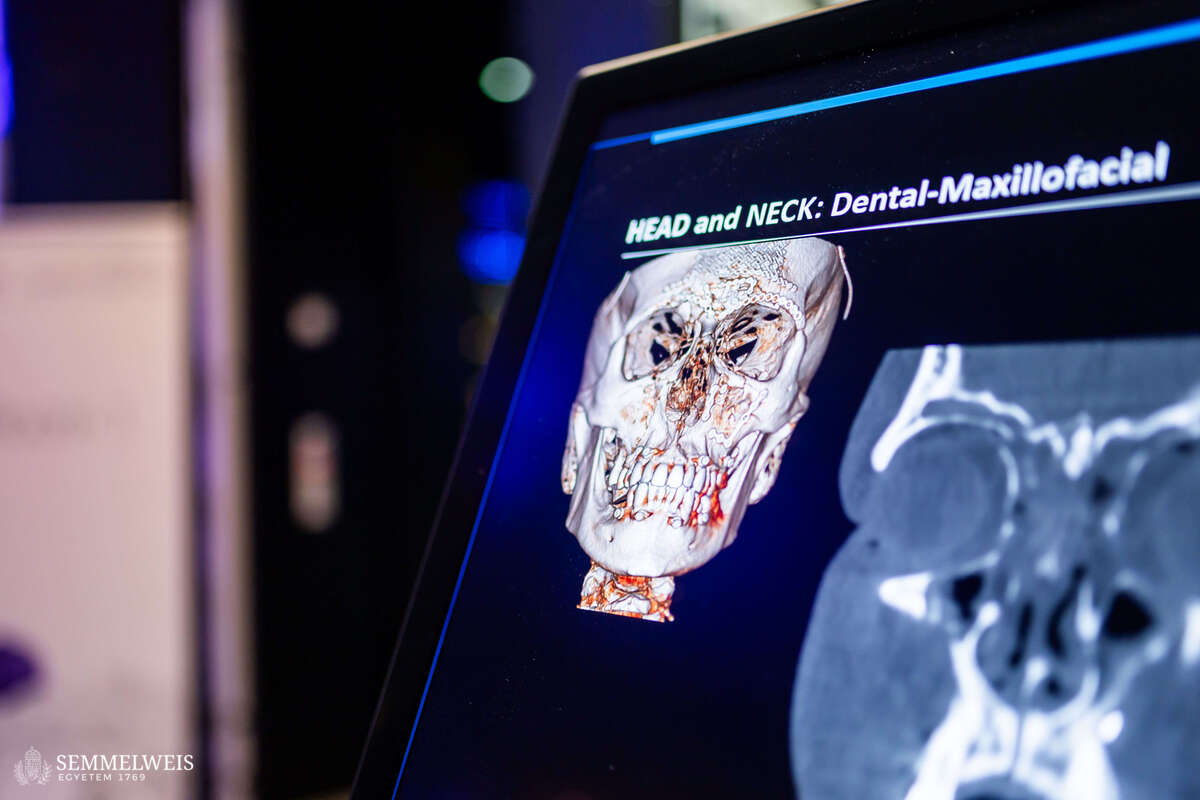
The congress also served as an ESHNR Refresher Course. The professional discussions, held in over 20 sessions, aimed to provide an overview of rapid methodological advancements in head and neck imaging. Thus, the program spotlighted artificial intelligence, functional and high-resolution imaging, photon-counting CT, interventional procedures, and the relationship between dentomaxillofacial radiology and clinical decision-making. Special emphasis was given to topics related to oncological staging, post-treatment imaging, and continuous improvements in patient safety – to name some of the latest professional developments.
The congress presidents emphasized to our website that the event provided a professional, international forum for faculty, researchers, and students from Semmelweis University, thereby increasing the university’s international visibility in the areas of diagnostic imaging and dentistry. As a Refresher Course, the congress offered thematic educational sessions, case presentations, and scientific lectures, in addition to the SHINE program, which supports young professionals. Additionally, the event has created a forum for presenting new scientific findings and fostering international research collaborations: This contributes to the support of research and development, which can advance more accurate diagnostics, appropriate modality selection, oncological staging, and follow-up in patient care, surgical and implant planning, as well as the faster recognition of emergency and inflammatory conditions.
Gallery

Judit Dőtsch
Photos by Bálint Barta – Semmelweis University