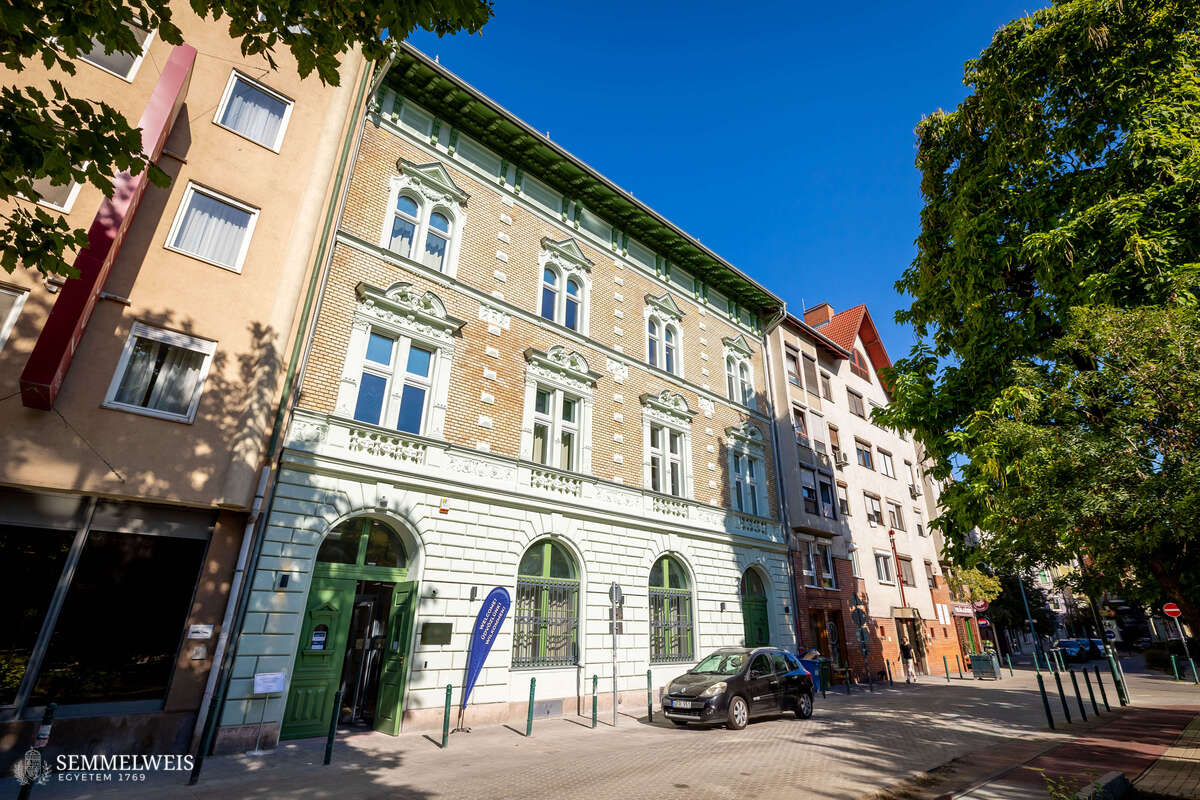
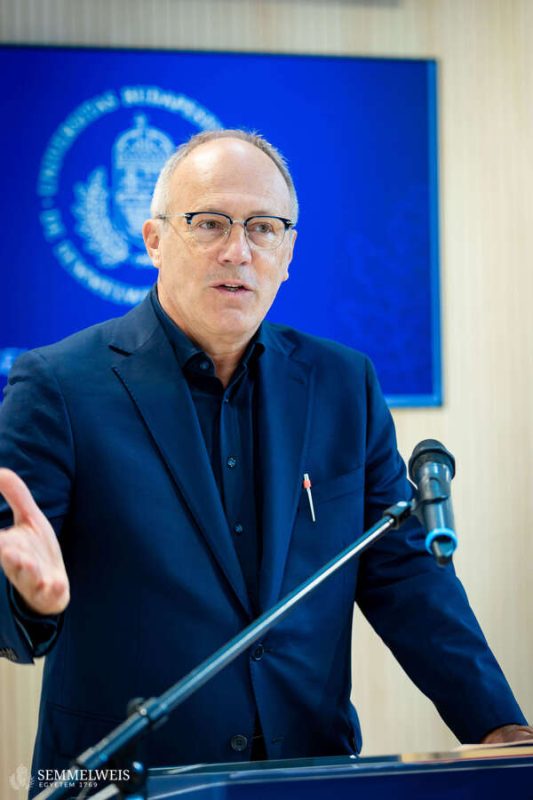
“At Semmelweis University, we believe that our students deserve not only world-class educational and research opportunities, but also buildings, classrooms, and student spaces that are worthy of them. After all, those who study here will become key players in Hungarian medicine, the healthcare system, and the scientific community in the future,” noted Rector Dr. Béla Merkely at the inauguration ceremony of the EKK building on Ferenc Square. “It is no coincidence that this investment was one of the cornerstones of my second term as rector,” he emphasized, before going on to highlight recent infrastructure developments, including the Anatomy & Innovation Center for Education and Research (AICER); the second building of the Basic Medical Science Center (EOK II), whose foundation was recently laid; the robotic equipment assets established on the practice facility of the András Pető Faculty (PAK); and the Szent Rókus Health Center of Semmelweis University.
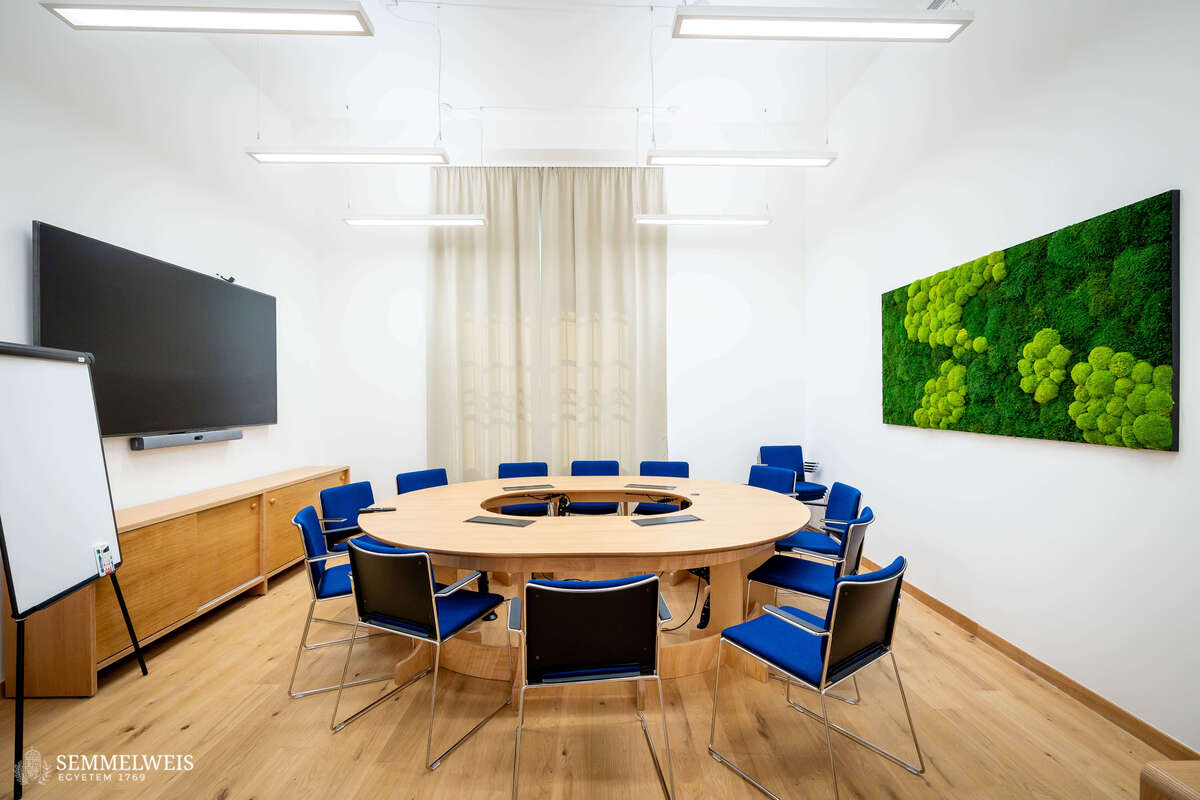
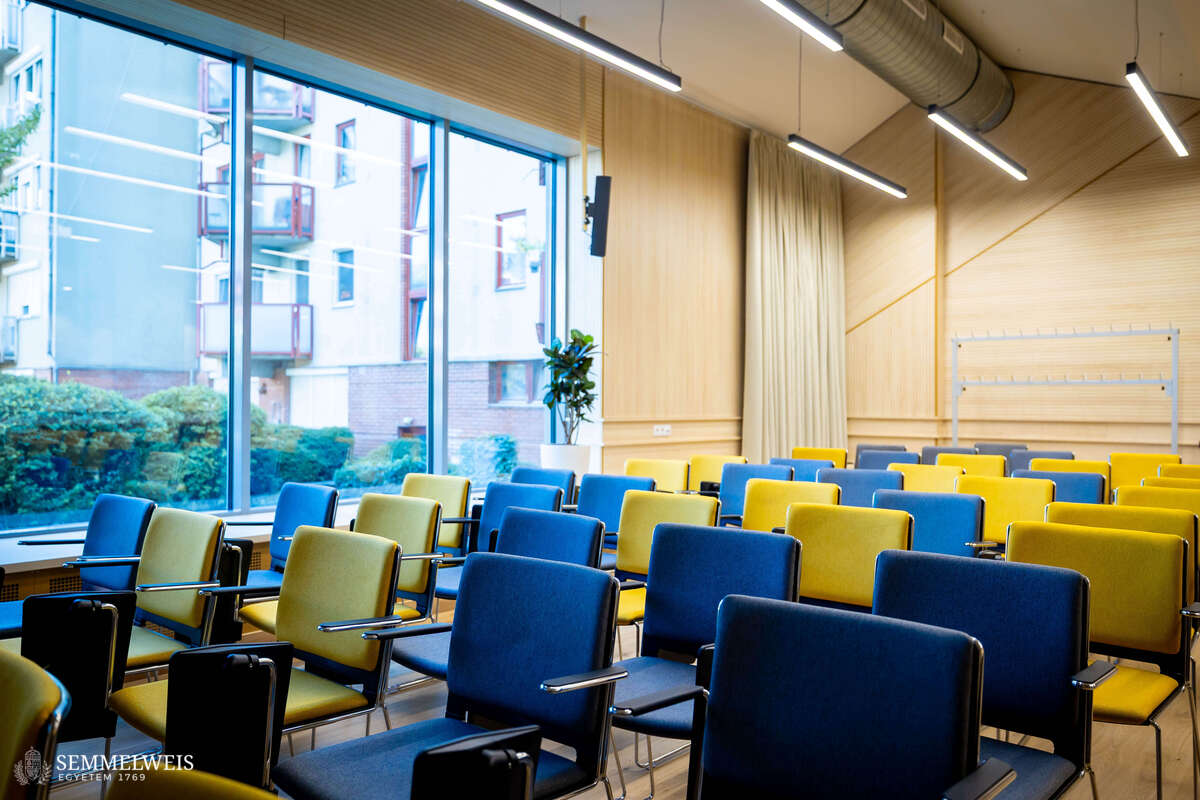
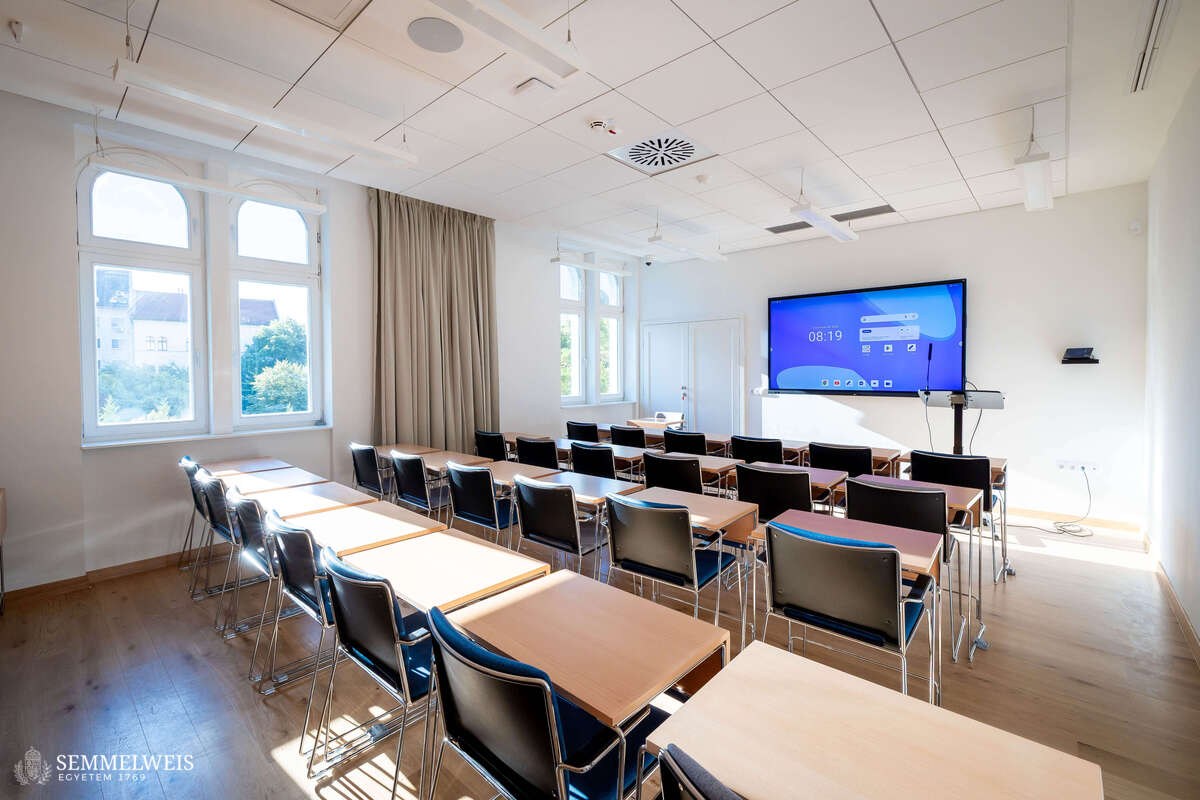
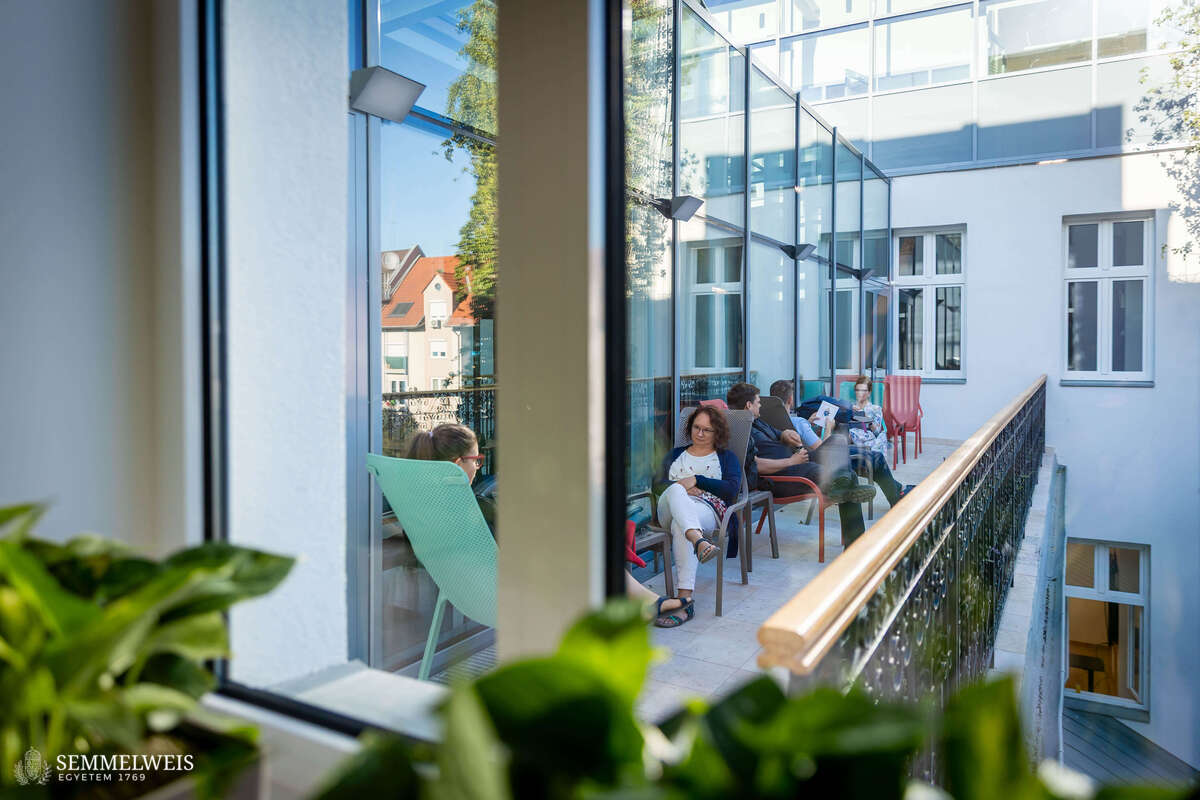
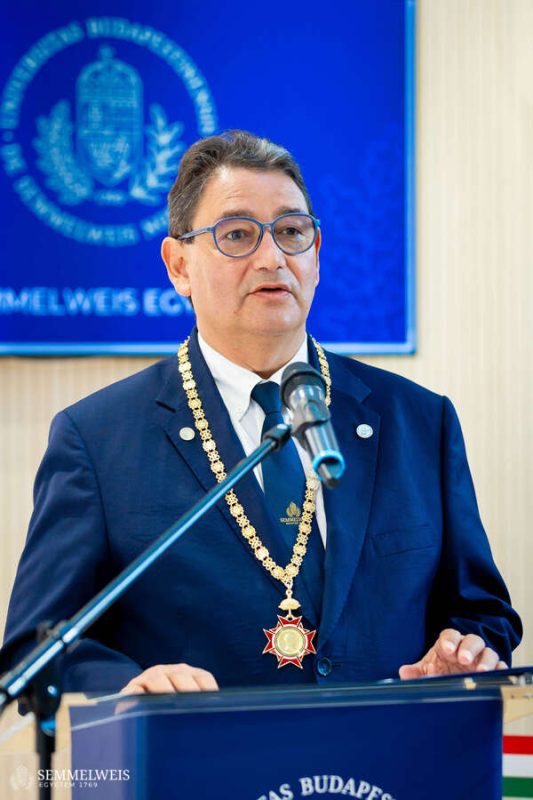 The rector pointed out that applications for the university’s programs exceeded available spots sixfold this year, and that the driving force behind these infrastructure developments was precisely the steadily rising number of students. “This is also true of our Faculty of Health and Public Administration, which we can confidently call one of our university’s proudest achievements. That is precisely why I am particularly pleased that the building on Ferenc Square has created such a modern, student- and faculty-centered environment that serves the interests and daily well-being of students, faculty, and staff alike,” Dr. Béla Merkely said. The building can accommodate 400 people at a time, which significantly increases the faculty’s capacity. One of its most important goals is to provide state-of-the-art infrastructure in a single location for EKK’s rapidly expanding programs and all of its institutes. The development creates an opportunity for closely related organizational units to operate in a shared multidisciplinary environment, fostering knowledge transfer, innovation, and collaborative research, the rector underlined.
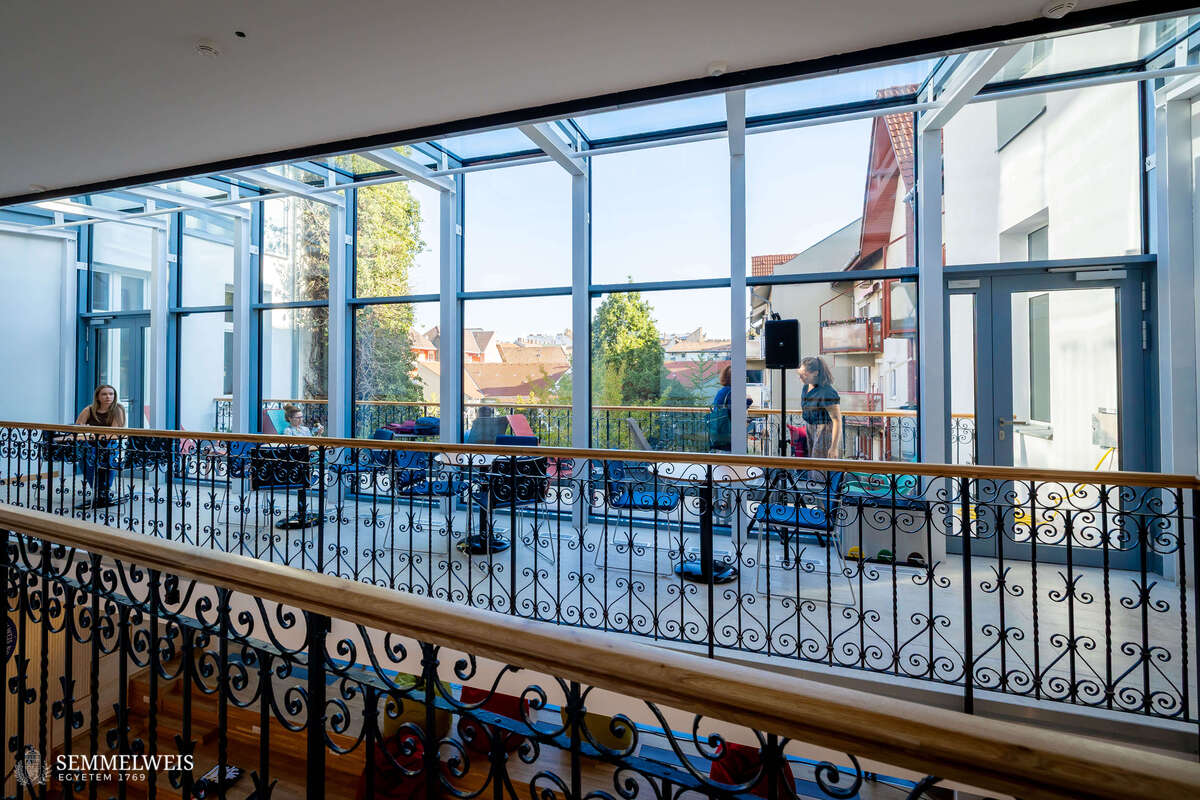
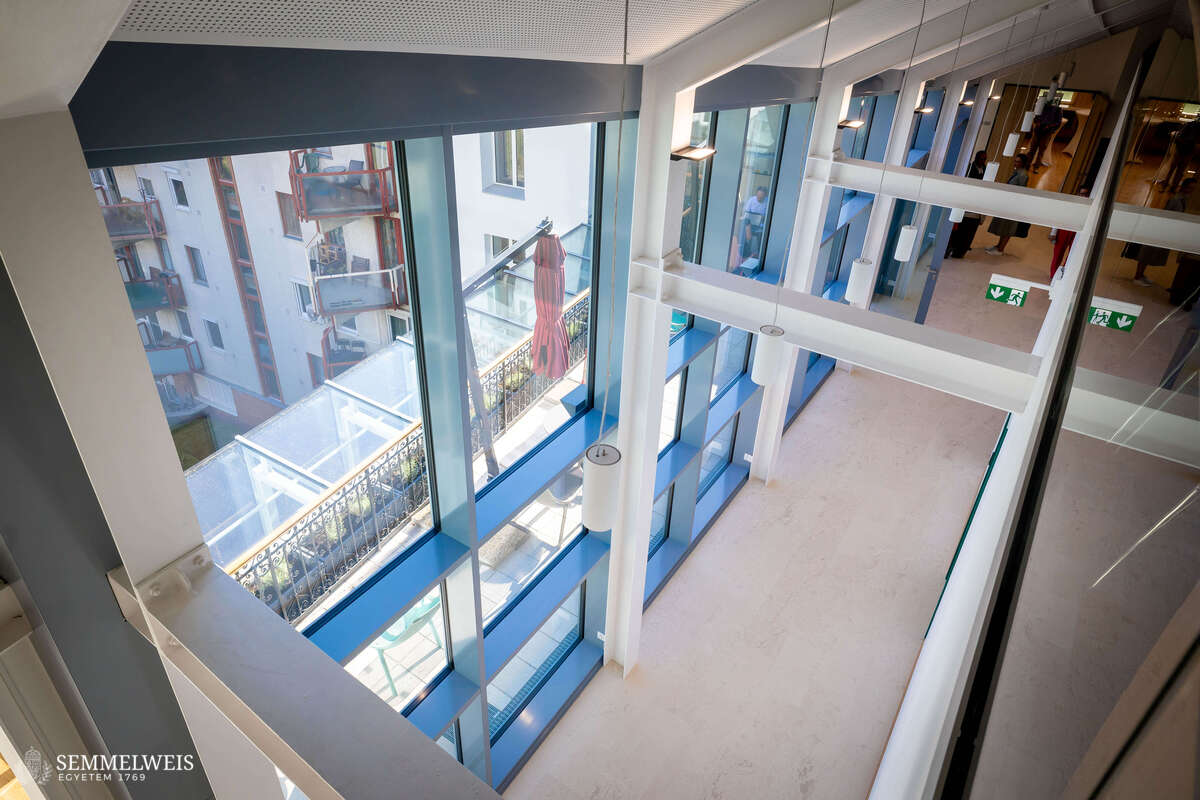
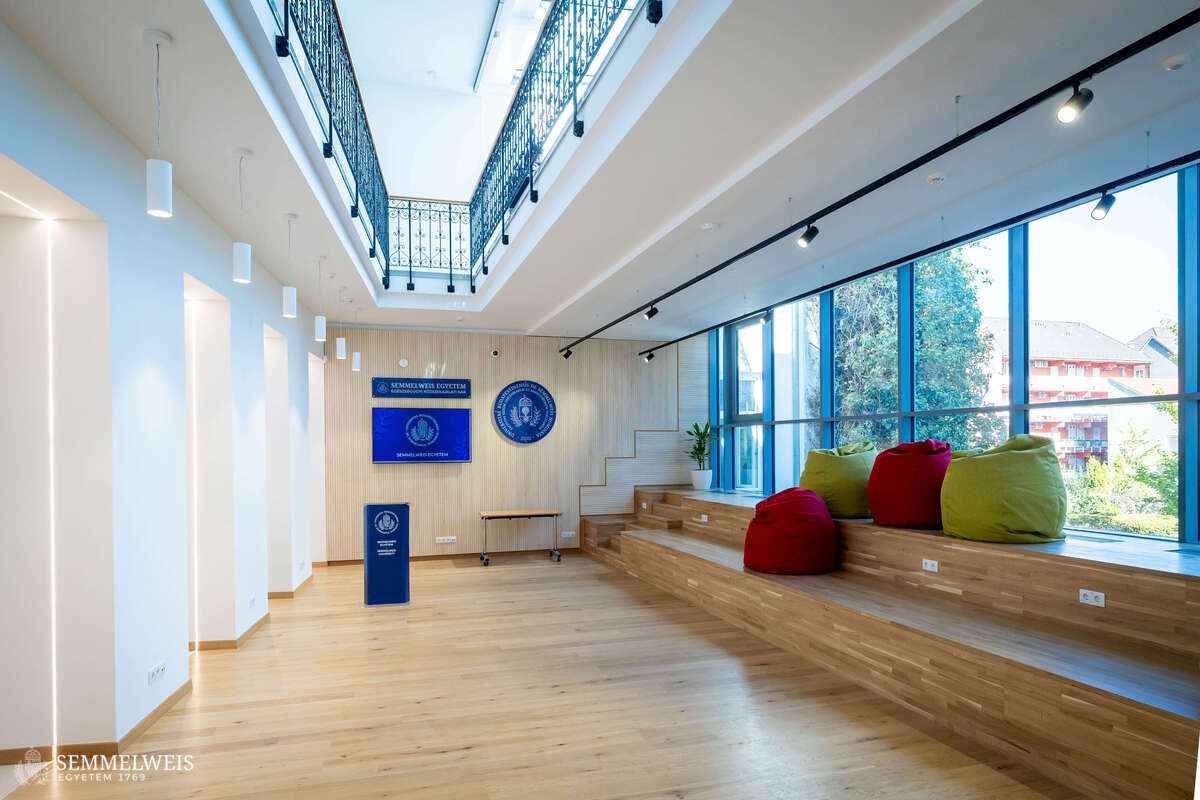
Dr. Miklós Szócska, Director of the Health Services Management Training Center (EMK), stressed in his speech that with the newly opened Ferenc Square campus, countless Semmelweis students could now say for the first time that this building was truly “their home.” As he mentioned, the design of the Ferenc Square campus was modeled after the world-class building of Imperial College London, and the goal was to create spaces where students could work together and engage in group work.
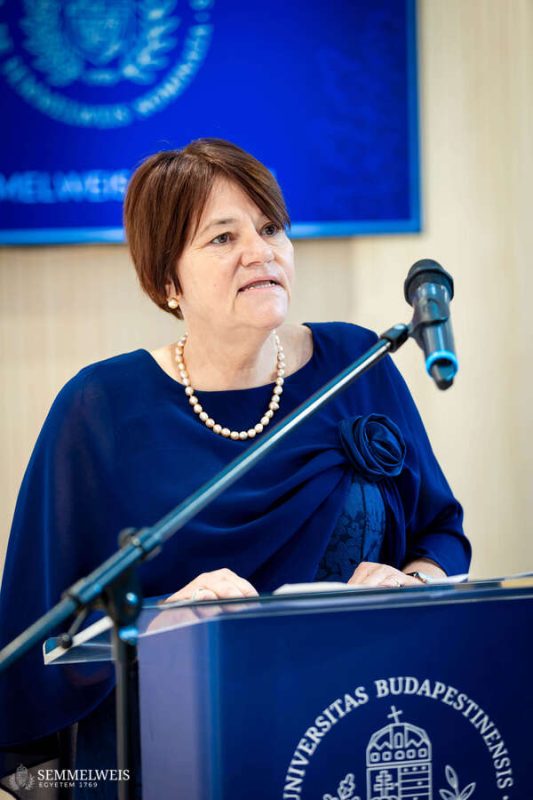 In her welcome speech, EKK Dean Dr. Beáta Pethesné Dávid recounted the milestones of the project: A feasibility study on development opportunities was completed in September 2017, and the design phase began in January 2021. She specifically emphasized that such a long journey could not be accomplished within a single leadership term, and therefore she expressed her gratitude to everyone who had contributed to the creation of the Ferenc Square campus. The dean noted that EKK consists of three institutes – the Institute of Digital Health Sciences (DEI), the Health Services Management Training Center, and the Institute of Mental Health (MHI) –, each with its own history, professional culture, educational programs, and community. “This diversity has always been one of EKK’s strengths. But until now, there has also been a peculiar contradiction in this. We were one faculty, yet we went about our daily lives in different locations. And for me, this is one of the most important opportunities offered by this new building. Not only do we have more classrooms, but we also have shared spaces – places where we can meet, even by chance, where a conversation can spark an idea, and an idea can lead to collaborative work,” she pointed out.
Gallery
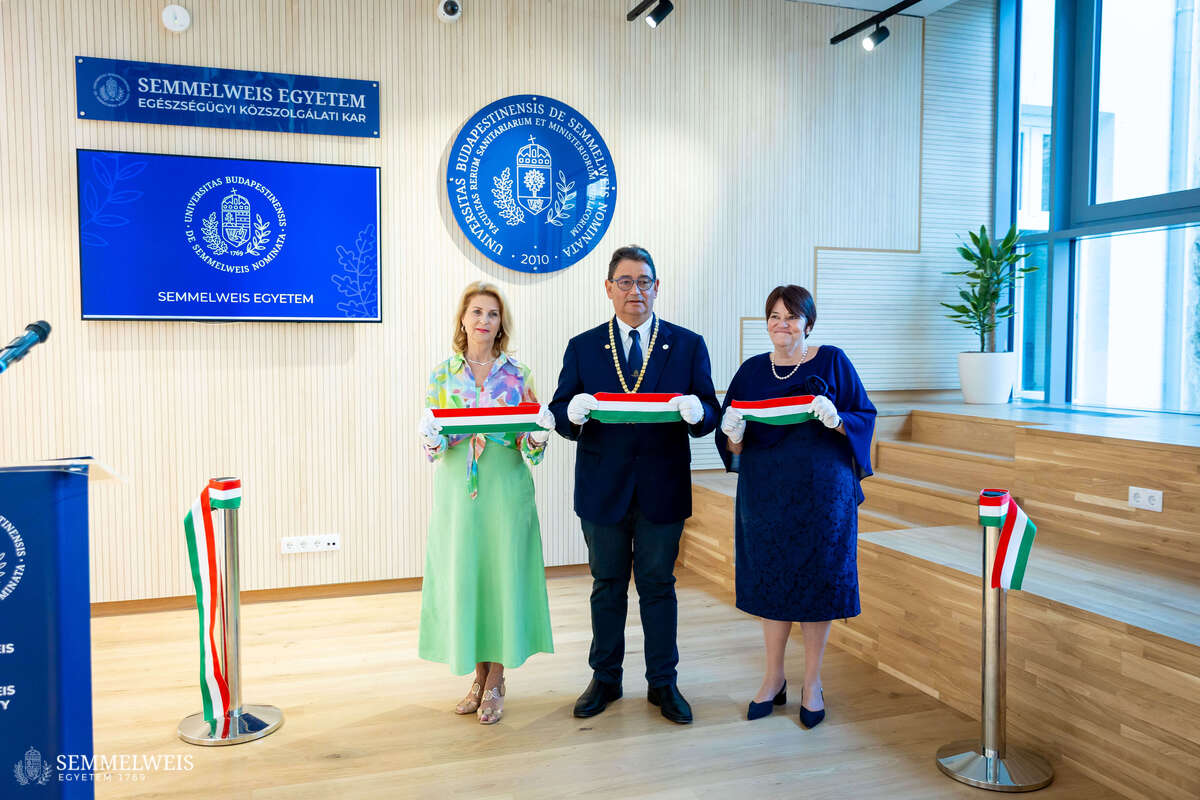
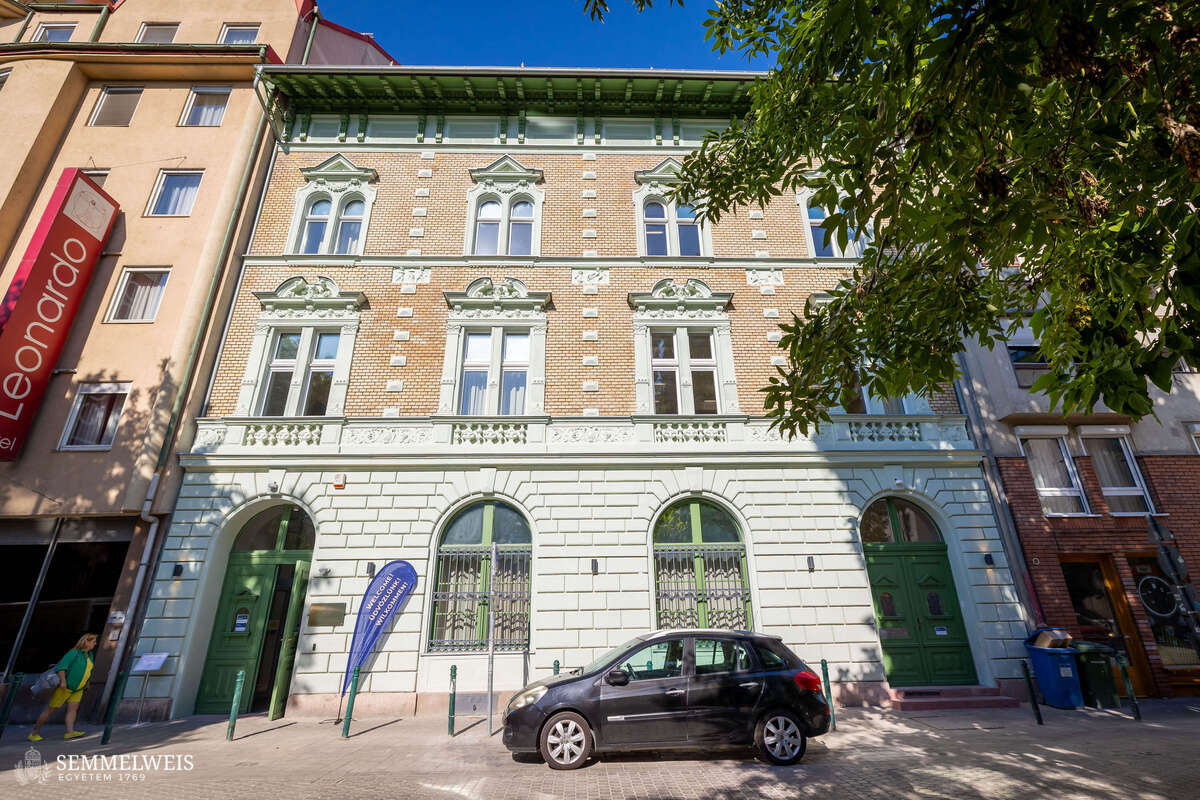
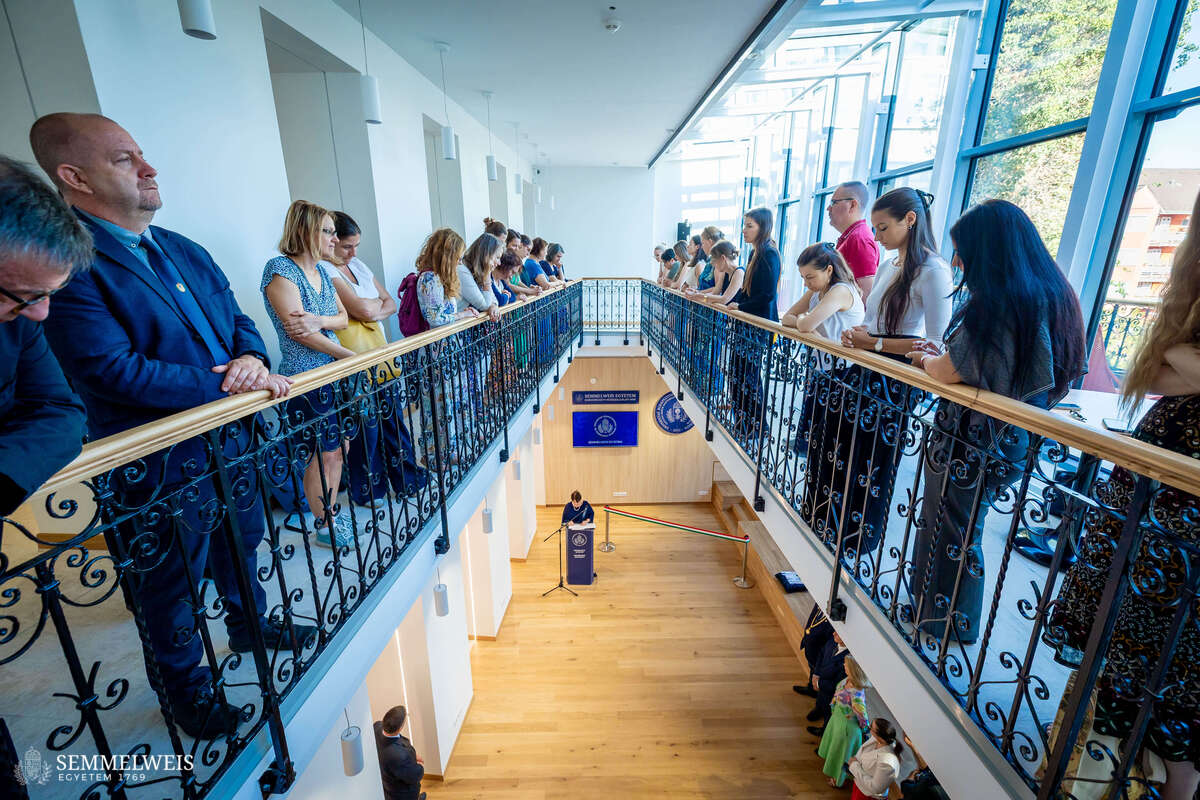
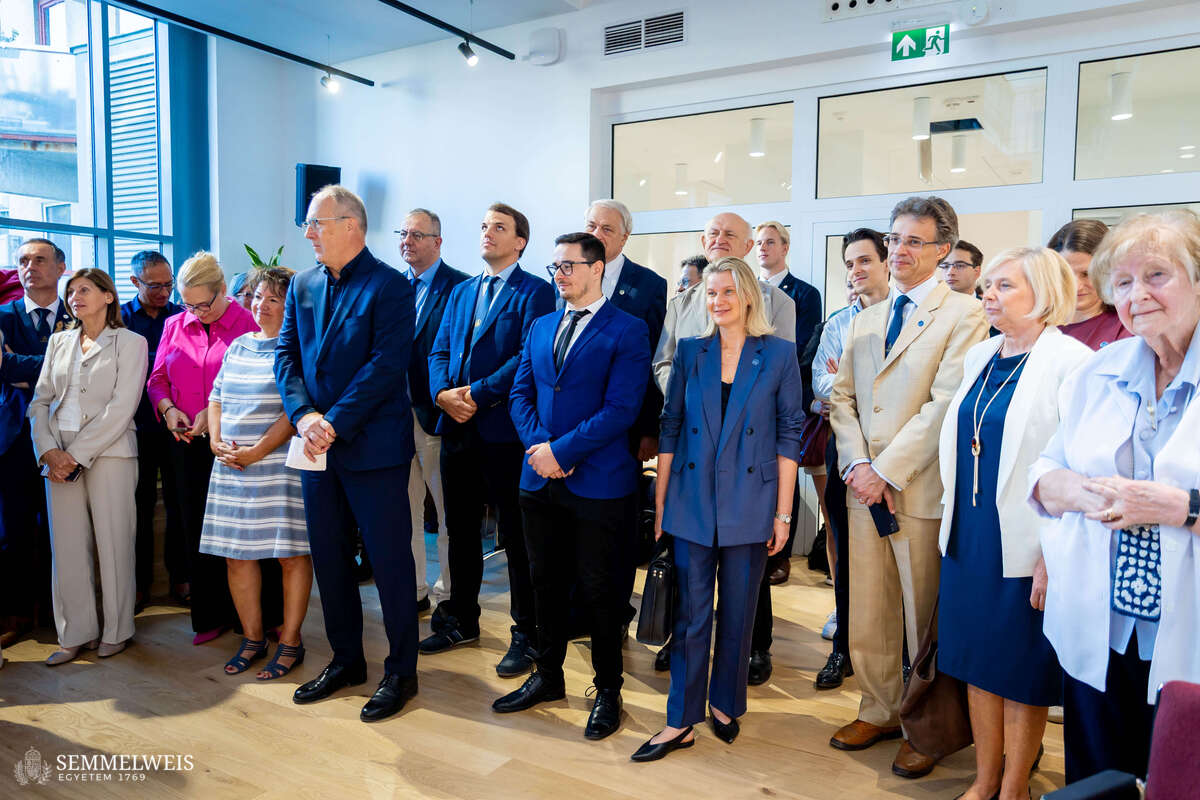
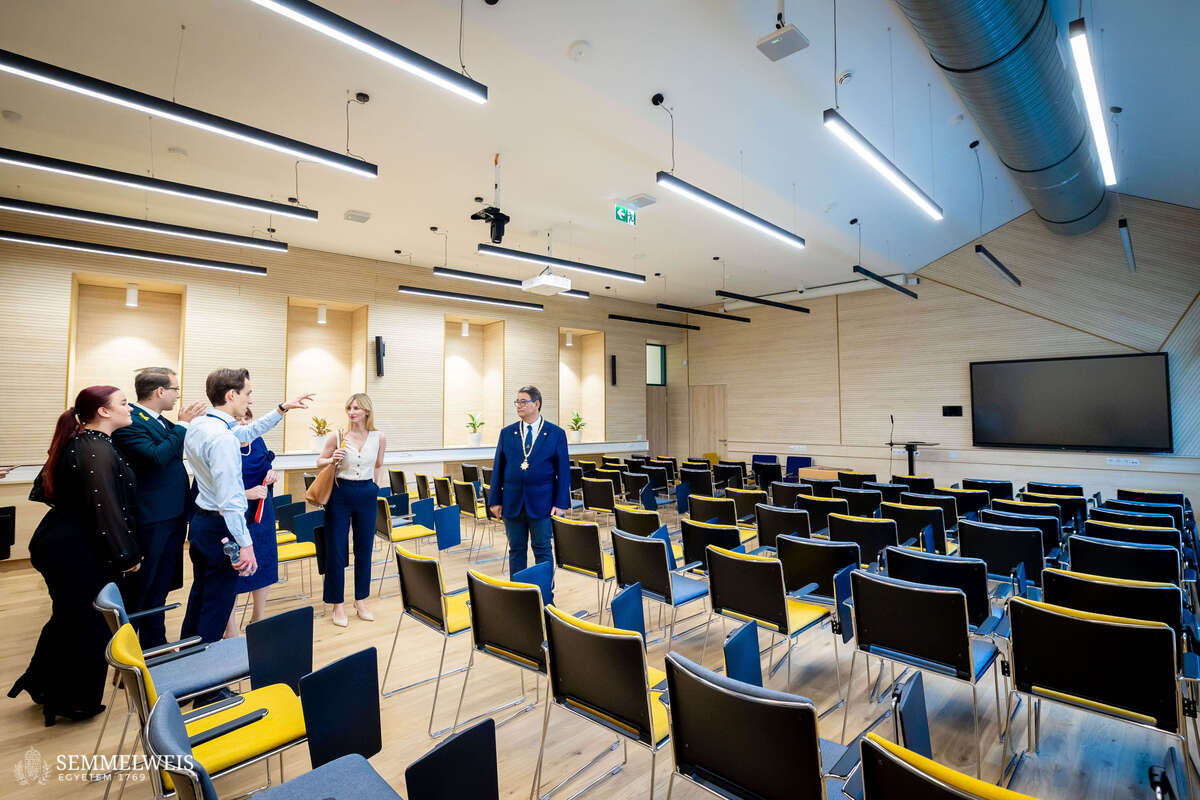
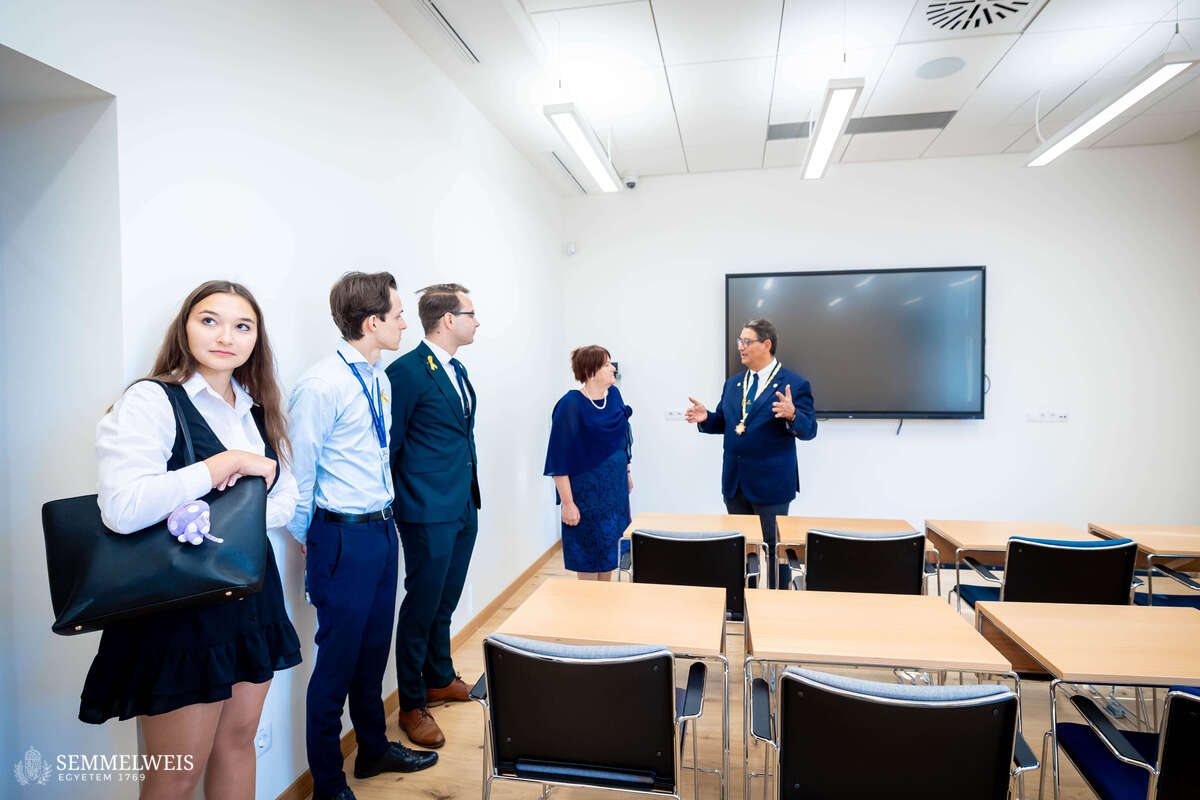
At the ceremony, Dr. Béla Merkely, Chancellor Dr. Lívia Pavlik, and Dr. Beáta Pethesné Dávid officially inaugurated the renovated campus on Ferenc Square with a ribbon-cutting ceremony. Afterward, the dean and the rector gave the attendees a tour of the building.
Ádám Szabó
Translation: Dr. Balázs Csizmadia
Photos by Boglárka Zellei – Semmelweis University