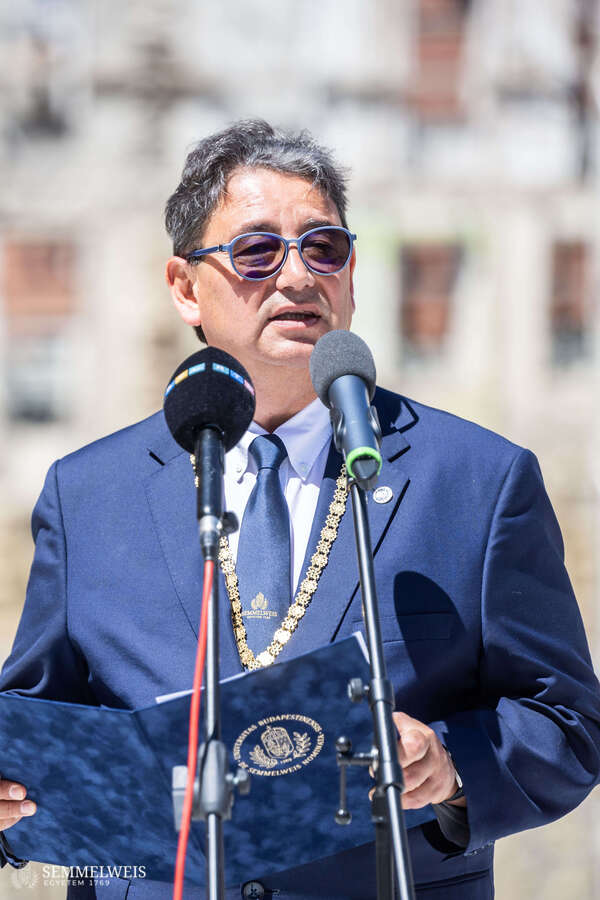
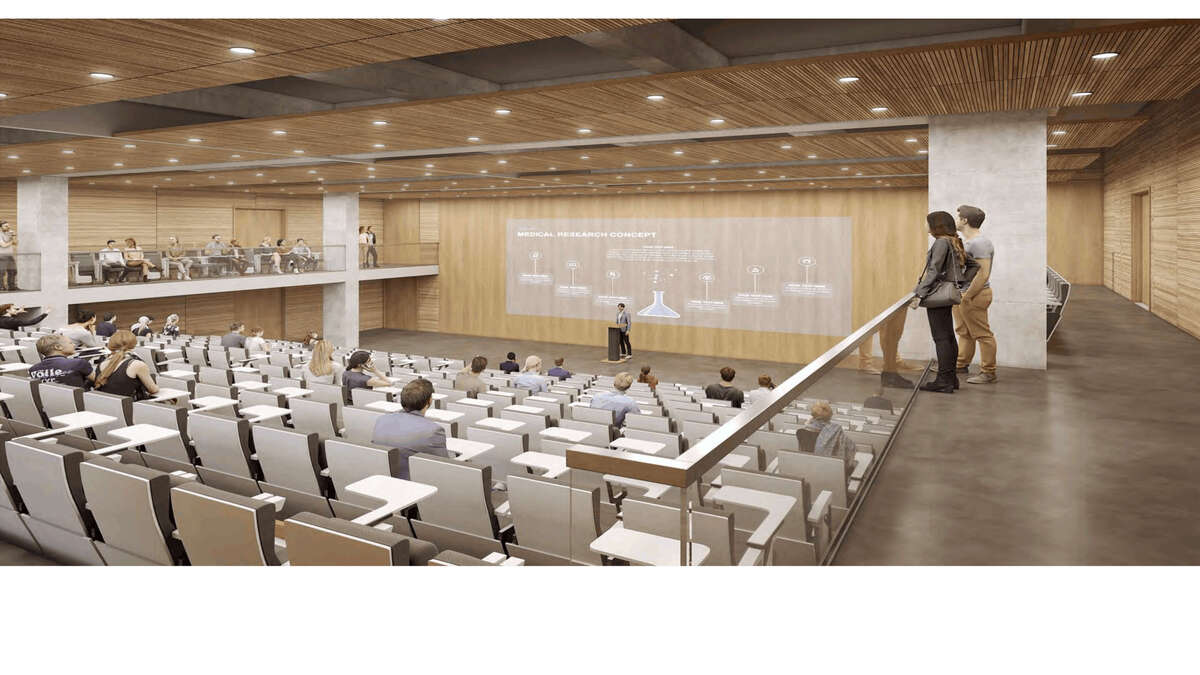
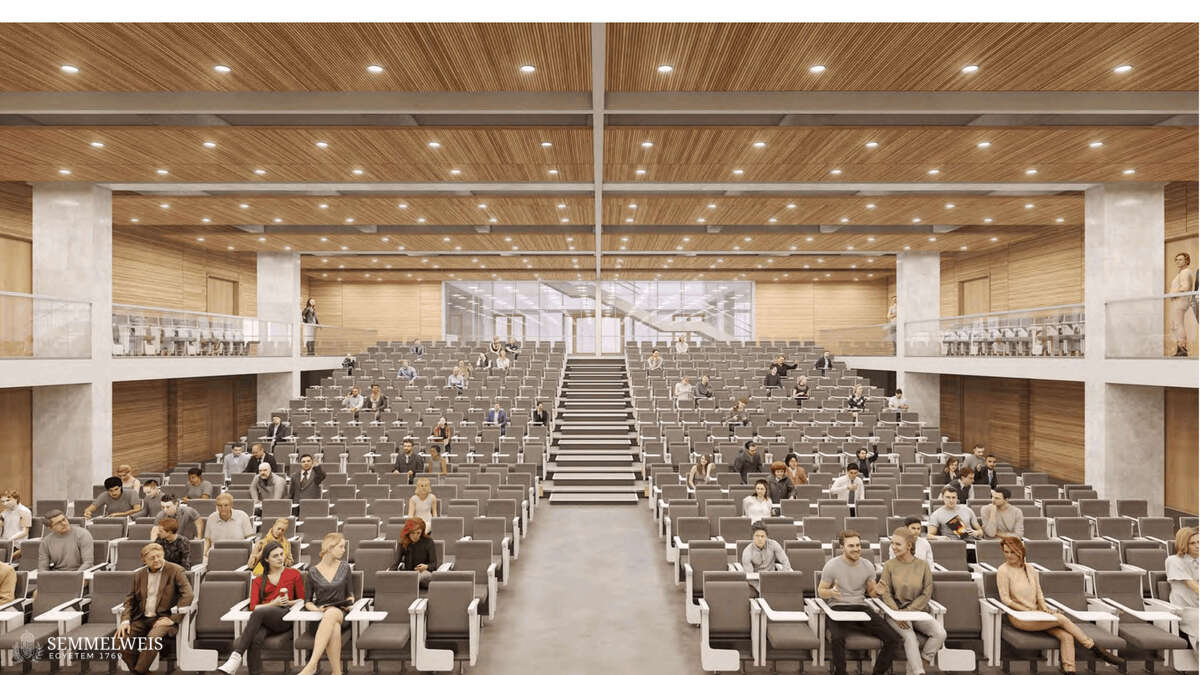
 At the beginning of his ceremonial address, Dr. Béla Merkely noted that Semmelweis University was a truly world-class knowledge hub which, throughout its more than 250-year history, had always been a gathering place for leading medical and healthcare professionals, healers, educators, and researchers. “The reason we have been able to keep moving forward and improving for more than a quarter of a millennium is that this invaluable knowledge has never been lost – we have always preserved it, and it has always been passed down from generation to generation. The strongest pillar of our institution is its unique, interlocking chain of mentors and students, as well as our ability to identify, attract, and retain talented individuals,” he said. In his words, the laying of the cornerstone for the new building of the Basic Medical Science Center (EOK) holds symbolic significance: It was not only the start of construction on a building that, with a floor area of 22,000 square meters, would expand the university’s infrastructure to include student spaces, classrooms, and a 1,000-seat lecture and event hall, but it also laid the foundations for the medical science of the future. “EOK II will, in fact, become the new sanctuary of modern theoretical medicine. The students studying here, who will spend a significant portion of their first years of study in the building, will fundamentally shape the future of the Hungarian medical and health sciences professions, and indeed the Hungarian healthcare system and the scientific community, in the decades to come,” he pointed out.
Dr. Béla Merkely emphasized that Semmelweis University was the leading institution of higher education in Hungary and the region, listed among the world’s top 300 institutions in higher education rankings and among the top 200 in its own field. In some disciplines, it ranks even higher: It is among the top 75 in pharmacy & pharmaceutical sciences and ranks 35th in cardiac and cardiovascular systems.
Semmelweis is Hungary’s largest healthcare provider, and one-third of its current 16,000 students come from outside Hungary, representing 130 countries around the world. The number of students is steadily growing, just as the fields of medicine and health sciences are advancing at an extraordinary pace – which is why a new, state-of-the-art building is needed.
“With the completion of EOK II, a spectacular campus will await the medical and healthcare professionals of the future, featuring a large hall that can seat 1,000 people and can be used for graduation ceremonies, conferences, and even concerts,” he noted. The rector added that he was 12 years old when the Nagyvárad Square Theoretical Block (NET) was inaugurated, and he was appointed university professor in the year when the Basic Medical Science Center (EOK) first opened. “I am particularly proud to be standing here today as rector at the cornerstone laying ceremony for EOK II, and to have supported the project as a clinician. After all, we are now laying the foundations not only for the medical science of the future, but also for the clinical practice of the future,” he pointed out.
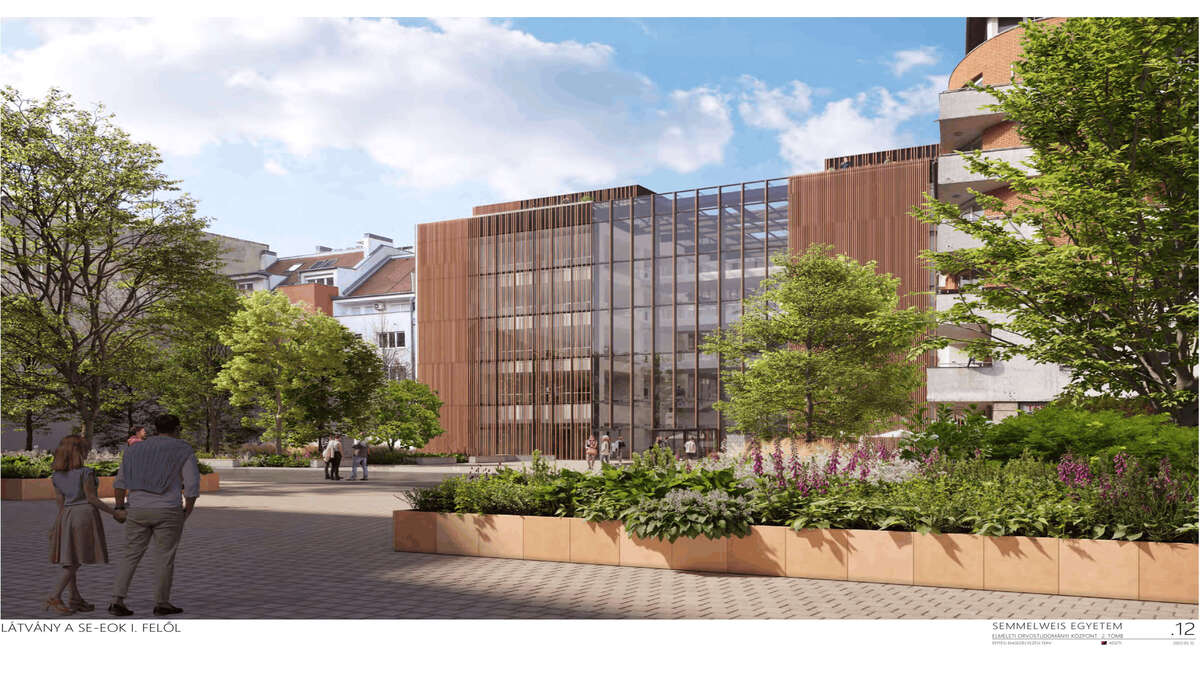
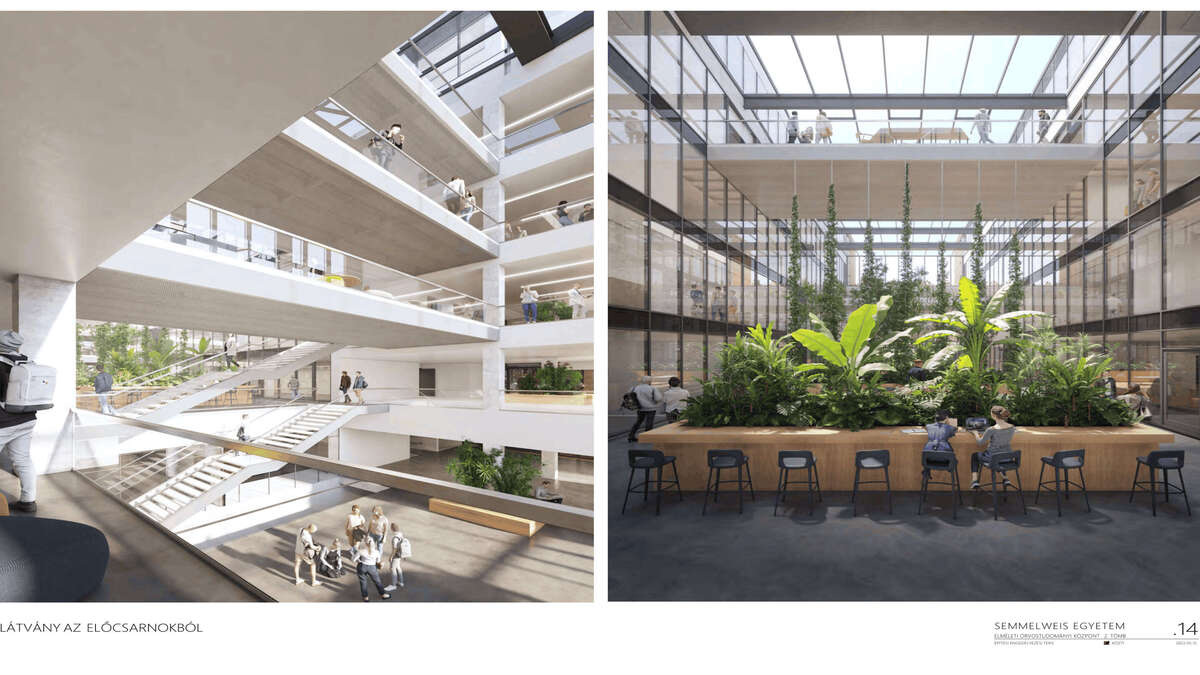
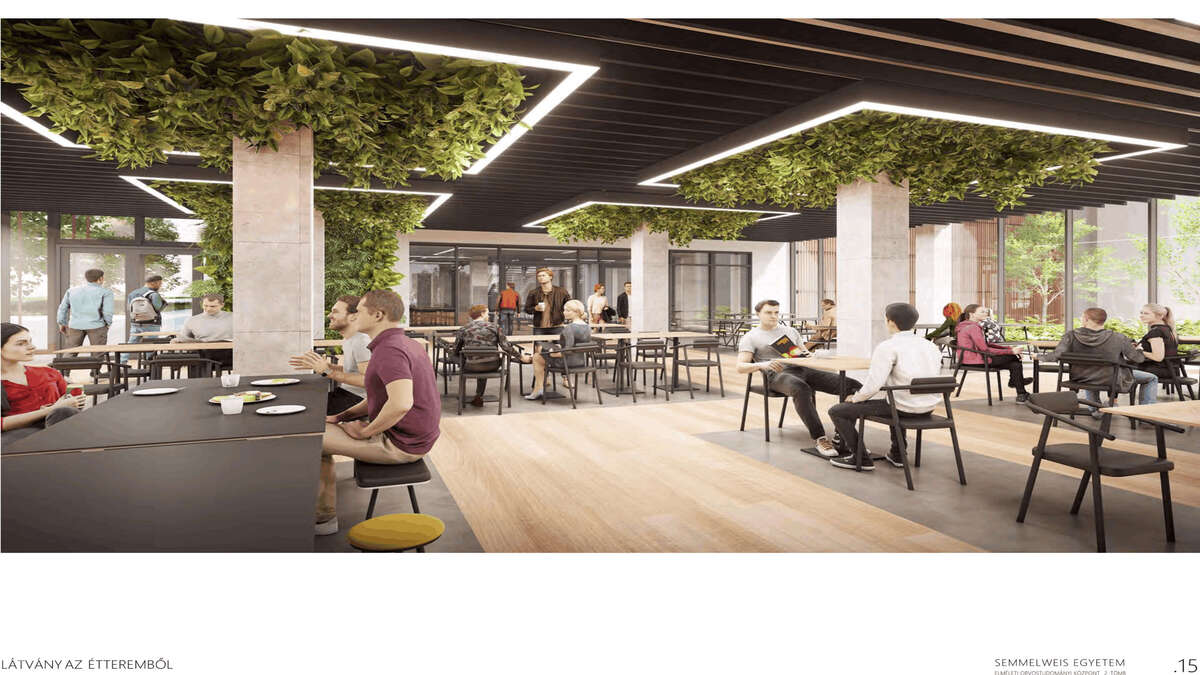
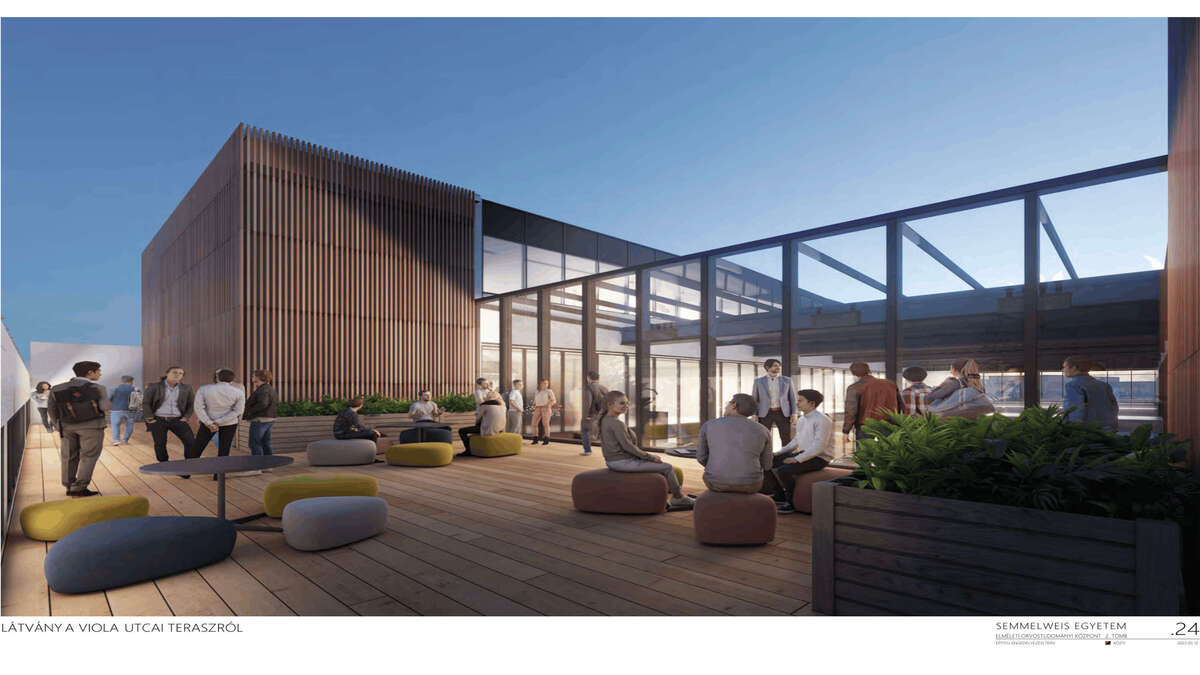
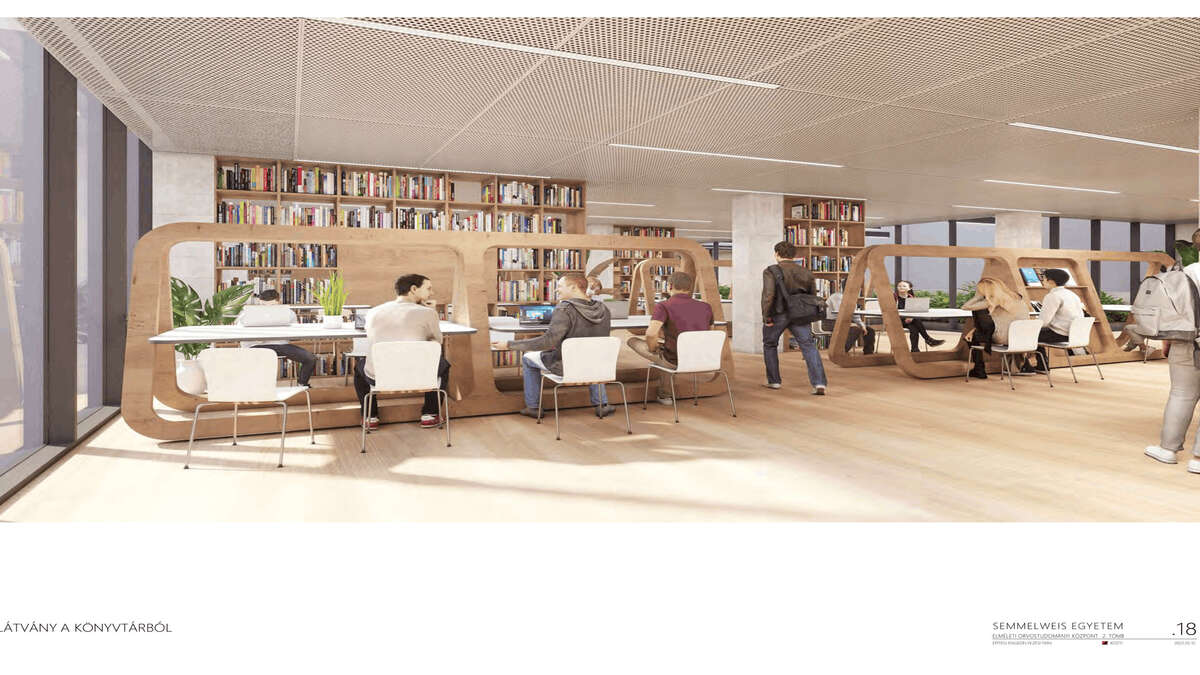
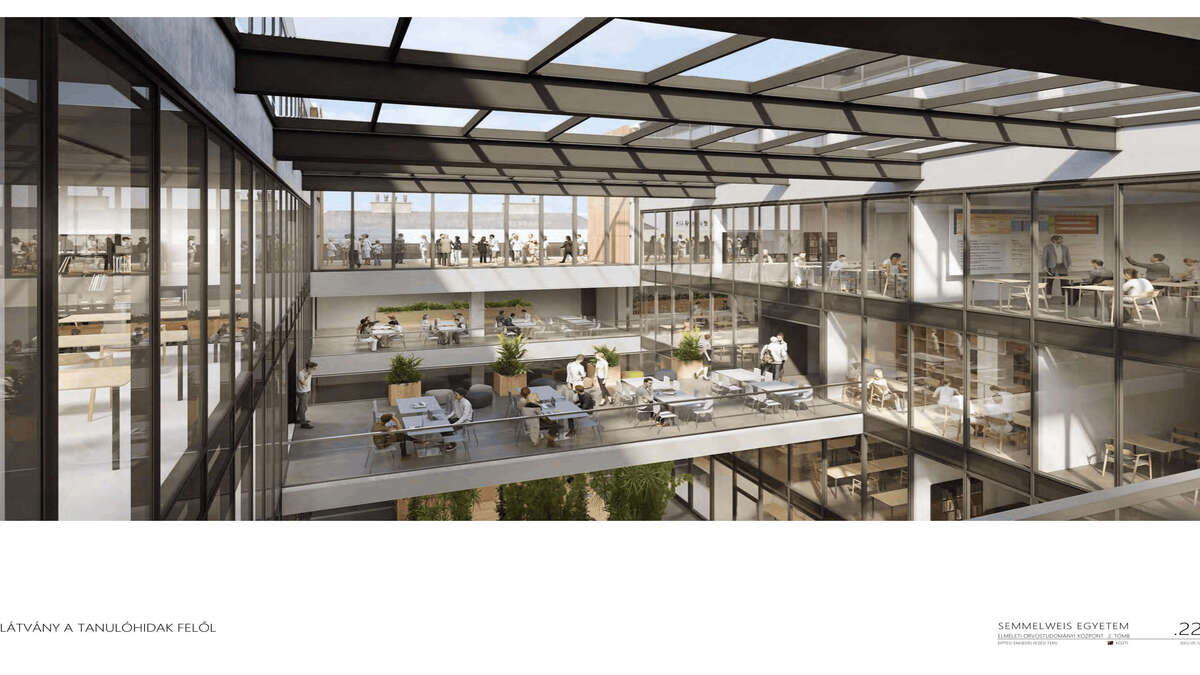
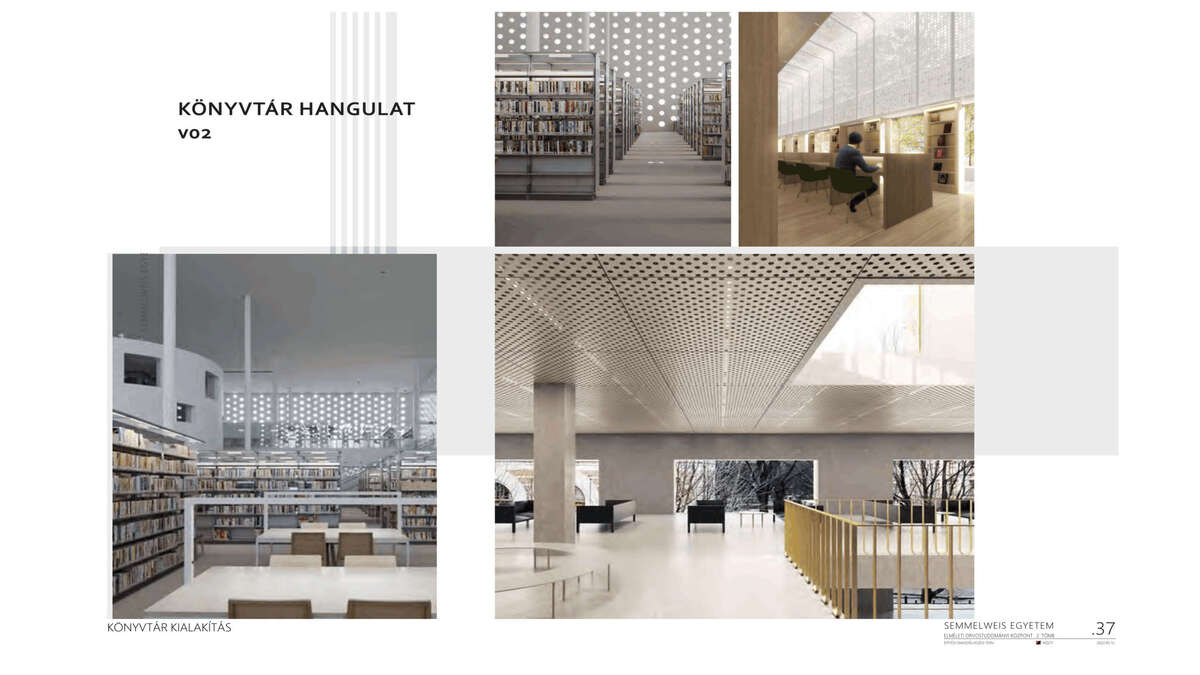
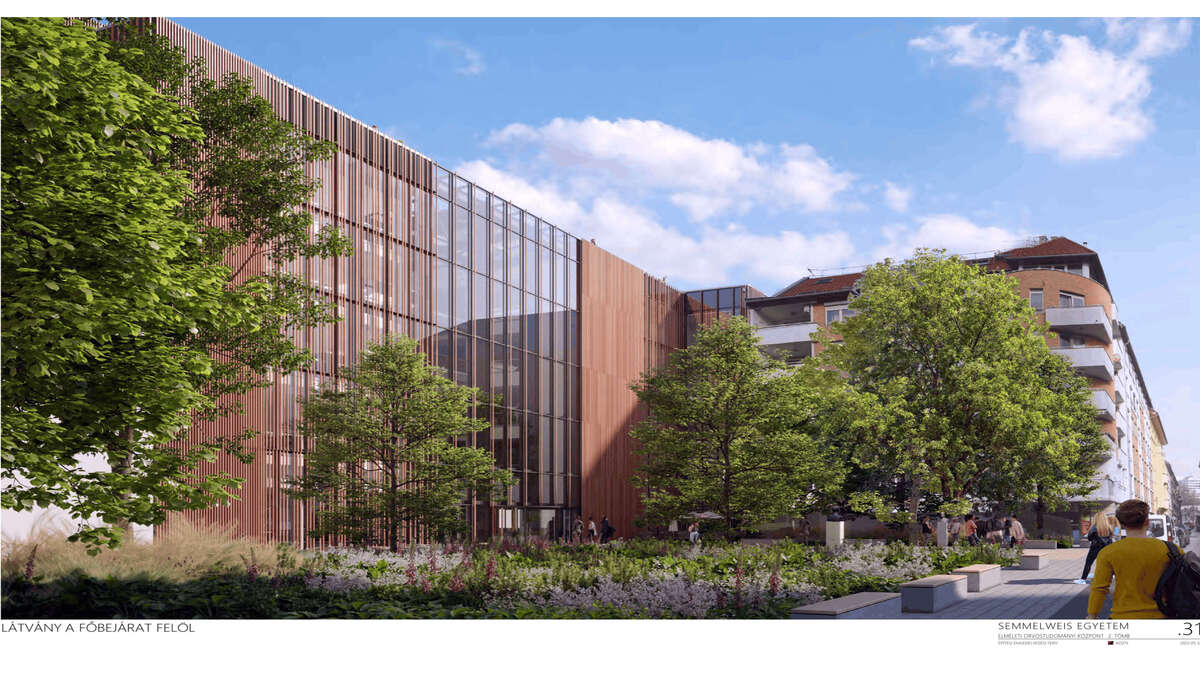
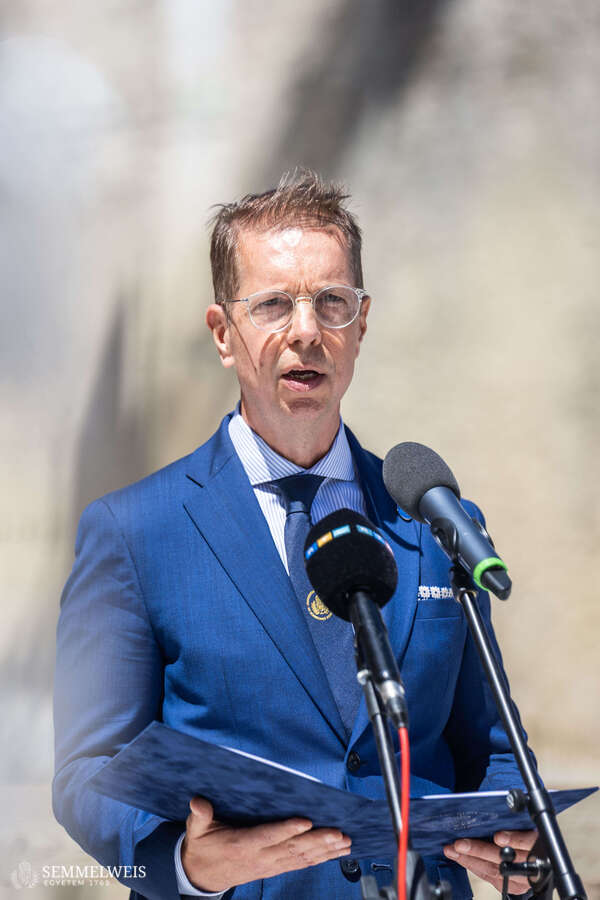 “EOK II is, first and foremost, a place for students. Our mission was to create an educational center that would serve a wide range of students on a daily basis. “The building is not merely a venue for education: We want to create an inspiring academic and community environment where knowledge transfer, collaboration, and innovation can coexist,” said Dr. Péter Nyirády, Dean of the Faculty of Medicine, who also spoke about the work that preceded the construction. The planning process began during the tenure of former Dean Dr. Miklós Kellermayer, when a functional preliminary design was developed. The construction tender was won by Középülettervező Plc. (Közti), with Alfréd Peschka, Zoltán Tima, and Kaplony Tölgyesi serving as the lead designers. The new building will be constructed on the block surrounded by Thaly Kálmán, Tűzoltó, and Viola Streets in the 8th district of Budapest. Of the 22,000-square-meter total floor area, 14,000 square meters will be above ground, while approximately 7,900 square meters will be below surface level, making for a total of five above-ground and three underground levels. “EOK II will be a next-generation educational hub whose primary goal is to provide high-quality support for theoretical training and to offer students an inspiring and functional university environment. The building’s design is not dominated by specialized medical laboratories or technical facilities, but rather by state-of-the-art educational and communal spaces that support everyday university life. An important aspect of the design was to create an environment that could be adapted much more flexibly than the traditional, rigid spatial structure,” said the dean, highlighting the role of the building’s communal spaces. According to Dr. Péter Nyirády, the functional logic and interior design of EOK II were in many ways closer to a modern innovation or office environment than to the world of traditional university buildings – a move designed to meet the needs of 21st-century students.
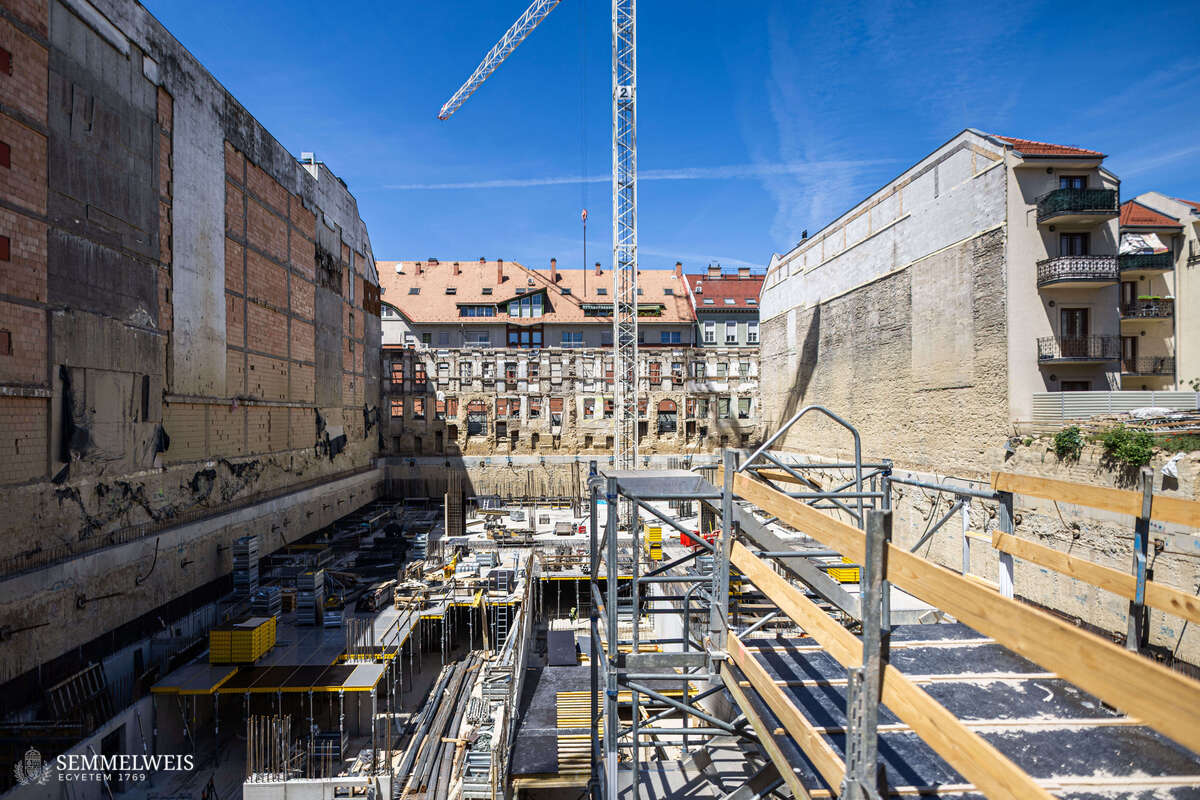
The construction project ahead of us naturally involves the construction of a new building, but in reality, it is about much more than that. Today, we are laying the foundation for our faith in the future, manifesting our conviction that high-quality education of medicine and health sciences requires a modern, inspiring, and people-centered environment.
– Dr. Péter Nyirády
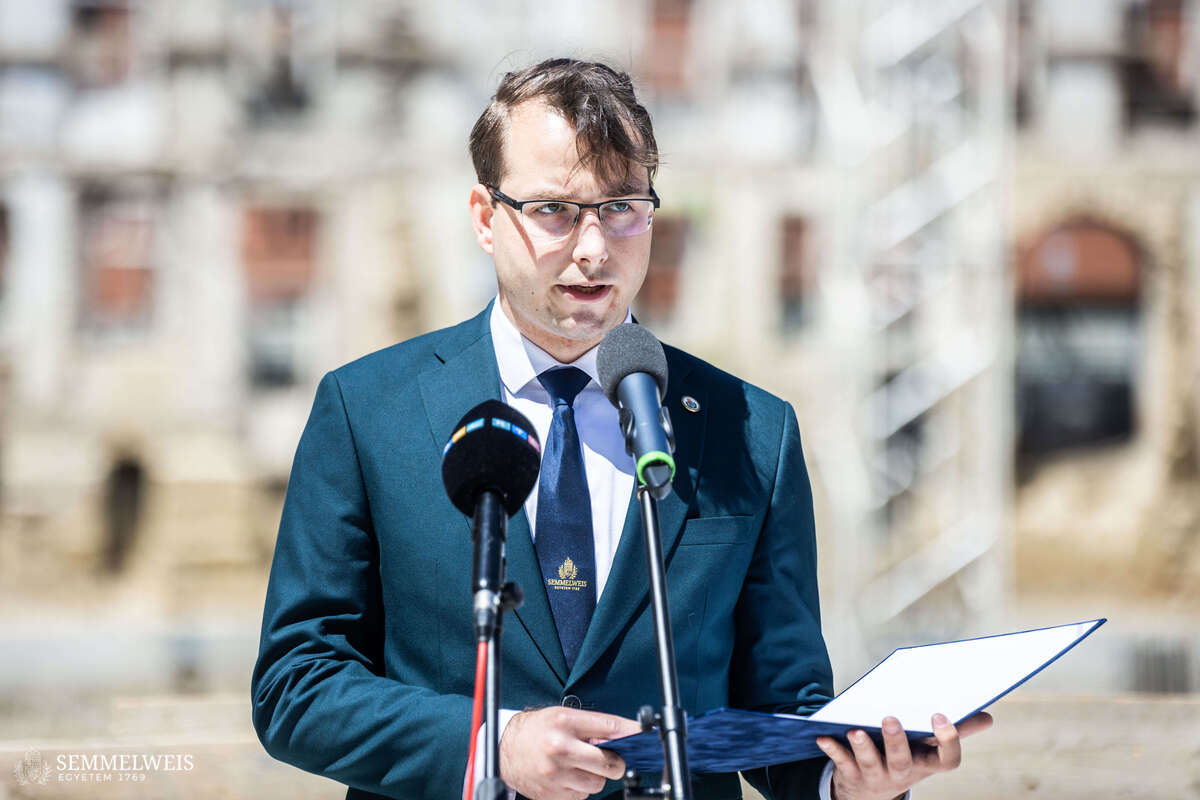 “Today we are encasing a time capsule deep in the ground, containing a letter addressed to the future members of the Semmelweis community. But while we are addressing the doctors, pharmacists, dentists, healthcare professionals, and researchers of the future, we all feel that this message is also a testament to today’s community. It’s about that vibrant student body, hungry for innovation, that shapes the university’s daily life right here and now. To us, Semmelweis is much more than just an educational institution. This is the place where our profession becomes our passion,” said Imre Richárd Nagy. He emphasized that the students’ aspirations all serve a single, common goal: to become the best professionals they can be – and the construction of EOK II is a tangible promise and answer to the needs of generations of students. The President of HÖK was confident that, following the inauguration of the Anatomy & Innovation Center for Education and Research (AICER), the renewal of the university’s infrastructure would continue at a rapid pace and that the handover of the Hőgyes–Schöpf–Merei Pharmaceutical Research Center would also happen soon. “EOK II is primarily a space dedicated to science. The first EOK building has already demonstrated the inspiring power of a state-of-the-art environment. In its new, cutting-edge laboratories, researchers may discover cures for diseases that are currently believed to be incurable. Second, it strengthens the community. These new spaces provide opportunities for the flow of ideas, interdisciplinary collaboration, and well-deserved relaxation. Finally, it conveys a vision for the future and a sense of trust. It sends the message that the institution’s leadership and society believe in us, and this trust places a tremendous responsibility on us,” said Imre Richárd Nagy.
Gallery
Finally, Dr. Lívia Pavlik shared that the construction work on EOK II had begun a year ago, so there was already much to be grateful for. The chancellor then thanked the construction company and the university staff working on the project for their efforts.
Gallery
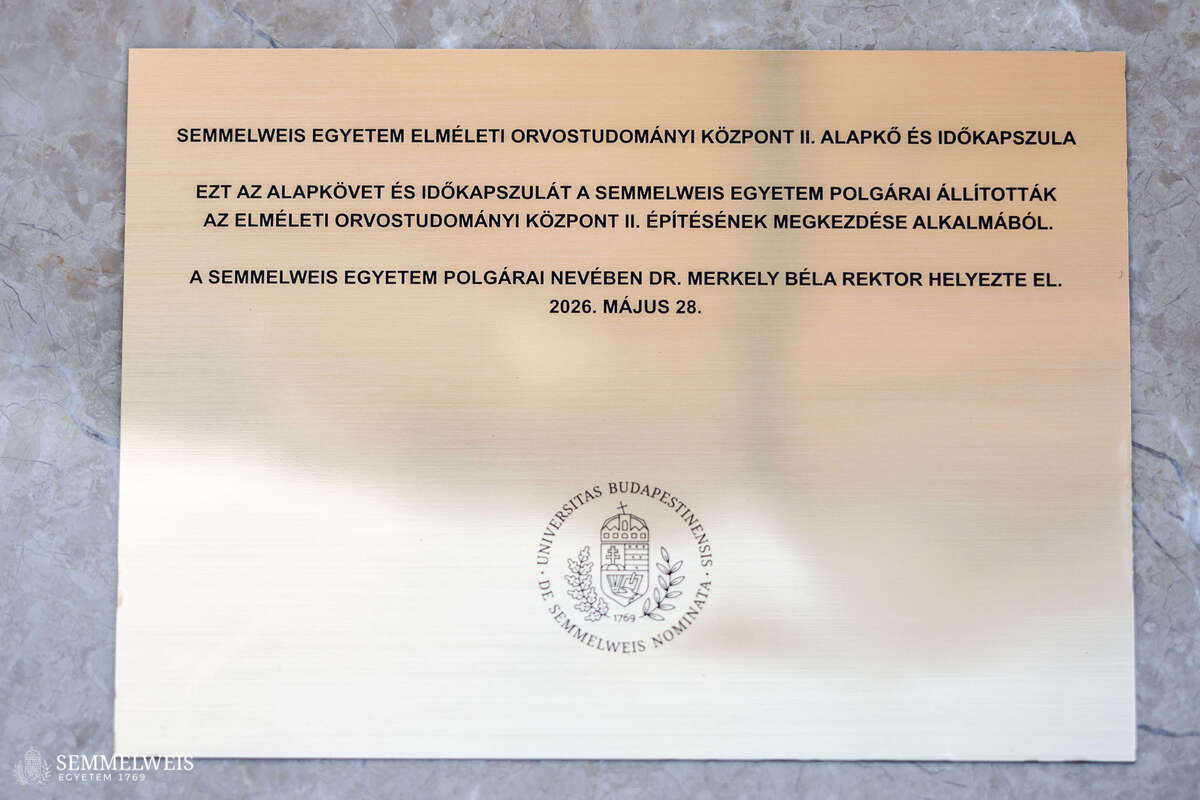
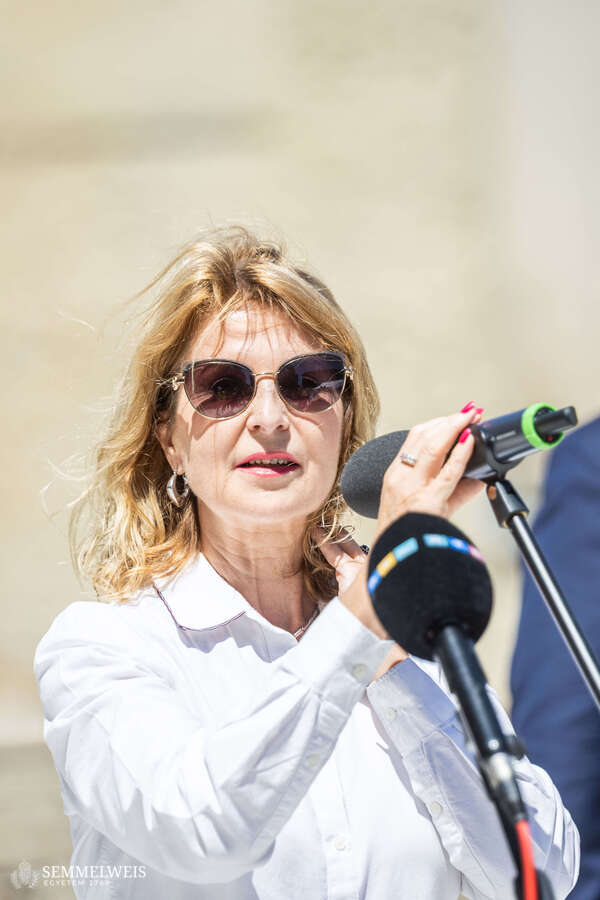
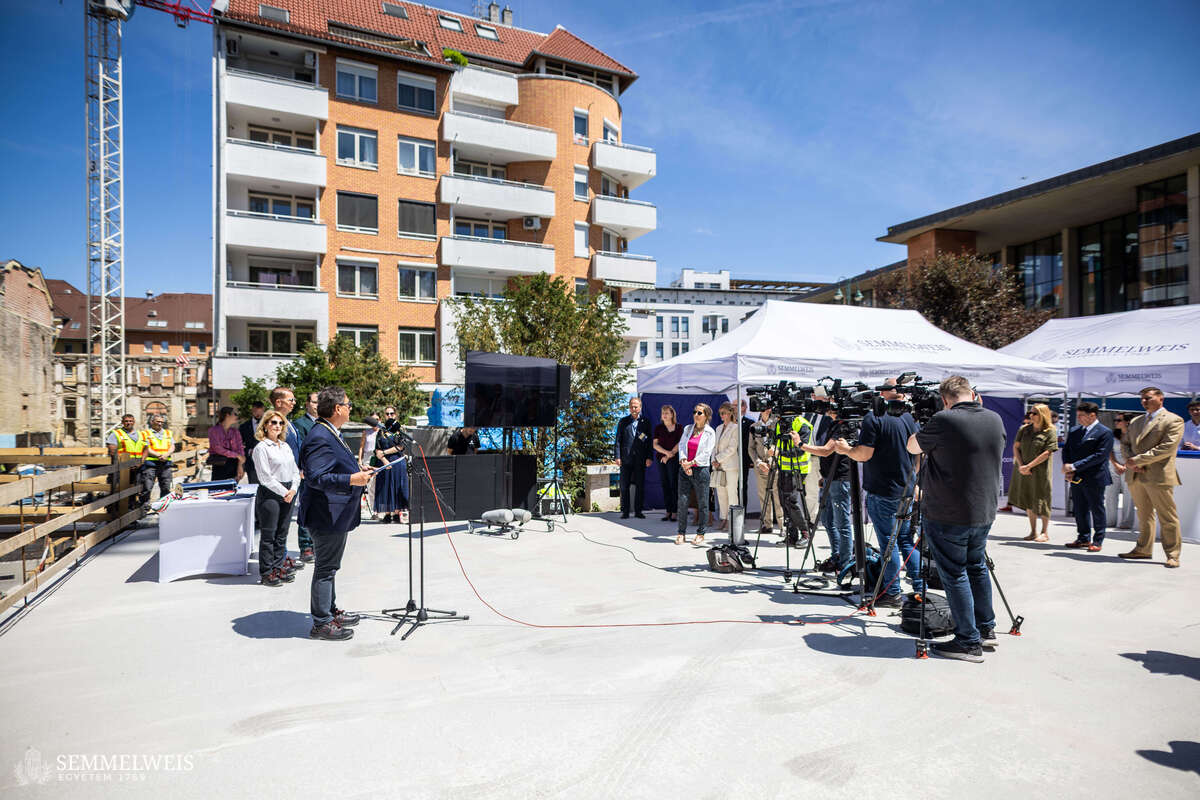
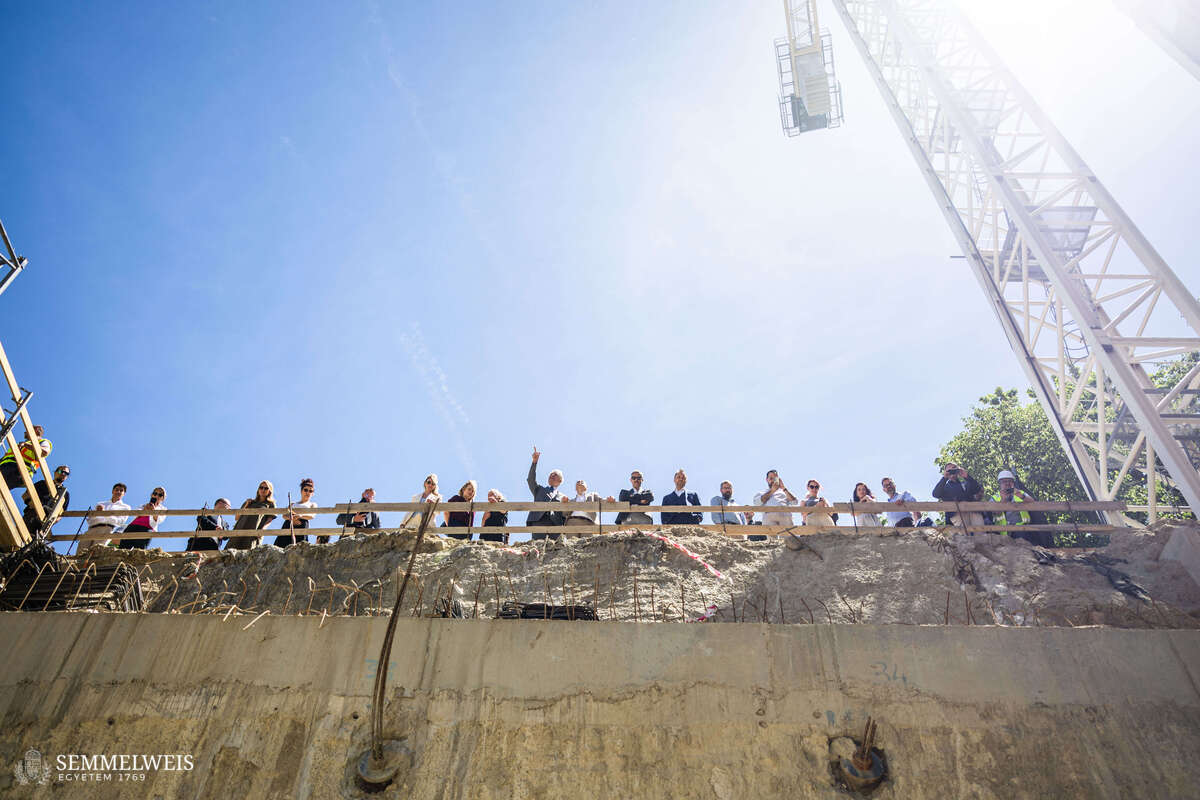
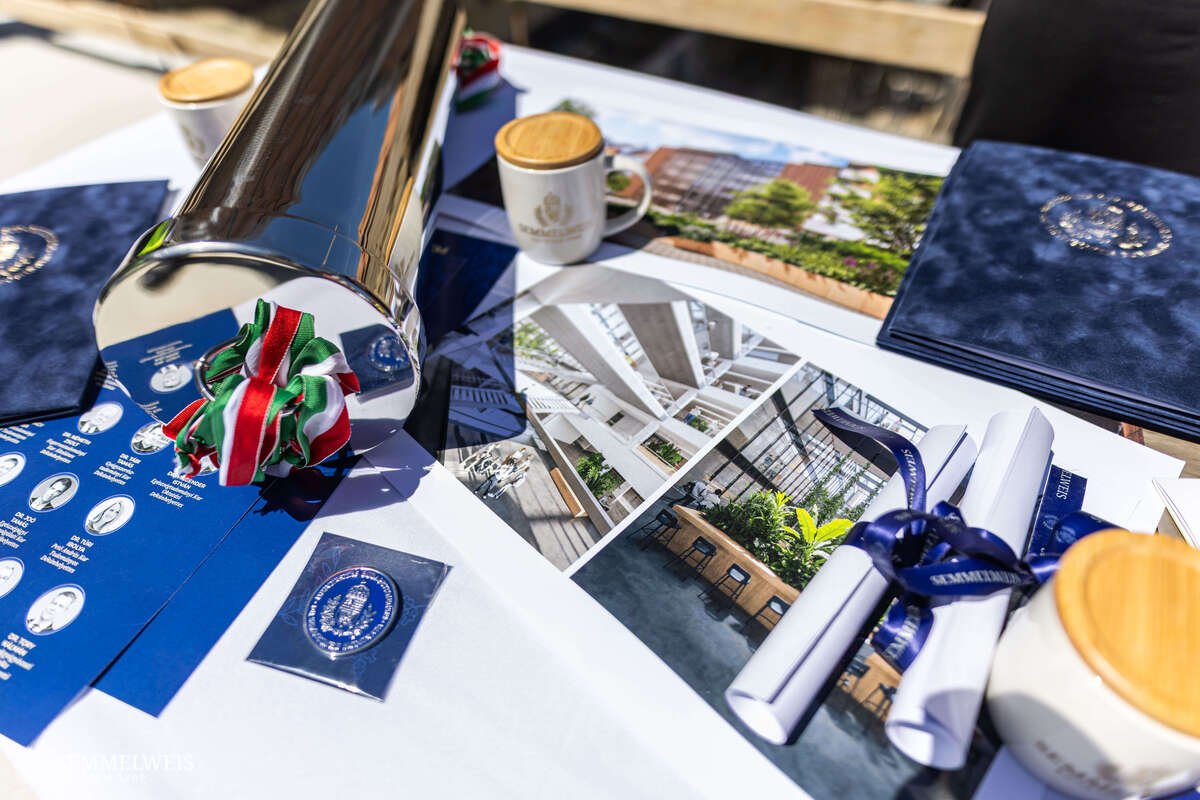
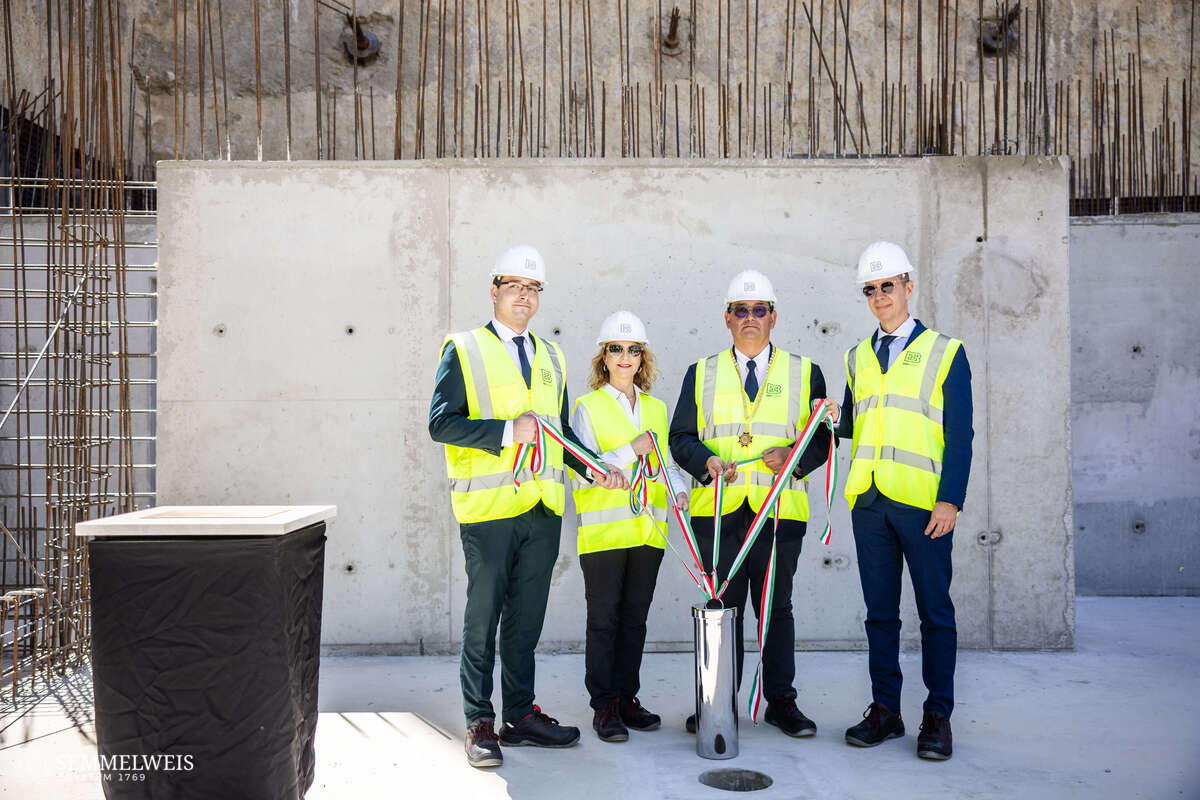
Following this, Dr. Béla Merkely, Dr. Lívia Pavlik, Dr. Péter Nyirády, and Imre Richárd Nagy placed a time capsule in the foundation of the new building.
Ádám Szabó
Translation: Judit Dőtsch
Photos by Bálint Barta – Semmelweis University; Construction visualization