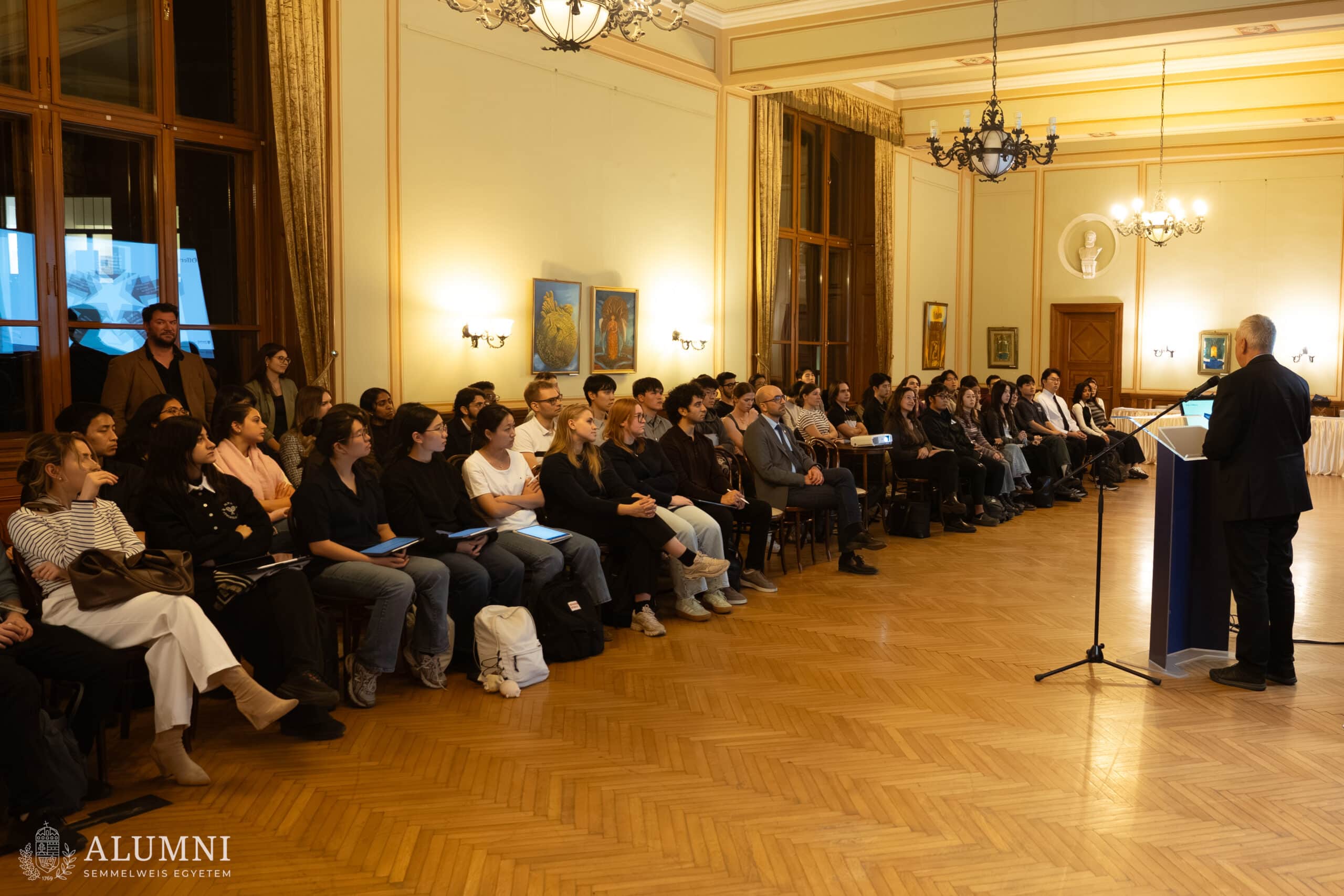
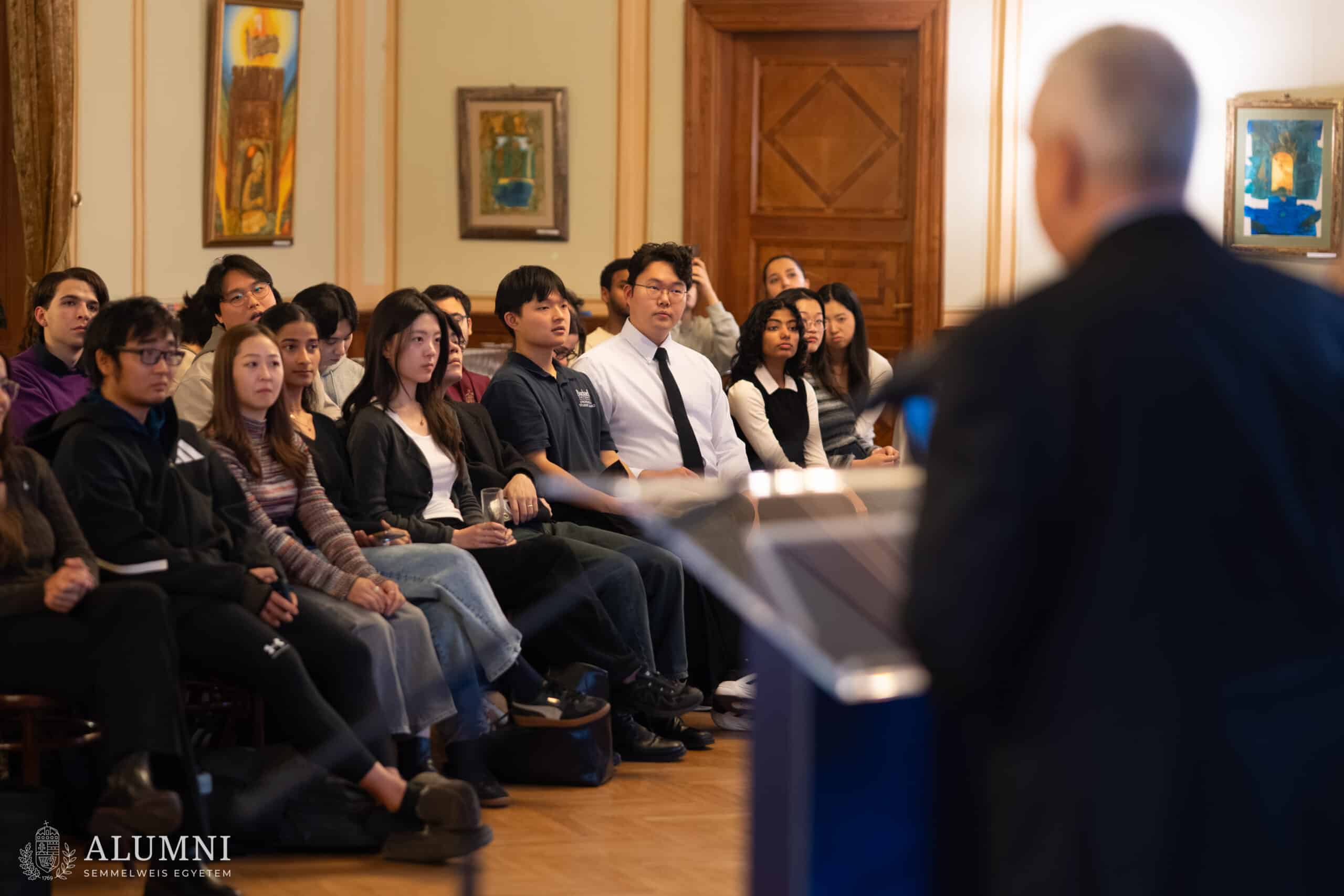
As part of our Meet the Alumni lecture series, Semmelweis University welcomed distinguished alumnus Professor Hans-Christoph Becker, MD, Clinical Professor of Radiology at Stanford University, who shared his professional journey and offered valuable insights into medical career pathways and employment opportunities in the United States. The lecture concluded with an audience Q&A, giving participants the opportunity to ask questions and engage directly with Professor Becker.
Gallery
3images
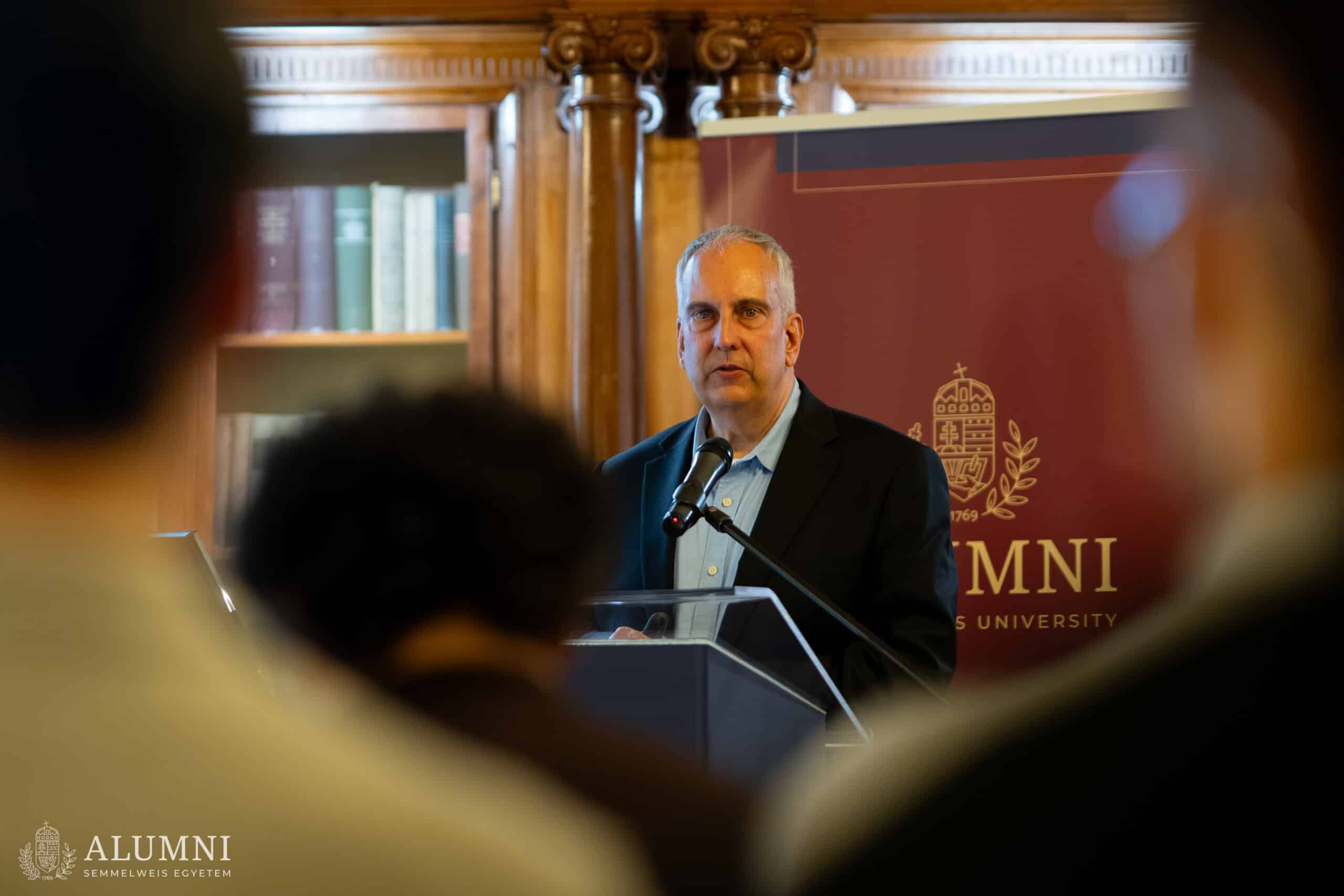
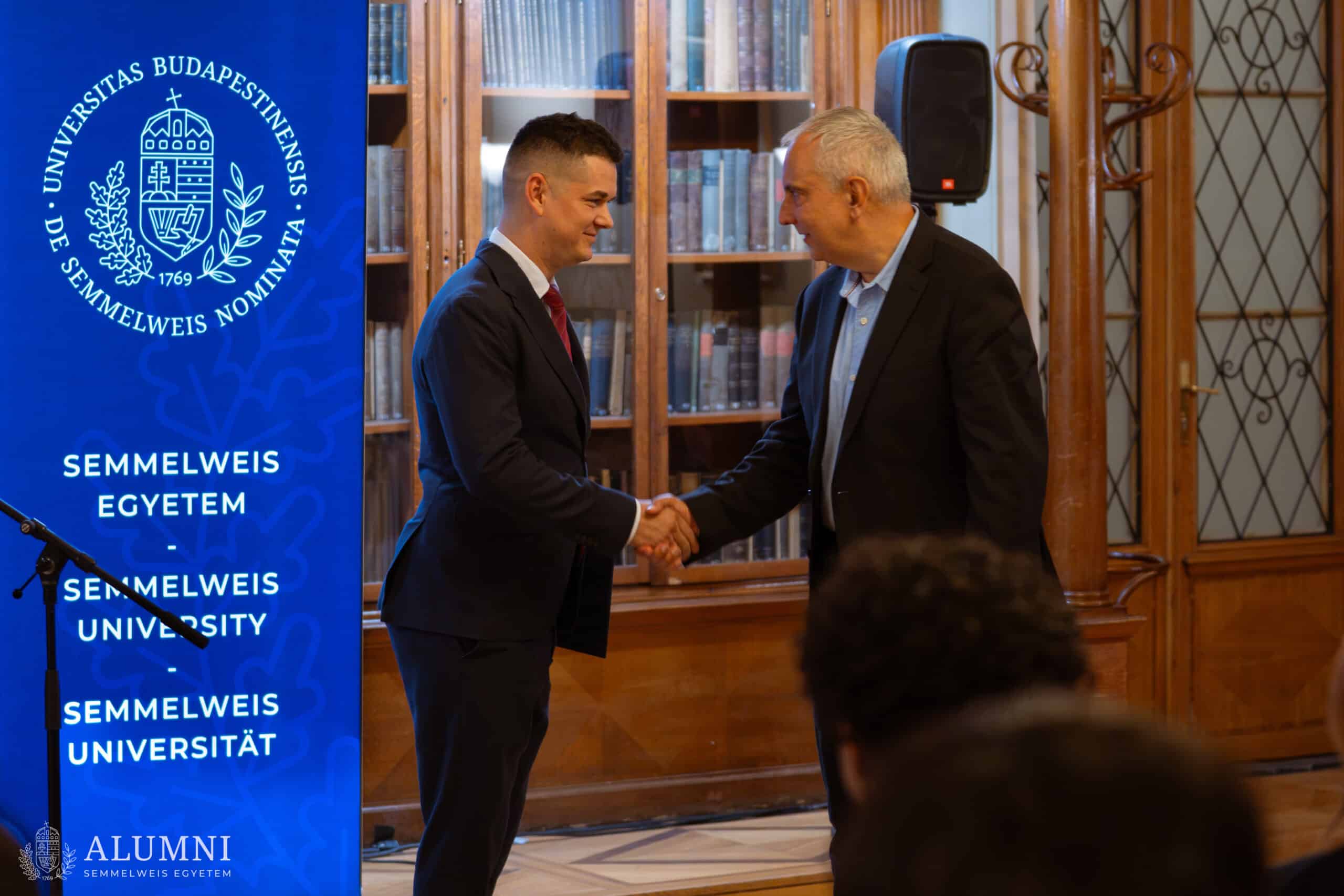
The latest event in the university’s alumni series was opened by Levente Vágó, Deputy Director of International Relations and Alumni Affairs, who welcomed the participants and introduced the guest speaker. Professor Becker’s international career is an inspiring example of how the knowledge and professional foundations gained at Semmelweis University can lead to outstanding opportunities at leading medical institutions around the world.
During his lecture, Professor Becker looked back on his journey from medical studies in Budapest to his current academic and clinical position at Stanford University in California. He also recalled his return to the university for the International Alumni Meeting in 2025, highlighting his strong connection to his alma mater. As he noted, studying at Semmelweis University and beginning one’s professional career here is a valuable foundation for the future.
Professor Becker began by sharing what inspired him to pursue medicine. His family’s dedication to the medical profession played an important role in his decision, alongside his early interest in the natural sciences. He then outlined the key milestones of his professional development and explained how he built his expertise in diagnostic and cardiovascular radiology.
His career path included several prestigious institutions in the United States, among them Mount Sinai Hospital in New York, Mayo Clinic in Rochester, Brigham and Women’s Hospital in Boston, and the Medical University of South Carolina in Charleston. After receiving several professional opportunities, he ultimately chose a faculty position at Stanford University, where he found an academic and clinical environment particularly suited to his interests and ambitions.
Professor Becker also presented some of his major professional achievements, reflecting his commitment to research, innovation, and academic medicine. His accomplishments include more than 200 peer-reviewed publications, four patents, six awards, three books, 15 book chapters, and numerous editorials and reviews. In addition to his research activities, he serves as an editor and reviewer and has been involved in several publicly funded research projects.
Drawing on his experience at Stanford, Professor Becker discussed the aspects of the American healthcare and academic system that he particularly values. These include professional recognition, dedication, a strong focus on employee well-being, continuous quality improvement, and regular feedback.
He also explained how his responsibilities are structured at Stanford, combining clinical care, academic work, and teaching. His current workload consists of approximately 75% clinical care, 15% academic activities, and 10% teaching. His professional activities also include research projects, tumour response assessment, and quality improvement initiatives. He emphasised that a well-organised working environment and attention to professional well-being are essential for maintaining high standards of patient care and preventing burnout.
One of the central parts of the lecture focused on the practical steps international medical graduates and students need to take when considering a career in the United States.
Professor Becker introduced the main examinations and accreditation requirements, including the United States Medical Licensing Examination (USMLE), which consists of Steps 1, 2 CK, and 3, as well as the certification process of the Educational Commission for Foreign Medical Graduates (ECFMG). He also explained the role of the Accreditation Council for Graduate Medical Education (ACGME) in postgraduate medical training.
He encouraged students interested in pursuing opportunities in the United States to become familiar with the USMLE process early on, mentioning First Aid for the USMLE Step 1 as a useful study resource. While passing the examinations does not guarantee a position, completing the necessary requirements can open doors to further professional opportunities.
The lecturer also presented several pathways available to international students and physicians, including short-term clinical observerships, international visiting student electives, postdoctoral research positions, and academic faculty appointments.
In particular, he introduced Stanford University’s International Visiting Student Program, outlining its application requirements, duration, and associated costs. He also discussed opportunities for international postdoctoral researchers and the qualifications expected of candidates applying for faculty positions, including academic achievements, research experience, teaching activities, and professional references.
In closing, Professor Becker shared advice based on his own professional experience. He encouraged students and young physicians to remain flexible, explore different working environments, and continuously challenge themselves rather than becoming too comfortable in one position. He suggested that changing workplaces and gaining new experiences every ten years or so can be a valuable way to support professional growth and broaden one’s perspective.
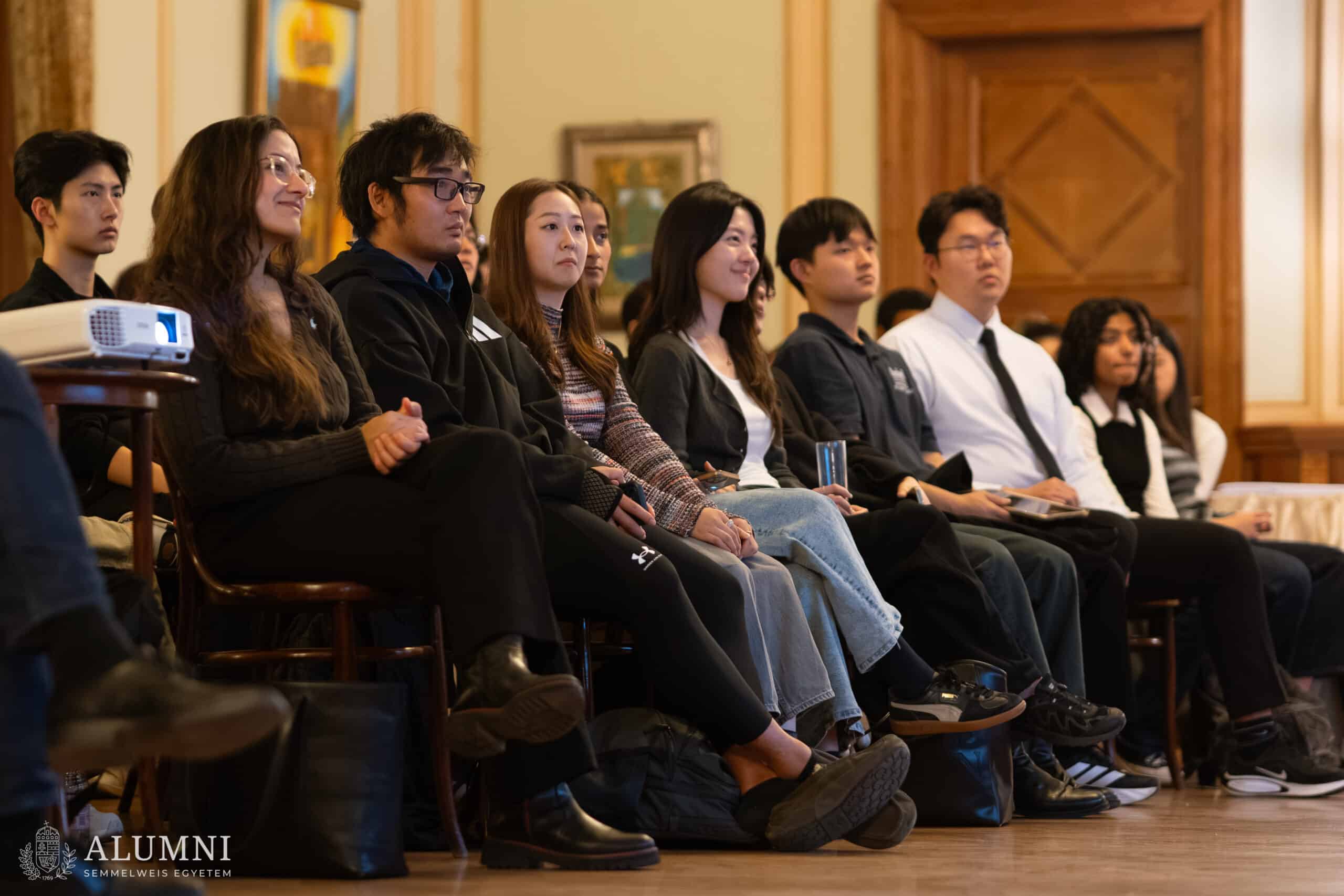
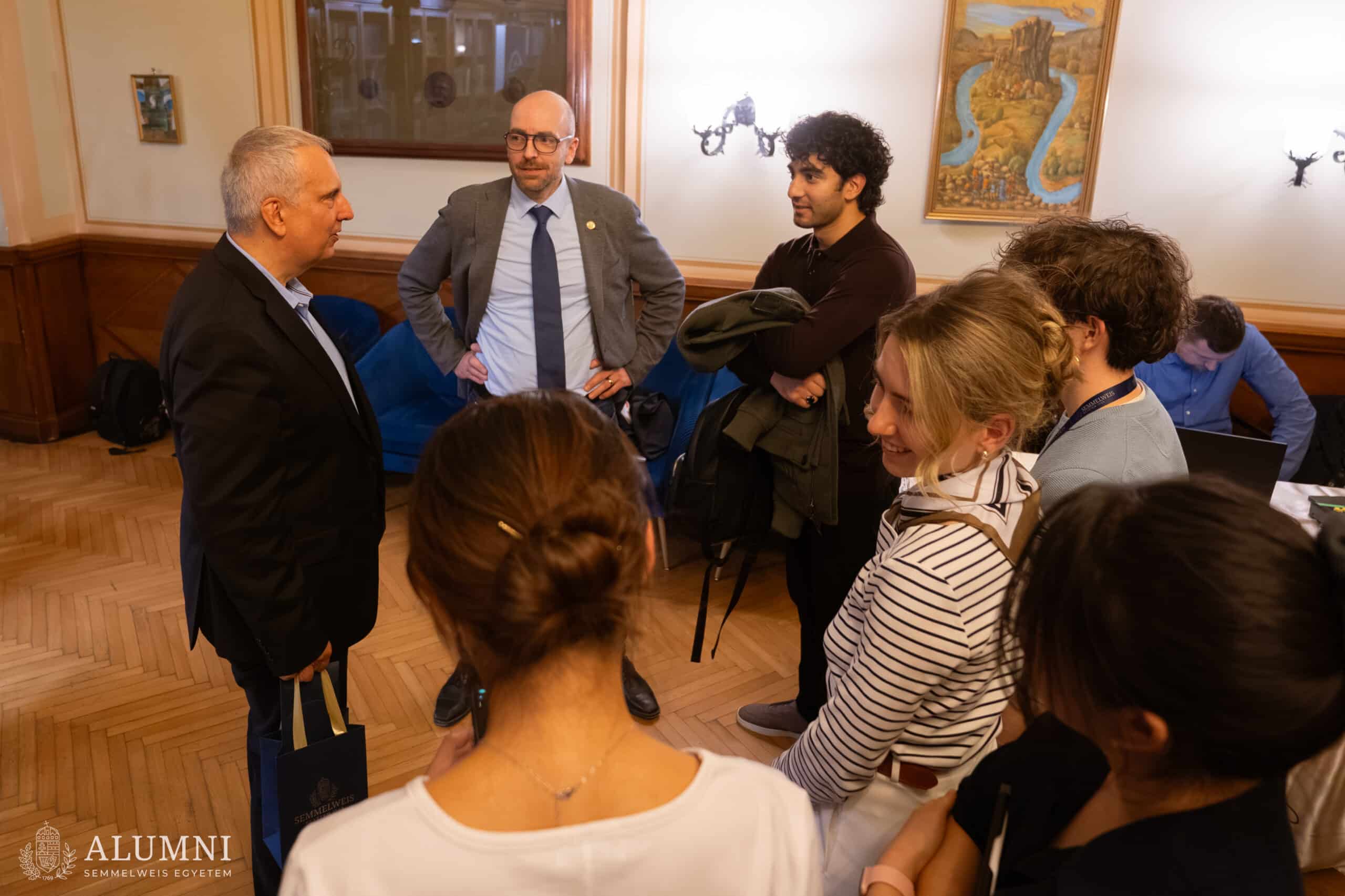
The lecture concluded with an audience Q&A, giving participants the opportunity to ask questions and engage directly with Professor Becker about international career development and the practical realities of working in the American medical system.
More event photos are available on the Semmelweis Alumni Facebook page.
Gallery
4images
Speaker Introduction
Professor Becker is a Clinical Professor in the Department of Radiology at Stanford Hospital & Clinics, Stanford University, California. His professional journey has taken him from his medical studies in Europe to a leading academic medical environment in the United States, where he has developed extensive expertise in diagnostic and cardiovascular radiology.
His academic and clinical work spans several important areas of modern medical imaging, including cardiovascular computed tomography, cardiac imaging, and the application of advanced imaging techniques in cancer research and treatment assessment. Alongside his clinical responsibilities, Professor Becker has made significant contributions to medical research, scientific publications, and innovation in diagnostic imaging, including the development of patented medical technologies.
His portrait interview is available here: https://semmelweis.hu/english/2022/05/hans-christoph-becker-the-most-challenging-facet-of-medicine-is-its-complexity/
The “Meet the Alumni” series provides Semmelweis students with the opportunity to learn directly from graduates about their experiences and career choices.
The “Meet the Alumni” lecture series will continue.
Photos by Kiss Domonkos Pál, Semmelweis University, Students Union
Zsuzsanna Fecser, Semmelweis University, Directorate of International Relations and Alumni Affair