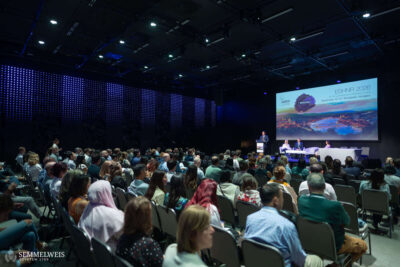
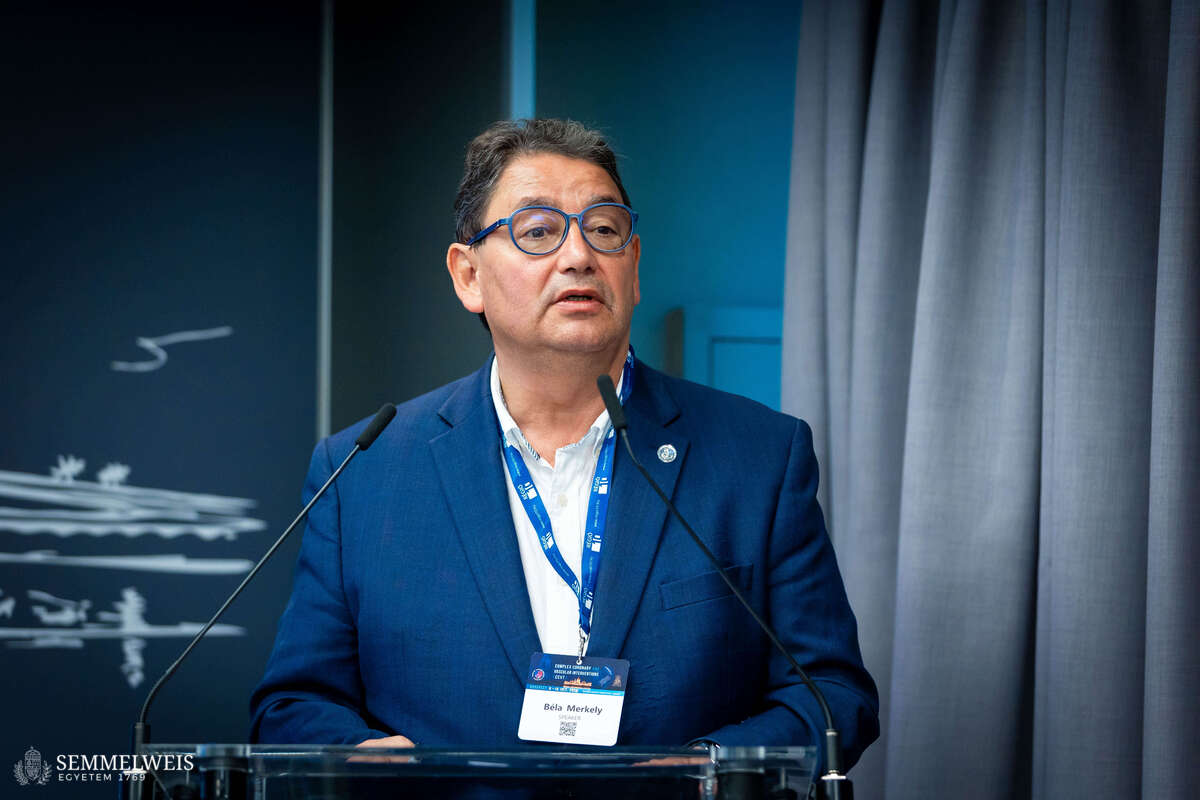
Referring to the conference’s topicality in his opening remarks, Rector Dr. Béla Merkely emphasized that cardiovascular diseases were among the most common public health issues and were also the leading causes of death not only in Hungary but also in the European Union and worldwide. He noted that in everyday clinical practice, an increasing proportion of patients were high-risk individuals with multiple comorbidities, and that successful care for these patients required a multidisciplinary approach, advanced imaging, hemodynamic support, and state-of-the-art equipment. He acknowledged the diversity of participants at the inaugural Complex Coronary and Vascular Interventions Congress, adding that, in addition to domestic guests, numerous European and international experts shared their experiences, ensuring the event’s international character that transcended national and continental borders.
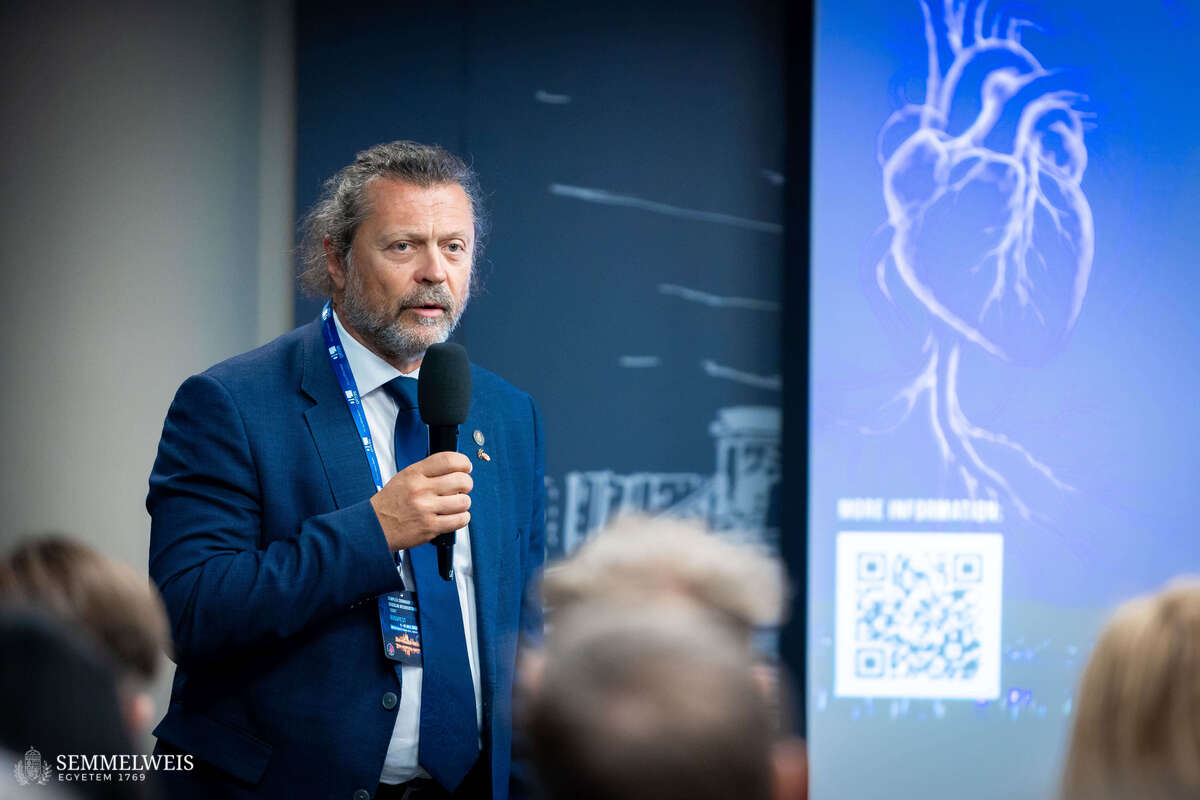
Dr. László Gellér, President of the Hungarian Society of Cardiology and Head of the Electrophysiology Working Group at the Department of Cardiology of the Városmajor Heart and Vascular Center, emphasized that the case demonstrations and discussions – one of the conference’s highlights – enabled participants to expand their knowledge by learning from one another, which in turn benefited both experienced cardiologists and the next generation of professionals in the field. In his brief opening remarks, Dr. Zsolt Piróth, Head of the Interventional Working Group of the Hungarian Society of Cardiology, noted that small-group meetings like this one provided an opportunity for participants to share their day-to-day challenges with one another.
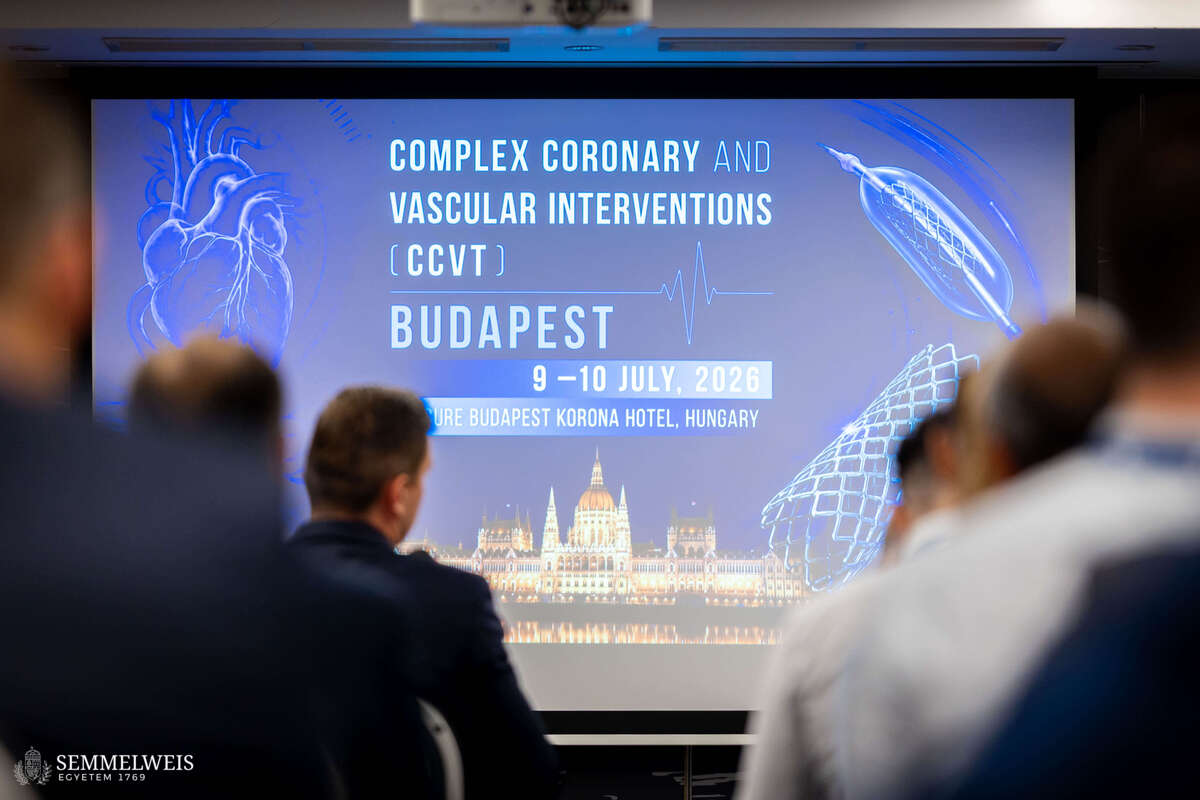
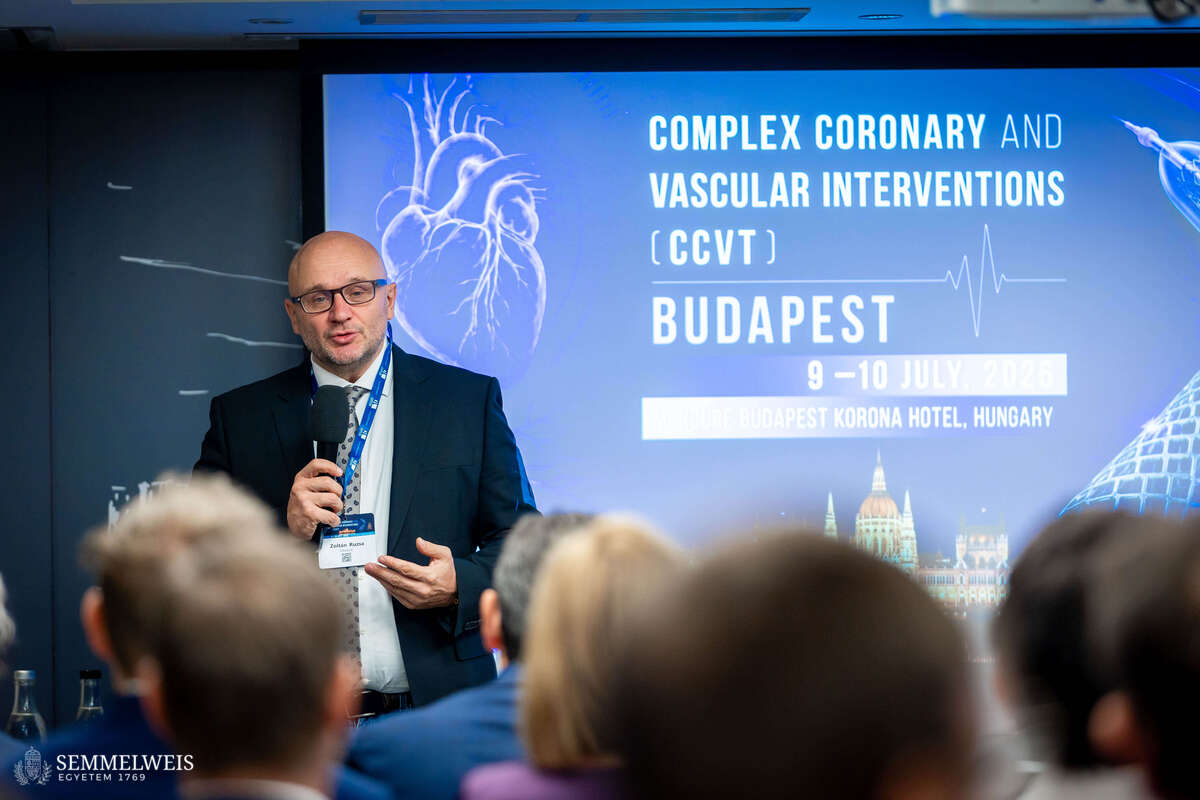 Dr. Zoltán Ruzsa, Chair of the conference Organizing Committee and former Head of the Interventional Working Group of the Hungarian Society of Cardiology, pointed out to our website that the event covered the rapidly evolving field of complex coronary and peripheral vascular interventions. Its main topics included CHIP interventions, plaque preparation, coronary CTO recanalization – that is, the reopening of chronic total occlusions in the coronary arteries – as well as the management of peripheral chronic total occlusions (CTO) and chronic limb-threatening ischemia (CLTI). He believed that the event was relevant because an increasing number of elderly patients with comorbidities and complex, calcified lesions (atherosclerosis) were receiving catheter-based treatment as part of interventional cardiology and endovascular therapy. He added that in these cases, successful treatment was no longer solely a technical matter, but also required joint decision-making across multiple specialties, state-of-the-art imaging, functional assessment, proper choice of equipment, and a strategy for managing complications.
The congress featured presentations by experts from Italy, Japan, Germany, Poland, Austria, Romania, Slovenia, Turkey, Croatia, India, the United Kingdom, and the Netherlands, along with speakers from several Hungarian universities and national centers, including Semmelweis University, the Gottsegen National Cardiovascular Center (GOKVI), the Military Hospital, and the University of Szeged.
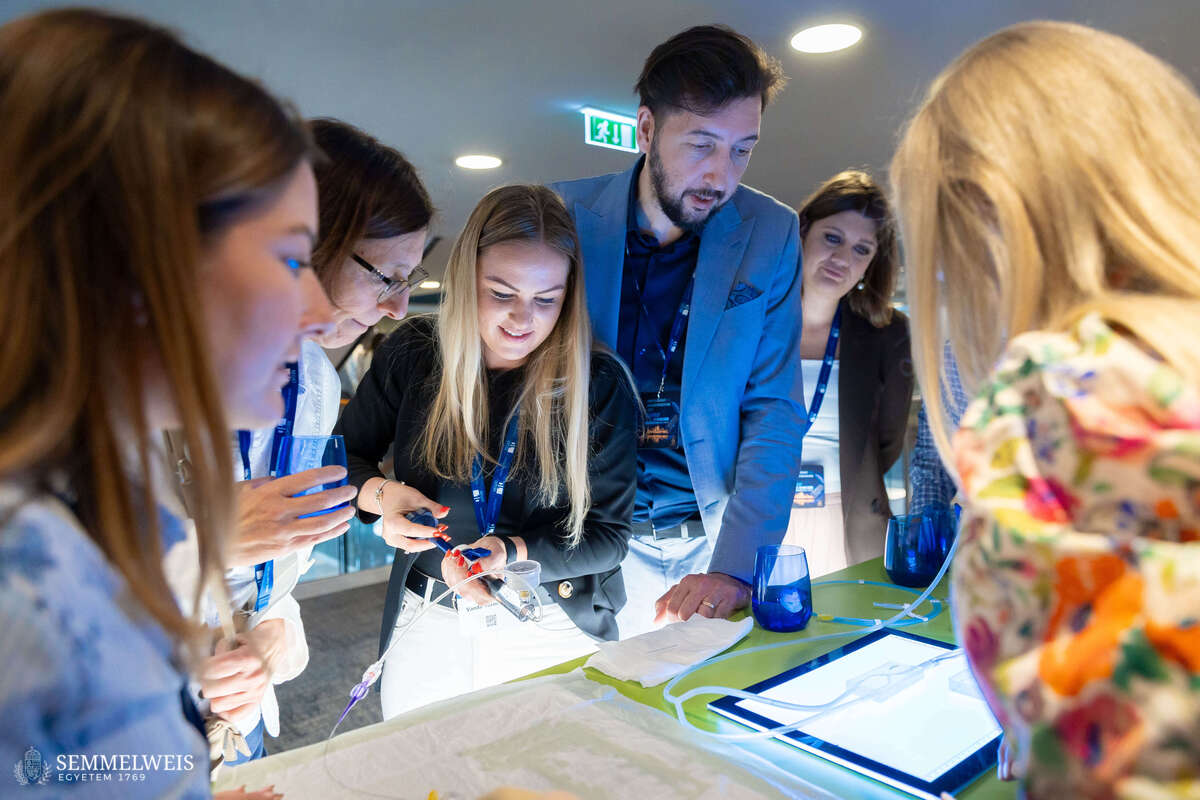
Between the various sections, there were presentations and case discussions on Heart Team decision-making, imaging and functional planning, atherectomy, drug-eluting balloons (DEB), DES optimization, and the management of complications. In parallel with these, sessions on peripheral interventions and hands-on workshops were also held. In the former, participants were able to discuss the role of the Vascular Team, patient selection, the significance of frailty and comorbidities, peripheral plaque preparation, IVL, atherectomy, specialized and drug-eluting balloons, specialized stents, and recanalization strategies for peripheral CTO/CLTI. Practical rotations, device selection decisions, and endovascular strategies tailored to different anatomical regions were also discussed. Other key topics at the conference covered the role of artificial intelligence in cardiology and vascular medicine, as well as the use of coronary CT in planning complex CHIP interventions.
Gallery
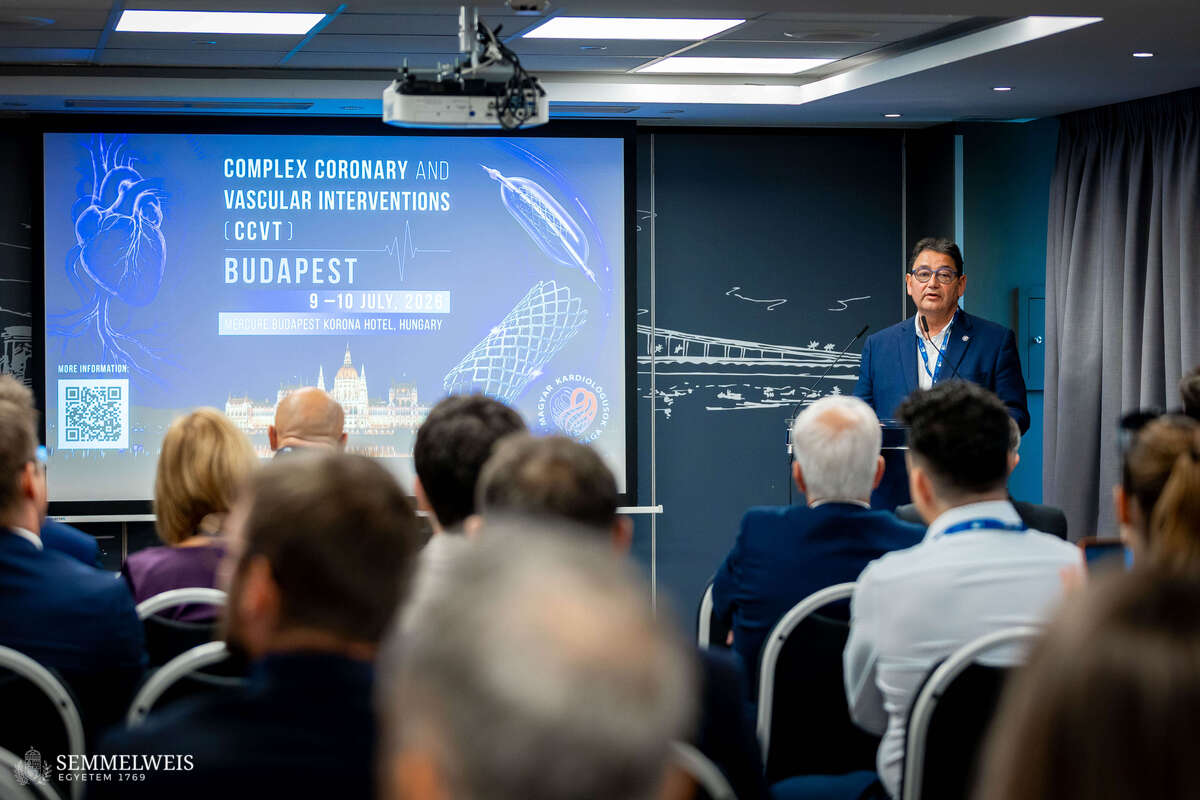
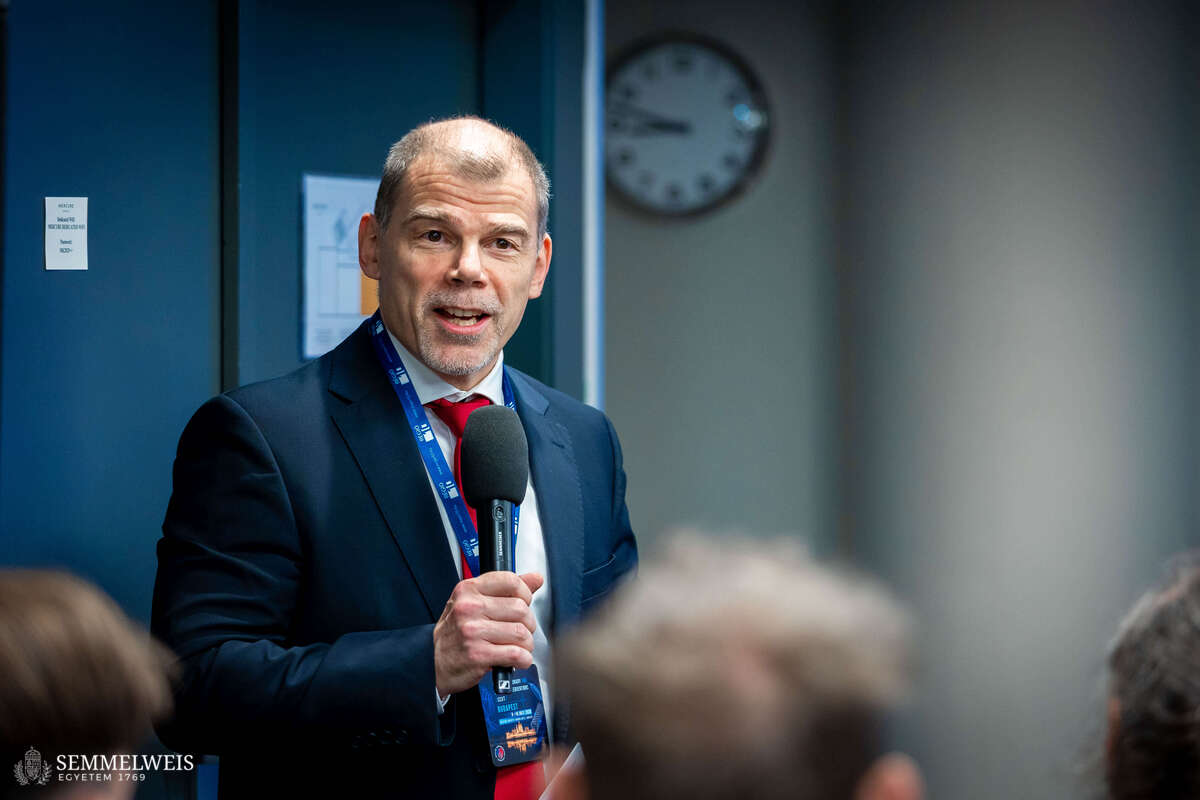
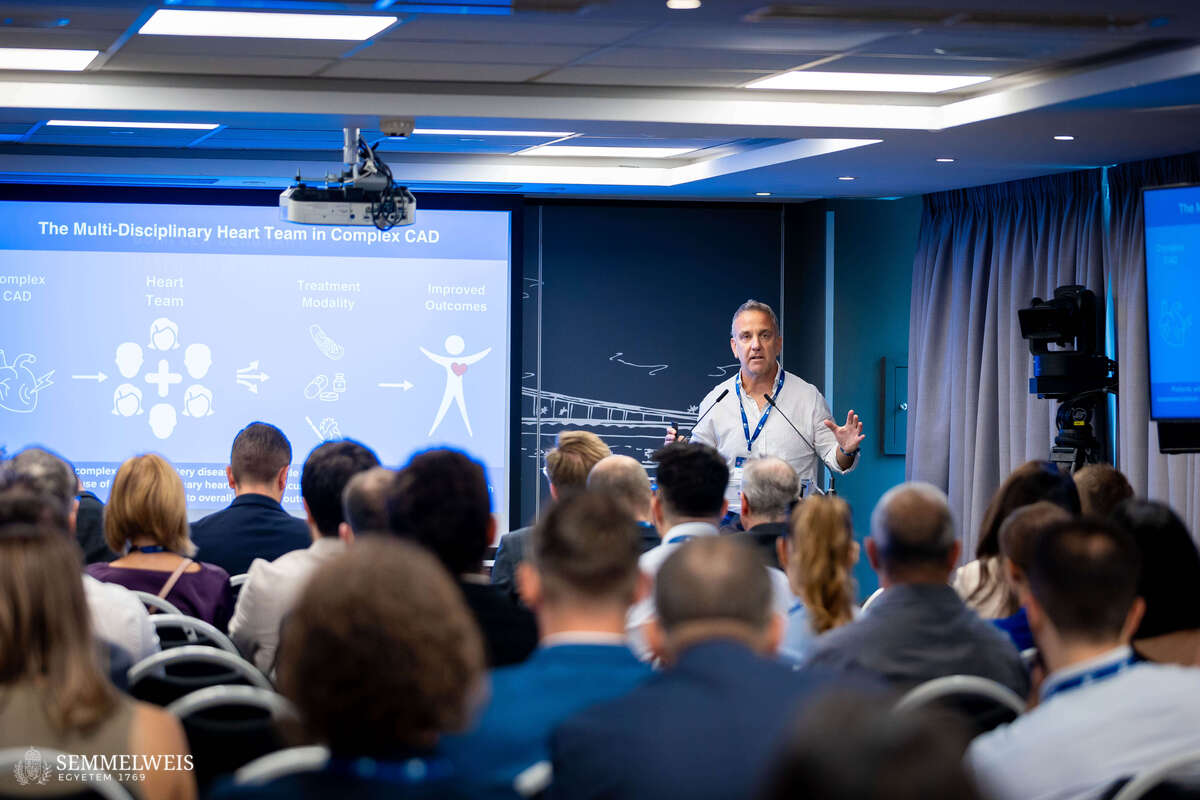
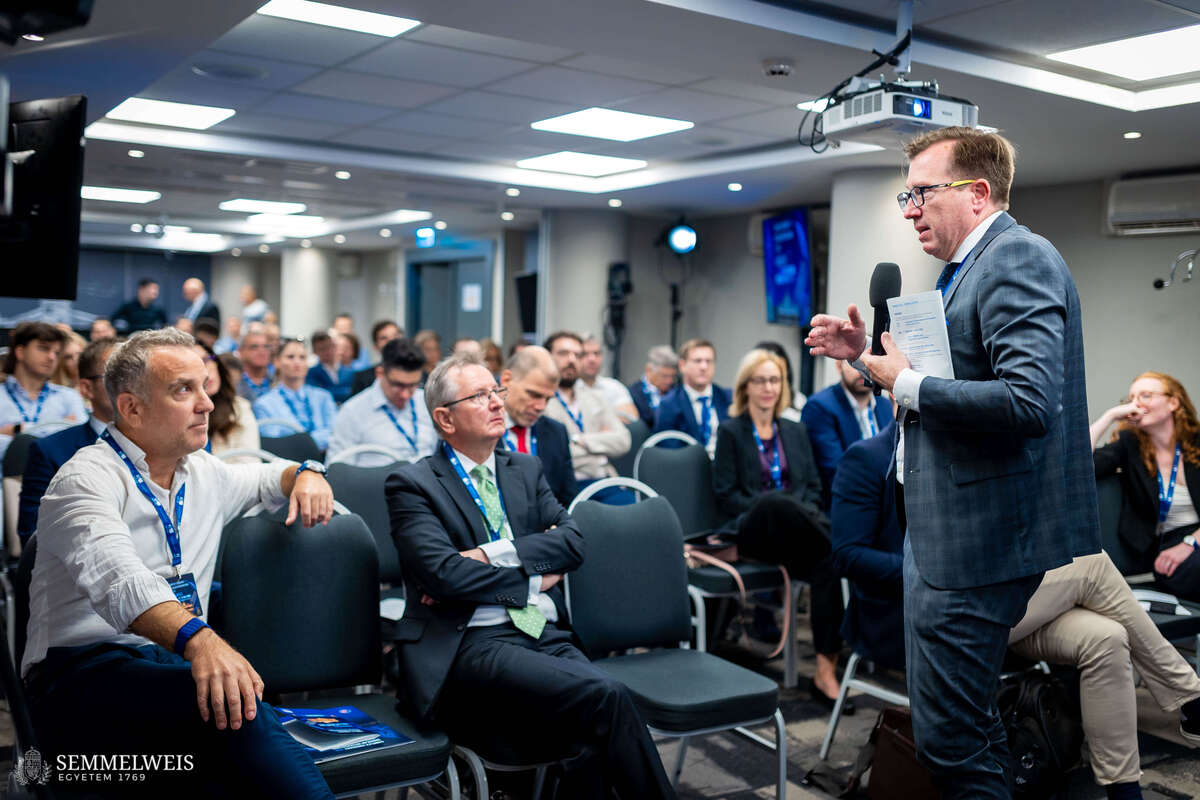
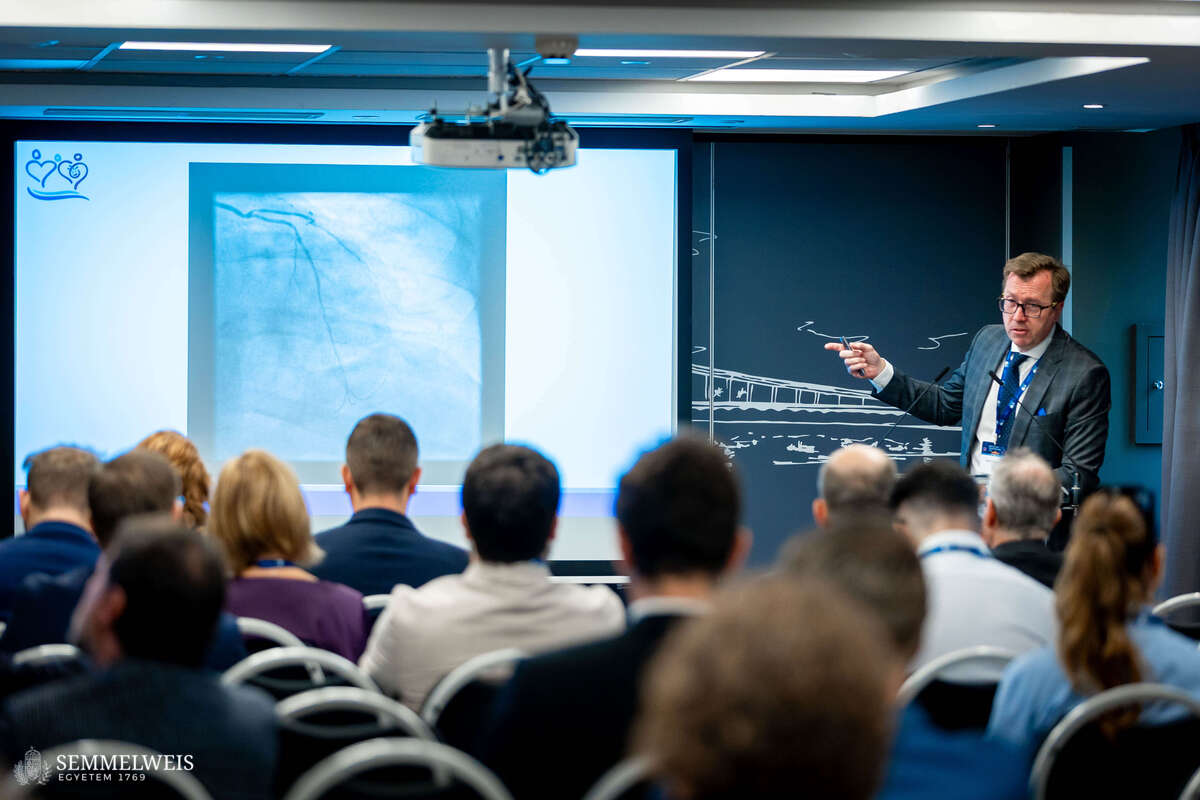
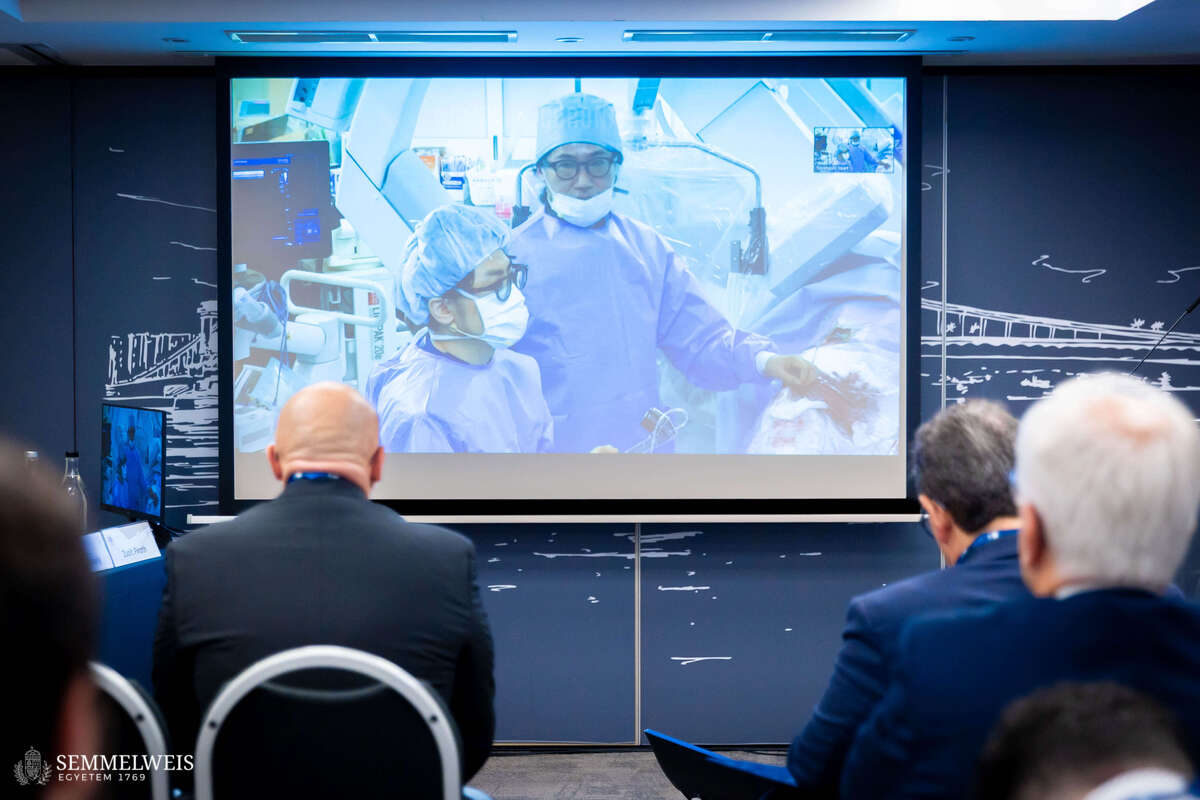
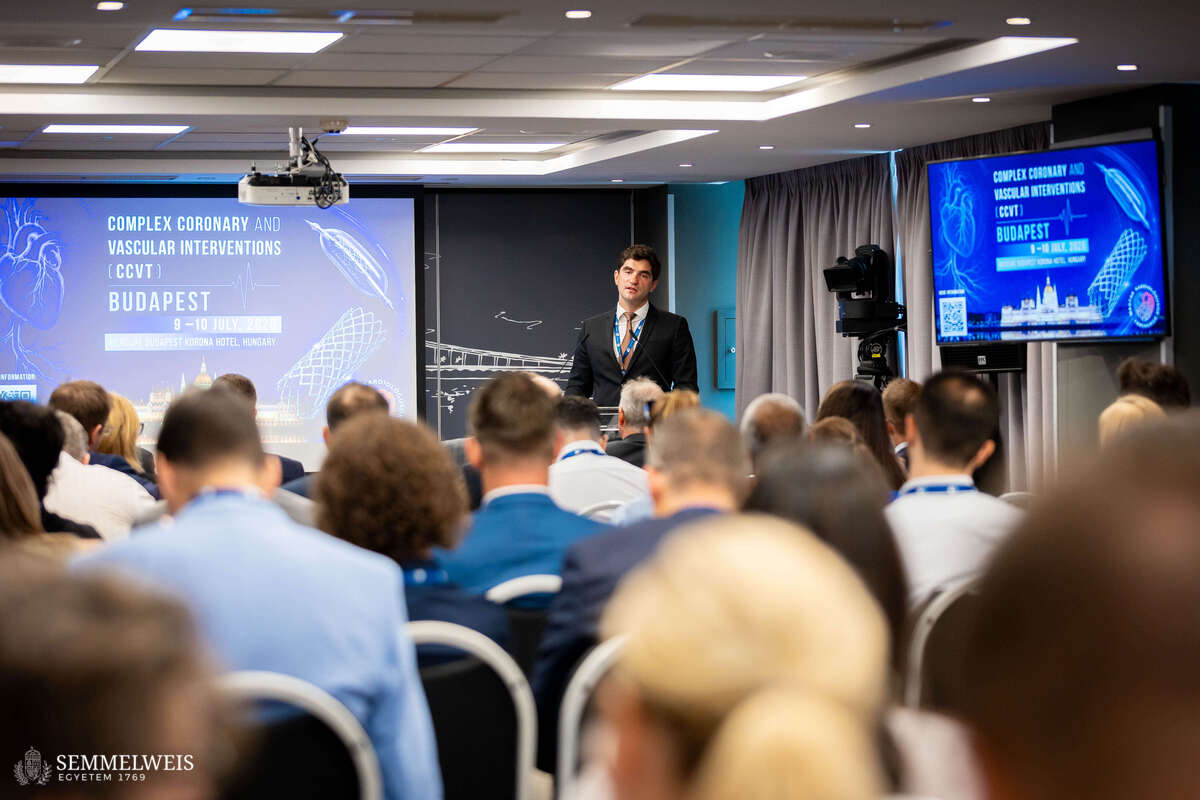
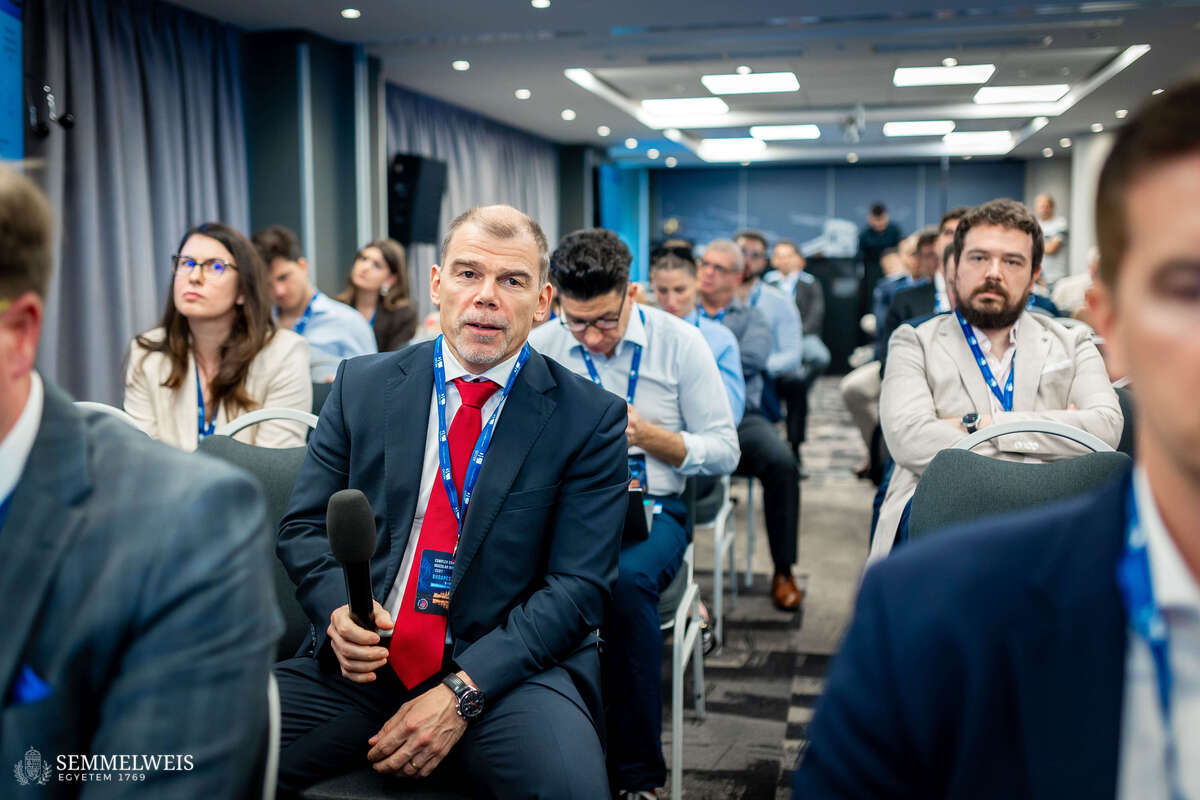
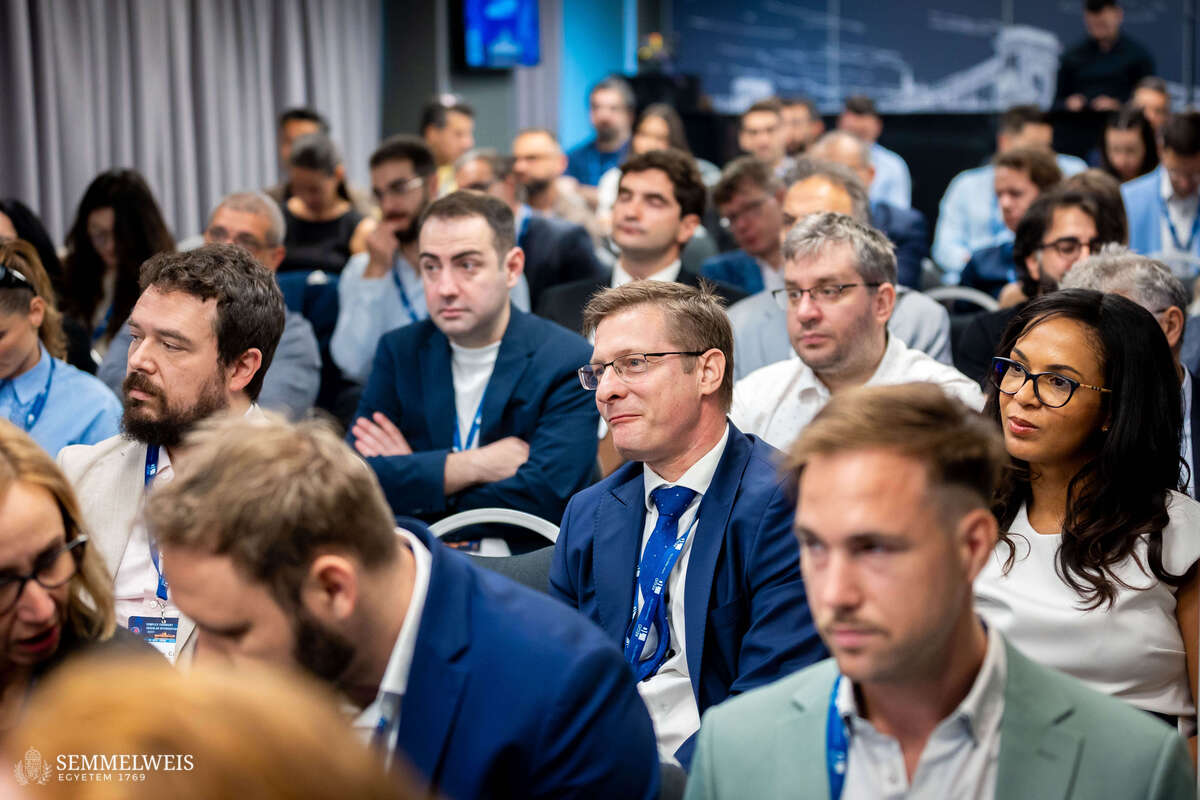
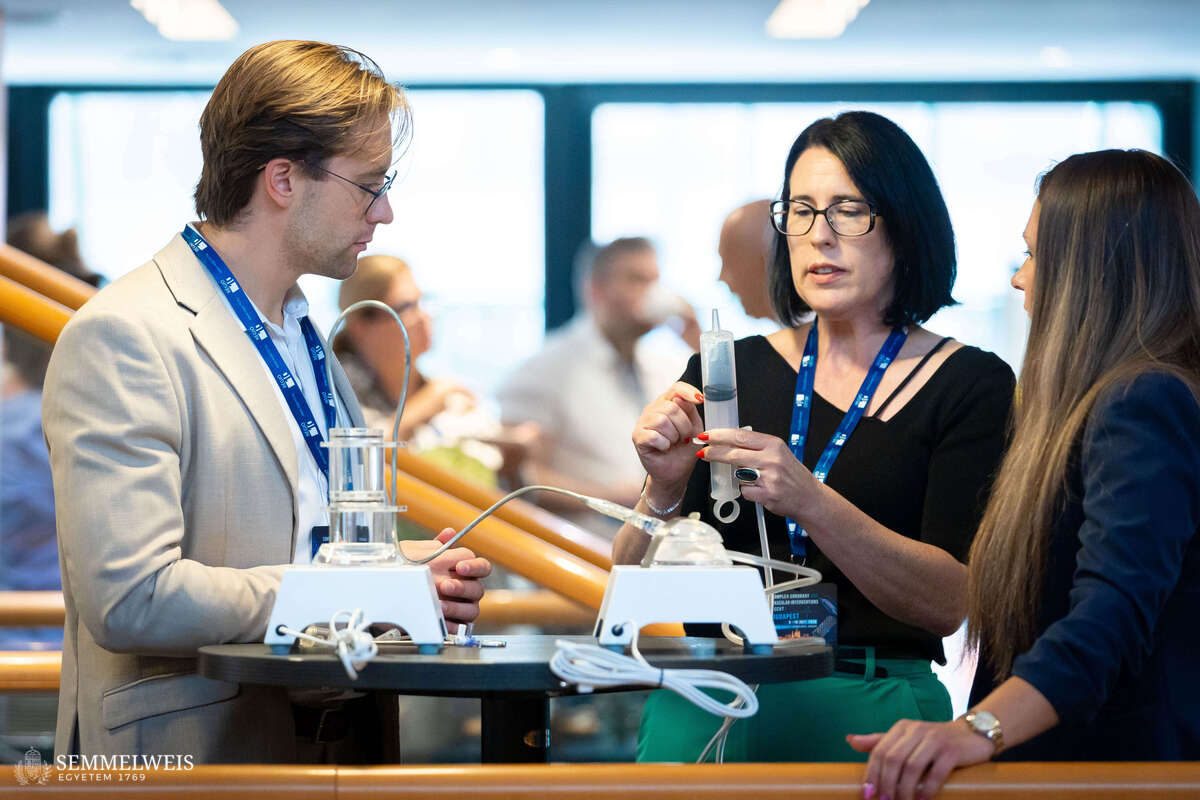
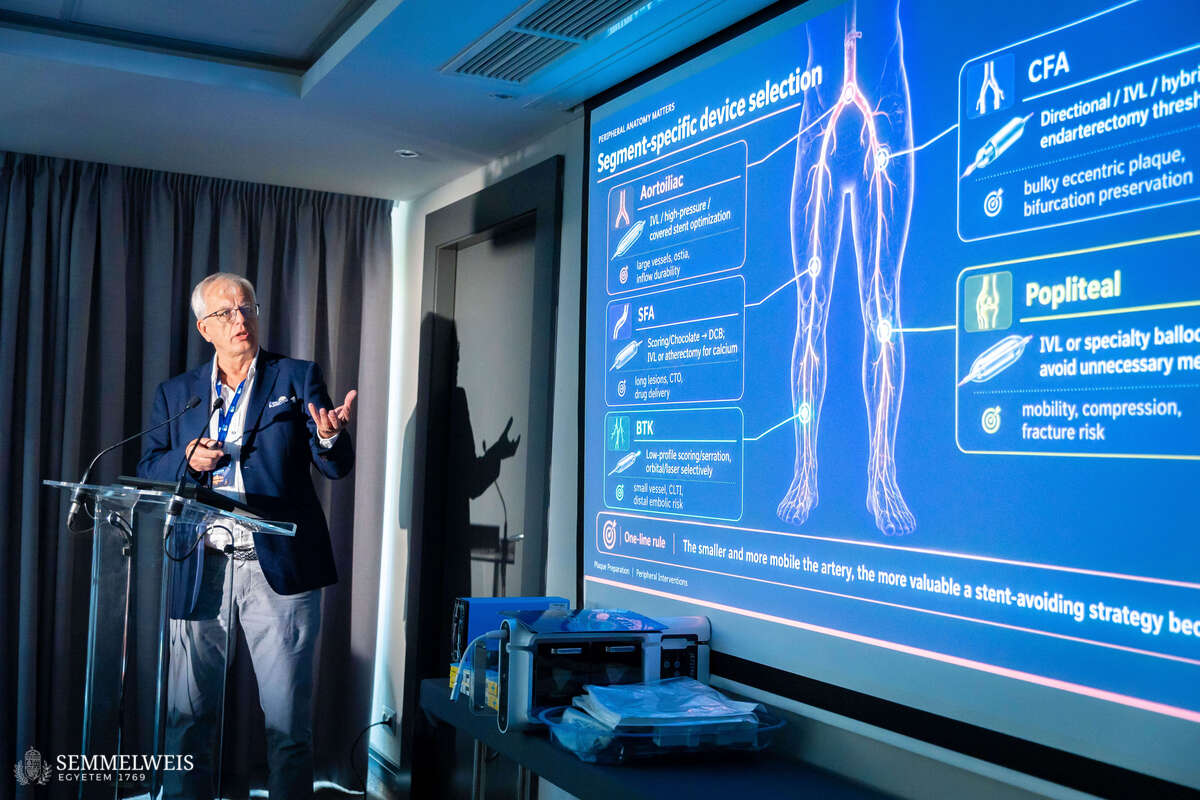
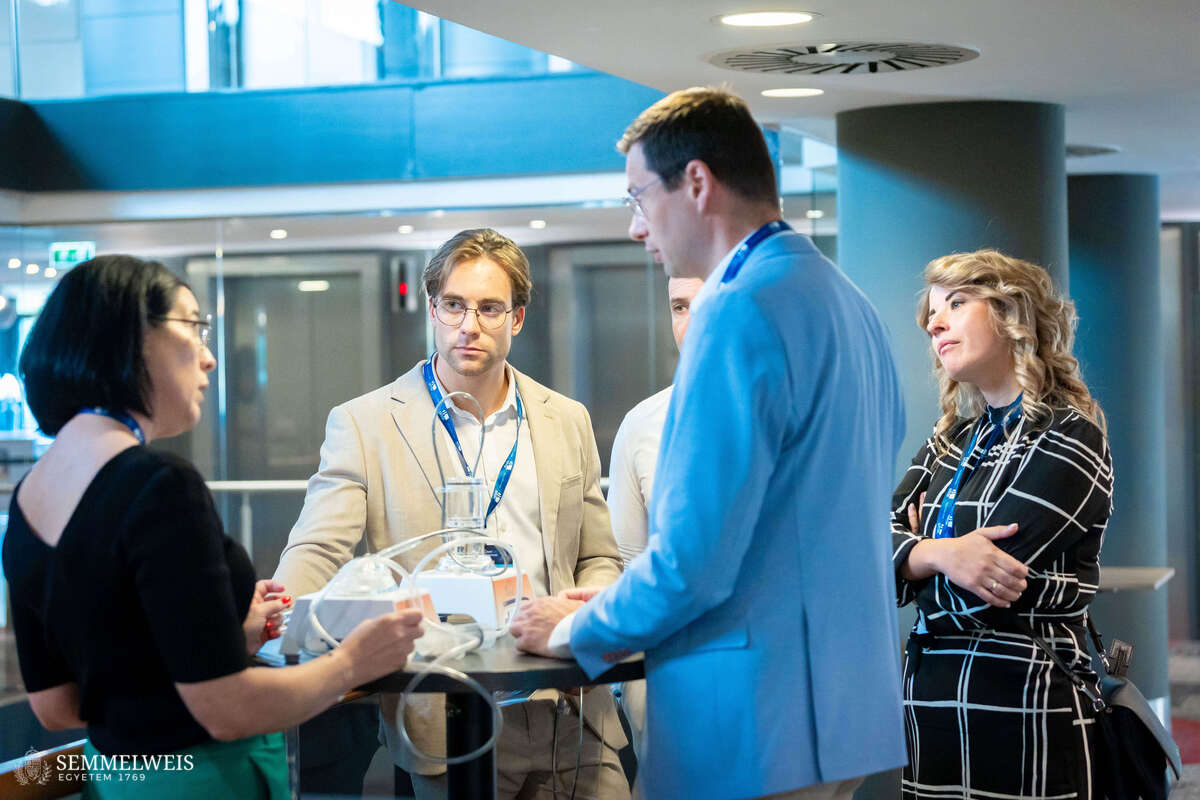
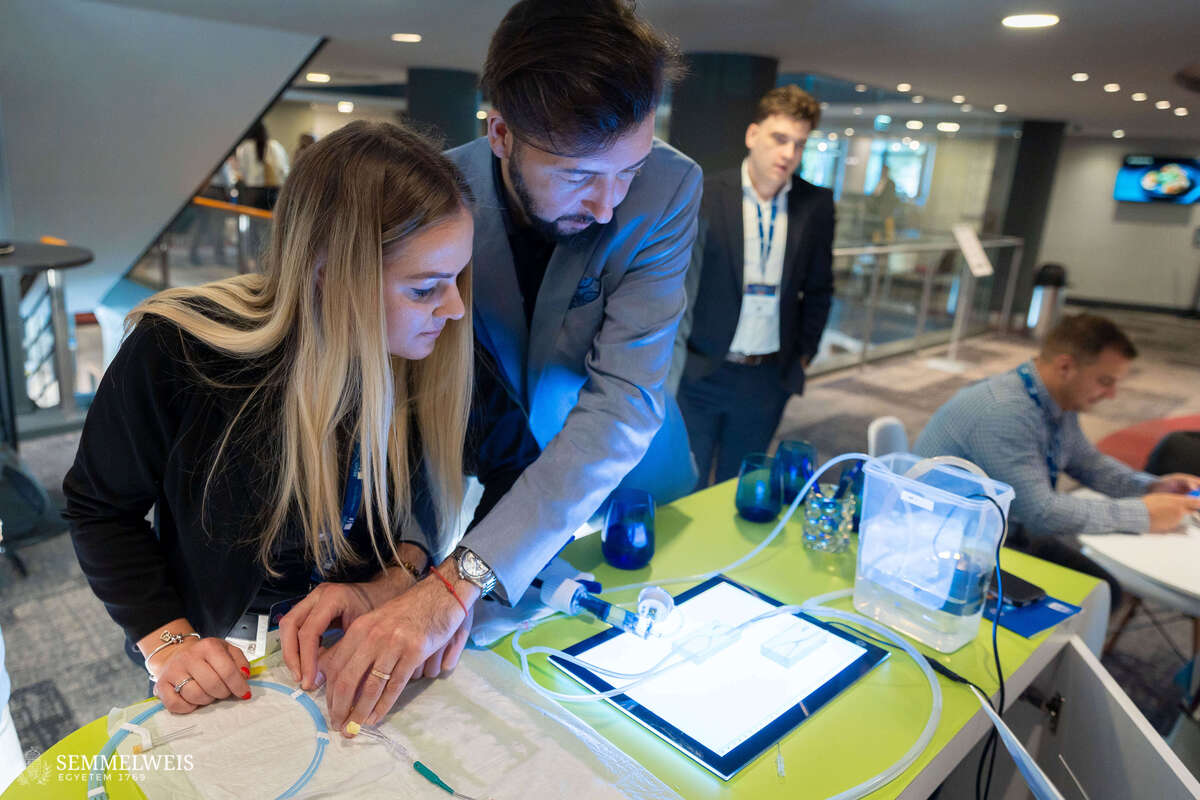
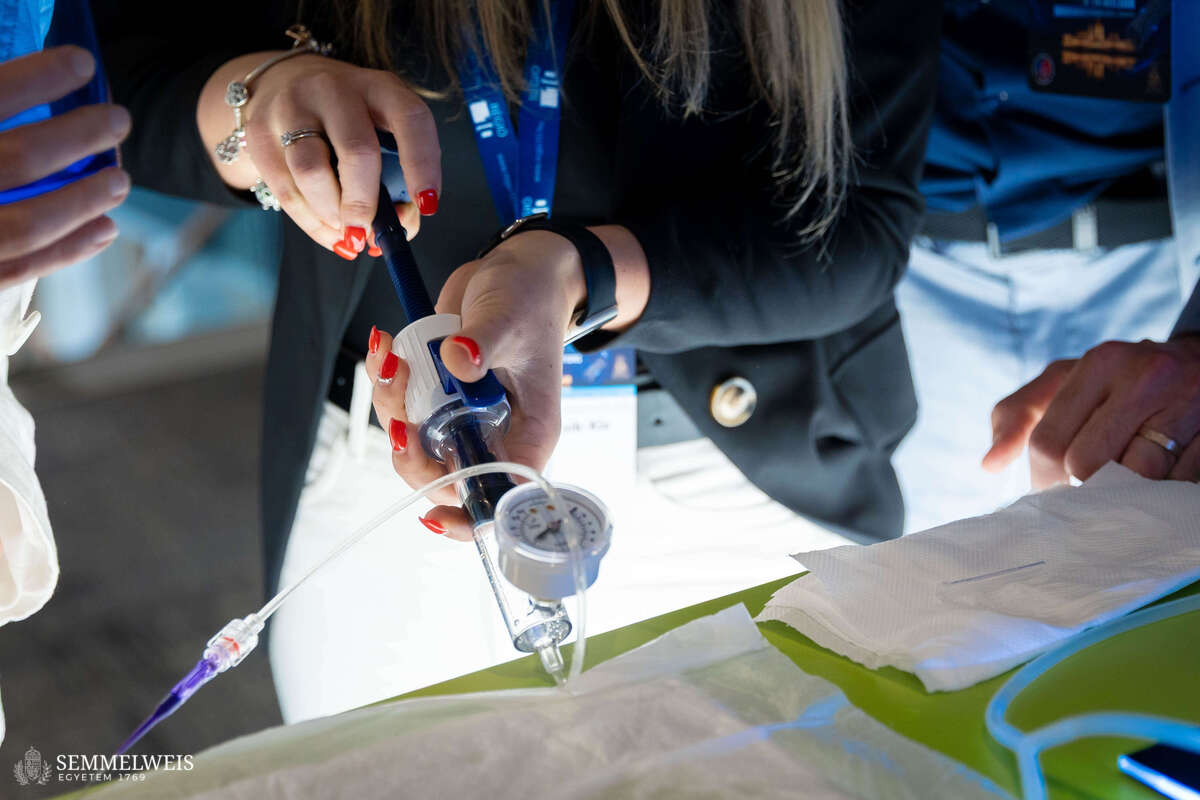
The organizers aimed to create a practice-oriented, case-based, international CHIP/CTO continuing education forum that bridges the gap between scientific knowledge and decision-making situations in everyday catheterization practice, shared Dr. Zoltán Ruzsa. The program included real-life case studies, “live-in-a-box” demonstrations, decision-making labs, panel discussions, audience polls, and hands-on workshops, so the event served not only as a lecture series but also as an interactive professional course. Participants were able to follow real-life cases from Hungary, Japan, Austria, Germany, and Poland, which allowed them to observe complex decision-making processes and technical solutions in real time.
Judit Dőtsch
Photos by Boglárka Zellei – Semmelweis University