A few months ago, an Egyptian doctoral student turned in desperation to Dr. Yahya Kamel, a doctoral student at Semmelweis University’s Doctoral School, Rácz Károly Conservative Medicine Division, Clinical Medicine. As a DOSZ ambassador, Dr. Yahya Kamel helped the young researcher, who was stranded abroad and whose visa application was delayed because he had no accommodation. Dr. Yahya Kamel told him about possible dormitory options, helped him contact the institution and then supported him with the visa process. In the end, the student made it to Budapest in time to begin his studies.
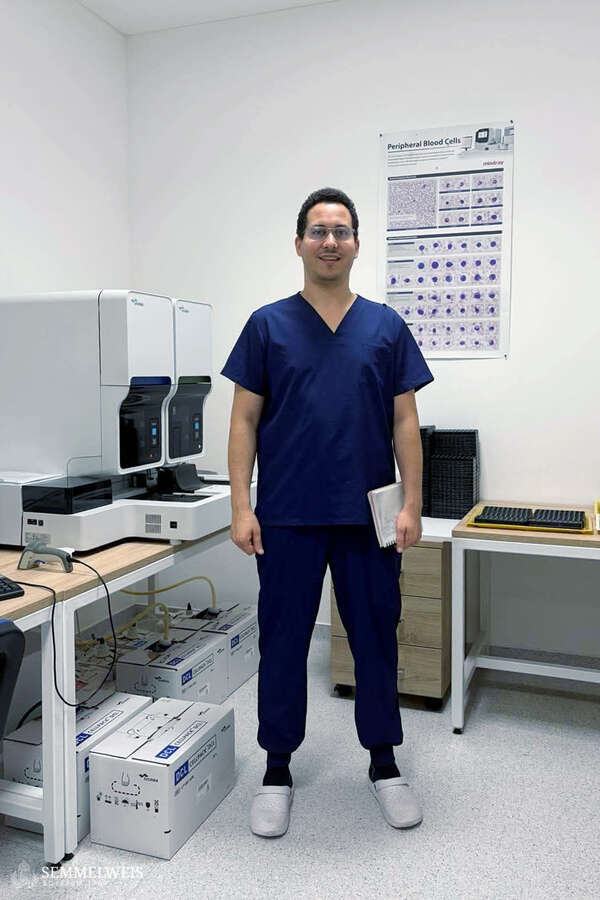 The ambassador says new arrivals may need help regardless of their level of study. Undergraduate students may face challenges with administration and university systems, while doctoral students have to navigate research and doctoral studies. Dr. Yahya Kamel primarily represents Algerian students, but his work is not limited by national borders, international students often turn to him for advice on visas, travel or the first steps of university life. He previously represented Stipendium Hungaricum scholarship recipients and worked with the Erasmus program, which helped him settle into the DOSZ Ambassador Program.
In addition to supporting international students in their daily lives, the program also helps strengthen ties between Hungarian and international students. Dr. Yahya Kamel and the Doctoral Student’s Union have developed a guide for international students, in English, to help new arrivals register for courses, use university systems, take part in activities, and keep track of deadlines.
The DOSZ Ambassador Program considers it important for its representatives to organize academic and community events. These can support students’ academic and professional development while also helping them make personal connections.
Dr. Yahya Kamel considers communication and shared activities extremely important in bridging different cultures. He says language differences and unfamiliar cultural backgrounds can make it harder to build connections, so events where students meet around shared interests are worth organizing. Introducing international students to Hungarian culture and food can also help them settle in. The program’s ambassadors regularly organize events and publicize them on the association’s website and social media channels.
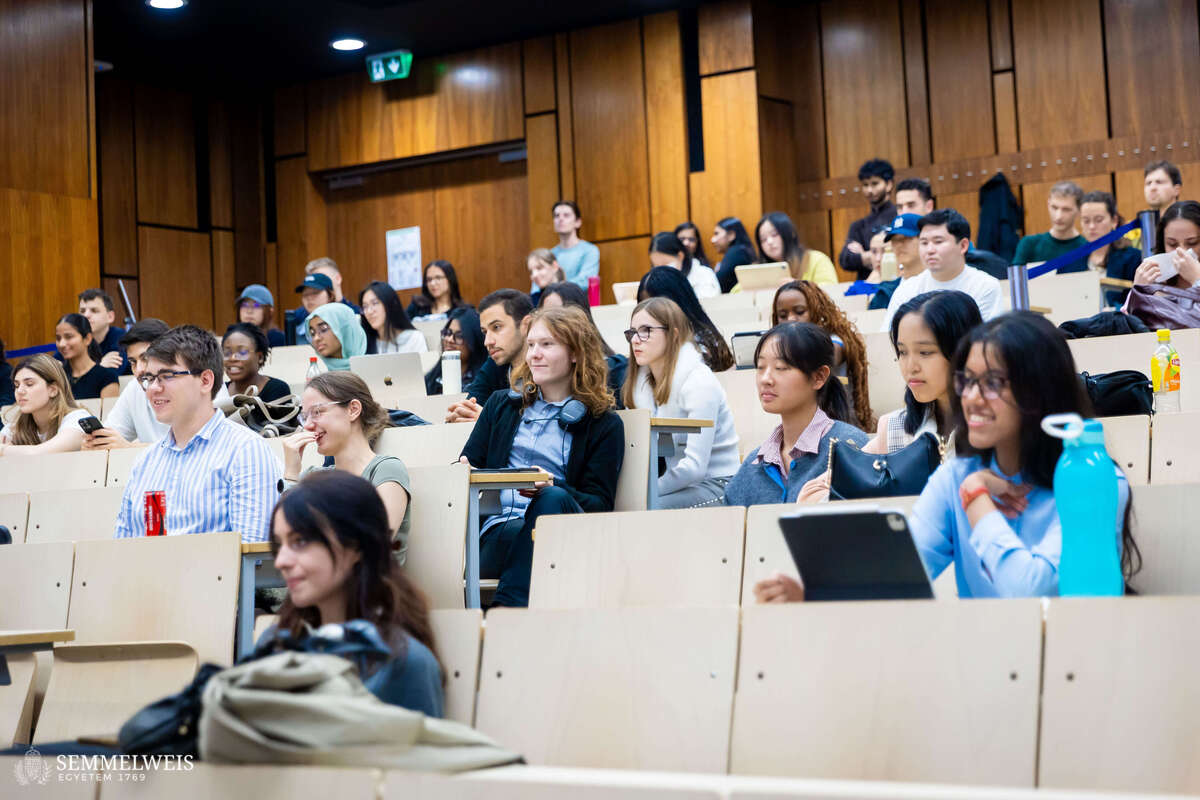
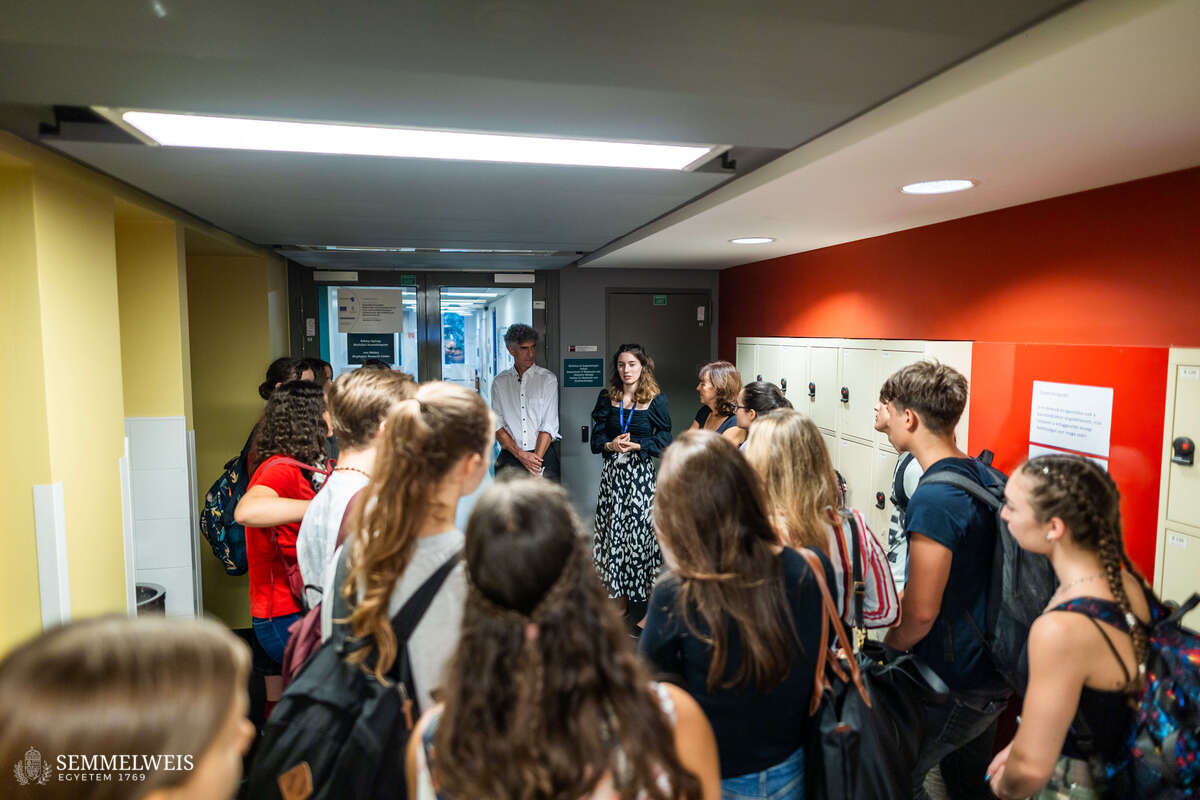 One such event is the Young Researchers Summit 2026 (YRS), which serves both academic and community goals. It will take place on October 30 in the Faculty Council Hall at Eötvös Loránd University’s Faculty of Humanities in Budapest. Organized by the DOSZ Ambassador Program in partnership with Semmelweis University’s Doctoral Student Union (EDÖK) and the Selye János Doctoral College for Advanced Studies (SELYE), the free, one-day conference will be held in English. It is primarily for international students studying in Hungary, but Hungarian students can also apply. Undergraduate, master’s and doctoral students from any institution and field are welcome.
The conference’s motto is “Science Without Borders.” Dr. Yahya Kamel called the initiative a “way in”: a smaller but open forum than major symposiums, where international students can present their work and meet their Hungarian peers. It also offers a chance for students who have never presented before to practice academic English, get feedback and build new professional connections.
Kamel sees the YRS as an important step in building a community that connects Hungarian and international students. He hopes it will be “a good event for integration and openness to take shape.” He also hopes the initiative will continue and that those who take over will build on it, since he believes long-term community building is central to the ambassador’s work.