1. Checking liver function as part of an annual general lab test is recommended even if you have no symptoms.
 There are no nerve receptors in the liver, so liver diseases can go unnoticed for a long time; connective tissue changes and cirrhosis (chronic liver failure) can develop without significant pain or symptoms, indicated only by a moderate increase in liver function enzymes. Should liver enzyme levels be persistently elevated, even if only slightly, it is advisable to consult a hepatologist, says Dr. Klára Werling. Before starting contraceptives or hormone therapy, it is important to undergo an ultrasound examination and laboratory tests. It is also important to monitor liver enzyme levels for one to two months after starting treatment. When taking painkillers and non-steroidal anti-inflammatory drugs on a long-term basis, it is essential to have regular checkups and follow your doctor’s instructions, explains Dr. Klára Werling.
The functions of the liver in the body
The liver plays many roles, including metabolizing proteins, fats, and carbohydrates, regulating blood sugar and blood lipid levels, and producing essential proteins and clotting factors. In addition, the liver is capable of self-regeneration, replacing damaged cells to maintain function. The liver is a vital organ. If its ability to regenerate is lost or if too many liver cells are destroyed, only a transplant can help.
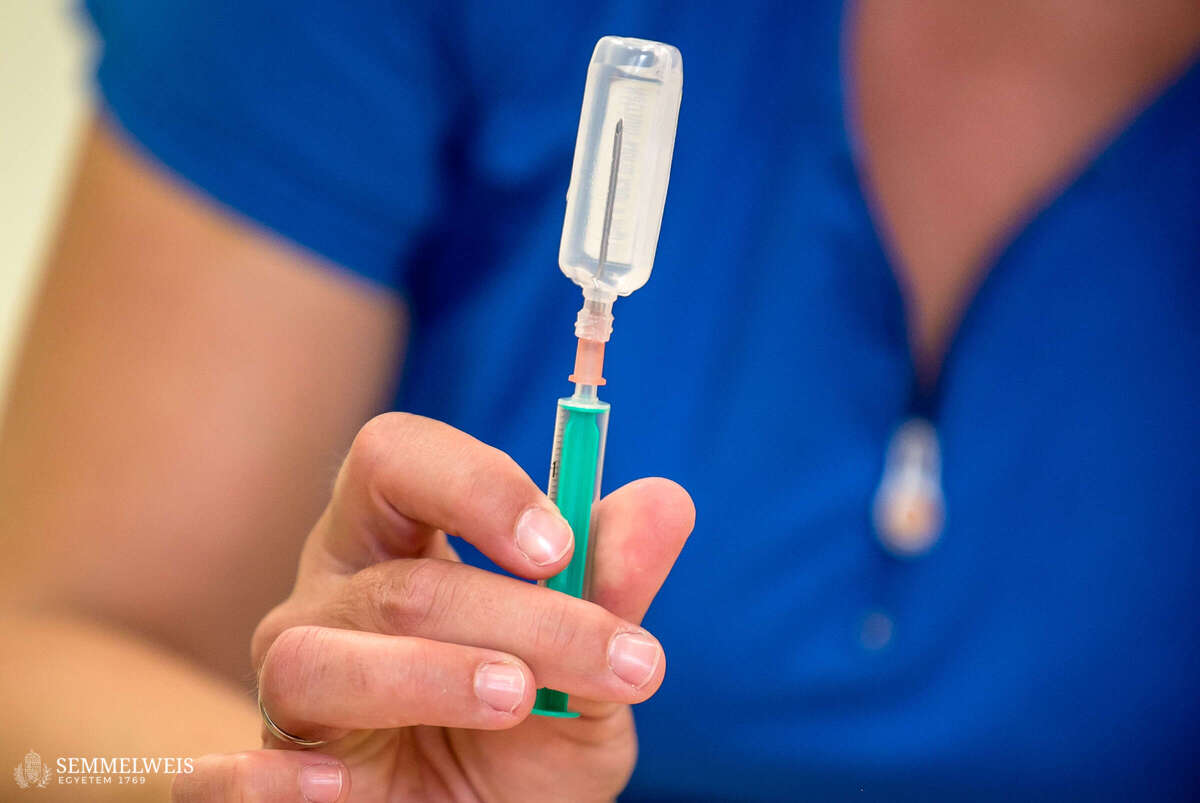
2. Maintaining good hygiene, adopting a healthy lifestyle, and getting vaccinated can help prevent viral diseases that cause liver inflammation and, in some cases, scar tissue formation.
Hepatitis A, B, C, D, and E virus infections can be prevented by following hygiene guidelines and by using caution. Wash your hands and make sure to meet food safety standards: Wash fruits and vegetables properly and cook meat thoroughly. Fish, shellfish, crustaceans and seafood should also be cooked before eating, at a temperature of at least 80-85 degrees Celsius for 20-25 minutes. This is necessary because hepatitis A and E are spread through feces. In Mediterranean countries where sewerage systems are not comprehensive, seafood and fish can become contaminated in the sea. In rare cases, the hepatitis A virus can be transmitted in this way.
Pigs and boars are carriers of the hepatitis E virus, so improperly prepared meat products can also cause hepatitis. We can protect ourselves against blood-borne variants B and C by practicing safe sex, using condoms, ensuring sterile conditions when getting body piercings or tattoos, and avoiding intravenous drug use. You can get vaccinated against hepatitis A and B. Since hepatitis D only causes liver disease when it occurs alongside hepatitis B, the hepatitis B shot also protects against hepatitis D. Expectant mothers should take special care to avoid hepatitis infection.
3. If not diagnosed in time, fatty liver disease – which affects nearly one in three people – can even lead to liver cancer.
Fatty liver disease is the most common liver disease in the world, affecting 30 percent of the global population and an estimated 28 percent of people in Hungary. Obesity and diabetes increase the likelihood of developing fatty liver disease; therefore, the presence of these conditions, along with elevated blood lipid levels and liver enzymes, raises the risk of the disorder. Ultrasound findings describing a liver that appears brighter than normal may also indicate fatty liver disease.
Fat accumulation in the liver can lead to chronic inflammation, the formation of connective tissue over time, and cirrhosis, and may even cause liver cancer. Fatty liver disease is associated with lifestyle factors such as an unhealthy diet, high calorie intake, excessive consumption of refined carbohydrates, insufficient fruit and vegetable intake, and a lack of regular physical activity. The disease is more common in obese individuals, diabetics, and those with lipid metabolism disorders. Genetic factors also play a role in the development of fatty liver disease in young people of normal weight.
Fatty liver can also be caused by other factors, such as heavy alcohol consumption, rare metabolic disorders, and certain medications. The combination of several factors, such as drinking alcohol, obesity, and diabetes, can accelerate the progression of the disease. However, fatty liver disease can be prevented through weight management – that is, by maintaining an optimal calorie intake, following a varied and healthy diet, and avoiding alcohol, emphasizes Dr. Klára Werling, noting that there is no such thing as a “safe” level of alcohol consumption. As she points out, extreme detox regimens and juice fasting are not recommended because they deprive the body of nutrients. Once the diet ends, the body tries to replenish these deficiencies as quickly as possible. As a result of this compensatory mechanism, the liver may begin producing more fat.
Friends and enemies of the liver
The gold standard for maintaining liver health is a healthy lifestyle, which includes exercise and proper nutrition. In addition to poor lifestyle and dietary choices, the most significant damage is caused by alcohol, viruses, and various toxic substances, such as drugs and narcotics, chemicals, and environmental pollutants.
4. Always buy drugs, herbal teas, and dietary supplements from reliable suppliers.
Everything we consume as a dietary supplement is broken down by the liver. If harmful substances are produced during the breakdown process, they can cause liver cells to die. The ingredients of various teas, herbal preparations, medications, and dietary supplements ordered online are not always verified, and their potentially harmful effects on the liver are unknown. For this reason, we should only use medicines, herbal teas, and dietary supplements that come from verified sources, have been tested, and bear the registration number of the National Institute of Pharmacy and Nutrition (OGYÉI) in Hungary – or its equivalent in the given country, warns Dr. Klára Werling.
Among medicinal herbs, milk thistle has been clinically proven to support liver function. Herbal preparations sold in pharmacies or herb shops by qualified professionals are safe. It is advisable to choose products that are certified to contain the specified quality and quantity of active ingredients.
5. Exercise and a healthy diet are key to maintaining liver health.
Physical activity helps reduce fat accumulation in the liver, improves blood flow and overall metabolic function, all of which help prevent liver disease. American and European professional guidelines recommend 150 to 200 minutes of exercise per week – cycling, swimming, walking, Nordic walking, or running – at a heart rate approximately 50 percent above your resting heart rate. Longer workouts three times a week are more effective for reducing body fat than short, 10- to 15-minute sessions. It’s worth incorporating regular exercise of appropriate duration and intensity into your daily routine.
+1 Follow a liver-friendly diet.
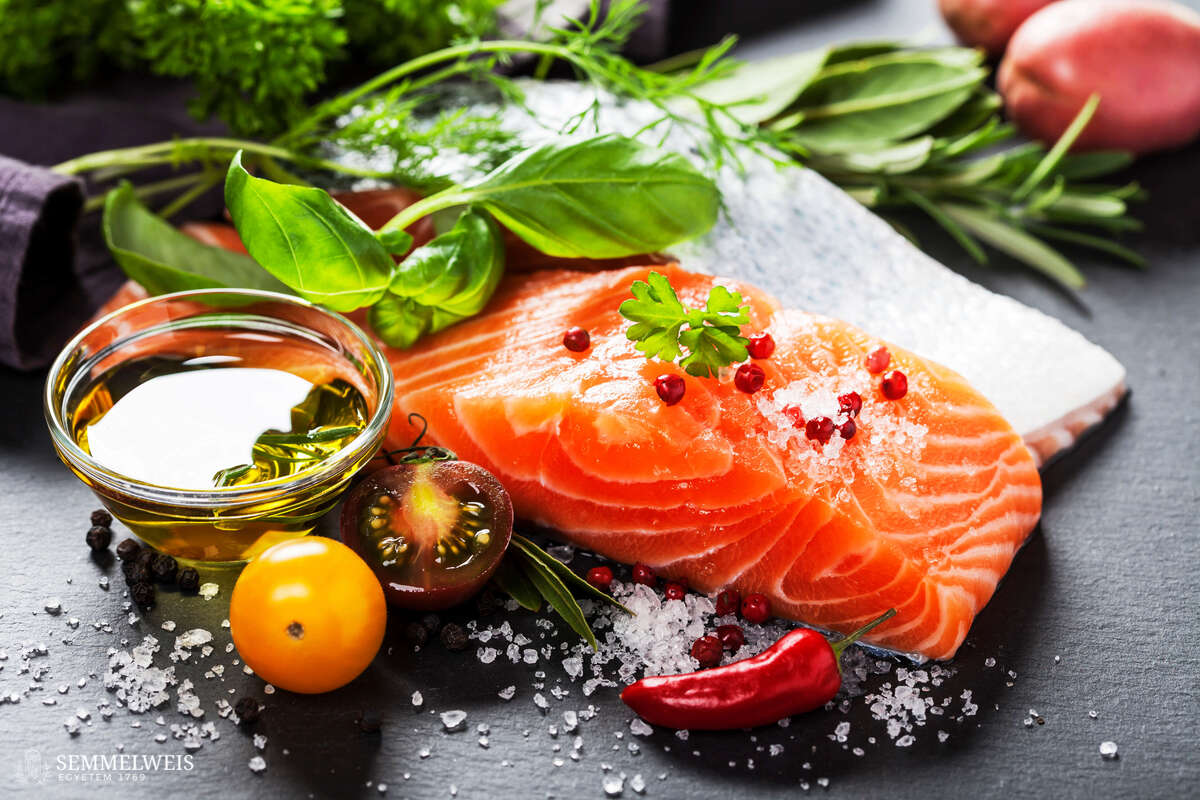
 Achieving the right balance of fatty acids is important in a diet that supports liver health. Try and cut down on animal fats, fatty meats, and high-fat dairy products; instead, opt for vegetable fats, oils, and nuts. Fish contains unsaturated fatty acids, so it is particularly recommended for achieving a balanced fatty acid composition. It’s best to prepare fresh fish at home in an air fryer or with a little oil, but even drained canned tuna is healthier than not eating fish at all. According to dietitian Sarolta Dakó, heavy metal contamination in fish does not pose a problem considering the average amount of fish consumed in Hungary. Also, farmed fish in Hungary have lower levels of heavy metal contamination than marine fish.
We can increase our intake of omega-3 fatty acids not only by eating fish, but also by consuming olive oil, pumpkin seed oil, or nuts, and by using canola oil instead of sunflower oil. Nut flours, such as almond flour and walnut flour, not only provide omega-3 fatty acids but also increase fiber intake. Eating the right amount of fiber helps you feel full and reduces the absorption of fat. Whole grains are recommended for fiber intake: whole-grain wheat, bulgur, or couscous, as well as brown rice, buckwheat, oats, oatmeal, or millet, the latter being particularly beneficial for liver health. Eating oatmeal also helps lower cholesterol levels. Pasta made from legumes – such as red lentils and green peas – is a good alternative to white flour pasta.
Both vegetables and fruits are good sources of fiber, and consuming half a kilogram of them daily in some form is recommended. It is important to note that fiber is only properly absorbed when consumed with sufficient fluids; the recommended daily intake is at least one and a half to two liters, primarily water.
According to the dietitian, it’s not the best idea to consume fruits and vegetables in the form of shakes or smoothies, because they can significantly increase the intake of fruit sugar, or if made with milk, saturated fats; furthermore, because they are easier to digest, they are absorbed more quickly, triggering a more pronounced rise in blood sugar levels and an insulin response. When it comes to the risk of non-alcoholic fatty liver disease, it is important to monitor sugar intake and reduce added sugars. Fructose, in its added form – that is, when consumed as an added sugar rather than as part of fruit – contributes to the development of fatty liver disease.
The recommended intake of protein is 0.8 grams per kilogram of body weight (this amount may be increased for intentional weight loss and/or muscle-building purposes); the total amount can be consumed in several meals throughout the day. Good sources of protein include lean meat, fish, eggs, low-fat dairy products, legumes, and brewer’s yeast flakes. When preparing meals, aim to use as little fat as possible.
Intermittent fasting is one of the most extensively studied areas of research today. It can be beneficial for healthy people if they consume the right amount of healthy food during their eating window, but it can be harmful if they do not pay attention to the composition of their meals. Fasting for longer periods – more than 24 to 48 hours – is not recommended even for healthy people due to the liver’s compensatory mechanisms; after food deprivation, fat production in the liver increases, so its fat content tends to rise rather than decrease. Fasting is particularly harmful for people with liver disease, and even intermittent fasting is not recommended for them.
Moderate coffee consumption can have particularly beneficial effects. Research suggests that drinking two cups of coffee a day may reduce the risk of liver cirrhosis and nonalcoholic fatty liver disease.
Anita Szepesi
Translation: Judit Dőtsch
Photos by Boglárka Zellei, Attila Kovács – Semmelweis University; illustration: iStock/klenova