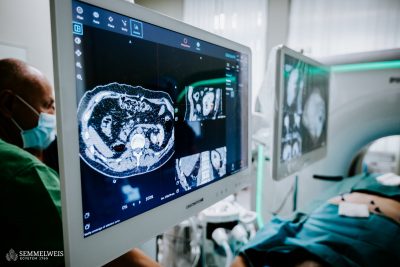
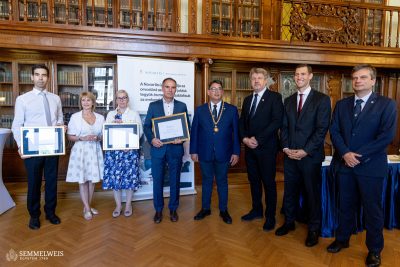
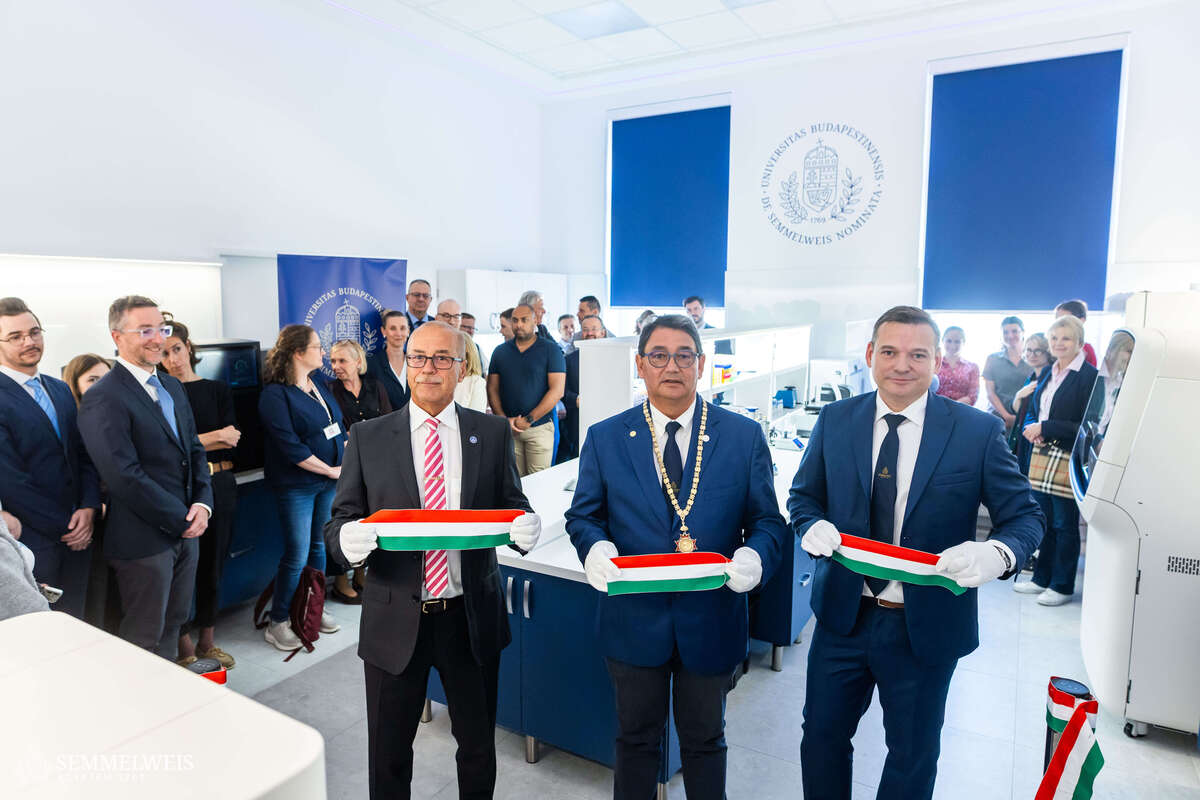
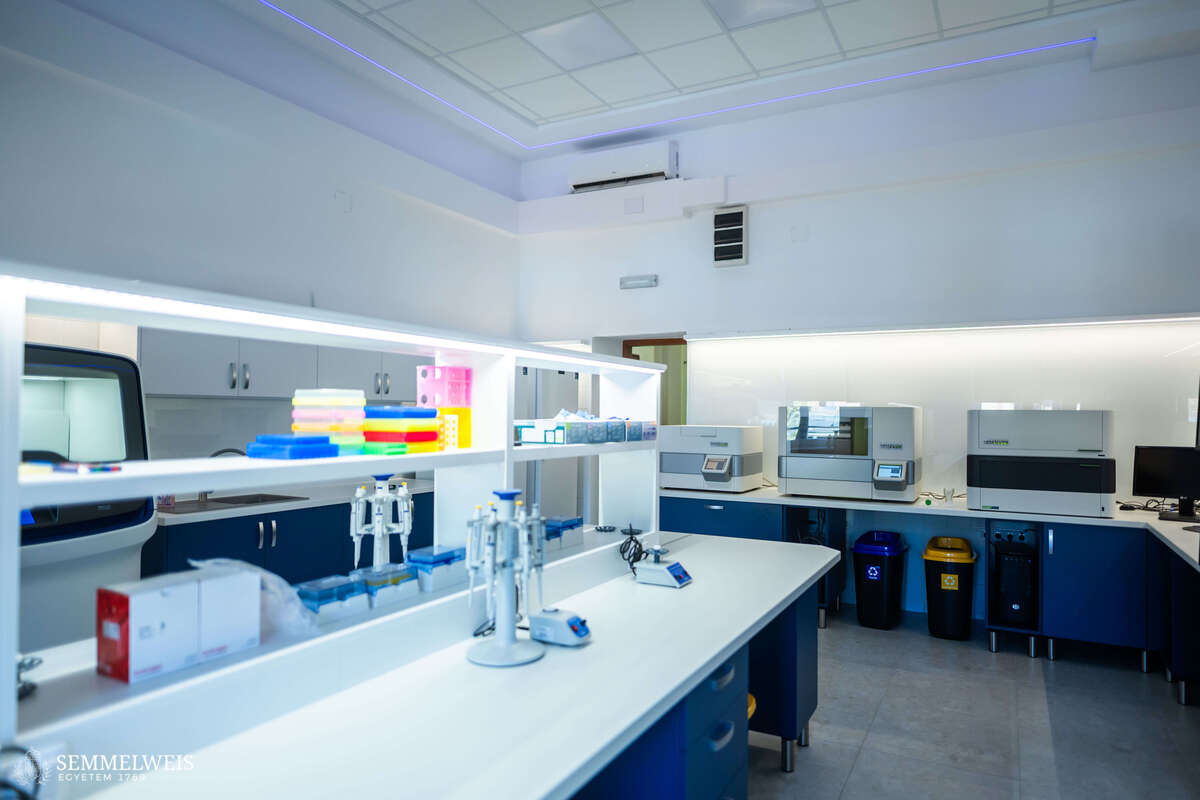
The new facility, at the university’s Department of Pathology and Experimental Cancer Research, is designed to meet increasingly complex demands in patient care and research.
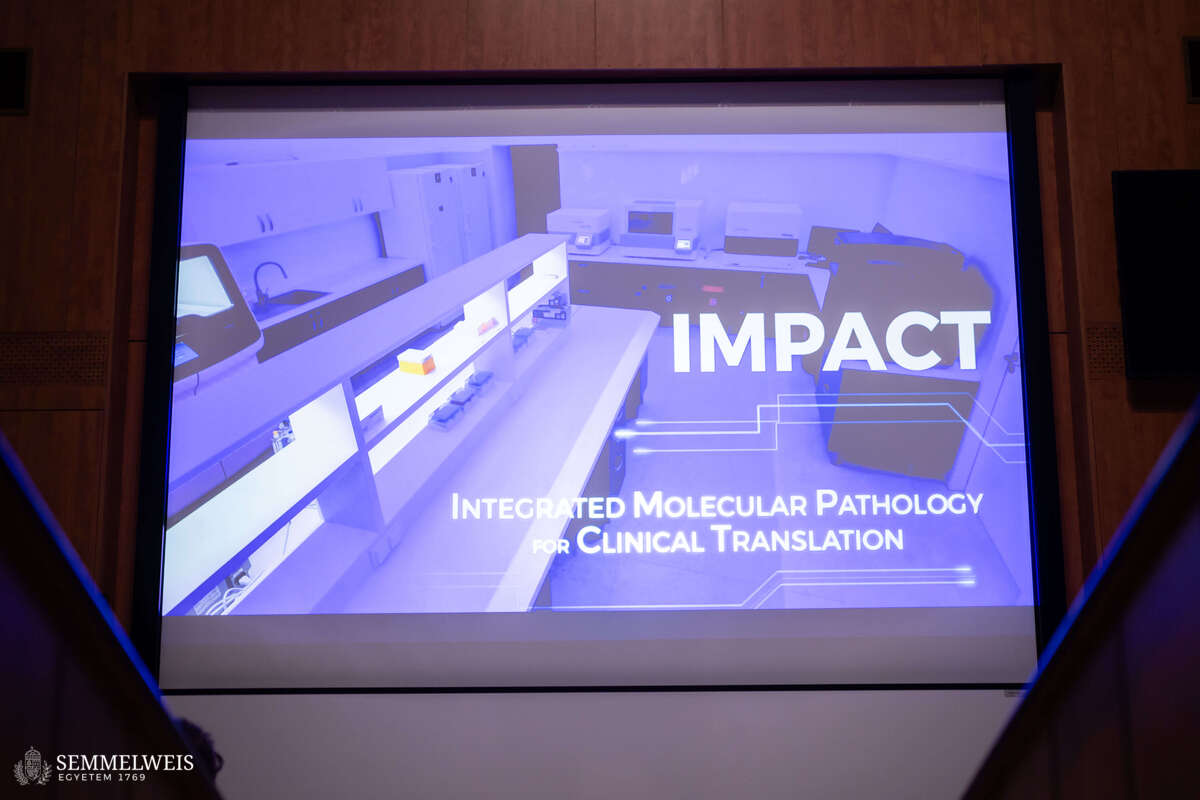
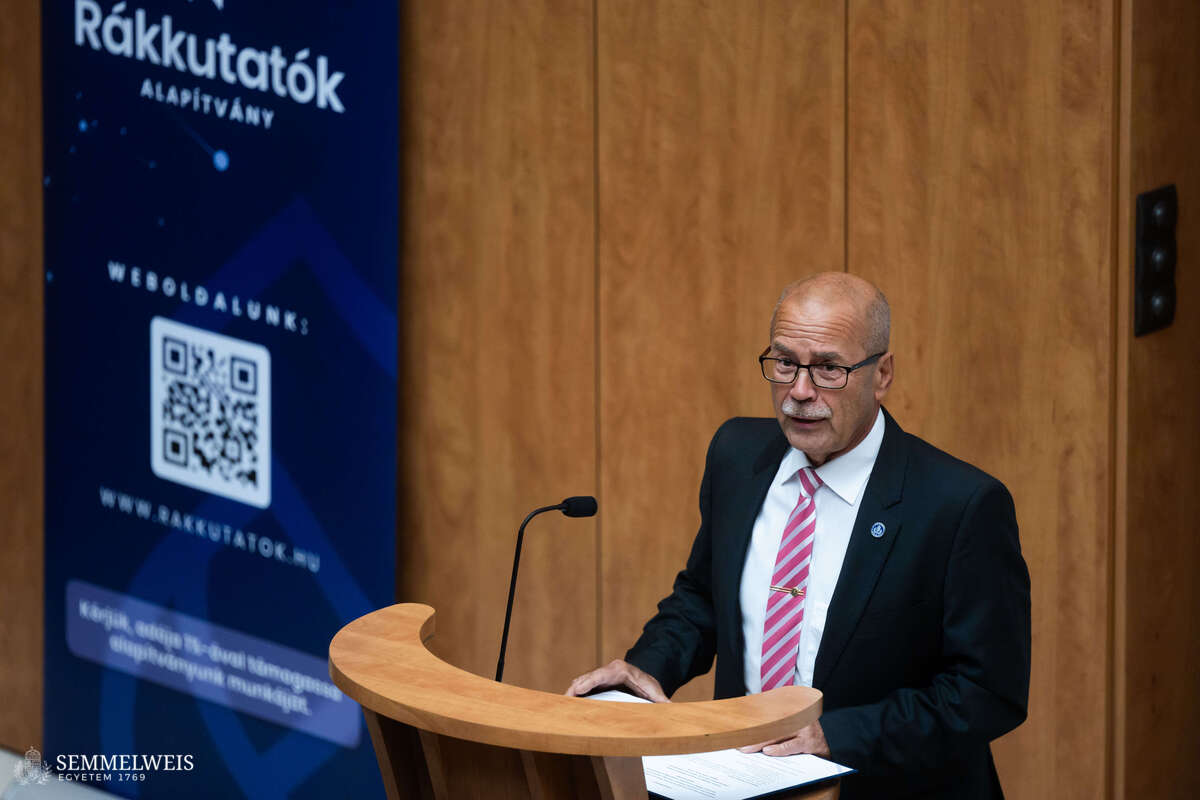 Dr. András Matolcsy, Director of the department, described the Integrated Molecular Pathology Laboratory for Clinical Translation (IMPACT) as the realization of a longstanding ambition. He credited Dr. Csaba Bödör, a professor at the department, with initiating and delivering the project, stressing that the new infrastructure brings together expertise from several disciplines.
The result is a comprehensive genomics center with capabilities ranging from genetic and molecular testing to epigenetics and mathematical analysis. Dr. András Matolcsy said the facility could also provide substantial capacity for the wider region. Its most significant achievement, he added, was the creation of genetic testing infrastructure that meets international standards.
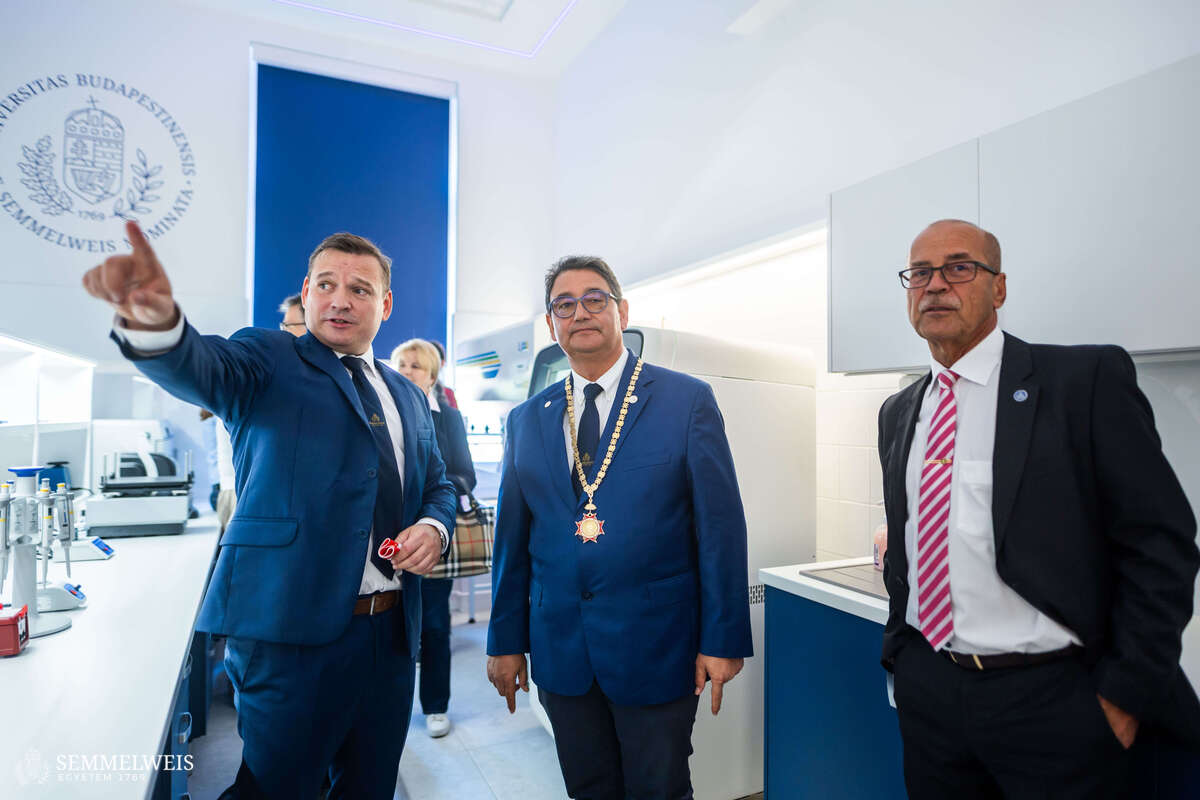
Dr. Béla Merkely, the university’s rector, said the laboratory houses some of the most advanced sequencing technologies and will support both patient care and cancer research. He described its opening as another milestone in the university’s long-term development.
 The department, which is more than 180 years old, has become a leading pathology center in Hungary and the region following two decades of sustained investment, Dr. Béla Merkely said. It has made particular progress in developing molecular pathology techniques and bringing clinical and pathological approaches together. The latest investment builds on that work and will enable several new technologies to be introduced in Hungary.
According to Dr. Béla Merkely, the development will make optical genome mapping part of routine patient care in Hungary for the first time. Methylation analysis will play an important role in assessing central nervous system tumors, while next-generation sequencing will support advanced diagnostics for acute leukemias.
The laboratory will also expand the university’s capacity for multiomics studies. Dr. Béla Merkely said the introduction of spatial transcriptomics and proteomics technologies would primarily support innovative research. These methods are also being used in the university’s heart failure research program.
Their value lies in turning research findings into knowledge that can be used in everyday medical care, he said. The university’s priority is therefore to bring innovative diagnostic techniques into clinical practice as quickly as possible and use them to improve patient care.
Dr. Béla Merkely put the value of the investment at nearly HUF 500 million, with most of the funding secured through industry partnerships. He said this reflected the department’s ability to produce findings with international applications in diagnosis and treatment.
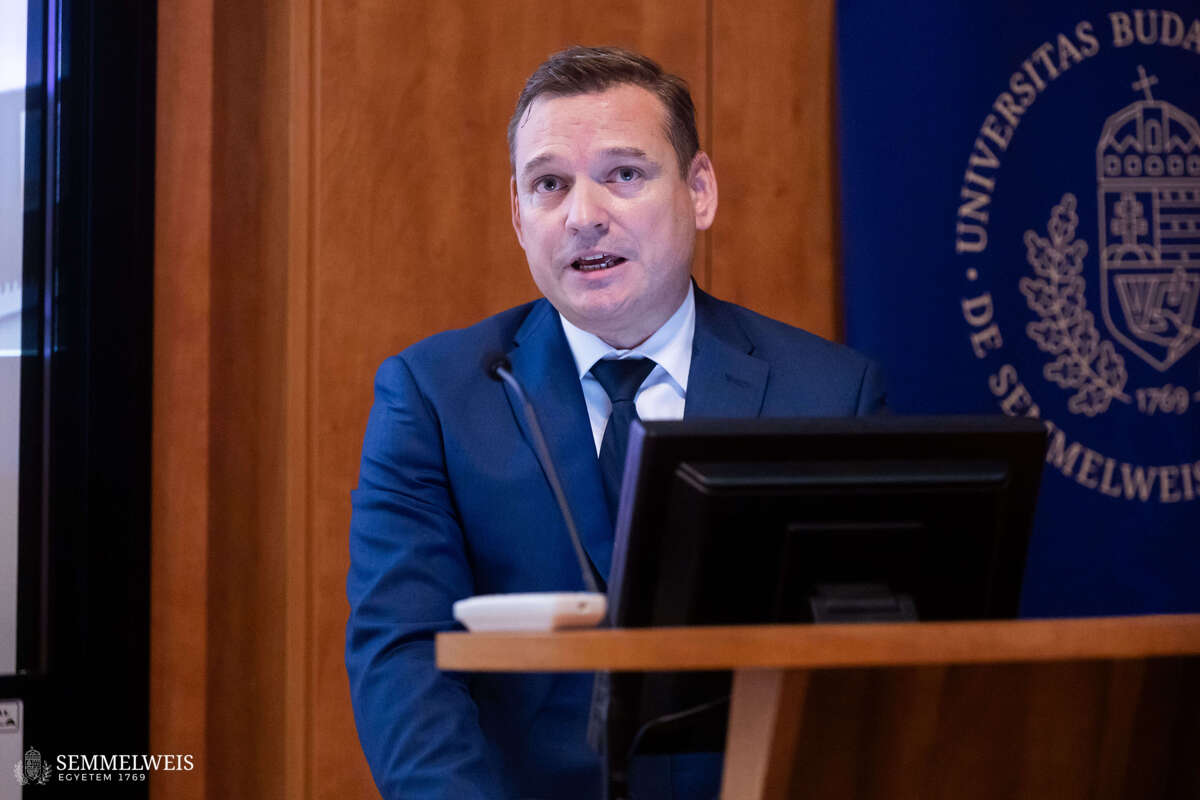 Introducing the laboratory, Dr. Csaba Bödör said the project followed a decade of infrastructure development. The department established its first next-generation sequencing laboratory in 2016. Since then, it has supported routine diagnostics in oncology and hematologic oncology, as well as the cardiogenetic testing services introduced in subsequent years.
The department’s molecular division now carries out more than 20,000 molecular tests a year. Its work covers cancers in adults and children, blood cancers and cardiogenomics. It receives samples from clinical centers across Hungary and provides a nationwide service for certain tests.
Dr. Csaba Bödör said demand from clinicians was continuing to grow, making it necessary to review existing capabilities and introduce new techniques.
The IMPACT laboratory adds technologies that expand both diagnostic and research work. In a short film shown at the opening, clinicians and department staff explained how these methods could be used.
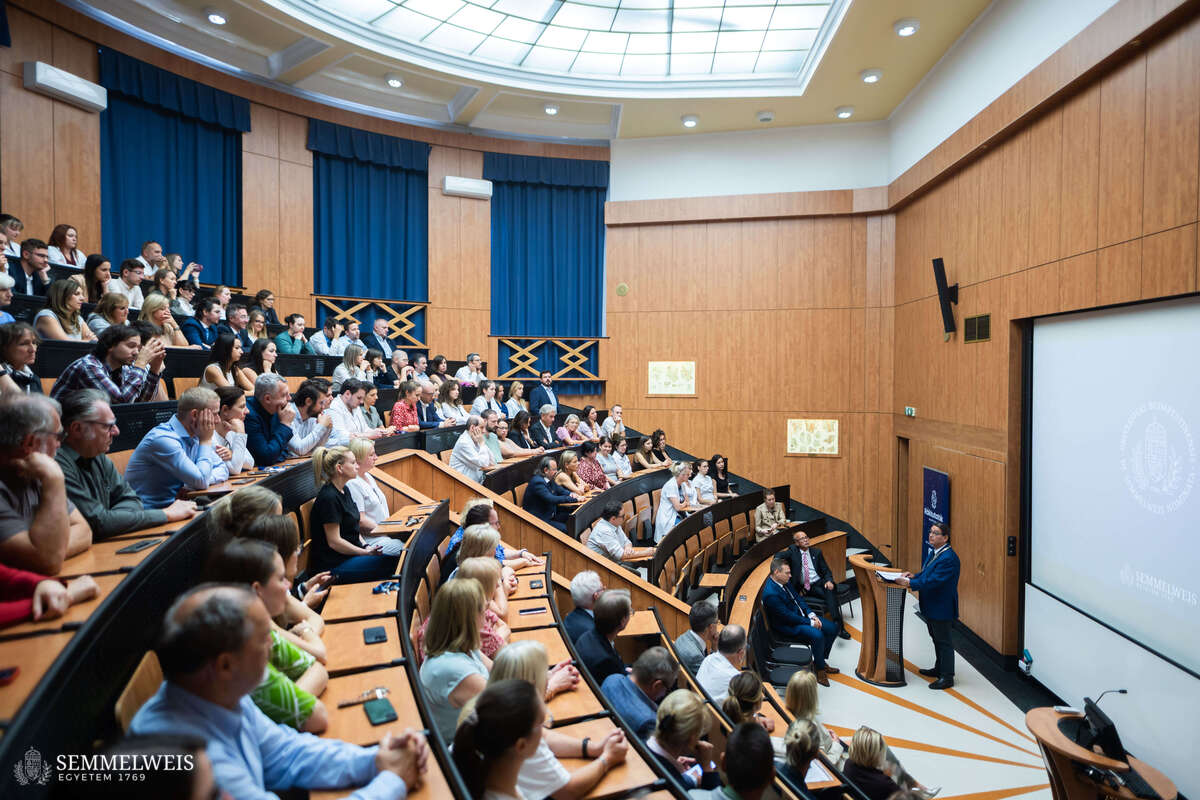 Genetic abnormalities identified through testing, for example, can influence the duration and intensity of chemotherapy and help doctors determine whether a stem cell transplant is needed. Contributors also highlighted the importance of rapid molecular diagnosis through next-generation sequencing, which can guide the choice of targeted treatment and help monitor residual disease.
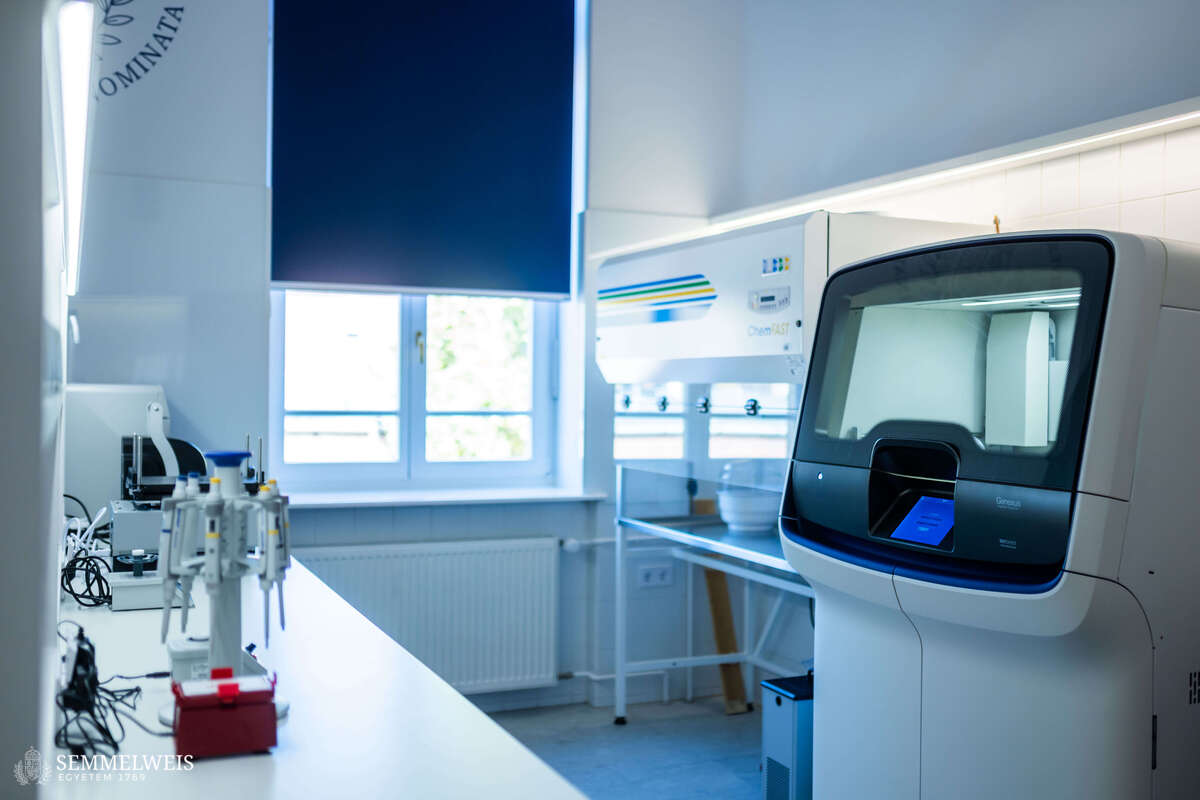
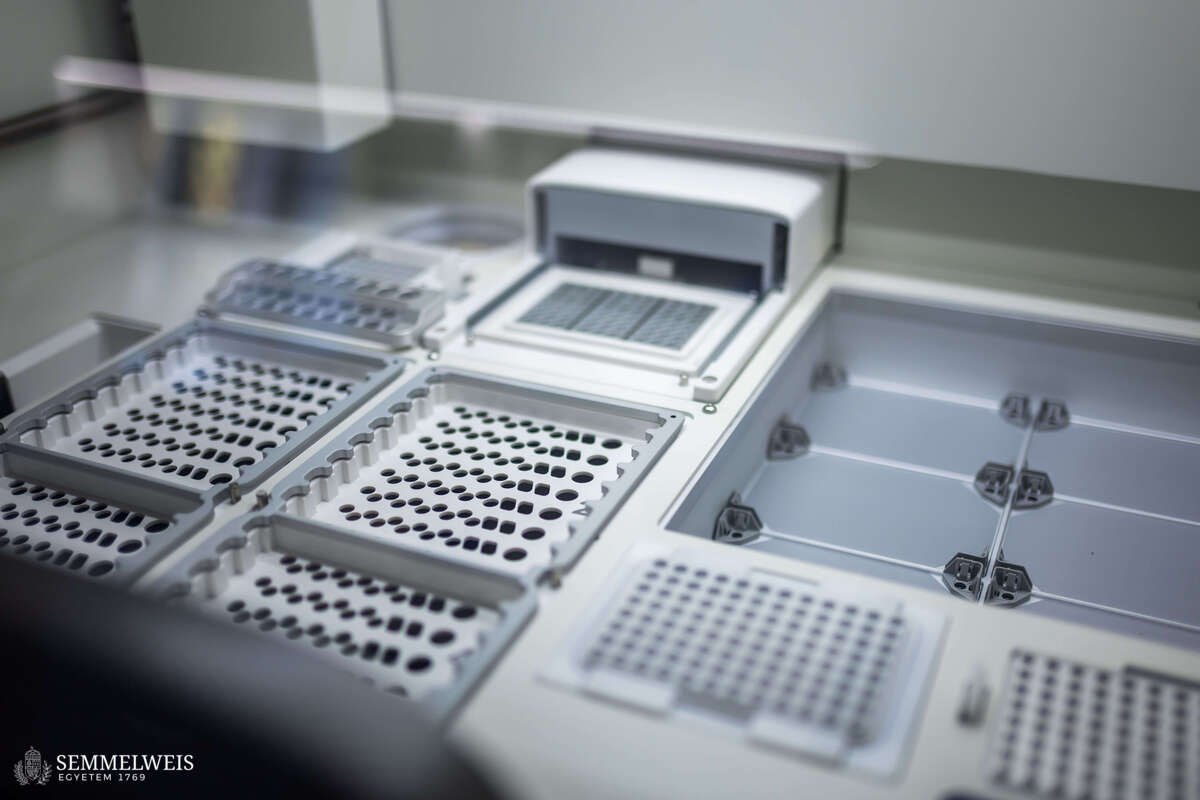
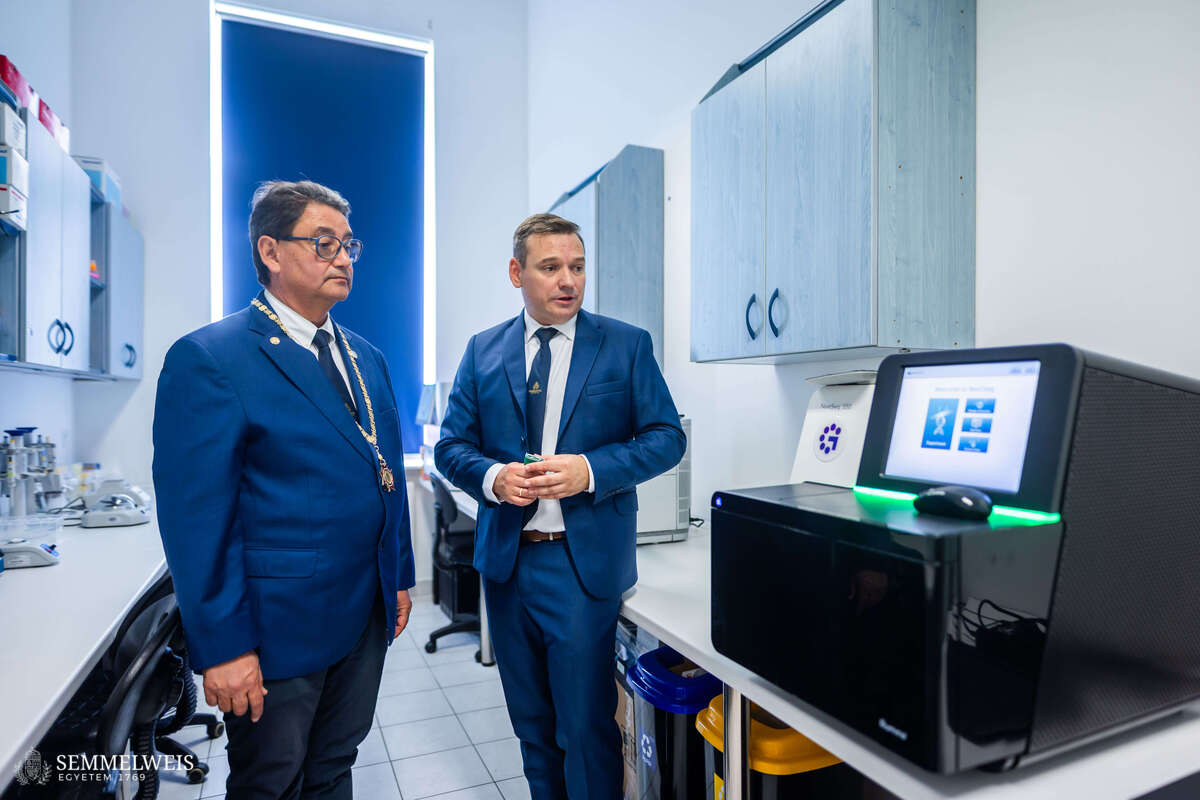
Presenting the equipment after the screening, Dr. Csaba Bödör said the laboratory combines instruments already in use with newly available systems. These include tools for gene expression and proteomic analysis, spatial studies, optical genome mapping, and analysis at the DNA, RNA, and protein levels.
He thanked the team behind the project, highlighting the collaboration between pathologists, biologists, and laboratory specialists. He also acknowledged support from the university’s leadership, the department’s director, the foundation supporting the department, private donors, and businesses.
Gallery

Orsolya Jancsó
Photos by Bálint Barta – Semmelweis University