Conductive teacher Ildikó Bajnok primarily works at the András Pető Rehabilitation and Healthcare Department (PAREEO) and at the Neonatal Intensive Care Unit at Semmelweis University’s Department of Obstetrics and Gynecology, which provides follow-up care for the so-called “at-risk” newborns considered to be particularly vulnerable. The main focus at the former is the comprehensive development of children with central nervous system injuries and early childhood development. At the latter, she collaborates with doctors and families to provide follow-up care and support the development of infants and young children born prematurely or with conditions that may hinder their psychomotor development. In this installment of our “One day” series, you’ll get a glimpse into the daily routine of a conductor who specializes in early childhood development and pediatric rehabilitation.
Click on the pictures to read our photo report.
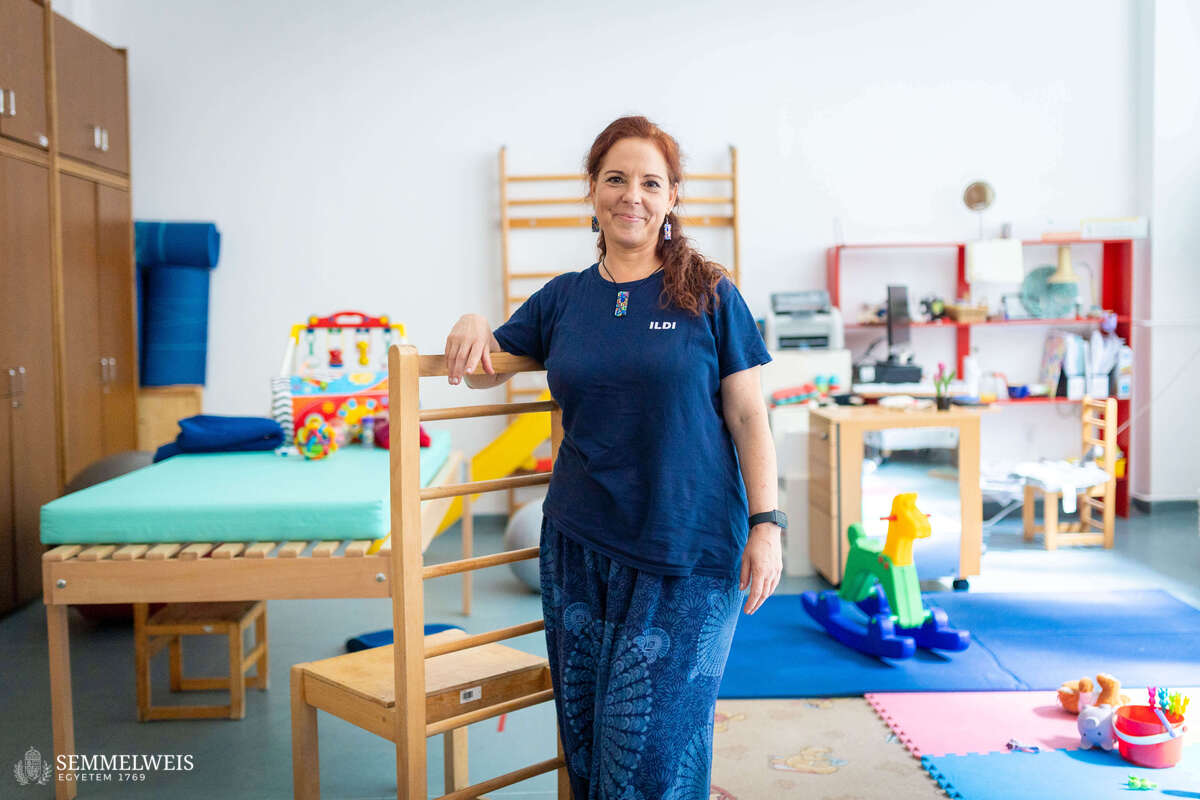
Ildikó Bajnok, a conductor at the András Pető Rehabilitation and Healthcare Department (PAREEO) at the András Pető Faculty (PAK) of Semmelweis University, has been working with children for nearly 30 years. Ildikó spends most of her time at the pediatric rehabilitation clinic in the PAK complex on Kútvölgyi Street, working with children up to age 18 who require comprehensive development support. Her expertise was recently recognized with the Semmelweis University Outstanding Conductor Award, presented on Semmelweis Day, the day of Hungarian healthcare.
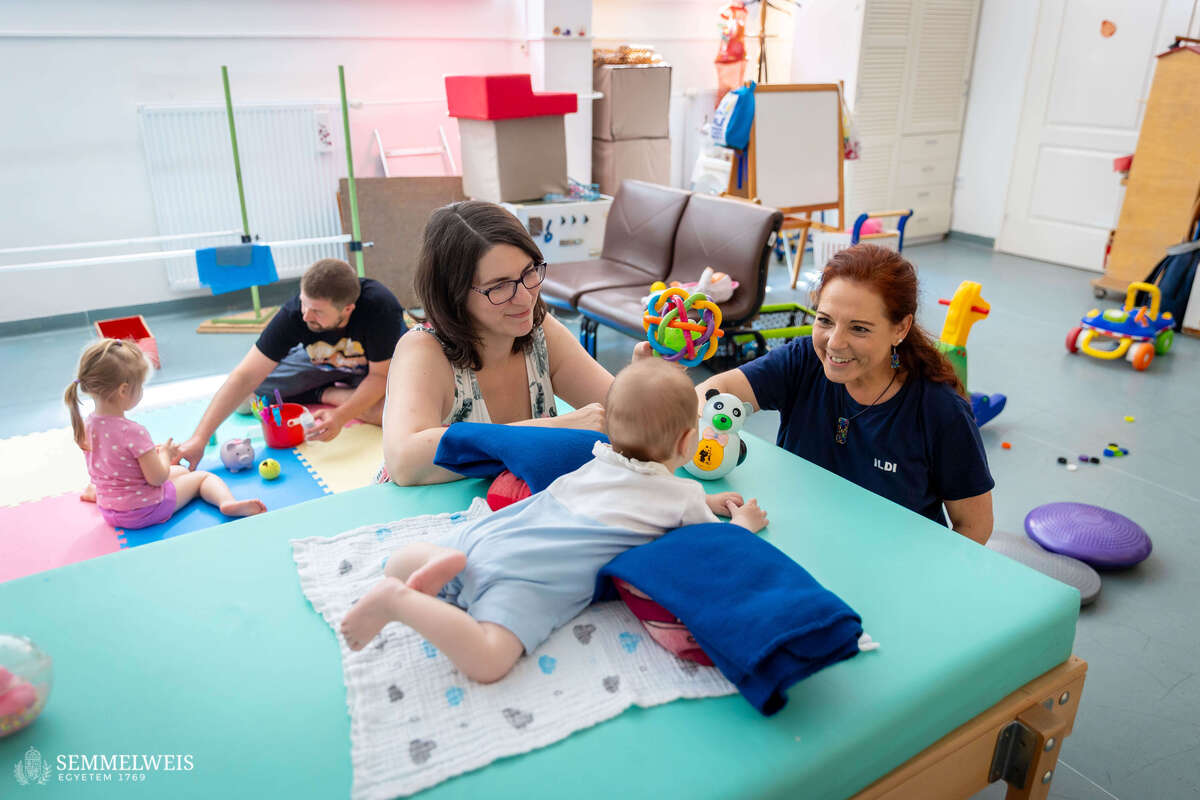
Most people associate conductive education with group-based early childhood and school-age development programs for children with central nervous system injuries. However, the methodology and approach developed by Hungarian physician András Pető can also yield significant results in the development of children with mild developmental delays or who struggle with motor, cognitive, or communication problems – whether in individual or small-group sessions. In addition, it can improve the quality of life for teenagers entering adulthood, people who have suffered a stroke or require rehabilitation following an accident, as well as adults living with Parkinson’s disease and multiple sclerosis.
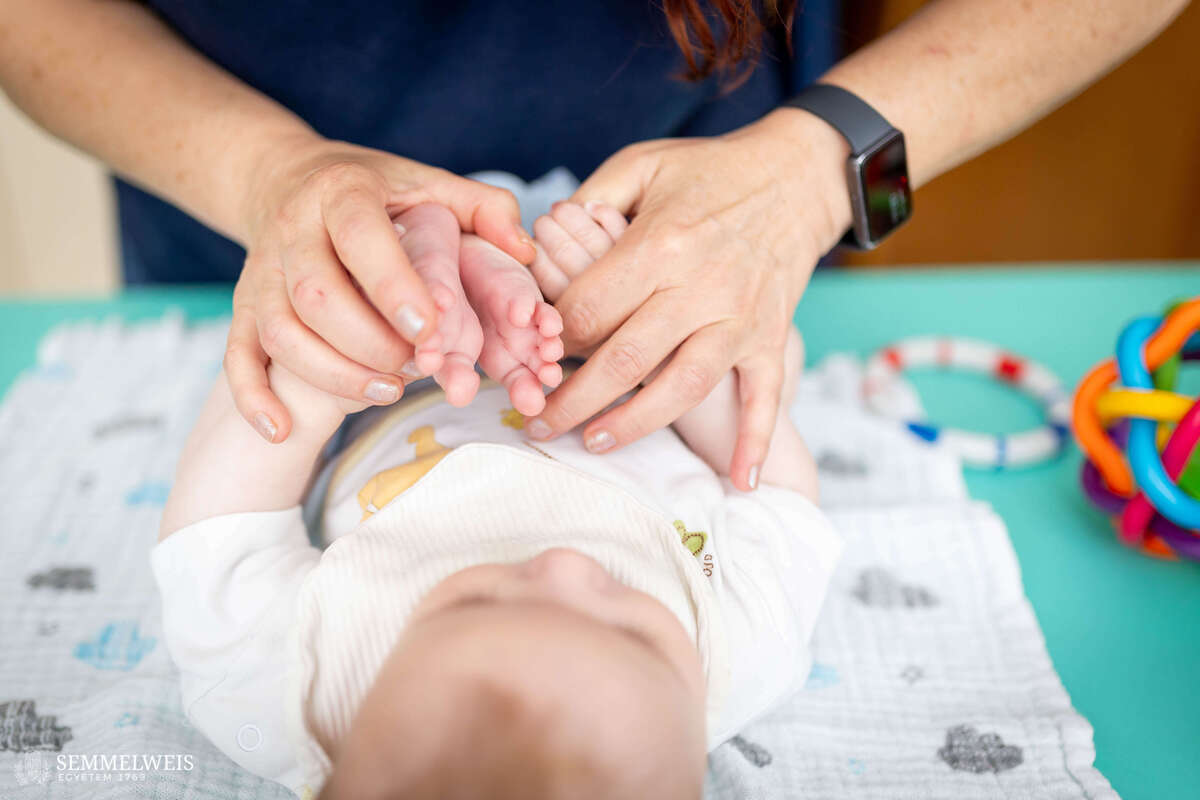
Kende was referred by her pediatric nurse because he significantly arched his back when lying on his stomach. Although the examination revealed no abnormalities in his musculature or development, this posture is common in babies with reflux. A gastroenterologist later confirmed the condition. It also turned out that his posture is slightly asymmetrical, which parents can correct with simple exercises at home, explained Ildikó Bajnok. In the pediatric rehabilitation clinic, she monitors the development of children with medical referrals and diagnoses who do not have neurological damage; rather, some factors affect their movement or development. She monitors progress through monthly follow-up evaluations for minor issues. “Depending on the results, I adjust the exercises. If necessary, we may stop them or bring in other specialists. We have to maintain a balance. We mustn’t overload the children’s nervous systems,” she adds.
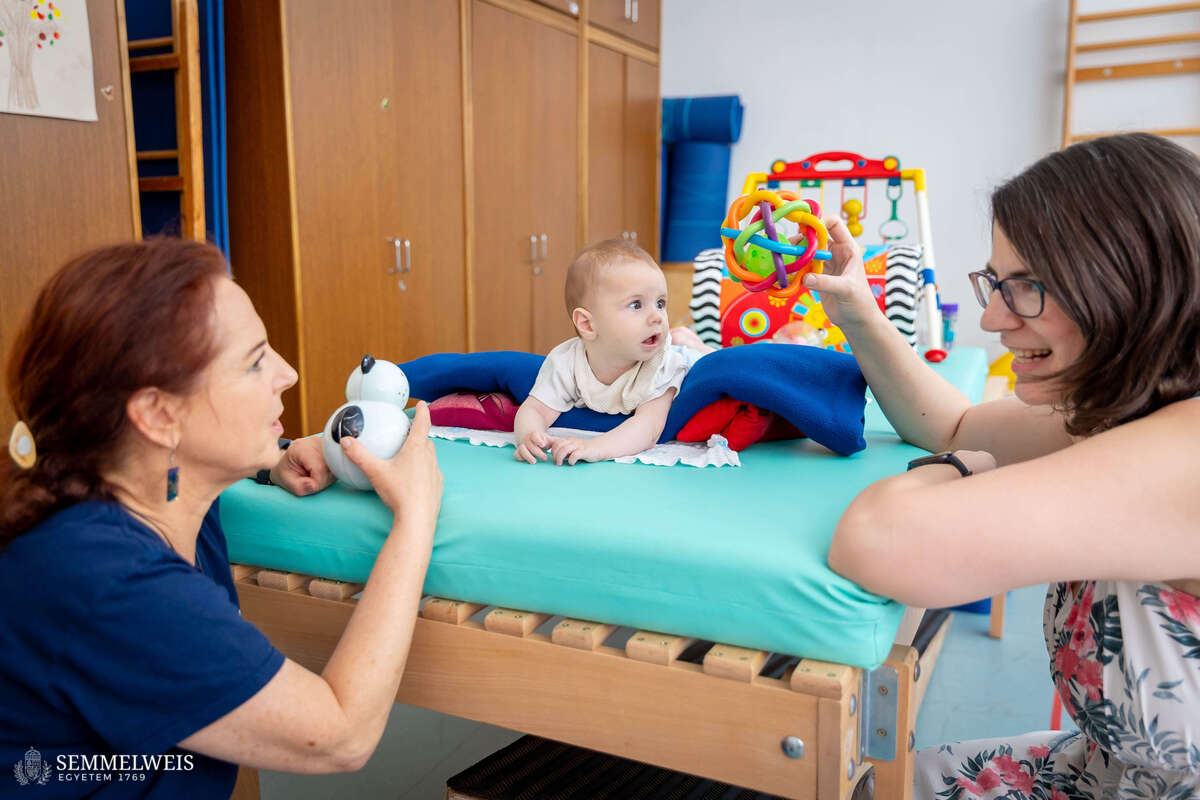
Infants undergo a comprehensive evaluation on a special conductive device called a plinth, whereas older children are evaluated on the floor. While the examination is underway, the specialist interviews the parents about the child’s and family’s daily life. According to Ildikó, it is important to identify the potential causes of any apparent delay compared to the average.
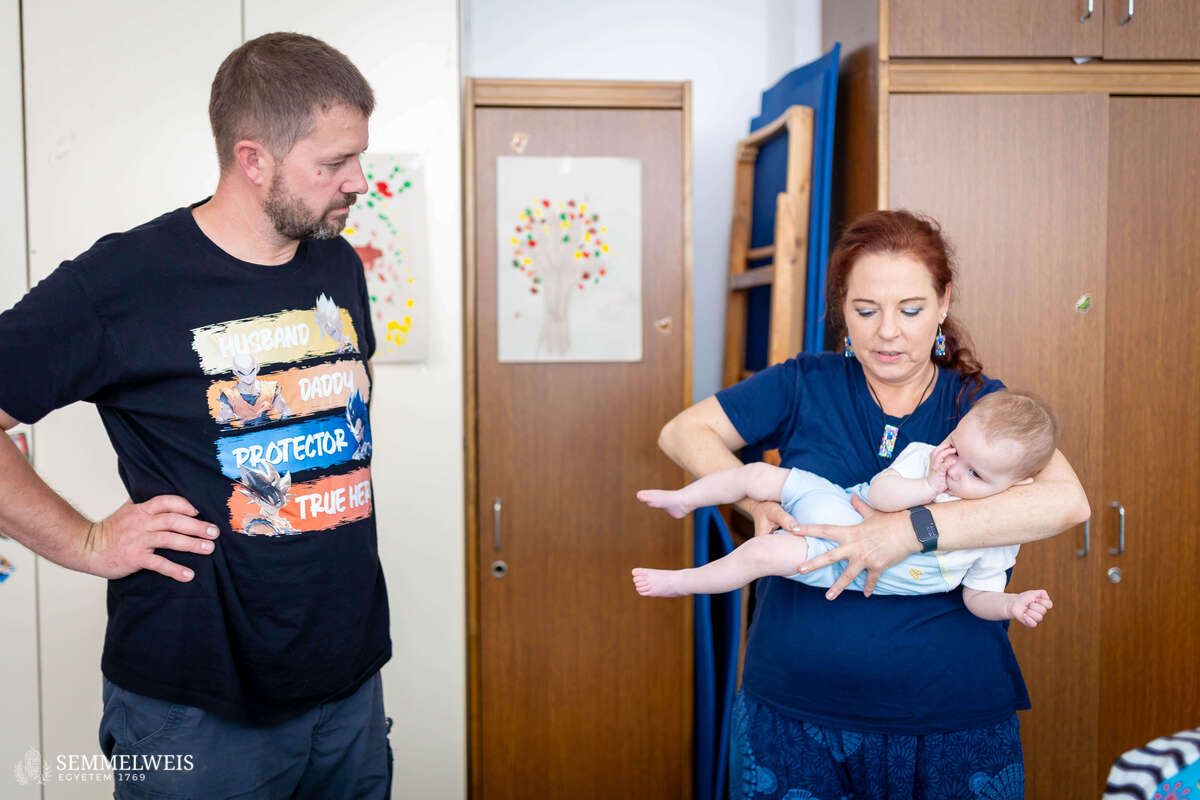
“The extension hold is a good way to correct left-sided asymmetry. So is holding the baby in the opposite hand and on the opposite shoulder because parents tend to hold their child in their dominant hand,” says Ildikó as she gives Kende’s father step-by-step instructions on how to support their son’s healthy development at home. “Cross your arm as if it were a seatbelt. Then, slide it down a little across your chest. Finally, the baby’s head should rest on your upper arm,” she explains, walking him through the “homework” step by step.
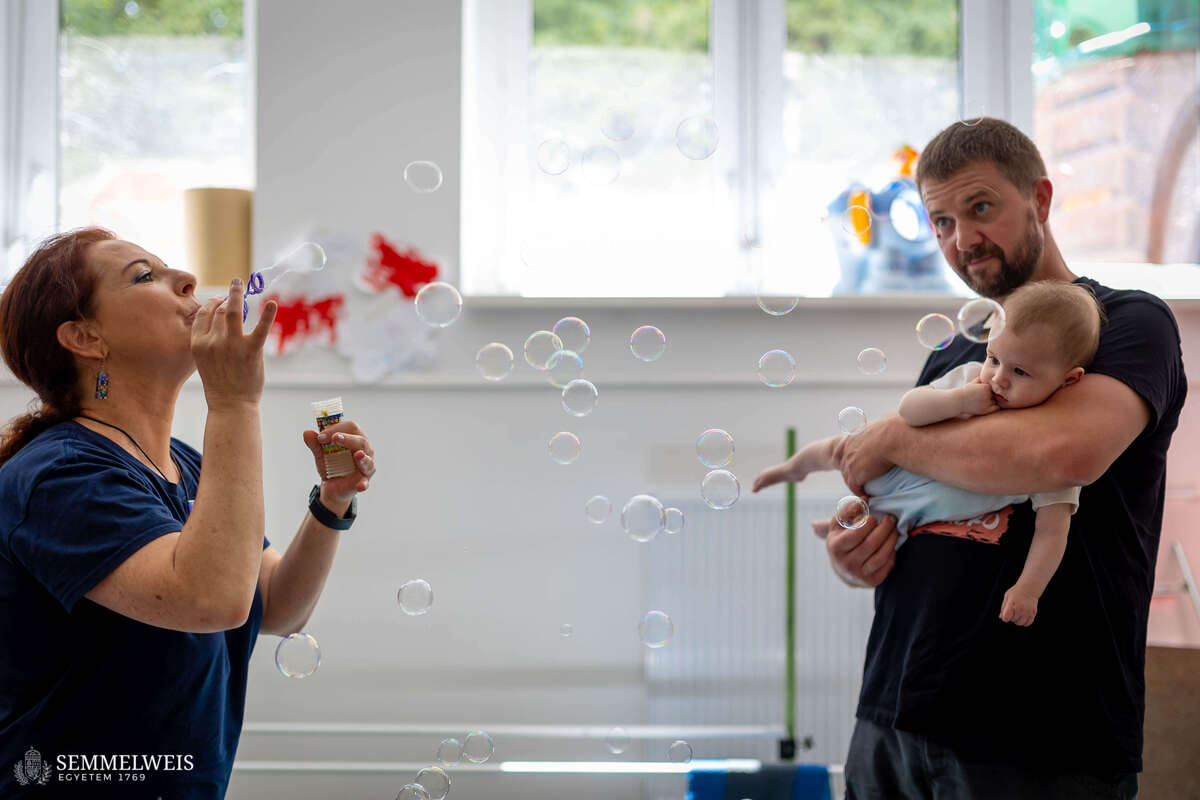
In addition to posture, the assessment covers the ability to focus attention. Rattles, singing, and bubble blowers are all great tools for this. The bubble blower is one of Ildikó’s most useful aids. First of all, noticing the bubbles is a good indicator of visual development. Secondly, the spectacle of the bubbles captivates little ones so much that they usually stop crying, allowing the real work to continue.
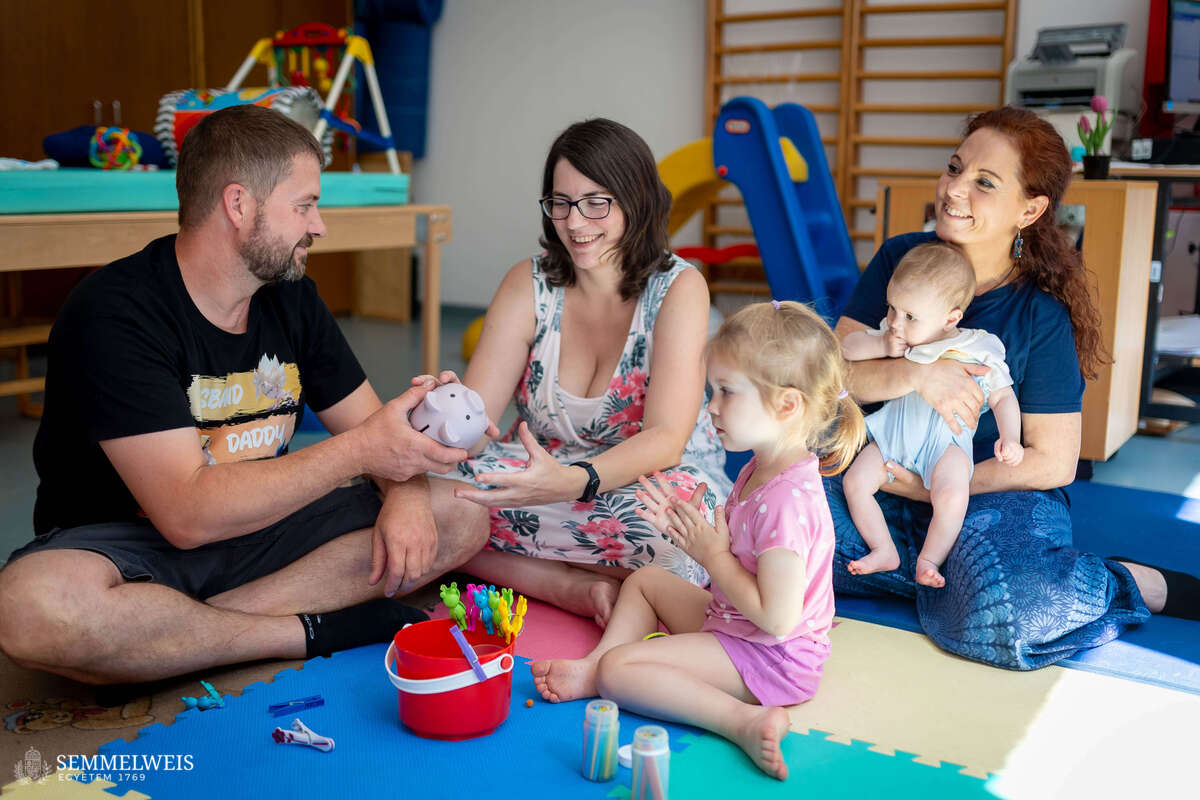
“I like it when both parents can accompany their children to the sessions,” says Ildikó Bajnok. She believes it’s important for families to look forward to returning. In this particular case, it’s twice as helpful. While Ildikó teaches the homework assignments and assesses Kende’s condition, his father plays with his sister, Léla. Ildikó had previously started working with Léla as well, on the recommendation of a health visitor. As a baby, she wouldn’t lift her head while lying on her stomach.
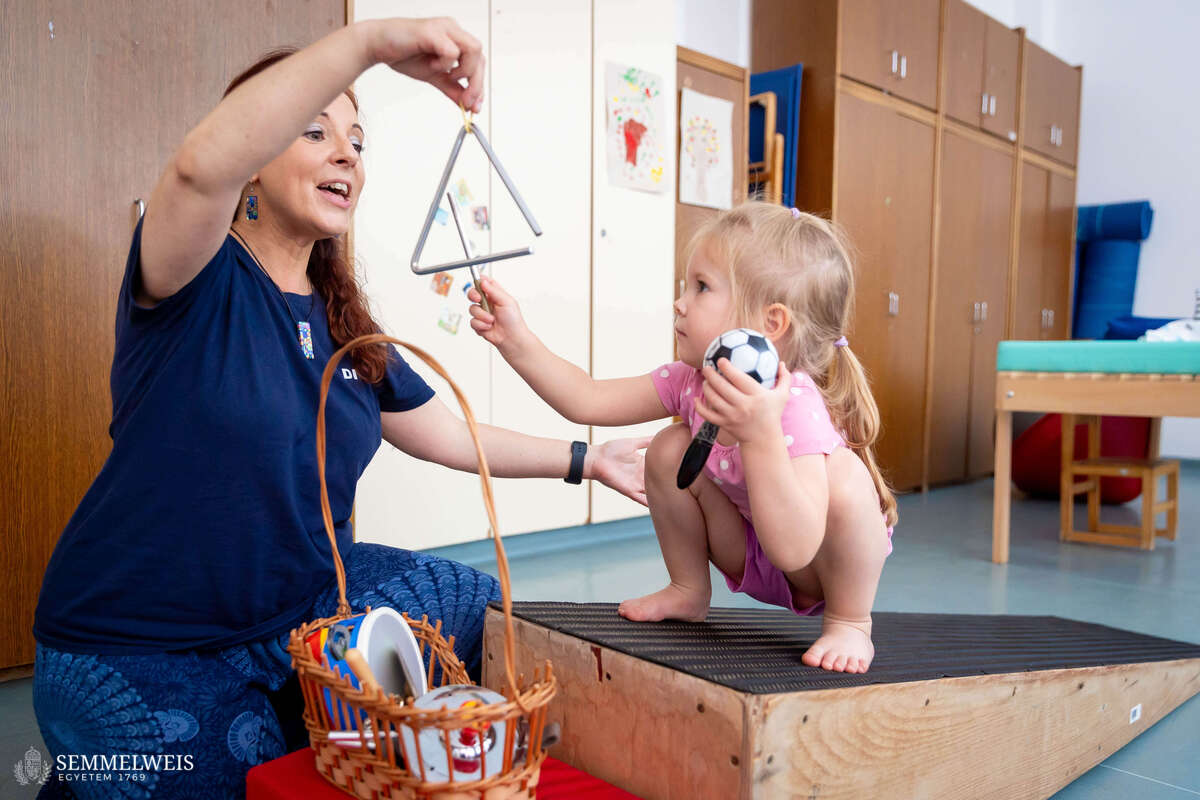
Léla is starting kindergarten in the fall, but Ildikó has kept working with her because the little girl still often walks on her tiptoes. For Léla, comprehensive development means performing exercises while squatting on a ramp to stretch her muscles. Holding the instrument on the appropriate side while singing corrects the asymmetry that was more pronounced in infancy but is now barely noticeable. “The tools and exercises depend on the children’s age and current condition,” Ildikó Bajnok adds.
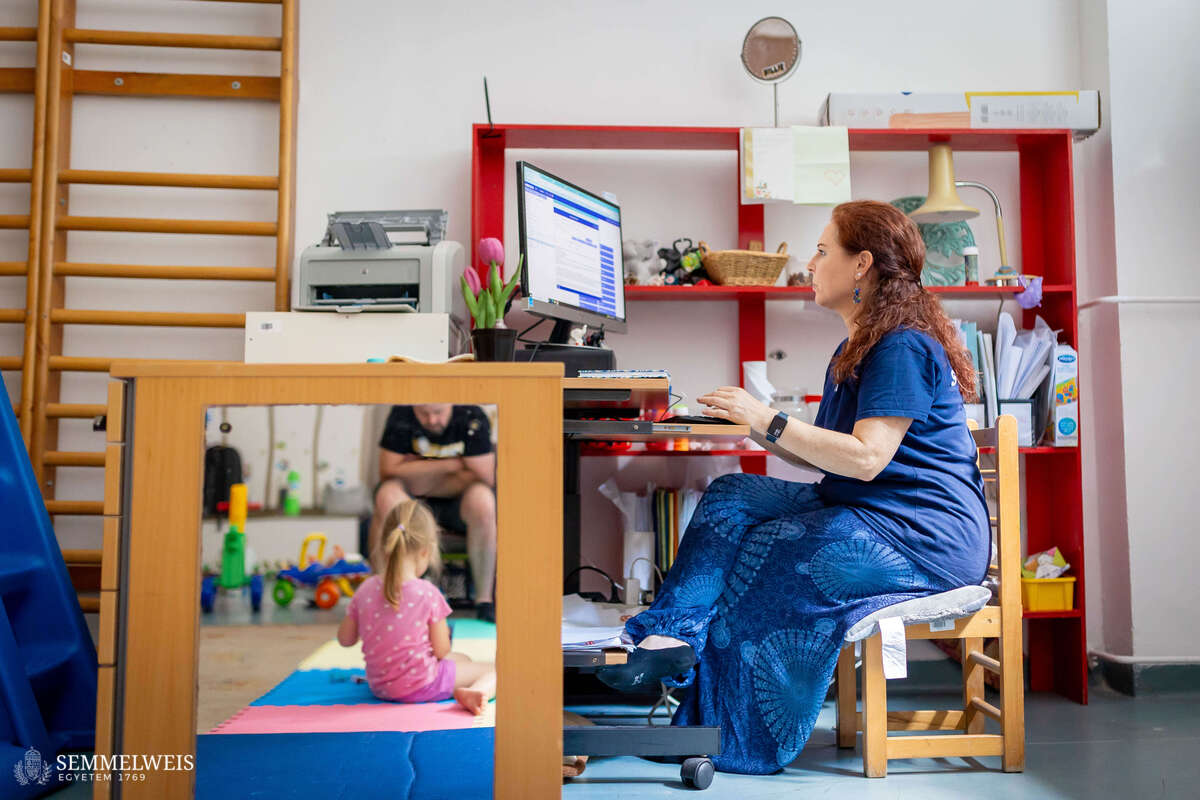
Each session concludes with some paperwork. Ildikó records the children’s current developmental status and personal information. She also notes what she observed during the session and suggests developmental activities to do at home.
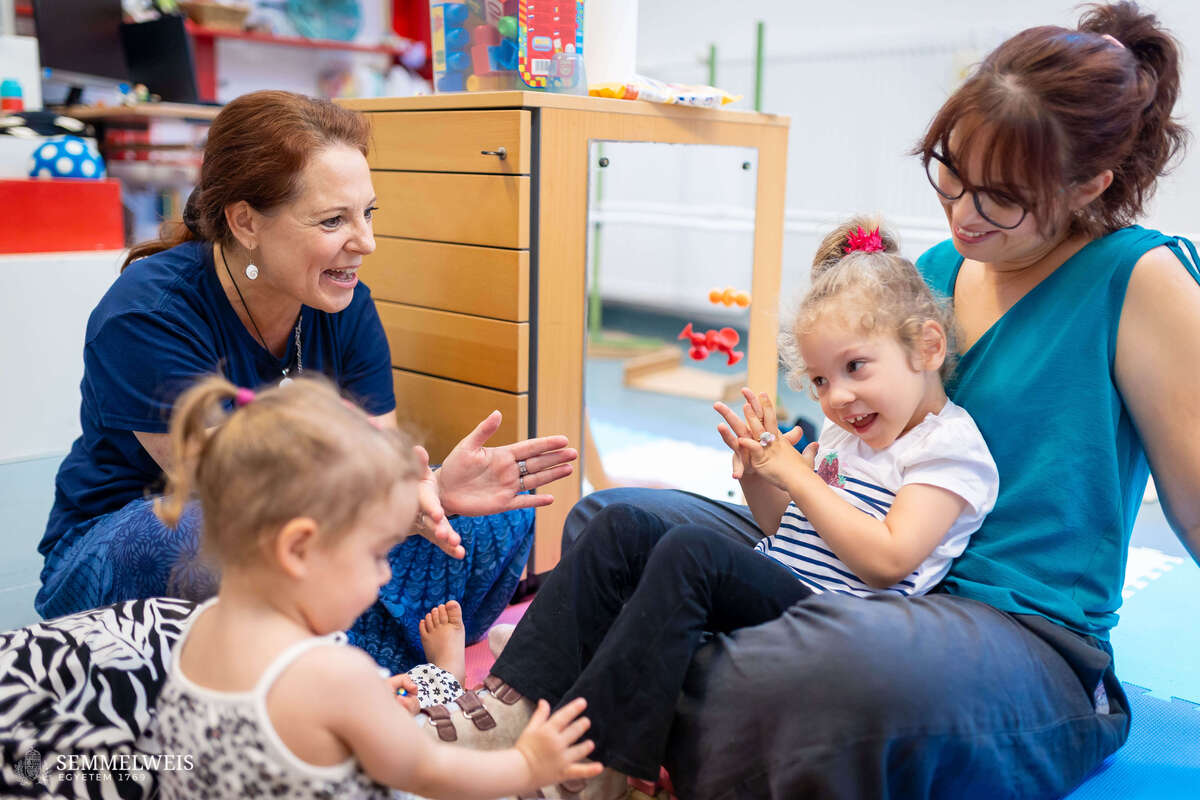
Sometimes the sessions of two children overlap, and they become friends. Then, we can coordinate appointments for these kids with similar challenges. These spontaneous educational situations also help foster the social development of children with disabilities. Both little girls have cerebral palsy for different reasons, and the nature and severity of their conditions differ as well. While playing together, however, they instinctively make movements that Ildikó would have to work hard to get them to perform during individual sessions. For example, they extend their arms or fingers while Ildikó slips the ring onto them. “Success for us is when a child performs a new movement, takes a developmental step, says a new word, or learns to eat,” says Ildikó Bajnok.
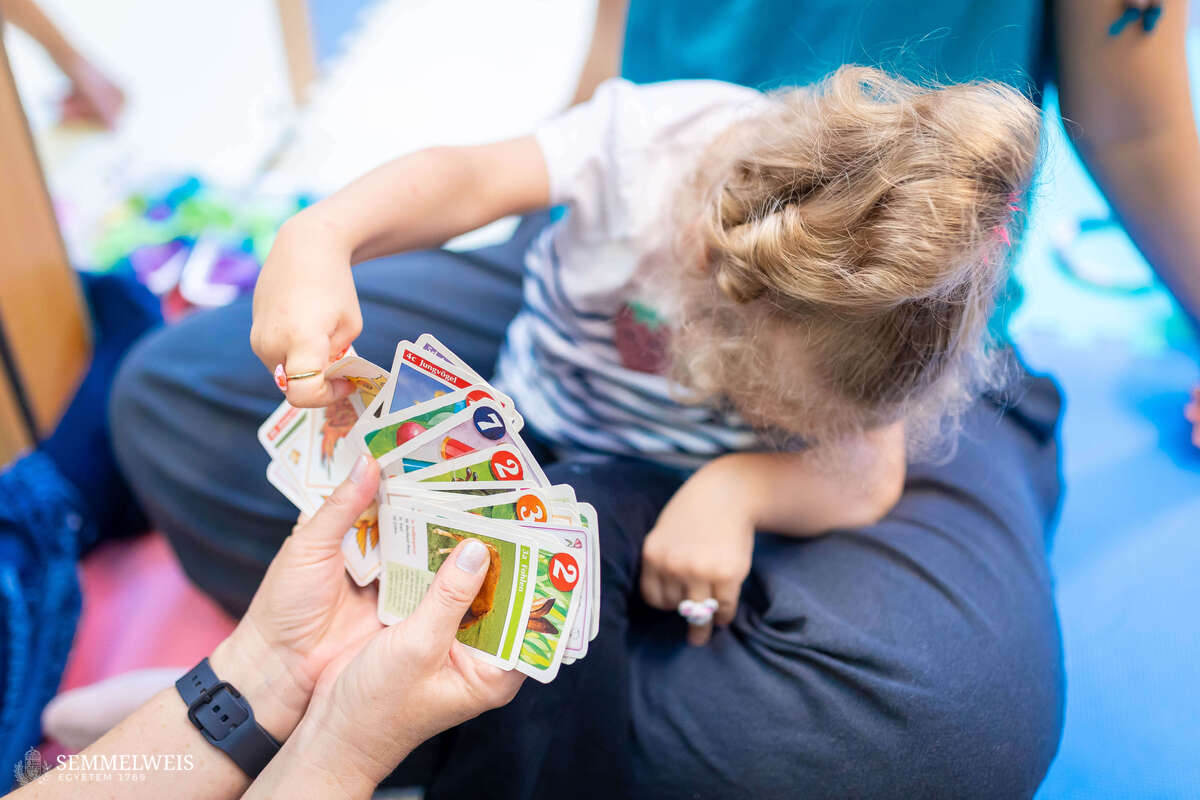
Molli has difficulty maintaining good posture while sitting because her back and neck muscles are weak, and her limbs are stiff, which makes it difficult for her to move them. “We use the cards to develop her communication and cognitive skills. By having her draw the cards, we encourage her to take independent action: reaching out with her arms, grasping, and releasing. This also improves her eye-object and eye-hand coordination,” says Ildikó Bajnok. “Butterfly, butterfly, where do you fly? So quick, so high in the blue, blue sky,” Ildikó sings. Meanwhile, they act out how a butterfly flutters.
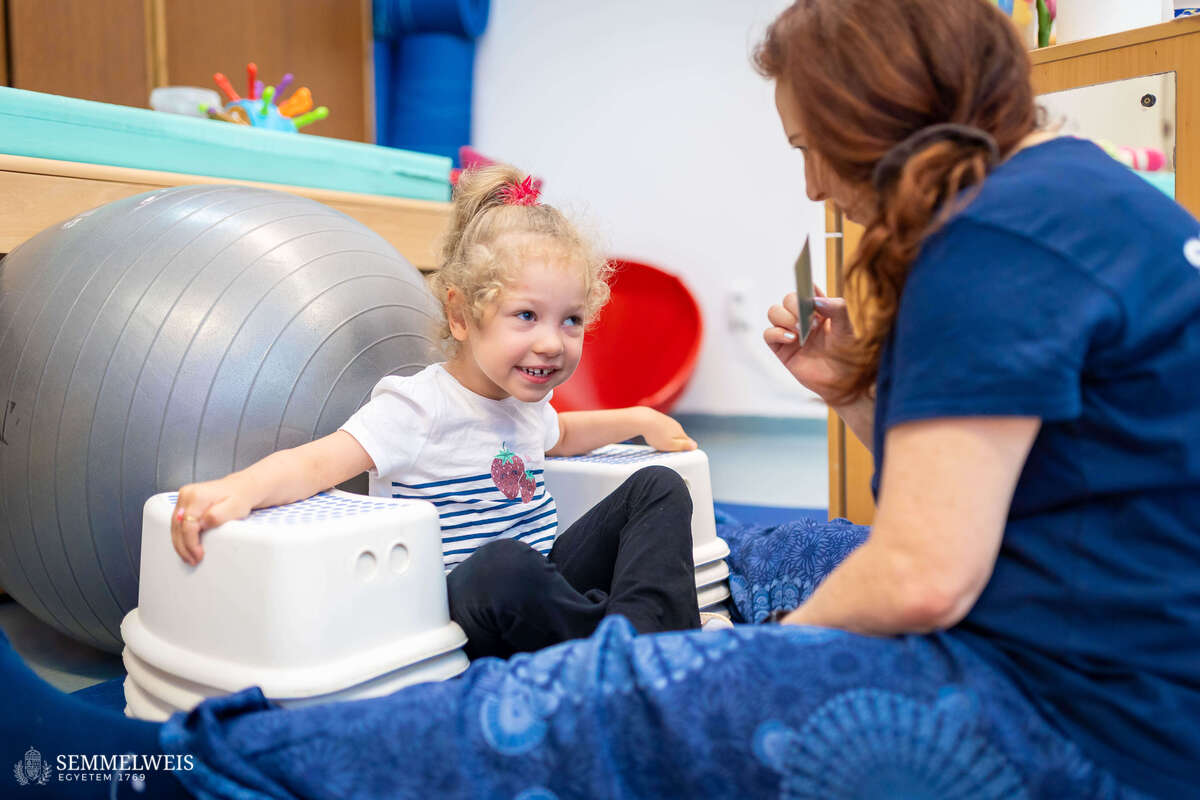
Sometimes, even very simple household items can be perfect for stabilizing your posture.
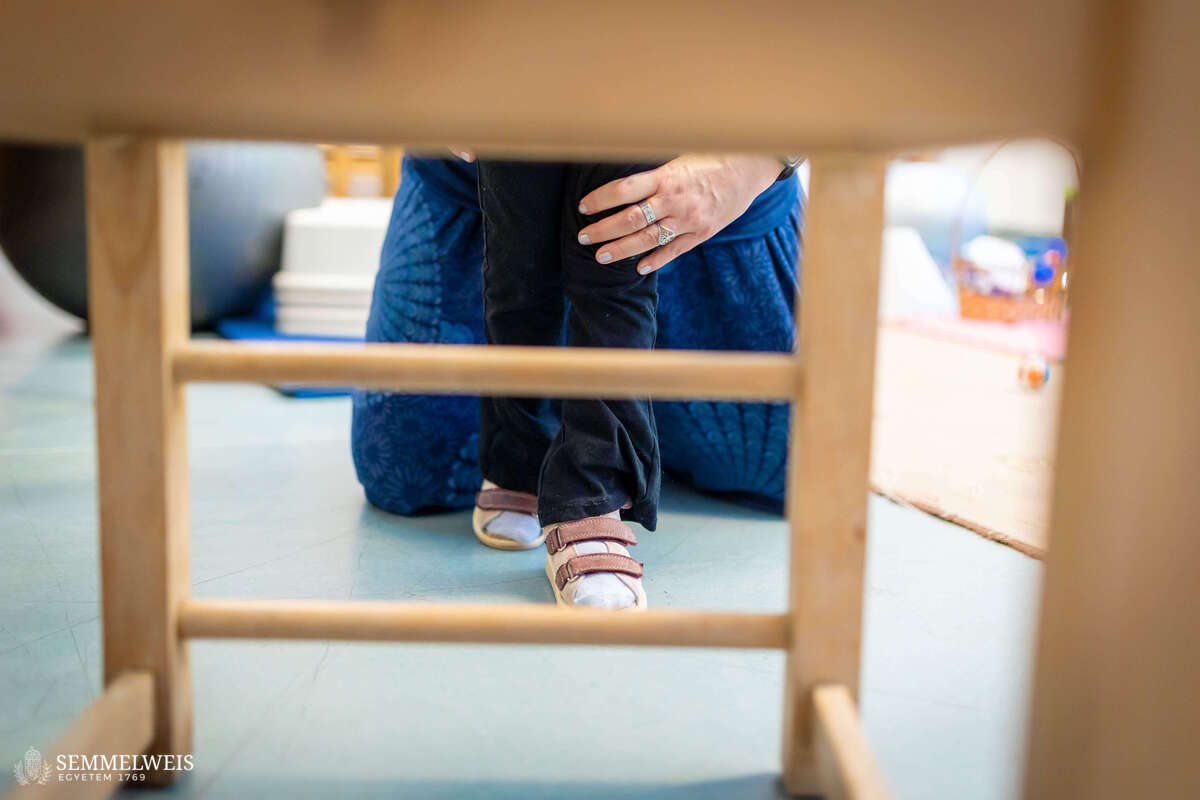
Walking may be challenging, but the squeaking of the slatted chair designed by András Pető still makes Molli burst into loud laughter when pushed along the floor. The fundamental idea behind András Pető’s unique conductive pedagogy system is that despite any damage, our nervous system has reserves and the potential to form new connections. These can be mobilized through the appropriate guidance of the learning and teaching process.
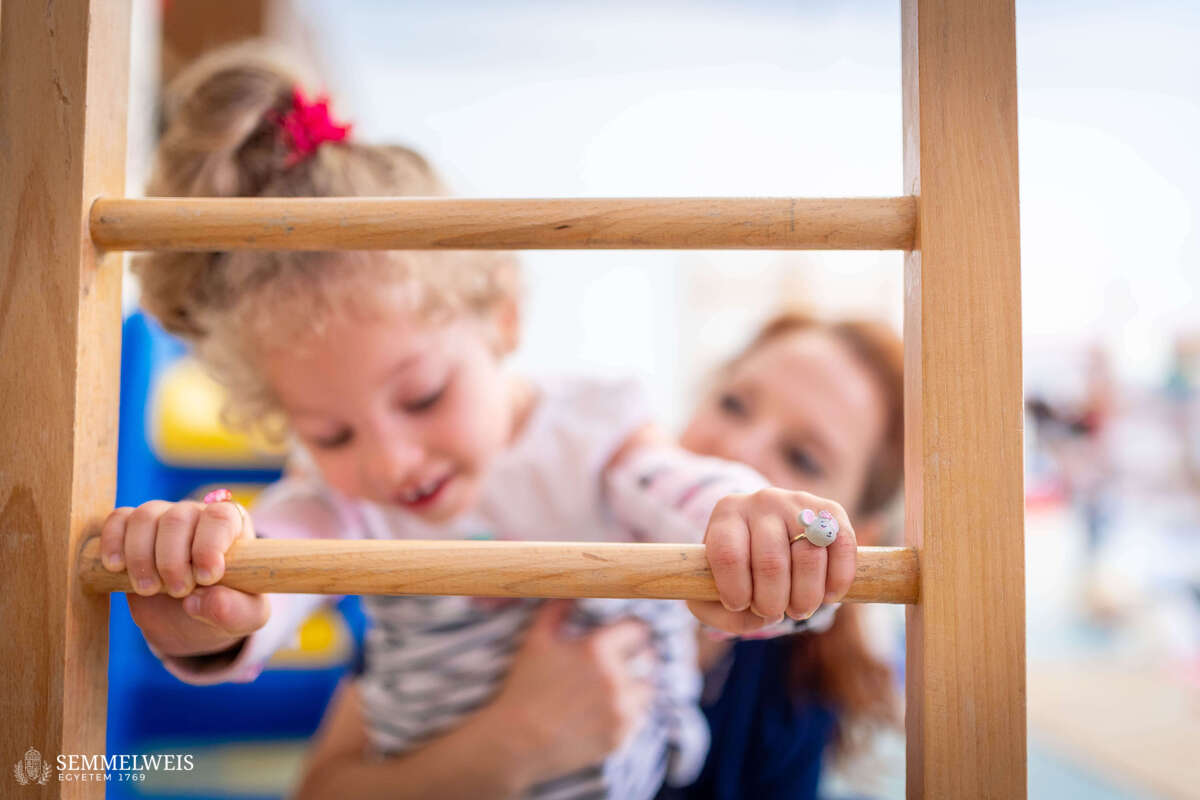
“In addition to the steps, it’s important to practice proper head posture and enjoy the process,” says Ildikó Bajnok. She can adapt to each child’s current condition and mood during individual sessions, preparing them for group-based conductive therapy later on. Often, the individual conductive therapy she provides transitions into more traditional group-based early conductive therapy or preschool classes.
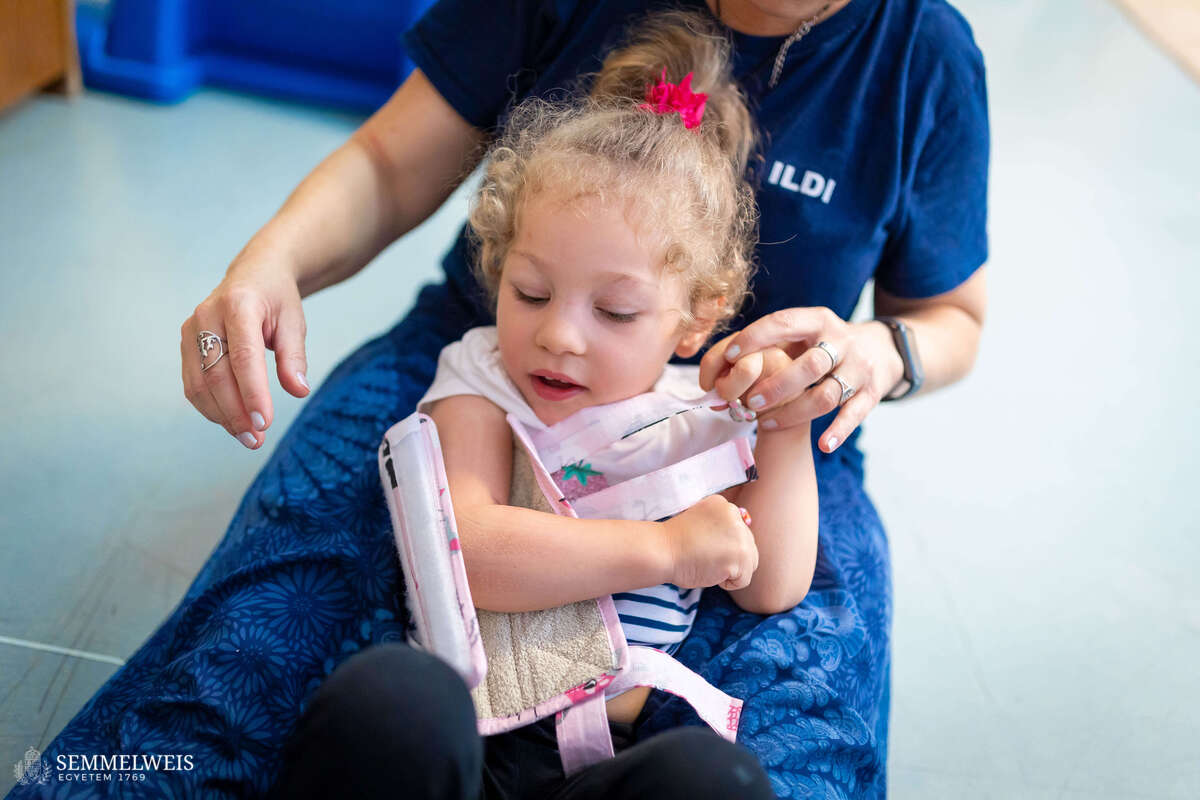
Finally, amid loud laughter, she manages to cover a few meters. “One of the most important goals of conductive education is to promote independence,” says Ildikó Bajnok as she lightly helps Molli free her arm from the elbow brace stretching her muscles. At the end of the session, Ildikó sings “Bravo, bravissimo, Molli.”
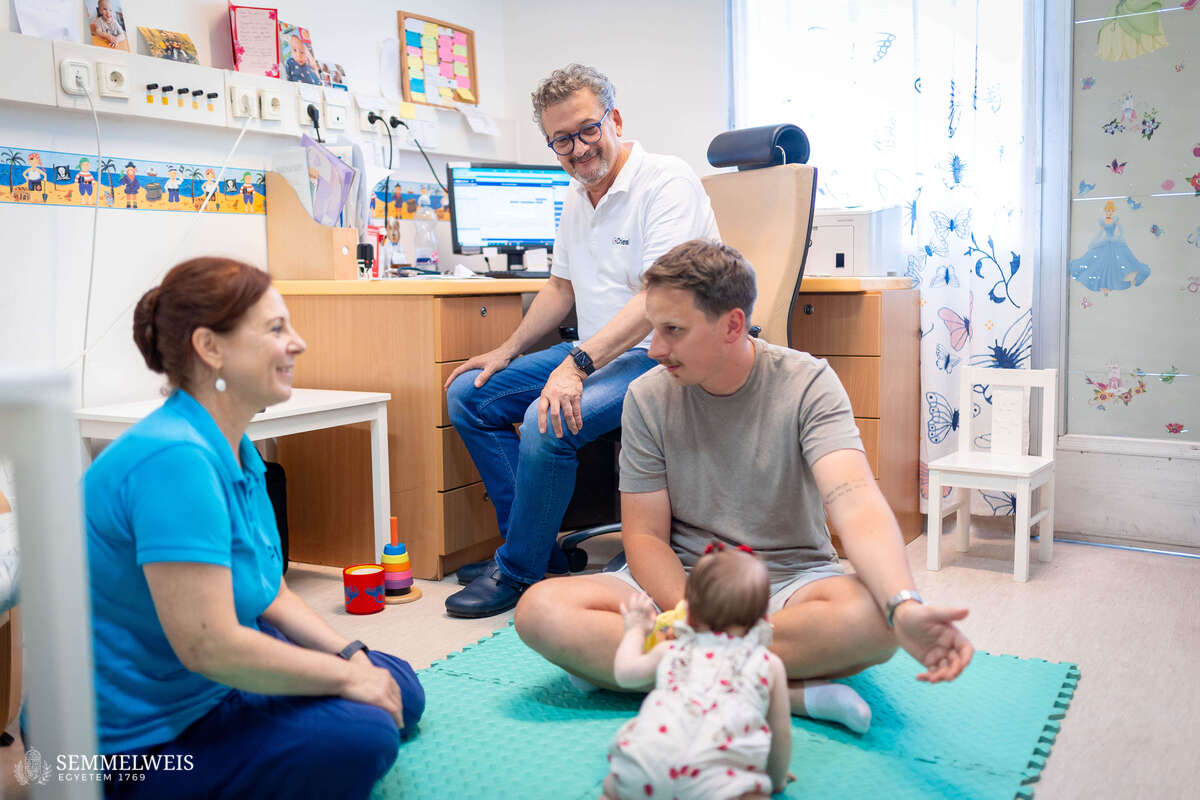
Neonatologist Dr. Csaba Nádor and Ildikó Bajnok are currently assessing Olívia’s progress over the past month at the NICU outpatient clinic of the Department of Obstetrics and Gynecology. The little girl was born three months prematurely due to intrauterine growth restriction, resulting in an extremely low birth weight. She spent 74 days in the hospital overcoming numerous challenges before going home. For her mother, the consultations with the specialist and conductor – which initially took place once a month and later every two to three months – provided tremendous support and reassurance. “This type of professional collaboration began more than twenty years ago, which was unique in Hungarian medical practice at the time,” says Ildikó Bajnok.
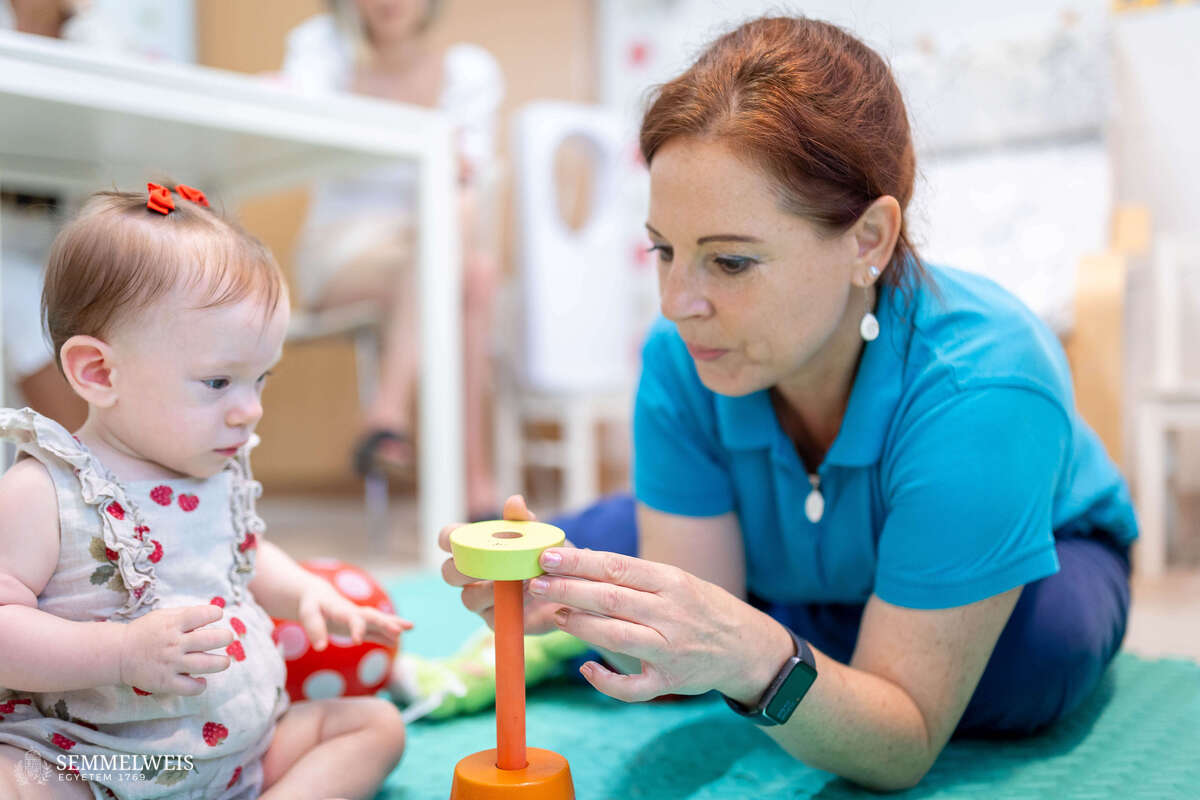
At the time of our interview, Olívia was celebrating her first birthday. “Premature babies have two birthdays until they turn two: their calendar birthday and their corrected age birthday,” notes Ildikó Bajnok. She tells parents that their children are born as fetuses and don’t become babies until the 40th week, so their development should be viewed strictly from that point onward. In other words, at three months old according to the calendar, Olivia was still expected to do things typical of a newborn. “It’s not recommended to bring out too many toys at once because then it’s harder for the child to focus on one thing,” Ildikó advises parents.
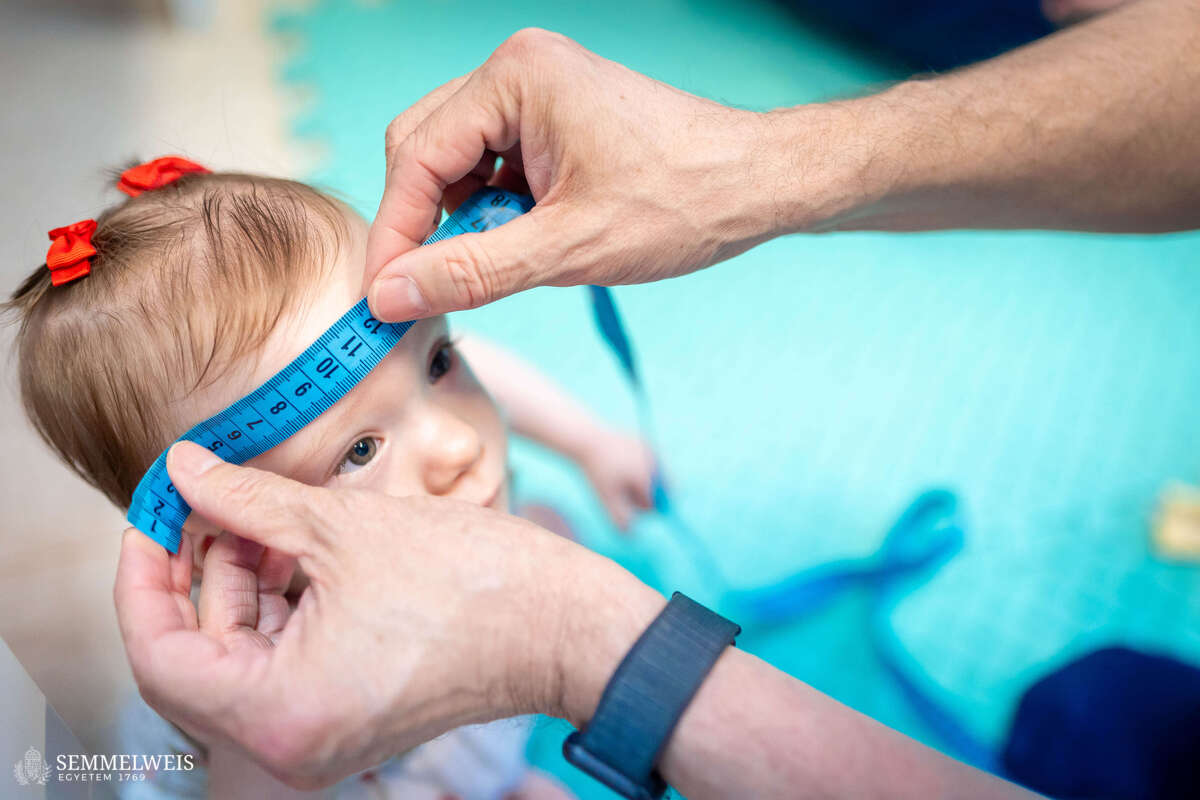
Dr. Csaba Nádor is measuring Olívia’s head circumference. Along with weight and height, this is an important indicator of premature infant development up to the age of two. To determine if her growth rate is optimal or lagging behind, it is compared to the growth charts published by the World Health Organization (WHO) and the Royal College of Pediatrics and Child Health (RCPCH).
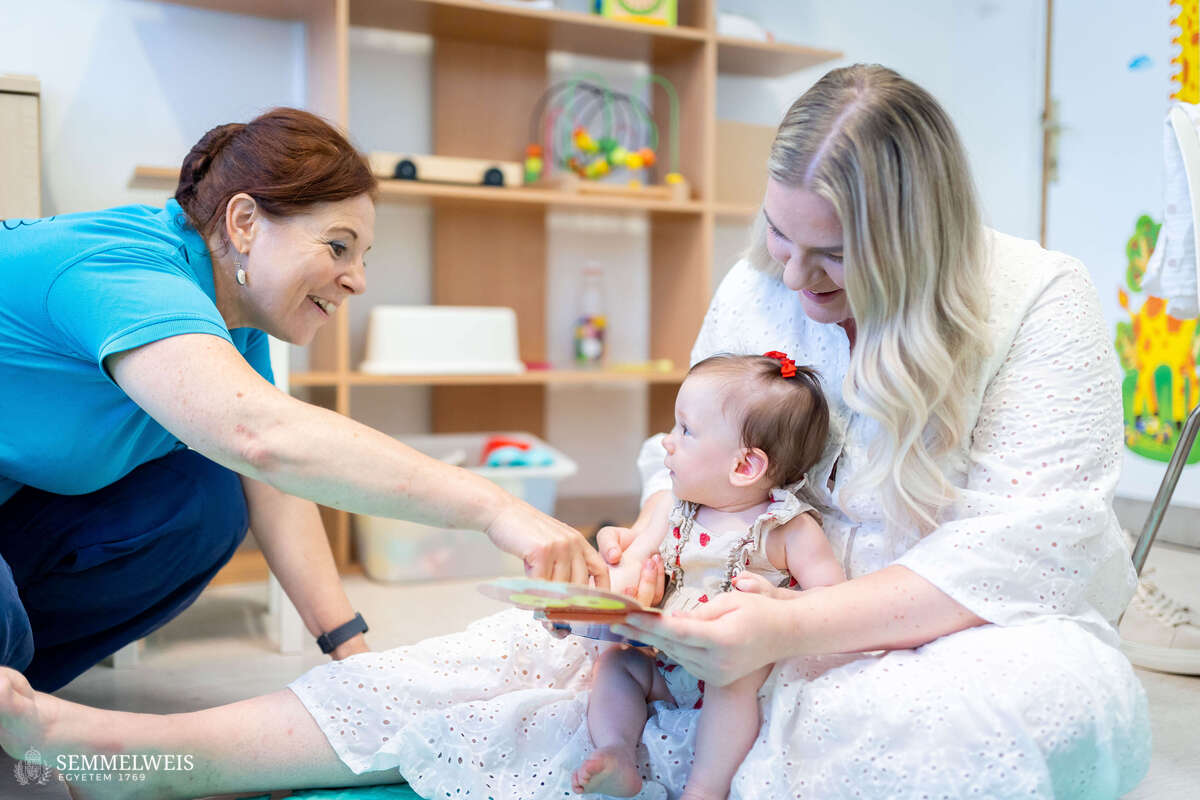
Since Olívia has almost caught up with her peers in terms of motor skills, her homework consists of flipping through touch-and-feel books and reciting rhymes with gestures, which helps her practice pointing with her finger and focusing her attention. These at-home activities are also useful because they allow the child to practice them when she’s in her best state, integrated into her daily routine, and they also incorporate family-based learning. Ildikó Bajnok believes that empathetic and reassuring communication with parents is one of the most important parts of her work.
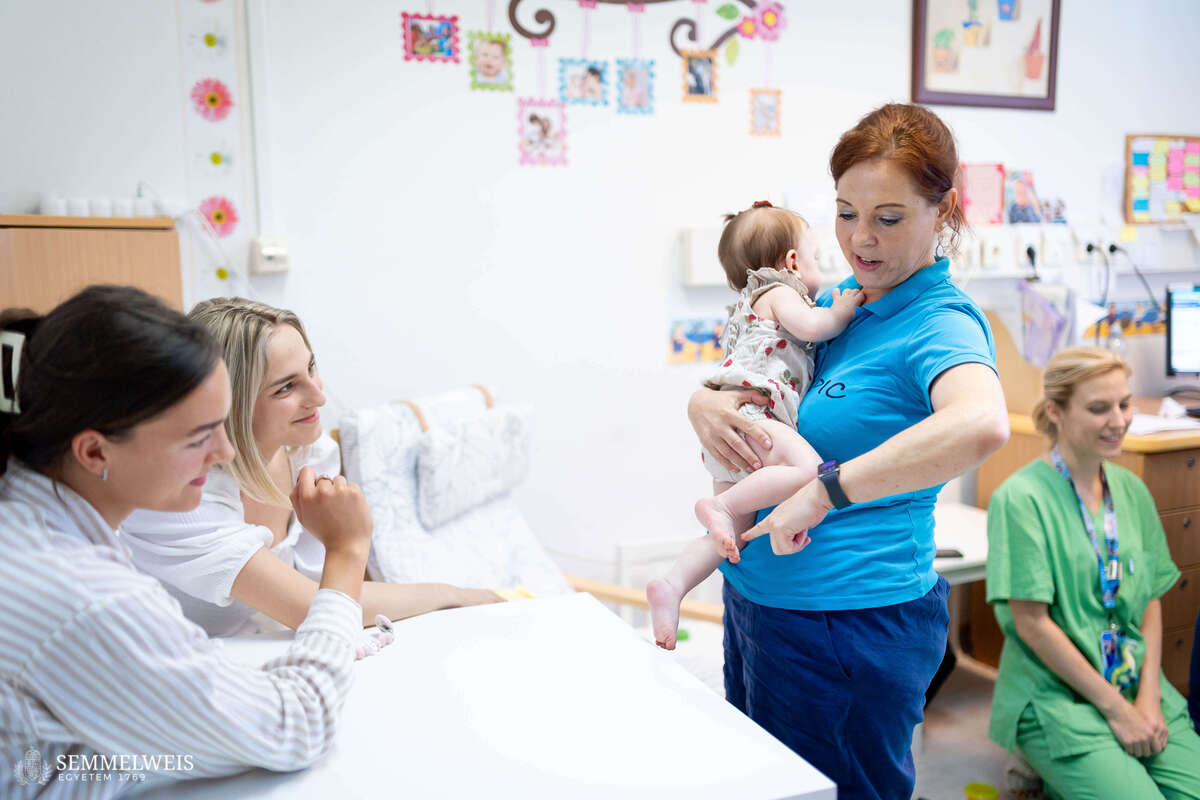
The András Pető Faculty’s students are also on hand to gain practical experience with the methodology of conductive education during the academic year. However, the NICU outpatient clinic, which provides follow-up care for at-risk newborns, including premature infants, is also special to them. Here, they can gain valuable knowledge about the development and care of the youngest patients and experience first-hand what it is like to work as part of a diverse, more hierarchical healthcare team and communicate with colleagues and family members.
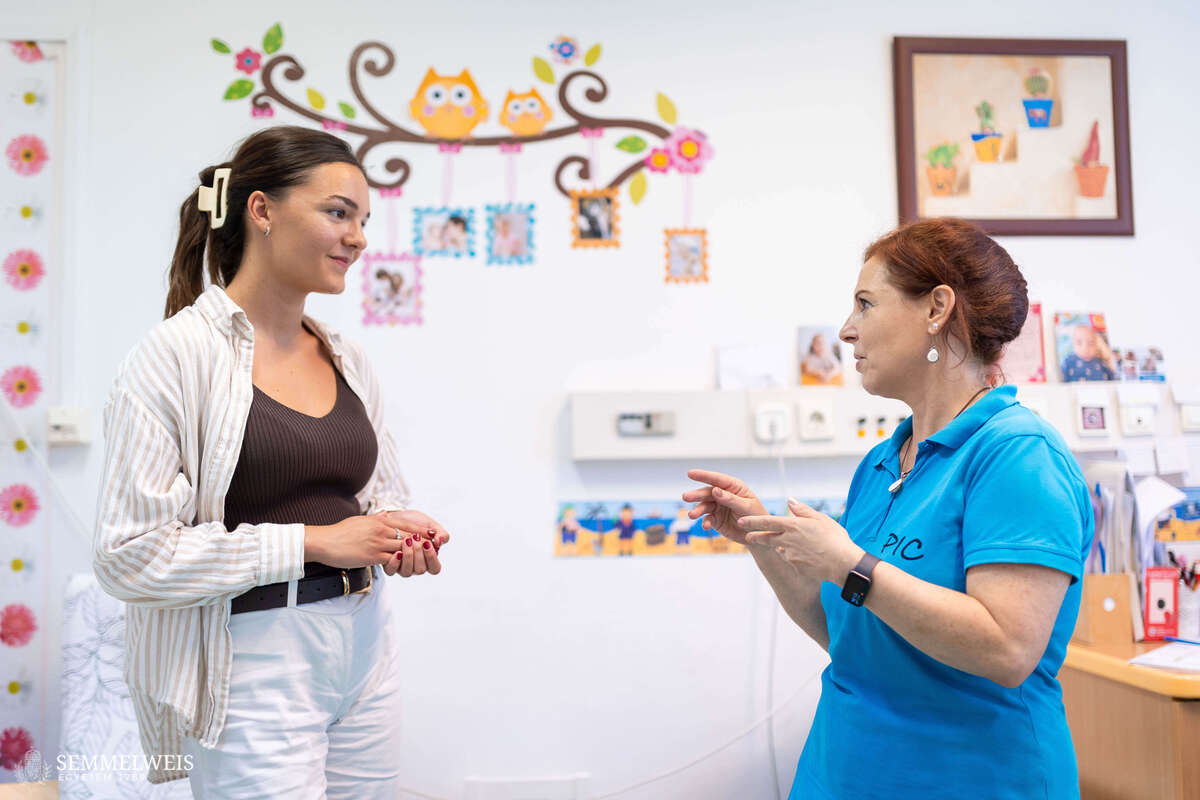
Final words of advice for the next generation. Gréta Móricz, a student conductor, graduated in educational rehabilitation the day after this interview.
Melinda Katalin Kiss
Translation: Judit Dőtsch
Photos by Boglárka Zellei – Semmelweis University