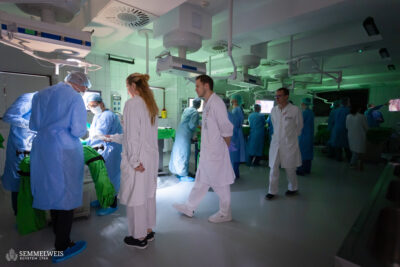
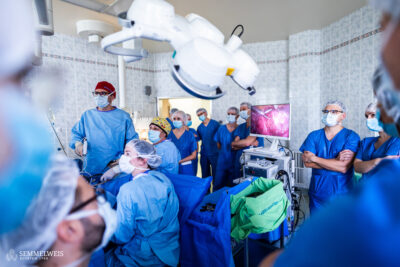
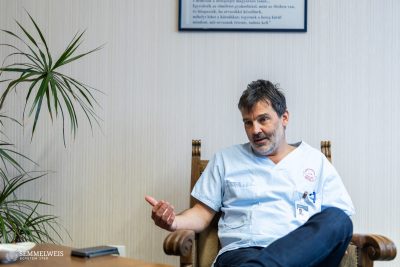
According to popular belief, pathologists spend their lives hunched over an autopsy table or a microscope, but this is not true: Their work is much more varied and multifaceted than that. Autopsies now make up only a fraction of their daily activities, and they are done mostly for educational purposes. As part of our “One day” series, we have now joined Dr. Richárd Kiss, Assistant Lecturer at Semmelweis University’s Department of Pathology and Experimental Cancer Research, to show what a specialist in pathology actually does.
Click on the pictures to read our photo report.
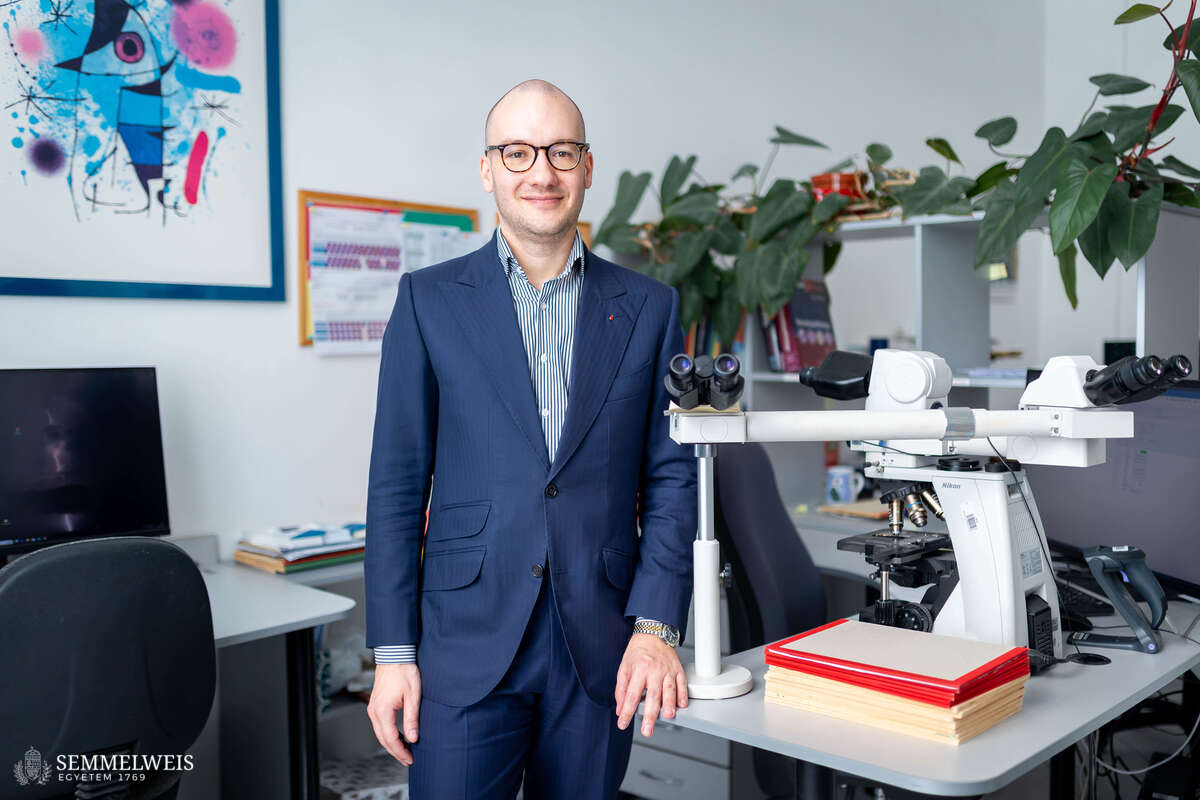
Dr. Richárd Kiss is one of the country’s 16 and the university’s 9 hematopathologists. As a specialist at the Department of Pathology and Experimental Cancer Research, he actively participates in teaching, research, and patient care, in line with the university’s threefold function. His research focuses on the study of childhood tumors.
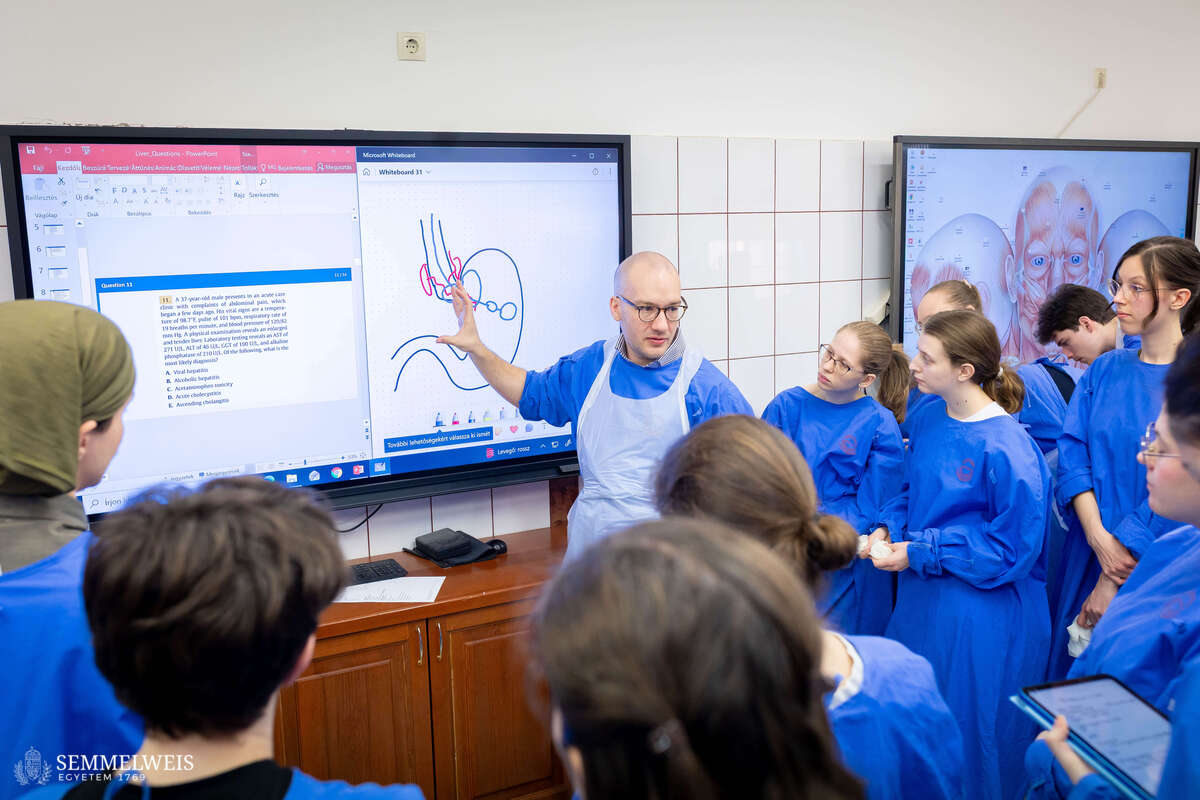
A typical day for Dr. Richárd Kiss begins with a lecture in the classroom, followed by an autopsy or histology lab session. At the time of our interview, he was discussing the syllabus with third-year students from the Faculty of Medicine (ÁOK) in the autopsy lab, following the topics of the U.S. medical licensing exam, and then reviewing information about the deceased, supplemented with drawings.
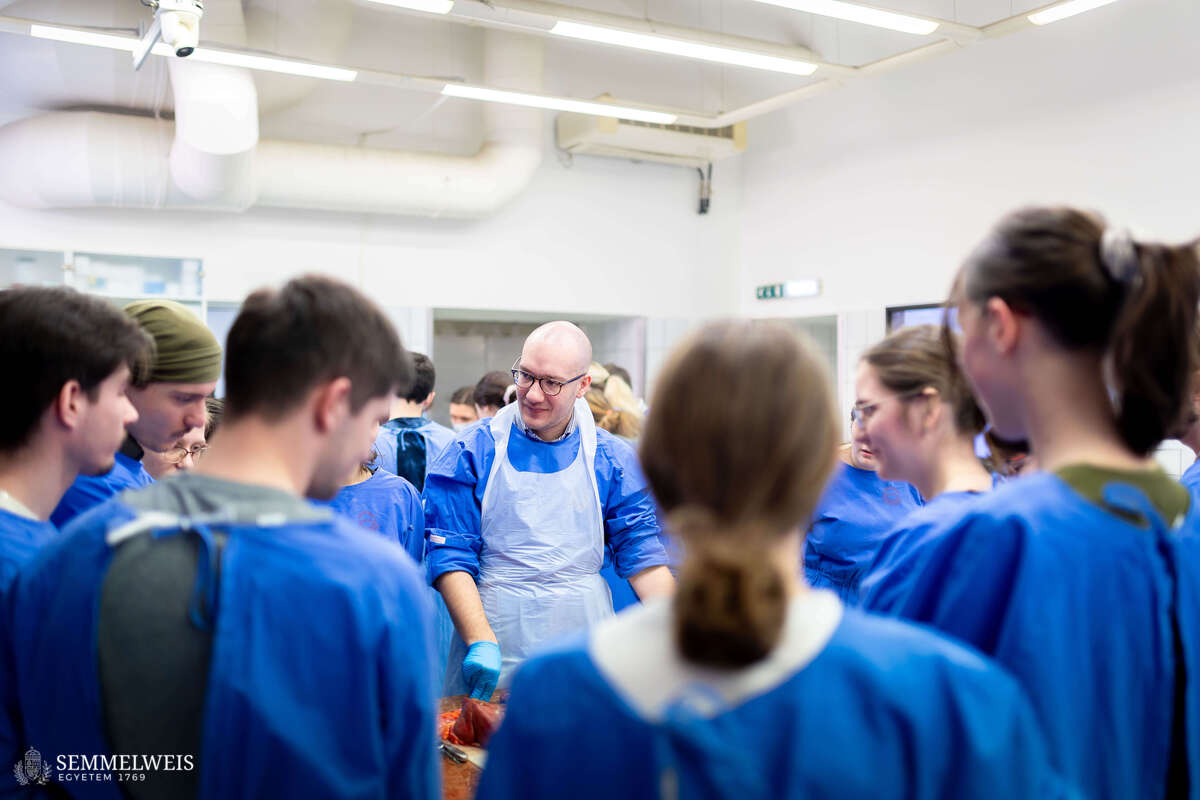
During the practical session, students can review the deceased’s complete medical history, identify primary and comorbid conditions during the autopsy, and finally determine the cause of death.
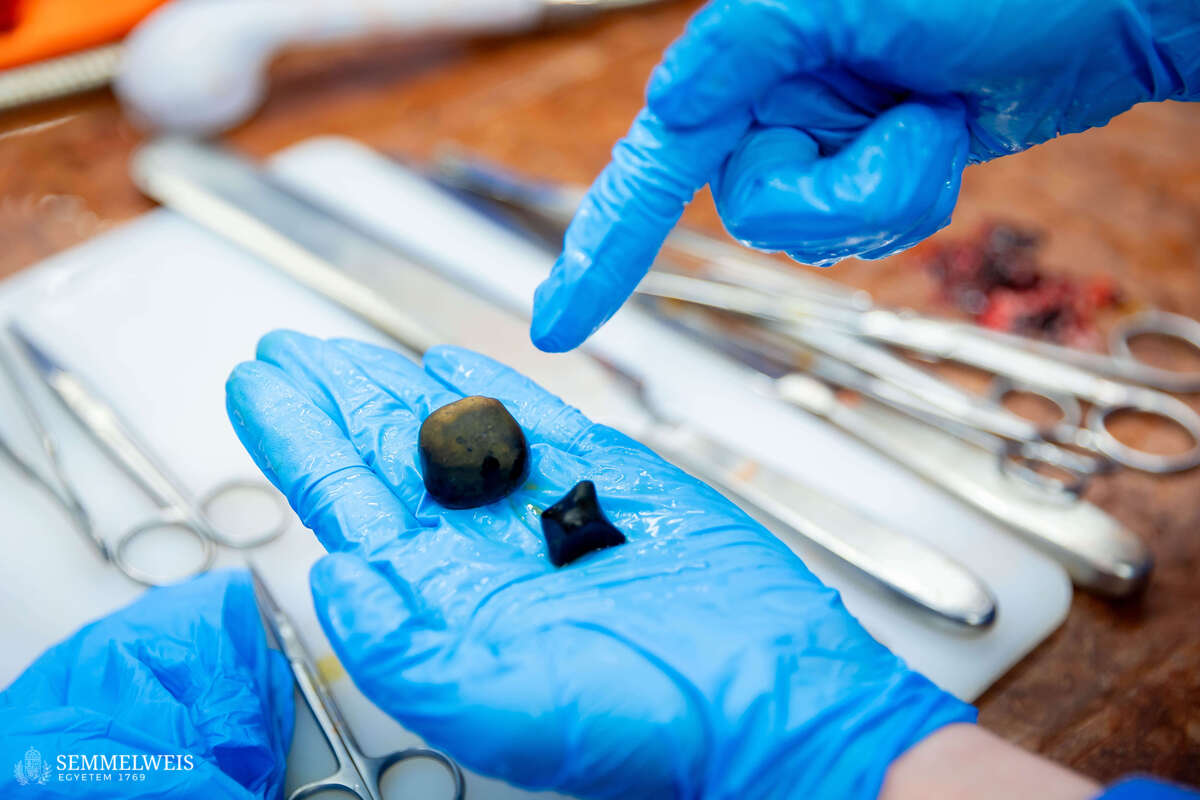
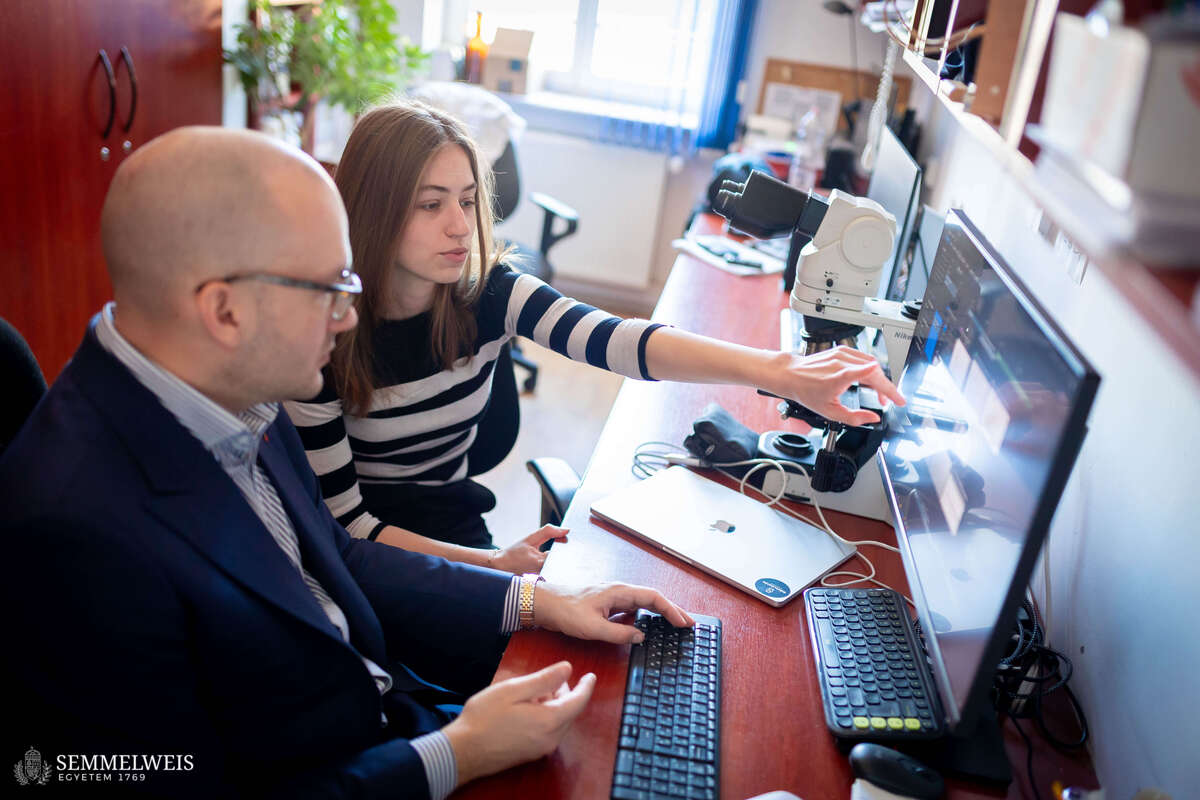
Dr. Richárd Kiss also serves as a supervisor for Students’ Scientific Association (TDK) and PhD students. At the time of our report, following the autopsy, he and Janka Hófer, who was preparing for the international Pannonia Congress of Pathology, discussed the details of her presentation, and then they also reviewed the specimens that would serve as the basis for further research.
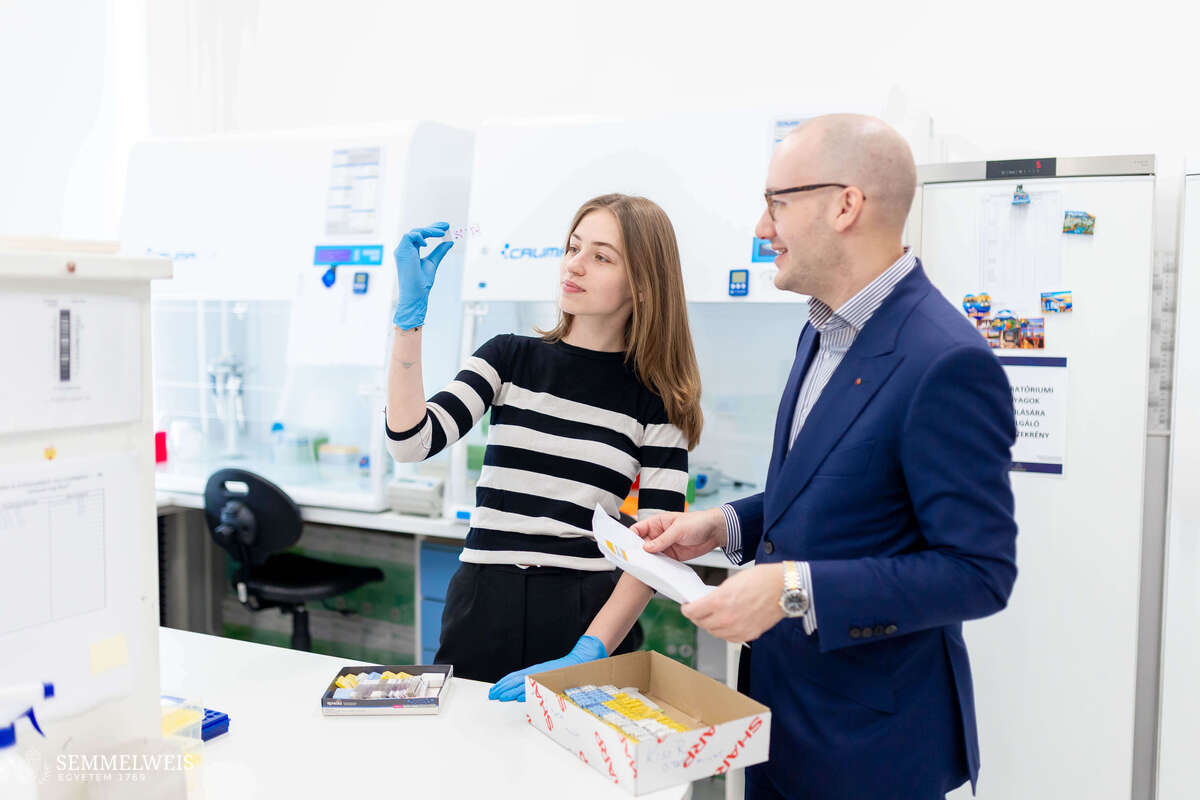
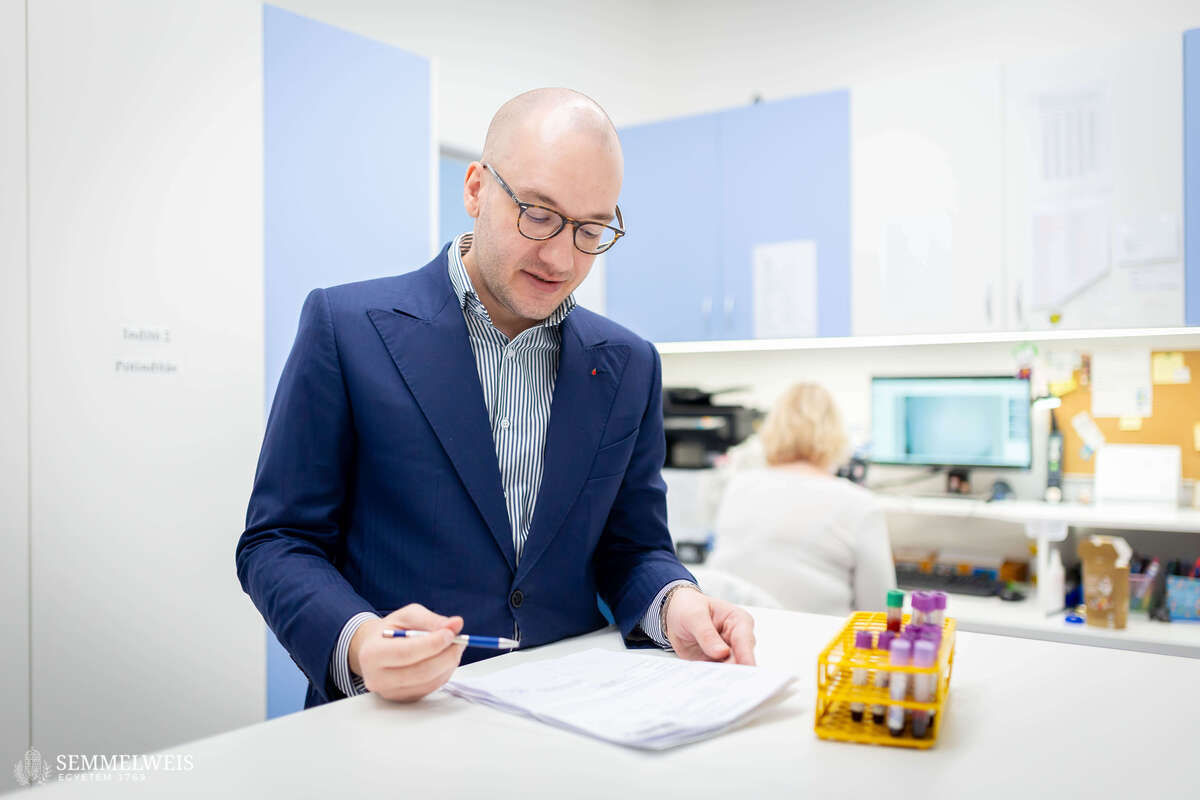
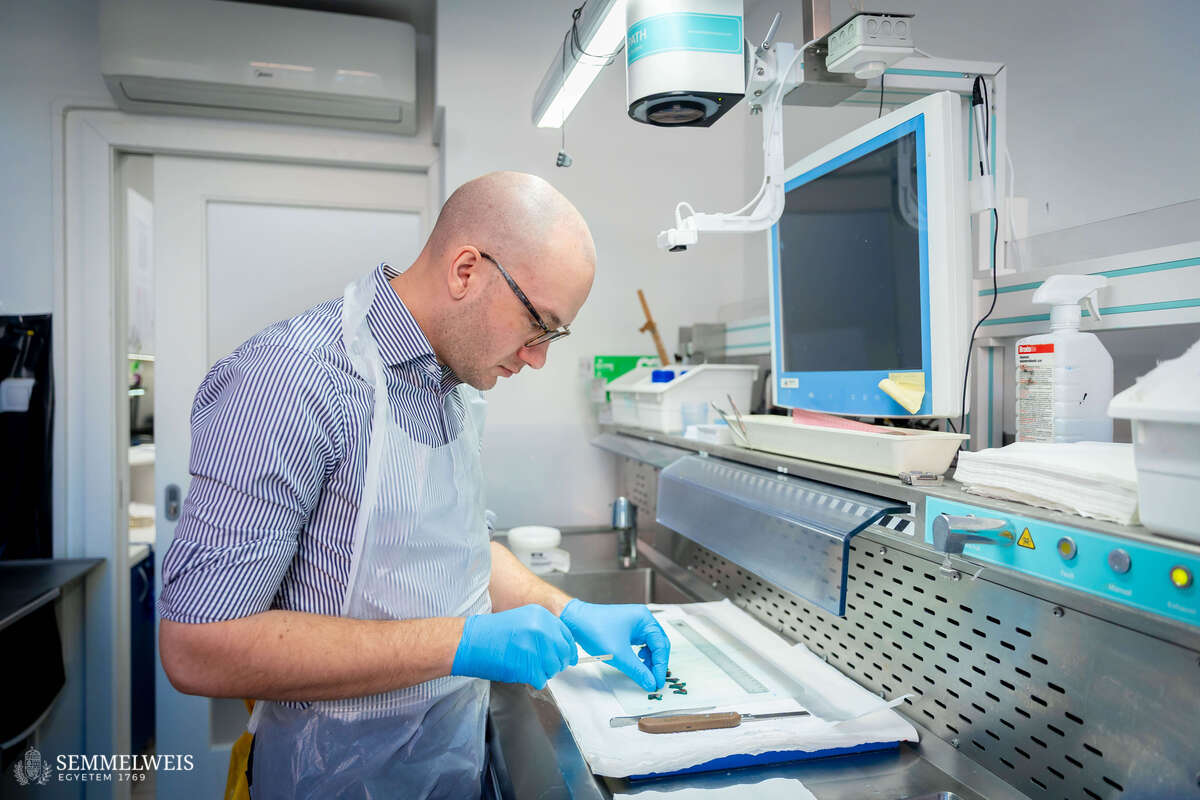
The pathologist’s day continued in the accessioning area. This is the room where histological samples arrive, along with the questions and requests from the physicians who collected them, not only from the university’s departments but from across the country. Here, he examines the submitted material and decides on the method for further processing the samples.
It happens that the attending physician expects an immediate answer to the question of whether the process is benign or malignant, so that, in the latter case, anticancer therapy can begin immediately. In many cases, a preliminary diagnosis can be made on the same day, and there are instances where the outcome of the surgery and the extent of the resection depend on the pathologist’s immediate response. Dr. Richárd Kiss is thus in constant telephone contact with pediatric oncologists, who notify him already before the surgery if a sample requiring an immediate response is expected.
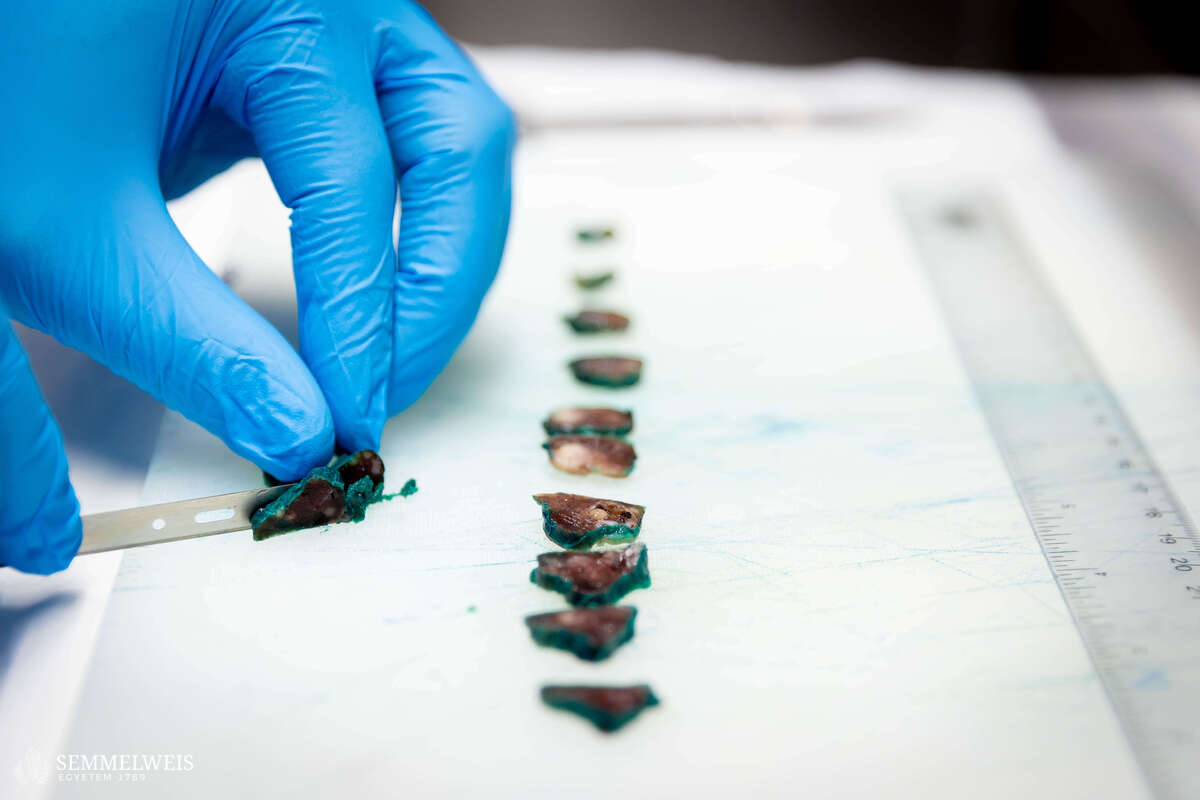
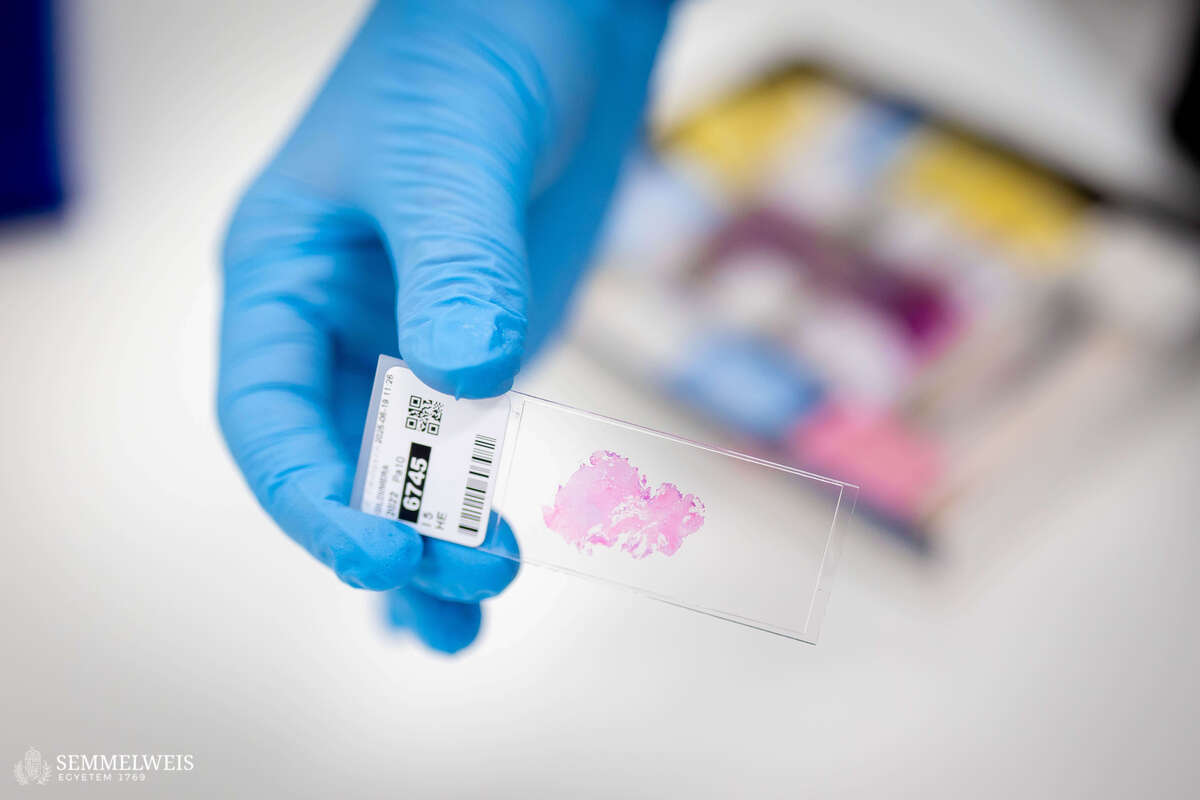
In the photo, Dr. Richárd Kiss is examining a sample from a 16-year-old patient with thyroid cancer. Cells were previously aspirated from the tumor via fine-needle biopsy, and based on the cytology results, the surgeons removed the right lobe of the thyroid gland. The current examination aims to determine whether the tumor was successfully excised with a wide margin, whether there are lymph node metastases, and whether the tumor carries a molecular abnormality that can be targeted for therapy. To answer these questions, sections are first prepared, and then the sample is stained.
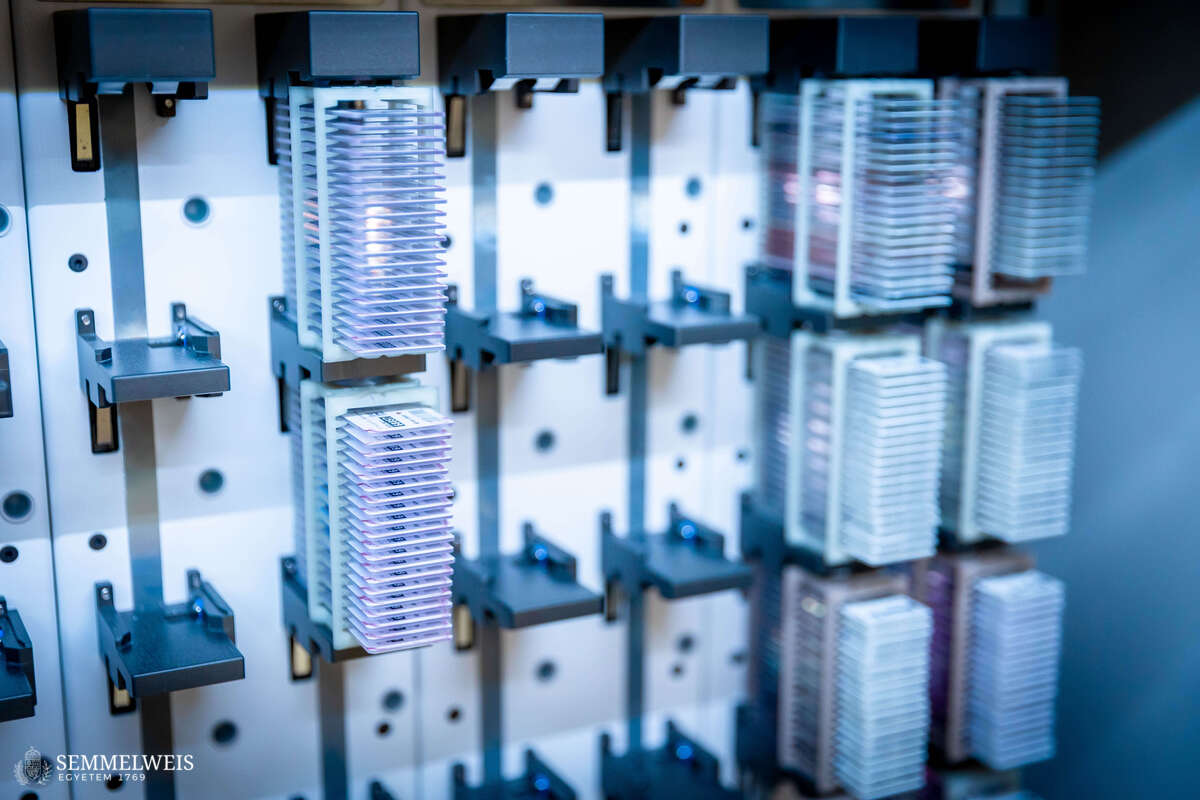
The prepared sections are digitized using high-performance scanners, allowing them to be examined on a computer without the need for a traditional microscope.
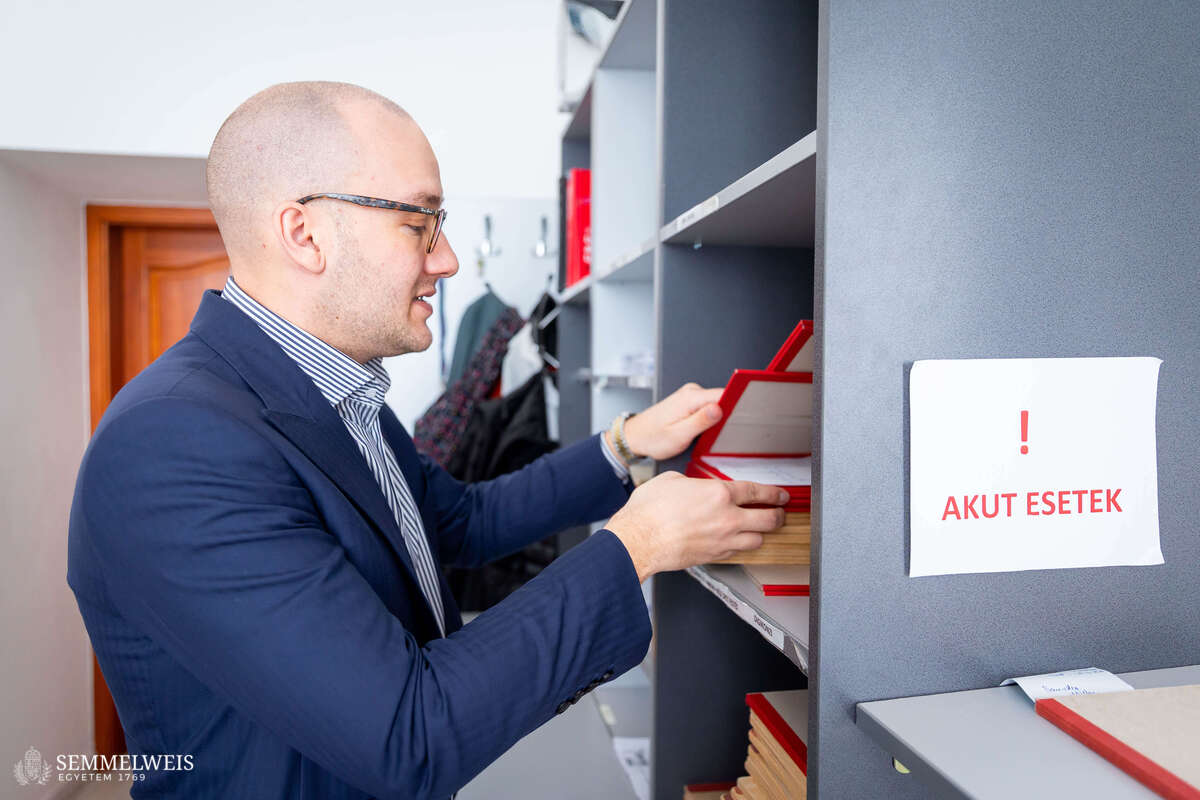
The day continues with diagnostic work in the hematology reporting room, in consultation with hematopathologists, pathologists, and resident physicians. Dr. Richárd Kiss tucks a large stack of case files under his arm this is today’s workload, which he must review.
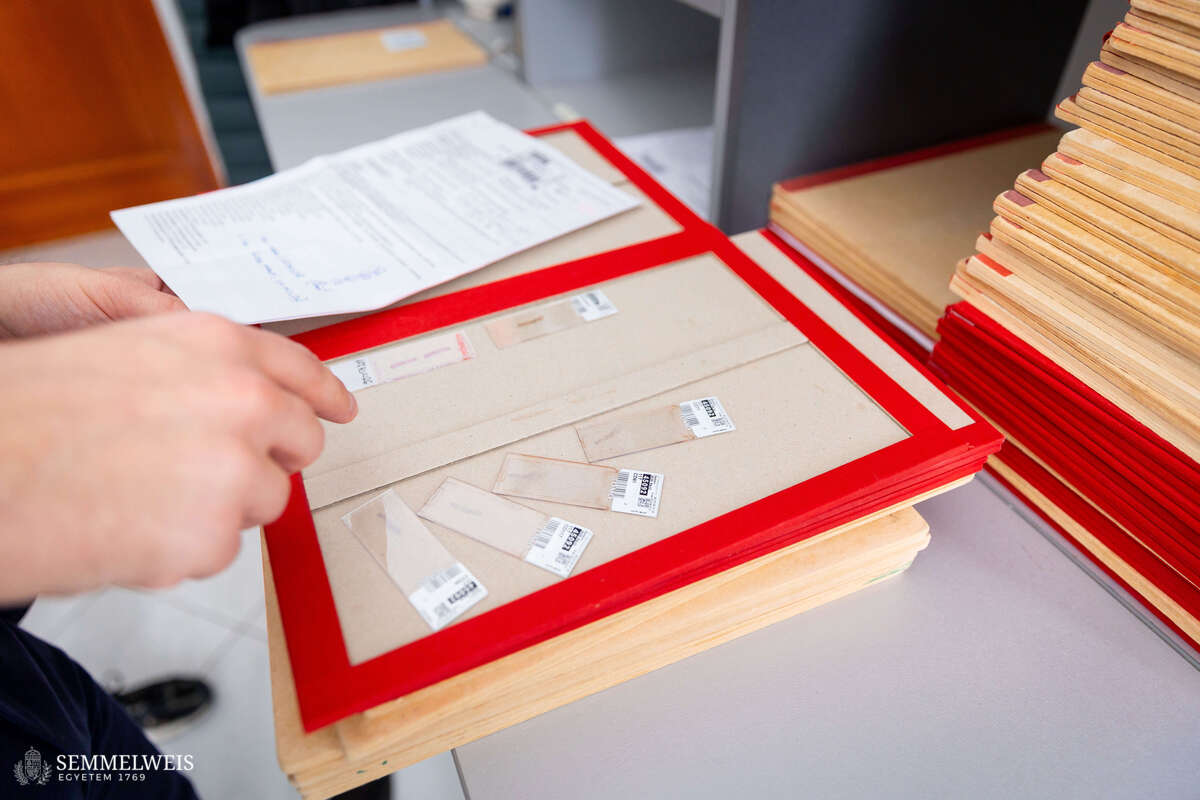
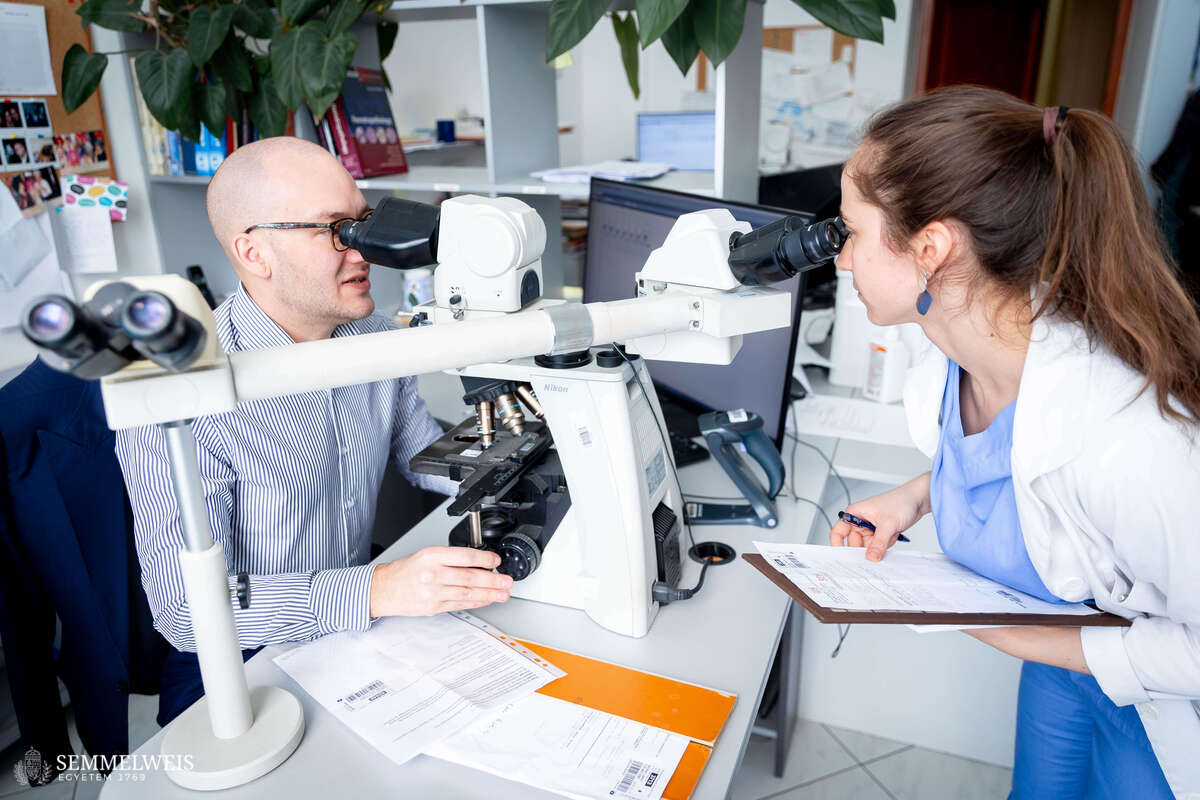
First, they yet again examine samples from a tumor removed from the chest of an 18-year-old patient, now with the results of the supplementary immunohistochemical and genetic tests in hand.
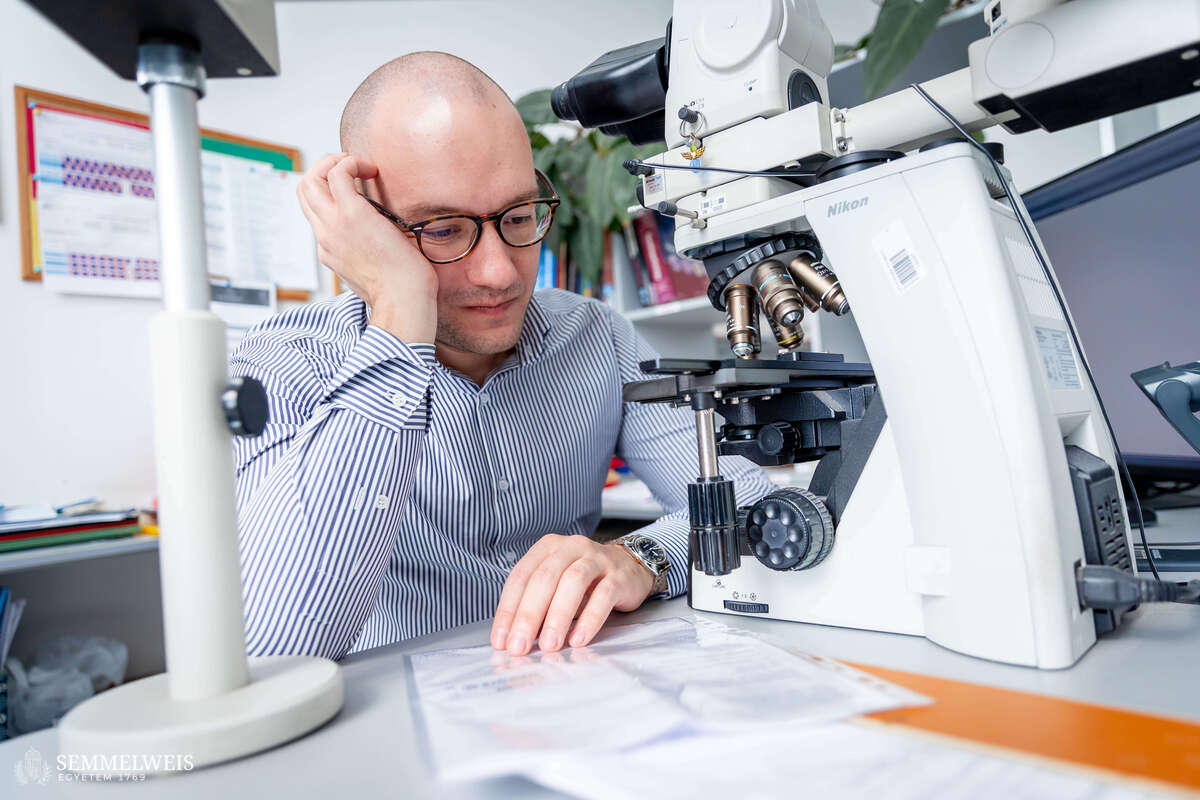
In the age of medical mobile applications for citizens, reporting requires particular care, as the patient may learn of potentially bad news the very moment the approval button is pressed here in the reporting room. The pathologist therefore tries to notify the oncologist of the results before taking this step, so that if the patient contacts them, they can immediately inform them of the next steps.
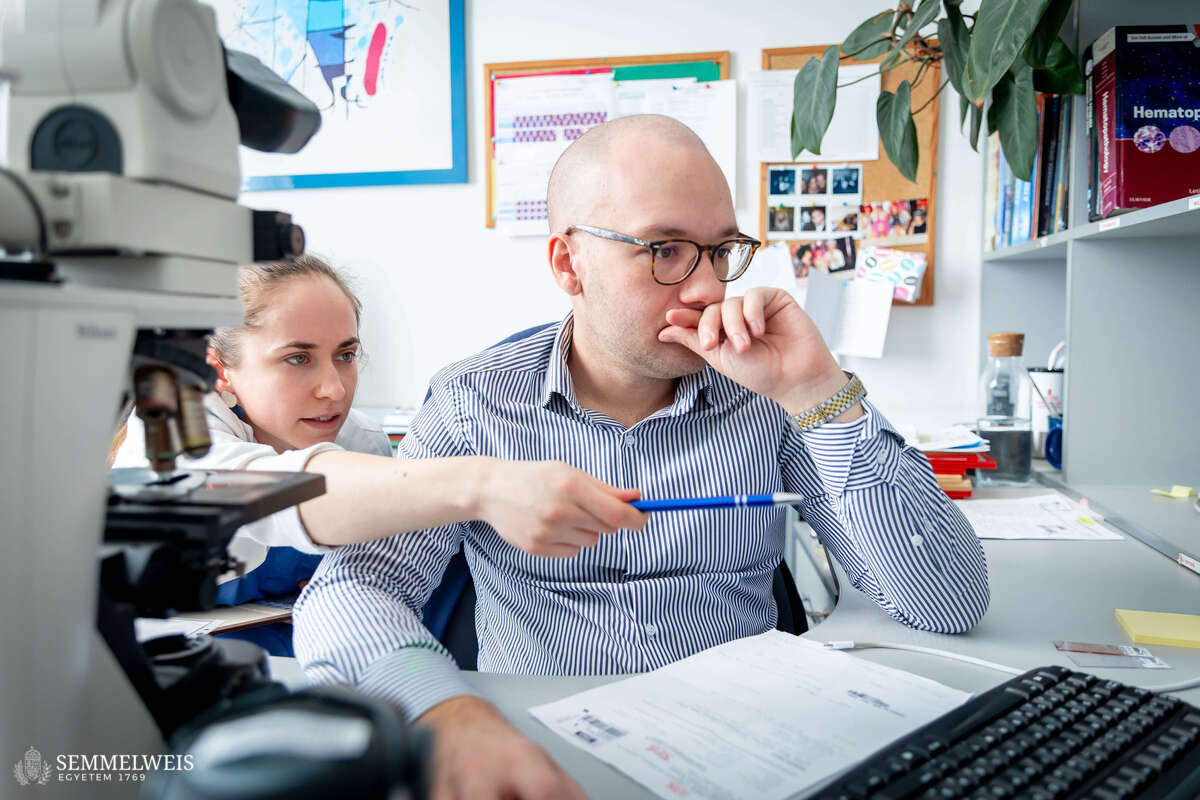
Pathology is a “verbal” discipline: We either dictate the reports or consult with each other about cases, sometimes all day long,” notes Dr. Richárd Kiss. “In my opinion, this is the most intellectually satisfying of the medical professions since we spend the whole day discussing patients with our physician and biologist colleagues. I like to call this a kind of magic, magic that is based on our knowledge,” he says.
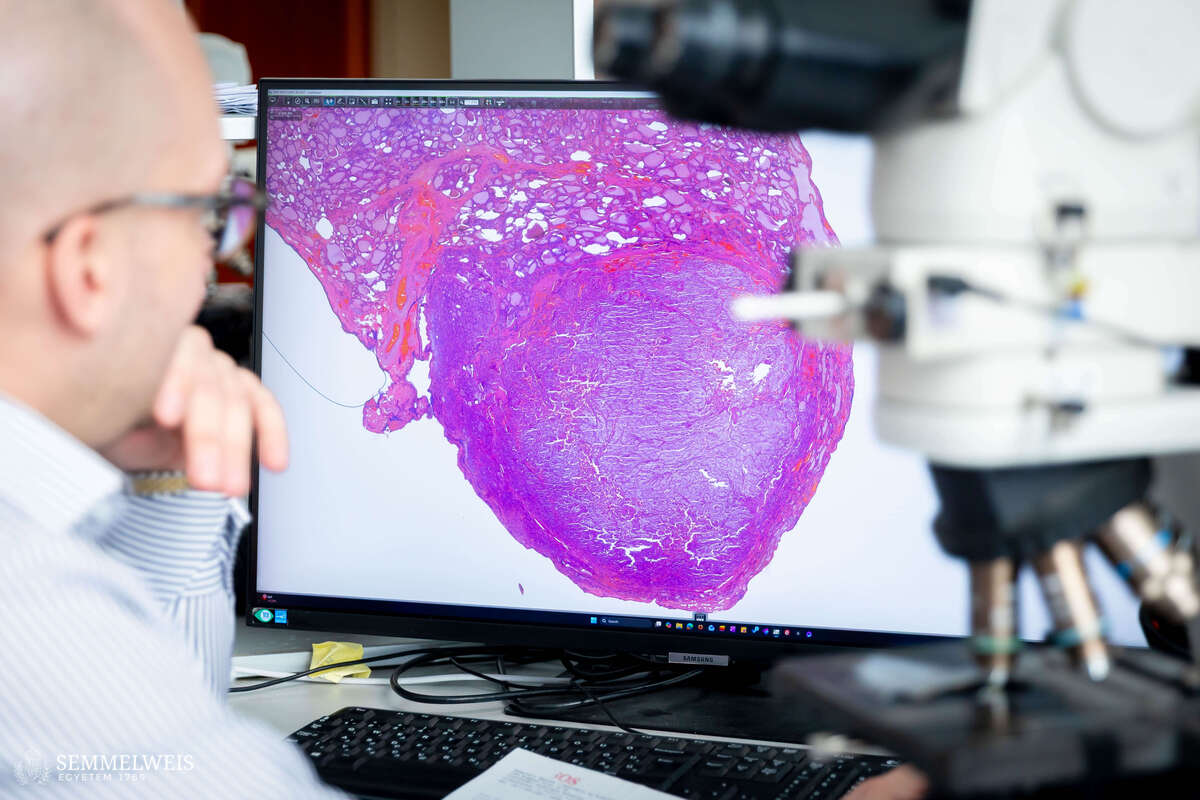
“When I look at an image like this, I know the fate of the patient, and their treatment depends on what I write in the report,” the pathologist points out. “We tell the clinician ‘who’ they’re dealing with; we’re the ones who know how to identify diseases, while the clinician knows how to treat and manage that disease.”
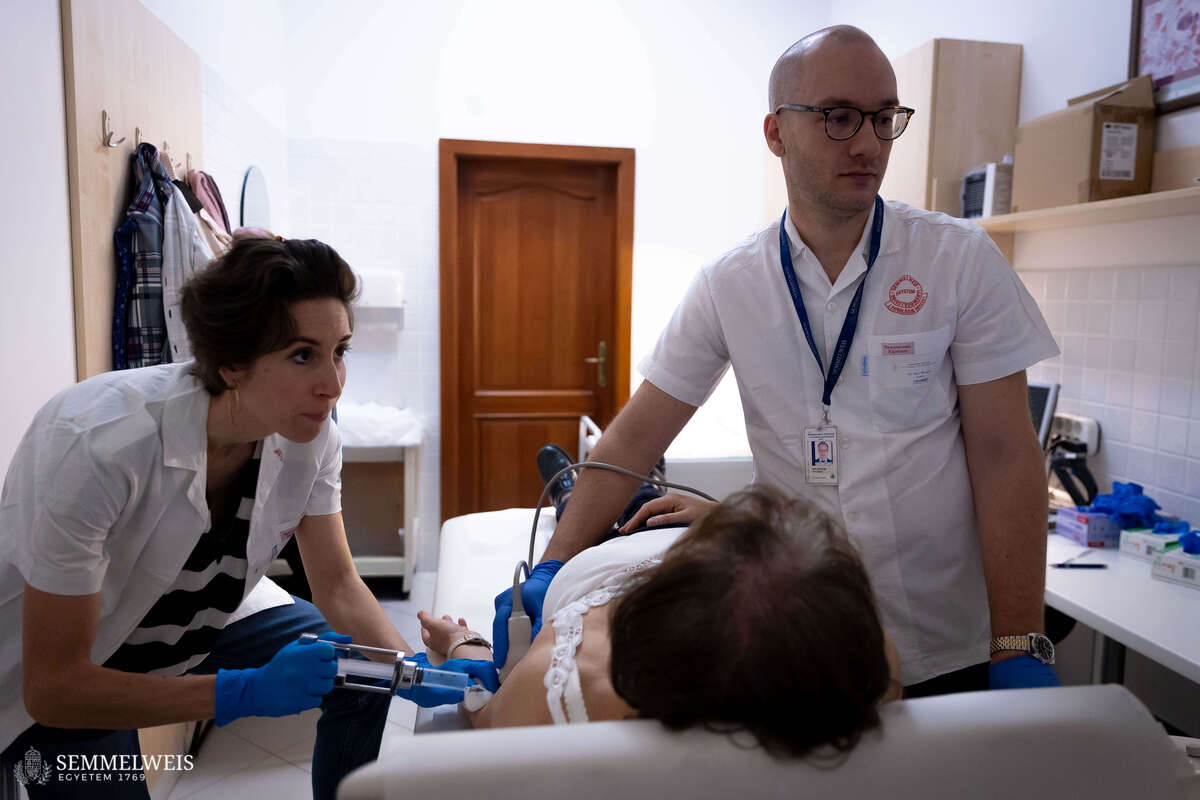
Some pathologists do not meet patients directly, but he enjoys interacting with them.
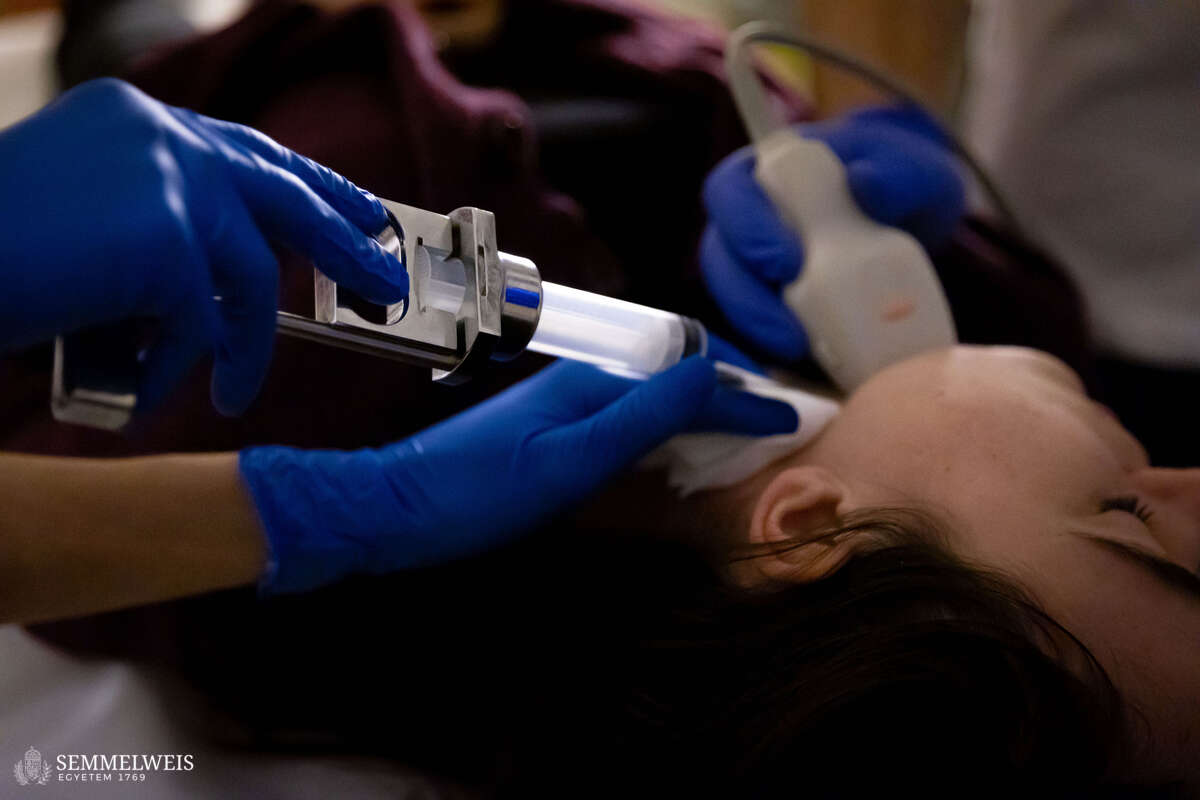
During their aspiration cytology surgery hours, he and his colleagues take samples themselves, using ultrasound guidance to aspirate cells from lesions suspected of being tumors.
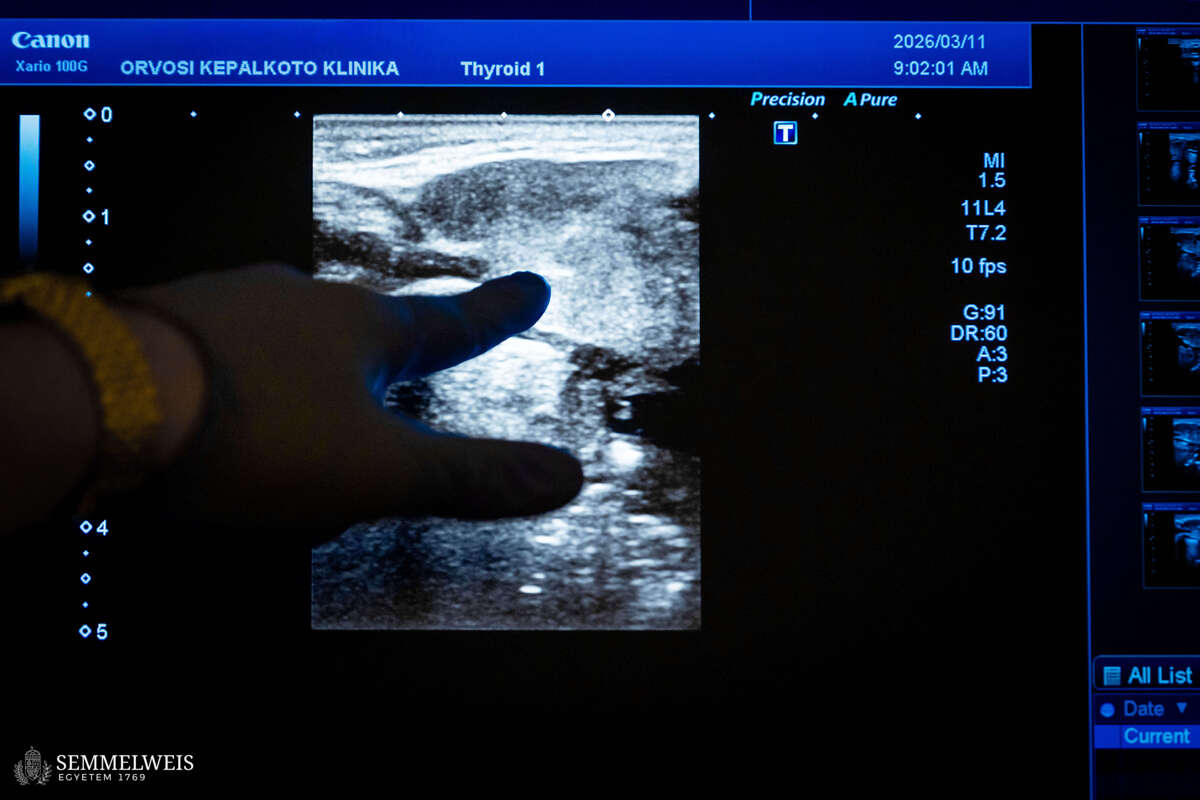
The atmosphere in the clinic is surprisingly relaxed; Dr. Richárd Kiss and his colleagues do everything they can to ensure patients experience as little stress as possible during the procedure.
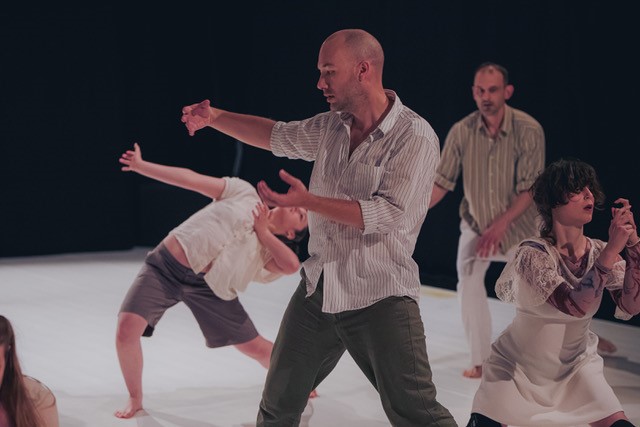
In his free time, the hematopathologist attends contemporary dance classes, making room for his hobby several times a week.
Anita Szepesi
Translation: Dr. Balázs Csizmadia
Photos by Boglárka Zellei – Semmelweis University; Péter Szvoboda