Why is screening important?
Chronic diseases and many types of cancer do not cause any complaints in their early stages. By the time symptoms appear, the disease is often already at an advanced stage. Regular screening tests aim to detect abnormalities before symptoms appear, when treatment is more effective and, in many cases, the onset of the disease can be prevented.
1. Cardiovascular screening: High blood pressure can remain asymptomatic for a long time
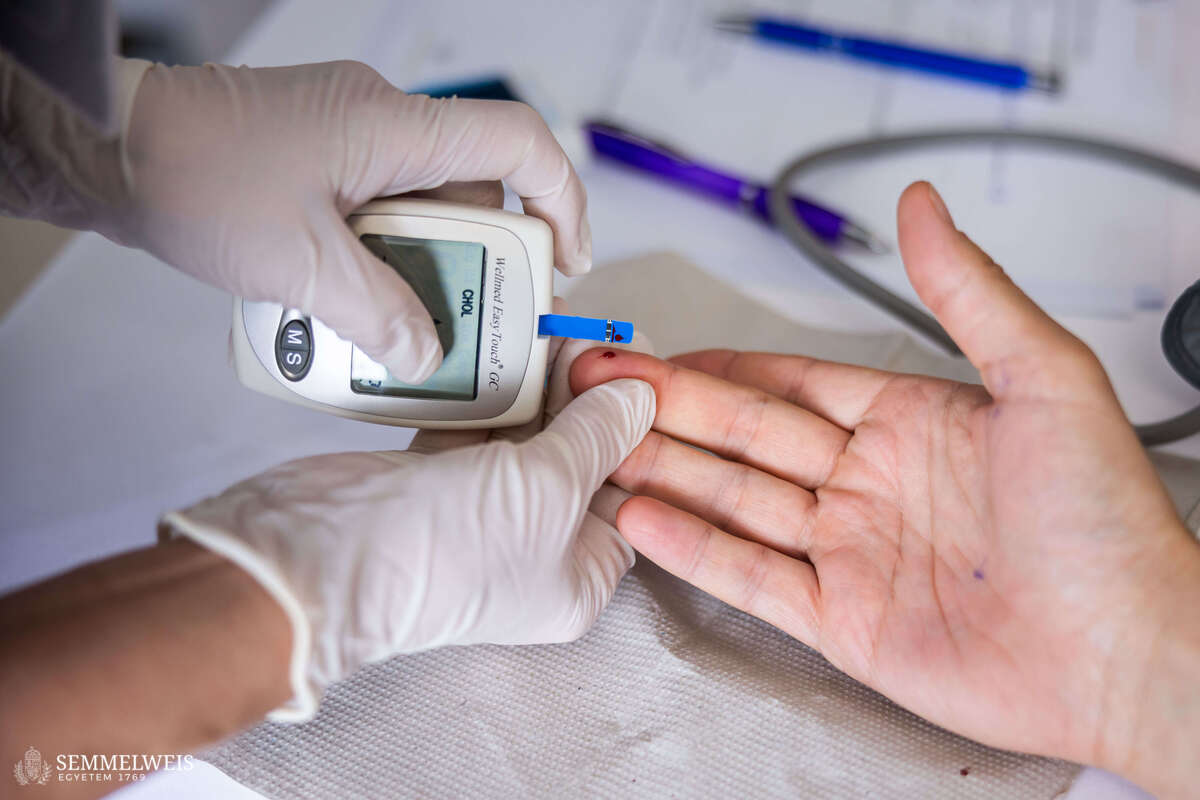
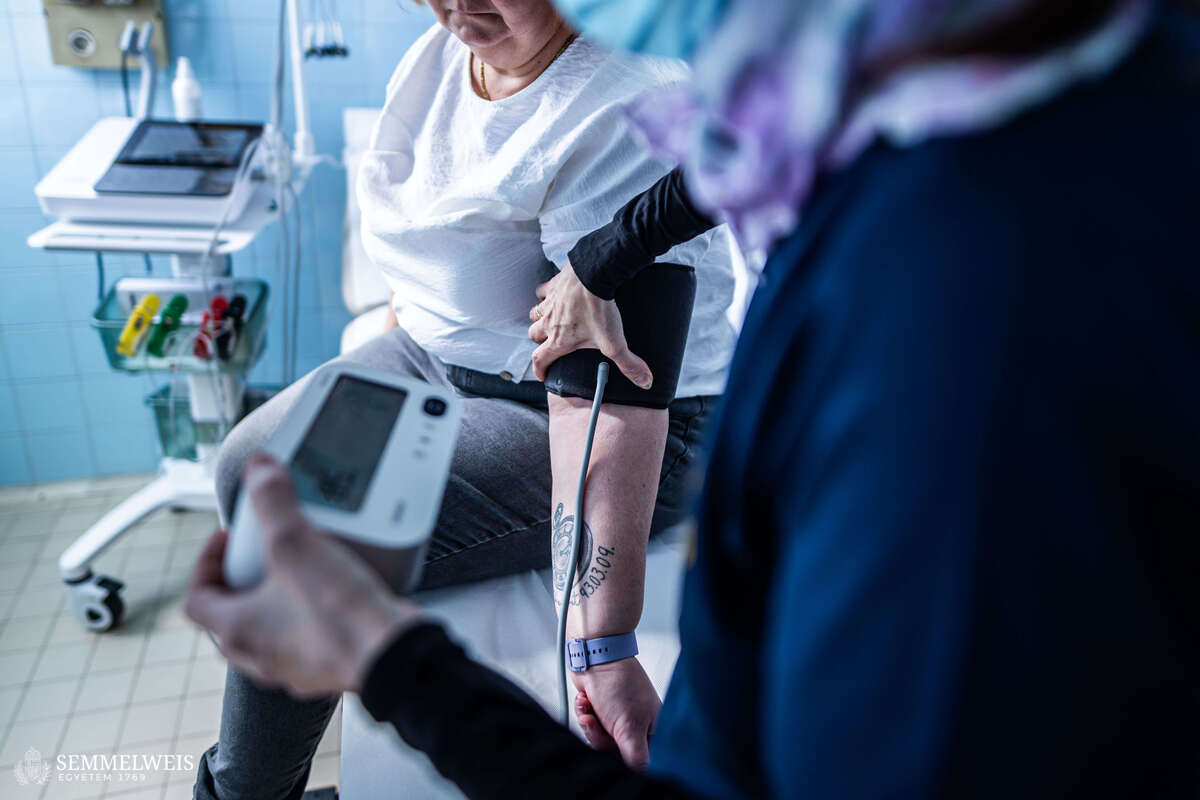
 High blood pressure, high cholesterol, or early-stage diabetes may not cause any symptoms for a long time, even though they steadily increase the risk of heart attack, stroke, and other cardiovascular diseases. Having your blood pressure checked at your family doctor’s office, undergoing laboratory tests ordered by your primary care doctor and – if necessary – having an EKG can help identify risks even before symptoms appear. If you’re over 40, you should see your family doctor once a year for a basic checkup – even if you feel perfectly healthy. In Dr. Péter Torzsa’s experience, patients often seek medical care too late because they only ask for help once a serious problem has already developed, even though the risk factors could have been detected years earlier. The goal of regular screenings is not only to increase life expectancy but also to increase the number of years spent in good health.
You should know that it is recommended to have your blood pressure checked at least once a year if you are over 18, and to have your blood sugar and blood lipid levels tested regularly if you are over 40. The frequency of these tests is determined by your age and individual risk factors.
2. Gynecologic cancer screenings: Your age determines the type you need
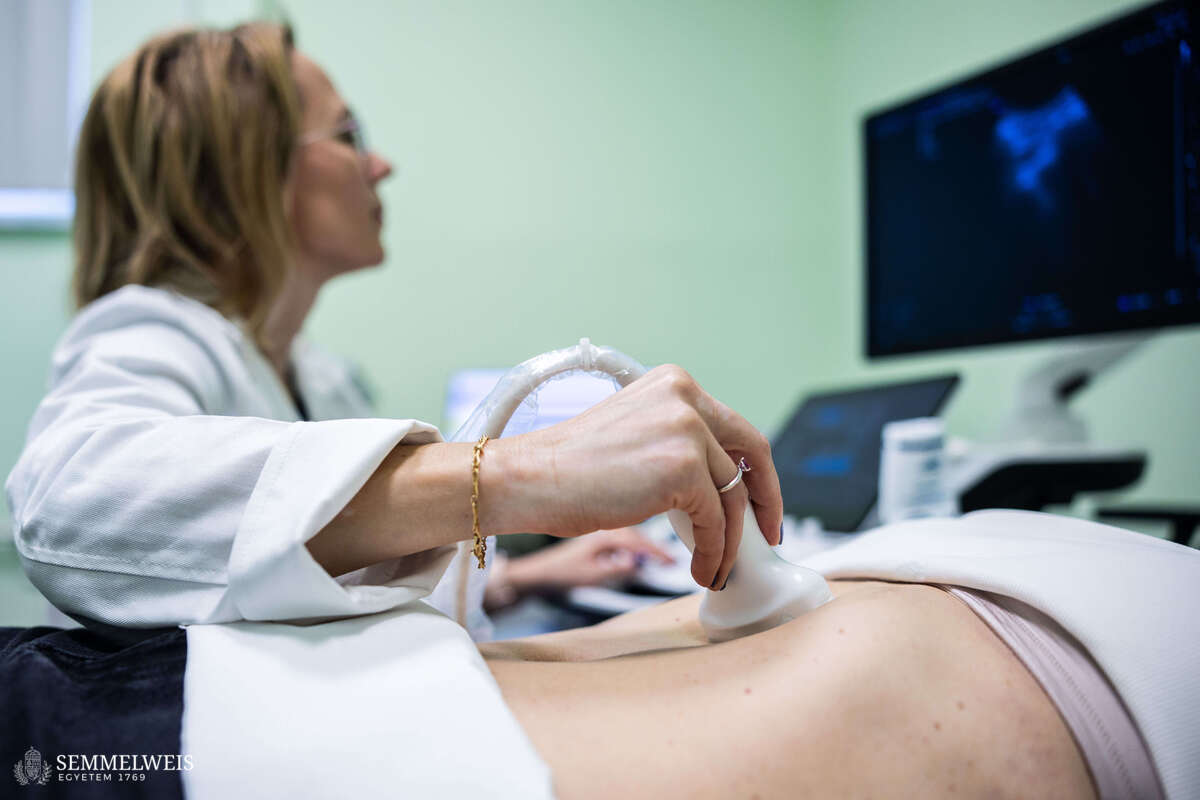
Regular cervical cancer screening is recommended from early adulthood onward, once you become sexually active. Over age 45, breast screening becomes particularly important – mammography should be included in the recommended panel. The exact timing and type of screening suggested are always determined by your age and individual risk factors. Based on this information, your family doctor will recommend the necessary tests, initiate the diagnostic process, and help you navigate referrals, specialist appointments, and follow-up exams. Cervical and breast cancer screening are two of the three types of public health cancer screening programs available in Hungary. Women between the ages of 45 and 65 are invited to participate in organized breast screening every two years, or more frequently if an anomaly is detected during the screening that requires closer monitoring, explains Dr. Péter Torzsa. The frequency of cervical screenings depends on age, earlier results, and professional recommendations, so it is worth consulting your gynecologist or primary care doctor.
3. Colon cancer screening: A routine test that can save lives
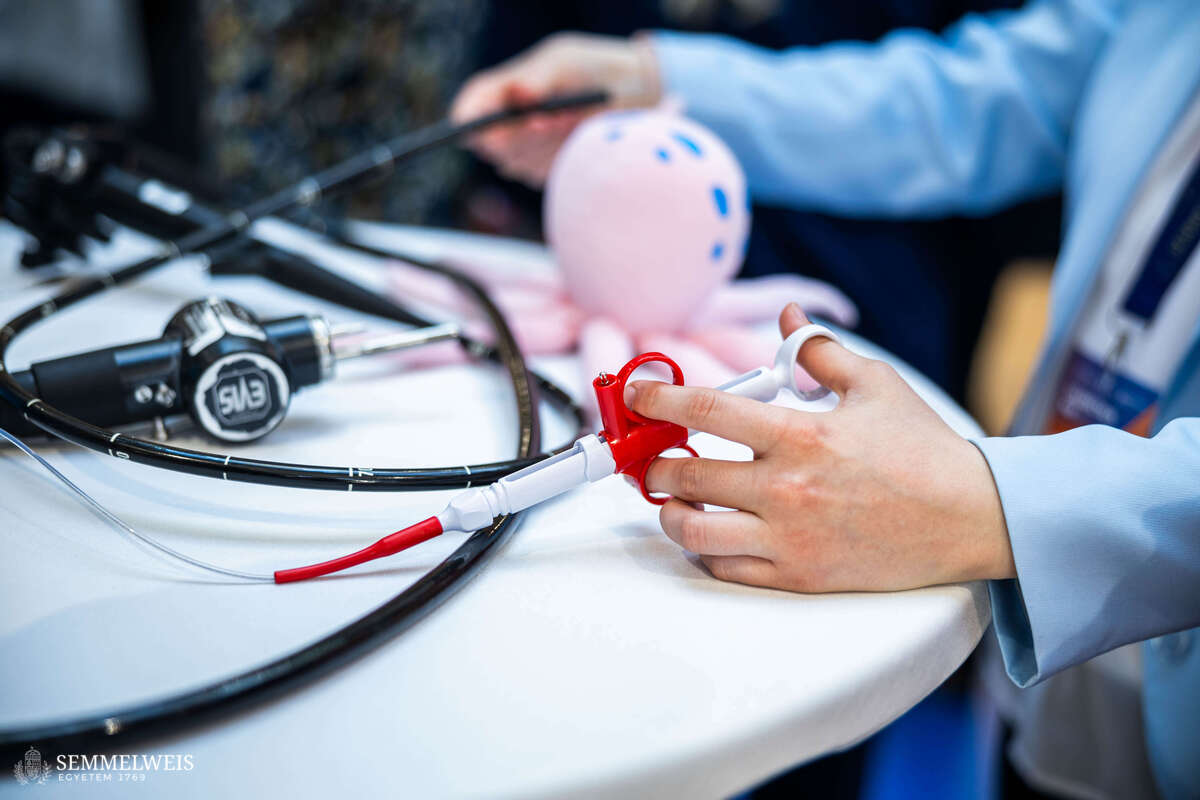
“The fecal occult blood test, recommended every two years for people over 50, can detect abnormalities that can be treated before a tumor develops or identified at an early stage,” explains Dr. Péter Torzsa. In Hungary, a colorectal cancer screening program is available for people aged 50 to 70. Those eligible receive an invitation letter; the fecal occult blood test can be performed at home, and if the result is positive, further testing – usually a colonoscopy – is recommended.
4. Prostate and metabolic screening: Accompanying laboratory tests reveal true risk
For men over 50, a PSA test to help detect prostate cancer at an early stage may be recommended, but it is not performed routinely. The first step in screening is a simple blood test to measure the level of prostate-specific antigen (PSA). The family doctor and the patient decide together whether testing is necessary, taking into account the patient’s age, family history, and individual risk factors. In justified cases, the family doctor may order laboratory tests or refer the patient for a urological examination. Under regulations effective as of January 1, 2026, a primary care doctor may order a PSA test once a year for men aged 45 and older – subject to certain conditions. For men aged 50–74, a PSA test can also be ordered once a year, while for those 75 and older, the test can only be initiated upon the recommendation of a urologist. If the results show any abnormalities or if other risk factors are detected, the family doctor may advise further urological testing. In addition, regular monitoring of kidney function, blood lipid levels, uric acid levels, and other laboratory parameters is also part of preventive care.
However, primary care doctors do not evaluate the results of individual tests in isolation. Laboratory results, blood pressure, body weight, lifestyle, and individual risk factors together provide a complete picture of the patient’s health. This is also necessary because high blood pressure, diabetes, kidney disease, and cardiovascular disorders often develop in conjunction with one another. A comprehensive approach helps ensure that these conditions can be detected and treated even in their early stages.
5. Comprehensive health assessment at the family doctor’s office: Screening doesn’t end with a blood test
A family doctor’s checkup involves much more than just a blood test. It may include measuring body mass index (BMI) and waist circumference, screening for depression or other mood disorders, and giving lifestyle advice. Dr. Péter Torzsa emphasized that excess weight, chronic stress, a sedentary lifestyle, and mental health issues play a role in the development of numerous chronic diseases. Many patients do not recognize these problems or are afraid to discuss them, which is why it is important to see your family doctor from time to time, even when you feel healthy. According to the expert, patients do not need to keep track of which screening tests are due at what age. The family doctor can determine the necessary tests based on age, medical history, and individual risk factors, helps organize them, and then decides on the next steps once the results are known. “Prevention isn’t focused on a single disease, but on maintaining overall health,” the family doctor emphasizes. Patients should visit their family doctor at least once a year, even if they feel completely healthy and are symptom-free. Based on the doctor’s guidance, all recommended and mandatory screening tests can be initiated, and referrals can be requested as needed.
The primary care doctor’s office is one of the most important entry points for preventive care: Most basic public health screenings, laboratory tests, and necessary specialist evaluations can be initiated from there. Family doctors should not only refer patients to specialists but also evaluate test results and provide long-term care for patients, points out Dr. Péter Torzsa. Although public health guidelines suggest that less frequently repeated laboratory tests may be sufficient for low-risk, asymptomatic adults, the family doctor may recommend more frequent monitoring, taking into account age, risk factors, and comorbidities. For people over 40, an annual checkup is often the safest option.
The best time to undergo a screening exam is when you don’t have any symptoms yet. This is because most serious illnesses can be treated more effectively at this stage, which is why regular checkups with your family doctor are one of the most important ways to maintain your health.
Good to know
In addition to the screening panel listed above, other tests may be recommended depending on your age, gender, family medical history, and individual risk factors. These include, for example, screening for osteoporosis, regular eye exams, or mole screening. Your family doctor can provide personalized advice on which tests are recommended for you.
Eszter Keresztes
Translation: Judit Dőtsch
Photos by Bálint Barta – Semmelweis University