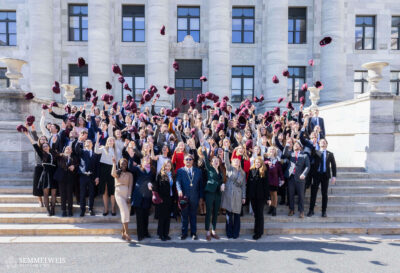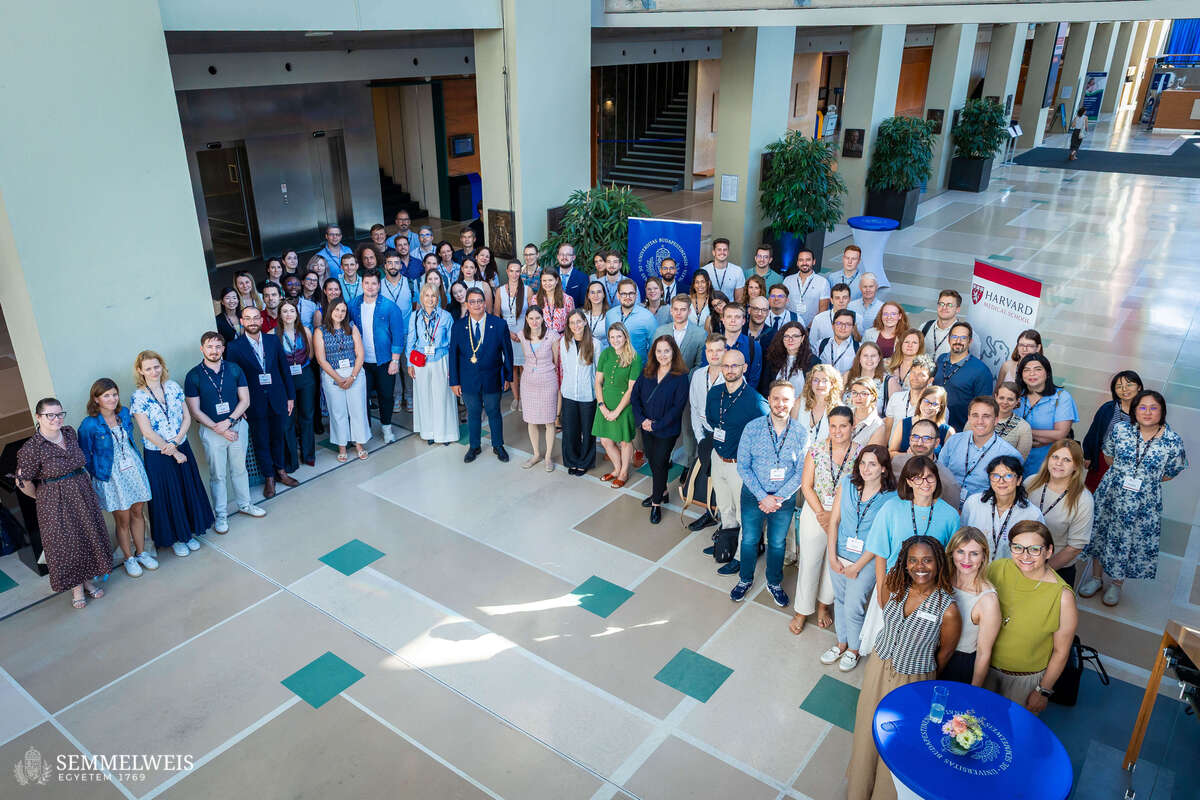
The fourth iteration of the CSS program at Semmelweis comprises 84 early-career clinicians, PhD students, postdoctoral fellows, and residents from Hungary and the region. 76 applicants –from Bulgaria, the Czech Republic, Greece, Hungary, Poland, Romania, Singapore, Slovakia, Slovenia, and Turkey – received scholarships, of whom 47 are from Semmelweis University. The postgraduate certificate program runs from July 2026 to March 2027 and includes two residential workshops in Budapest and Boston, as well as several online training events.
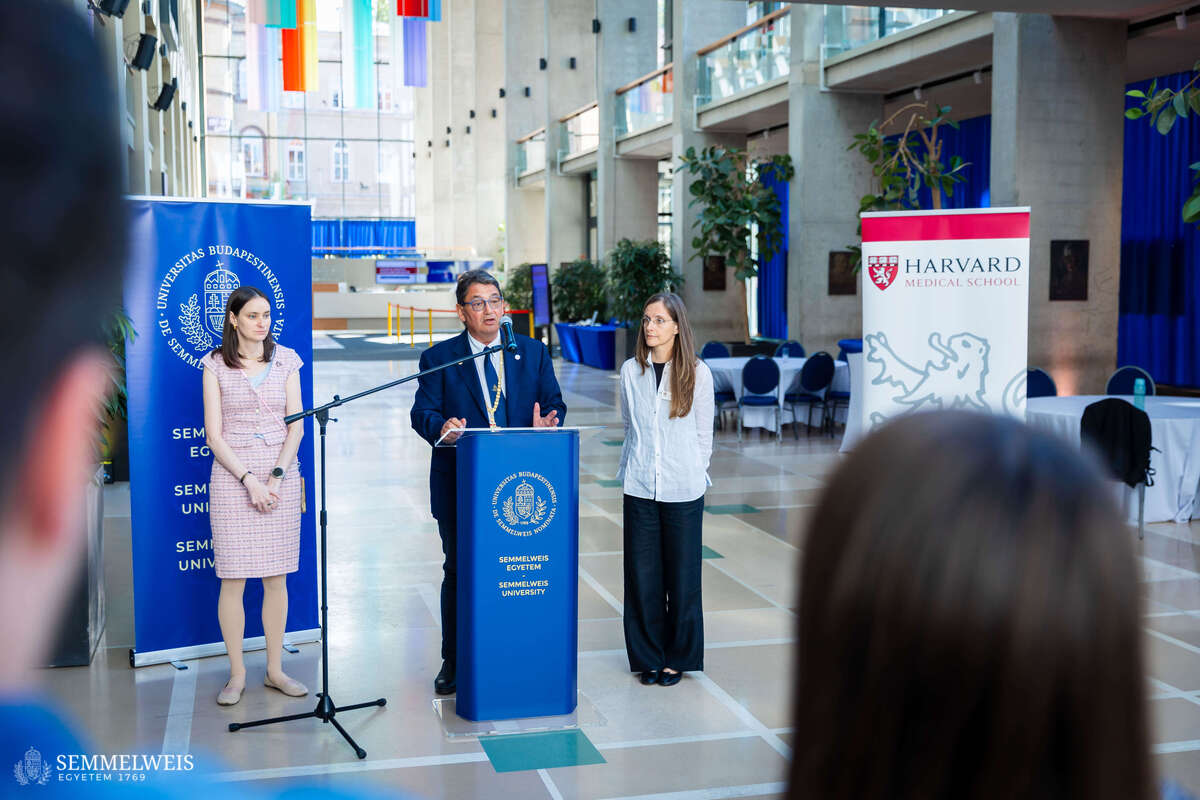
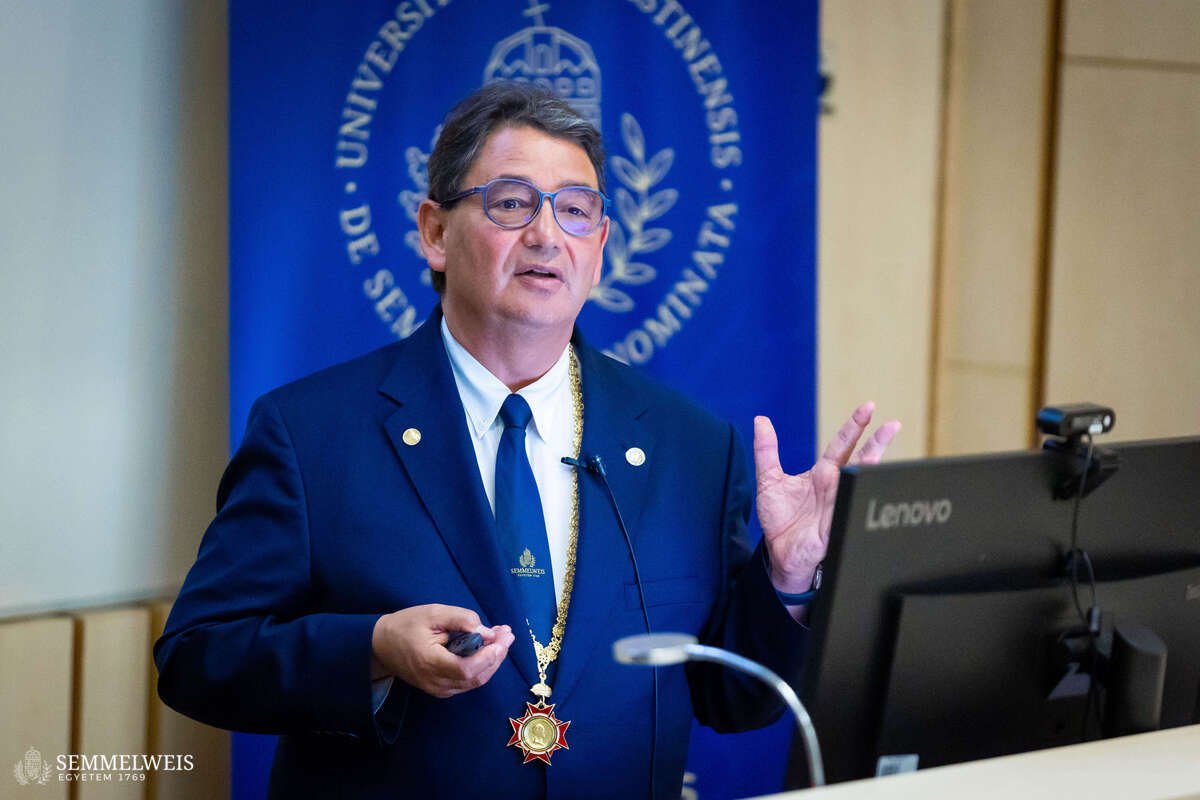
Speaking of the program at the Budapest opening workshop, Dr. Béla Merkely, Rector of Semmelweis University, noted that many of the past participants had highlighted teamwork exercises as among the program’s most important lessons. “I am convinced that today, outstanding results can only be achieved through knowledge sharing and cooperation that transcends professions as well as national borders,” he added.
Program Directors Dr. Jamie M. Robertson, Faculty Director of Global Clinical Scholars Research Training and Foundations of Clinical Research postgraduate certificate programs at Harvard Medical School, and Dr. Krisztina Fischer, Faculty Director of the Master of Medical Sciences in Medical Education Program, kickstarted the workshop by introducing the Harvard Medical School CSS faculty and staff. They provided an overview of the program curriculum and the assessment scheme. The directors emphasized that the program aims to enhance knowledge and skills related to clinical research. This includes writing research proposals and scientific articles, “overcoming the fear of statistics,” facilitating soft skills development with a focus on leadership and teamwork, and building a network of clinical researchers.
Gallery
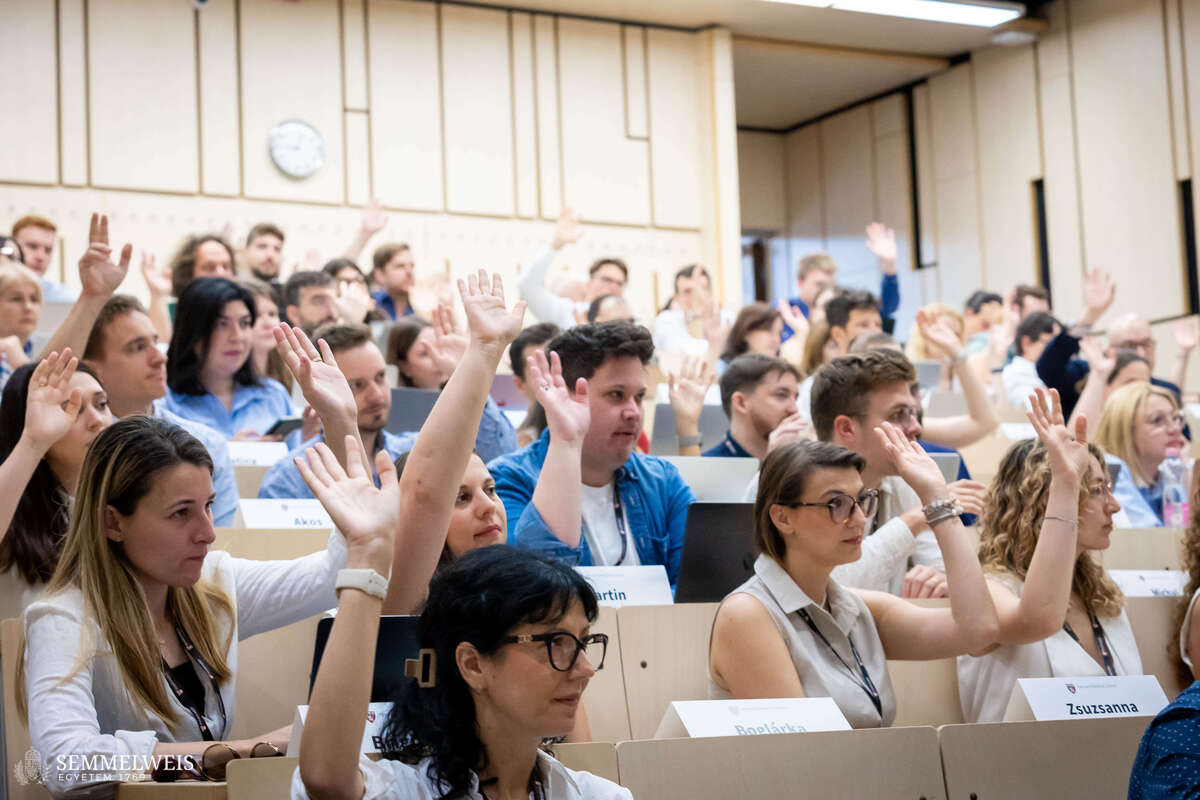
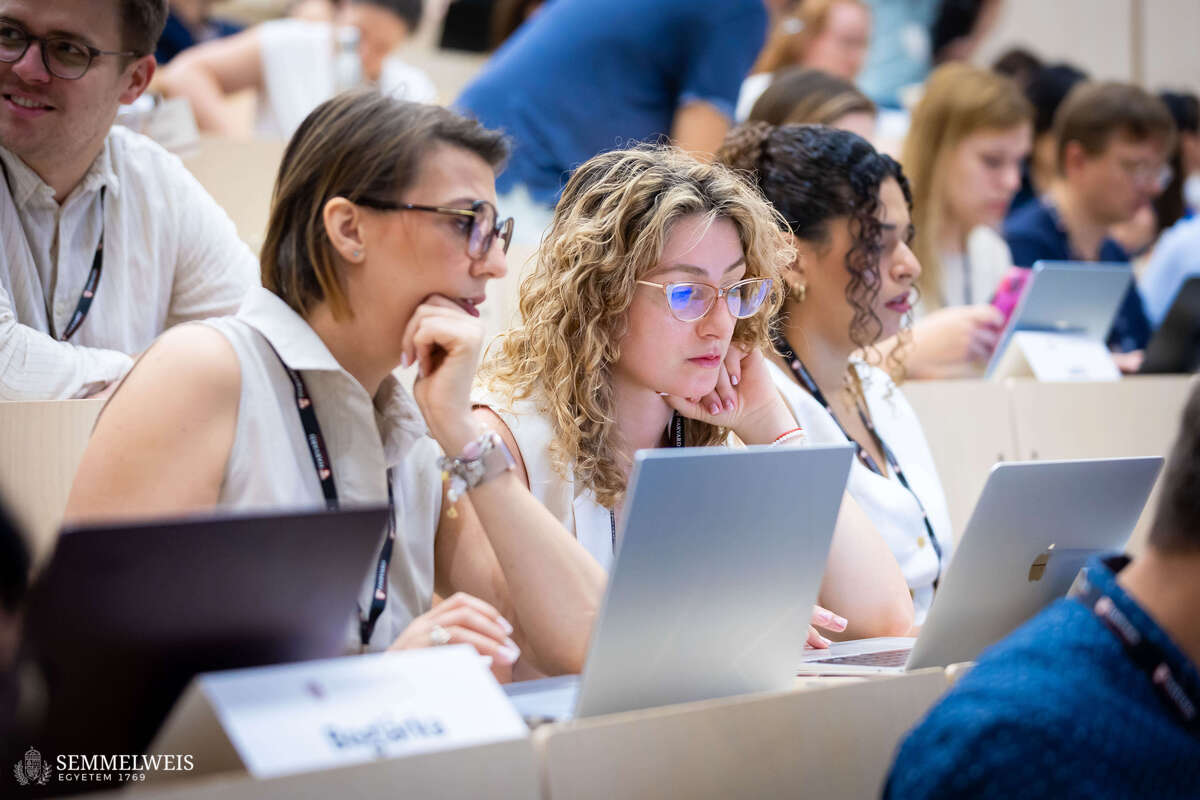
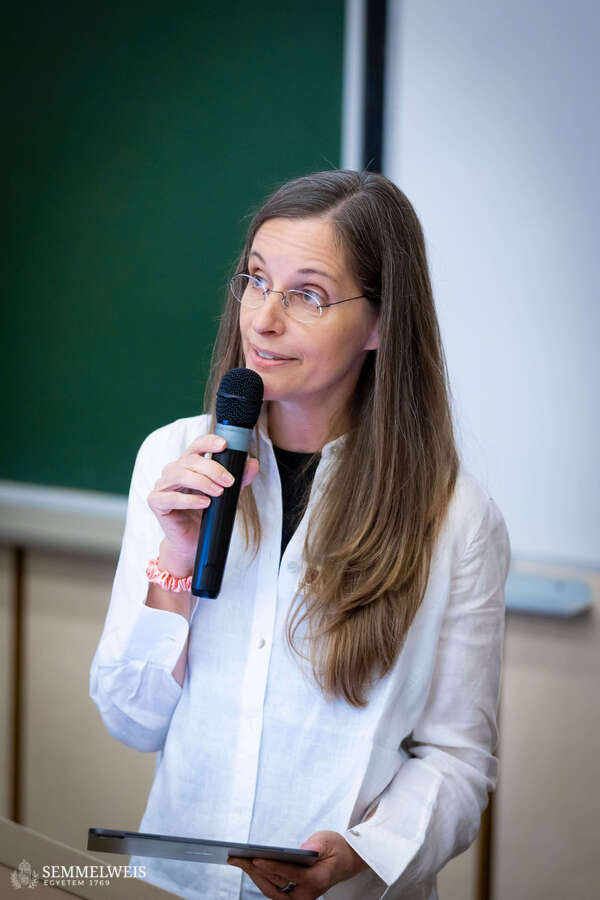
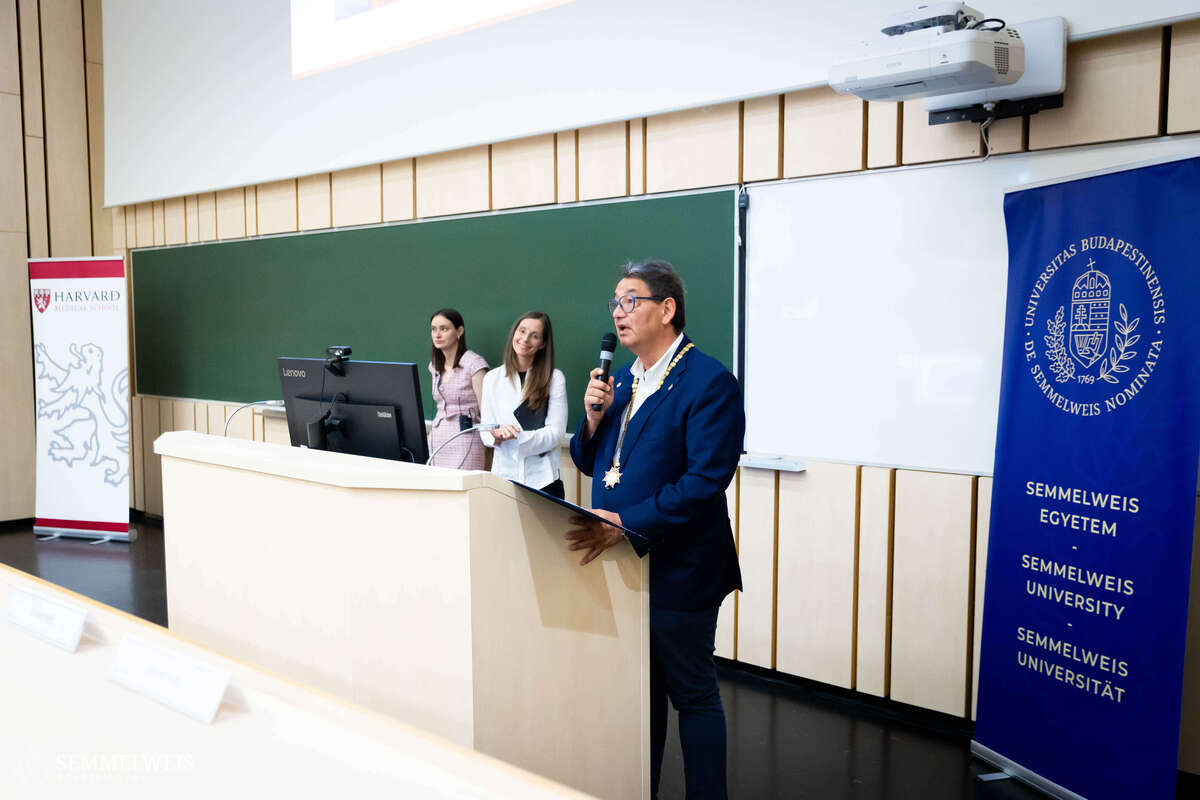
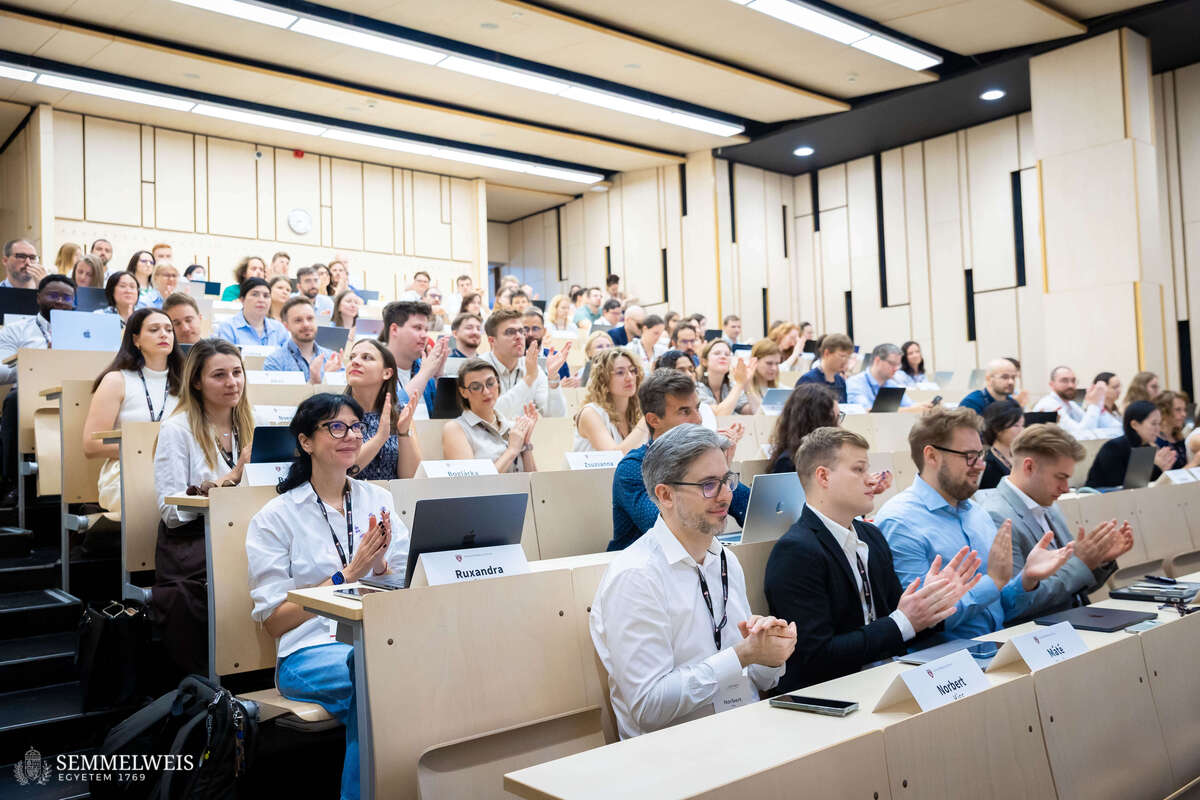
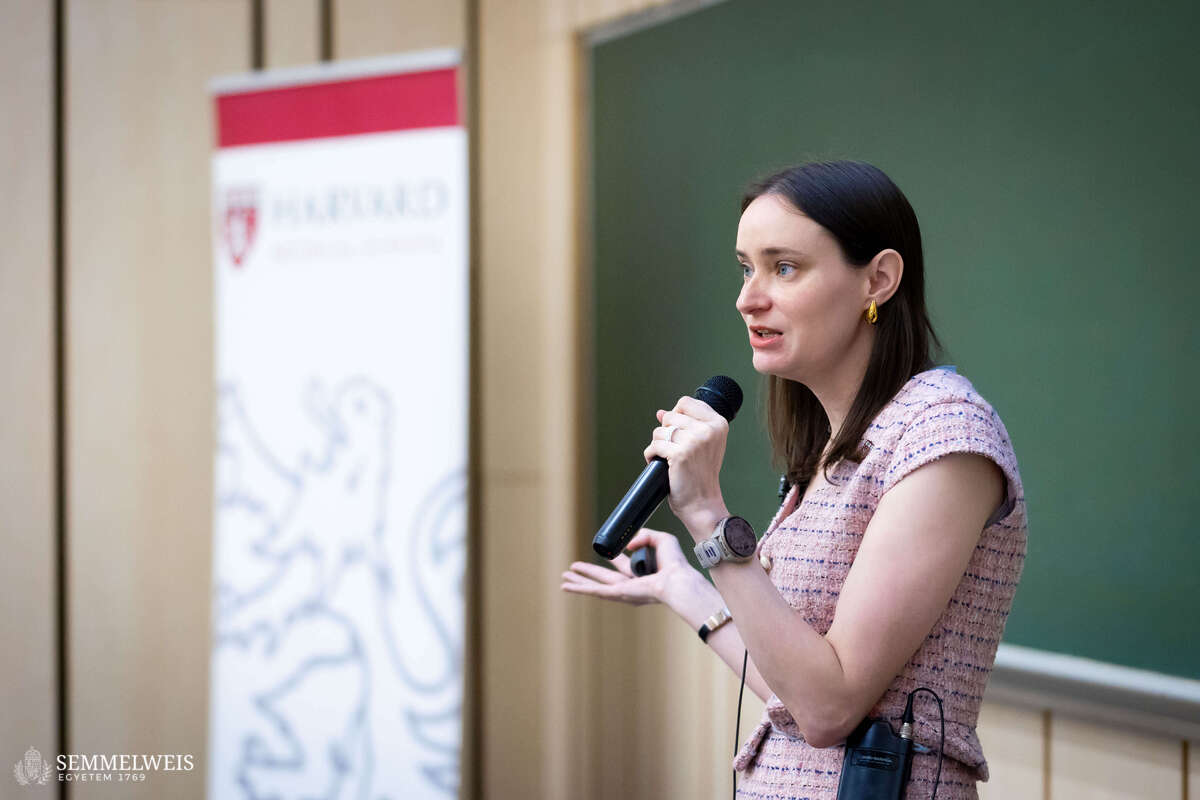
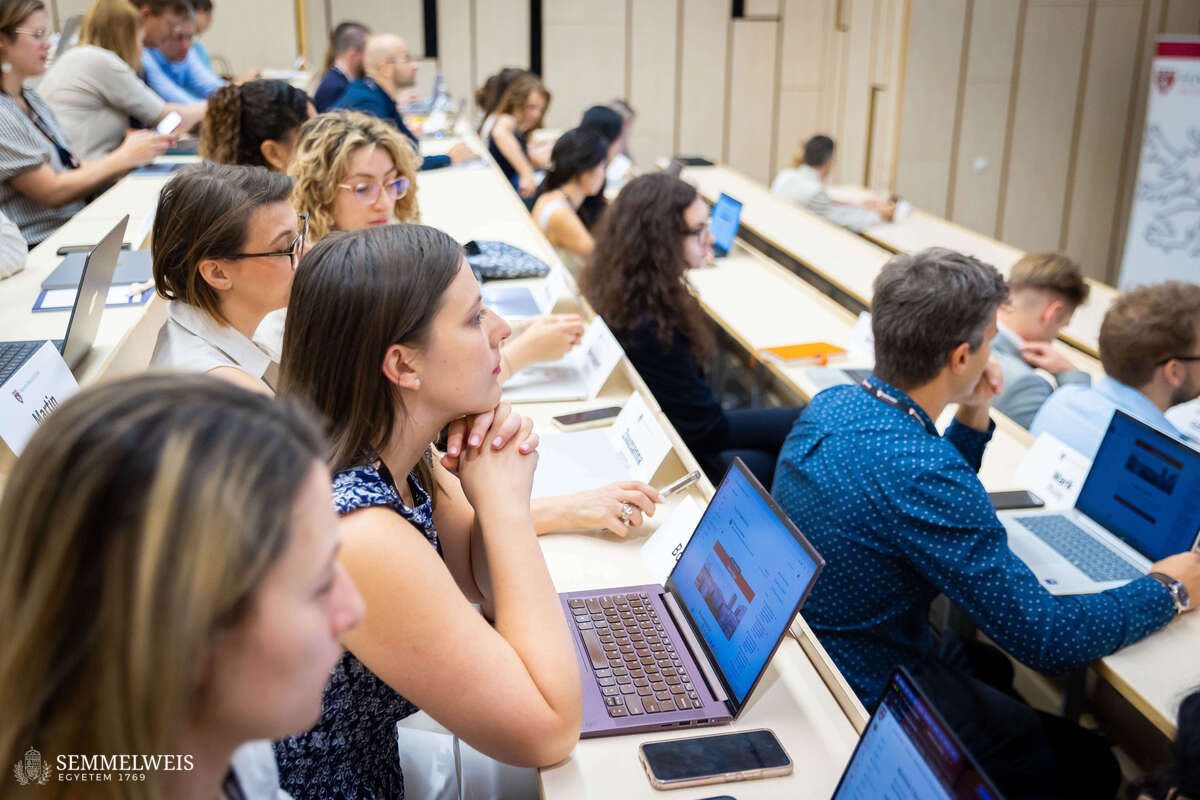
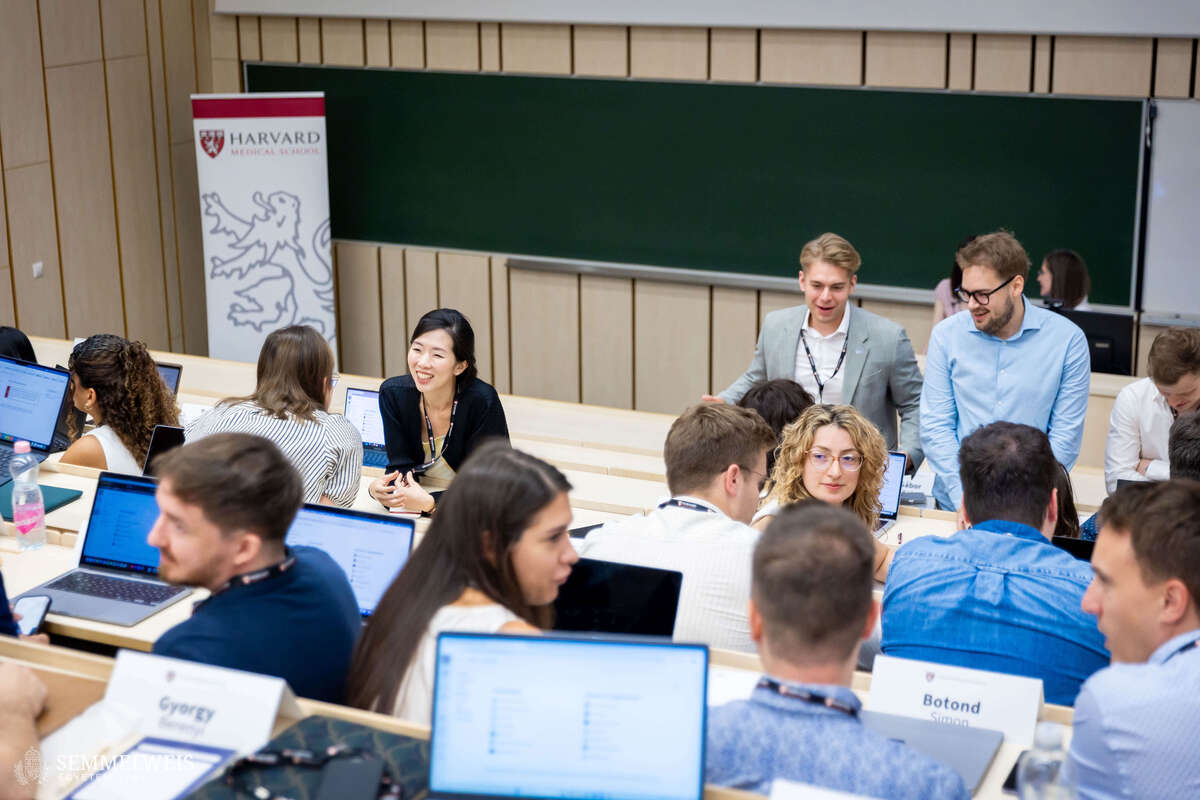
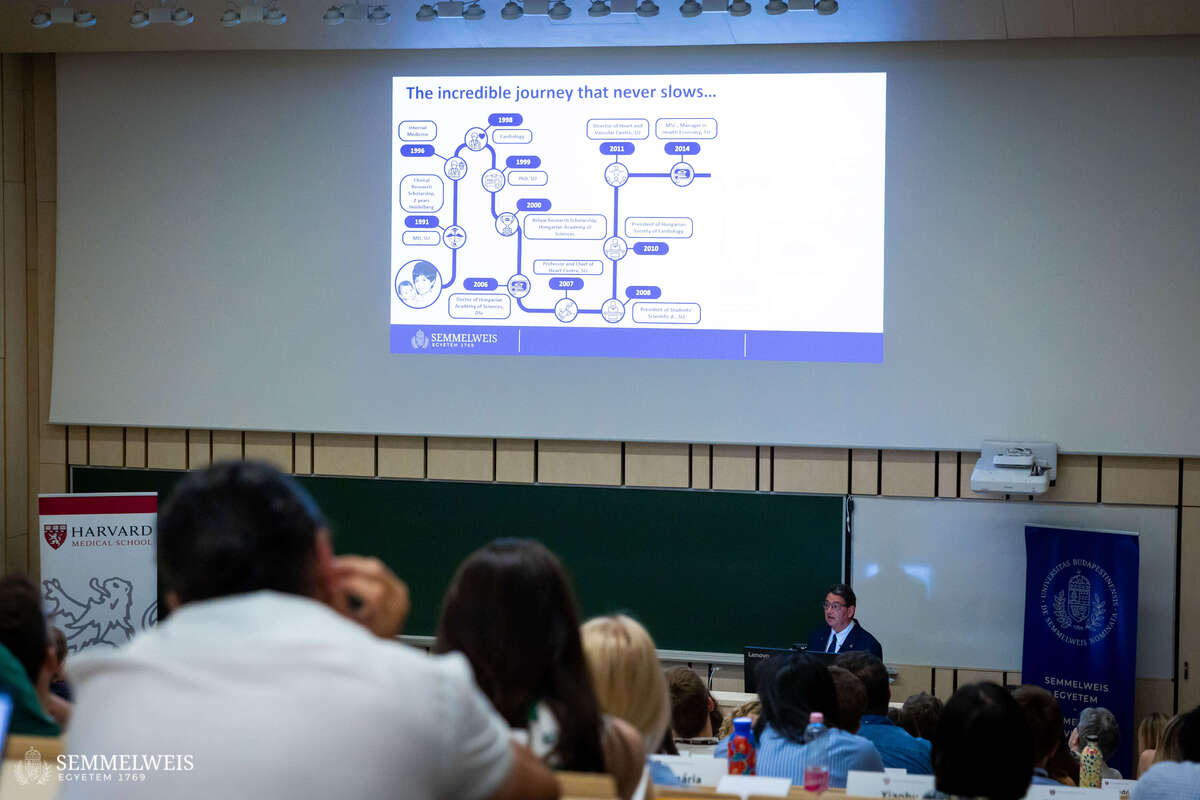
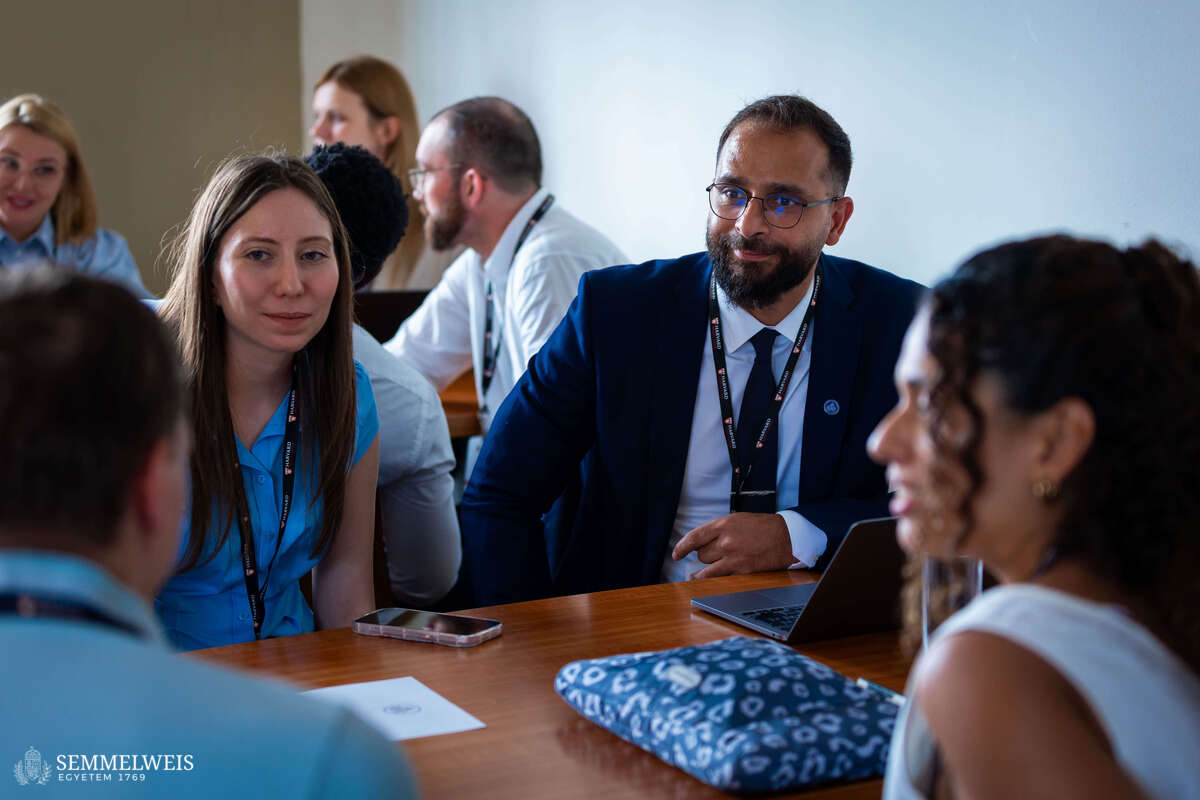
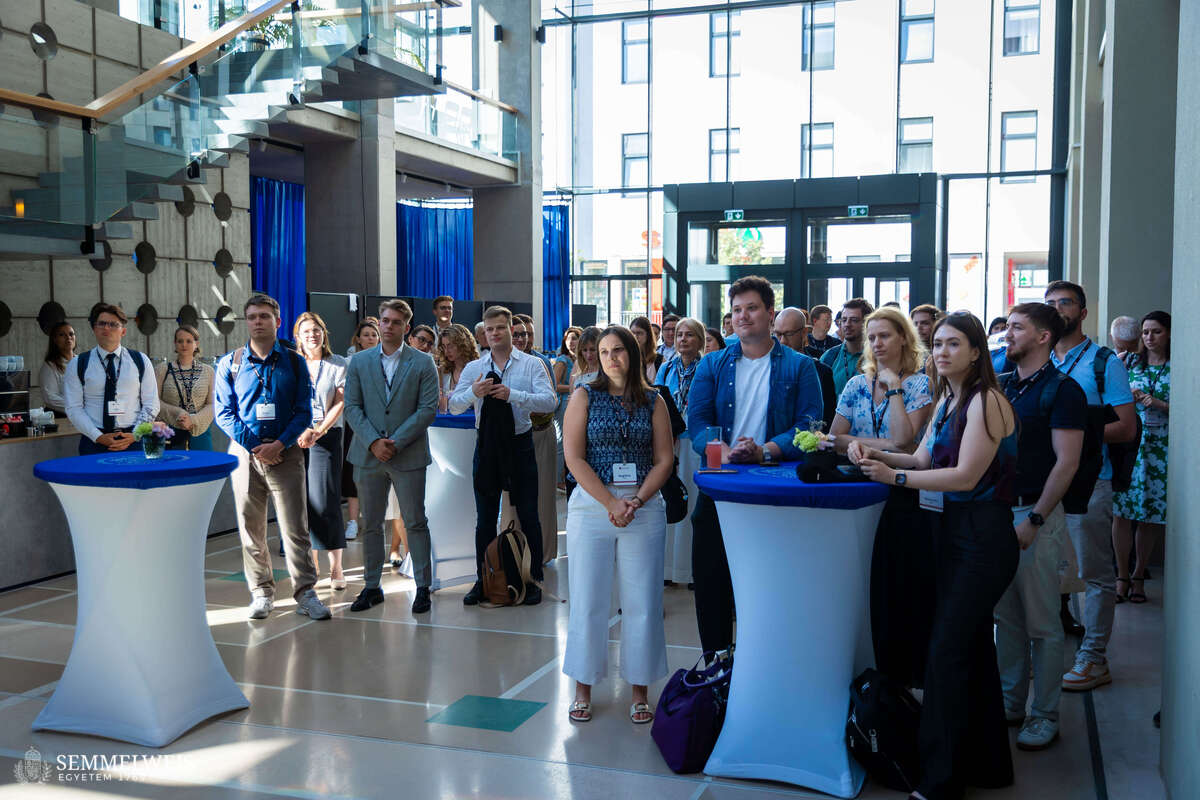
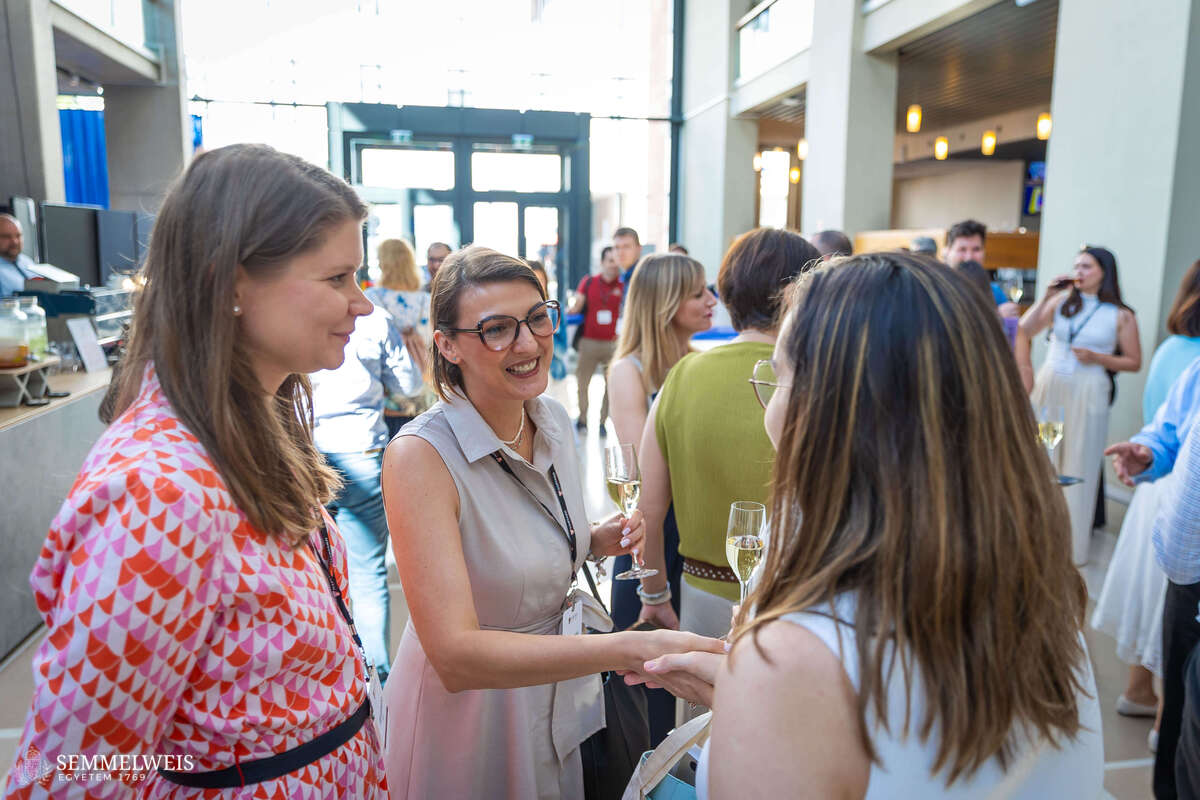
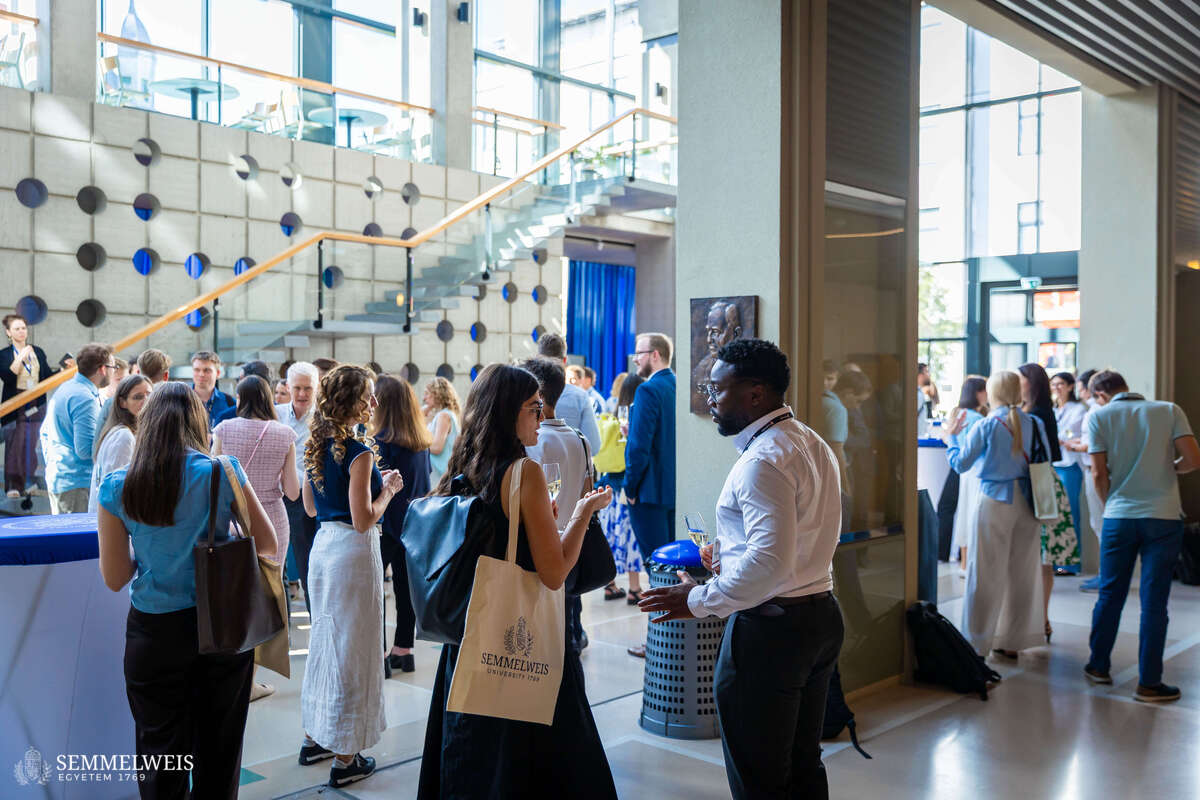
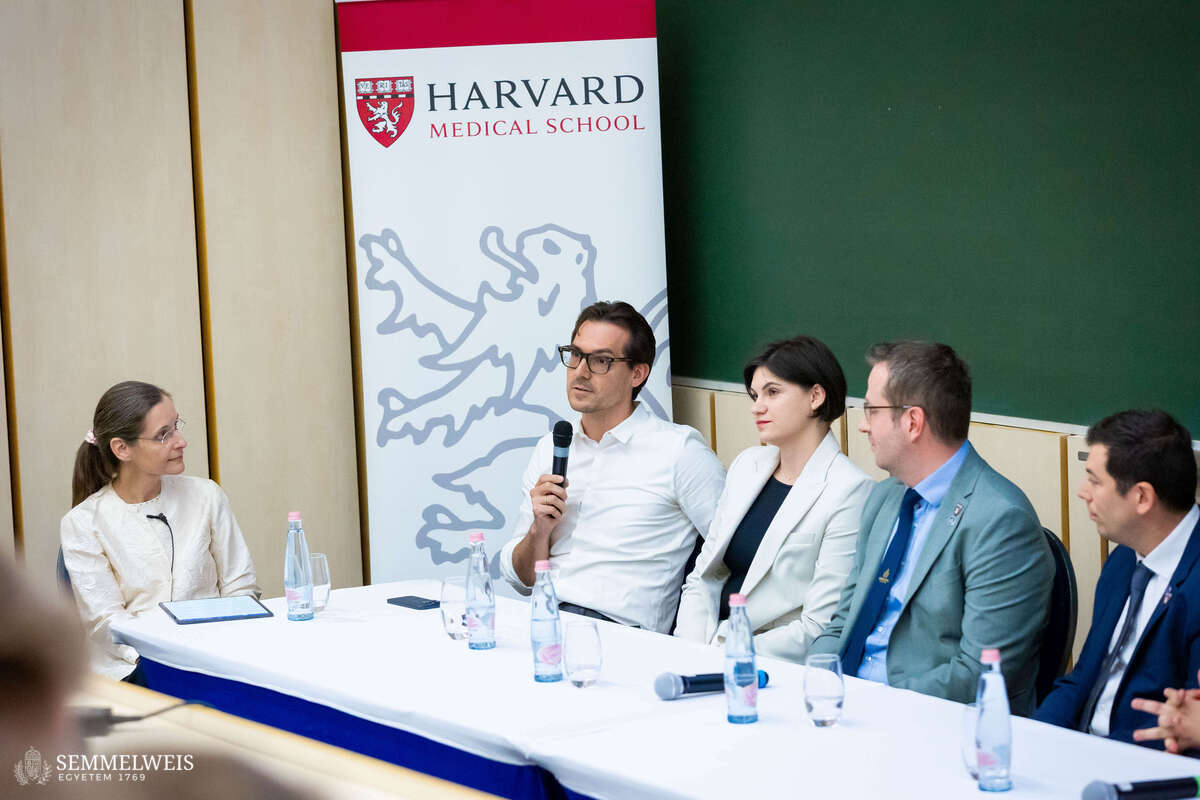
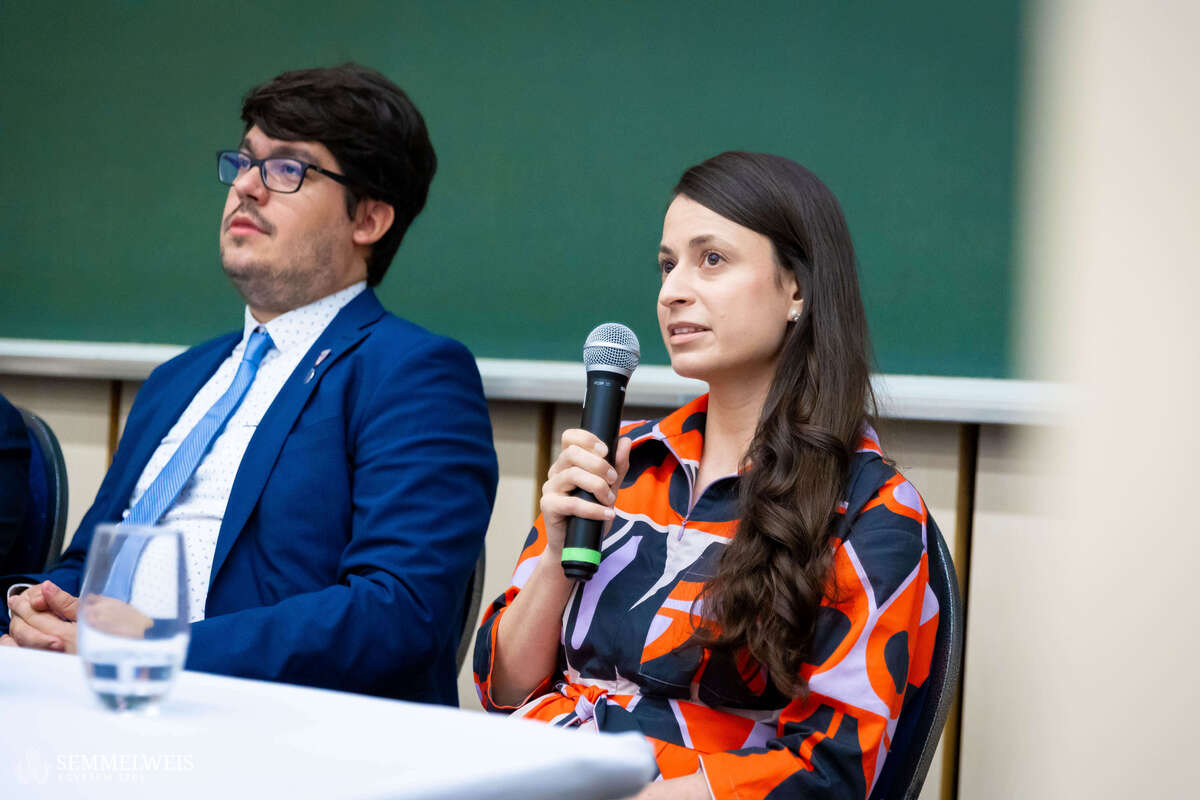
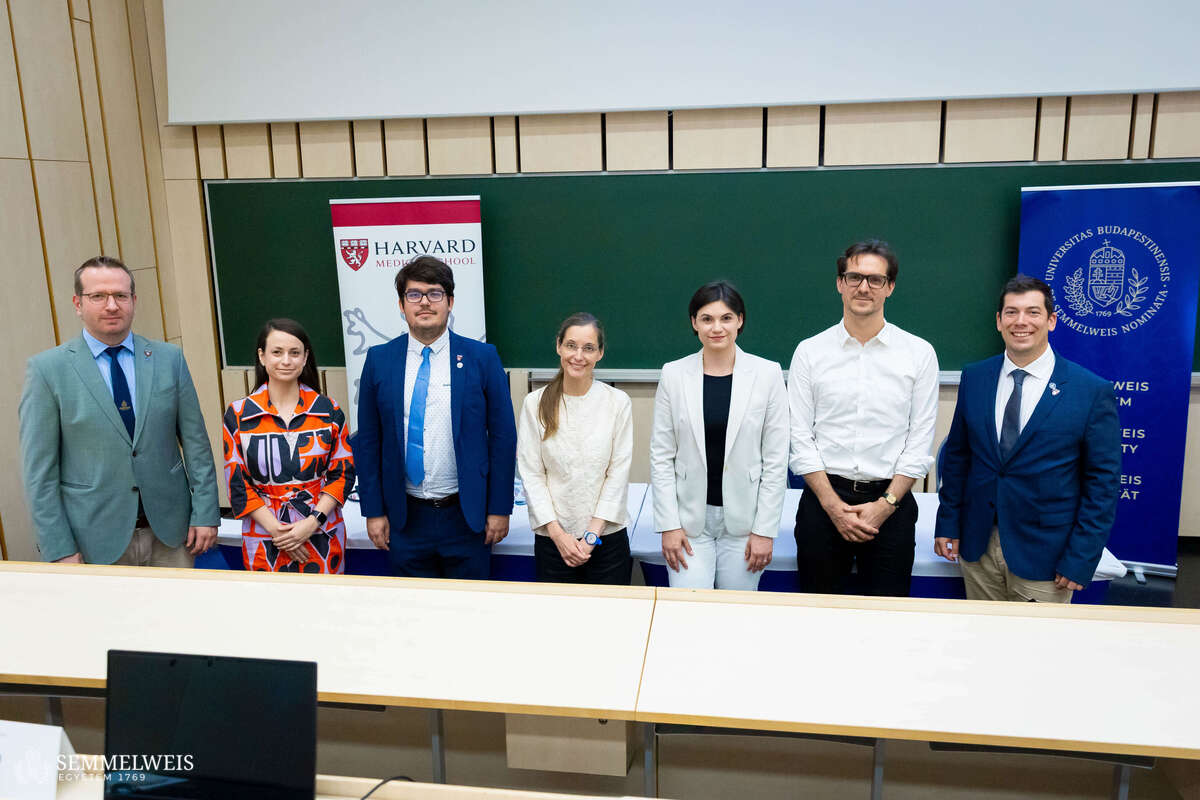
The workshop featured a panel discussion moderated by Krisztina Fischer, with program alumni participating, who highlighted how completing the program boosted their professional careers.
Associate Professor Dr. Bánk Fenyves, Head of the Department of Emergency Medicine, believed that the program would give participants confidence in the international scientific community, which was especially beneficial for scientists coming from smaller countries. He shared that the program had also changed the way he approached other proposals and projects. It equipped him with the methodological tools to evaluate promising ideas despite inadequate study designs. He also developed skills that he could use in his everyday work in a leadership position.
Dr. Zsófia Drobni, a cardiologist at the Department of Cardiology at the Városmajor Heart and Vascular Center, benefited most from realizing her ability to complete the program. She advised participants to let go of their initial expectations and focus on their original motivation when they encountered challenging tasks. She was highly motivated by the capstone project, which helped her realize she had acquired the knowledge needed to write research proposals in the future.
Assistant Professor Dr. Bence Tamás Szabó, Deputy Director at the Department of Oral Diagnostics and Vice-Dean for Education at the Faculty of Dentistry (FOK), pointed out that the program had a huge impact on his teamwork and scheduling skills, facilitating him in delegating tasks, keeping deadlines as well as giving inspiring feedback. He encouraged participants to be proactive and make themselves visible by asking questions that would benefit them.
Dr. Márton Kivovics, Head of the Department of Dental Public Health, improved the most from studying clinical epidemiology. In his opinion, this field might be more difficult for a surgeon to understand, but he has been applying the acquired skills in his everyday work ever since, designing retrospective studies to address clinical questions that could not be answered by a clinical trial.
Dr. Tamás Kiss, Assistant Professor at Semmelweis University’s Pediatric Center, regarded gaining soft skills as the most important benefit of the program, allowing participants to adopt a mindset that cannot be learned from textbooks. For him, one of the highlights of the program was getting a rare insight into how an editorial board works.
Dr. Judit Csőre, Assistant Professor in the Department of Interventional Radiology at the Városmajor Heart and Vascular Center, highlighted that the program helped her frame the knowledge she had already acquired and communicate within the international scientific community, bridging intergenerational and interdisciplinary gaps. She has experienced the benefits of learning how to identify a clinically meaningful question. Speaking of researchers who fall into the categories of structured thinkers and dreamers, she shared her experience that the latter often have a good sense of finding the right questions, so for them, acquiring the skillset to identify the hypothesis and conduct the related research in a structured way could be really helpful.
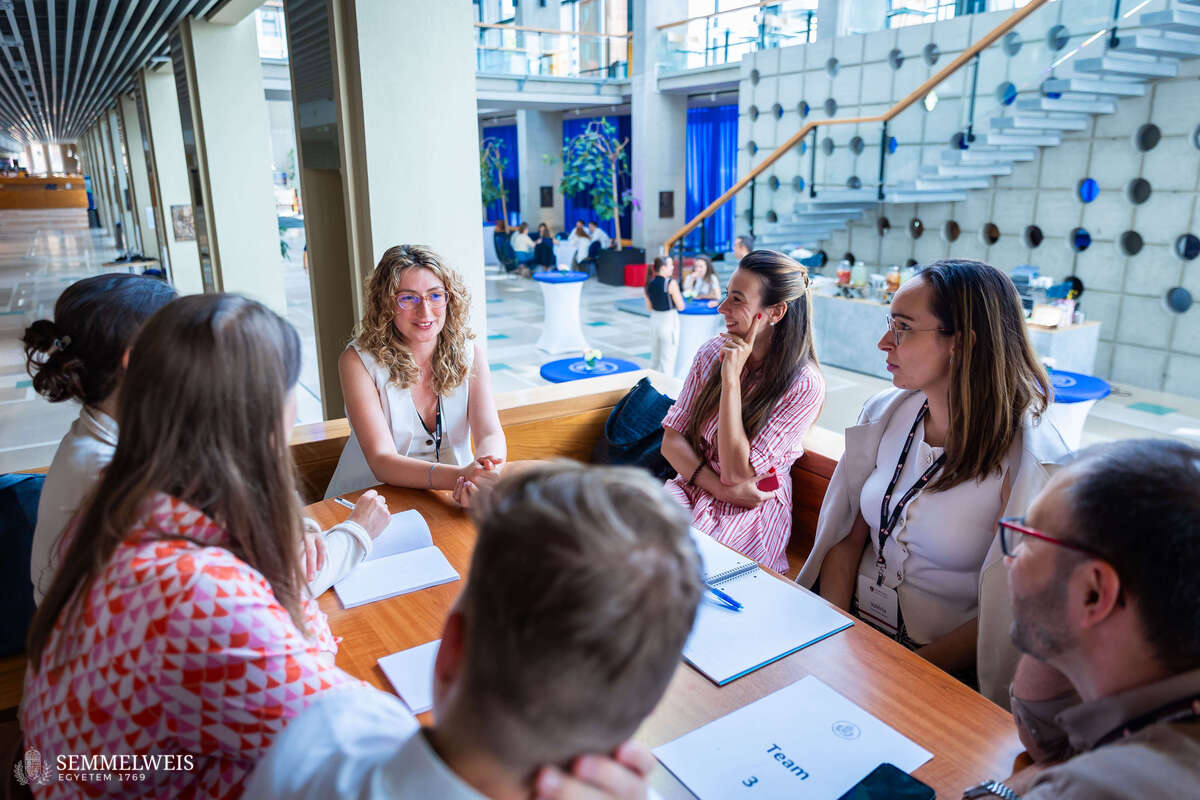
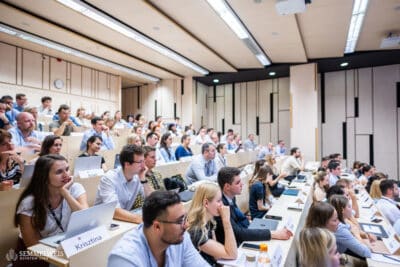
The four-day Budapest workshop featured sessions on biostatistics and epidemiology, STATA, study design, and an introduction to scientific writing. The nine-month hybrid program will also cover themes such as clinical trials, leadership and teamwork, negotiations and implementation science.
Judit Dőtsch, Dr. Balázs Csizmadia
Photos by Boglárka Zellei – Semmelweis University