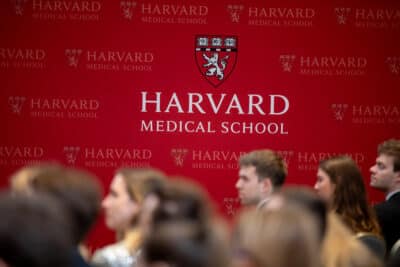
Launched in 2023, Harvard Medical School’s Clinical Science Scholars program (CSS) at Semmelweis University aims to immerse participants in the latest advances and best practices in clinical research, thereby broadening their knowledge of research methodology. Those who complete the nine-month hybrid training program gain a solid understanding of how to design and conduct clinical trials and research, analyze and interpret research data, and master the skills needed to develop successful grant proposals and lead clinical teams.
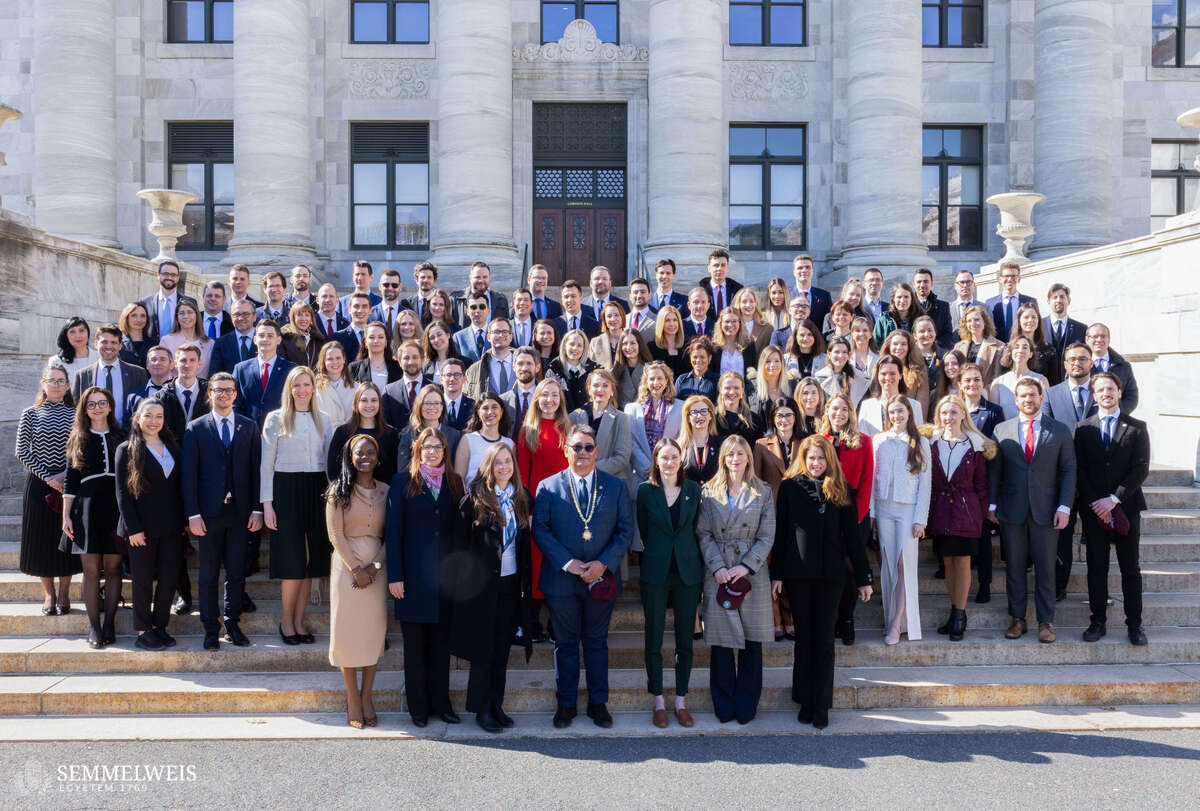
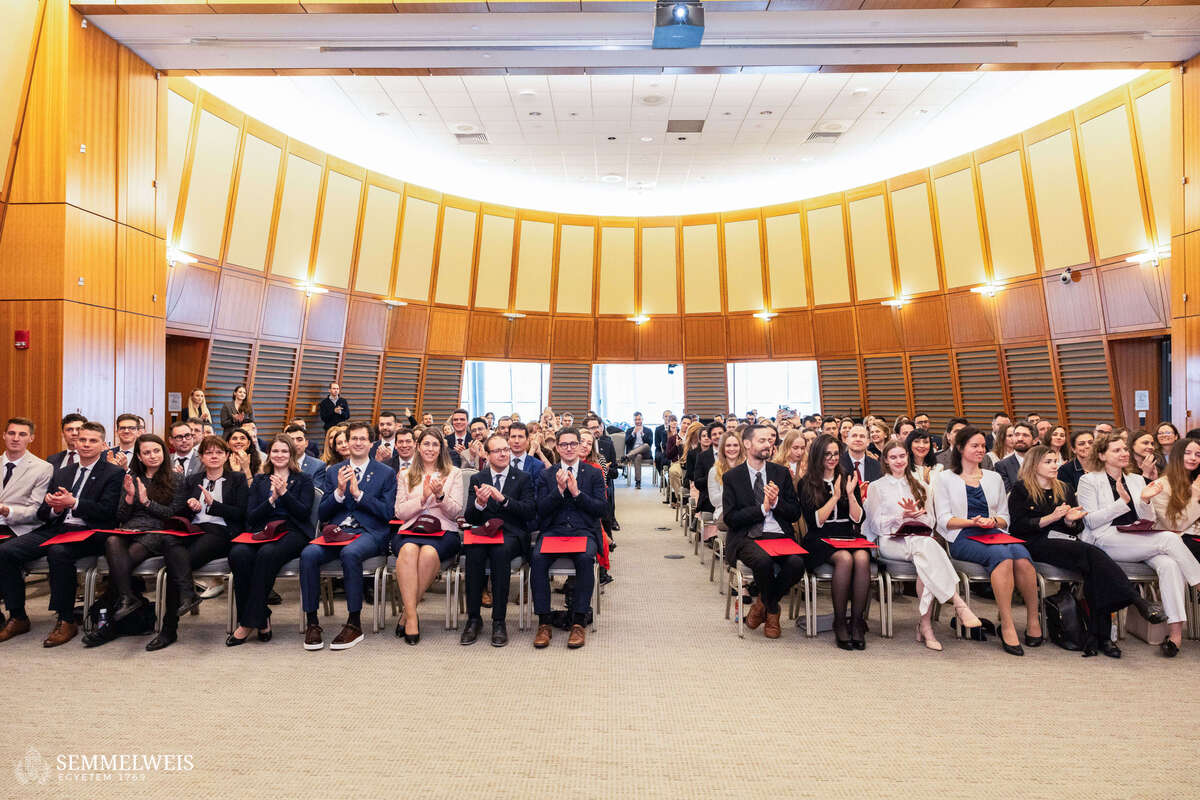
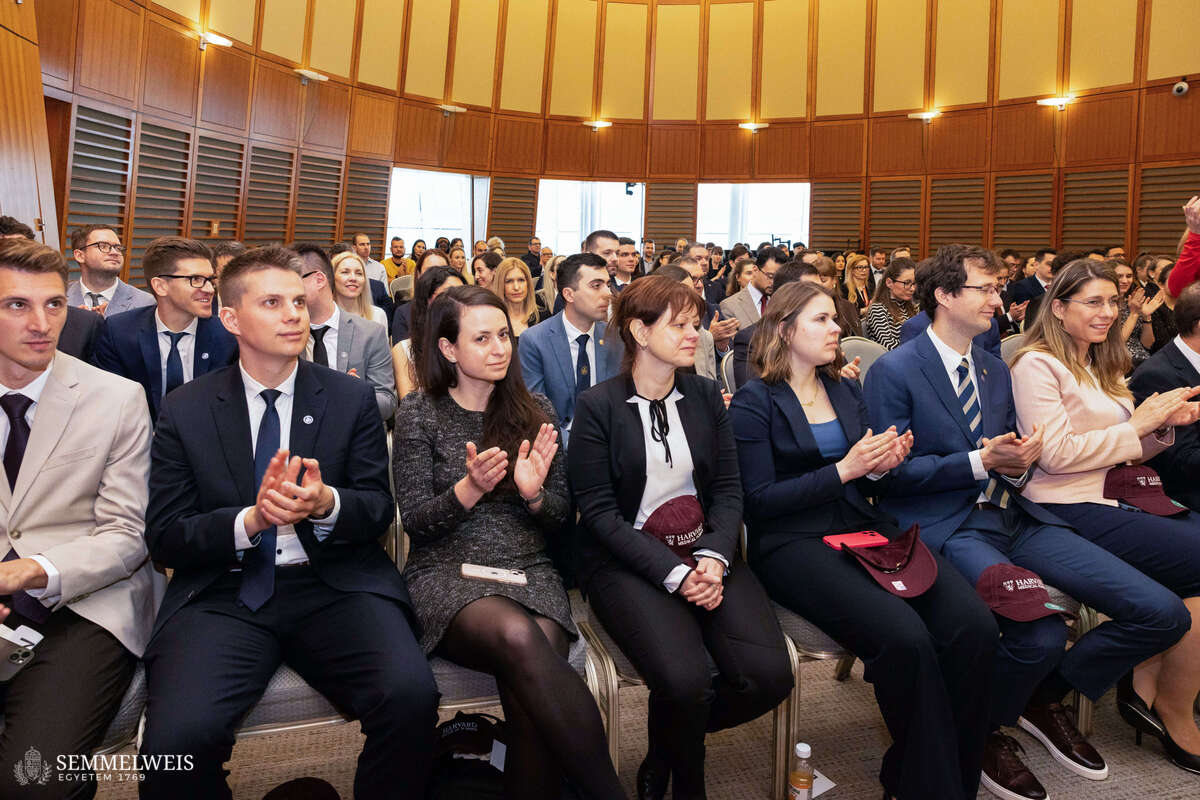
The Boston workshop held in spring 2026 marked the closing of the program’s 2025-2026 cohort, where 89 early-career researchers received their certificates.
Participants of the closing event were greeted by Program Director Krisztina Fischer, Associate Professor of Radiology and Faculty Director of Master of Medical Sciences in Medical Education at Harvard Medical School.
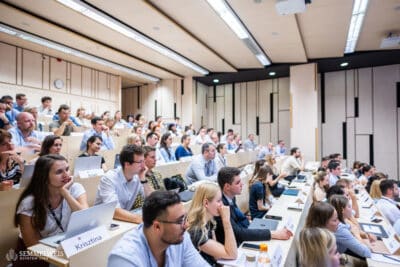
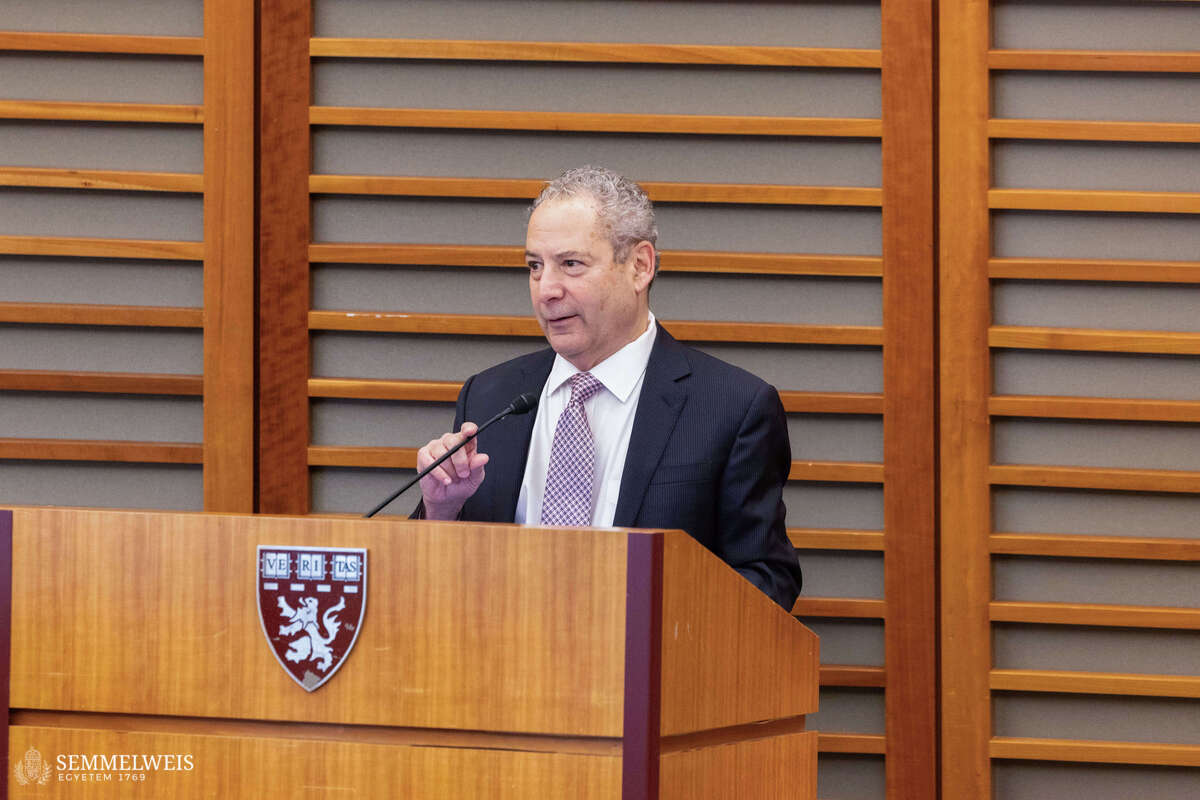 Guest speaker Dr. Scott Solomon, a world-renowned cardiologist, Professor of Medicine and the Edward D. Frohich Distinguished Chair at Harvard University / Brigham and Women’s Hospital, congratulated participants on venturing “far outside their comfort zones into the occasionally mysterious world of study design and statistical inference and homework, while continuing to care for their patients.” He reminded the audience that medicine and medical research had become extraordinarily complex and expanded at a rate with which it is was almost impossible to keep up. “But even now, medical training offers surprisingly little insight into and instruction into how medical knowledge is actually created. And that’s what this program has been about,” he added, finding it reassuring that with program graduates, a new group of physicians were joining the ranks of clinical investigators. “I don’t know what motivated each of you in all this program. But what matters now is how you apply those skills, how you build the collaborations, and how you ask the questions that are going to matter,” he concluded.
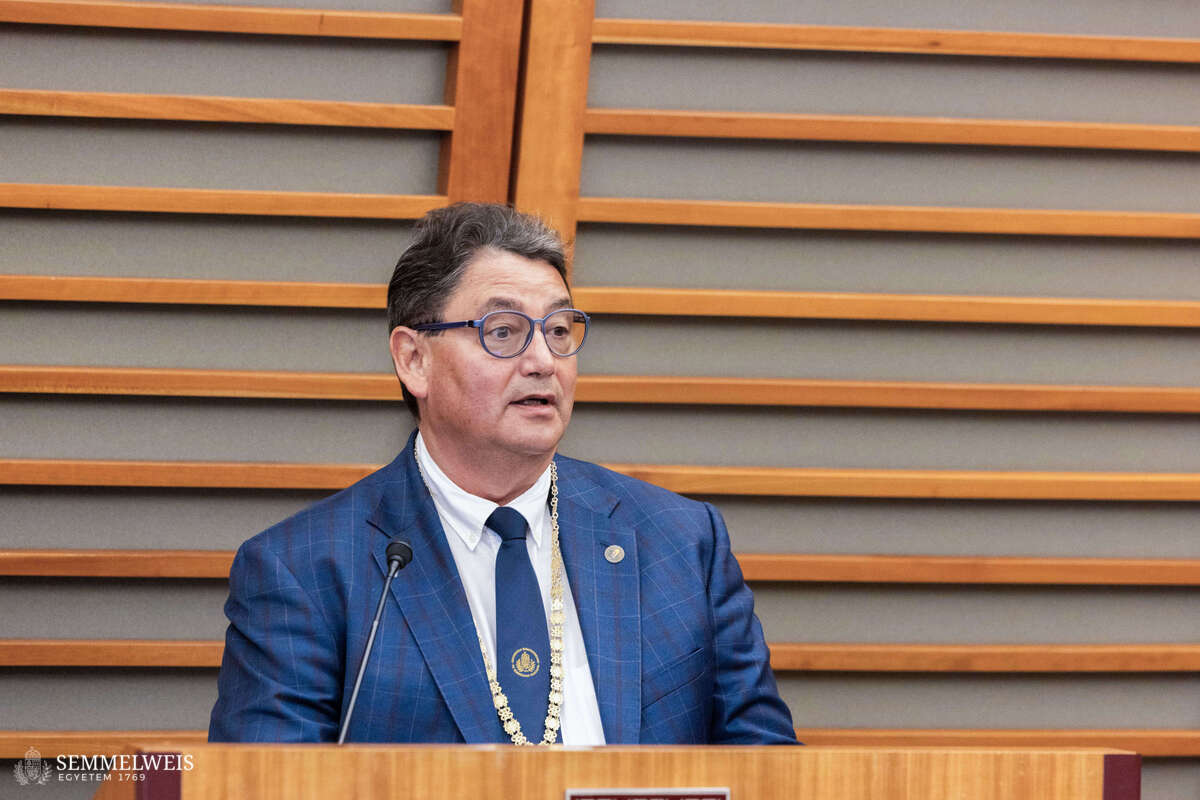 Dr. Béla Merkely, Rector of Semmelweis University, pointed out that those who wanted to keep up, or even be at the forefront, needed to approach scientific work differently than they had done a few decades ago: In addition to acquiring knowledge, the role of the specific mindset had become more important. “This realization contributed to the launch of a joint training program between Harvard Medical School and Semmelweis University three years ago, which aims to provide a solid foundation for keeping up with the incredible pace of development in medicine,” he added. In his words, the participants in the program had acquired a great deal of knowledge and countless techniques that were an indispensable part of scientific thinking. In return for their hard work, however, they would gain knowledge they could rely on for the rest of their clinical careers. He reminded the audience that the training program also offered an excellent opportunity for scientific networking across borders and continents. “The importance of this cannot be overestimated, as we all know that progress and success in medical and health sciences can only be achieved through international cooperation,” the rector stressed.
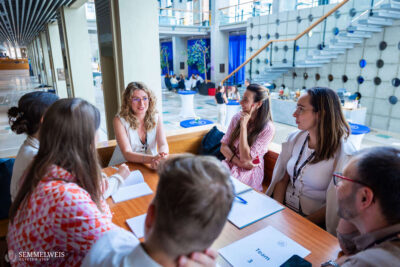
On behalf of the 2025-2026 class, Dr. Judit Csőre, Radiologist and Assistant Professor at Semmelweis University’s Heart and Vascular Center, shared her experiences. She recalled a team assignment which allowed participants from different specialties to start identifying research gaps that none of them had fully recognized within their own fields. “And those moments were very powerful, reminding us that curiosity is one of the most important tools we have as clinician scientists. When people from different backgrounds take the time to truly understand each other’s work, new ideas emerge. And in many ways, that was exactly what this program was about, helping us learn how to shape those ideas, how to approach them with scientific rigor, and how to lead teams, how to bring science closer to the patients and to the communities we serve,” she emphasized.
The second nominated student speaker, Dr. Eszter Czifrus, Resident at Semmelweis University’s Pediatric Center, shared a memory that stayed with her about being introduced to a graph illustrating how teamwork evolves. She noted that many of the program participants believed that they might be the exceptions from the seemingly inevitable friction the process entails. “This turned out to be one of the most valuable parts of the experience because we didn’t just learn statistics, study design or how to interpret data. We learned how to work together, how to question ideas constructively and how to move forward together when the path was not always clear. Now, nine months later, we may still be at the beginning of our scientific journeys, but we are one important step closer to becoming not only better clinicians, but better scientists as well,” she pointed out.
Gallery
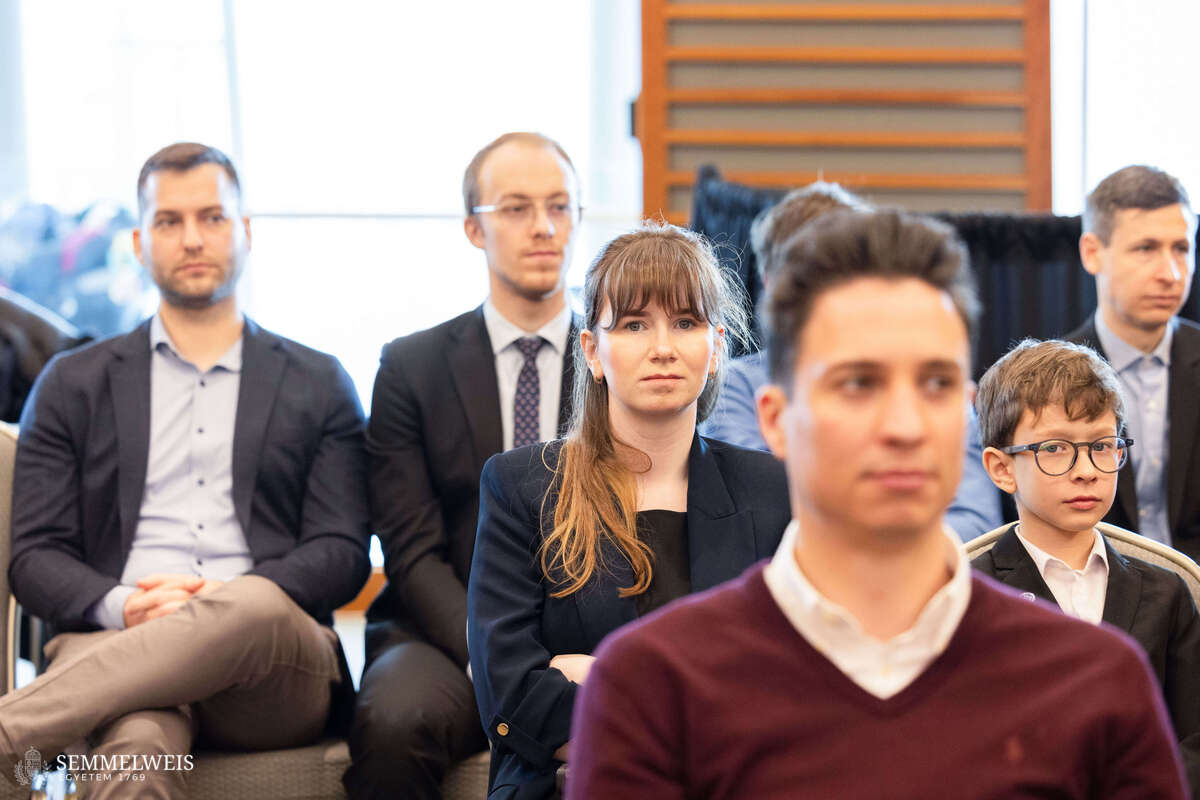
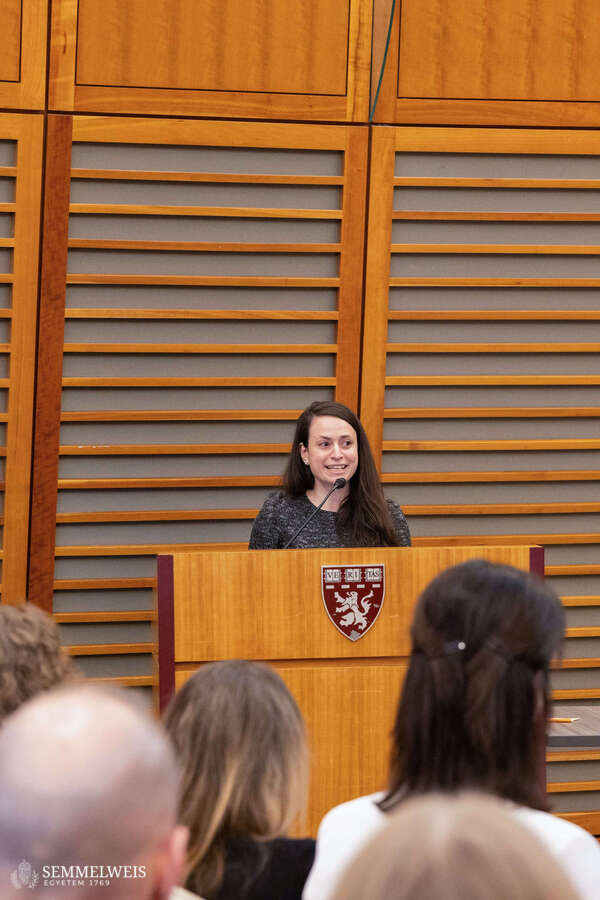
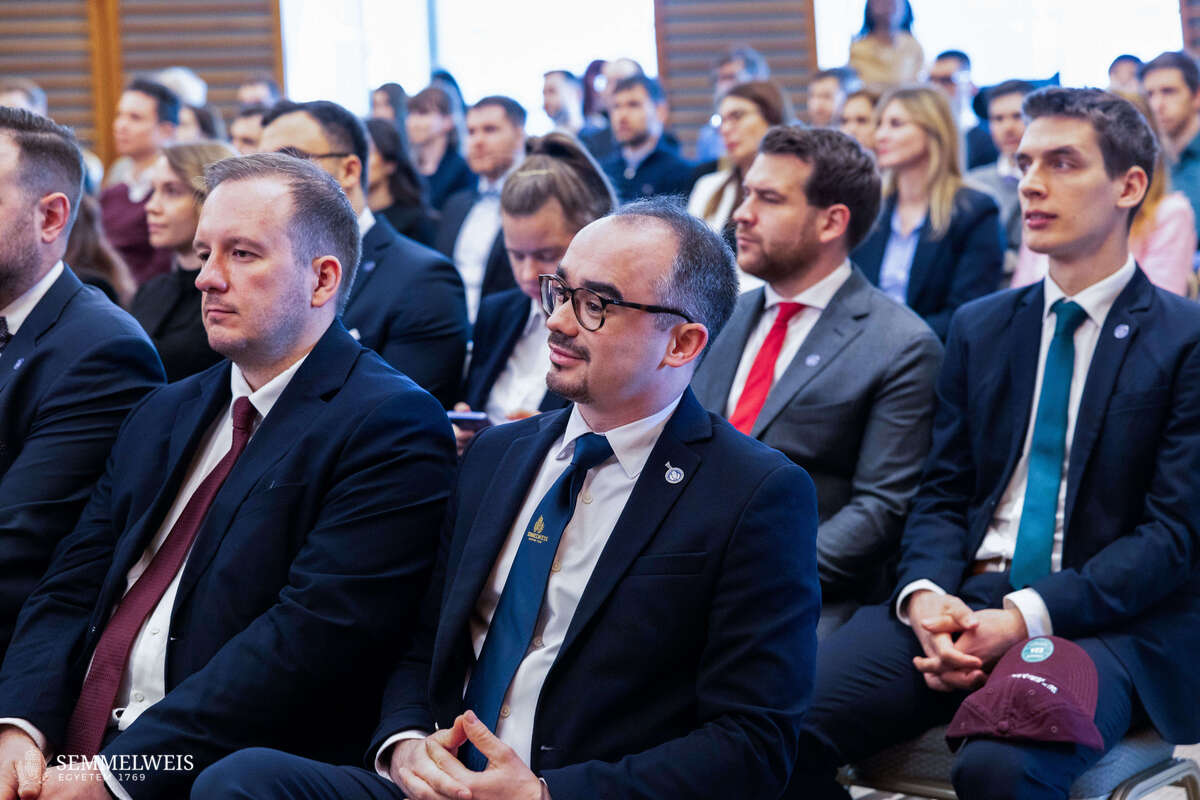
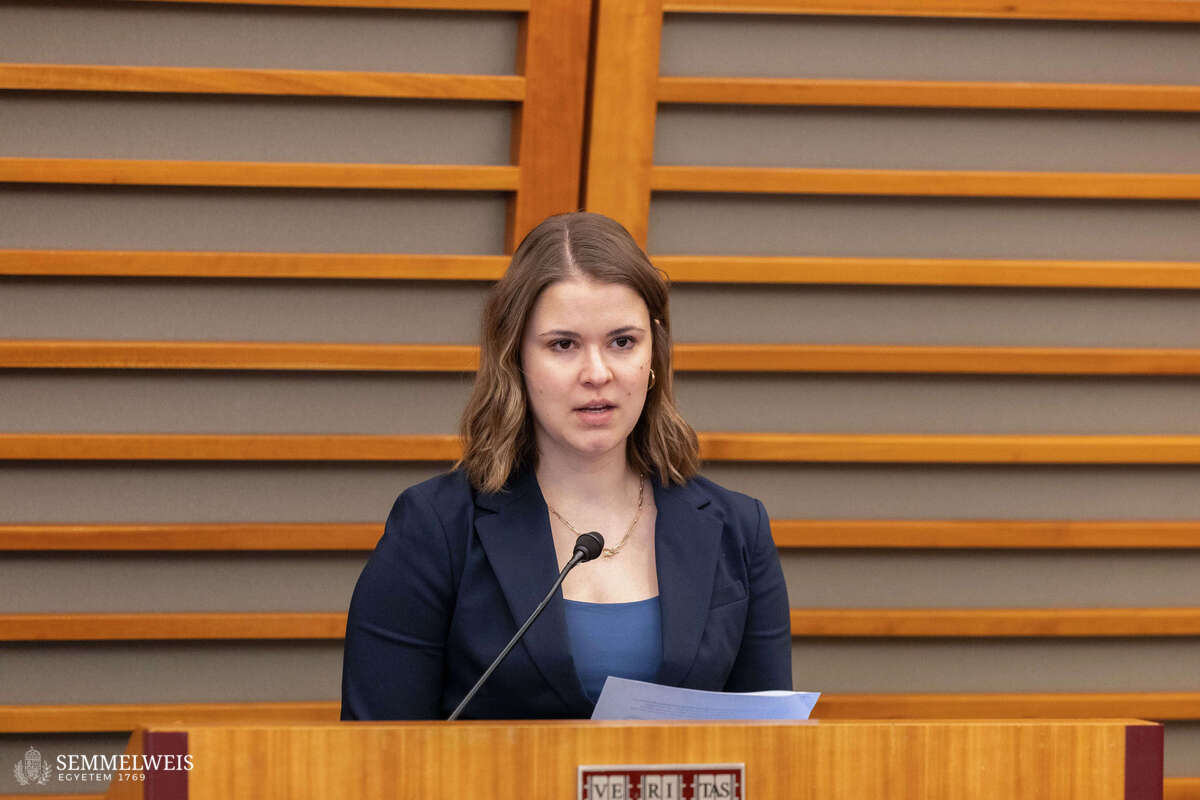
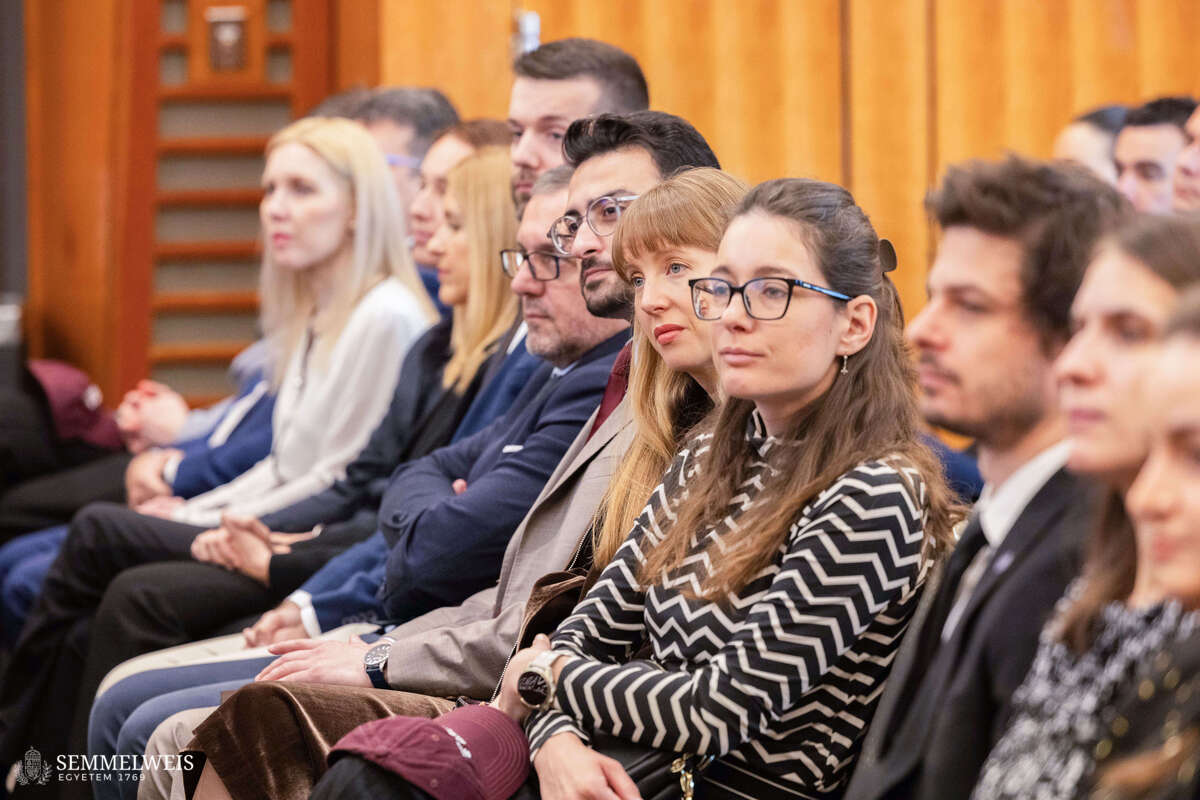
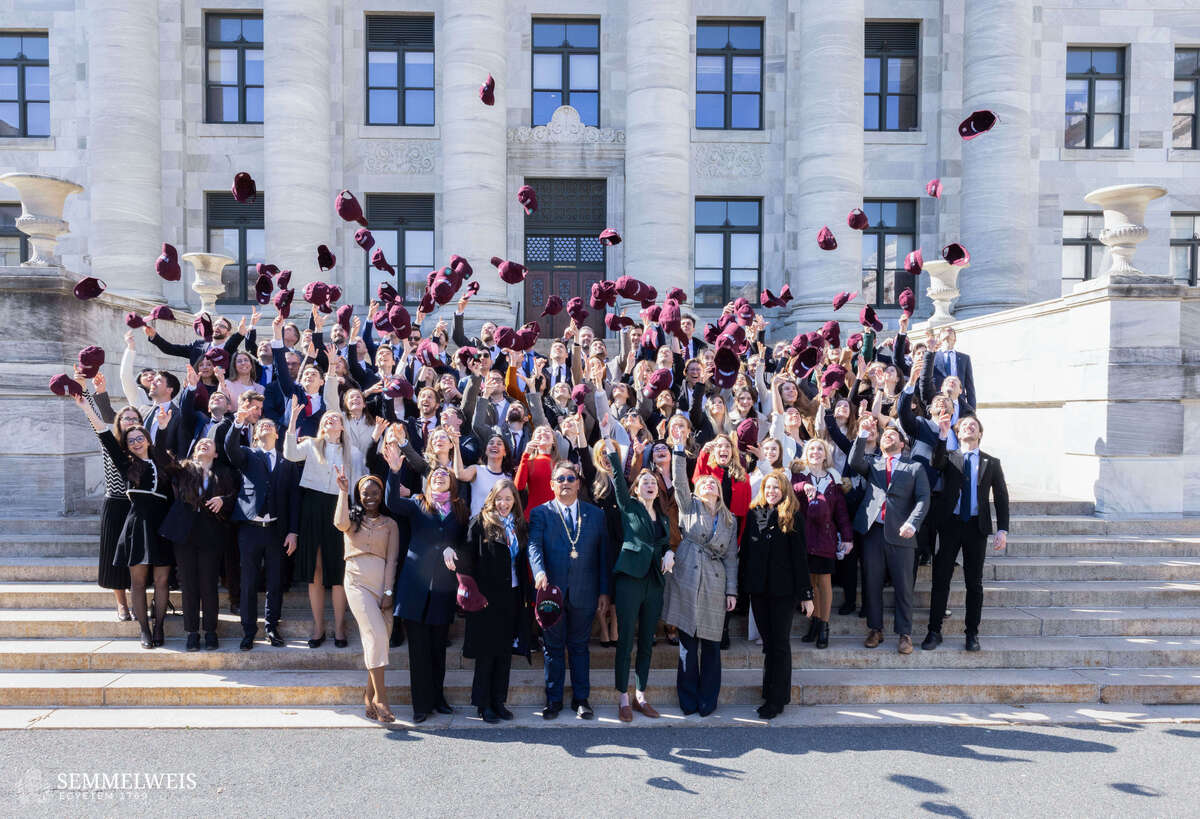
When discussing the beginning of the program, Jamie Robertson, Faculty Director of the Global Clinical Scholars Research Training and Foundations of Clinical Research, referred to the anxiety the program participants felt when they started nine months ago. Although the program graduates may feel relief and pride on completing the program, Robertson noted that this anxiety may return because receiving the certificates signified the end of one chapter and the beginning of another. Speaking about the recurring feeling of fear, she highlighted the importance of having someone who believed in us. She concluded by saying that everyone who completed the program had someone beside them who trusted them. “Remember all the people who believed in you. I know they’ll continue to believe in you long after this program ends and after the next cohort ends,” Jamie Robertson noted.
The next class is now accepting applications
Applications for the 2026-2027 class of the program are now open on Harvard Medical School’s website, where prospective participants can submit their CV, motivation letter, and letter of recommendation. Applications close on May 20.
The call for applications by the Foundation for National Health Care and Medical Education (NEOA) is available HERE.
For questions about the program details, please contact learn@hms.harvard.edu. For questions about tuition assistance, please contact scholarship@semmelweis.hu.
Judit Dőtsch
Photos by Evgenia Eliseeva