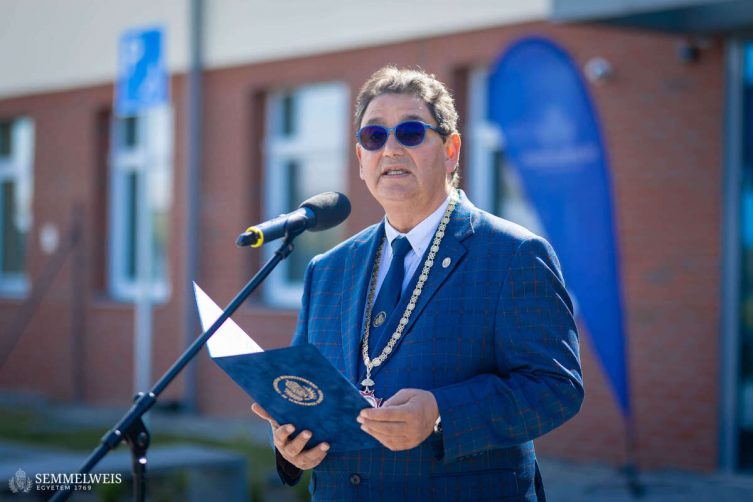
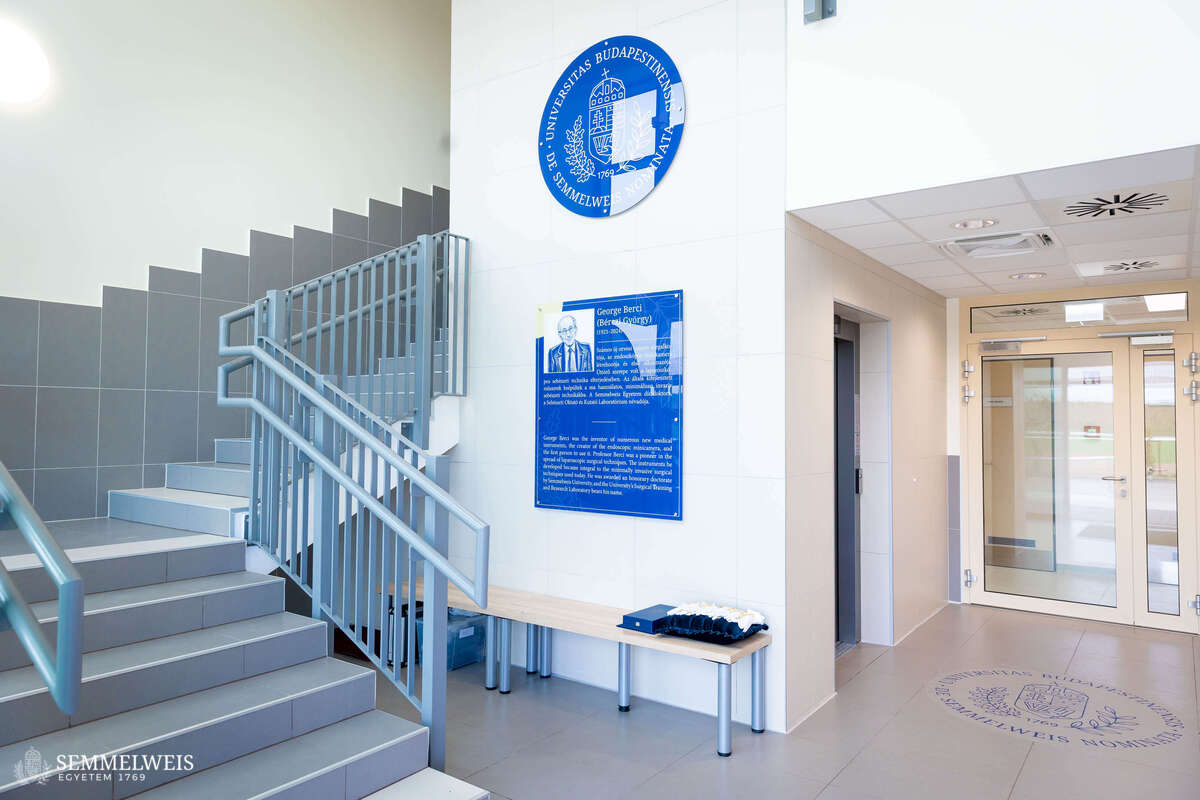
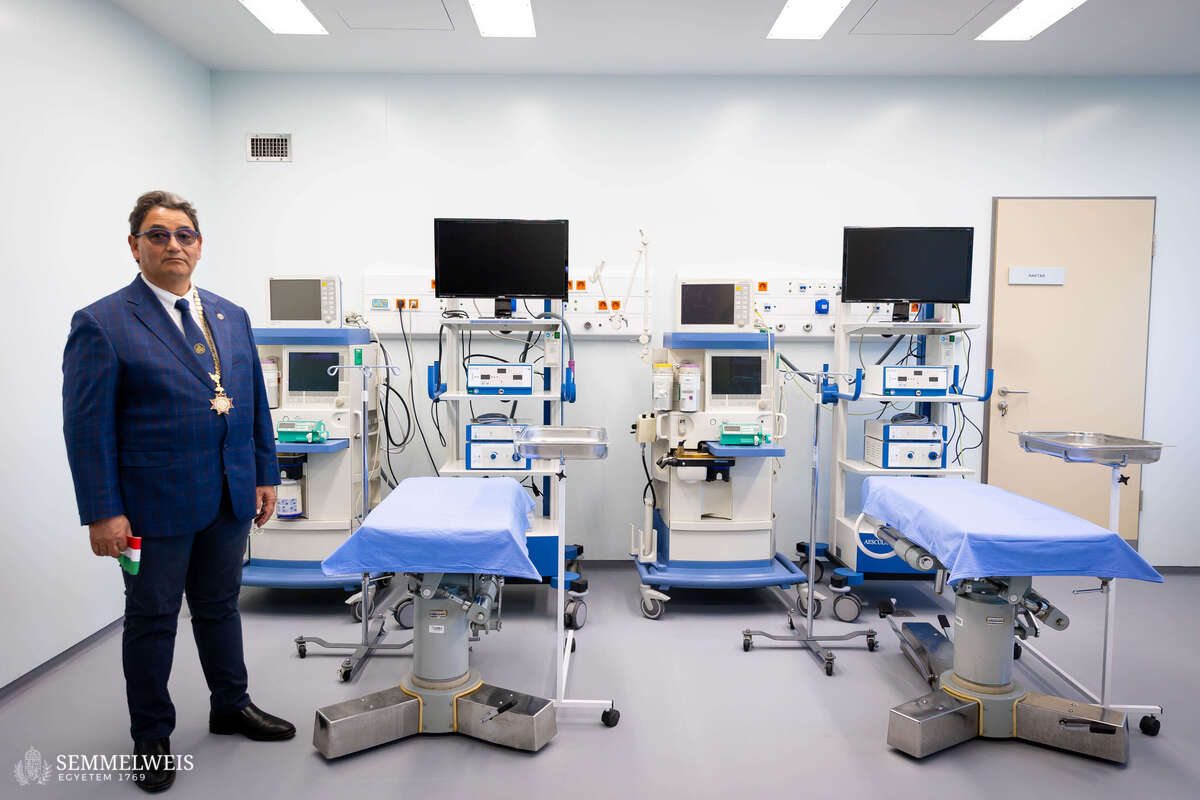
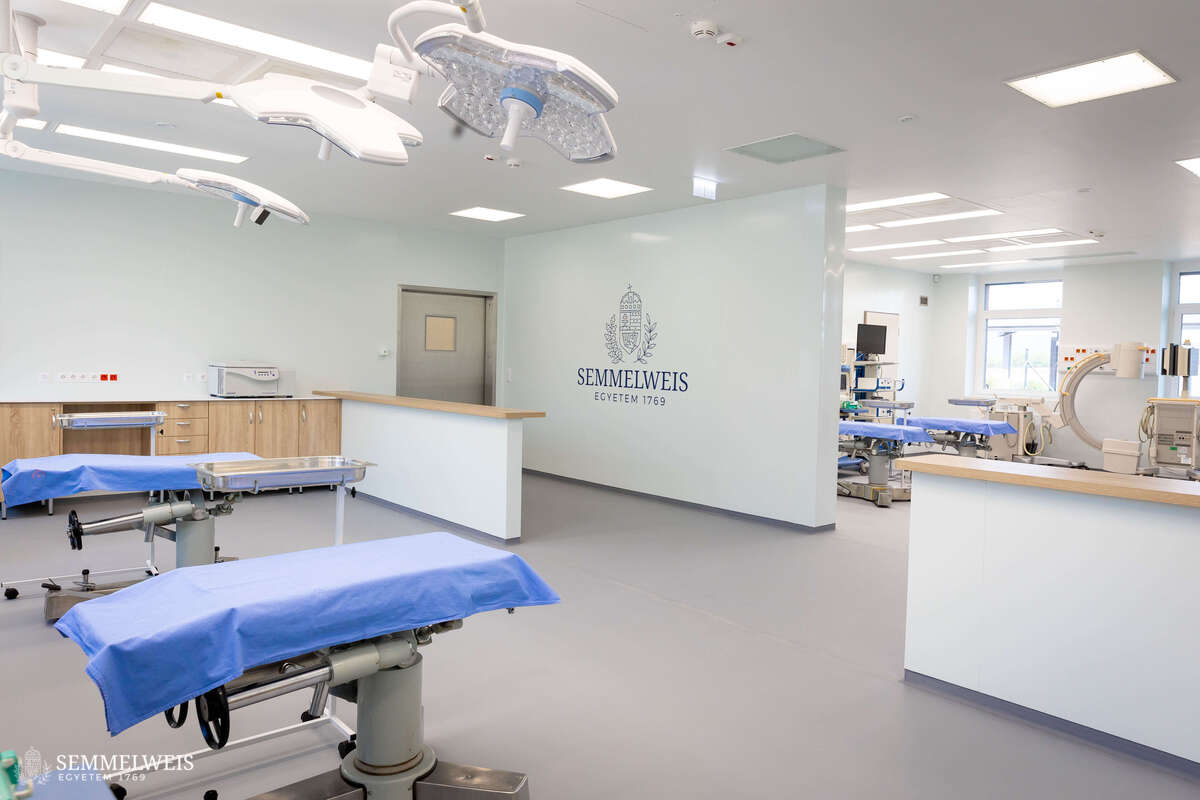
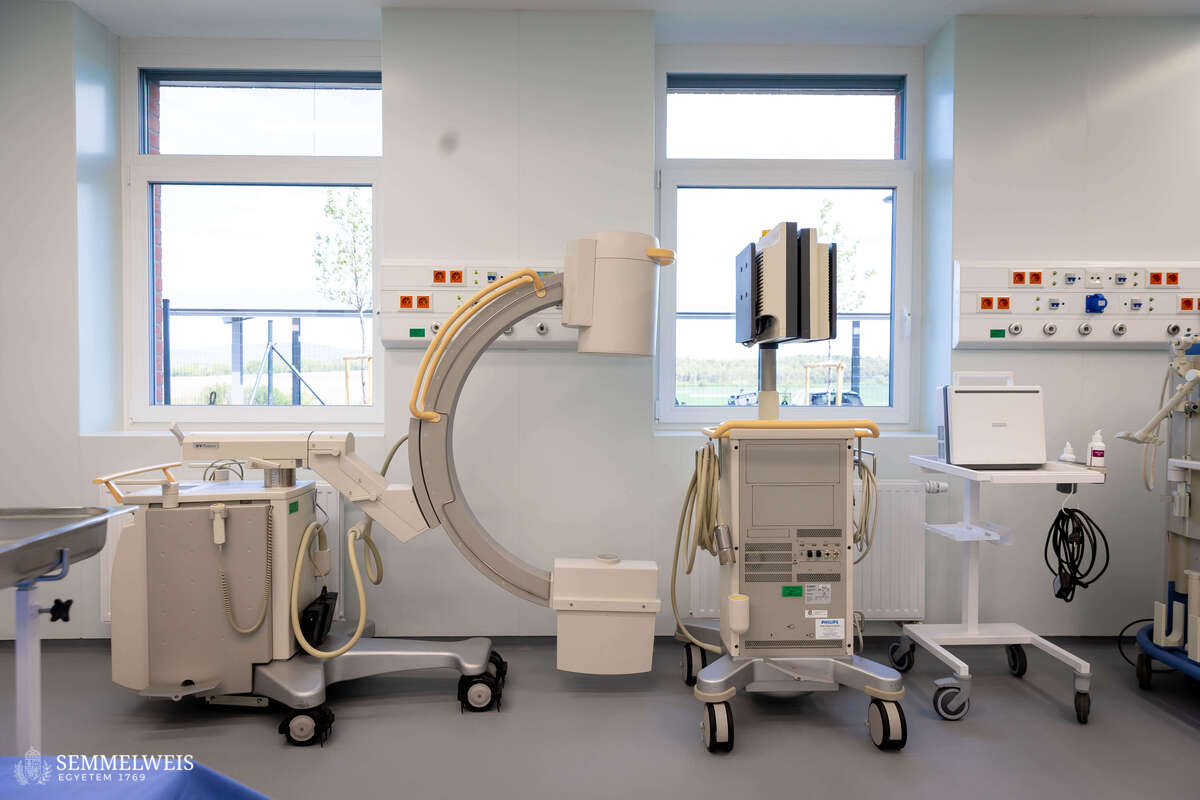
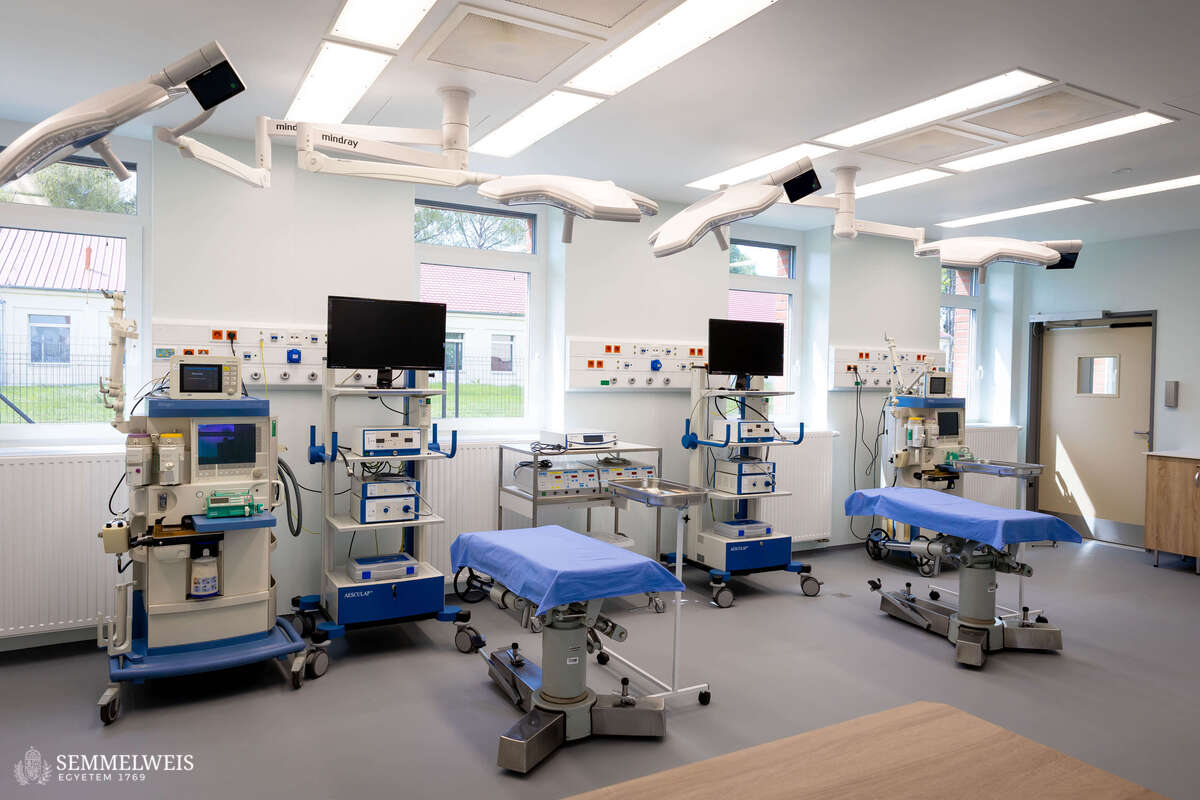
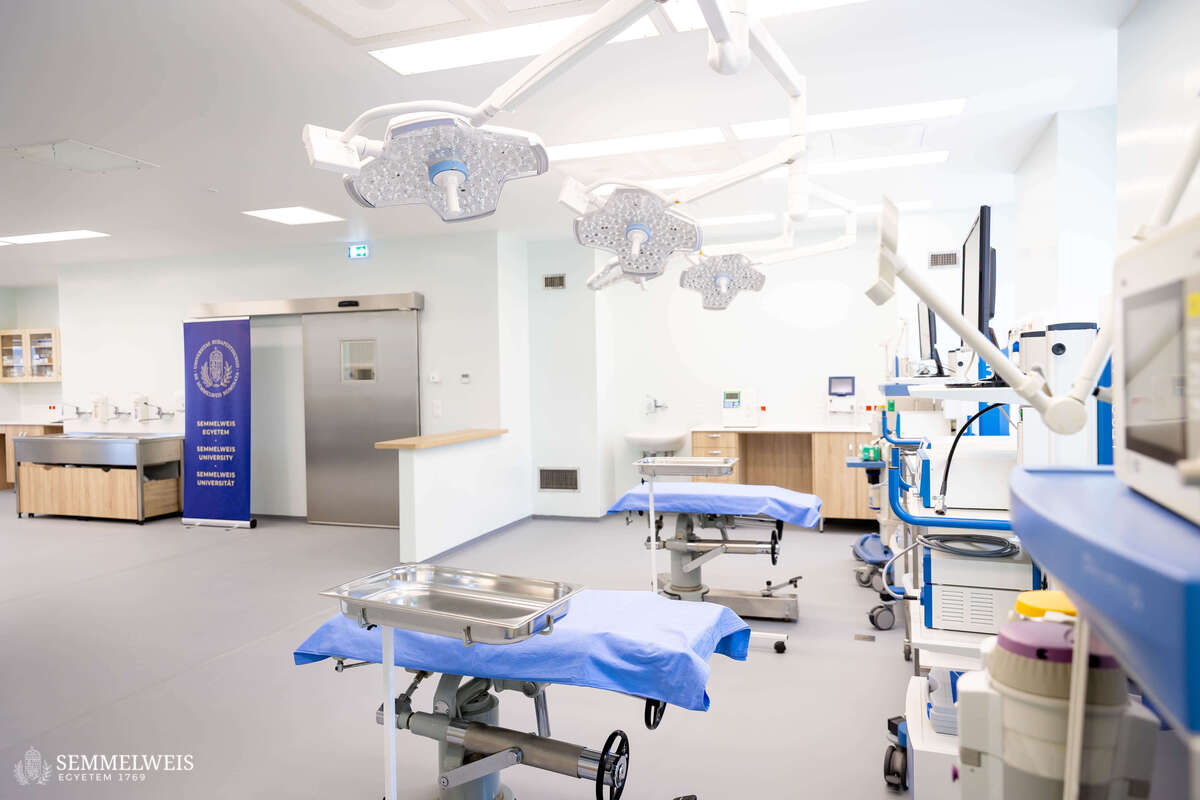
“Our renovated and expanded facility is a vital link in surgical and cardiovascular research, simultaneously serving our university’s threefold mission: education, research, and patient care through innovation,” said Dr. Béla Merkely, Rector of Semmelweis University, at the ceremonial handover of the George Berci Surgical Training and Research Laboratory in Herceghalom. This complex plays a key role in specialized medical training; during the surgical skills training sessions organized here, young doctors can practice surgical techniques and various tricks of the trade, and research on surgical and cardiological topics is also conducted here,” the rector noted, adding that this development, together with the Juhász-Nagy Sándor Scientific Research Laboratory of the Városmajor Heart and Vascular Center, served as the main site for the National Cardiovascular Laboratory (NKL) project.
 As he pointed out, this complex research and innovation program, based on collaboration among multiple institutions, focused on understanding and treating age-related cardiovascular diseases, including heart failure, coronary artery disease, and heart transplantation itself, with the goal of creating new preventive, diagnostic, and therapeutic procedures based on modern scientific findings and developing them in a way that can be applied in practice.
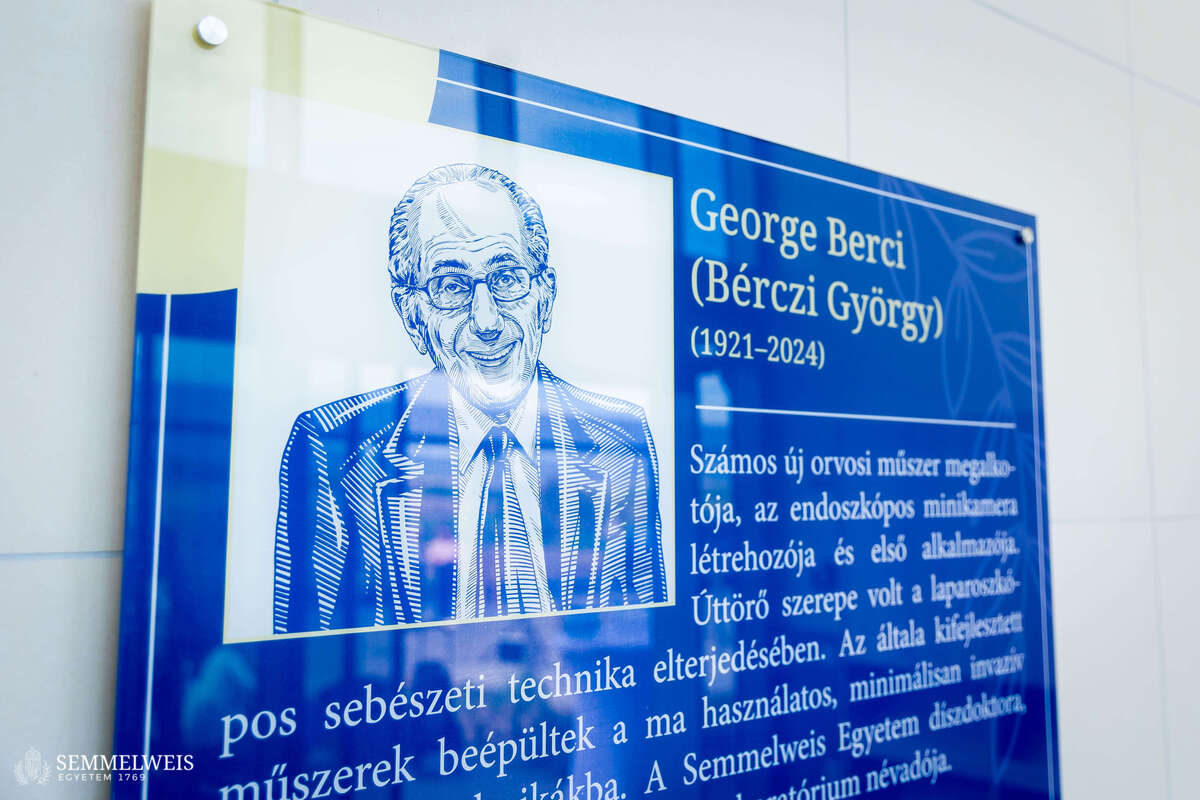
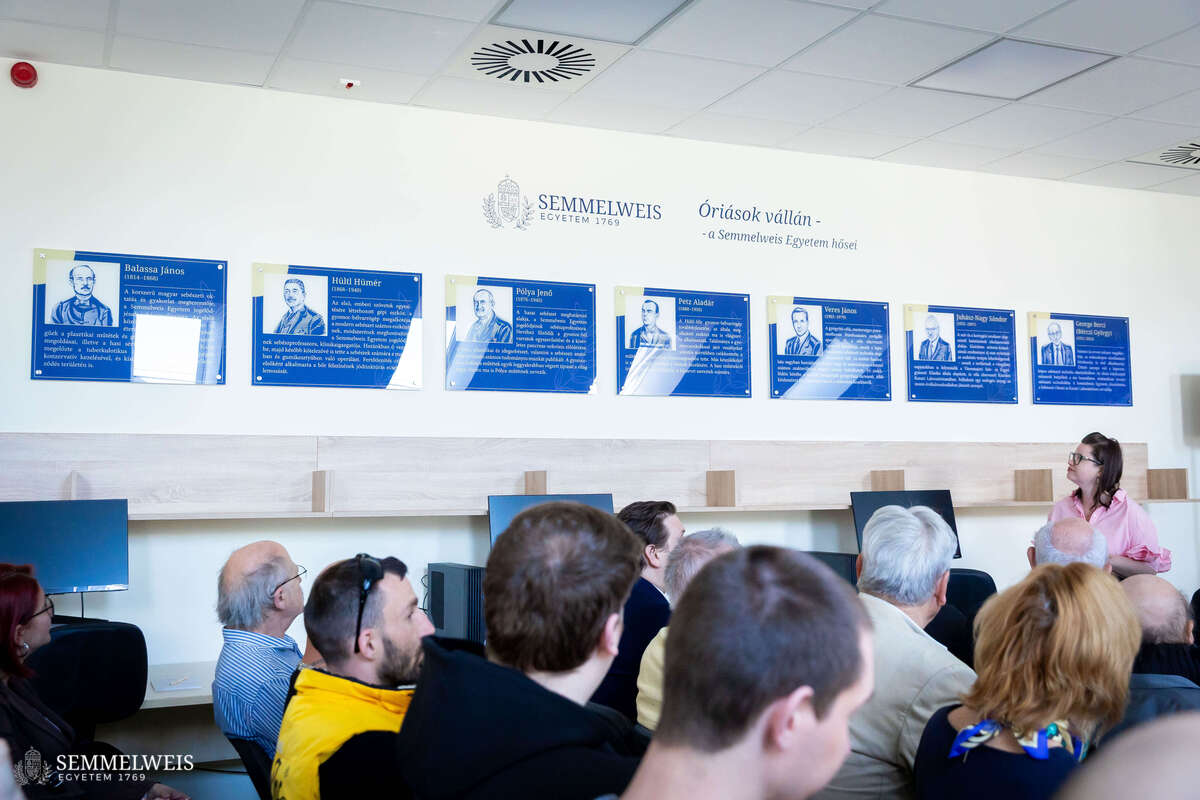
The rector emphasized that, from now on, the Herceghalom site would have four times as much useful floor space available for research and for the experimental surgical and cardiovascular training of the next generation. “I find it symbolic that our site here bears the name of George Berci – or, as he was known in Hungarian, György Bérczi -, who passed away in 2024 at the age of 103 and was an honorary doctor of our university. George Berci is known as a pioneer of modern surgery, his name being inextricably linked to the development of laparoscopic surgery. He was a true innovator whose life’s work has been incorporated into the medical curriculum, and whose innovations have been put to use at the bedside – more precisely, in the operating room,” Dr. Béla Merkely stated.
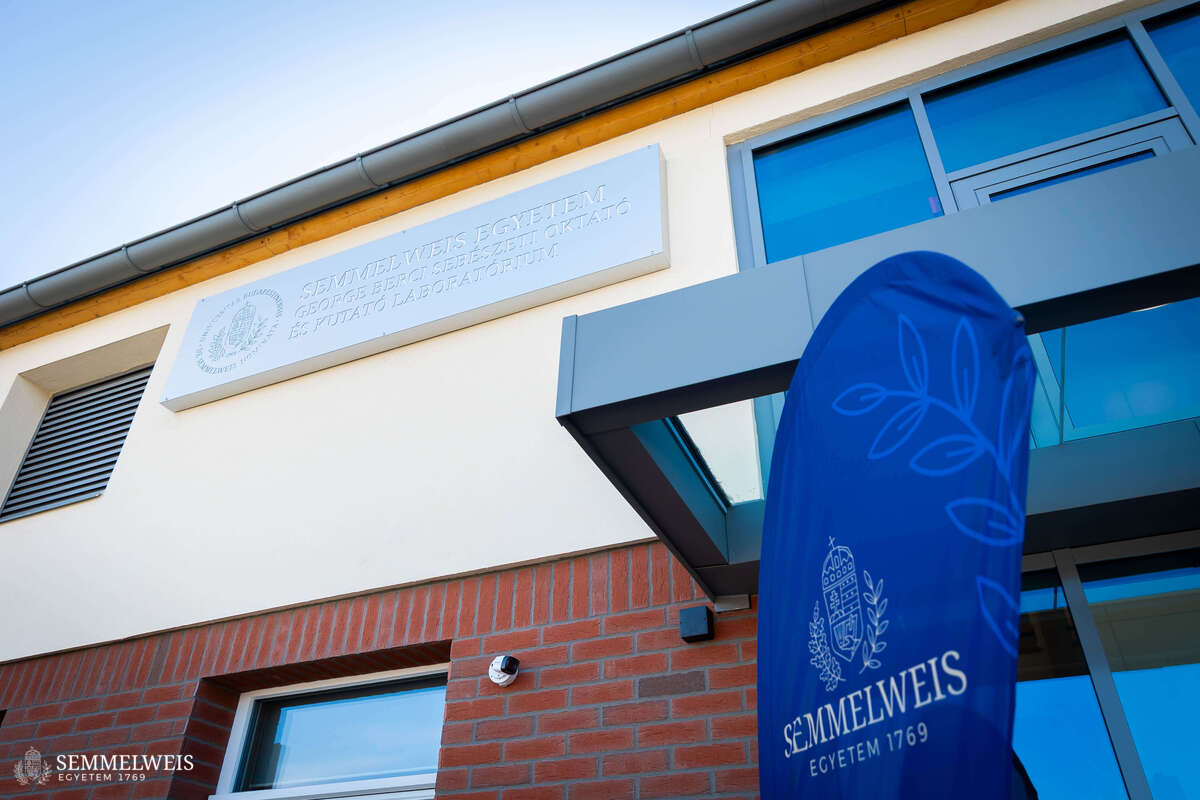
In his words, the newly inaugurated building is among the developments that contribute to the university’s continued progress. “This serves to provide world-class care for our patients, educate the next generation of healers, and support research and development for new therapies – and, of course, innovation,” declared the rector, who concluded by thanking the town of Herceghalom for its support and all colleagues for their hard work.
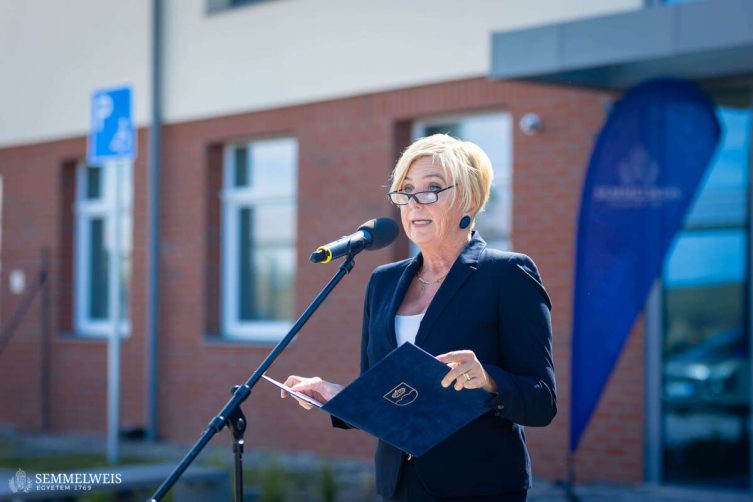 “We are proud that Herceghalom is home to this professional endeavor,” said Zsuzsanna Csizmadia, Mayor of Herceghalom, adding that the university’s presence had brought knowledge, jobs, and intellectuals to the town and built a community, and that this new laboratory was not just a building, but a connection to knowledge, to a professional world whose results extended far beyond the town’s borders. “As mayor, I am particularly pleased that the local government was able to support this development; we believe that the energy invested in science and education always serves the future, not only at the national level but also at that of local communities,” stressed Zsuzsanna Csizmadia, thanking the leadership of Semmelweis University for their trust in choosing Herceghalom as the site for the development.
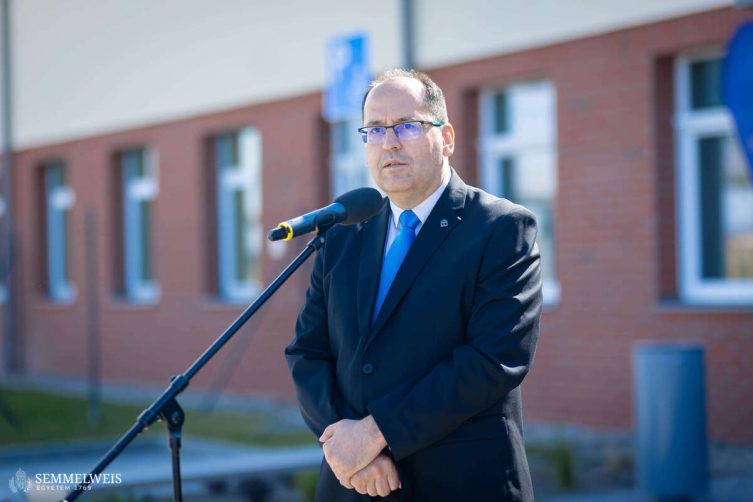 In his welcome speech, Tamás Csaba Sipos, Managing Director of the contractor Fehérép Ltd., highlighted the unique nature of the construction project, making special mention of the operating suite, the laboratory, and the mechanical systems. The latter ensures a constant temperature and a steady supply of fresh air practically without human intervention. The 350 solar panels installed on a fiber cement (Eternit) slate roof, together with additional solar panels on the parking garage roof, generate a total of 150 kilowatts of electricity, ensuring the building’s complete and uninterrupted power supply.
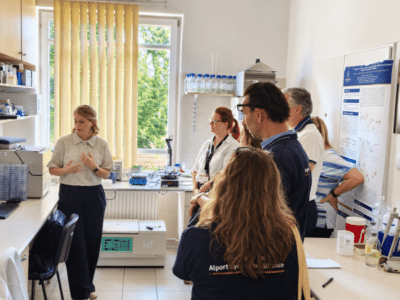
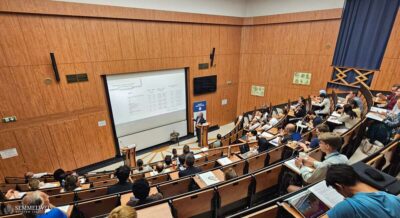
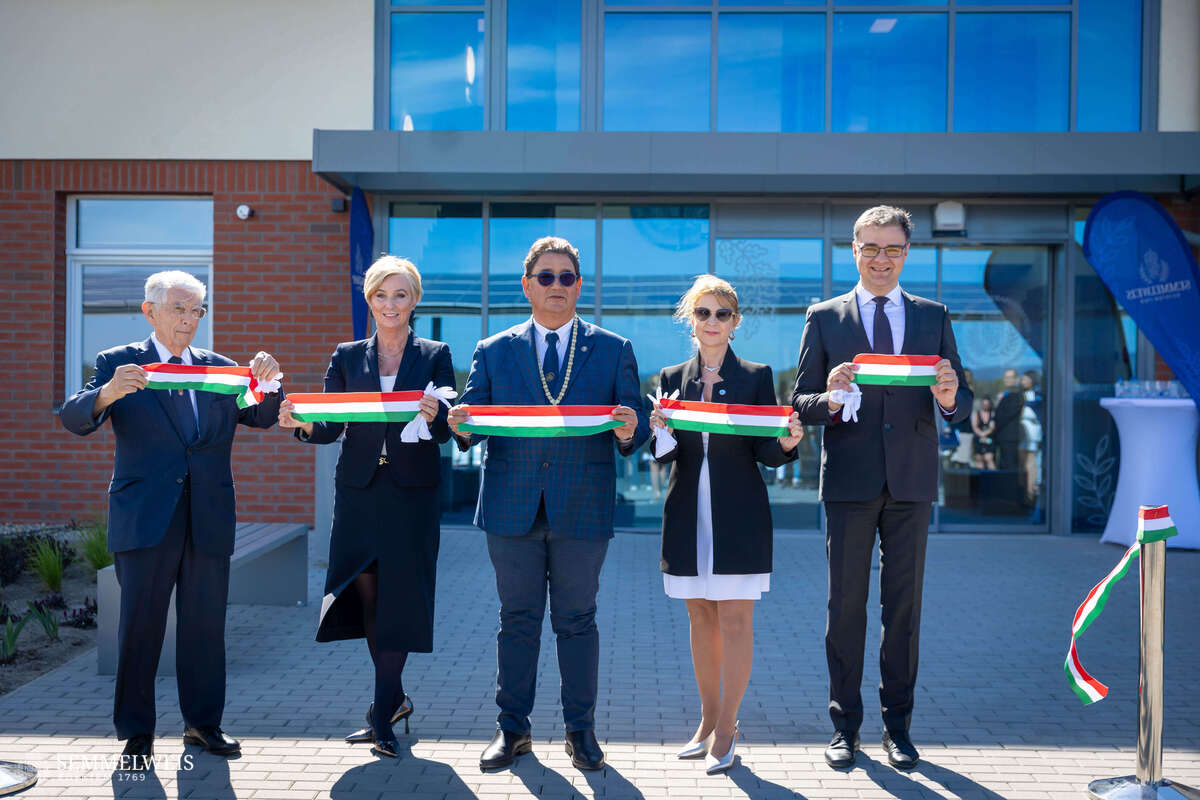
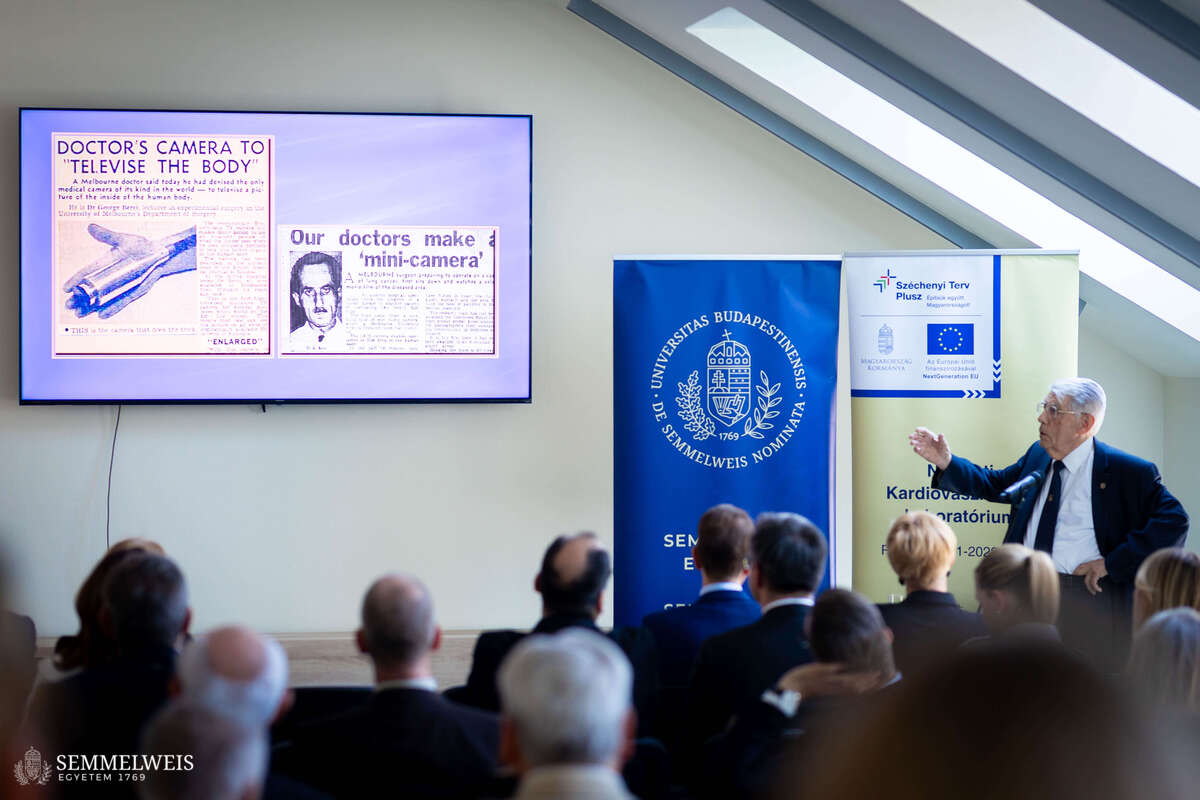
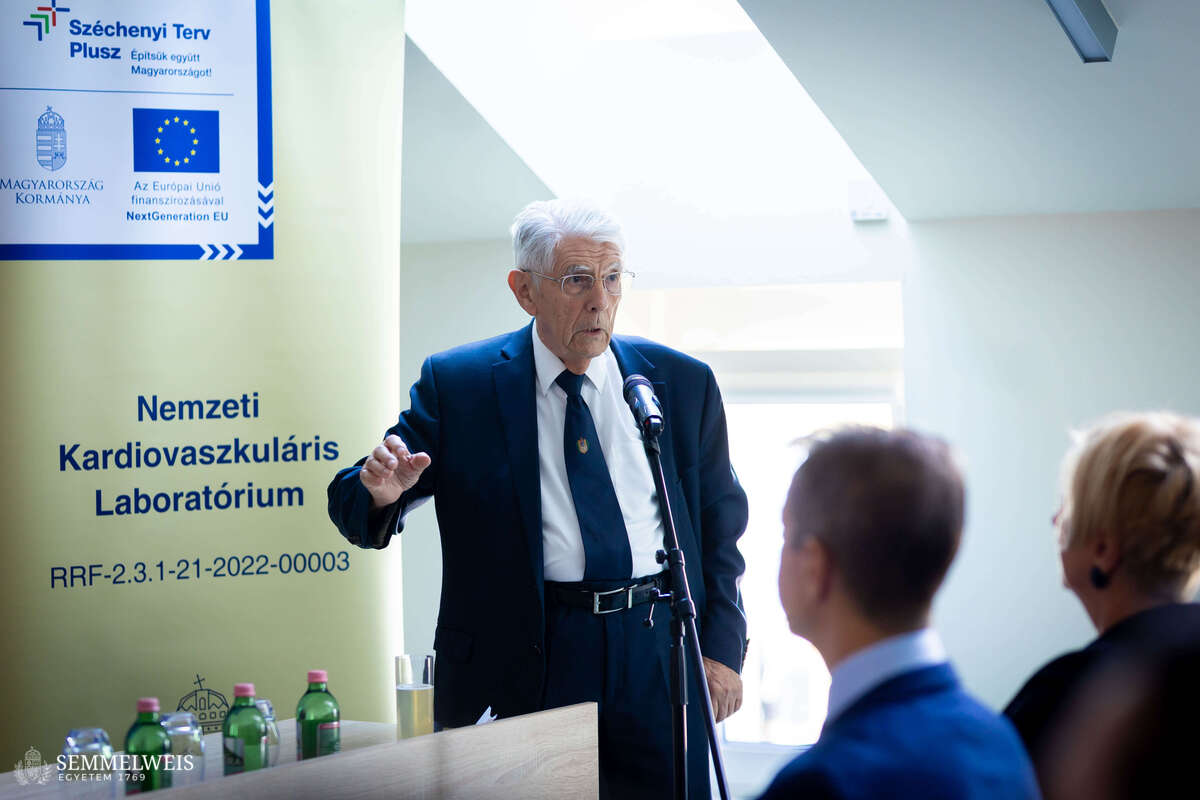
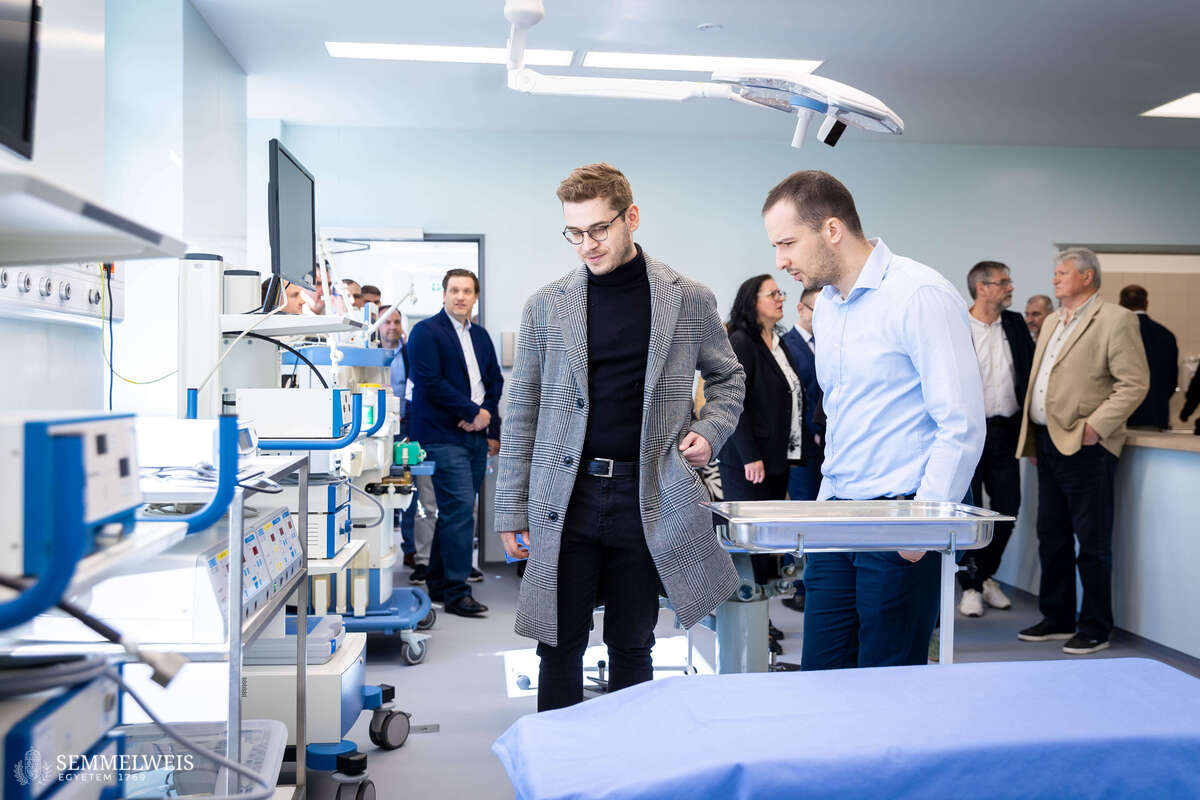
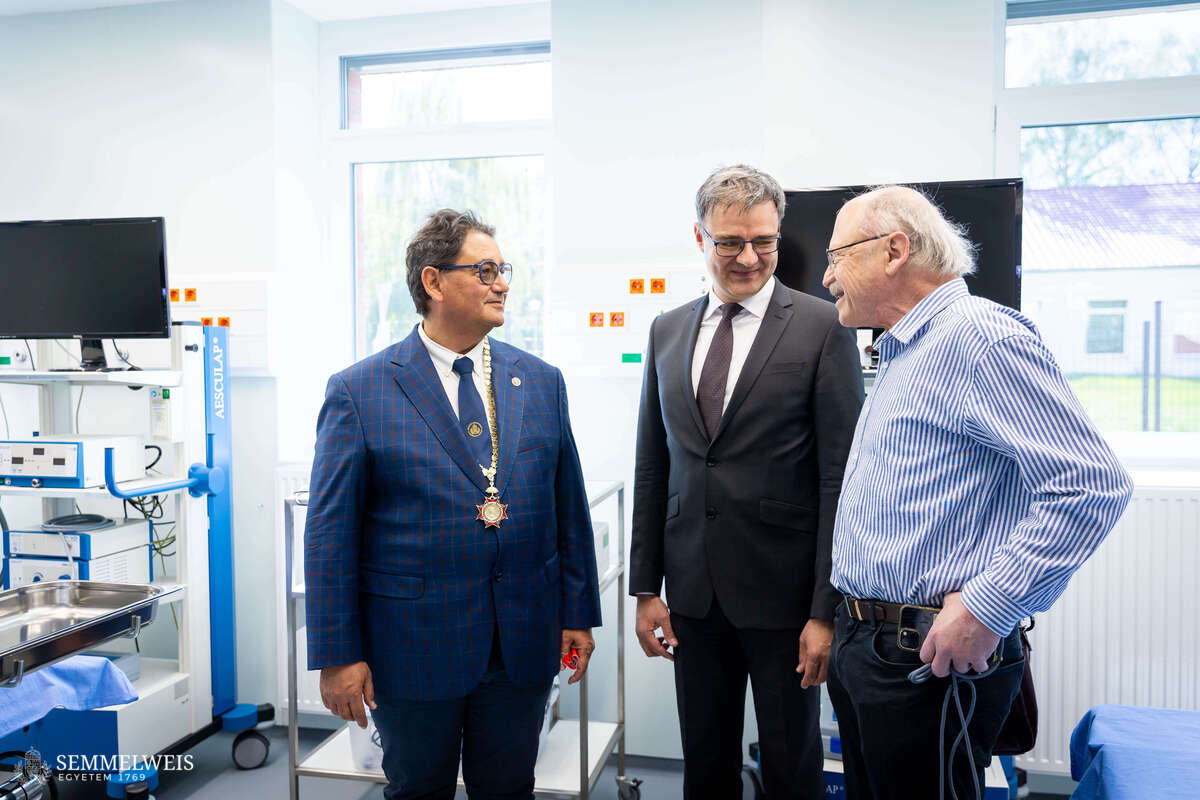
Following the welcoming remarks, Dr. Béla Merkely, Chancellor Dr. Lívia Pavlik, Zsuzsanna Csizmadia, Professor Emeritus Dr. József Sándor, and Dr. Tamás Radovits, Head of Semmelweis University’s Department of Experimental Cardiology and Surgical Techniques, officially inaugurated the George Berci Surgical Training and Research Laboratory with a ribbon-cutting ceremony. Following the ceremonial handover, the university leadership and guests took a tour of the building, then listened to a talk by Dr. József Sándor on the life of George Berci, during which a short film recorded two weeks before his death in 2024 was also screened.
Gallery
The life and work of George Berci
George Berci was born in Szeged in 1921, but he spent his childhood in Vienna. The family returned to Hungary in the 1930s. Following numerous hardships, George Berci enrolled at the University of Szeged after the war, where he later pursued a career as a surgeon. It was during this period that his studies on the preservation and transplantation of arteries were published. After 1956, he left for Australia with his family. Modern laparoscopy spread worldwide starting with the camera George Berci had designed in 1962, pointed out Dr. József Sándor, adding that George Berci had worked in the United States and in numerous countries around the world, and that his career was marked by more than three hundred scientific publications, patents, and presentations. He was already over 100 years old when his last publication, as a co-author, appeared in print.
Anita Szepesi
Translation: Dr. Balázs Csizmadia
Photos by Boglárka Zellei – Semmelweis University