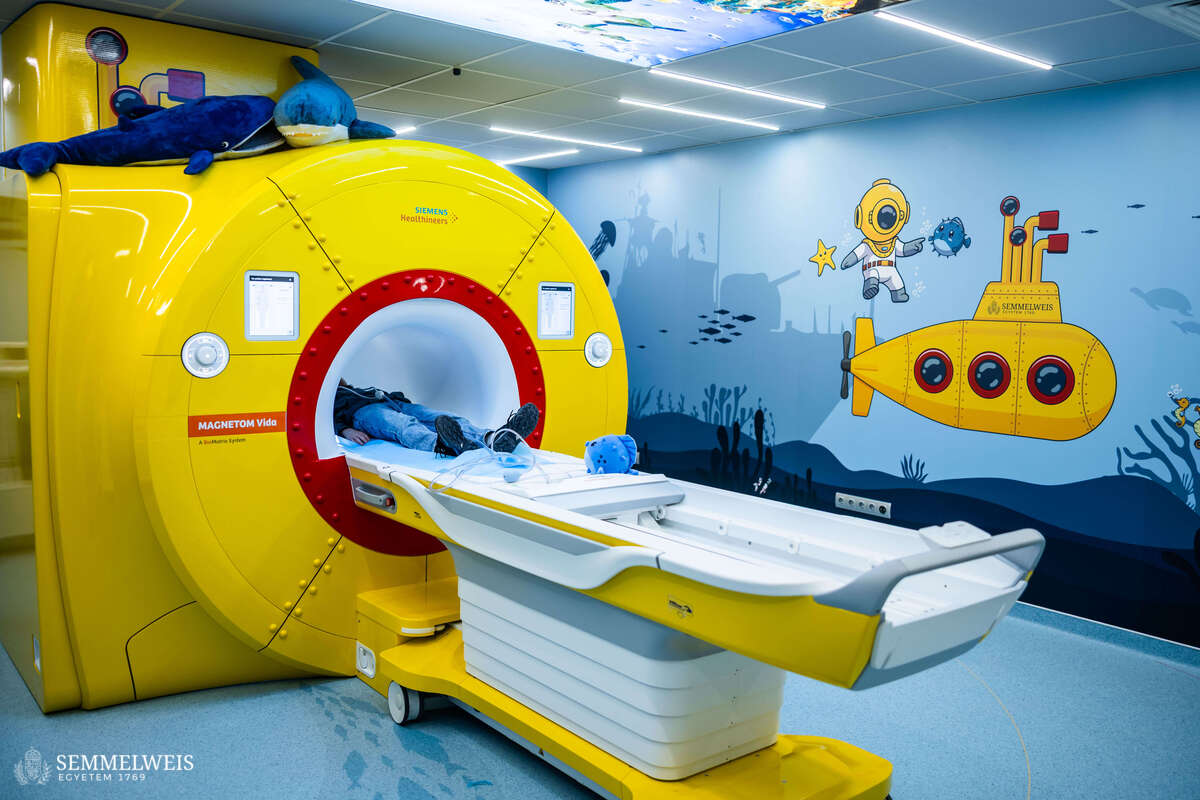
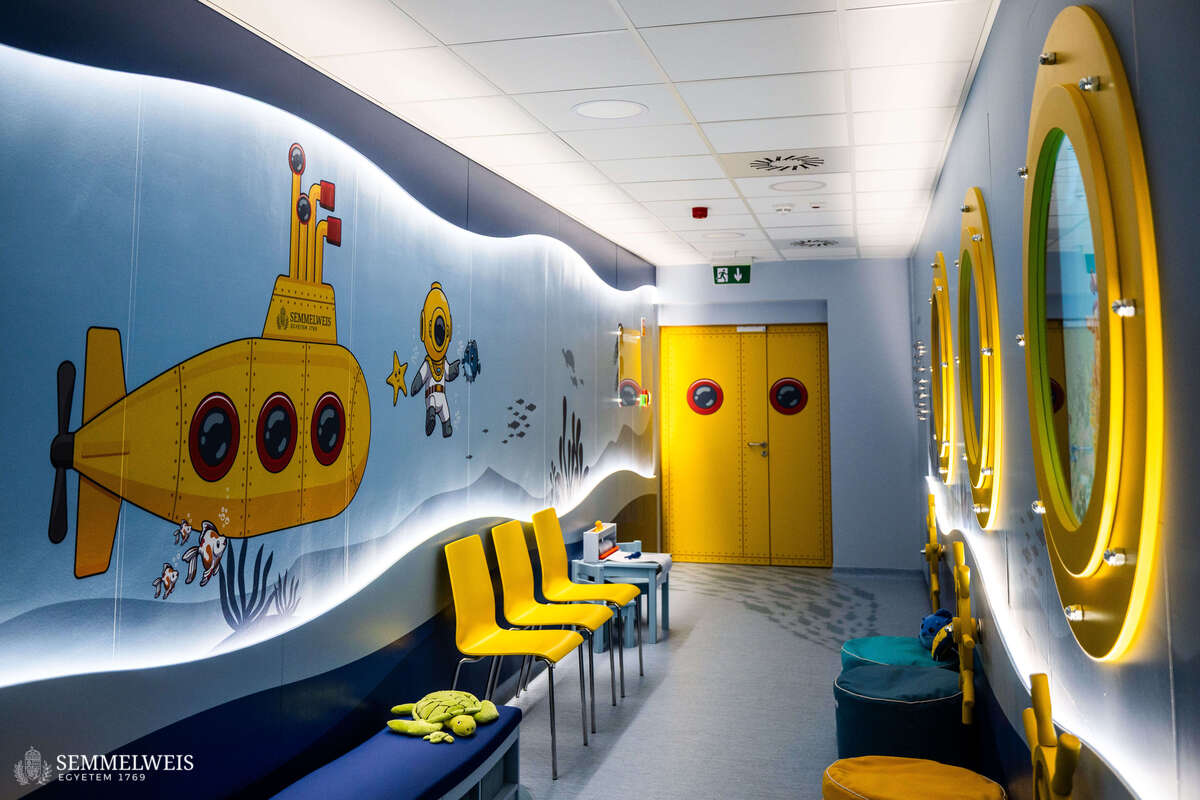
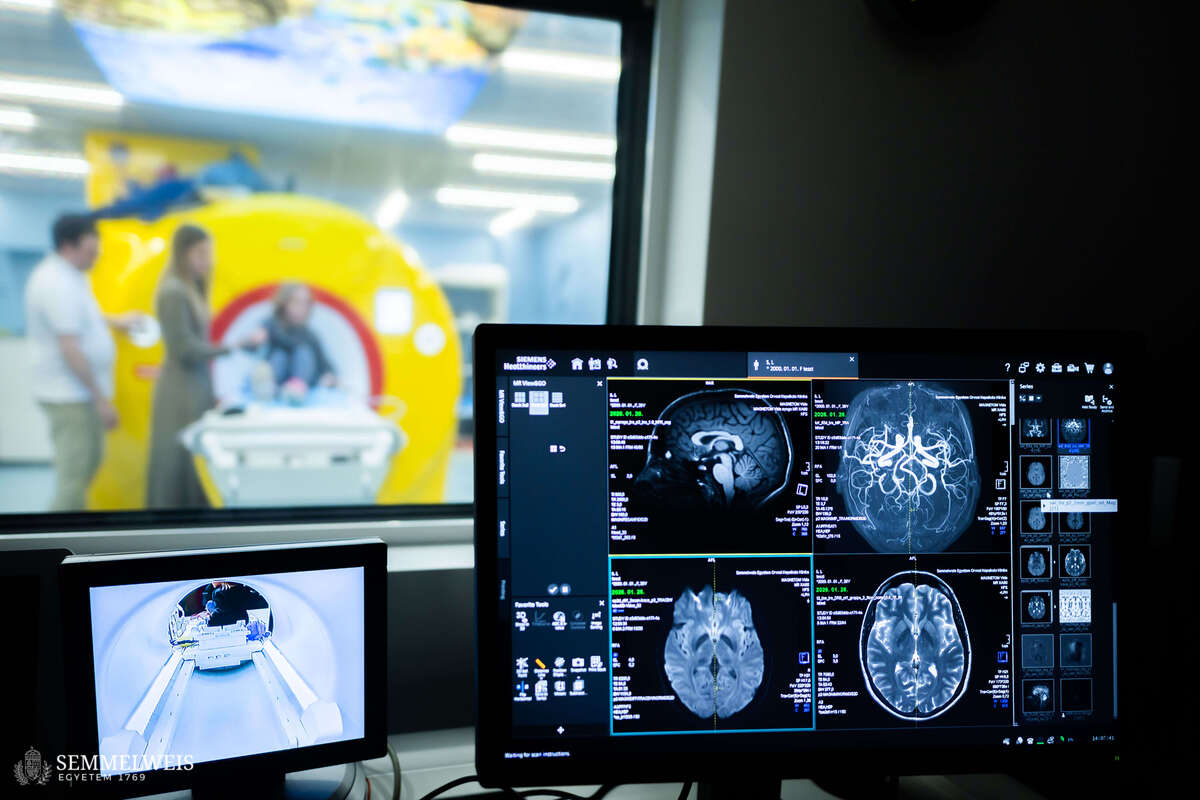
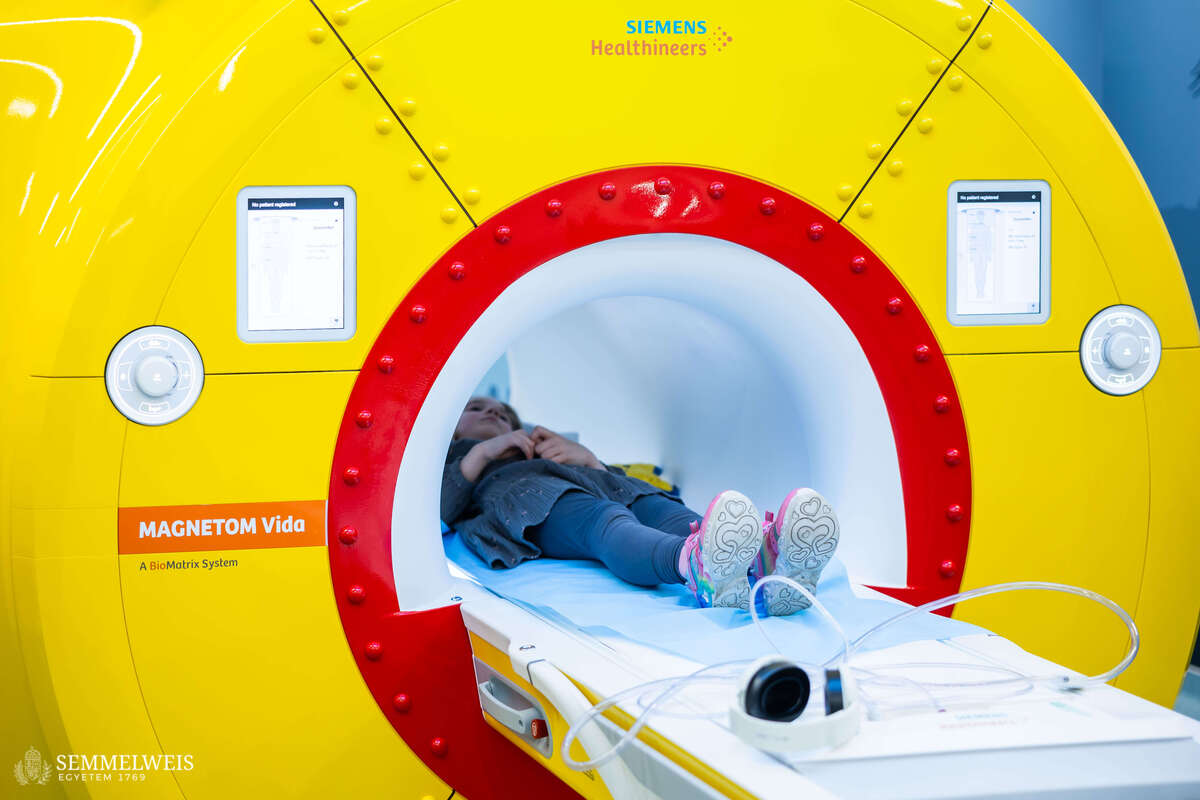
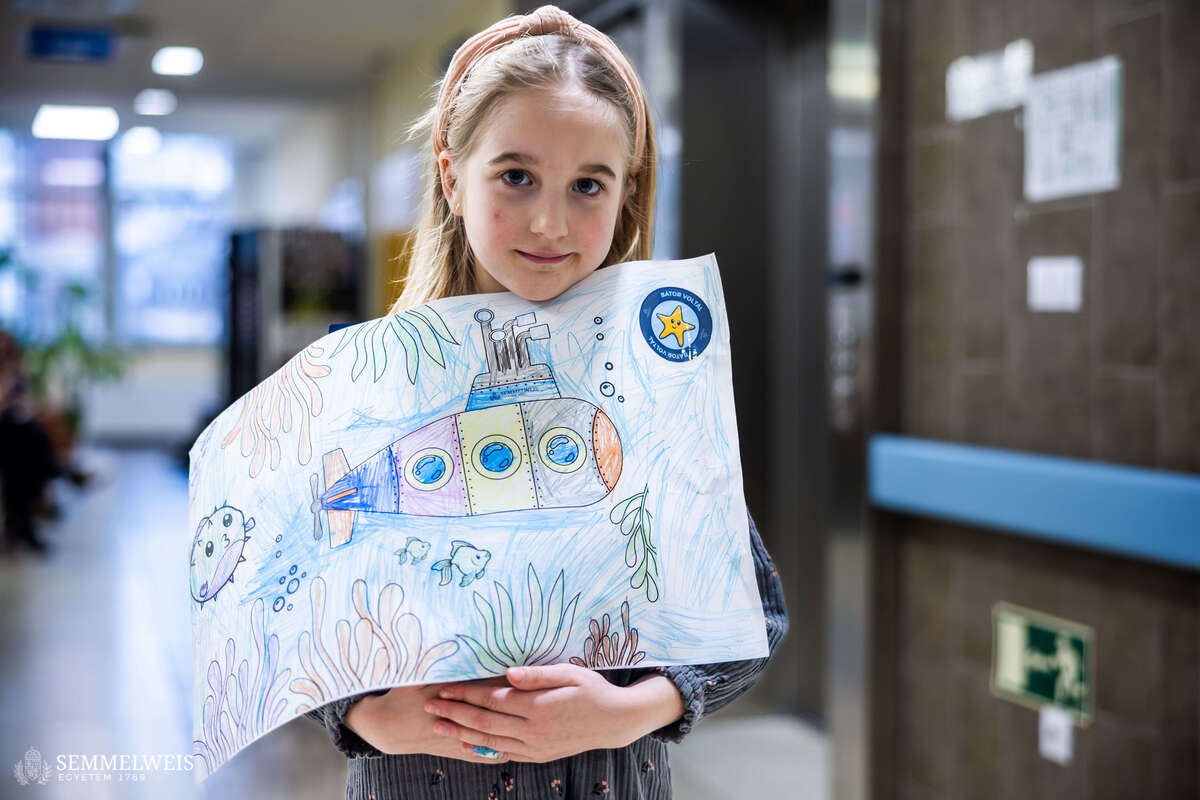
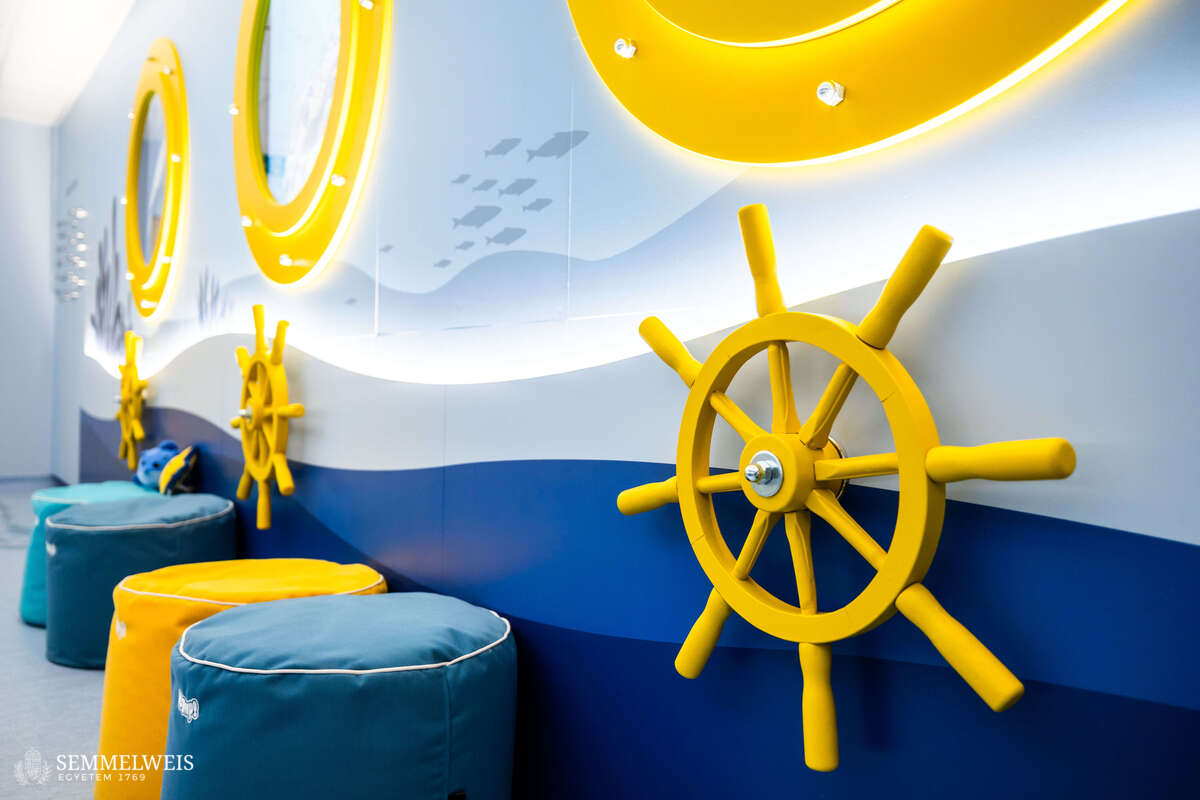
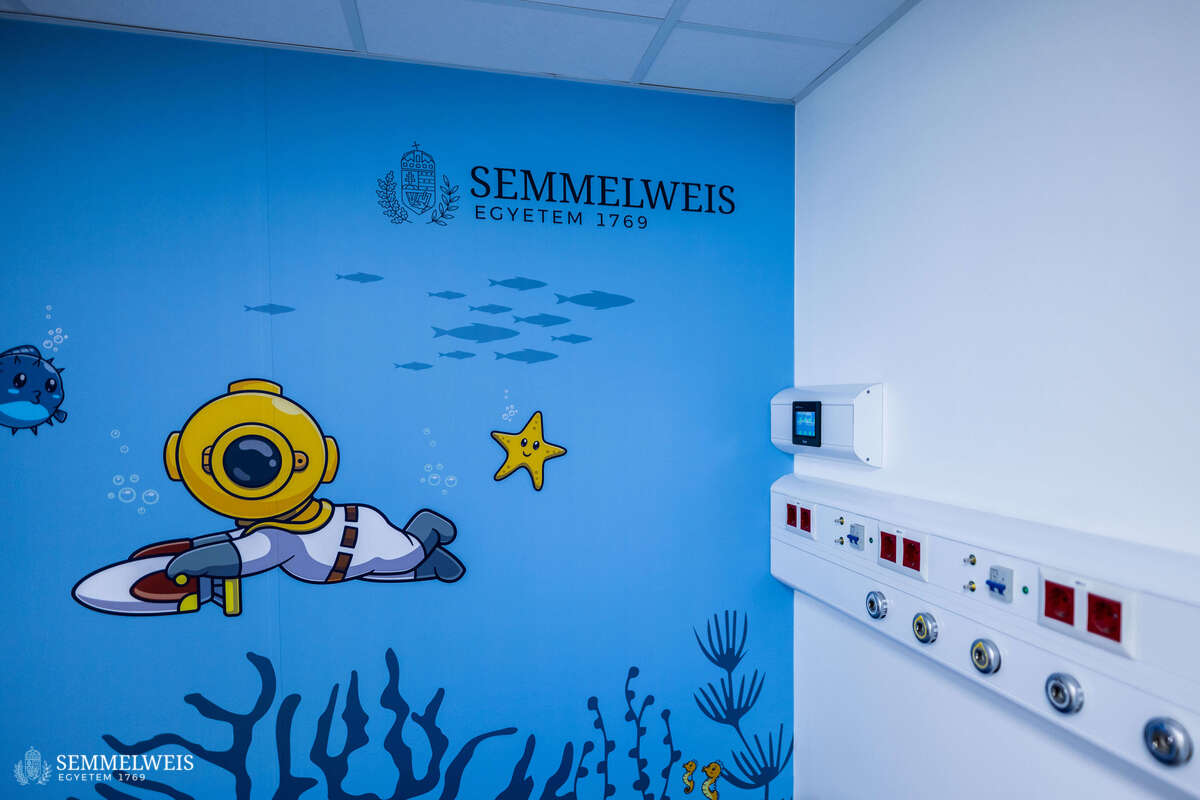
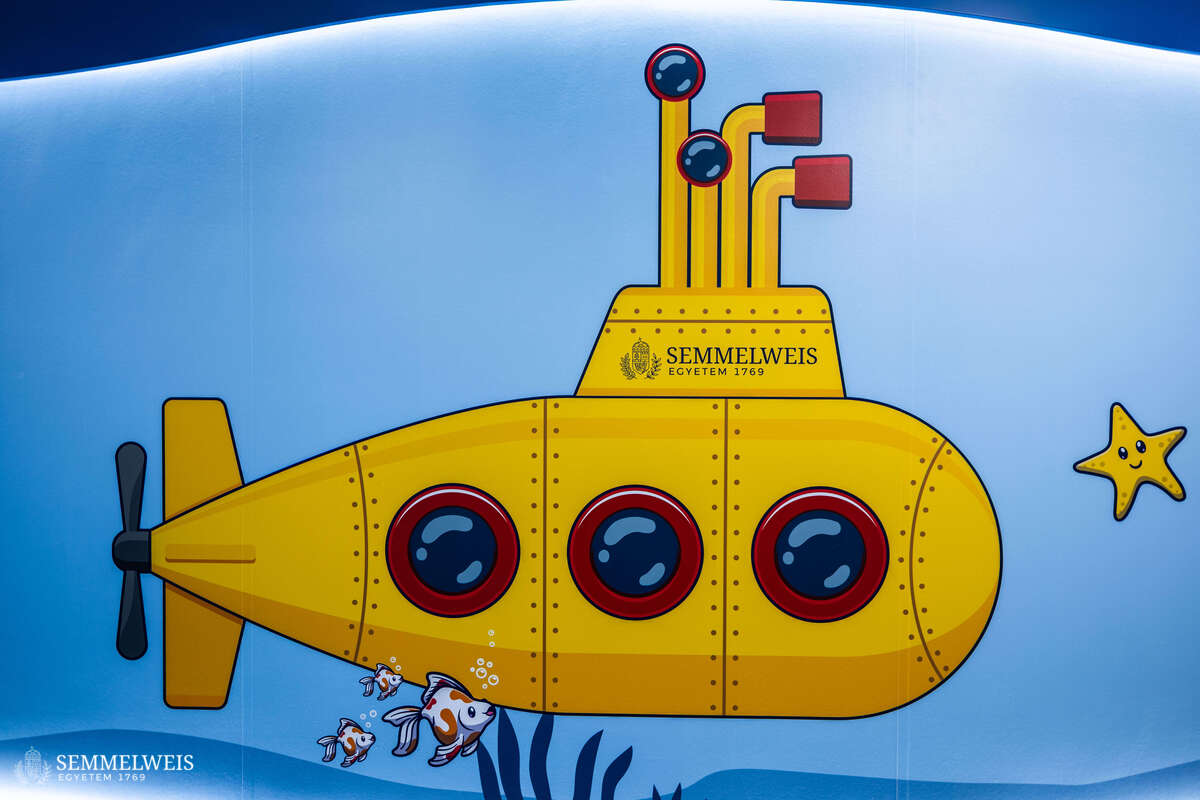
The special MRI equipment, as well as the submarine-themed waiting room and examination room, are housed in the Central Patient Care Building of Semmelweis University.
 The ceremonial inauguration was attended by Dr. Balázs Hankó, Minister of Culture and Innovation, who said in his welcome speech that Semmelweis University ranked among the top one percent in the world, its international scientific publication activity had increased by 70 percent in recent years, and it was Hungary’s most comprehensive and best healthcare provider. He noted that HUF 128.8 billion worth of developments had been implemented or were awaiting implementation as part of the Semmelweis XXI Development Project (Semmelweis XXI. Fejlesztési Projekt).
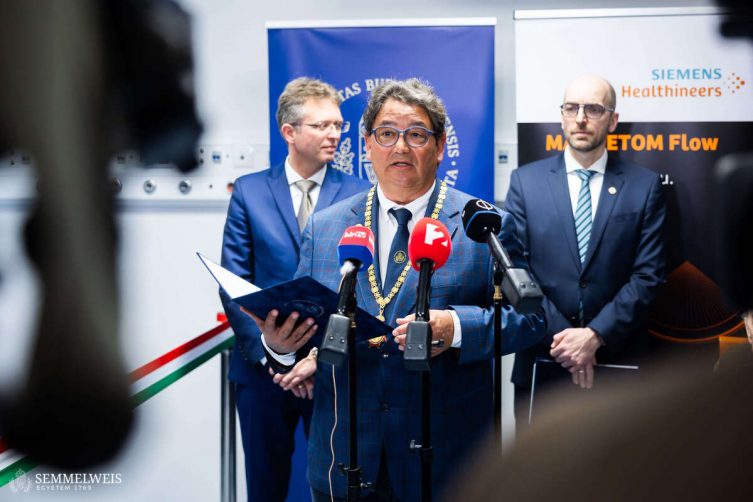 “It is important for us to help sick children recover with the most up-to-date knowledge, the most advanced technology, and the highest level of care at our Pediatric Center, one of the oldest pediatric institutions in Europe. We also ensure that treatments are the least stressful for our young patients and that we make their time in the hospital as easy and friendly as possible,” said Rector Dr. Béla Merkely in his welcome address. He reminded everyone that this development had been strengthened by a charity initiative starting at the end of 2024. “During the campaign, with the help of genuine social cooperation, more than HUF 100 million in support was raised, which is 10 percent of the total investment cost. More than 2,100 private individuals donated 1 percent of their taxes, many helped the investment – which was funded partly by university resources – with individual donations, and several large domestic companies also supported the initiative,” the rector explained. “This collaboration clearly shows that the values represented by the university extend far beyond the walls of the institution: The health of future generations is our shared responsibility,” he emphasized.
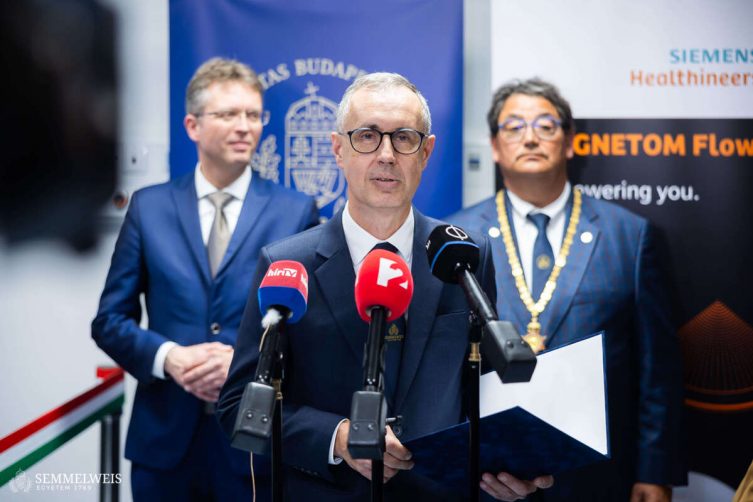 Dr. Attila Szabó, Vice-Rector for Clinical Affairs at Semmelweis University and Director of the Pediatric Center, stressed that the child-friendly furnishings in the waiting room and examination room were not mere decoration. “When a child feels like they are embarking on an adventure in a submarine to the depths of the ocean, it is not only the beginning of diagnostics, but also the beginning of therapy. The state-of-the-art, three-Tesla MRI scanner has outstanding tissue resolution and provides the most advanced diagnostics,” Dr. Attila Szabó noted. He underlined that MRI was now indispensable in the examination and therapeutic follow-up of childhood cancers. “The structure and extent of the tumor, its relationship to neighboring organs, and its possible recurrence can all be assessed more accurately than with any other imaging technique. In addition to newborns, children with liver disease, neurological disorders, and rheumatological conditions are also treated here,” the vice-rector for clinical affairs pointed out.
 Rita Vincze, Managing Director of Siemens Healthineers, also gave a speech. She said that this top-of-the-line three-Tesla MRI scanner had first been installed in Hungary at Semmelweis University. The device provides outstanding image quality and is specifically tailored to the needs of children: It uses biometric technology to adapt to movement, body shape, and breathing, which means that it can adjust itself if the child moves during the examination. Its artificial intelligence-based solutions enable faster and more accurate examinations. The wide, 70 cm tunnel and quieter technology reduce children’s fear and stress.
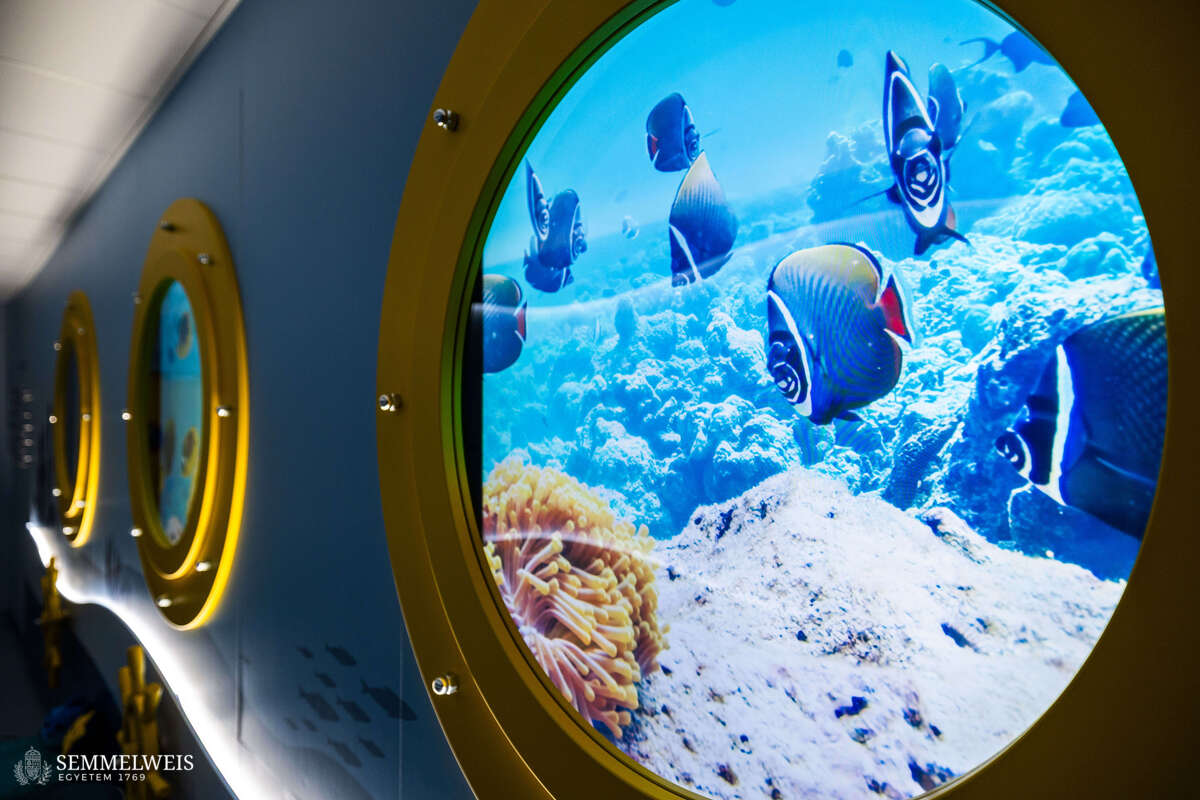
 “MRI examinations of children require special equipment and expertise, as their body size, illnesses, and ability to cooperate differ from those of adults; the stronger gradient and artificial intelligence-based solutions of the modern device enable faster, higher-quality examinations, reducing the time under anesthesia,” noted Dr. Pál Maurovich Horvat, Director of the Medical Imaging Center at Semmelweis University. He added that this special imaging laboratory had been completed in about a year. Capacity expansion was necessary due to the growing number of patients and demand for examinations, especially in the care of children with chronic and tumorous diseases. The friendly underwater-themed design helps to alleviate children’s anxiety and may even reduce the number of procedures performed under anesthesia.
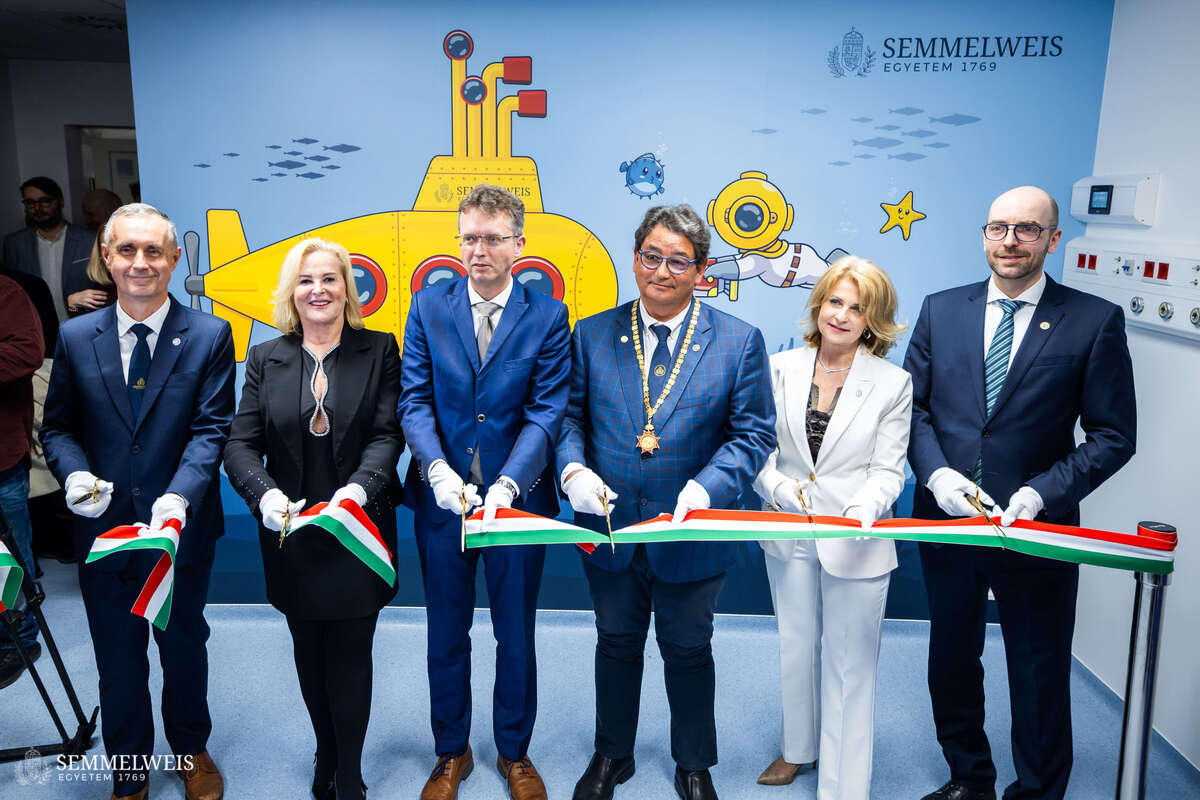
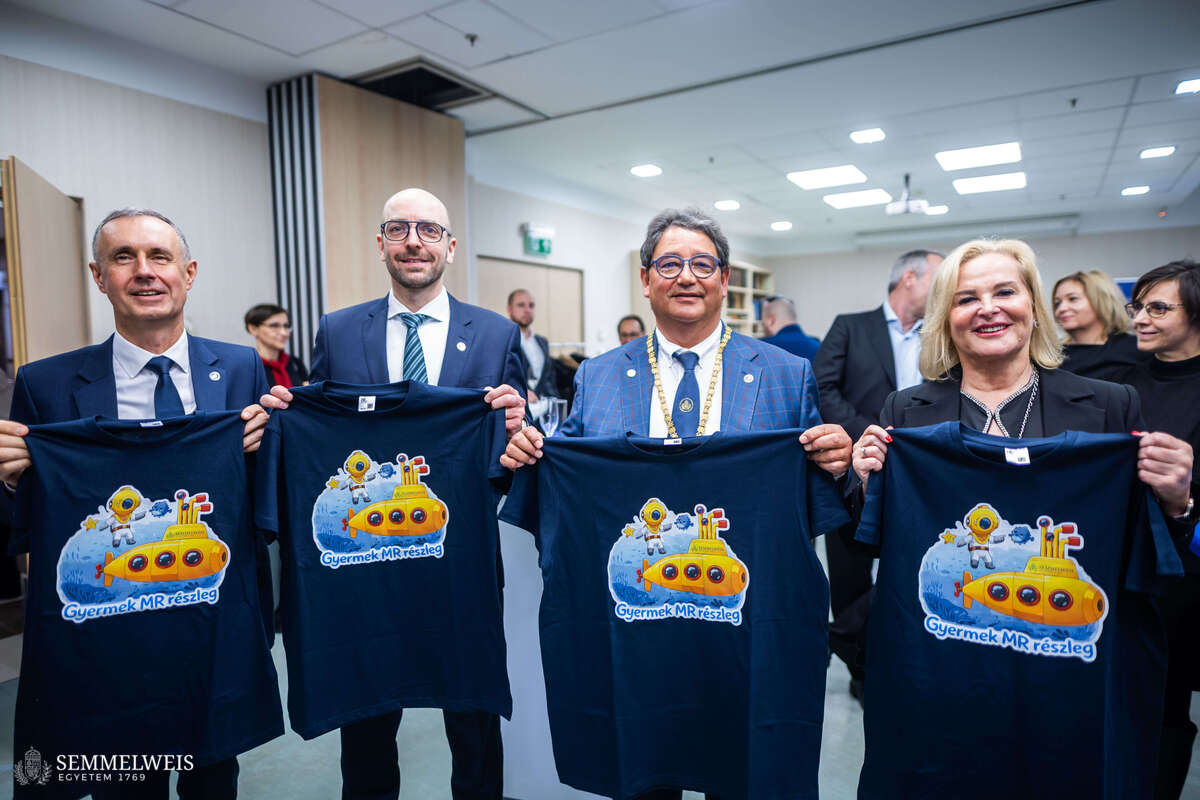
After the welcome speeches, Dr. Balázs Hankó, Dr. Béla Merkely, Chancellor Dr. Lívia Pavlik, Dr. Attila Szabó, Dr. Pál Maurovich Horvat, and Rita Vincze ceremoniously cut the ribbon to open the waiting room and examination room.
Gallery

Eszter Keresztes
Translation: Dr. Balázs Csizmadia
Photos by Bálint Barta – Semmelweis University