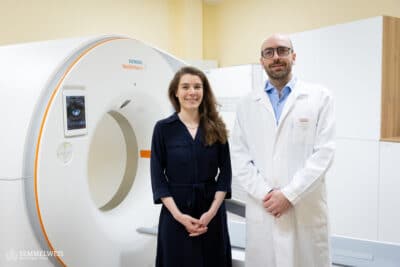
 Marianna Matányi started implementing her idea for a neurological diagnostic device as part of a high school student project scholarship. Later, she was able to take measurements with the device, and over time, after having invested a great deal of work, her evaluation of the data attracted the attention of professionals in the field, which is how she began her research and development work, she told our website.
Since then, she has been interested in how similar projects can be carried out and what rules apply, as well as how to launch a startup. She continued her studies at Semmelweis University’s Faculty of Medicine, where she joined the Hungarian Startup University Program (HSUP) in her third year, which was offered as a course. The program required them to submit an idea, from which participating universities could select a certain number of students. They started working in teams and managed to implement their ideas in the second semester. It was then that Marianna submitted her plan for a smart medicine dispenser, the concept for which was inspired by her grandmother, who was confined to home care due to a stroke and whose condition was further aggravated by dementia. Thus, organizing and monitoring the accurate administration of medication became a daily chore for the family, requiring considerable attention and careful scheduling, especially on the part of her mother.
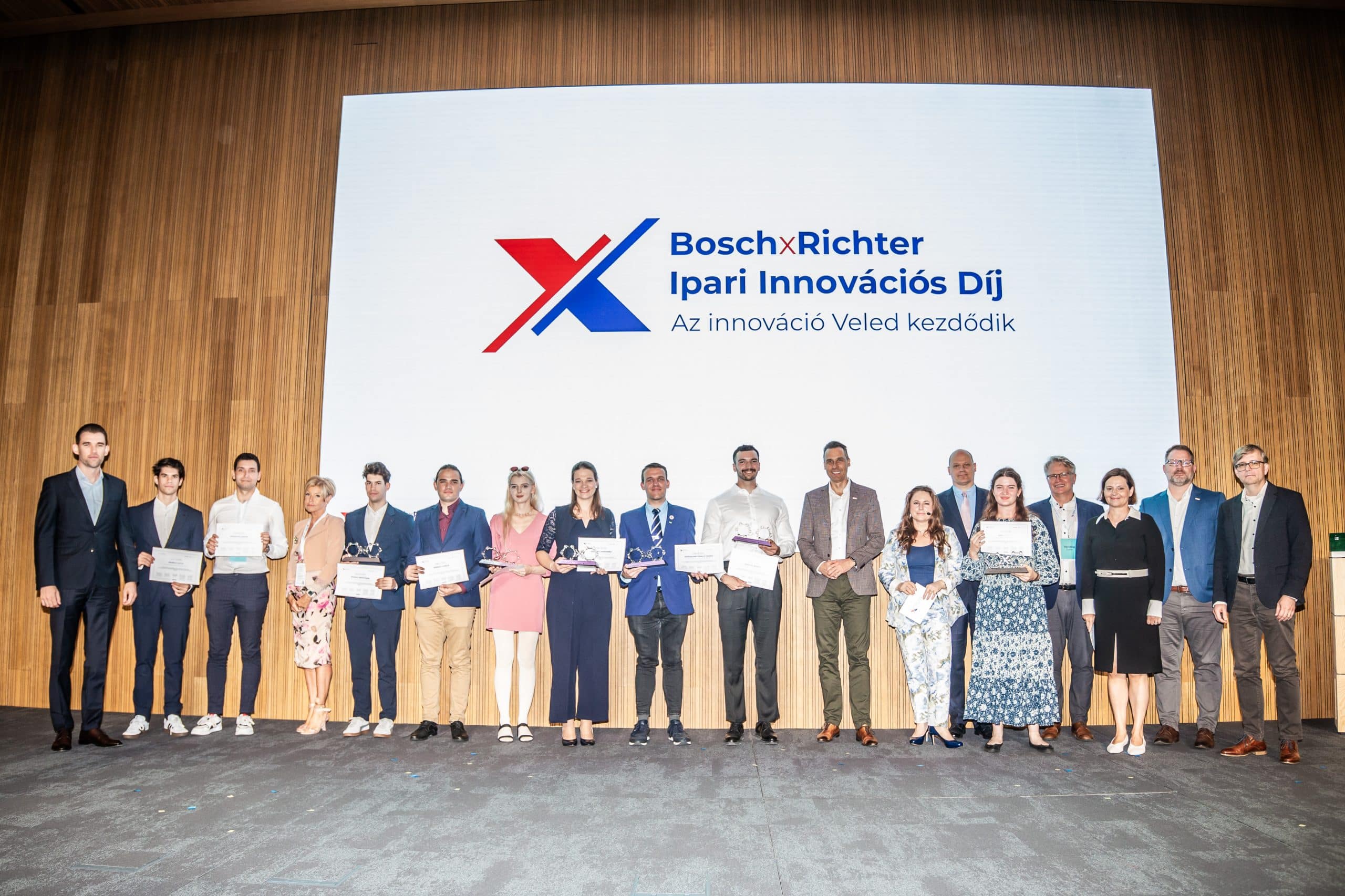
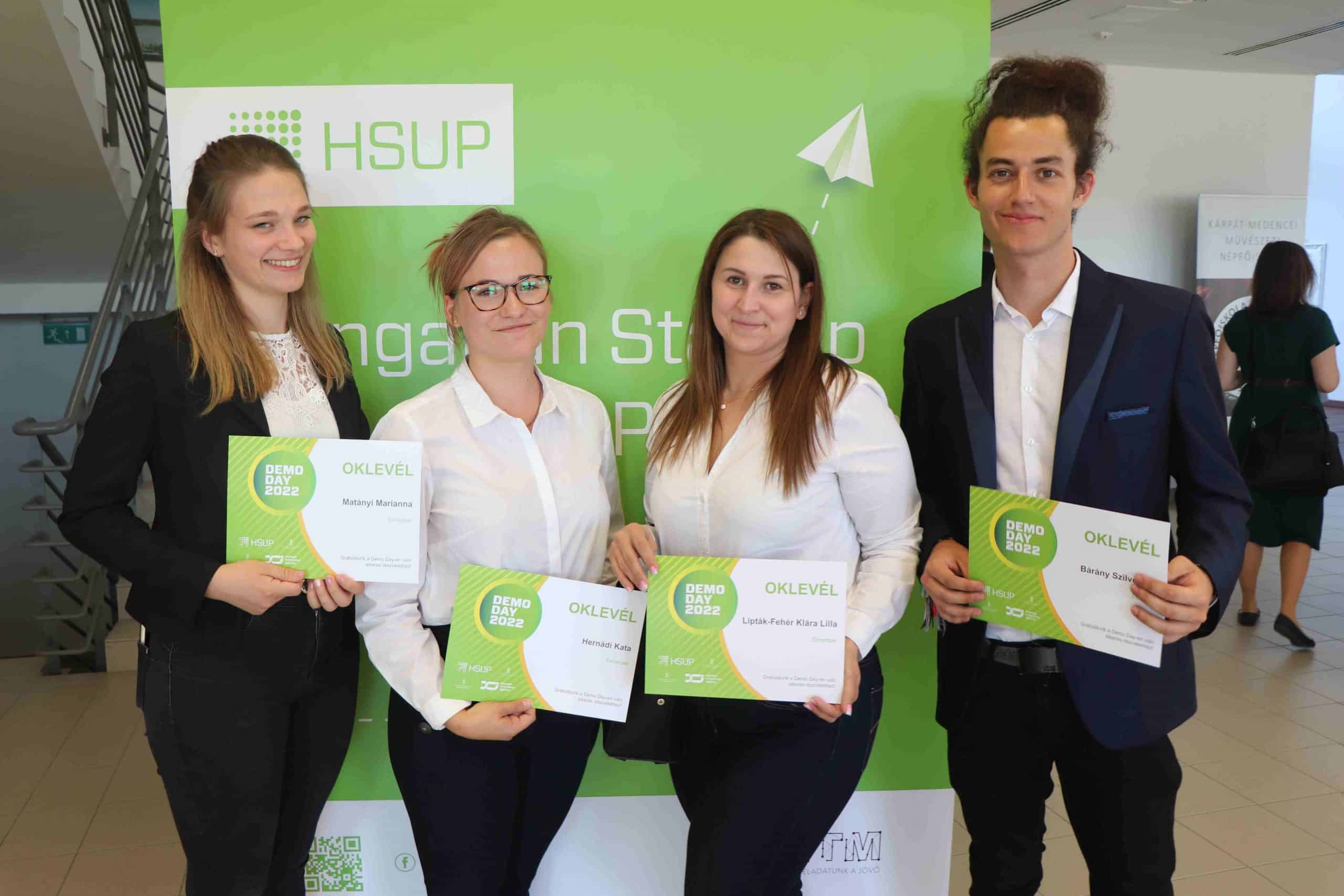
“This development idea was well received at Semmelweis University, and as the initiator of the idea, I was chosen to recruit a team. That’s how our project got started. We started working on it and made it into the top 20 teams among all universities. In 2022, we won first place in the ‘Health for the Future’ (Egészségben a jövő) Conference and Startup Competition. This year, we were awarded the BoschxRichter Industrial Innovation Award in the field of healthcare. This means that our project has already won two innovation awards,” Marianna Matányi pointed out.
Gallery
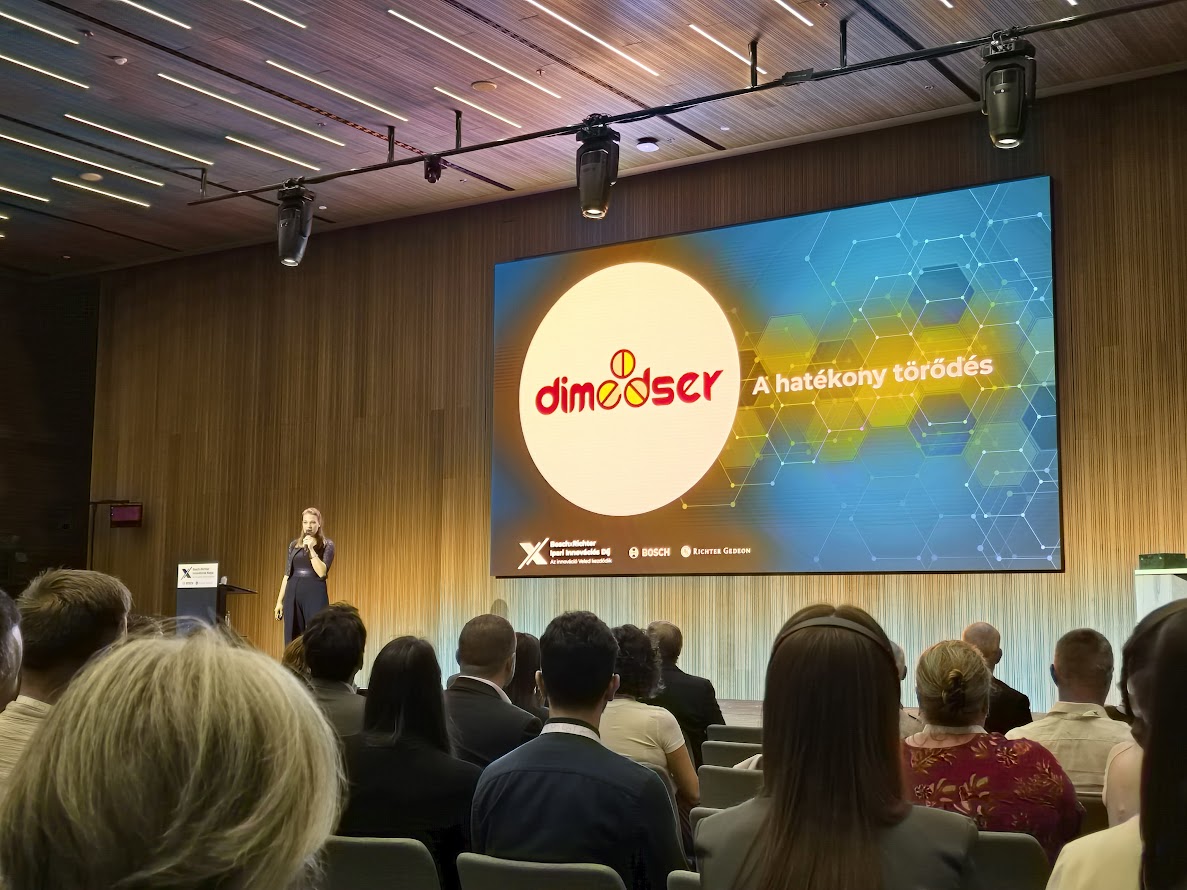
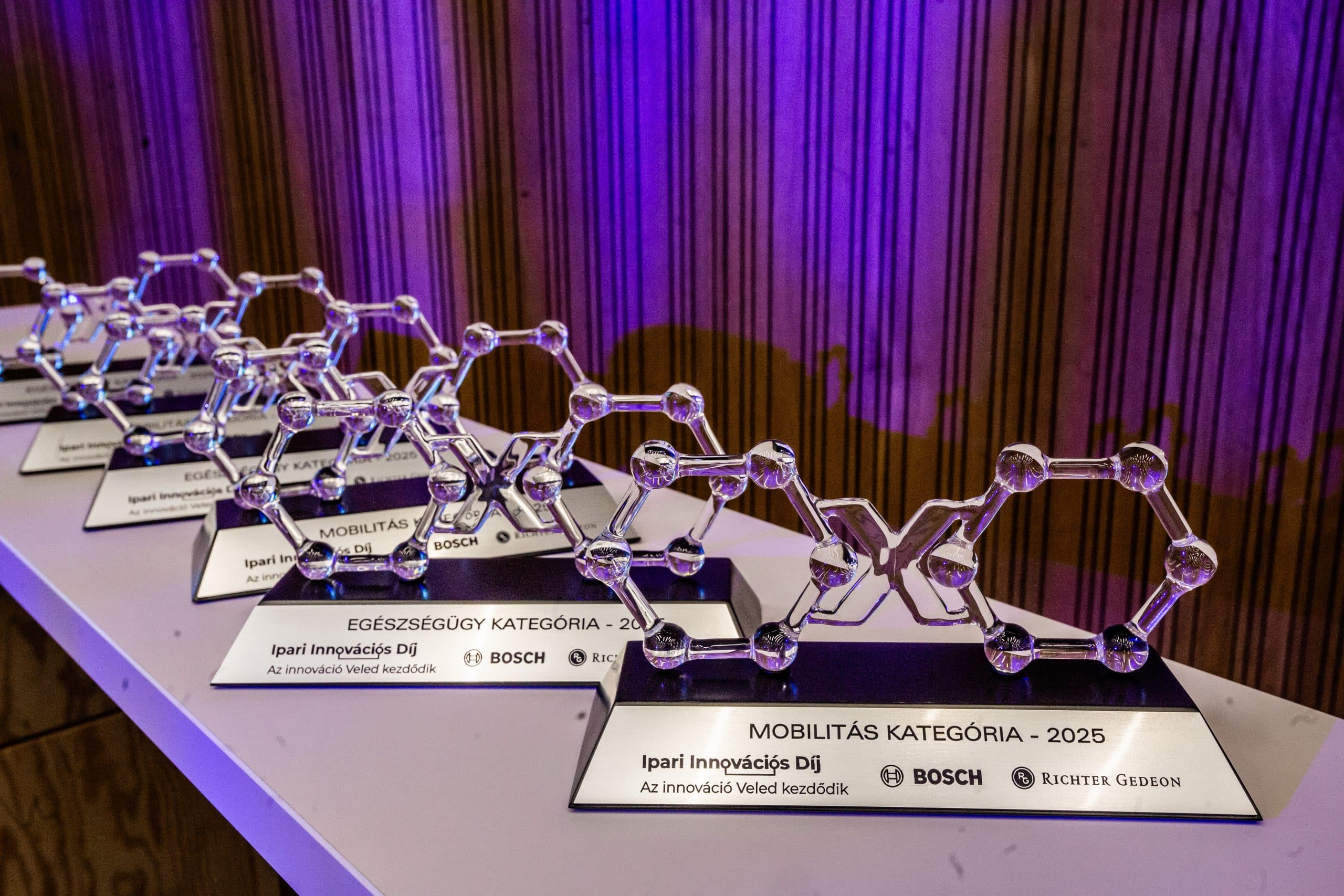
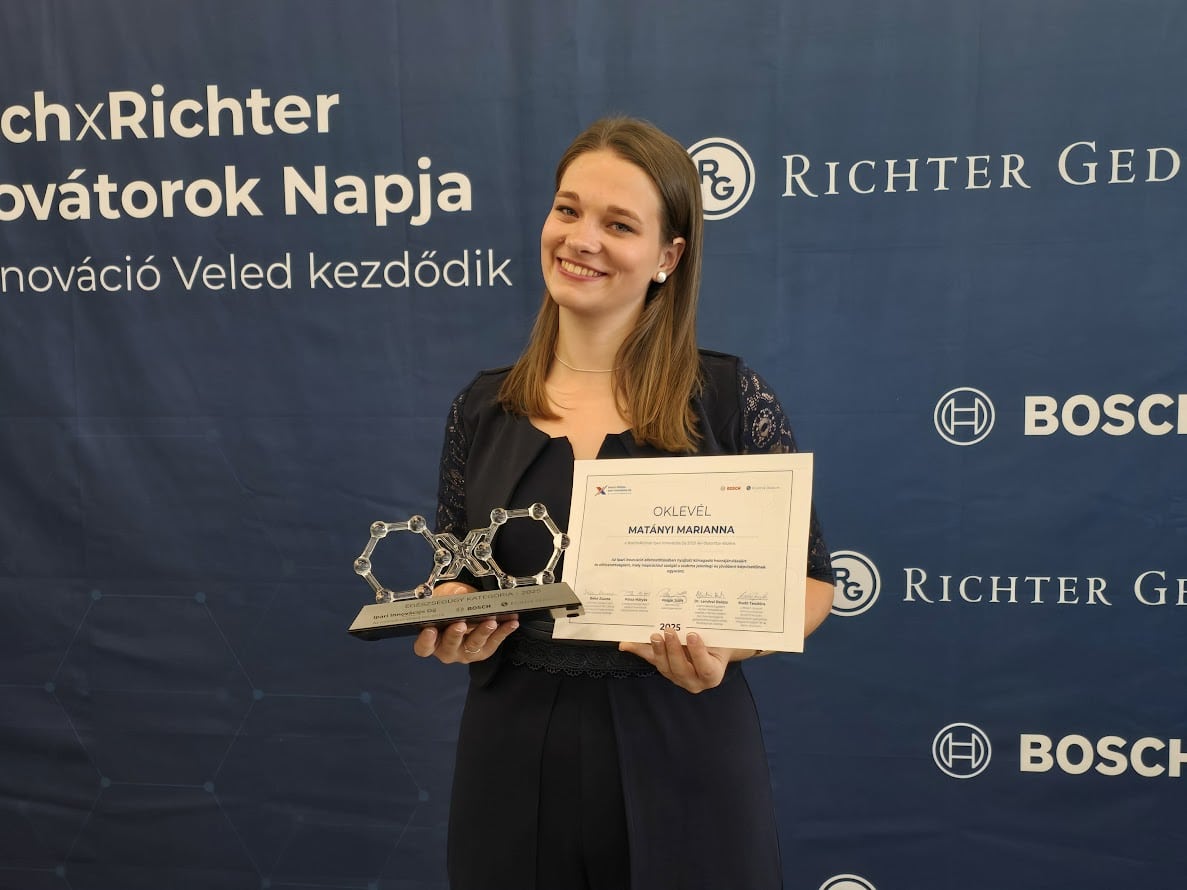
The Bosch Group and Gedeon Richter Plc. have launched a tradition-setting event to pay tribute to two renowned innovators, Robert Bosch and Gedeon Richter. With the slogan “See into the future!” (Láss a jövőbe), BoschxRichter announced the second edition of its Industrial Innovation Award specifically for higher education students, with the aim of encouraging them to think innovatively in the fields of mobility and healthcare.
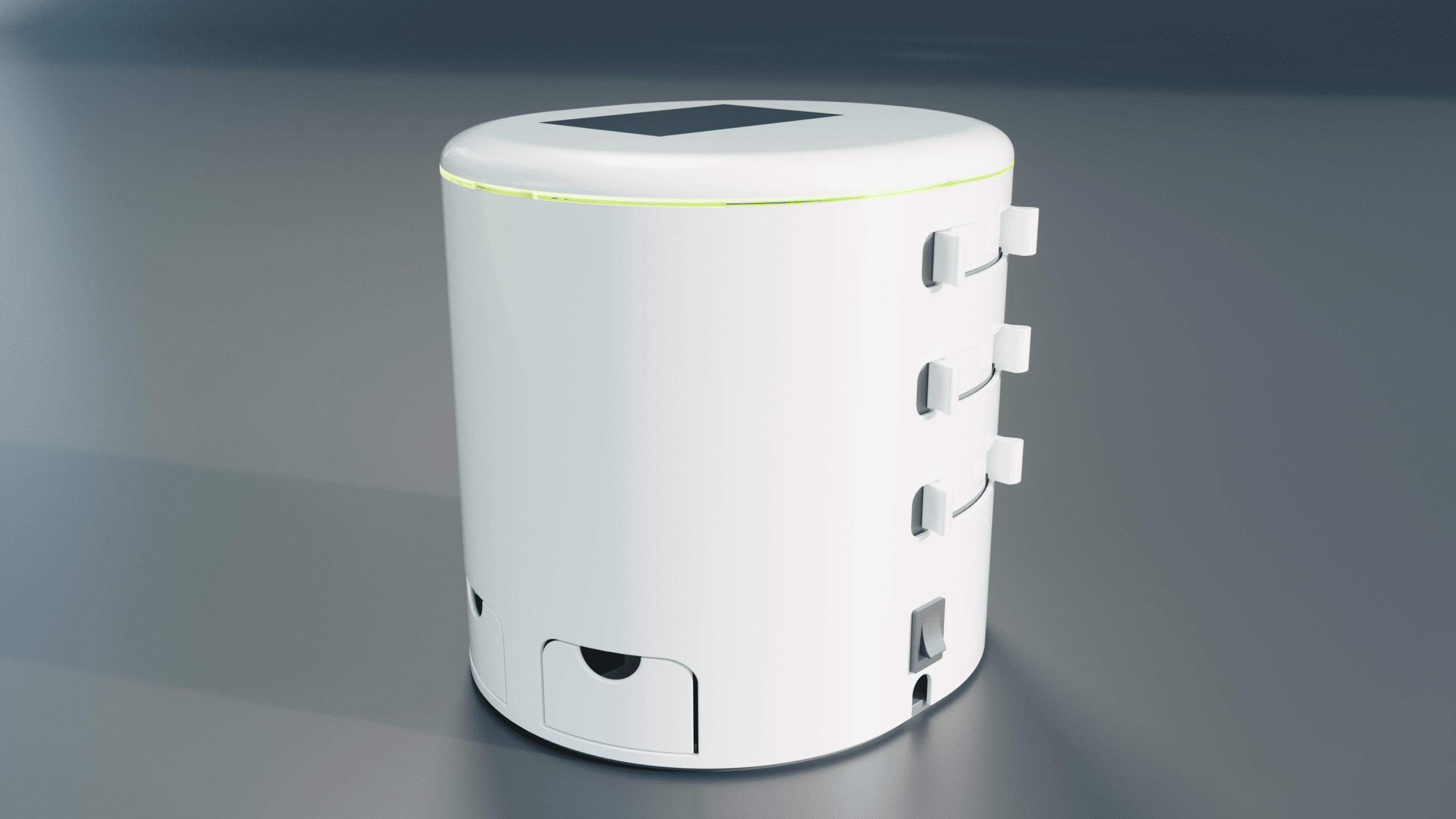
Over the years, the composition of the developer team has changed several times, but her current teammates have been there almost from the beginning: economist Klára Lilla Lipták-Fehér, who is in charge of the project’s marketing and finance, and Tamás László Varga-Bodrogi, who joined the team as an engineer. Their device is intended for the home care of dementia and elderly patients, designed specifically for families. A prototype – also used as a demonstration model – has already been 3D printed, while the software is being continuously developed.
I hope that the dispenser can be brought to market one day, but that will probably take years, because medical devices can only be marketed once all the necessary approvals have been obtained, and the rules to be complied with are very strict. If that happens, our product could be available throughout Europe. – Marianna Matányi
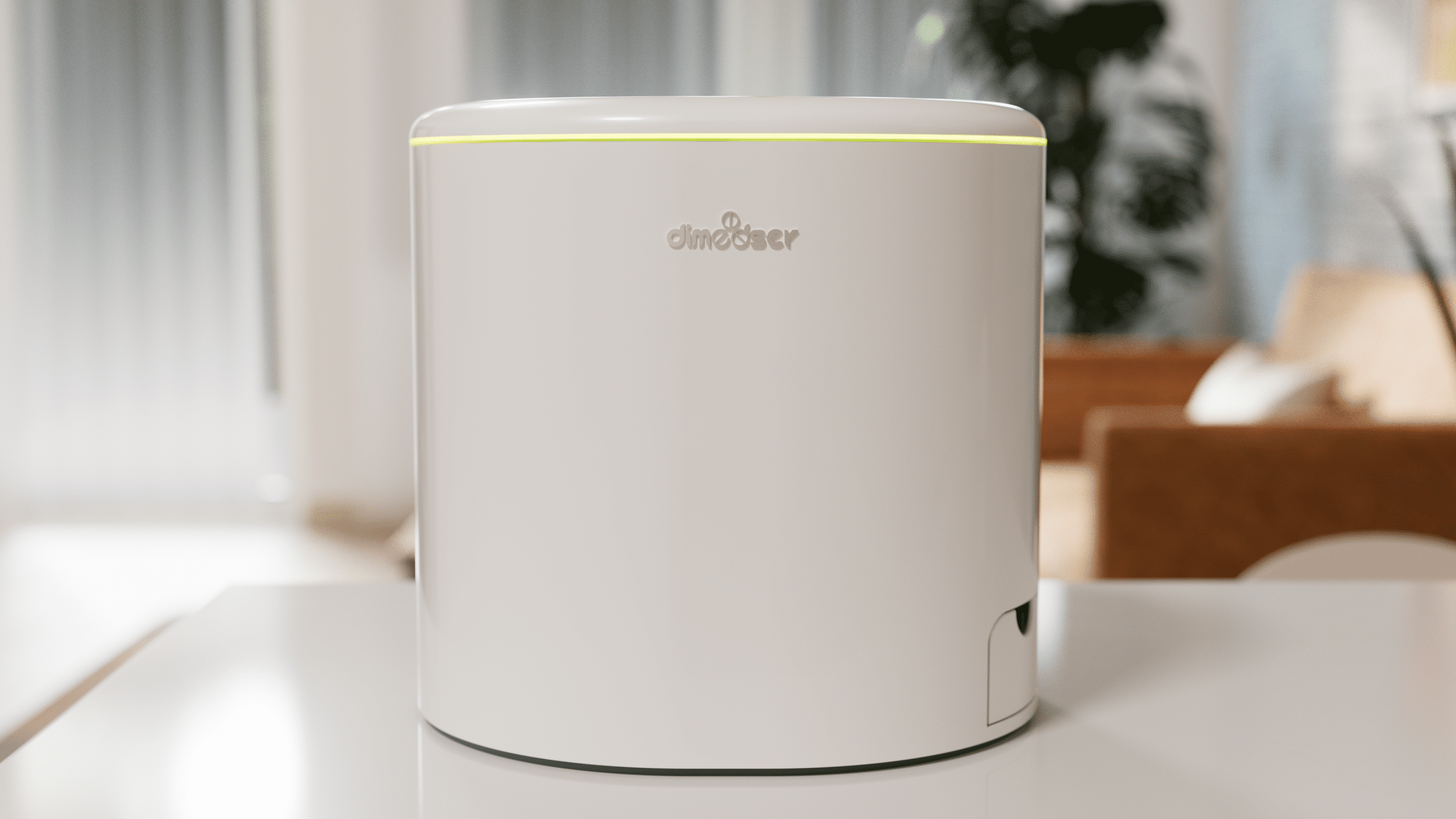
She pointed out the modular design feature of the device, which enables it to be expanded with as many modules as the different types of medication to be dispensed. There is a display on top of the device that can provide information in written, audio, visual or even audiovisual format. Once it is confirmed that the medication has been taken, the machine provides feedback, such as motivational messages from family members. It can also send messages to the user throughout the day, such as a drawing or a poem recited by a grandchild. Marianna Matányi emphasized that the device was designed to be senior-friendly, with no complicated buttons or anything else that would cause difficulty. Relatives can use a phone app to set when medication should be dispensed and check whether this has been done by referring to a calendar. The device itself checks based on physical characteristics that only the right medicine is placed on the dispenser tray.
“Optimizing the dispensing mechanism is a long process. We worked hard on it with our engineer, improving it week by week. We had to optimize the product a lot, as there are many different pill shapes on the market. We collected samples of all the medicines available in Hungary and used them to conduct our tests. A company involved in product development, which we first came into contact with when we won our first award, was a great help to us in this regard, providing us with constant feedback on where the mechanism could be further improved,” she pointed out.
 Speaking of the financial aspects of the project, she added that it has already cost several million forints to develop the prototype device and software, which is being covered by university grants and awards. As she points out, it is not easy to launch a viable project as a university student. She oversees the finances and accounts herself, while also striving to motivate her team and, in the longer term, to establish a company. “At some point, it will be necessary to involve investors; tens or even hundreds of millions in funding may be needed to enter the market,” she added, noting that their achievements and awards to date, including the recently won BoschxRichter Industrial Innovation Award, could serve as references.
Marianna Matányi believes that her interest in and motivation for organizing and entrepreneurship runs in the family: She has previously organized children’s camps through her parents and has also gained experience in managing large events as a volunteer coordinator.
She coordinates her project-related tasks with her studies. She is currently a PhD student at the János Szentágothai Neurosciences Division of Semmelweis University’s Doctoral College. Her main area of interest is neurosurgery, in which she has already gained clinical experience. Besides that, she is a member of the Cerebral Cortex Research Group at the HUN-REN Institute of Experimental Medicine.
Róbert Tasnádi
Translation: Judit Szabados-Dőtsch
Photos by Bálint Barta – Semmelweis University; Marianna Matányi; BoschxRichter.hu