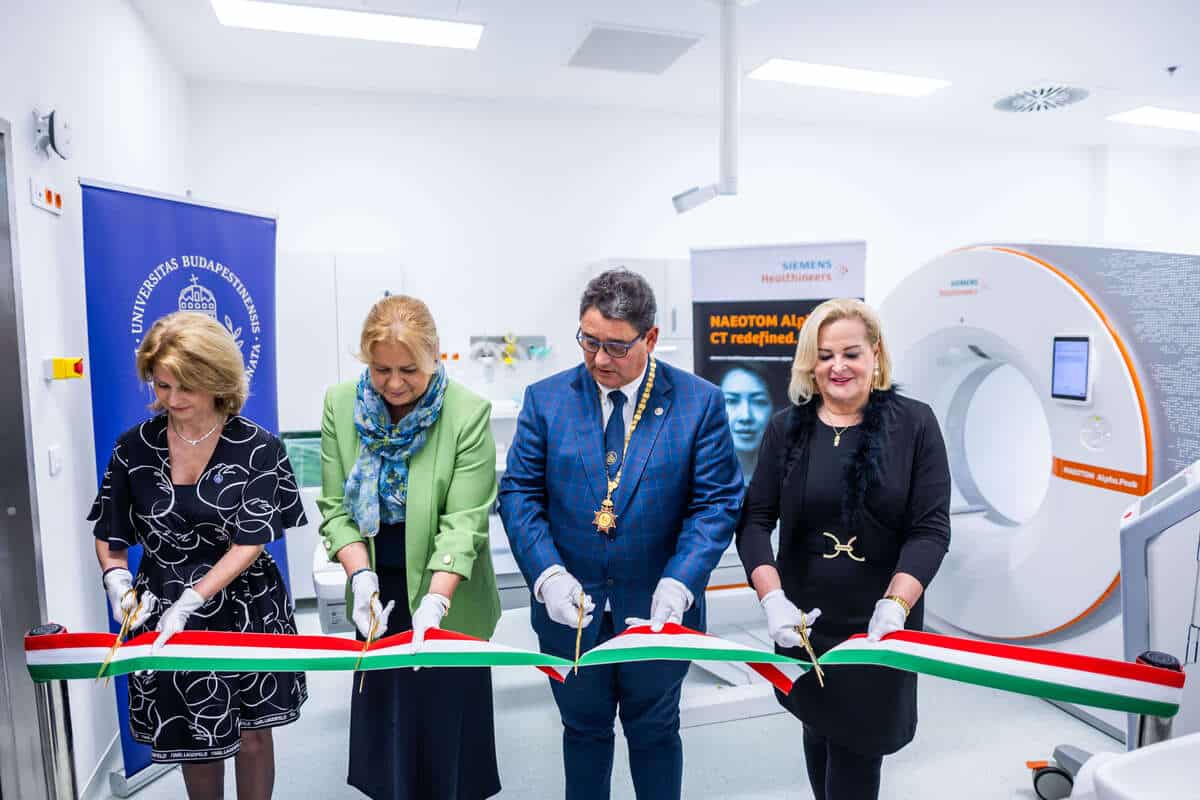
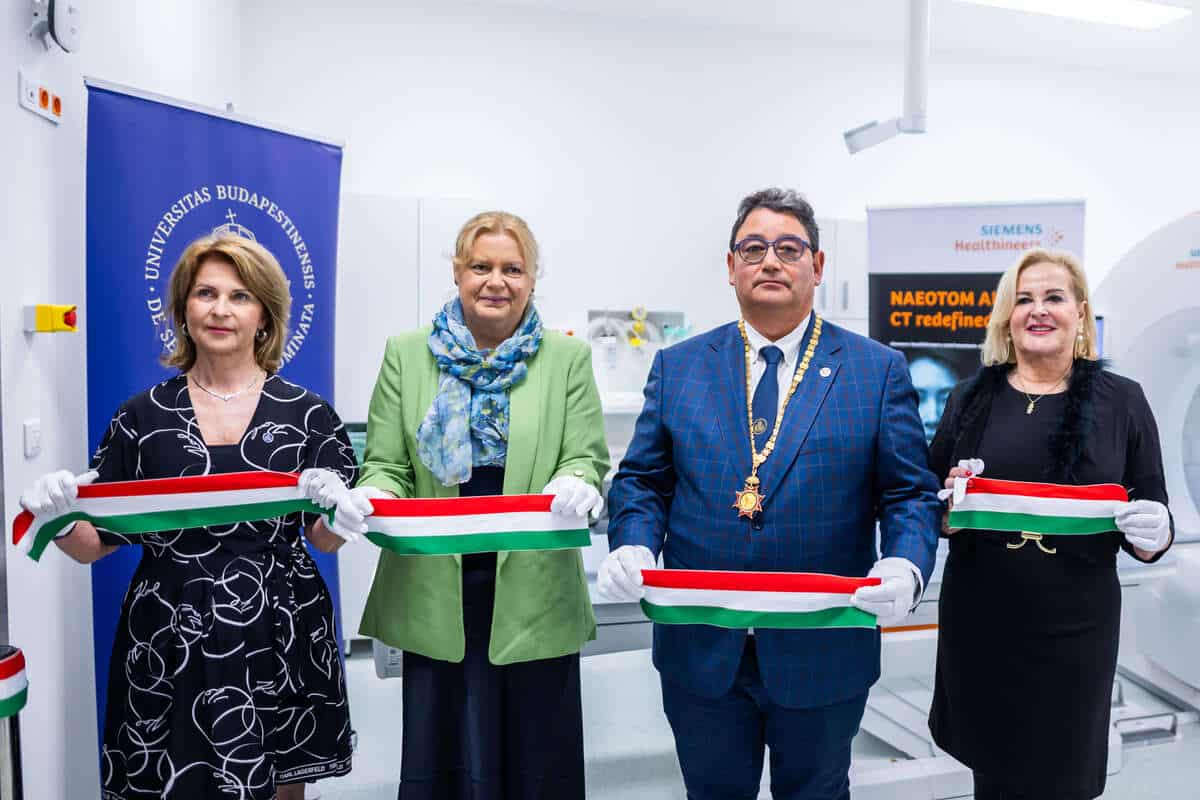
“It is with great joy and pride that, just a few weeks after realizing our long-held dream of opening the new diagnostic and therapeutic center, we are now able to present another important piece of infrastructure. Today, we are inaugurating high-value imaging instruments that serve our most important mission: to make the most advanced medical technologies available to everyone, supporting education, healing, and research in unison,” said Dr. Béla Merkely in his welcoming speech at the ceremonial handover of Siemens Healthineers’ state-of-the-art imaging equipment in the new wing of the Városmajor Heart and Vascular Center. As the rector pointed out, the center was a flagship of Semmelweis University, which had been ranked among the world’s top 50 in the field of cardiac and cardiovascular systems for years, and was currently 35th according to the latest US News ranking.
Every development at our university aims to provide our patients with the highest level of care, our students with the most up-to-date knowledge, and to contribute to the advancement of science as much as possible. This triad forms the foundation of Semmelweis University and the Városmajor Clinical Block. – Dr. Béla Merkely
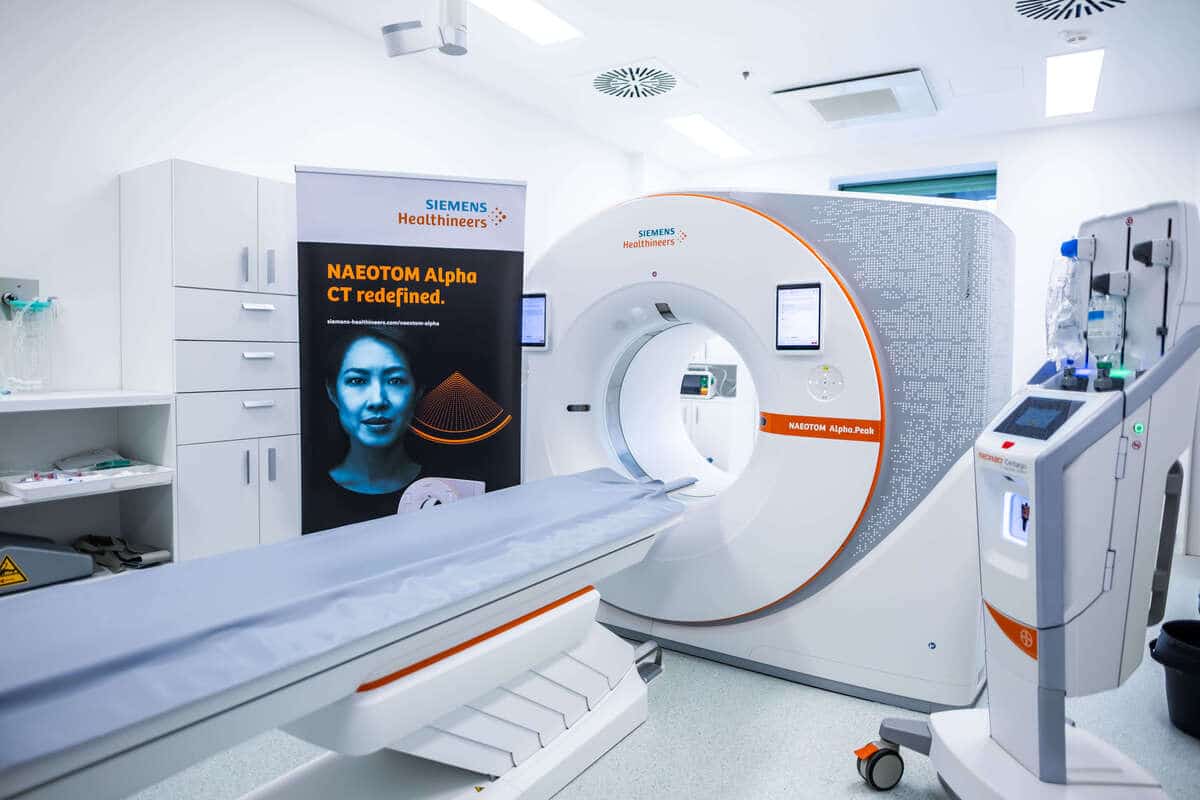
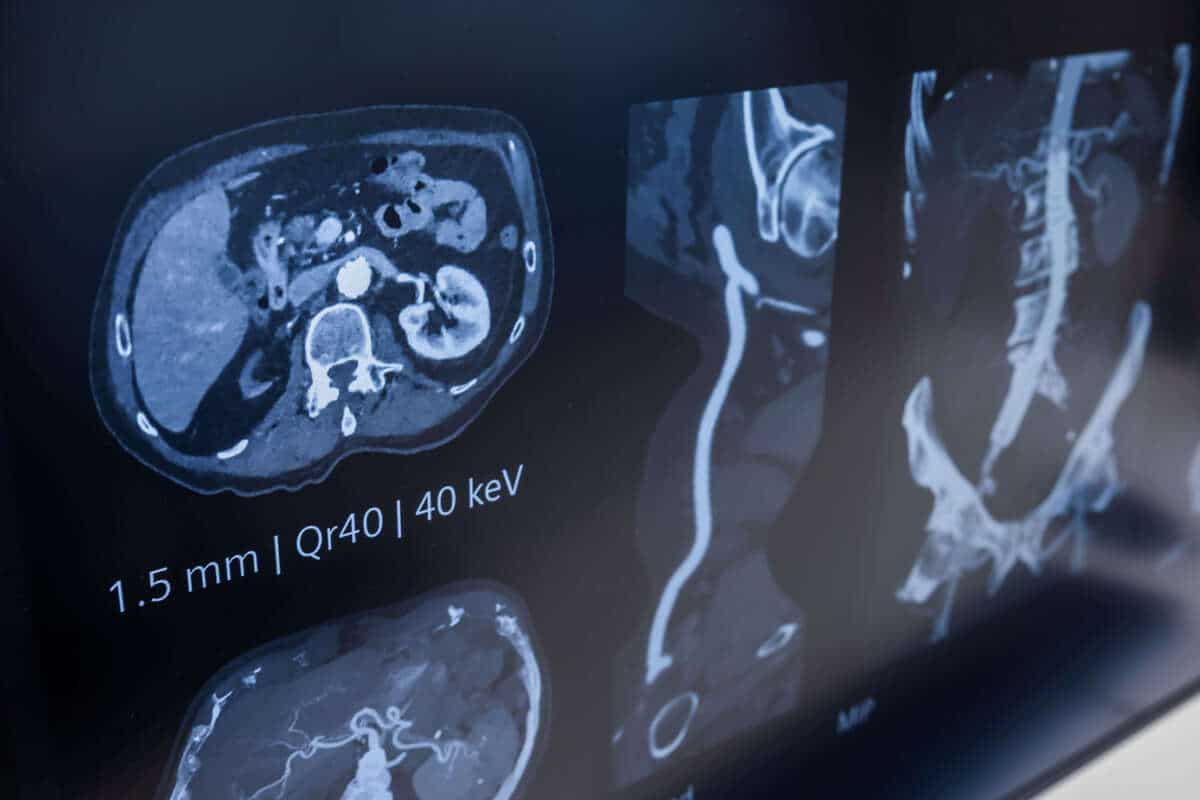
The Siemens Healthineers NAEOTOM Alpha.Peak high-end photon-counting detector CT system represents a whole new generation of imaging and is the most advanced CT technology currently available. By increasing speed and diagnostic accuracy and reducing radiation doses, it can revolutionize patient care. It can capture images with much higher resolution than previous models, which is particularly advantageous when imaging moving organs such as the heart, explained the rector.
Gallery
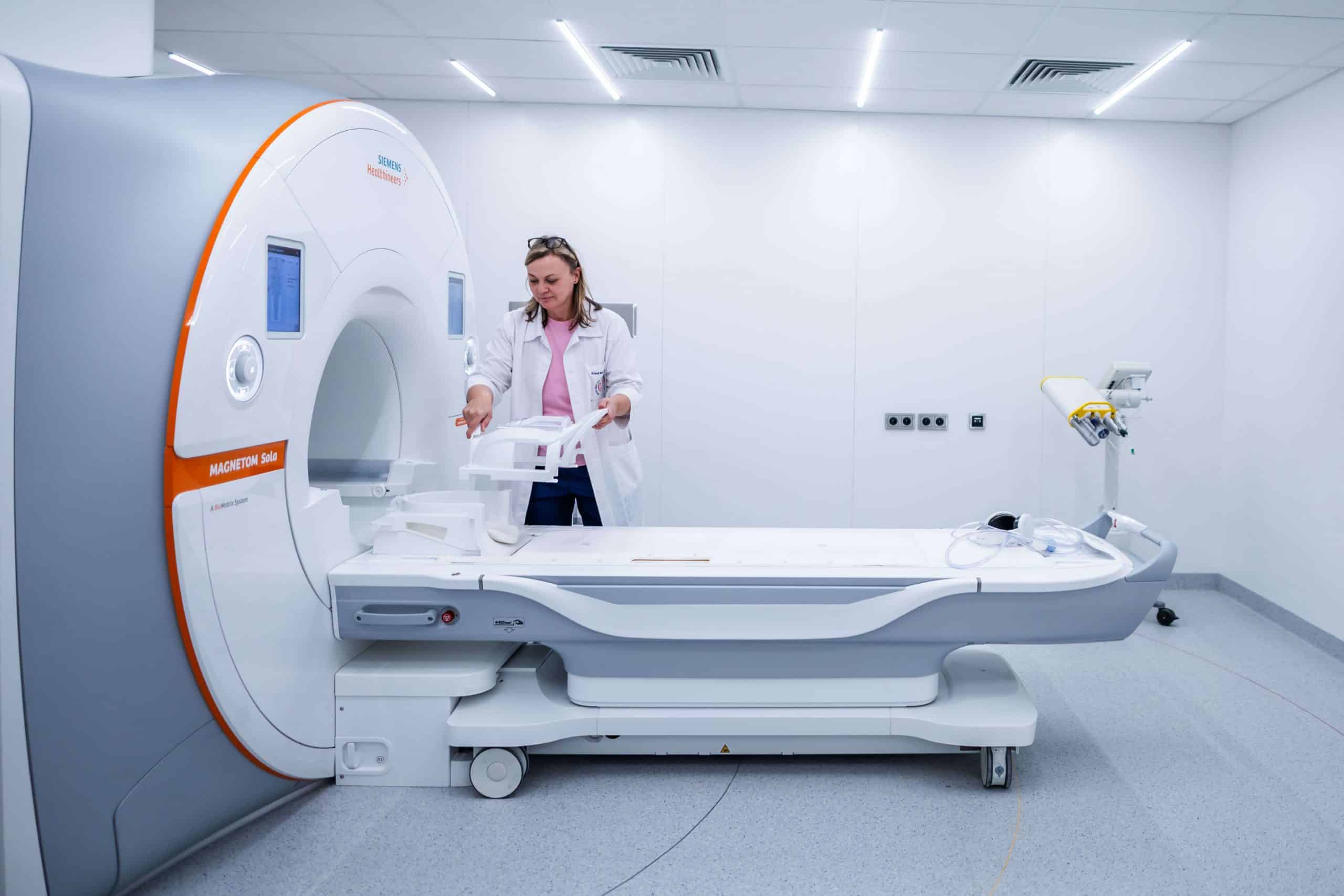
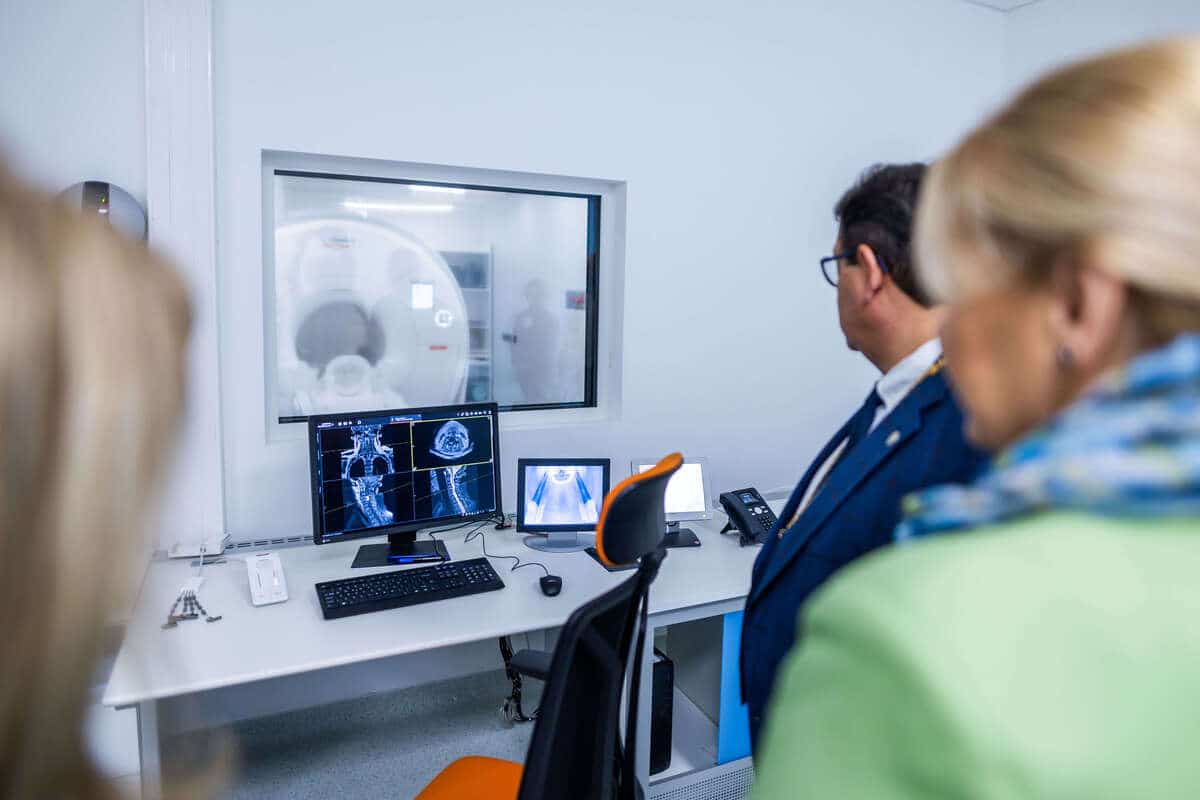
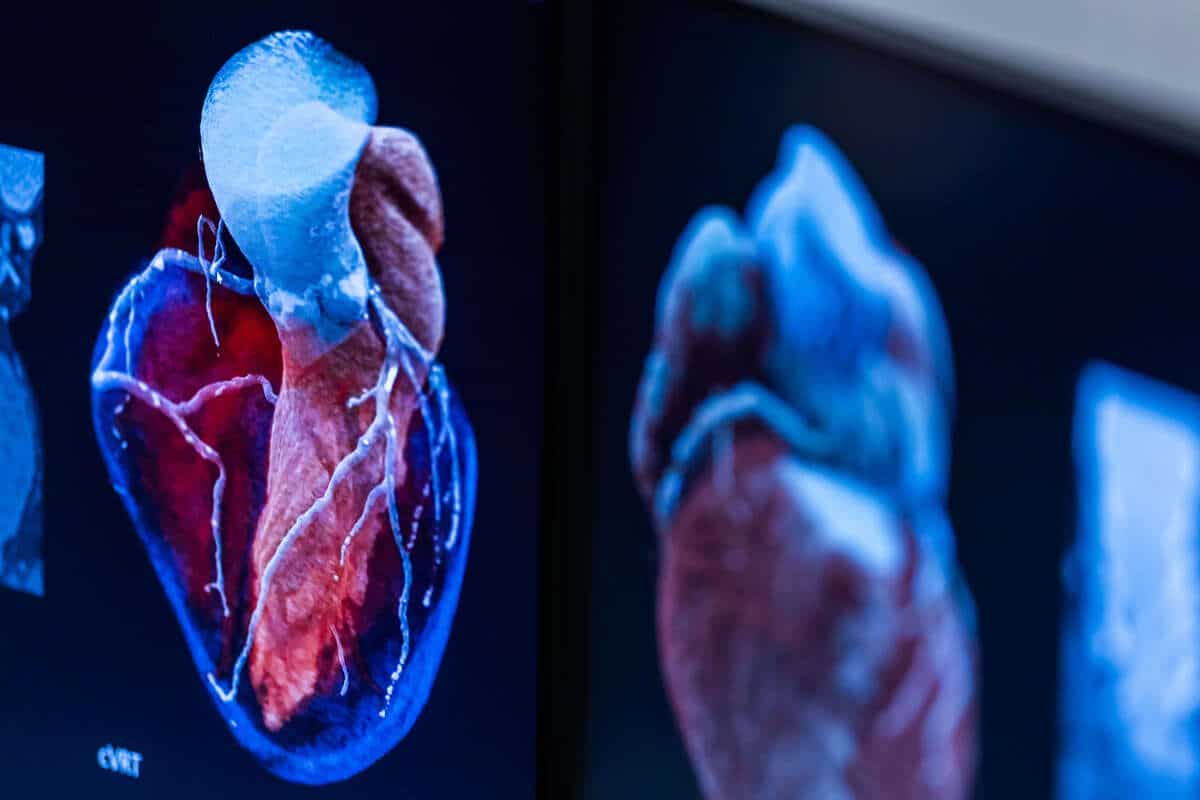
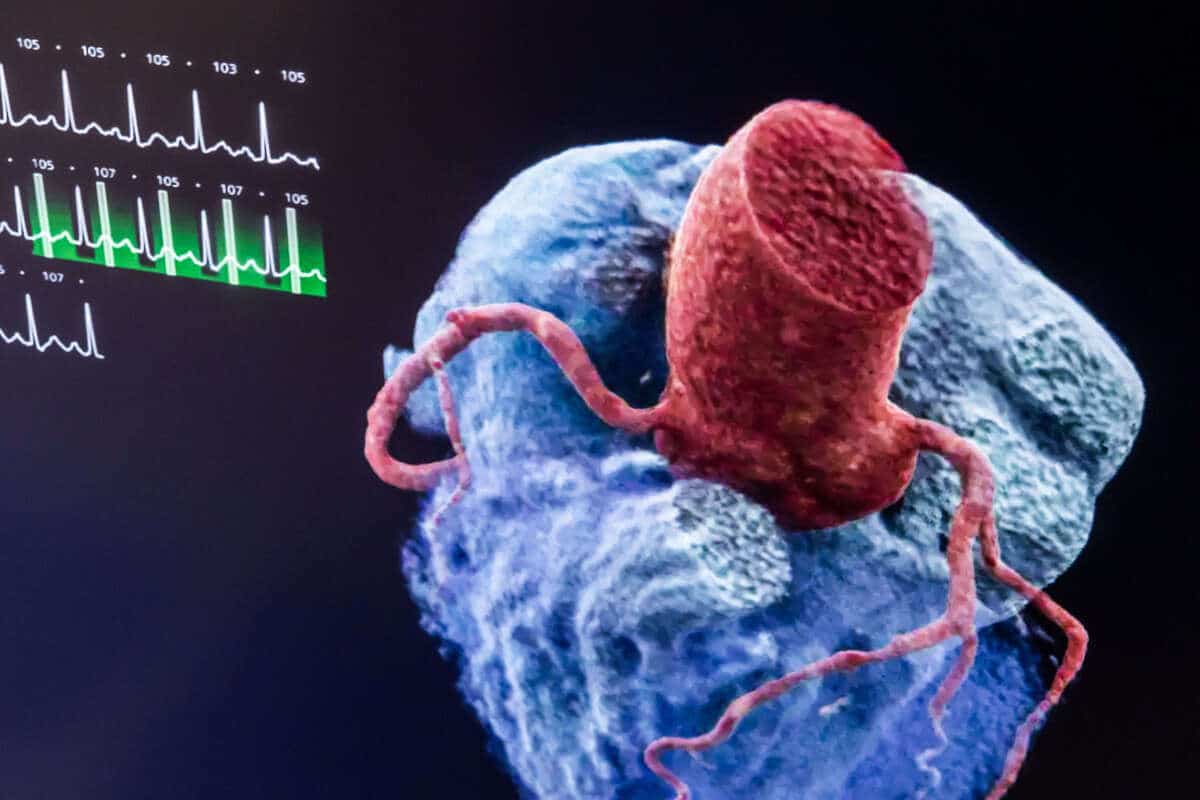
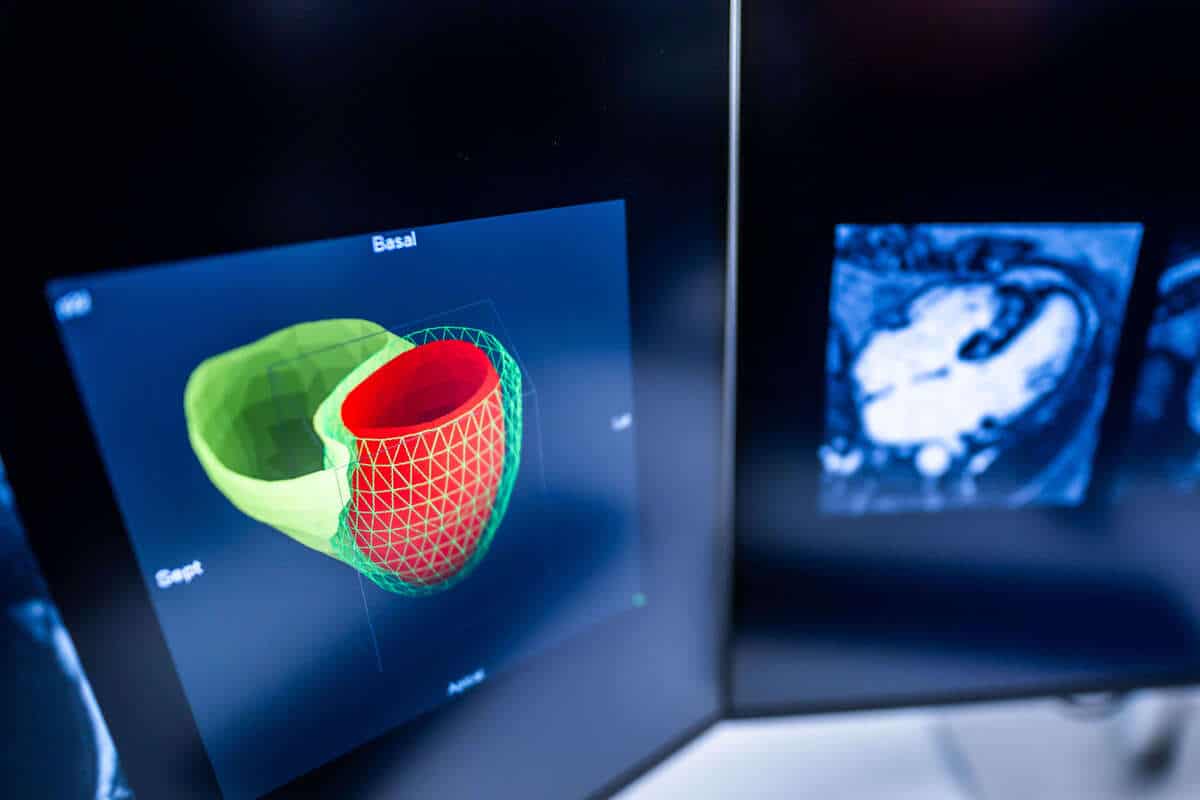
“Today we are also inaugurating the Siemens Healthineers 1.5T MAGNETOM Sola MRI scanner, which is also one of the most advanced instruments currently available. This state-of-the-art device is ideal for examining the cardiovascular system and other areas. It helps with the early detection of heart and vascular diseases, more accurate differentiation of conditions, and planning necessary surgeries,” explained Dr. Béla Merkely.
The new instruments take advantage of the possibilities offered by artificial intelligence, enabling faster examination and diagnosis, and increasing patient comfort. With their use, it will be possible to perform twice as many examinations as the current annual total of approximately 6,000 CT and 4,000 MRI tests, the rector explained. “With the inauguration of these two new imaging systems, our Városmajor 70 wing is now complete, and the center will most likely continue to operate as Europe’s most advanced cardiovascular supercenter,” concluded Dr. Béla Merkely.
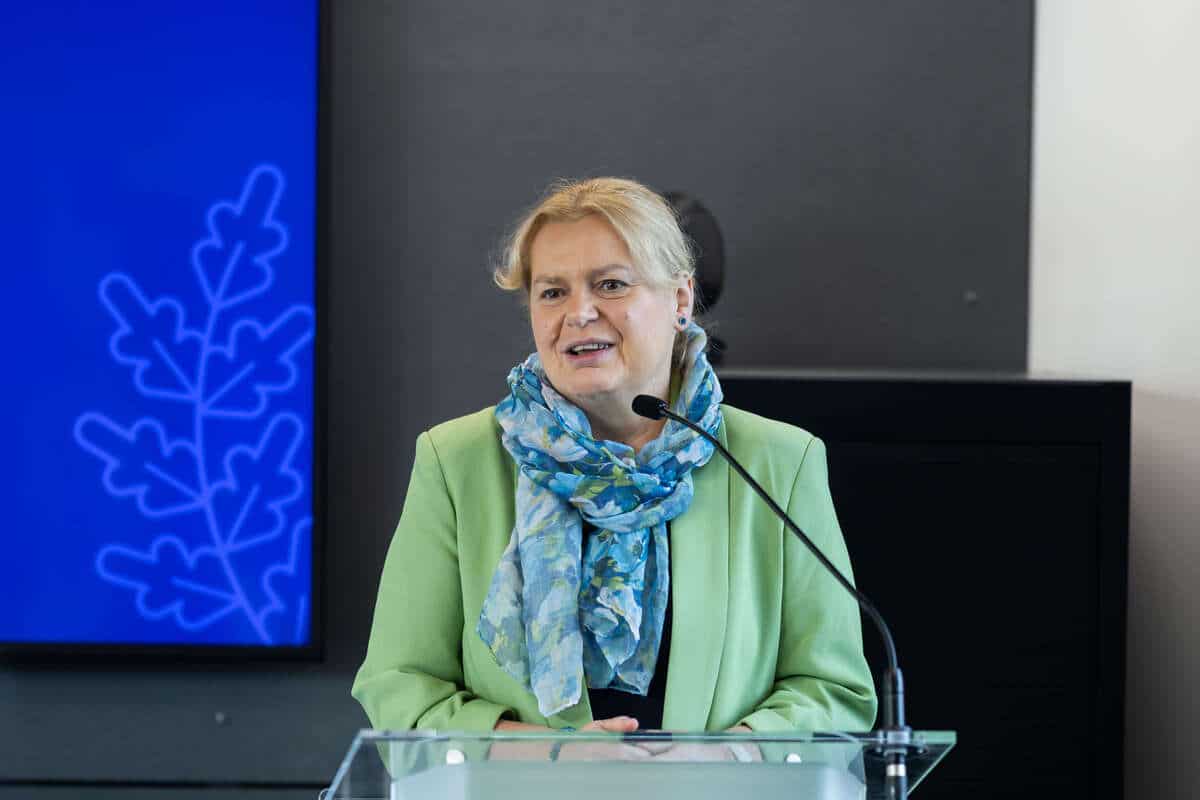 “Diagnostics are a priority area of health policy. If we can realize developments of this scale, we can be justly proud of our healthcare system and, within that, of Semmelweis University,” said Dr. Judit Bidló, Deputy State Secretary for the Professional Management of Health at the Ministry of Interior, in her opening remarks.
Rita Vincze, Managing Director at Siemens Healthineers described the cooperation between the university and the company that has been ongoing since 2019 as exemplary, during which 16 CT education development projects and 38 MRI research and development projects have been successfully completed.
 The managing director pointed out that the two diagnostic devices that have just been handed over were unique even on a global scale. Two CT scanners belonging to the Alpha class – one Prime and one Peak model – are already in operation at the Medical Imaging Center. The third is the newly delivered NAEOTOM Alpha.Peak CT system, which has a photon-counting detector that makes it easy to spot even millimeter-sized lesions. The fact that a university is equipped with three such top-of-the-line models is unique even by European standards, added Rita Vincze, also noting that the real value lay in the doctors, researchers, and specialists who were able to bring this technology to life on a daily basis.
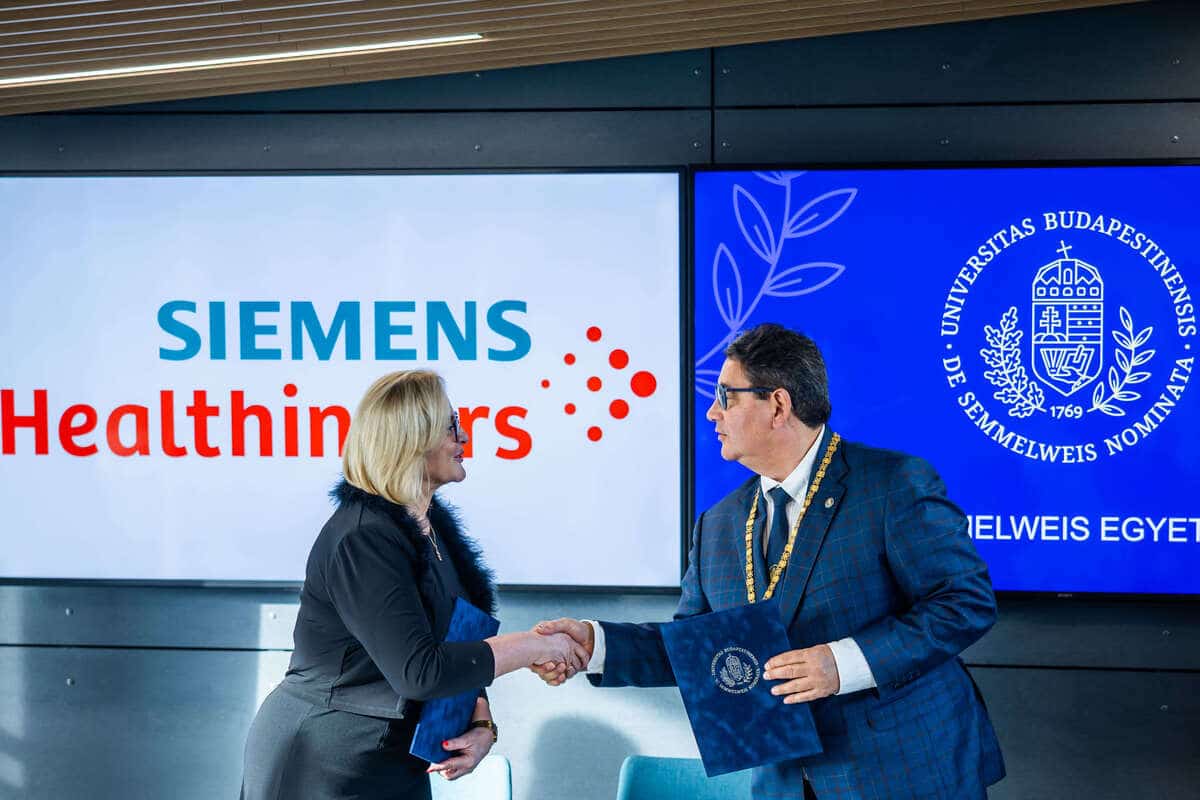
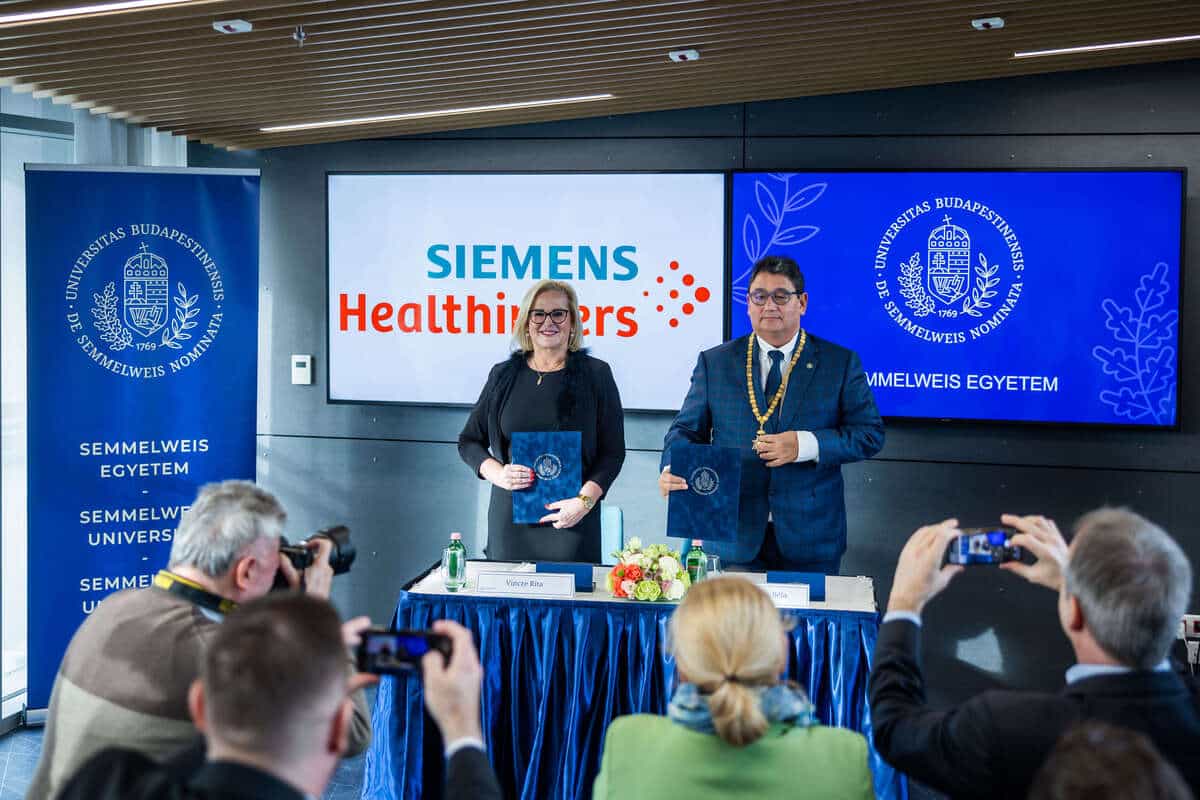
Rita Vincze was confident that the cooperation between Siemens Healthineers and the university would continue to deepen and expand. As part of the event, the parties also signed an agreement stating that Semmelweis University may serve as a Siemens Reference Center in the future.
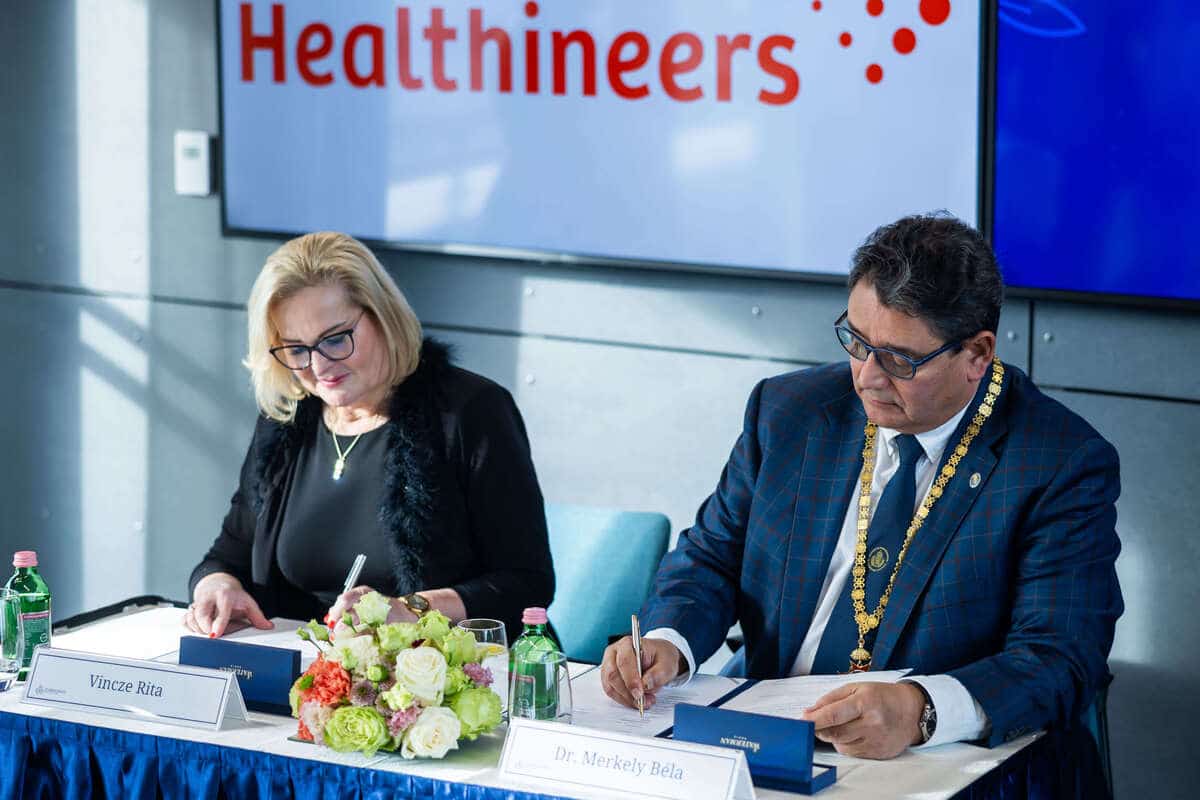
The funding for Siemens Healthineers’ instruments, worth approximately HUF 2 billion, was provided by a public duty financing contract for infrastructure development, signed by the Hungarian state and the university.
Anita Szepesi
Translation: Judit Szabados-Dőtsch
Photos by Bálint Barta – Semmelweis University