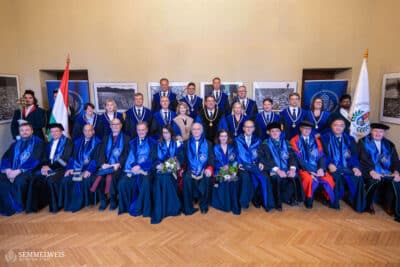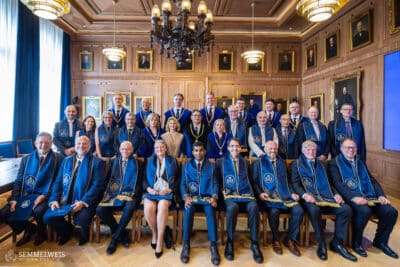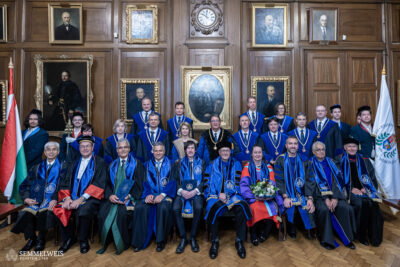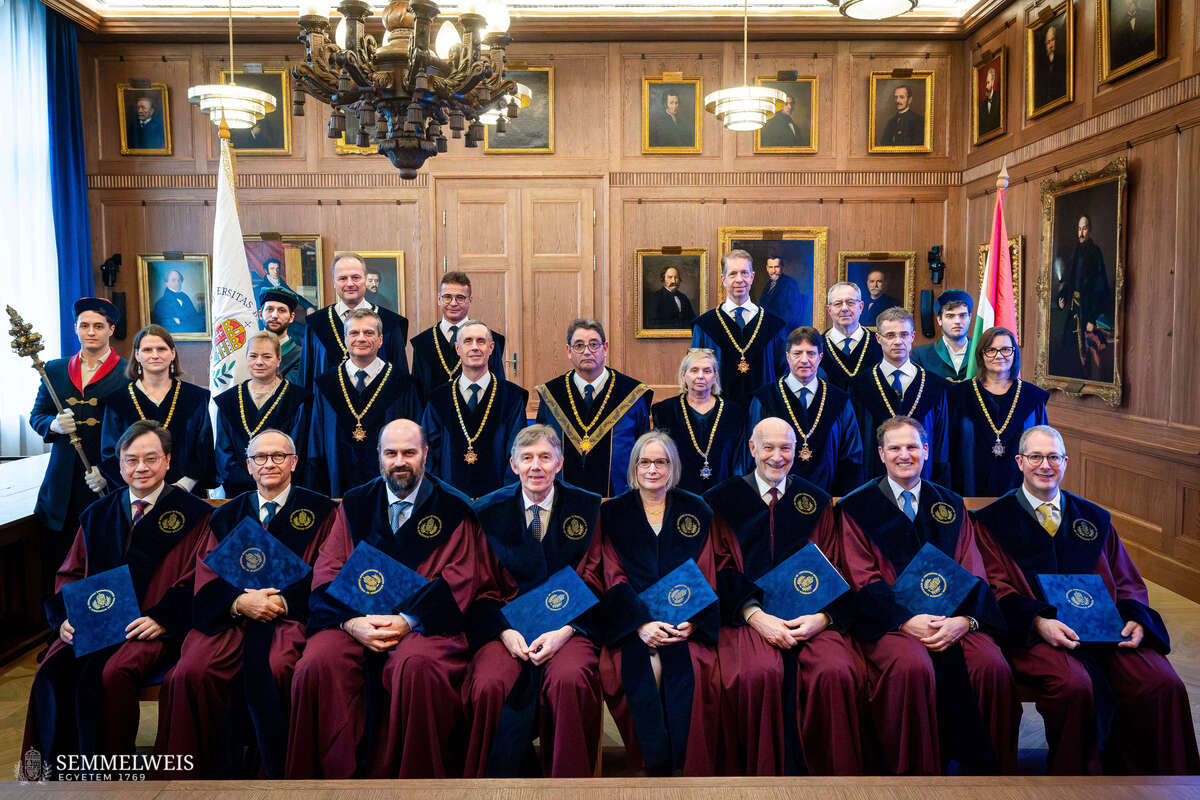
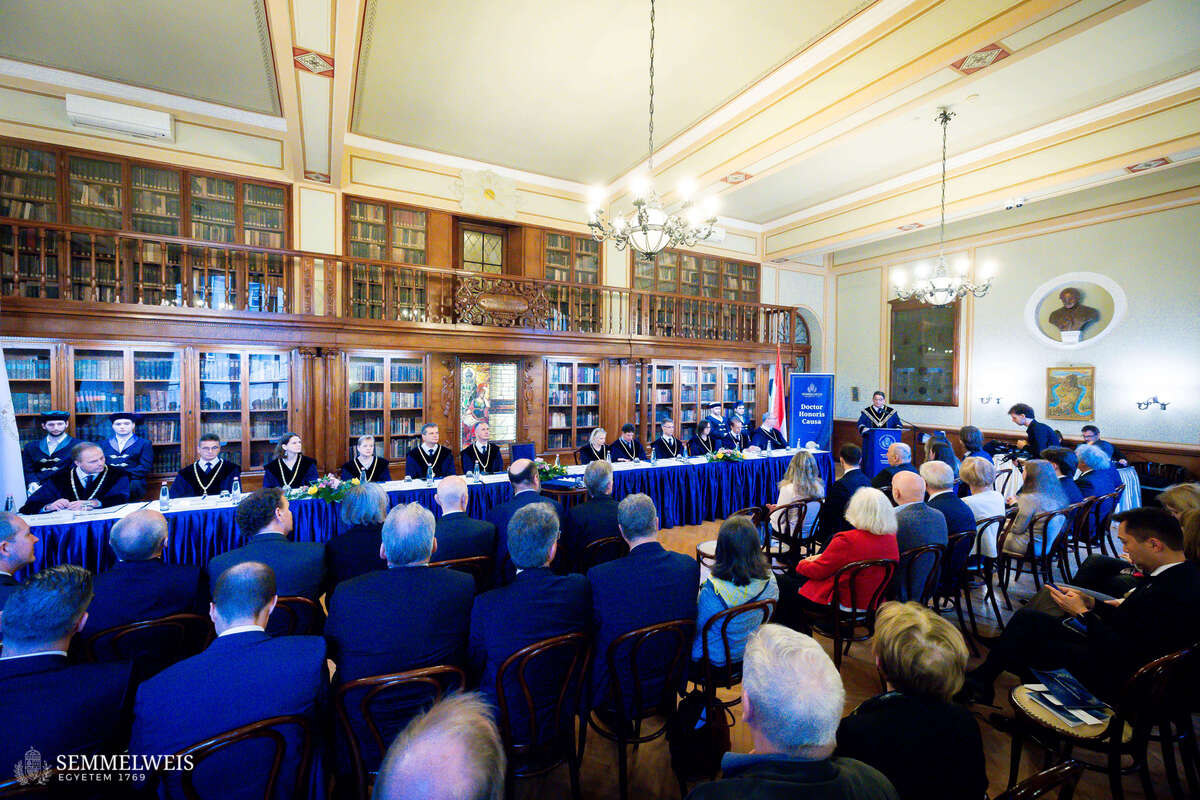
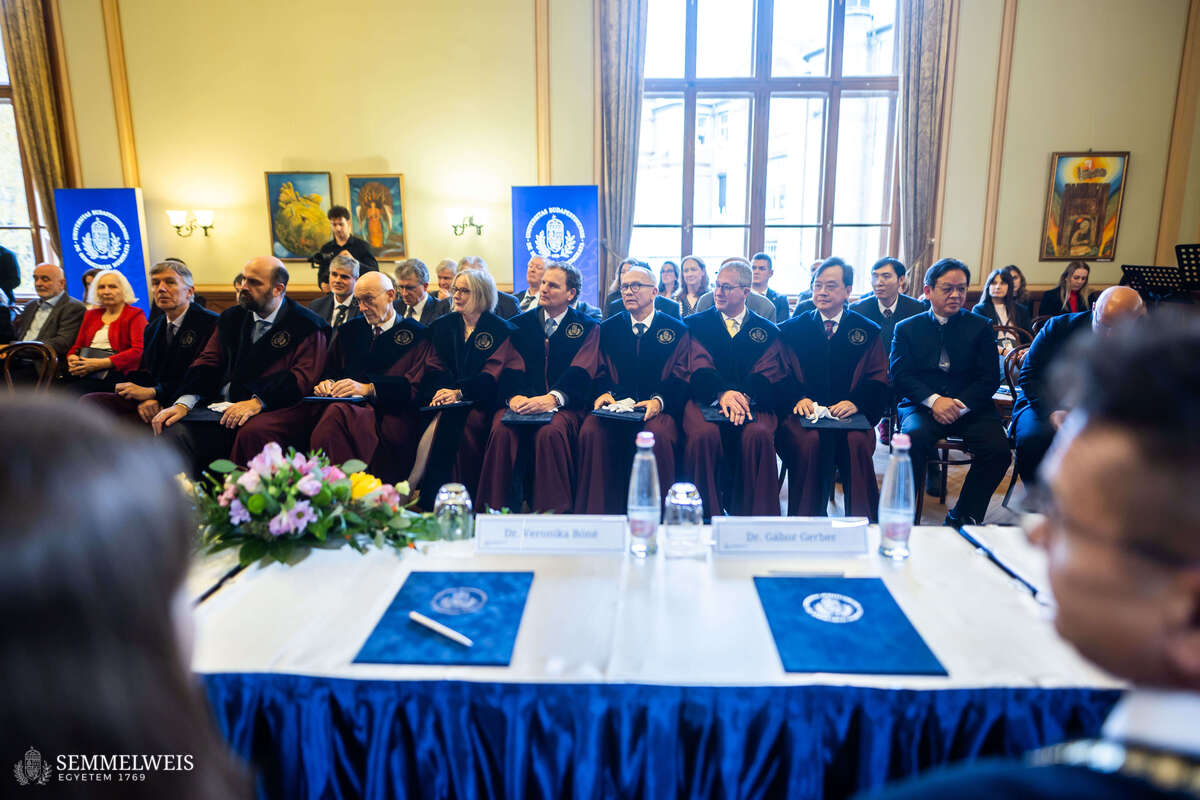
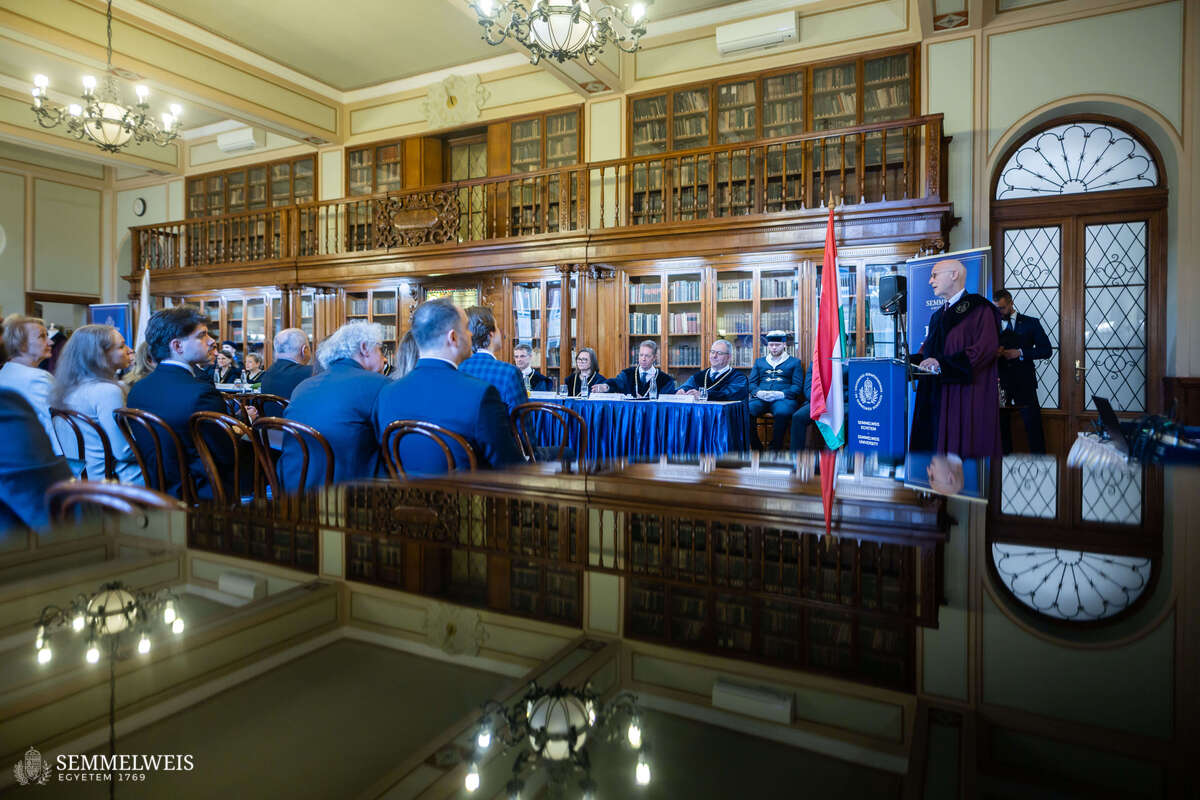
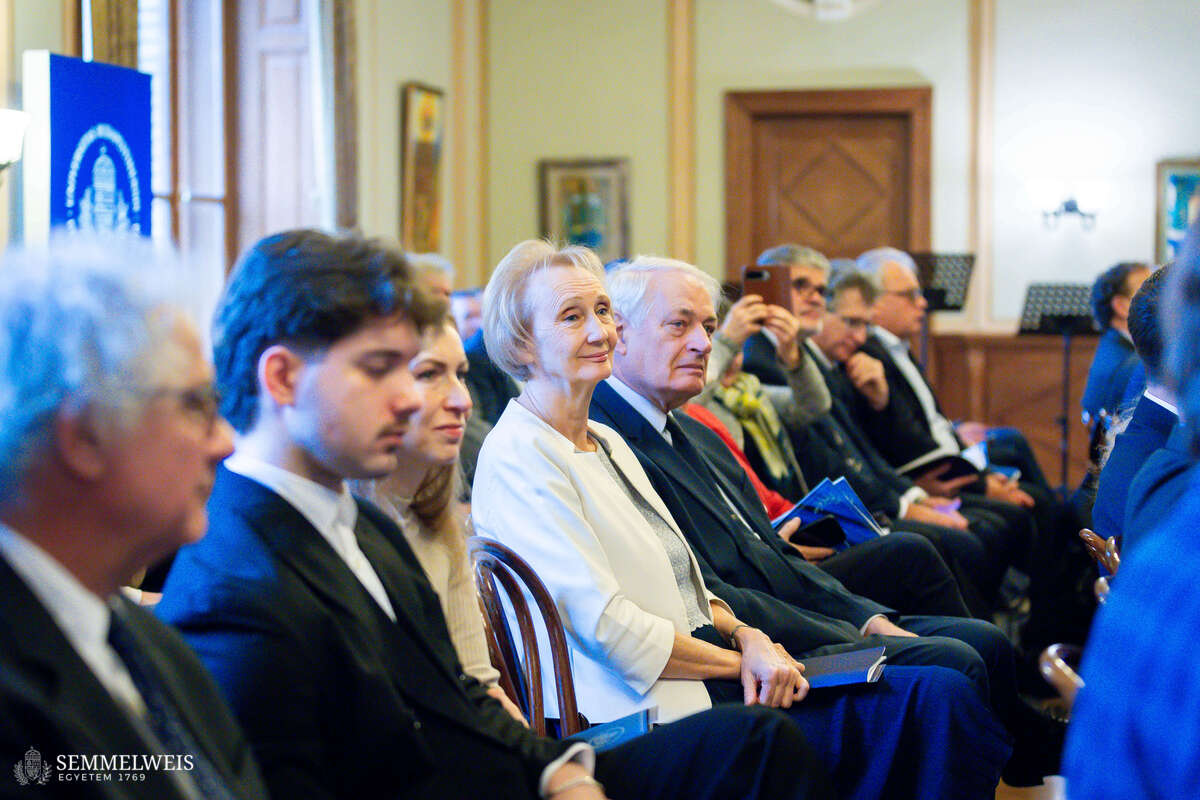
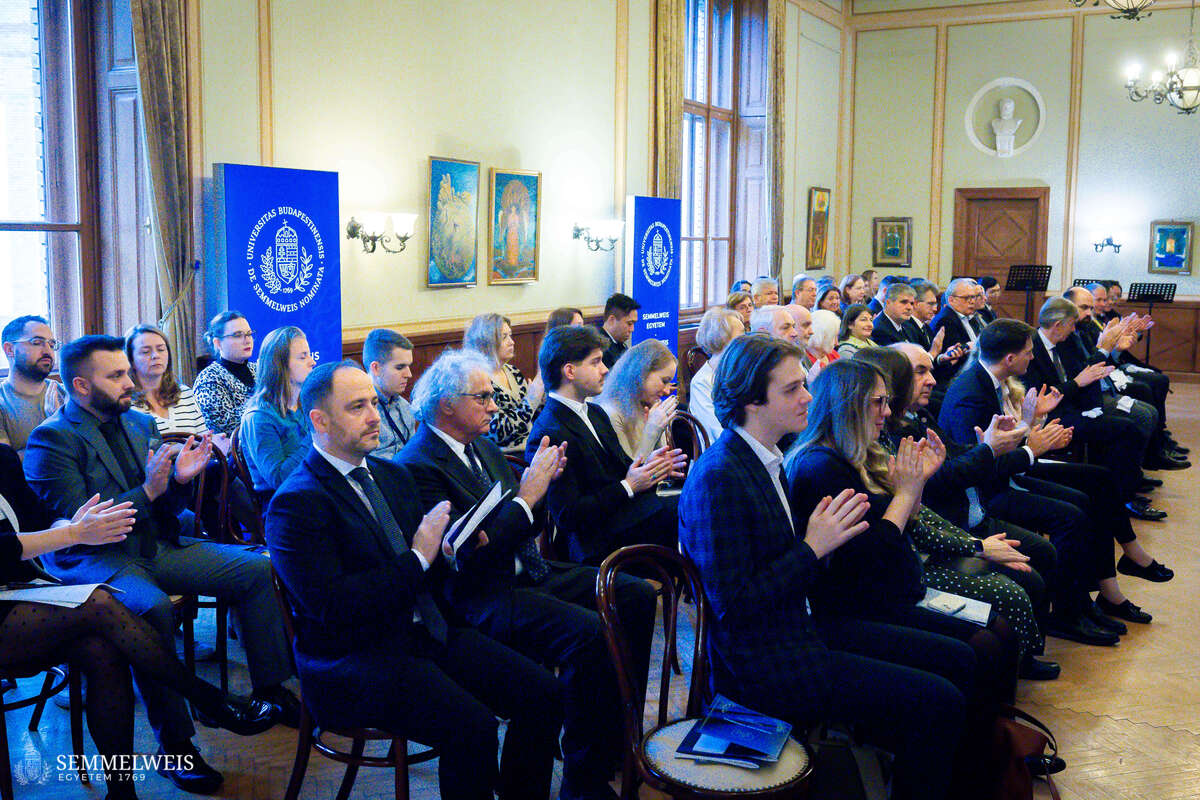
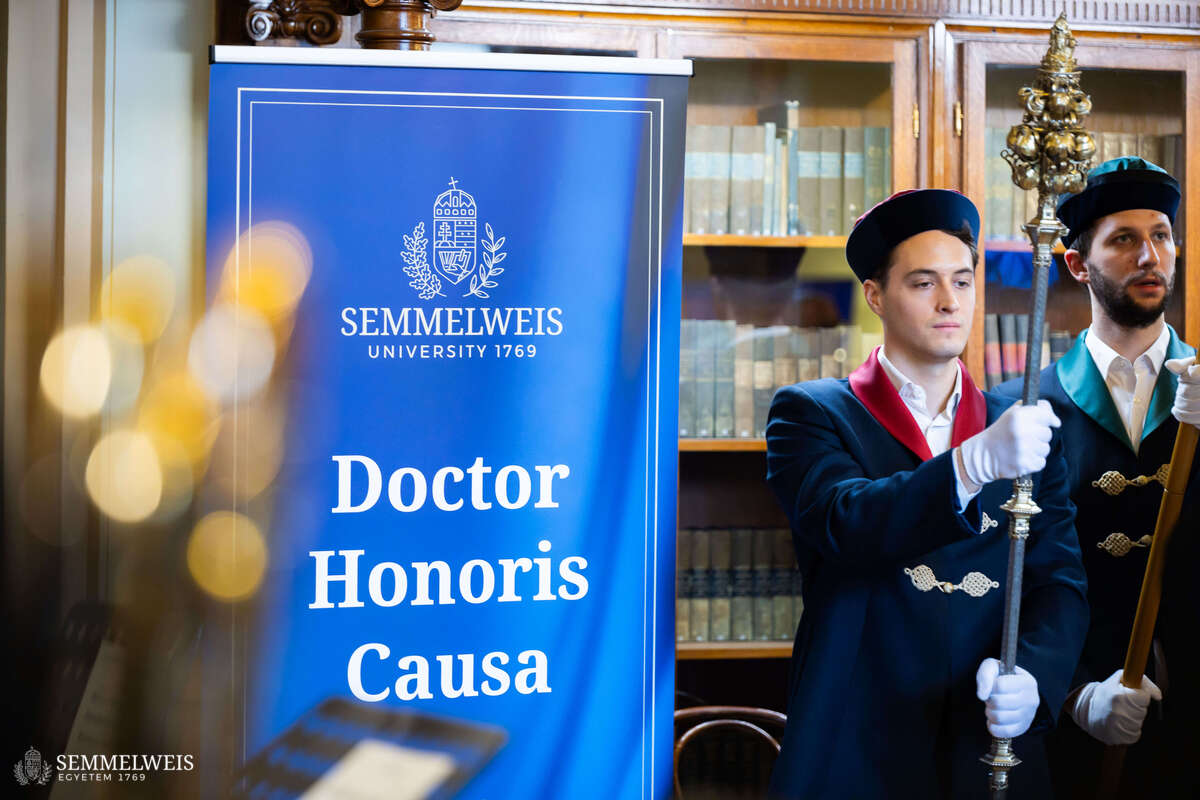
Since 1967, the university has recognized the achievements of internationally renowned professors affiliated with the institution 51 times. Eight leading experts from universities in the United Kingdom, Hong Kong, Germany, and Italy attended this year’s award ceremony in the Semmelweis Salon to accept their Doctor Honoris Causa degrees.
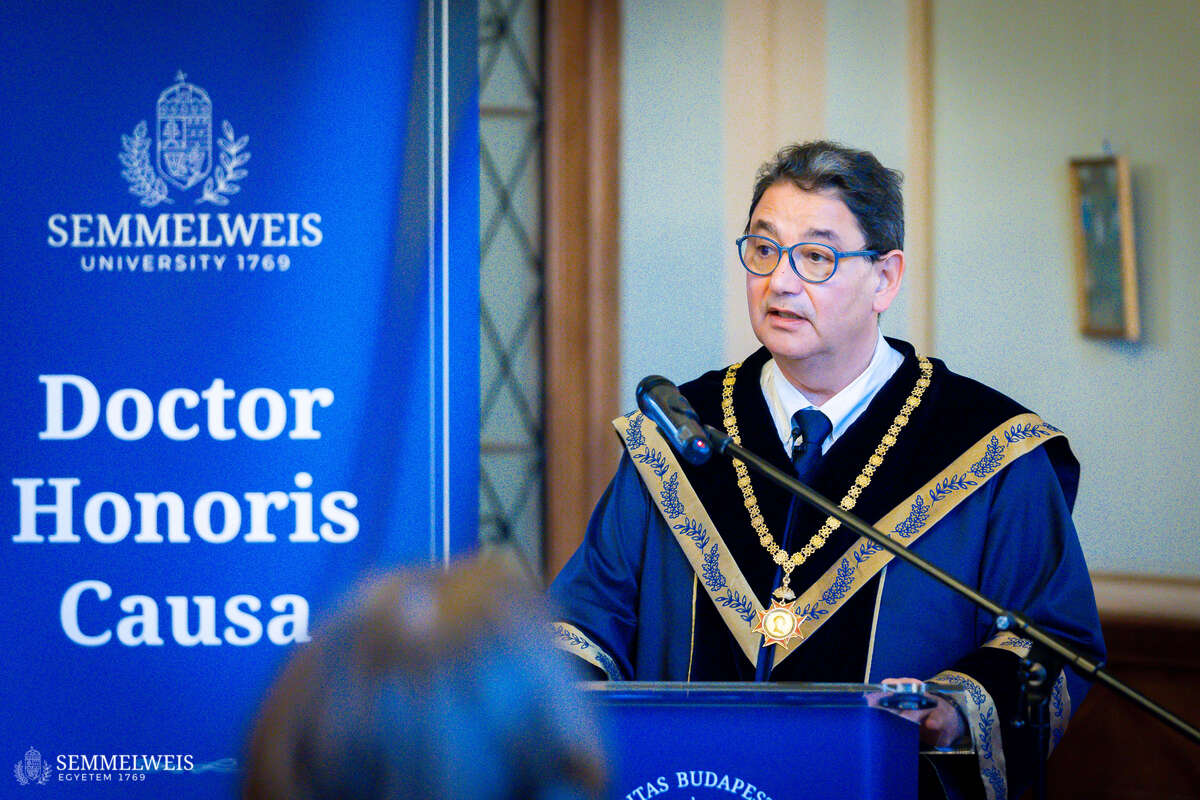
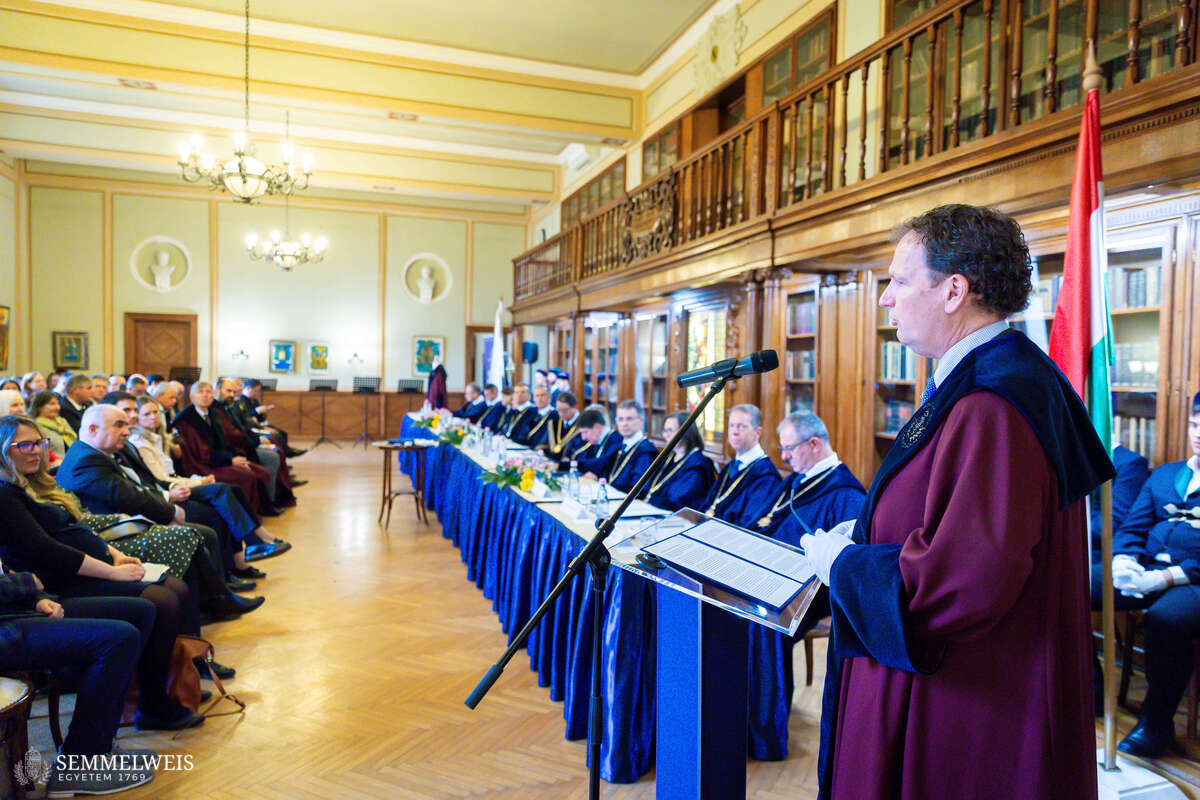
In his opening remarks, Rector Dr. Béla Merkely stated that in our time, the body of knowledge was growing so rapidly that the importance of intuition, originality, and the persistent diligence that went hand in hand with them was becoming increasingly evident. He added that it was no coincidence that outstanding achievements today were always supported by international knowledge-sharing and collaboration, as these provided the opportunity for different perspectives and approaches to reinforce one another and create something lasting.
All of these values are embodied in today’s ceremony, where we pay tribute to the achievements of those outstanding scientists whose work has already made a significant contribution to the advancement of science. They are the ones who serve as role models for younger generations: those who have shown that dedicated, persistent work and original ways of thinking lead to significant achievements.
– Dr. Béla Merkely
The rector added that the academic ties that unite the institutions were crucial to Semmelweis University’s development into what we saw today: a world-class university. Among the recent professional recognitions, he noted that Semmelweis University had finished first in the THE Central and Eastern Europe Spotlight ranking, and that three faculty members from Semmelweis University appeared on the latest list of Highly Cited Researchers.
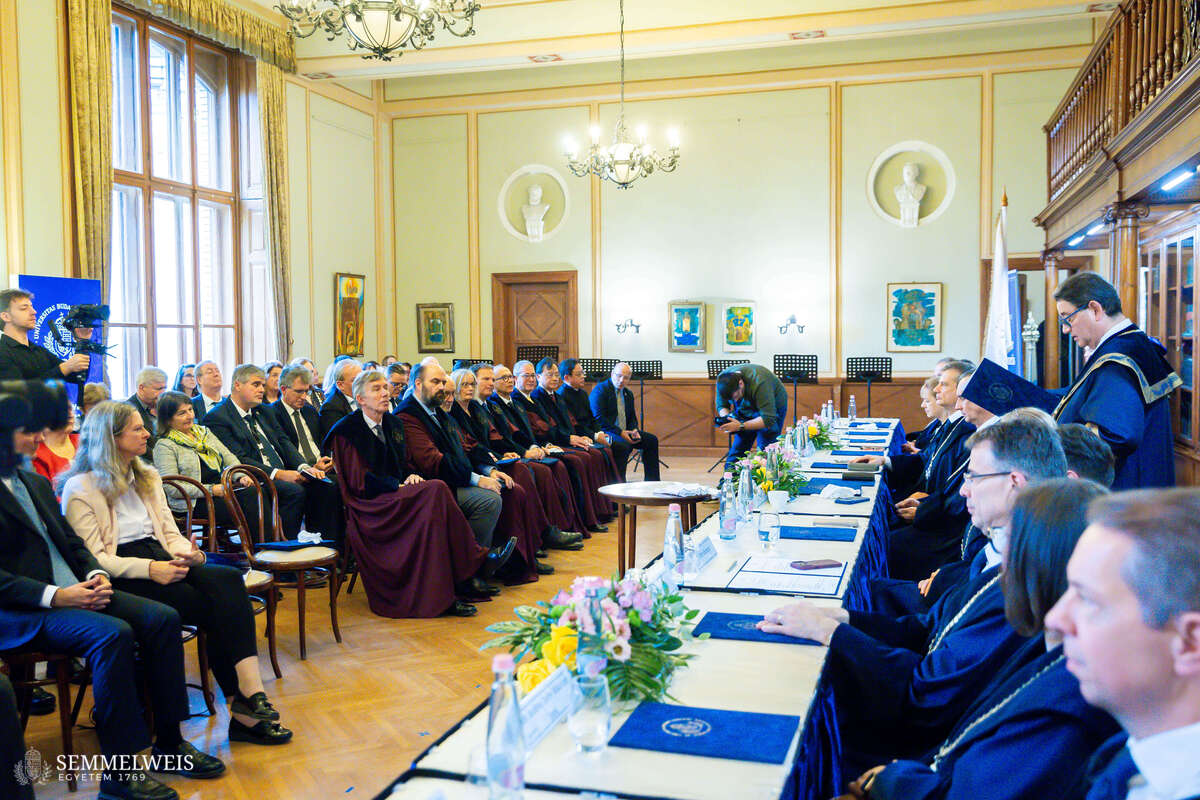
Following the opening ceremony, the laudatory speeches for the honorees were presented. At the recommendation of the Faculty of Medicine (ÁOK), seven experts received honorary doctorates this year, and one professor received the distinction based on a nomination from the Doctoral College.
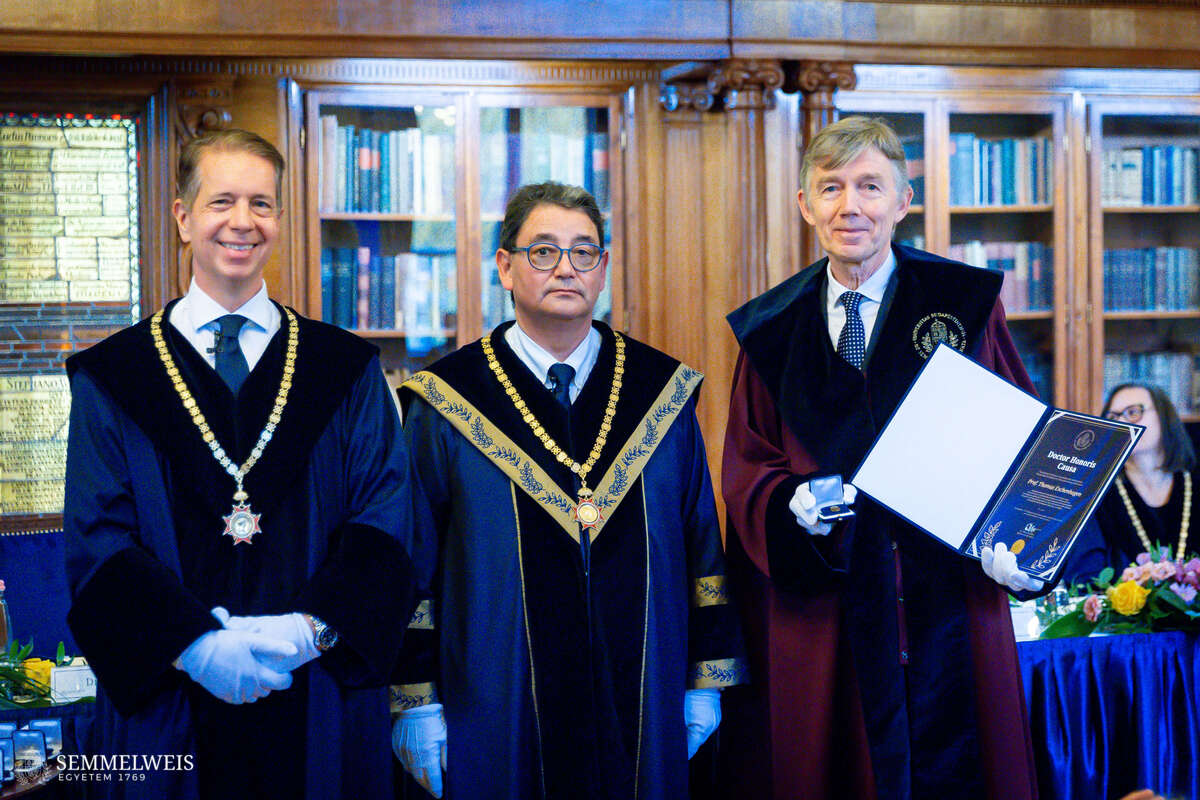
Since 2002, he has been Director of the Department of Experimental Pharmacology and Toxicology at the University of Hamburg. He is a member of the German Academy of Sciences Leopoldina and was President of the International Society for Heart Research (ISHR). He is internationally recognized for pioneering engineered heart tissue technology. His studies have transformed cardiac research by combining tissue engineering and stem cell biology to create innovative models for studying heart disease, testing new therapies, and advancing regenerative medicine. His work has significantly advanced our understanding of cardiomyopathies and brought the prospect of repairing damaged heart tissue closer to clinical reality. He has published more than 350 scientific papers and over 70 reviews and book chapters, receiving more than 25,000 citations and achieving an h-index of 85 according to Web of Science. He has also collaborated with Semmelweis University’s Department of Pharmacology and Pharmacotherapy to study the response of 3D tissues to ischemia-reperfusion injury.
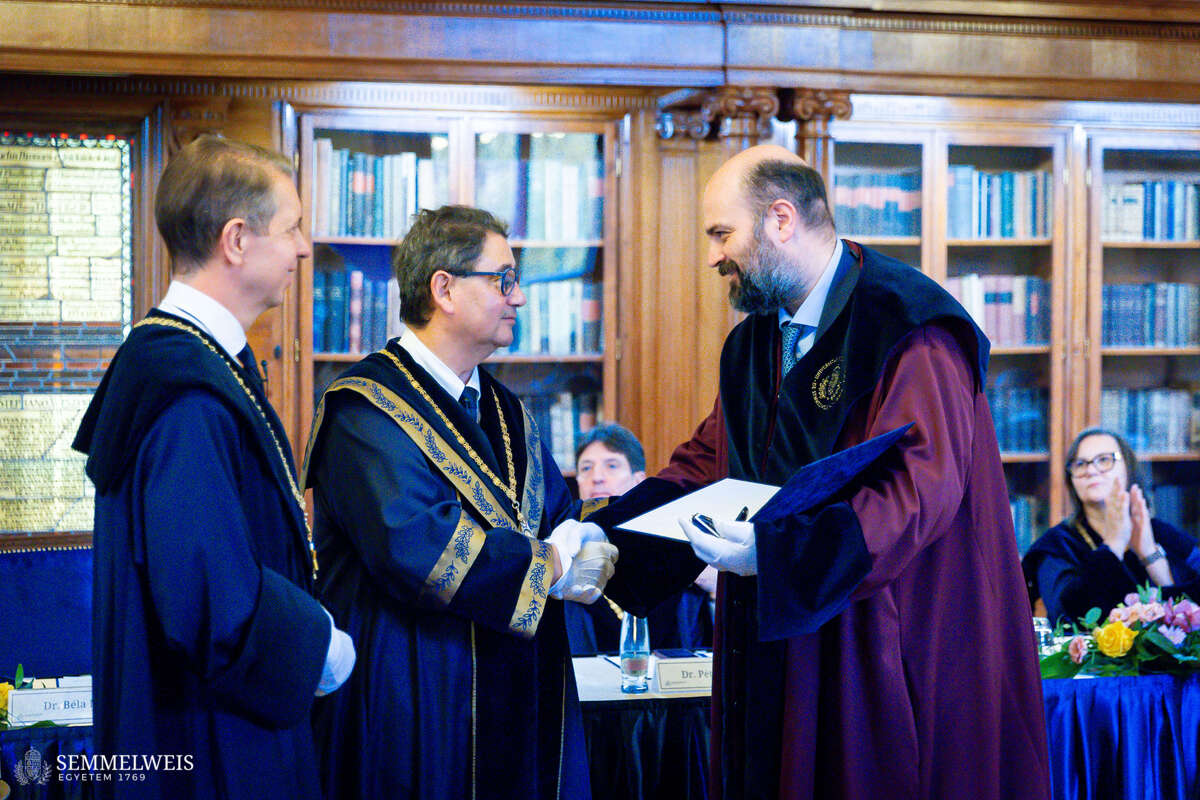
He is Professor of Pathology at the University of Padua, Educational Dean at its School of Medicine, and has been Director of the Department of Pathology of ULSS2 Marca Trevigiana since 2023. His research focuses on the molecular and genetic profiling of gastrointestinal neoplasia, contributing significantly to precision diagnostics and cancer biology. With more than 700 peer-reviewed publications and outstanding citation metrics (an h-index of 83/90), he is an internationally highly cited author, whose work has appeared in leading journals, including Nature. His excellence has been recognized by prestigious awards such as the Jeremy Jass Prize and the Haddow Fund. He is an active member of leading scientific societies and a prominent editor of several international journals. For Semmelweis University, his most valued contribution is the long-standing collaboration with the Department of Pathology, Forensic and Insurance Medicine, which has resulted in numerous joint publications and strengthened international scientific cooperation.
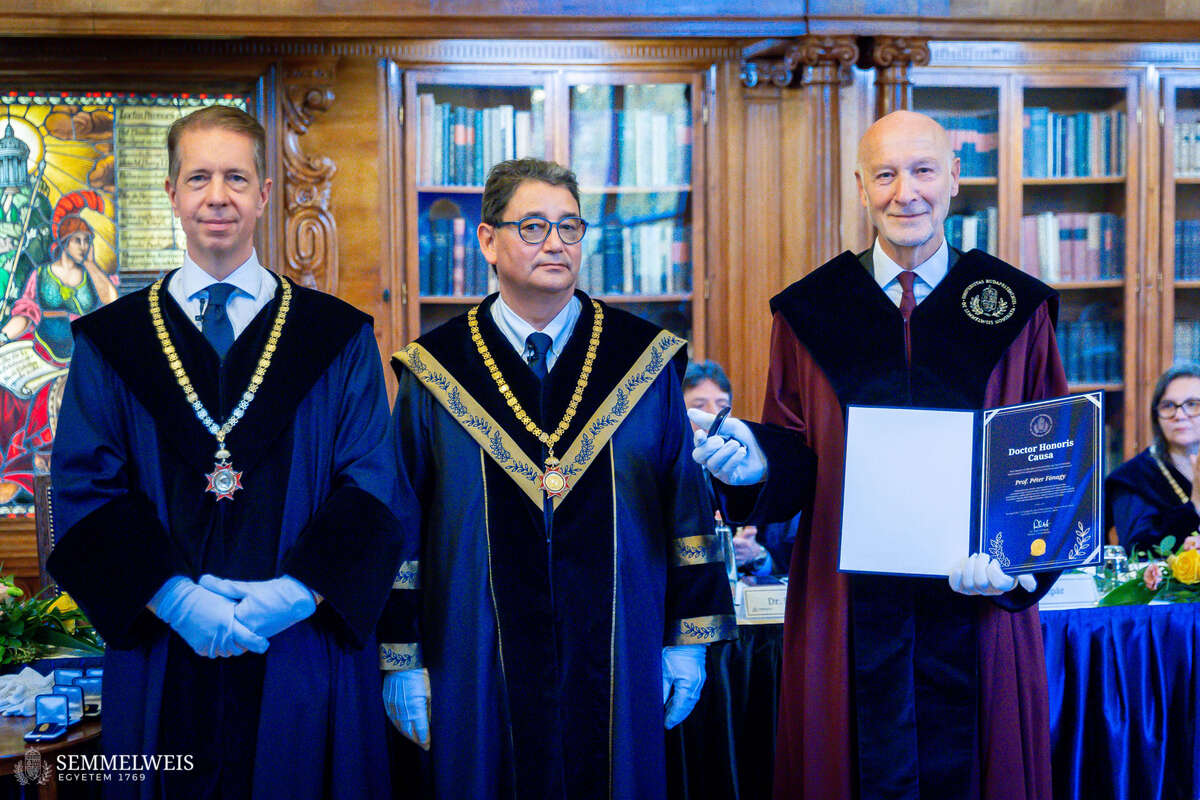
Born in Budapest, Dr. Péter Fónagy has built an exceptional international career in the United Kingdom, where he serves as Professor of Contemporary Psychoanalysis and Developmental Science and as Director of the Division of Psychology and Language Sciences at University College London. Over several decades, he has played a pivotal role in bridging psychoanalysis, attachment theory, developmental science, and evidence-based psychiatry. He has published more than 800 papers and articles (including papers in press), achieving an h-index of 189 according to Google Scholar. He is a Fellow of the British Academy, a Fellow of the Academy of Medical Sciences, an elected External Member of the Hungarian Academy of Sciences (MTA) and was appointed Commander of the Order of the British Empire for his services to the mental health of children and young people. Throughout his career, he has maintained strong professional ties with Hungary; in recent years, he has developed a fruitful collaboration with the Department of Psychiatry and Psychotherapy at Semmelweis University.
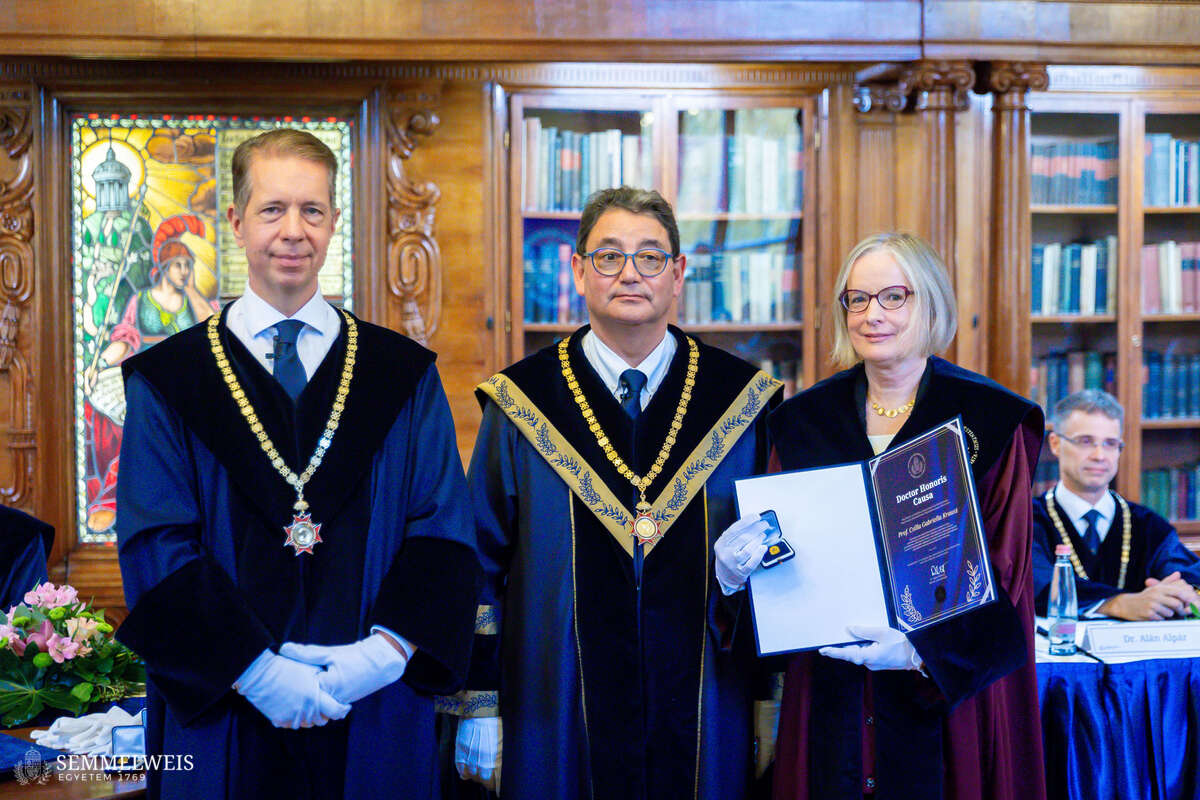
She is one of the world’s leading experts in andrology, reproductive endocrinology, and the genetics of male infertility. Born in Hungary and educated at the University of Florence, she holds qualifications in Endocrinology and doctorates in Human Genetics and Endocrinology. Currently, she is President of the International Society of Andrology, having previously served two consecutive terms as President of the European Academy of Andrology (EAA). Her research has advanced the understanding of the genetic basis of male infertility through the identification of clinically relevant sex chromosome abnormalities, the discovery of novel genes in azoospermia, and contributions to genomic diagnostics, personalized reproductive medicine, and onco-fertility. Her academic output includes more than 180 scientific publications, an h-index of 78, and over 21,000 citations. She has also maintained a close collaboration with Semmelweis University, serving as co-director of the EAA Budapest School and contributing to the Budapest Microsurgery Week and the 2018 European Congress of Andrology in Budapest.
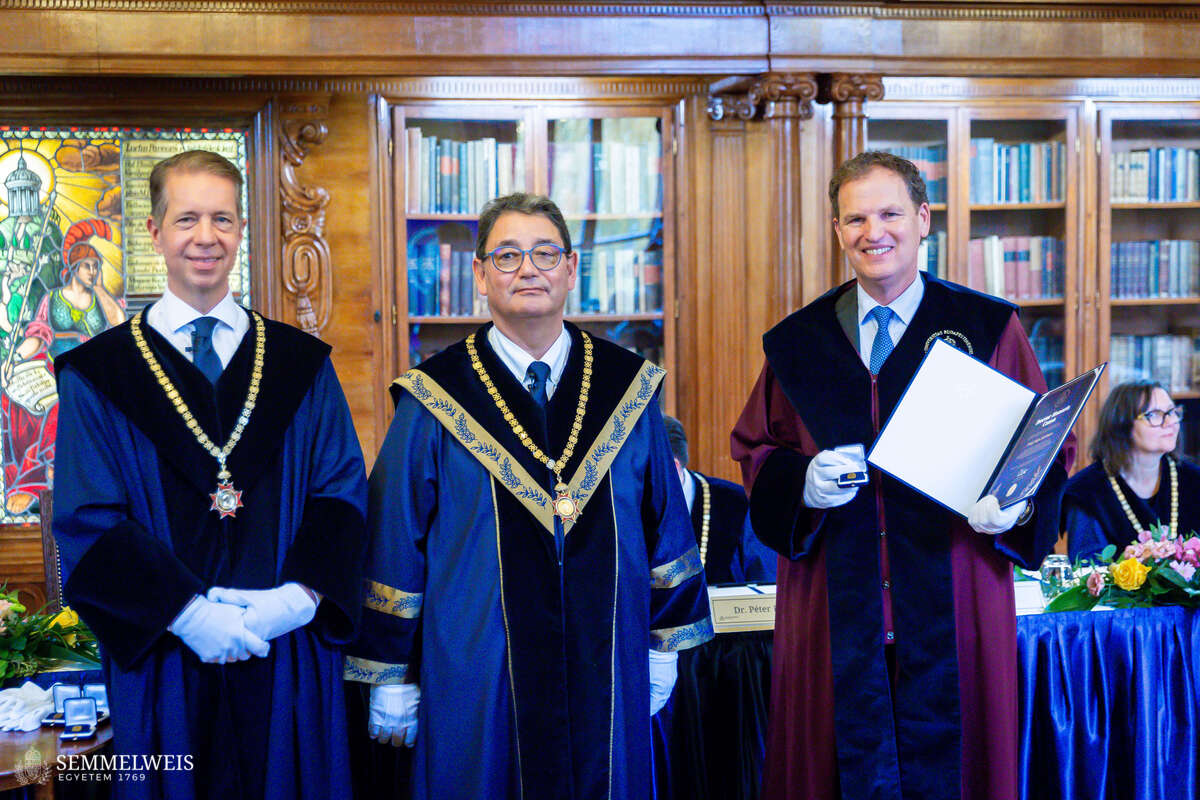
He is a world-renowned clinical rheumatologist and immunologist, whose pioneering work has fundamentally reshaped our understanding and treatment of immune-mediated inflammatory diseases. He currently serves as Vice Principal and Head of the College of Medical, Veterinary and Life Sciences at the University of Glasgow. His career is defined by groundbreaking translational research: He authored the seminal first descriptions of the roles of Interleukin-15 and Interleukin-18 in human pathology, identifying key mechanisms that drive chronic cytokine release in rheumatoid arthritis. His group was the first to define the role of microRNA species in regulating pro-inflammatory pathways in human immune diseases. His work also led directly to the therapeutic approval of major biologic agents – including ustekinumab, guselkumab, secukinumab, and bimekizumab. His scientific output exceeds 720 peer-reviewed publications, yielding an extraordinary h-index of 164 and over 136,500 citations. He was appointed a Commander of the Order of the British Empire (CBE) in 2019 and elected to Academia Europaea.
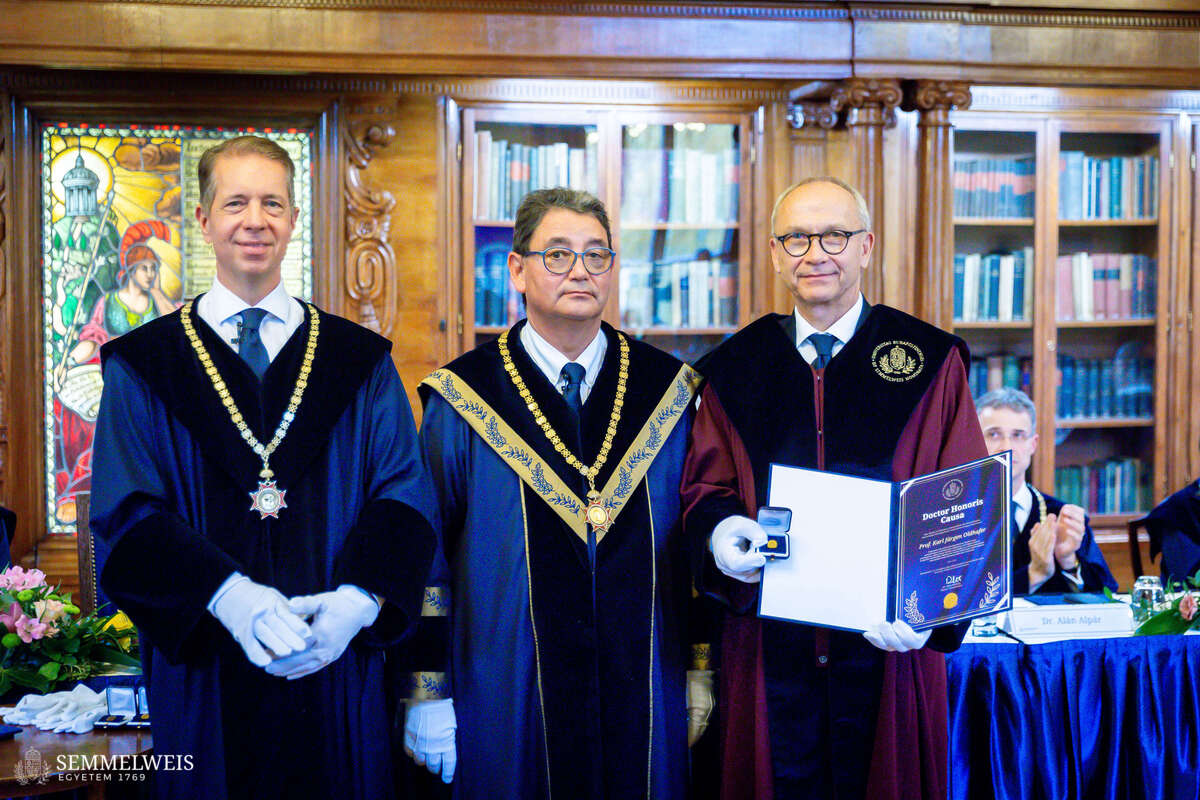
He currently heads the Division of Hepatopancreatobiliary Surgery at Asklepios Hospital Barmbek in Hamburg, having served in leading surgical positions since 2002 and previously as a senior staff member at Hannover Medical School and the University of Essen. His early work focused on transplantation immunology and experimental pathology, and he played a pivotal role in developing liver and kidney transplantation programs and complex hepatobiliary surgery. His scientific contributions have significantly advanced liver transplantation, complex liver surgery, and liver regeneration. His academic output includes more than 300 peer-reviewed publications indexed in PubMed, with his work reflecting a lasting impact on modern surgery. He has received numerous international awards and fellowships, including the European Surgical Fellowship, fellowships in Japan, and prizes for research and surgical innovation, and was elected an Honorary Member of the Surgical Society of Hungary in 2025.
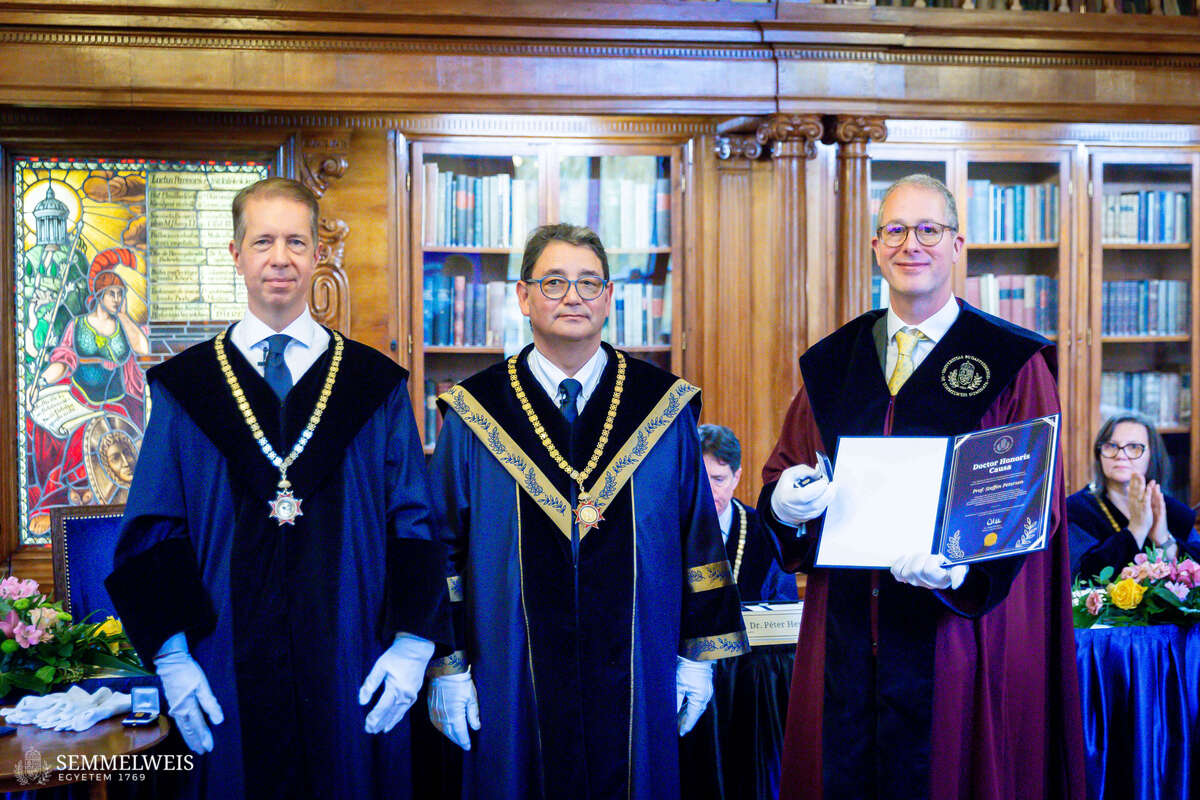
He holds the Chair of Cardiovascular Medicine at the William Harvey Research Institute, Queen Mary University of London, and serves as a Consultant Cardiologist at Barts Heart Centre. With over 25 years of experience in cardiovascular magnetic resonance (CMR), he has been a transformative force in establishing CMR as an indispensable tool in modern cardiology. His contributions to large-scale population imaging are unparalleled. As the UK Biobank cardiac imaging lead, he has pioneered the application of artificial intelligence and machine learning to analyze imaging data at a scale previously unimaginable, opening new frontiers in cardiovascular prevention and precision medicine. In recognition of his outstanding contributions to the field, the Society for Cardiovascular Magnetic Resonance (SCMR) awarded him its Gold Medal in 2025. Having over 880 scientific publications and an h-index of 102, he has also collaborated extensively with Semmelweis University and co-authored numerous peer-reviewed cardiology and cardiac imaging studies with university faculty.
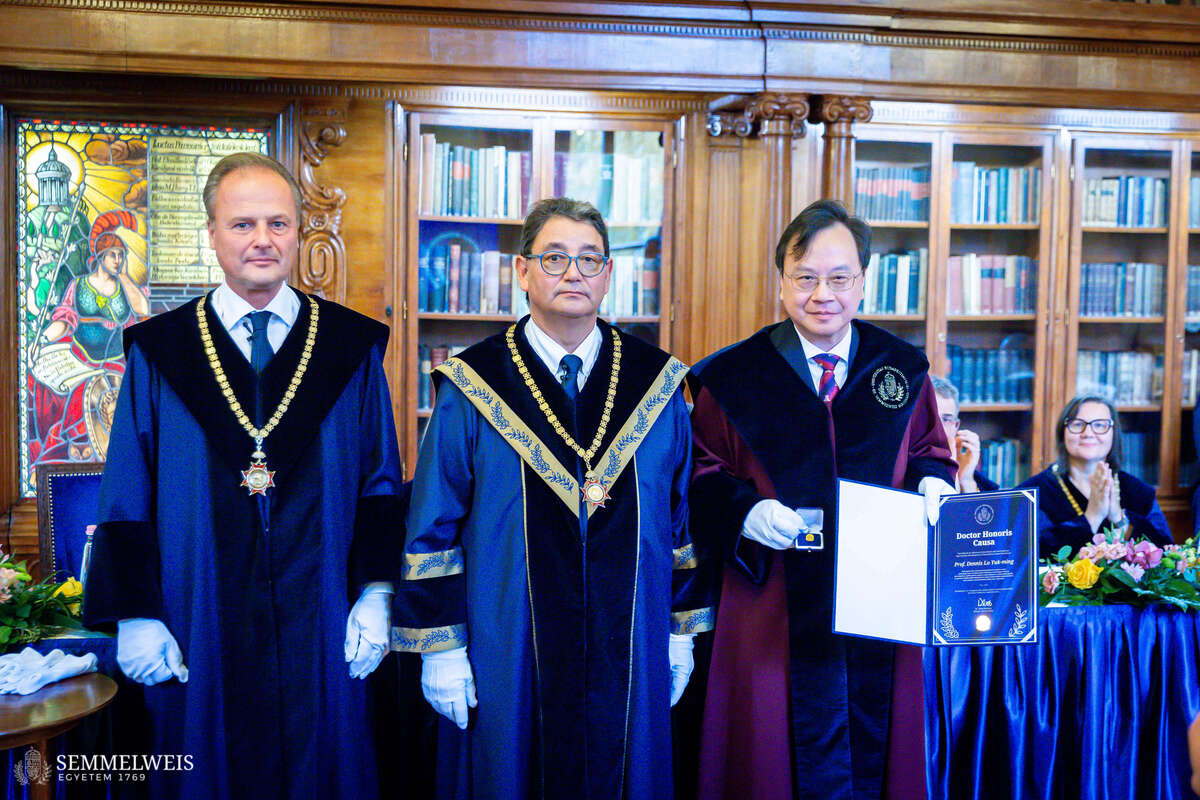
He is currently Vice-Chancellor and President of The Chinese University of Hong Kong (CUHK). He has transformed prenatal medicine, established the field of liquid biopsy, and changed how clinicians diagnose and monitor human disease. His landmark 1997 discovery of cell-free fetal DNA in maternal plasma, published in The Lancet, demonstrated that fetal genetic material can be detected non-invasively from a maternal blood sample. This finding laid the scientific foundation for non-invasive prenatal testing (NIPT), enabling safer and more accurate prenatal screening globally while avoiding the risks of invasive diagnostic procedures. Beyond prenatal care, his discoveries opened new possibilities for early cancer detection, disease monitoring, precision medicine, and personalized healthcare. Through more than 470 scientific publications, an h-index of 123, and over 61,000 citations, he is one of the world’s most influential translational biomedical researchers. In 2022, he received the Lasker–DeBakey Clinical Medical Research Award. Professor Lo has also played a central role in building a bilateral partnership between CUHK and Semmelweis University, facilitating exchanges for over thirty CUHK students as well as numerous Semmelweis students, doctoral candidates, and researchers.
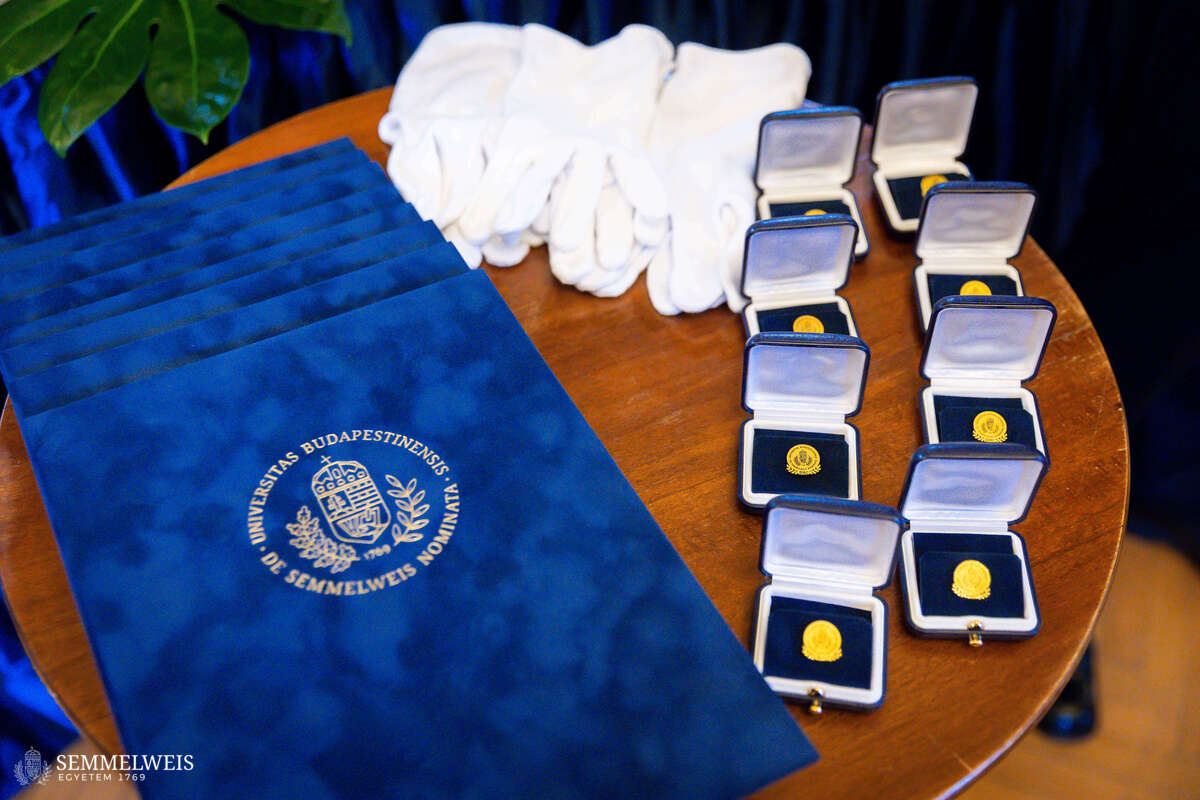
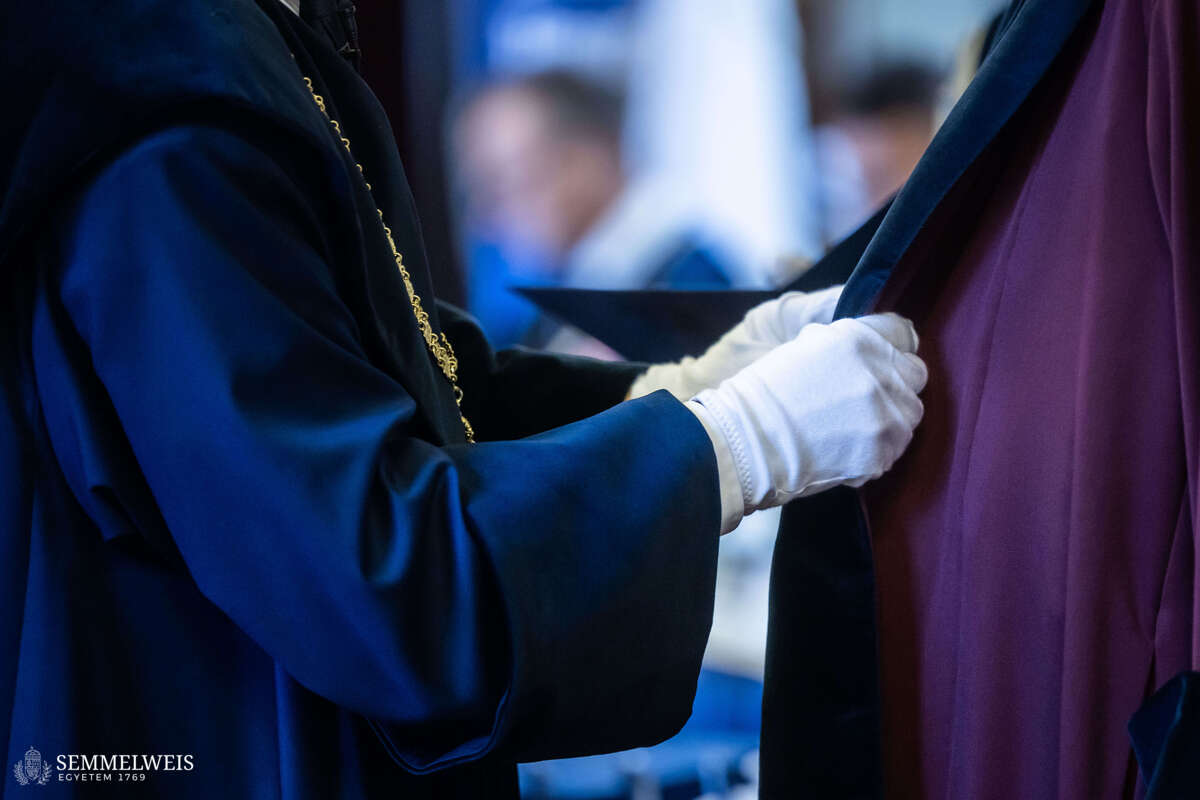
Following the laudatory speeches, Rector Dr. Béla Merkely, Dr. Péter Nyirády, Dean of ÁOK, and Dr. Zoltán Benyó, President of the Doctoral College, presented the recipients with honorary doctoral gowns, doctorate certificates, and pins. The ceremony concluded with heartfelt acceptance speeches.
Gallery

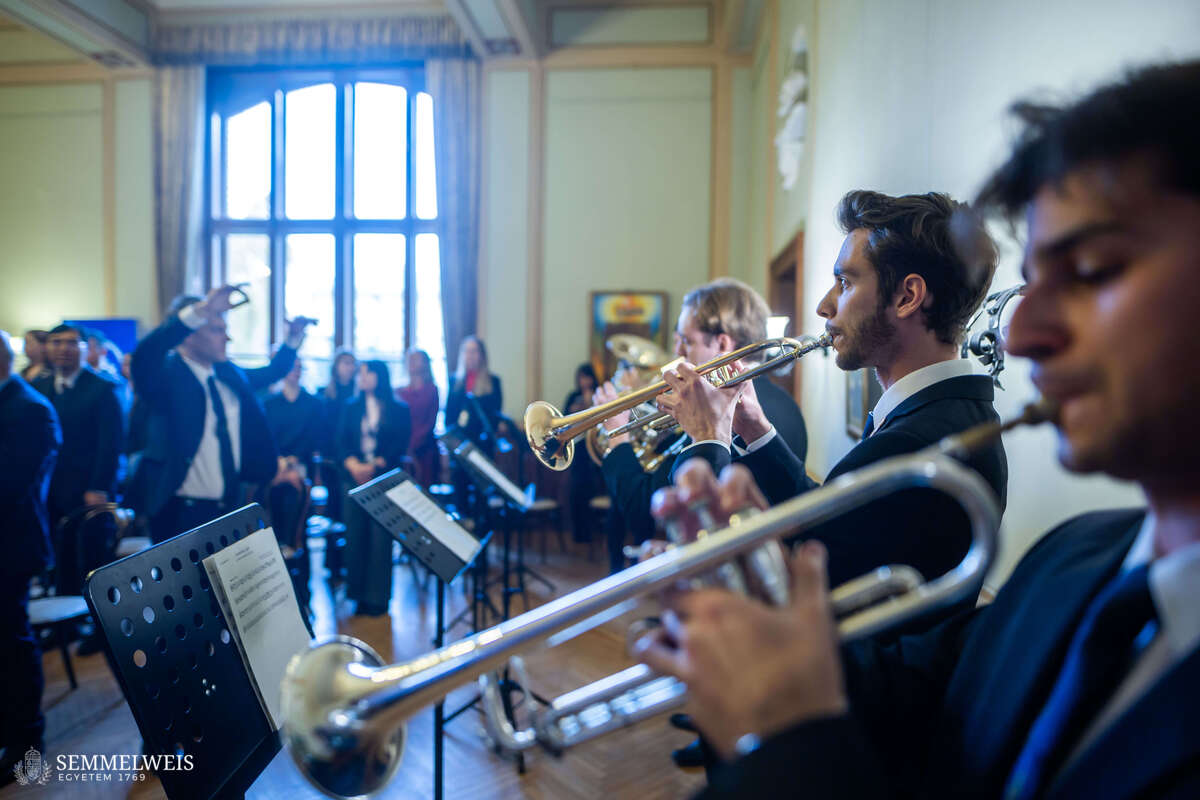

During the ceremony, the Renaissance pieces La Mourisque and Pavane Bataille were performed by the Medic Orchestra’s brass septet.
Dr. Balázs Csizmadia, Judit Dőtsch
Photos by Bálint Barta, Boglárka Zellei – Semmelweis University