Researchers at Semmelweis University analyzed data from 566 women with endometriosis and 447 women without the condition. Using internationally validated questionnaires, they assessed work productivity, absenteeism, and work ability. Women with endometriosis lost an average of 12.7 work hours over a four-week period because of health-related problems, compared with 5.7 hours among women in the control group. Based on the hours missed, the researchers estimated an average annual income loss of €1,757 per affected woman.
 “The impact of endometriosis is not only a health issue but also a major social and economic one. The condition affects women during one of the most active stages of their lives, meaning it can influence employment, career development, and long-term financial security,” said Dr. Dóra Balogh, Assistant Professor in the Department of Obstetrics and Gynecology at Semmelweis University and senior author of the study.
Endometriosis affects about 10% of women of reproductive age worldwide. In this chronic gynecological condition, tissue similar to the lining of the uterus grows outside the uterus, causing chronic pelvic pain, painful periods, fatigue, and, in some cases, infertility. Symptoms often persist for many years before the condition is diagnosed.
The study found that 42% of women with endometriosis had poor work ability, compared with 17.9% of women in the control group.
Poor work ability means that a person’s health makes it harder to perform their job and increases the risk of prolonged work disability or leaving the workforce.
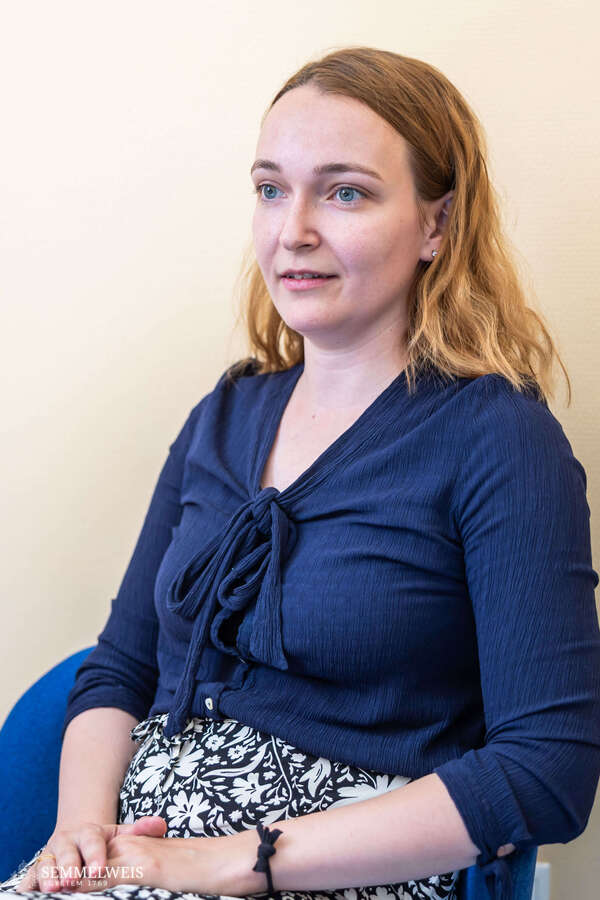 “The most surprising finding was that nearly half of the women with endometriosis fell into this category. Without appropriate support, the condition may not only make day-to-day work more difficult but also threaten women’s ability to remain in the workforce over the long term,” said Dr. Dominika Miklós, a resident physician in the Department of Obstetrics and Gynecology at Semmelweis University and first author of the study.
The researchers also found that many workplaces are not adequately prepared to support employees with endometriosis. Fifty-four percent of respondents said their employer had little or no knowledge of the condition, while only 17% believed their workplace was sufficiently informed about it. Participants said they would most value menstrual leave, flexible work hours, remote or hybrid work options, and greater understanding and support from employers. Some European countries, including Spain and Portugal, already allow menstrual leave under certain circumstances.
Part of a larger research program
The study was conducted as part of the international FEMaLe (Finding Endometriosis with Machine Learning) research program, launched in 2020. At Semmelweis University, the project is led by Dr. Attila Bokor, Associate Professor in the Department of Obstetrics and Gynecology. Its aim is to improve understanding of endometriosis, promote earlier diagnosis, and investigate the health, social, and economic impact of the disease.
This is the first comprehensive study in Central and Eastern Europe to examine the effects of endometriosis on work productivity, work ability, and workplace support simultaneously. Its findings are consistent with studies from Western Europe and Australia, suggesting that the impact of endometriosis on working life is similar across regions.
The researchers conclude that flexible work arrangements and better-informed employers could help women with endometriosis remain in the workforce.
Robert Cseszregi
Photo: Bálint Barta – Semmelweis University