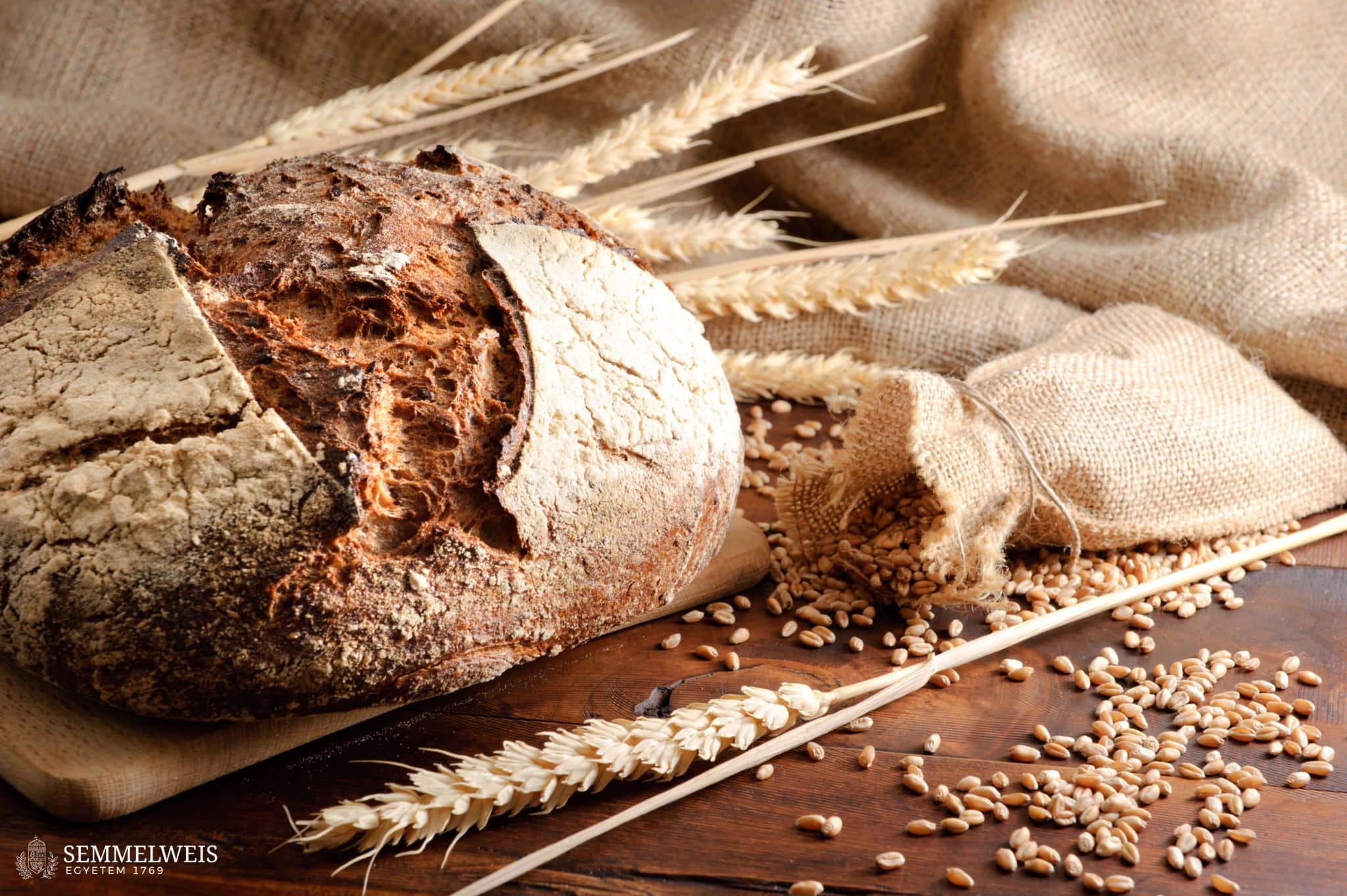
Bread is one of our staple foods, but these days it is also one of the most divisive: Some people eat it with everything, while others see it only as a source of carbohydrates and fear it will make them gain weight. According to Adrienn Szabó, it is worth clarifying, first of all, that from an energy perspective, carbohydrates are essential for humans; according to international recommendations, it is best if the largest proportion of our daily energy needs (40-60 percent) comes from carbohydrates.
Secondly, it is important to know that what causes weight gain is not carbohydrates themselves but the regular intake of more energy than our daily needs. Hungarians, however, tend to consume excessive amounts of fat rather than of carbohydrates.
Bread is not simply a carbohydrate like sugar; it contains micronutrients such as zinc, selenium, magnesium, and B vitamins, and it is also a very significant source of fiber and plant-based protein.
However, this is primarily true of wholegrain varieties. According to Hungarian regulations, the term “wholegrain” applies not only to products made from 100 percent whole grains but also to those containing at least 60 percent wholegrain flour (meaning that both the bran and the germ of the grain are present), adds Adrienn Szabó.
Whole grains – and thus the bread made from them – have been proven to play a role in reducing the risk of lifestyle-related diseases such as metabolic syndrome, high blood pressure, type 2 diabetes, cardiovascular disease, and colorectal cancer.
For this reason, it may be worthwhile to eat wholegrain bread several times a day.
 The Semmelweis University dietitian emphasizes that the ingredients of bread are far more important than the method used to make it, since clinical studies have shown that it is the quality of the grain – not the method of preparation – that is responsible for the beneficial effects. Sourdough versions are indeed healthier (since during the sourdough fermentation process, certain components become easier to digest and certain micronutrients more readily bioavailable) than yeast bread made using a rapid-rise process, which is typically full of additives. However, if the question is which is healthier – a simple yeast-leavened or a sourdough bread – the answer is whichever contains a higher proportion of wholegrain flour and is free of artificial additives. It is good to know that “half-brown” bread does not contain 50 percent wholegrain flour; instead, it is made almost entirely from semi-white wheat flour.
Adrienn Szabó recommends trying as many different types of wholegrain bread as possible – such as those made from rye, spelt, or emmer wheat – because their micronutrient profiles vary slightly.
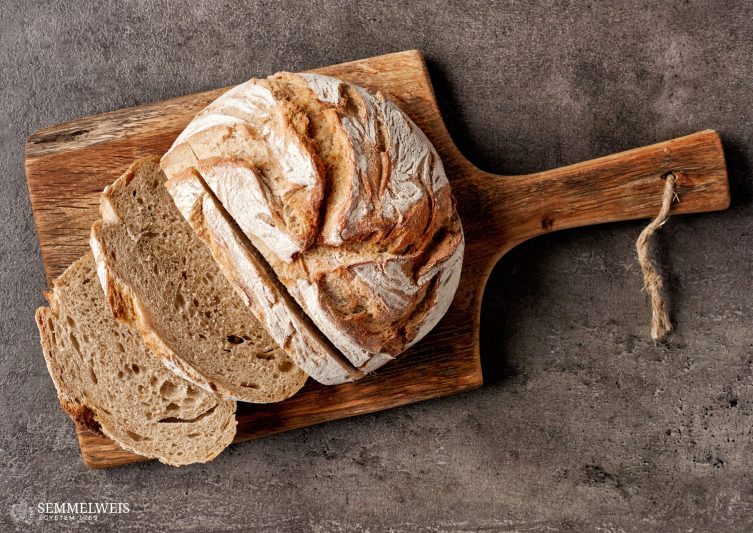 We can also make our diet more varied and healthier by treating bread as the literal foundation of our meals. For example, we could spread cottage cheese with fresh herbs on a slice of bread and eat it with peppers and tomatoes or pair the bread with mackerel – which is high in omega-3s – instead of having a slice of baloney and fatty cheese between two thick slices of white bread for dinner, which is typical in Hungary.
Adrienn Szabó draws attention to another important aspect of bread consumption: Don’t throw away leftover bread, freeze it instead! This is worth considering, especially since the majority of food waste in Hungary comes from bread. Freezing is the healthier choice compared to long-life bread, which also contains many additives, the dietitian notes.
Fears concerning whole grains are unfounded
Although there is a great deal of clear scientific evidence supporting the health benefits of consuming whole grains, a lot of misinformation is still circulating about “pesticide residues and mycotoxins.” It is therefore important to emphasize that milling technologies and grain inspection methods have advanced significantly over the past decades, and levels of potentially harmful substances in products on the market are strictly regulated. One major reason for the spread of misinformation is that many people base their claims on results that are not from proper human clinical trials.
Éva Haiman
Translation: Dr. Balázs Csizmadia
Photo by Attila Kleb; illustration: iStock – symbiot, Magone