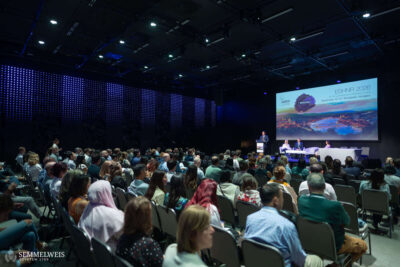
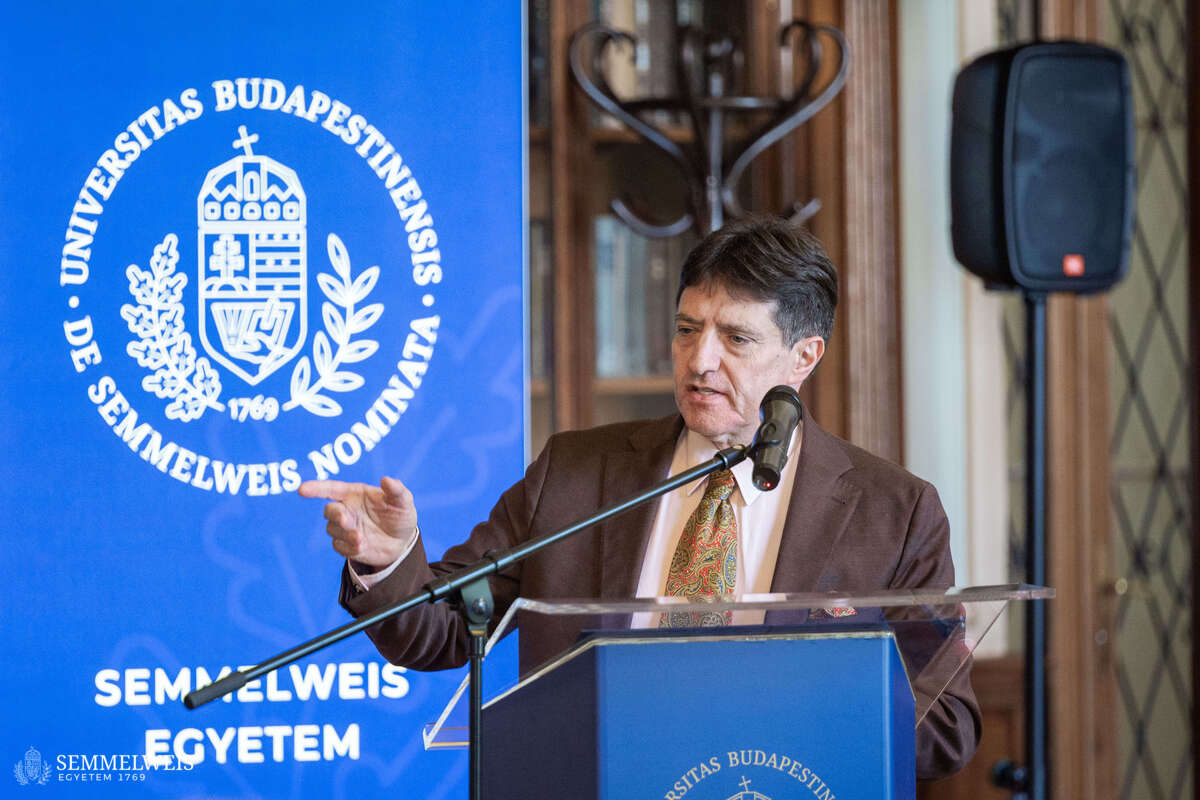
“In 2019, we were the first in Hungary – and surprisingly, still the only one – to transform the medical school curriculum to make education more practice-oriented, introducing the clinical block teaching in the 4th and 5th years, a training format common in Europe. Curriculum 1.0 and later the revised and fine-tuned Curriculum 2.0 were the university’s largest educational development undertakings, with social impact that extends far beyond our institution’s internal structural changes,” said Dr. Béla Merkely, Rector of Semmelweis University, at the Curriculum 2.0 Symposium evaluating the teaching methodology reforms.
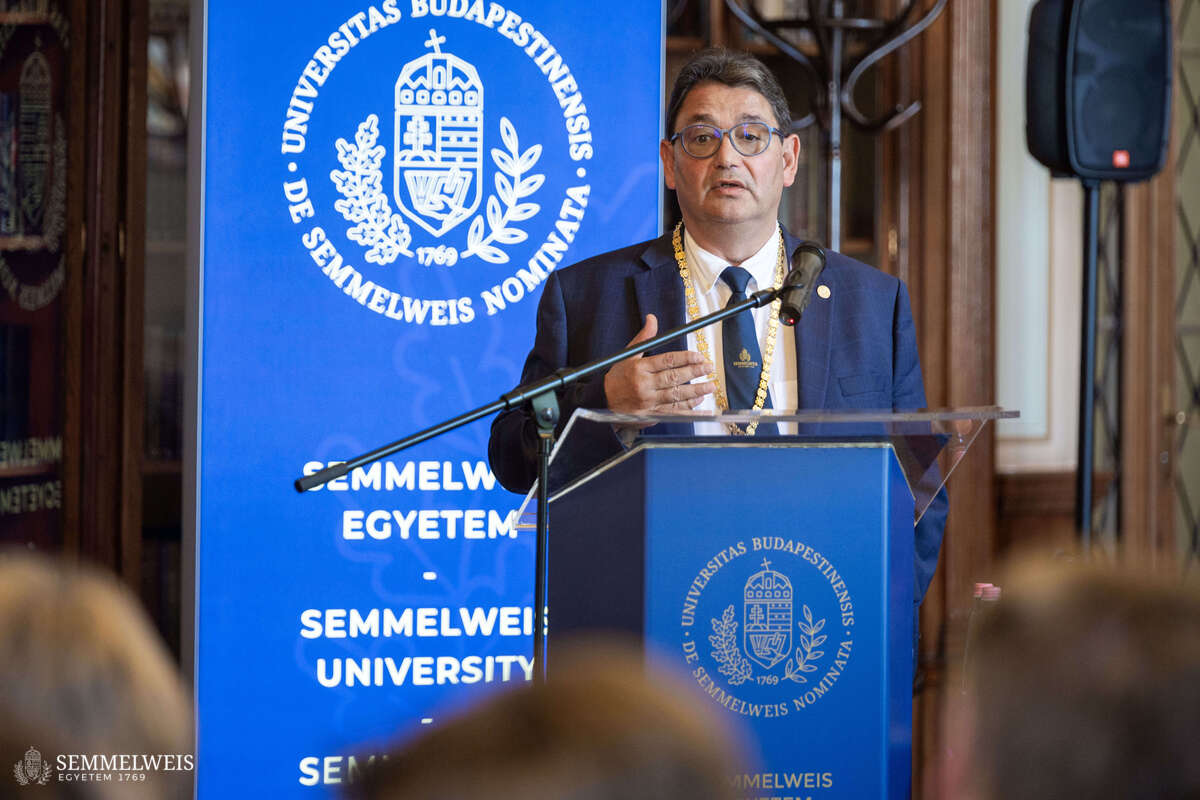 He recalled that all of the university’s faculties and clinics had later joined the reform process launched in 2018. The faculty working groups reviewed the foundational knowledge, practical skills, attitudes and professional identities that they wanted to impart to students at Semmelweis University. According to the rector, this process brought together university community members – theoretical instructors, clinicians, and students – more than ever before.
During the curriculum reform, approximately 2,300 courses underwent comprehensive review. They examined the entire scope of training programs, identified overlaps and gaps, clarified learning outcomes, revised prerequisite requirements, modernized assessment methods, and reconsidered the entire organization of education, the rector reported. Nearly 200 new courses were introduced, while the same number were eliminated or integrated. In more than 200 cases, the ratio of practical to theoretical classes changed, and in many programs, credit allocation and assessment formats were also modified, the rector explained.
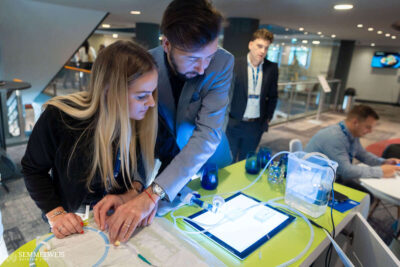
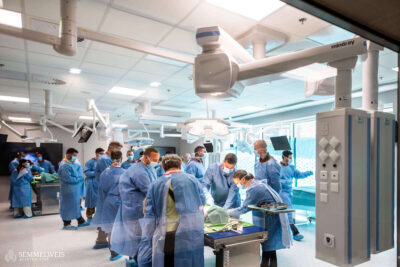
“We believe that the healers of the future can only prepare for the bedside at the bedside,” said Dr. Béla Merkely, referencing the reform’s motto, a quote by Lajos Markusovszky, one of the architects of modern Hungarian medical education. He added that this is why they increased the role of skill-development exercises, placed greater emphasis on seminar work, small-group teaching, and supporting reflective learning, and increased the role of summer internships and student involvement in clinical work. The broader application of more objective, competency-based assessment systems is also being prepared. Although the 2024-2025 academic year was began with curricula aligned with Curriculum 2.0, this symposium aimed to foster joint thinking about the next steps – namely, Curriculum 2.1 – necessitated by the evolution of scientific fields, the transformation of healthcare, and the rise of artificial intelligence, emphasized Dr. Béla Merkely.
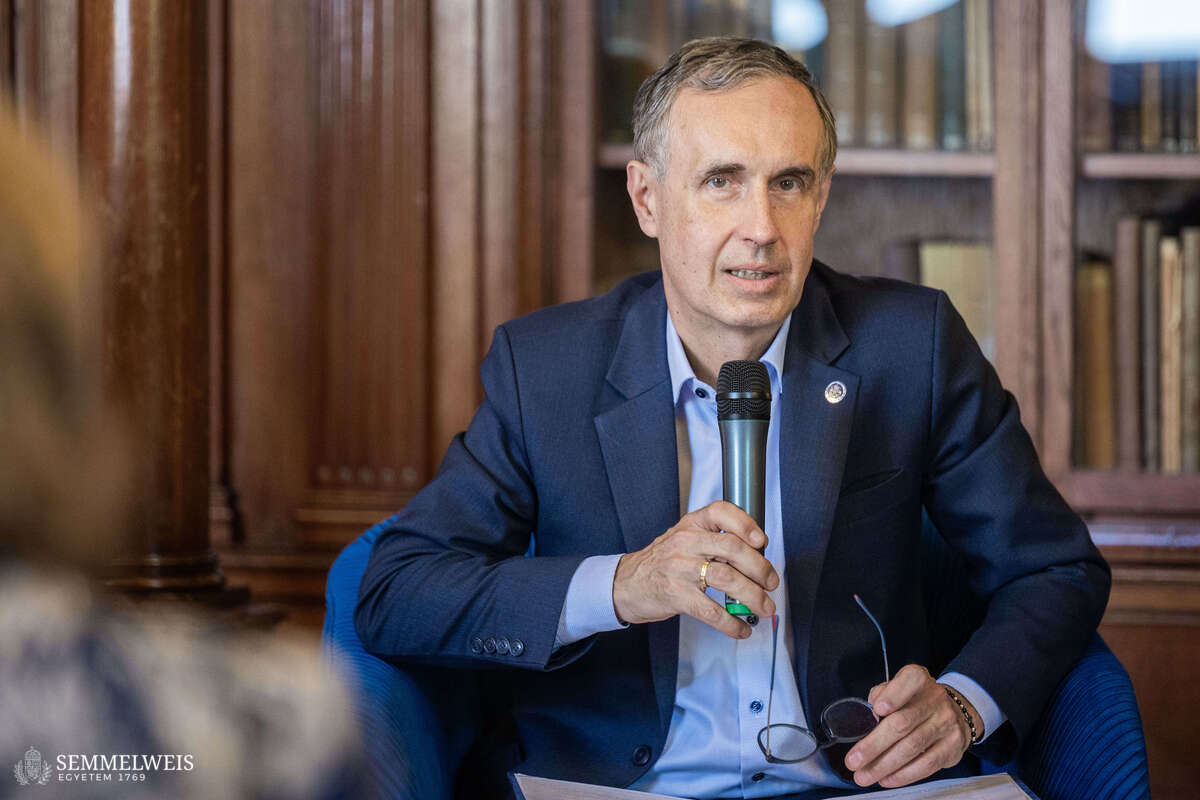 Dr. Attila Szabó, Vice-Rector for Clinical Affairs and President of the Clinical Center, highlighted another aspect of the curriculum reform: In recent years, joining university education has also meant a significant change for integrated institutions, especially due to the practice-oriented focus of the renewed curricula. According to him, establishing the conditions for clinical work for students by introducing a system of compensation within the framework of a healthcare service employment resulted in a significant improvement in efficiency and motivation.
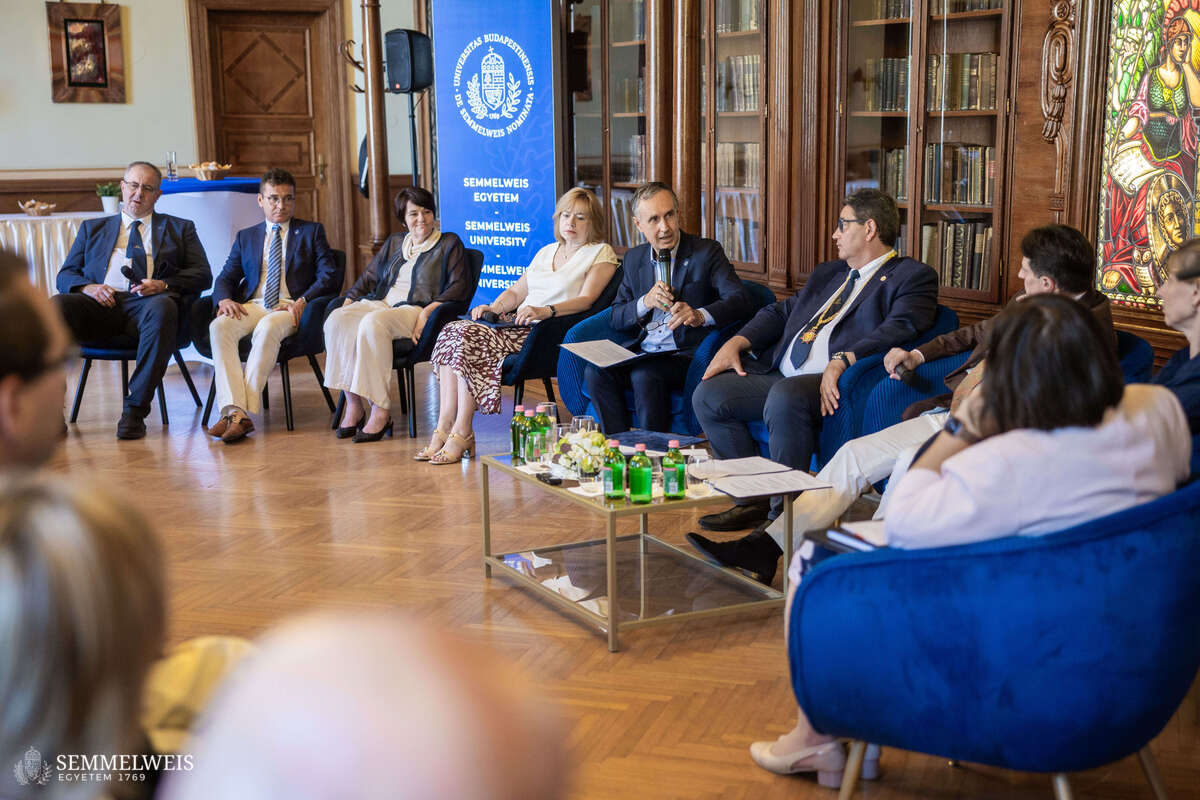
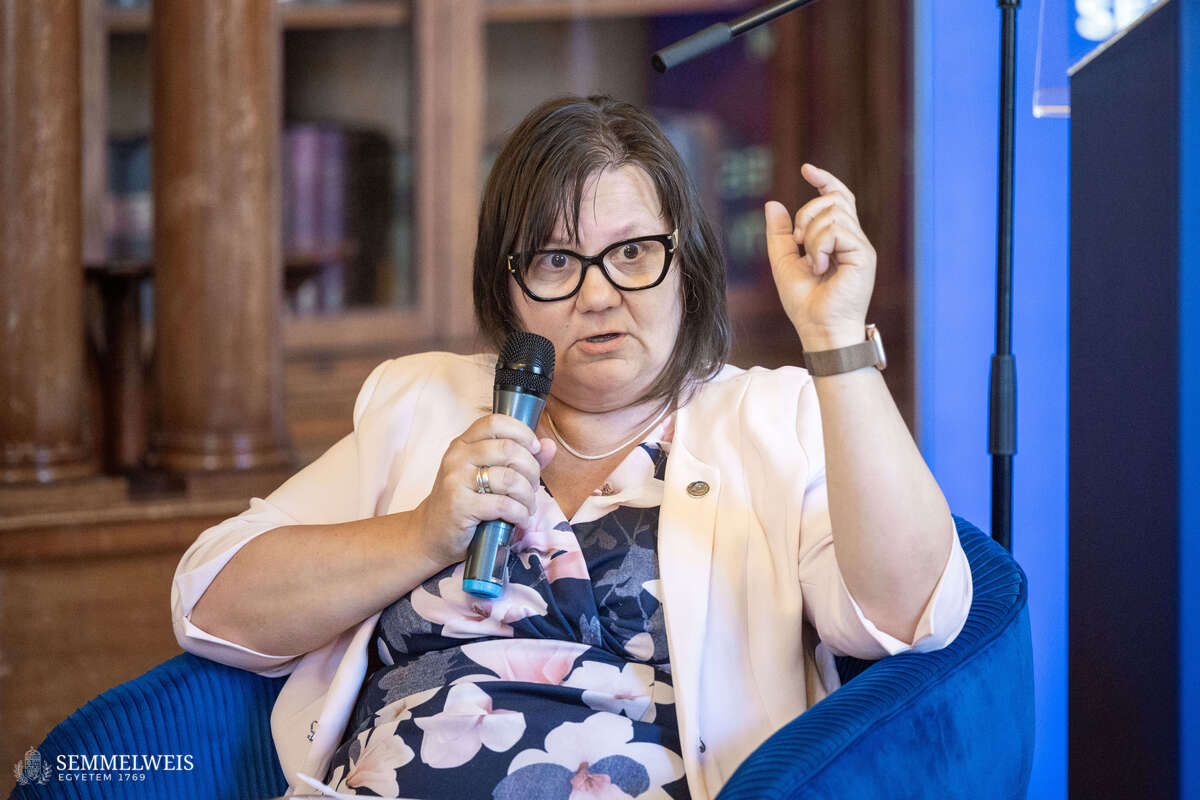
At the symposium, faculty leaders shared their experiences in a roundtable discussion. Dr Veronika Müller, Vice-Dean of the Faculty of Medicine (ÁOK), highlighted the three-part division of the curriculum into preclinical-theoretical, technical and clinical-practical components among the results. She also discussed the restructuring of the summer internship system, which enables students to gain valuable experience.
“Dental education was already specialized and highly practice-oriented from the beginning, but both curriculum reforms brought innovations to the training, both because of technological progress – including digital dental design, new tools, materials, and procedures – and because of the changes in population. As a result, we introduced the subject gerostomatology and placed greater emphasis on seminar-based teaching,” highlighted Dr. Gábor Gerber, Dean of the Faculty of Dentistry (FOK).
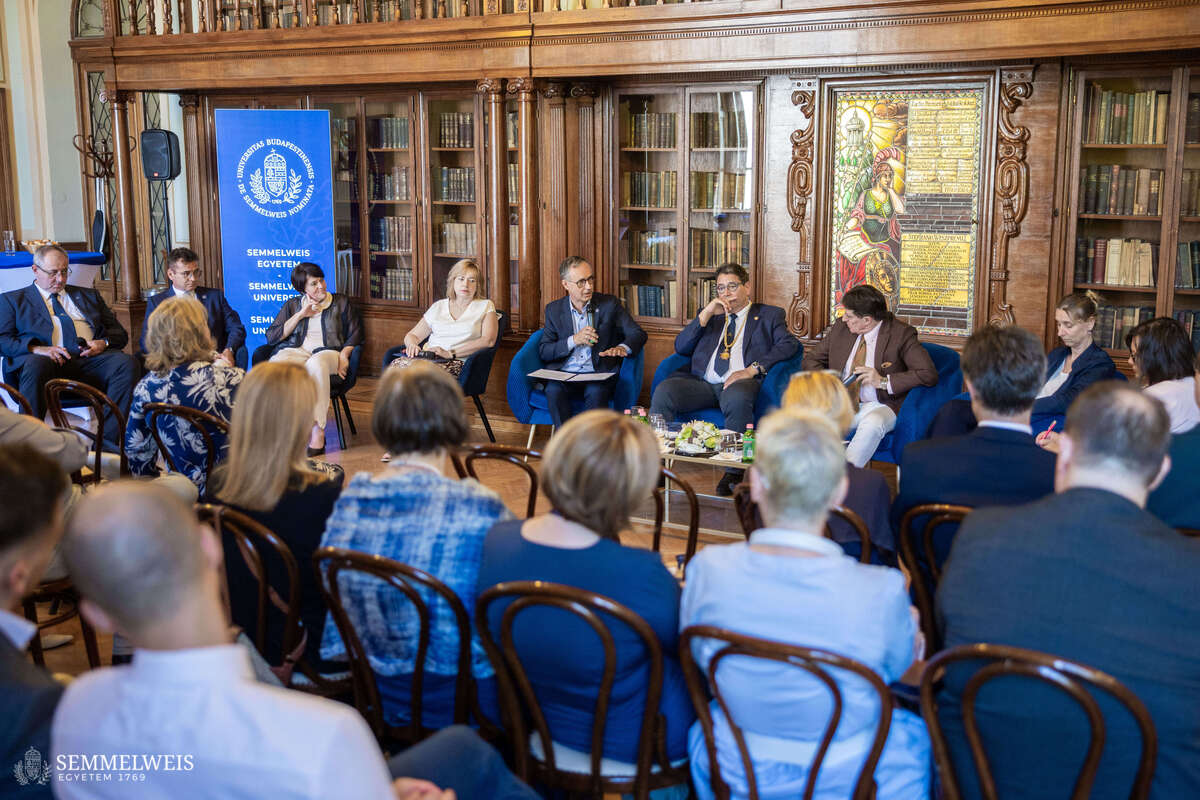
“The curriculum reform had great significance for the Faculty of Pharmaceutical Sciences (GYTK): It provided an opportunity to adapt the curriculum to today’s requirements and make it more practice-oriented, including transforming the final exam into a modular format, reducing dropout rates,” emphasized Dean Dr. István Antal. He mentioned that the foundational training materials and assessments had been restructured so that the scope of the most important content could expand.
At the Faculty of Health Sciences (ETK), it was necessary to review and transform a total of 33 curricula across 11 BSc, 5 MSc, and 2 specialized programs offered in both full-time and part-time formats, in order to reduce dropout rates and strengthen practical training. “We then made approximately 1,500 modifications, and the results are confirmed by data from the Educational Authority (OH),” said Dean Dr. Gabriella Dörnyei Bednárikné, illustrating the scale of the challenge.
Dr. Beáta Dávid, Dean of the Faculty of Health and Public Administration (EKK), said that continuous content review was not uncommon to her faculty’s programs. However, she noted that a significant challenge ahead would be to better leverage the educational synergies found in the syllabi of the three institutes operating there.
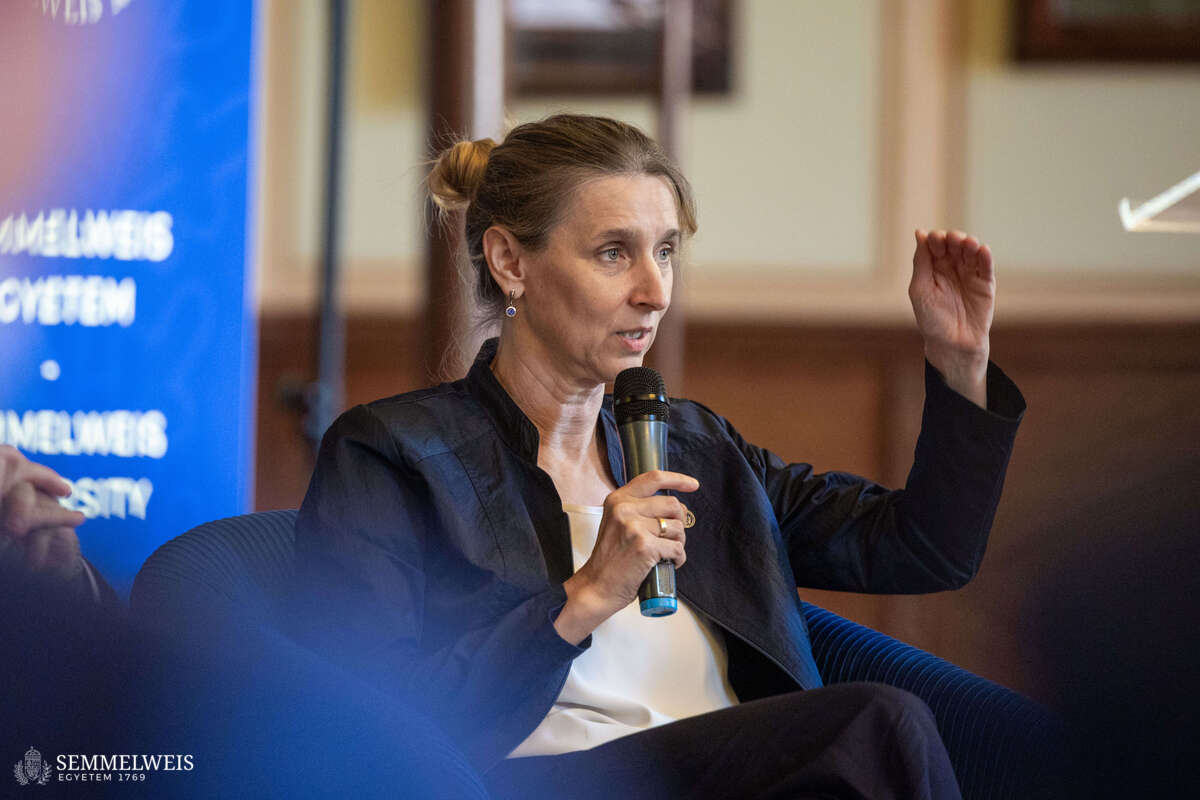
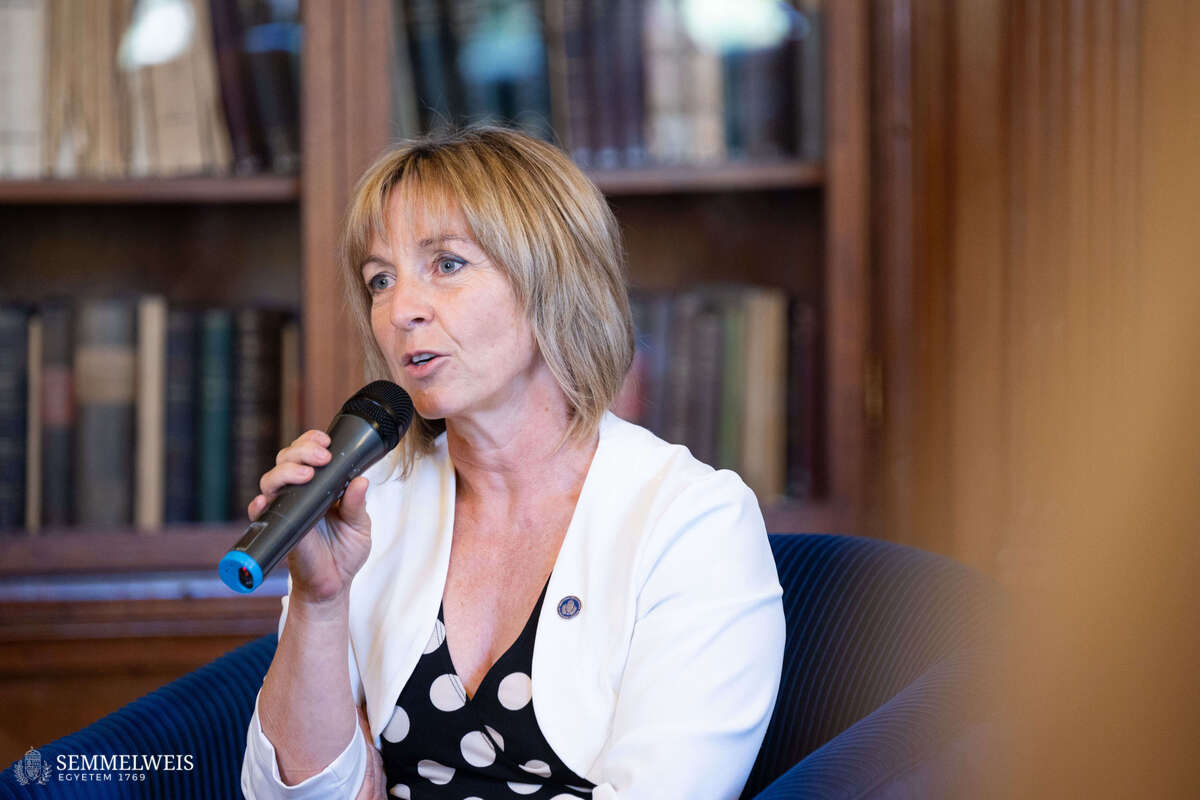
Since joining Semmelweis University in 2017, the András Pető Faculty (PAK) has undergone significant changes in curriculum, infrastructure, HR, and its research and education portfolio, said Dean Dr. Andrea Zsebe. According to her, due to the specific nature of their training, the main task in recent years was not to increase practice-orientation, but to adapt the curriculum to generational characteristics and strengthen students’ commitment to helping work. Among future tasks, she mentioned enhancing the competitiveness of the program, primarily through collaborations with international training sites that can provide the practical field needed for theoretical education combined with clinical work.
Gallery
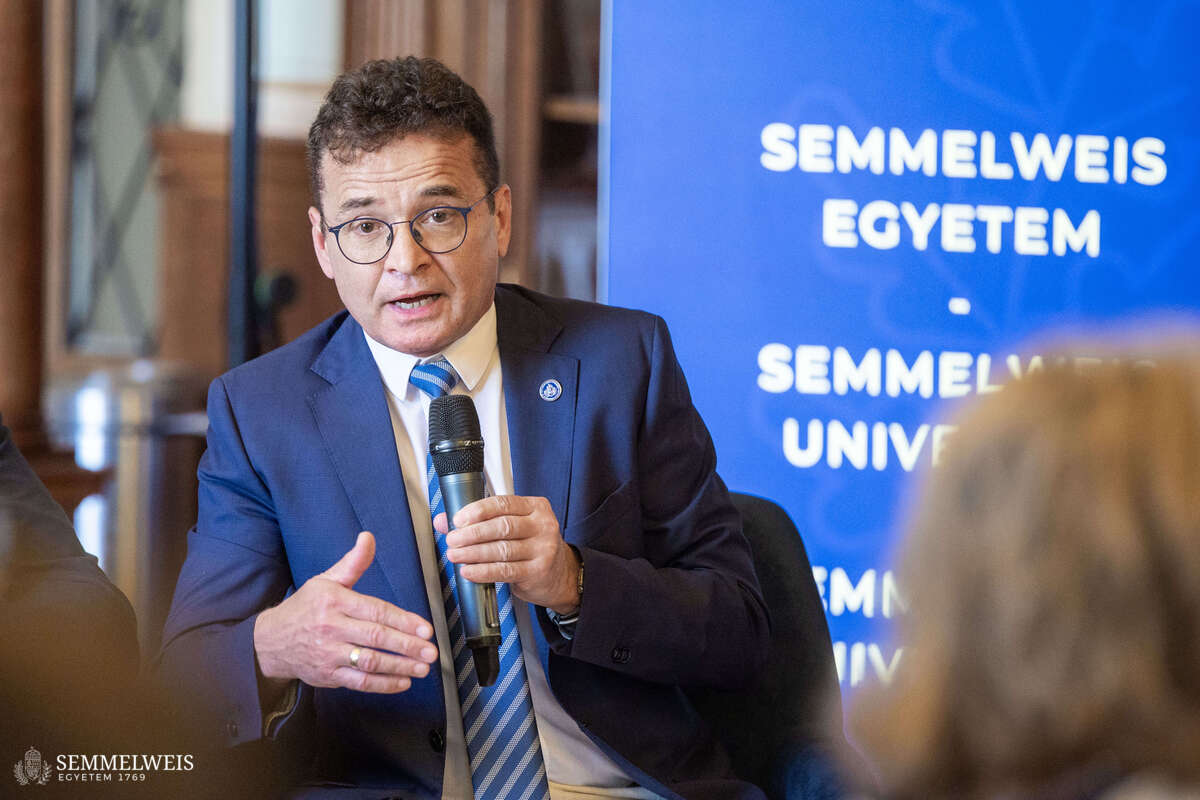
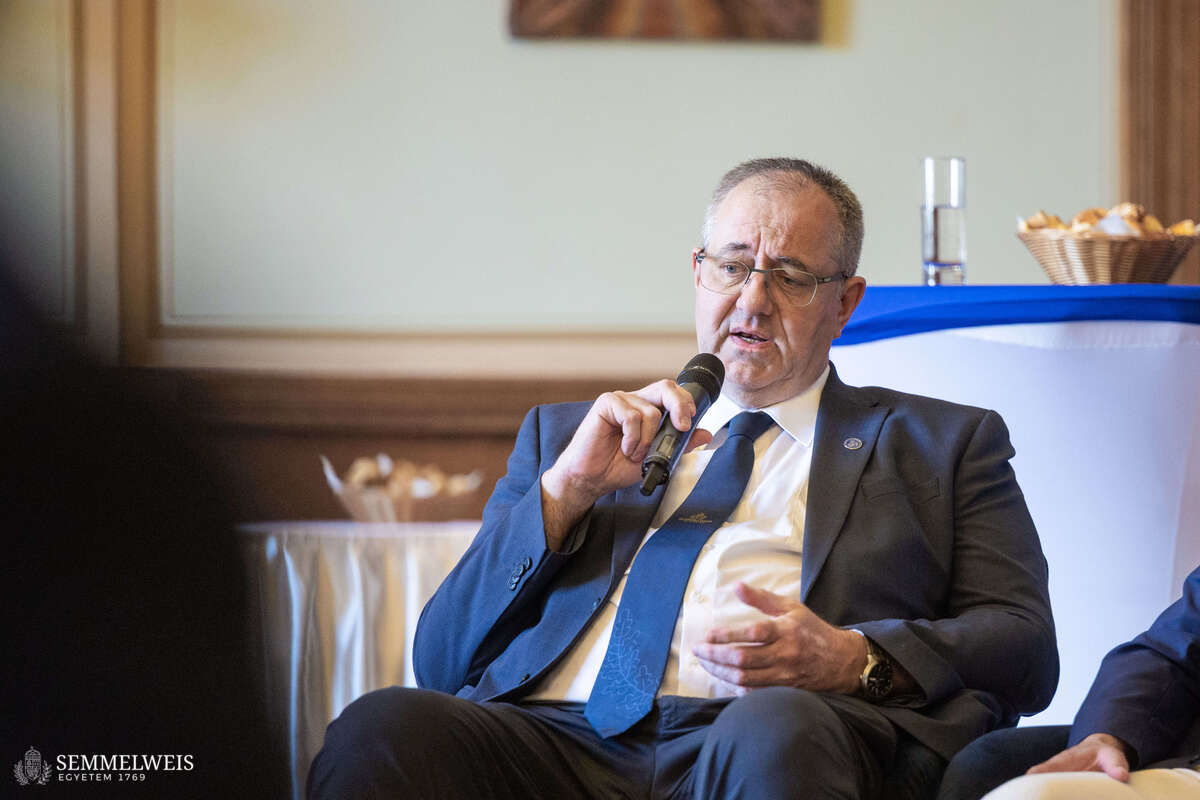
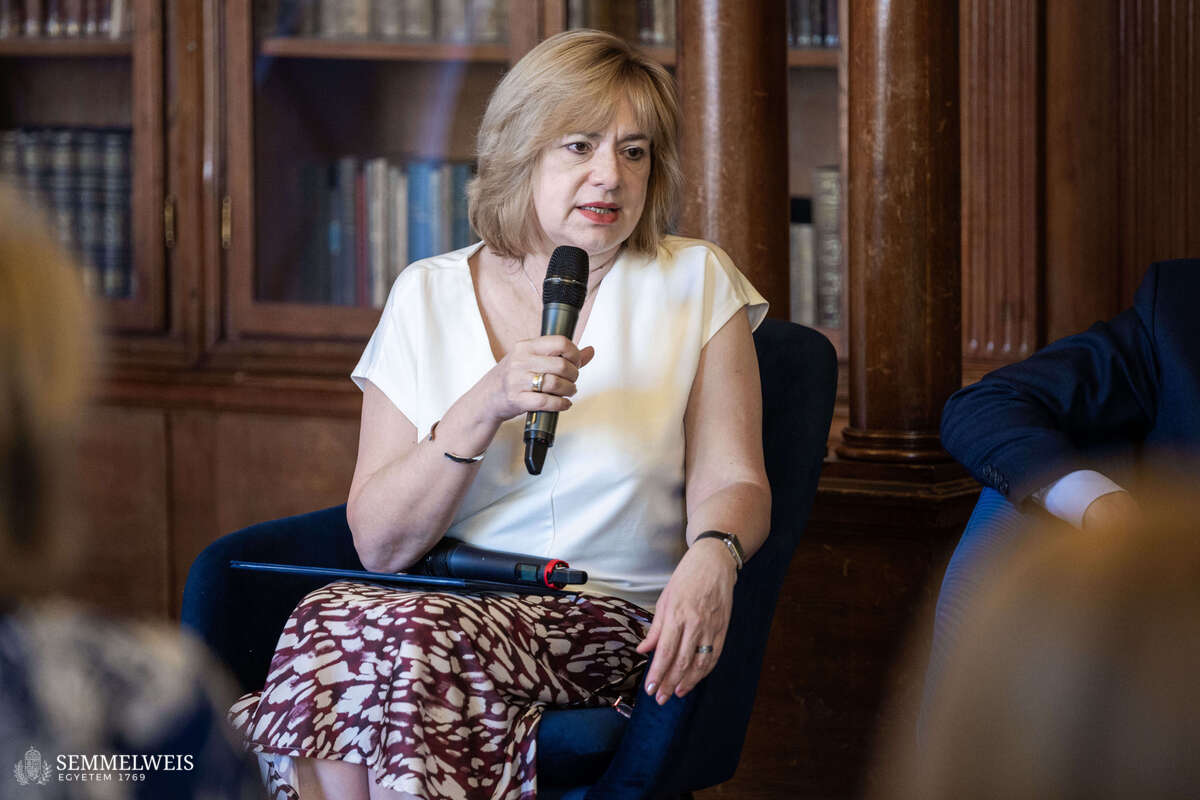
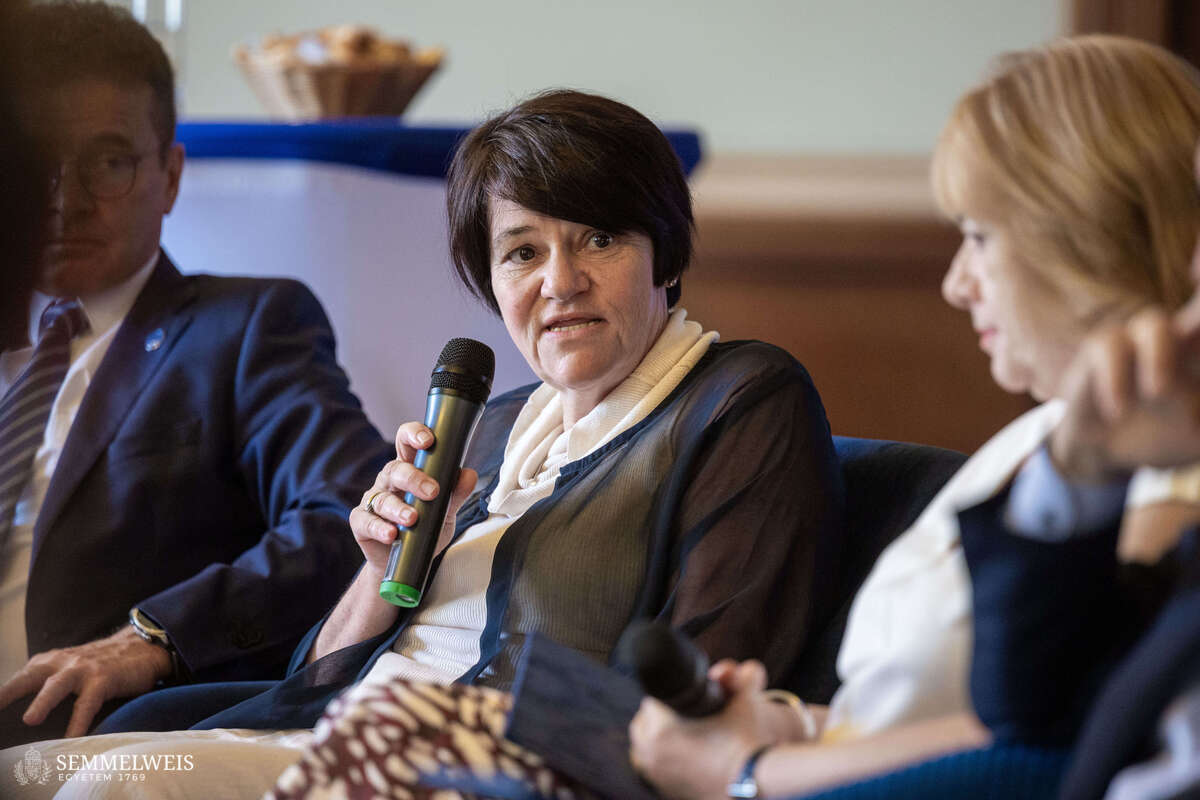
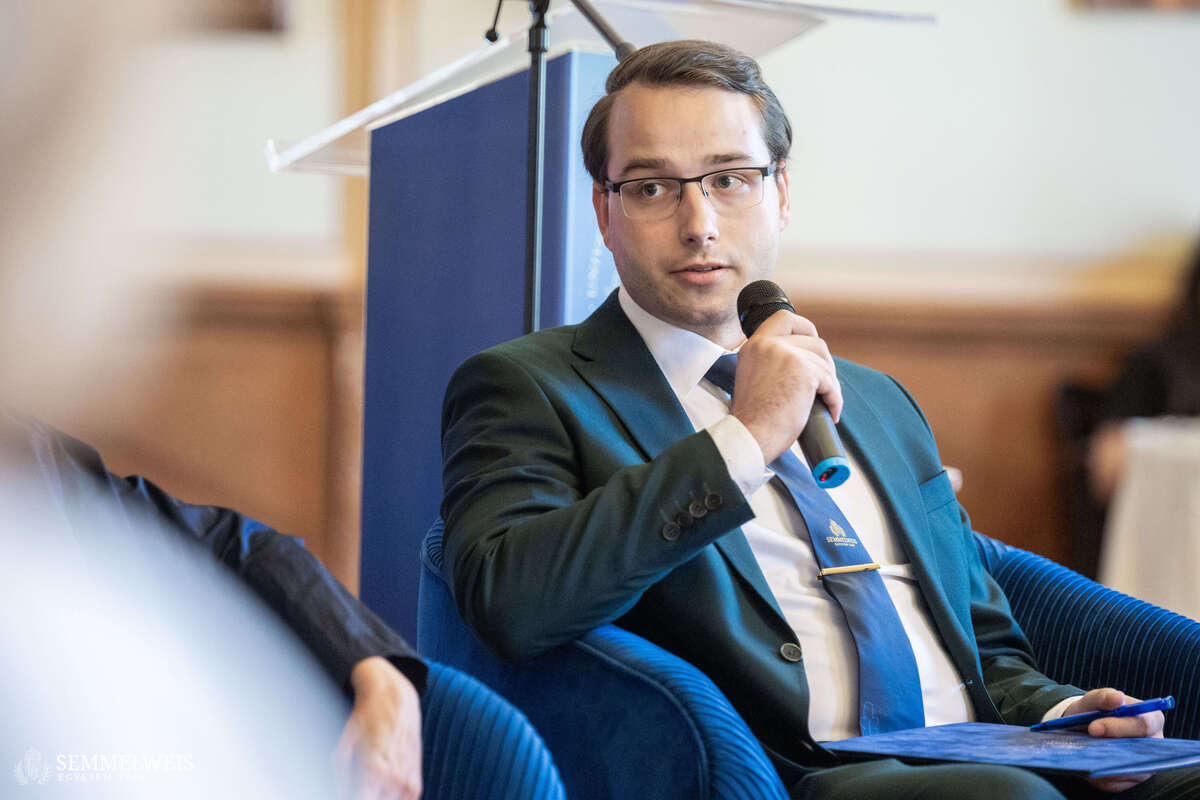
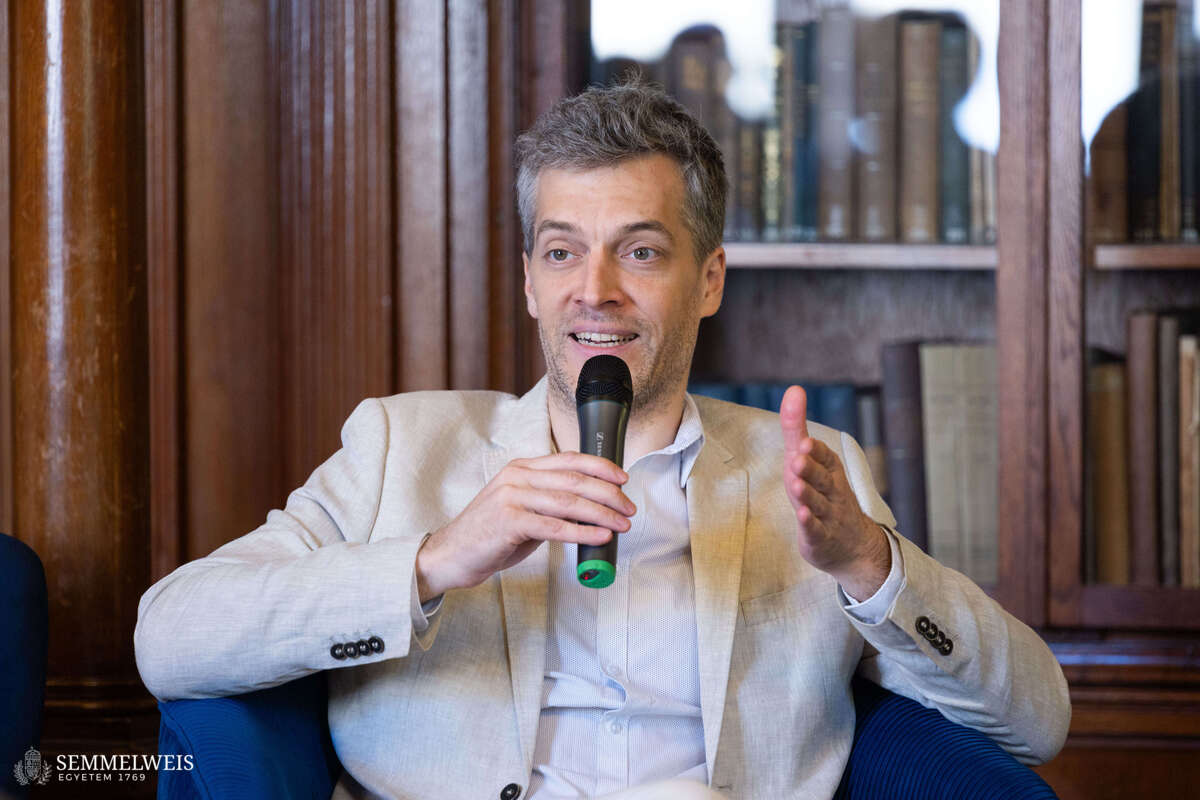
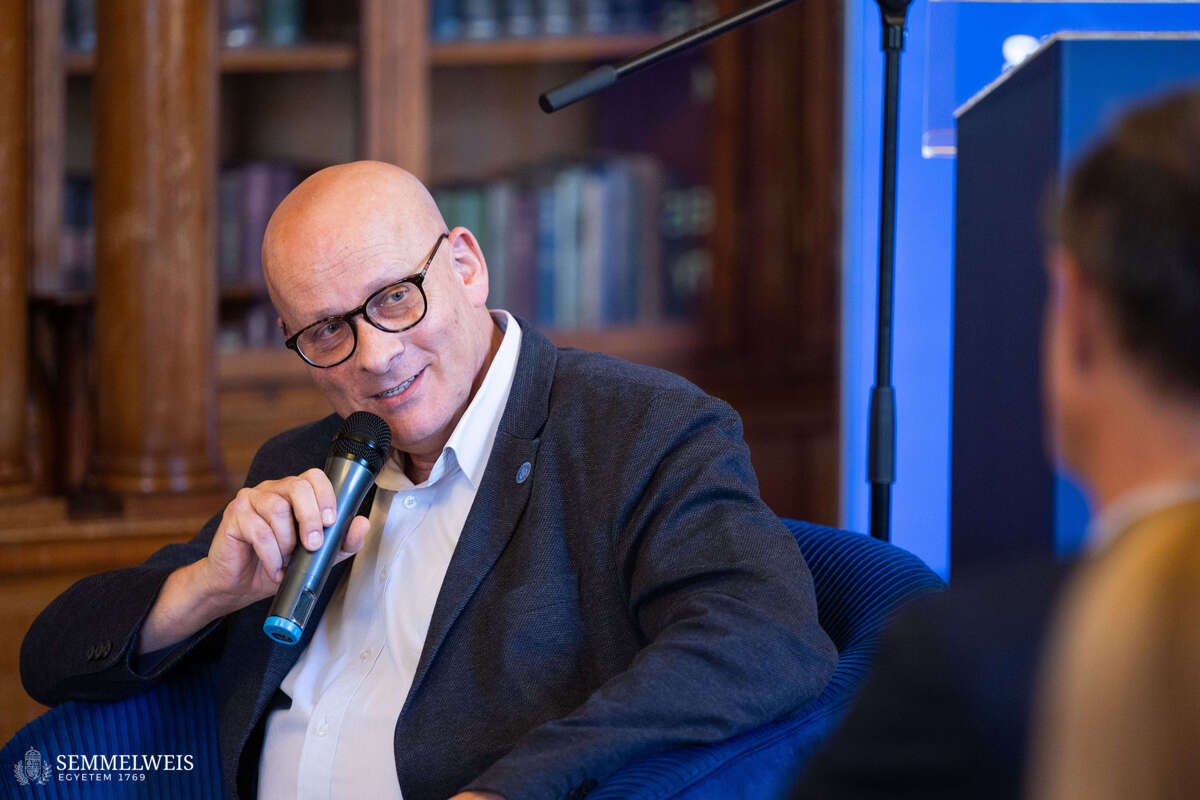
“Students can feel the university’s clear intention to consider generational differences in order to make the curriculum more accessible. Alongside the introduction of rationalized class hours, integrating the use of artificial intelligence into training is a very progressive step,” said Richárd Imre Nagy, President of the Students’ Union (HÖK).
Symposium participants received an overview of the most important changes in doctoral education – including the cooperative doctoral training system introduced last year, the research excellence doctoral program, and the conditions for transferability between doctoral programs – presented by Dr. Gabriella Dörnyei Bednárikné, Chair of the Doctoral College’s Academic and Credit Transfer Committee.
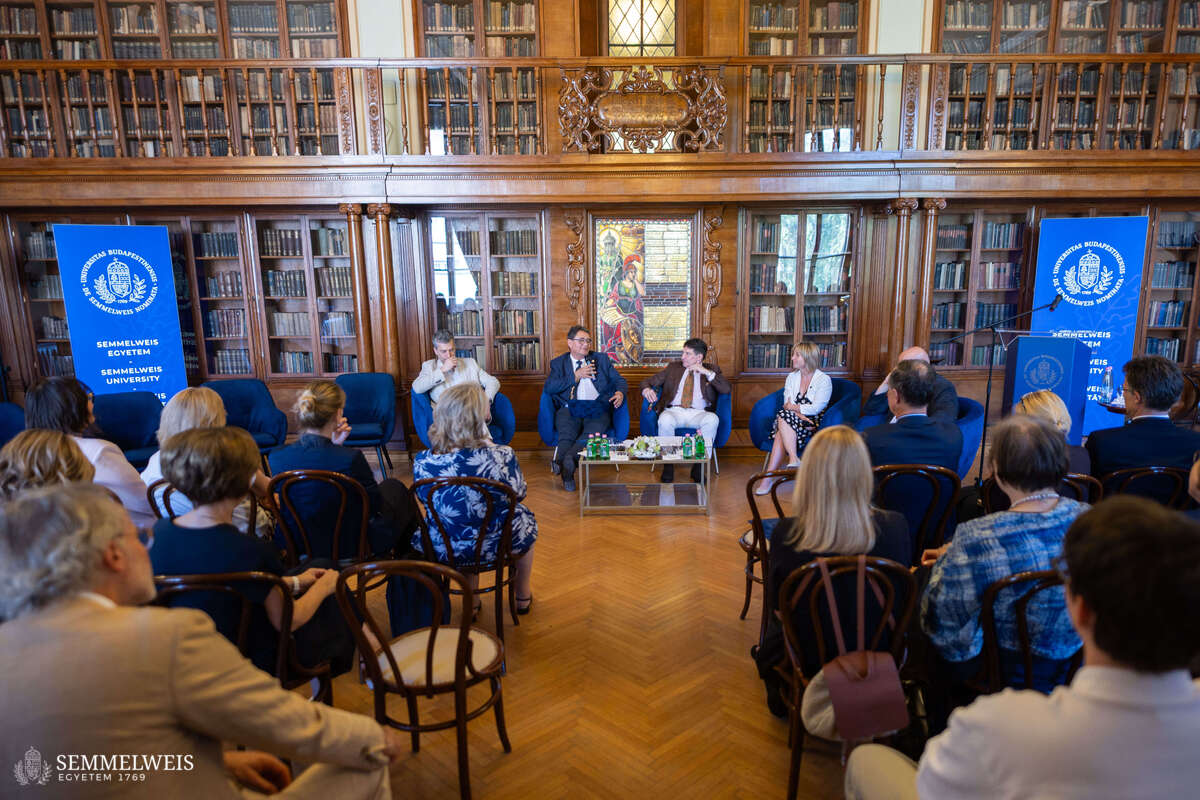
During the roundtable discussion held in the second session of the symposium, the conversation focused on other aspects of university life that foster community and appeal to students: the opportunities offered by the Medical Orchestra, the Semmelweis Choir, and university sports. The discussion featured Rector Dr. Béla Merkely; Kornélia Várszegi, Director of the P.E. and Sport Center; Conductor Gergely Dubóczky, and Choir Director Dr. László Matos.
Melinda Katalin Kiss
Translation: Judit Dőtsch
Photos by Bálint Barta – Semmelweis University