One of the agreement’s primary objectives is to further expand and deepen the existing clinical research collaboration between the two parties; as a result, Semmelweis University will continue to act as a key partner in Sanofi’s international clinical research programs, thus contributing to the development of innovative therapies. The partnership also includes enhanced cooperation between Sanofi and the university’s Department of Pulmonology, with the aim of improving the immunological treatment of chronic obstructive pulmonary disease (COPD) as well as patients’ quality of life. As part of this initiative, the parties will cooperate, among other things, to carry out joint research and scientific activities, provide patient education and develop patient care pathways, access to aggregated patient data, as well as remote monitoring. Another key area of the agreement is the training of the next generation of researchers and clinicians; to this end, it will offer mentoring programs and other professional educational opportunities designed to bridge the gap between theoretical knowledge and practical expertise.
 “The long-standing professional partnership between Semmelweis University and Sanofi is a value-based collaboration that has yielded tangible results in clinical research, innovation, and education alike. This relationship goes beyond institutional cooperation: It involves a shared commitment to patients, to the advancement of science, and to supporting future generations of doctors,” said Rector Dr. Béla Merkely about the partnership. As he explained, for Semmelweis University it was a key value to work with a partner at the forefront of global pharmaceutical innovation in areas where scientific results could directly contribute to improving patients’ quality of life. He also identified the creation of an environment in which the university’s students and young researchers could thrive as a priority goal. In line with the translational approach that defined the university’s work, this environment would be one in which knowledge is generated and put into practice. “Today’s event is not merely the signing of an agreement, but a reaffirmation of a shared vision of the future: a future in which academic knowledge, clinical practice, and industrial innovation reinforce one another to serve the best interests of patients,” Dr. Béla Merkely noted.
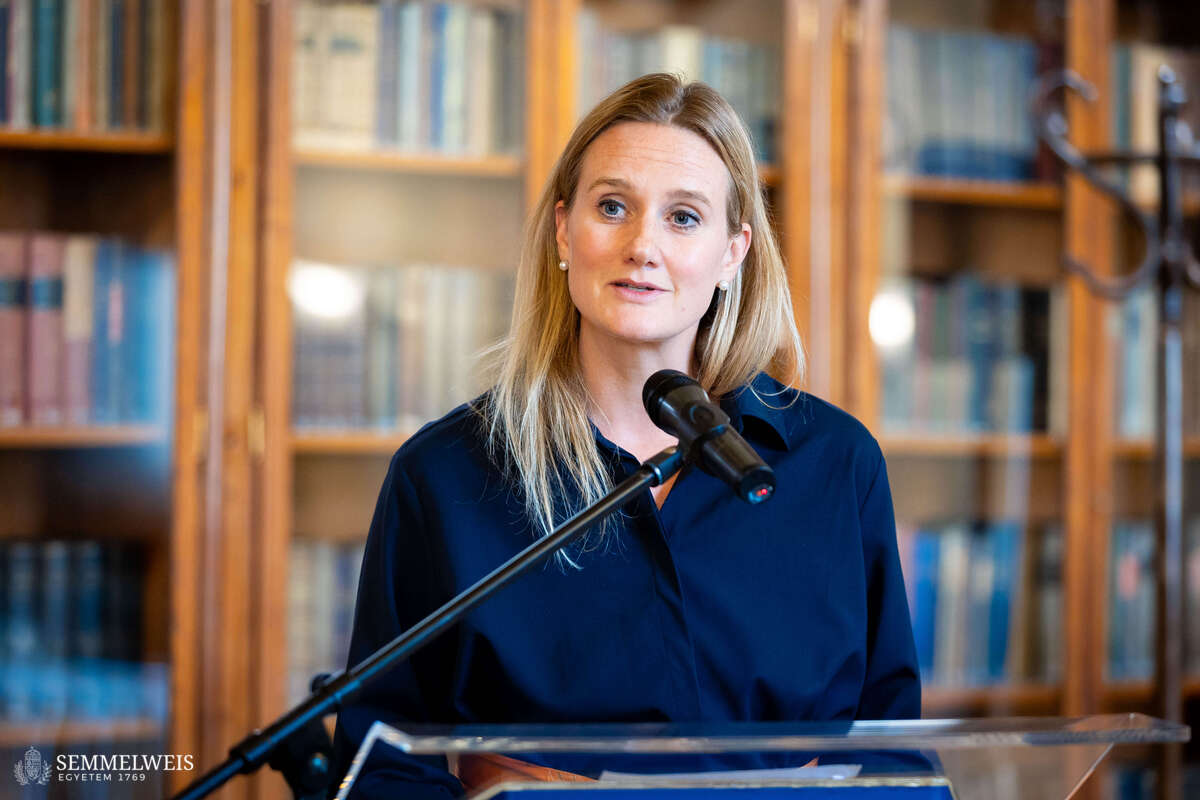 Madeleine Roach, Executive Vice President of Sanofi, emphasized that the collaboration with Semmelweis University was a prime example of how medical breakthroughs could be accelerated by combining academic excellence with industry innovation. “This collaboration represents more than just a partnership. It’s a shared commitment to pushing the boundaries of medical science while nurturing the talent that will drive tomorrow’s healthcare innovation,” she said. As an example, she mentioned Sanofi’s mentorship programs, which connect students with experienced professionals; she also highlighted guest lectures and workshops, as well as opportunities for early-career professionals.
According to Dr. Veronika Müller, Director of the Department of Pulmonology, the agreement would shape the future of respiratory medicine in Hungary. She reminded the audience that chronic respiratory diseases – COPD, asthma, and pulmonary fibrosis – as well as respiratory infections had been among the most pressing public health challenges for decades. “Over 200,000 COPD patients are registered in Hungary. Together with asthma, obstructive lung diseases affect over half a million Hungarians. We aim to advance early detection, integrate biomarker-driven diagnostics into the daily practice and expand access to the highest biological therapies for our most severe, frequently exacerbating patients, especially those requiring hospitalization,” the director noted. She emphasized that they were extending their collaboration to adjacent fields – such as allergology, immunology, and the intersection of respiratory and cardiovascular health – given that patients rarely fell into a single diagnostic category.
Gallery
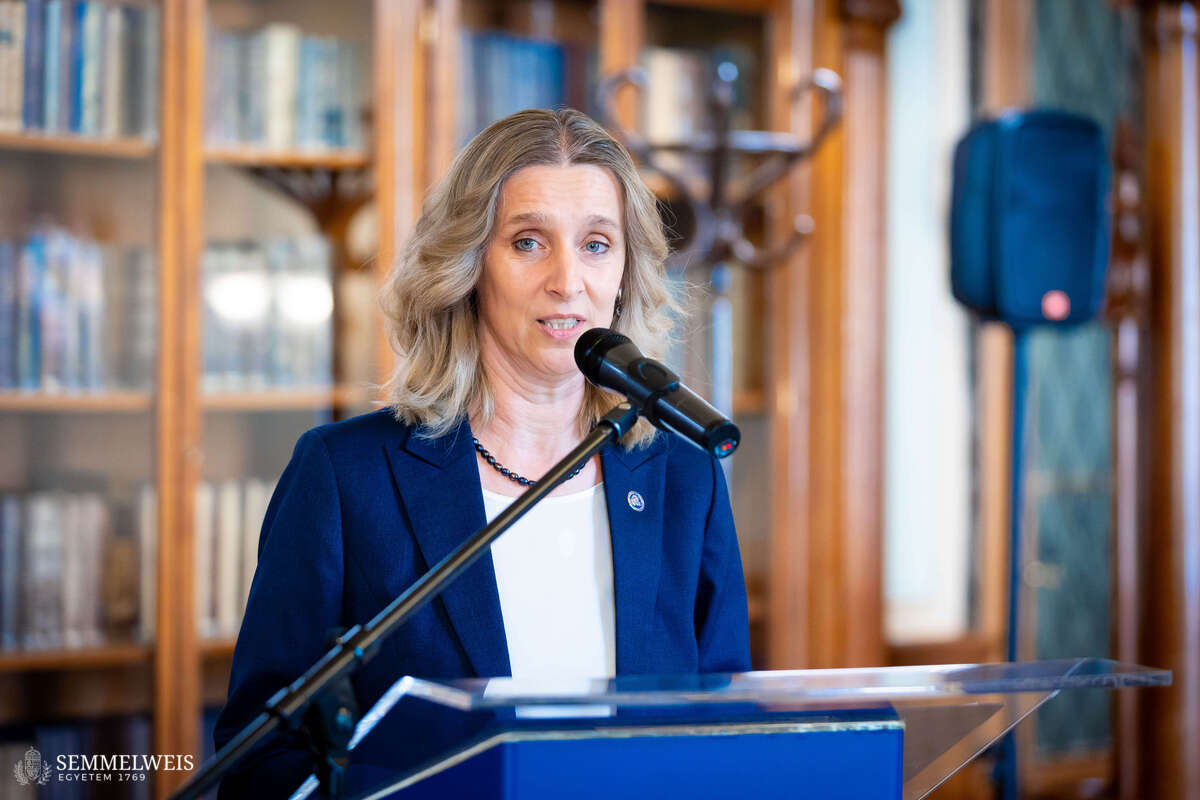

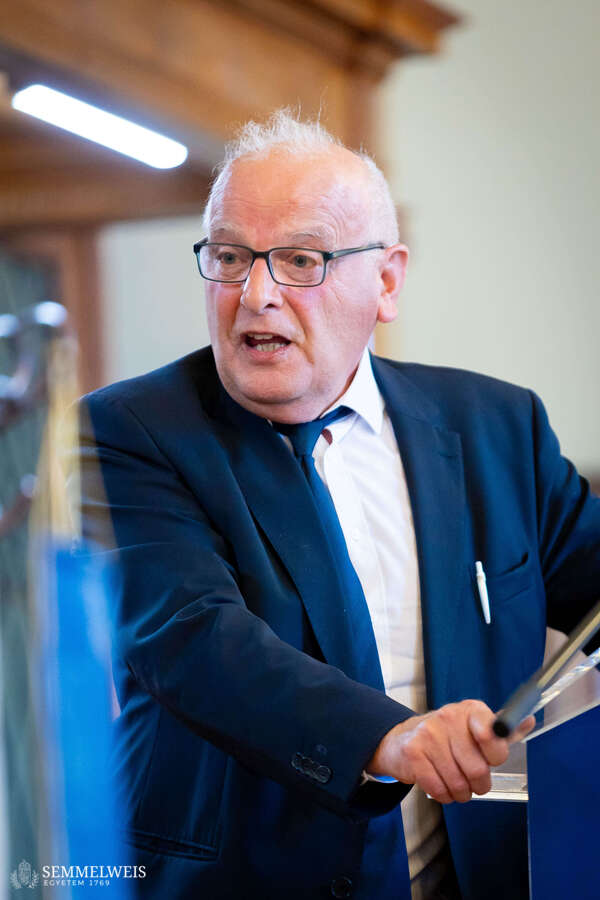


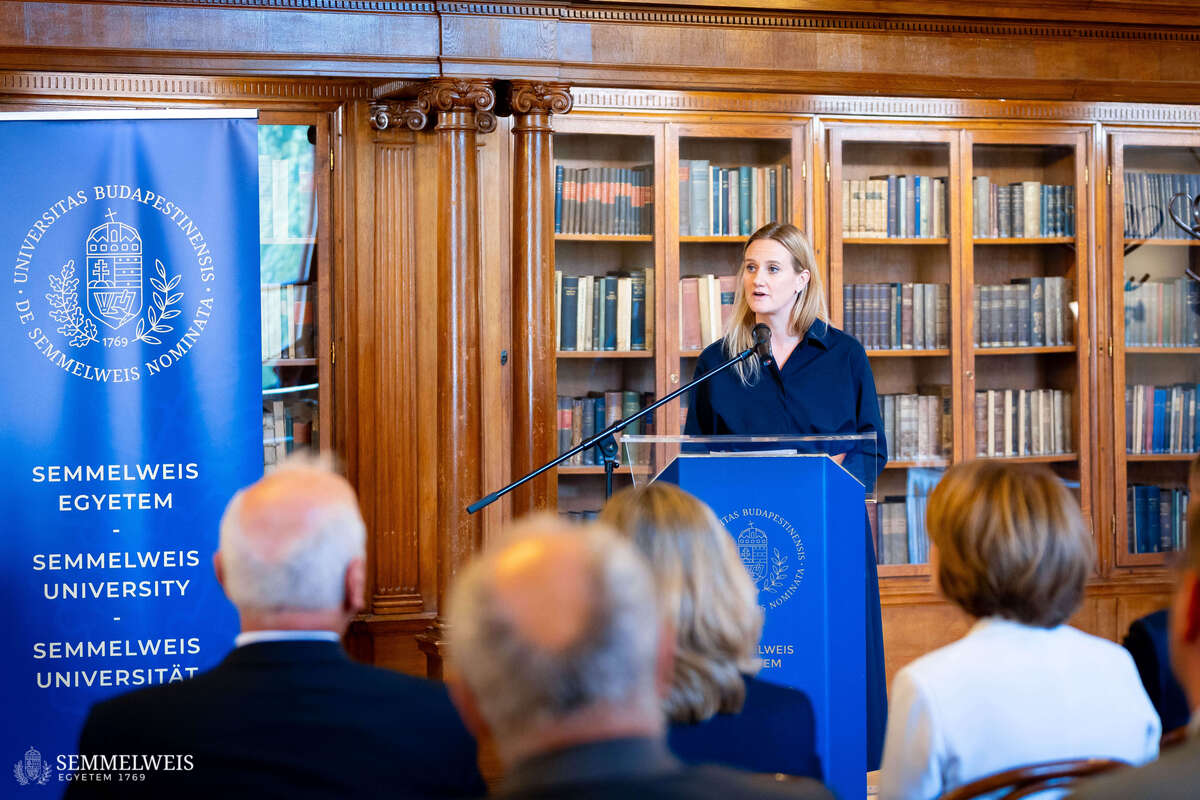


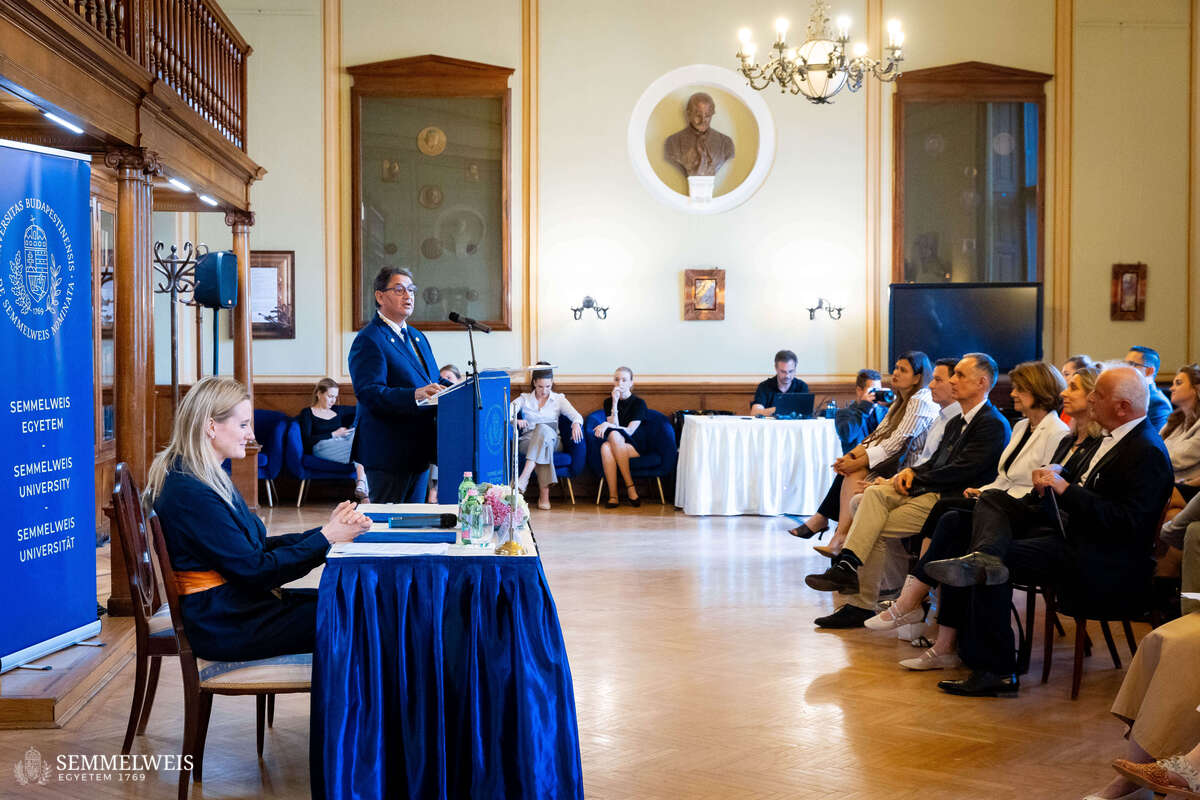
With this agreement, Semmelweis University has become the official early development key site for the Central and Southern European region, which has a population of 140 million, pointed out Michaela Scheiffert, MCO Lead and General Manager Pharma Central and South Europe. Accordingly, phase I and phase II clinical trials will be conducted in Hungary first, meaning that Hungarian patients will be among the first in the world to have access to these innovations.
In addition, Semmelweis University will serve as a pilot site for Sanofi’s next-generation digital solutions for conducting clinical trials, which make trials faster, more efficient, and more patient-centric. “What makes this partnership truly extraordinary is its reach. What we accelerate here doesn’t stop at Hungary’s or even our regions’ borders. Digital solutions piloted at the university will speed trials across Europe and beyond,” Michaela Scheiffert noted, adding: „I believe that breakthroughs belong to every patient, wherever they are.”
According to Dr. Miklós Szathmári, Head of the Directorate of Healthcare Network Management, the number of clinical trials at Semmelweis University is on the rise, contrary to regional trends. He emphasized that clinical trials made the most advanced treatments accessible years before they could become widely available. In his words, the rigorous standards required by clinical studies contributed to improving the overall quality of healthcare. He emphasized that clinical research promoted collaboration between clinics and academic disciplines and generated resources that supported both the university and the healthcare professionals involved in research activities. He added that the publications arising from these trials also increased the visibility of the institutions. For all these reasons, the university’s long-term goal is for clinical trials to become an integral part of patient care; as a result, it has conducted 17 joint trials with the Sanofi Group. “I am confident that our strategic cooperation with Sanofi will further strengthen our ability to deliver innovative therapies, advance medical science and improve the lives of patients,” the director concluded.
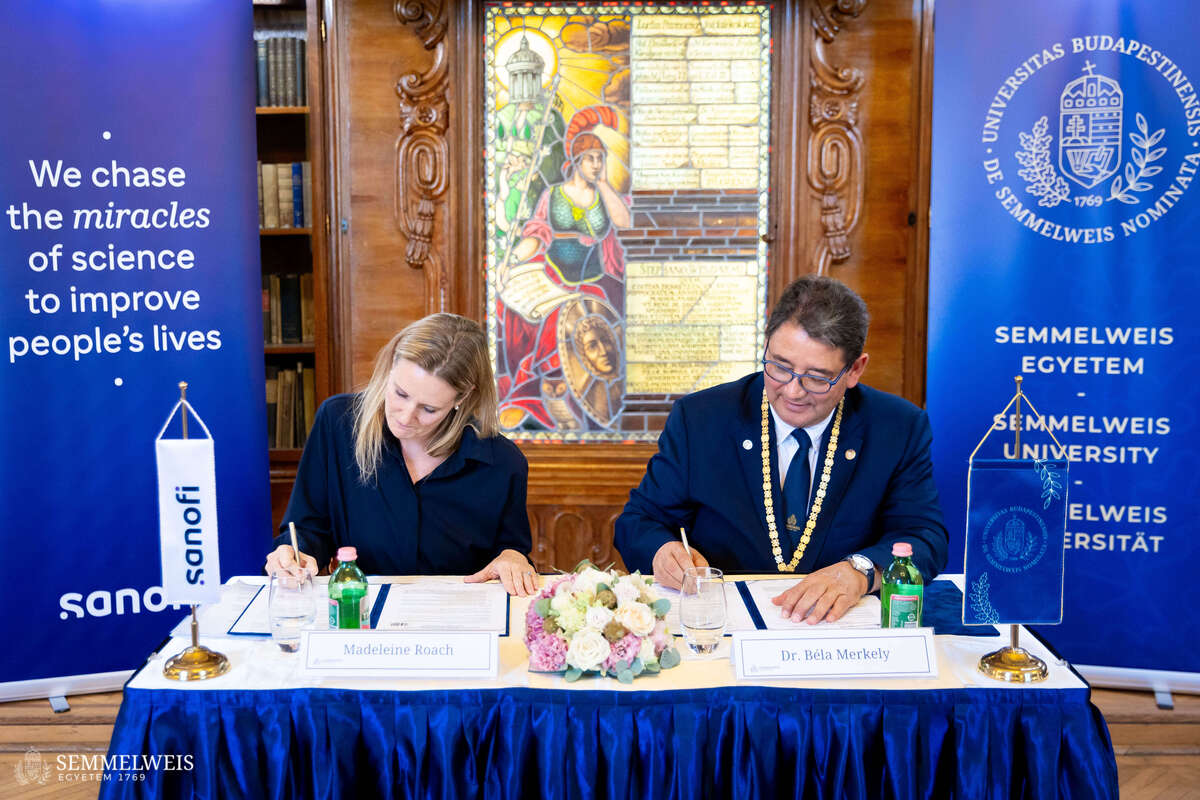
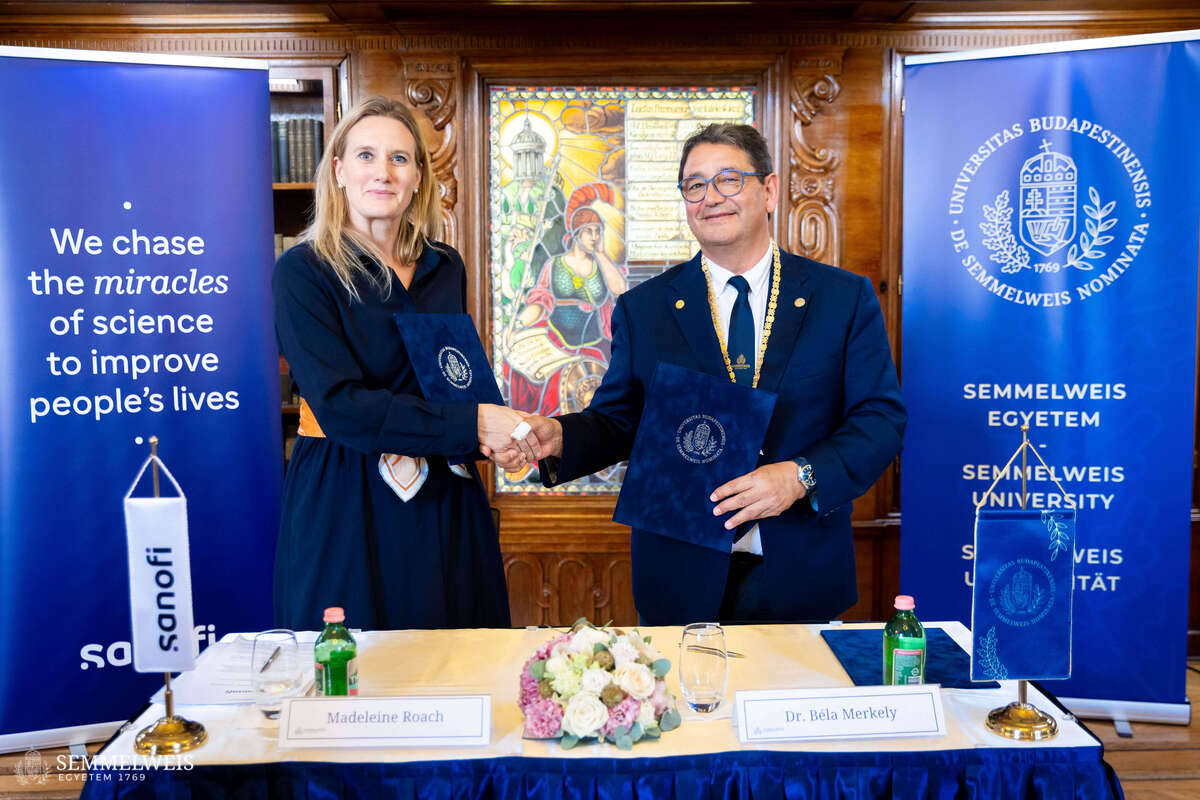
Following the speeches, Dr. Béla Merkely and Madeleine Roach signed the cooperation agreement.
Judit Dőtsch
Photos by Boglárka Zellei – Semmelweis University