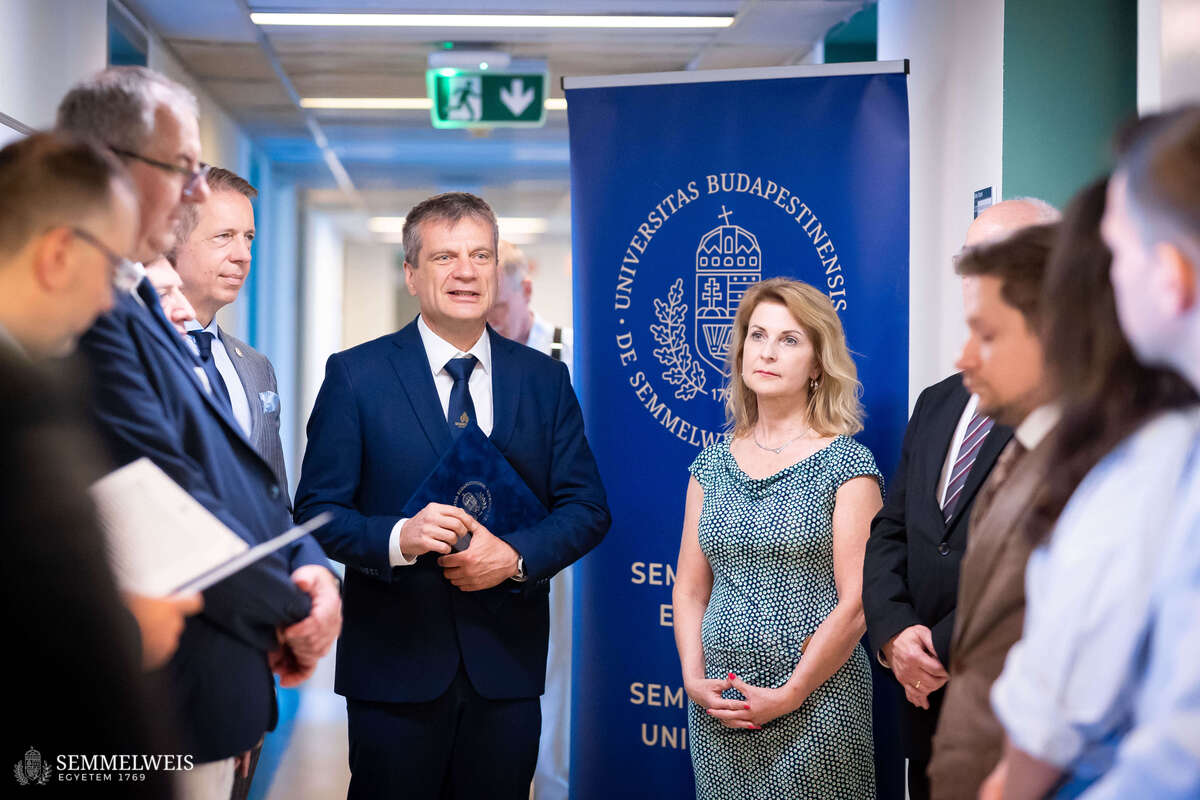
 In his opening remarks, Dr. Péter Ferdinandy highlighted the significance of innovation in turning knowledge into usable products. As the vice-rector for science and innovations noted, these instruments were available today because someone had developed them and brought them to the market. Without these steps, it would not be possible to use such high-quality instruments in basic research, which are backed by a robust patent portfolio. “The Department of Biophysics and Radiation Biology has always been at the forefront of using the most innovative instruments in its work and even participated in their development,” he added.
These instruments will be used within the core facility system, which means they can contribute not only to the department’s research achievements and progress but also to those of the entire university community. – Dr. Péter Ferdinandy
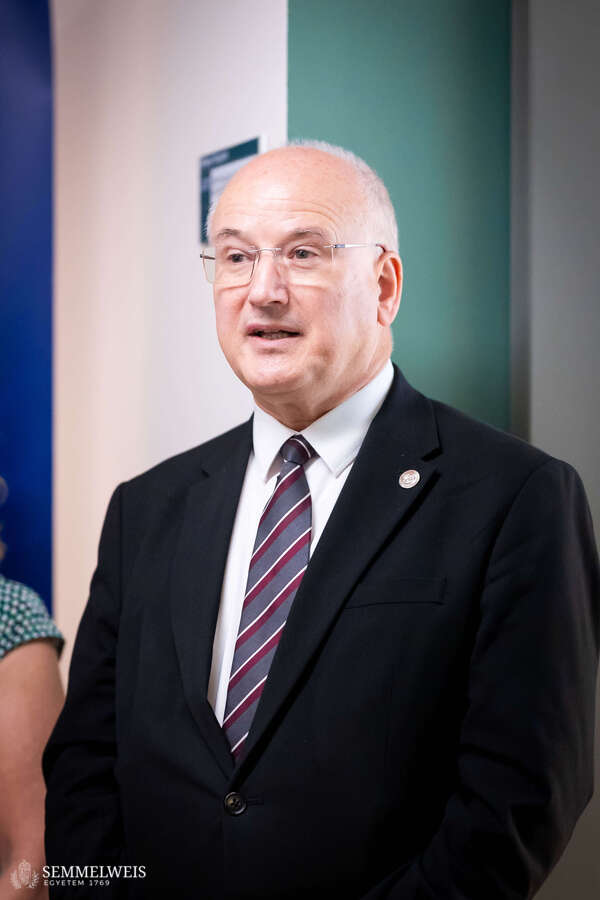 “Biophysics is a field of science that requires state-of-the-art and constantly evolving equipment, and our department is systematically and consistently upgrading its facilities,” emphasized Dr. Miklós Kellermayer, University Professor and Director of the Department of Biophysics and Radiation Biology. He explained that, in accordance with the 3M concept – that is, the “Molecules-to-Mouse-to-Man” pipeline – the department was equipped to conduct experiments ranging from individual molecules through complex biological tissue systems to living organisms, large animal models, and human systems. The newly delivered instruments also support this concept. One of them is a light scattering instrument that enables the study of the structural, size, and shape characteristics of molecules and macromolecular systems. The other is a myofibril mechanical device capable of measuring the force exerted by myofibrils, the smallest functional units of muscle tissue.
“We are collaborating with, among others, the Városmajor Heart and Vascular Center, where researchers will conduct mechanical force measurements using myofibrils obtained from human pathological heart muscle samples,” Dr. Miklós Kellermayer noted by way of example. The third set of instruments consists of a collection of optical laser scanning units, beam sources, and light sources, which they received as a gift from their partner, a microscopy center in Barcelona.
The director emphasized that the advanced equipment had also contributed to the significant increase in the scientific output of the Department of Biophysics and Radiation Biology. While the department’s annual cumulative impact factor stood at 30 more than fifteen years ago, it reached 500 last year. In addition, nearly half of their papers are published in D1-level journals.
Perhaps even more important is that we have built an intellectual community that attracts young people. We currently have more than 80 students active in the Students’ Scientific Conference (TDK) and 25 PhD students. At this year’s TDK conference, our students delivered 26 presentations, won 16 awards, and researchers from our department received three of the four awards for first-author publications. – Dr. Miklós Kellermayer
He added that the equipment just handed over had been acquired with funding from the Artificial Intelligence National Laboratory, the HUN-REN “Welcome Home” (Hazahívó) program, and the NKFI-OTKA grants.
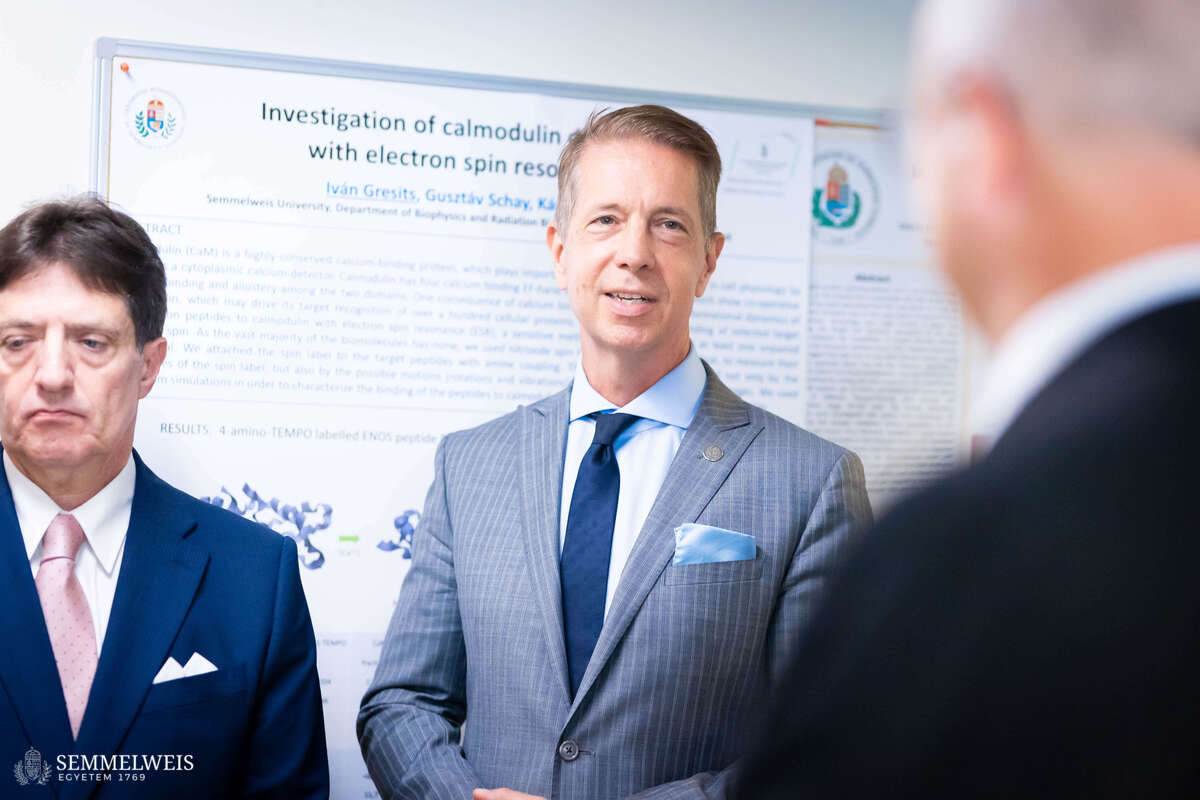 Dr. Péter Nyirády, Dean of the Faculty of Medicine (ÁOK), was delighted that the faculty had been able to contribute to the purchase of the equipment. He emphasized that the 3M embodied the essence of translational medicine – that is, the translation of basic research findings into clinical practice. Through clinical partnerships, the current investment also serves education, research, and patient care.
The goal of both our faculty and the entire university is to conduct research that brings researchers and clinical practice together, so that the results can be put to the best possible use not only in the business world but also in the treatment of patients. – Dr. Péter Nyirády
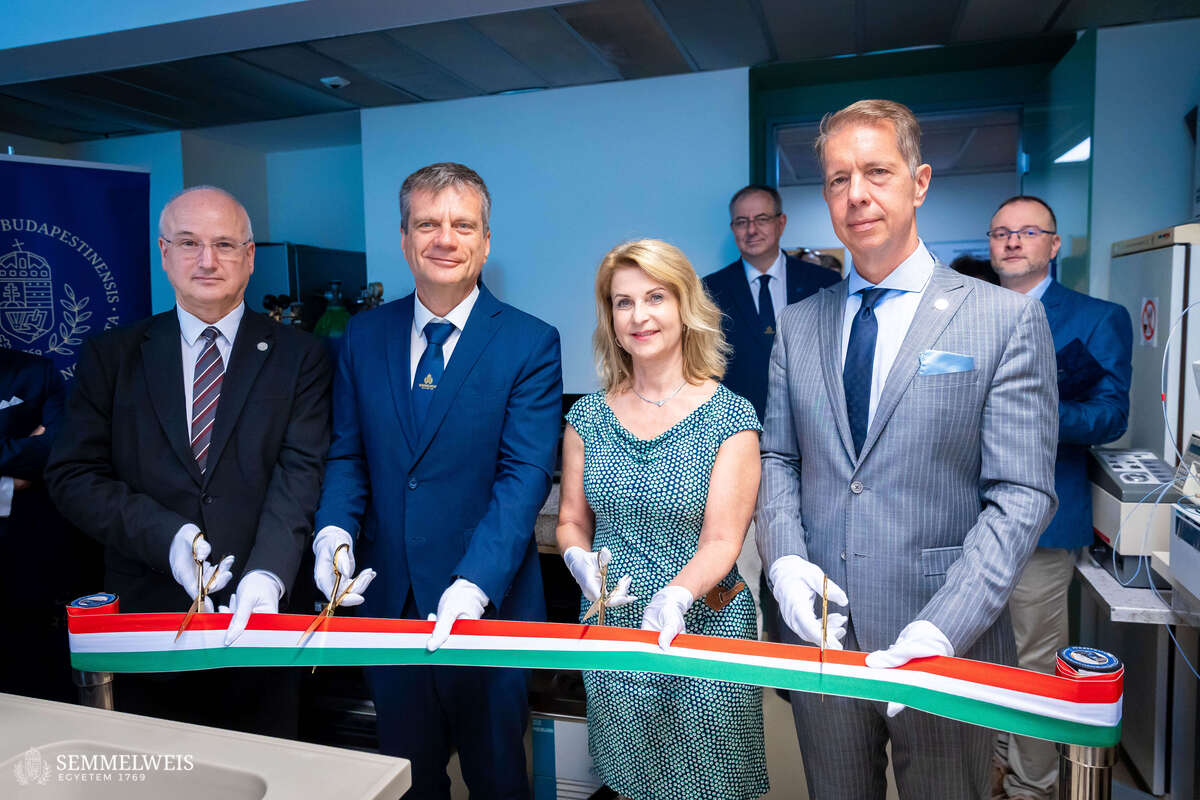
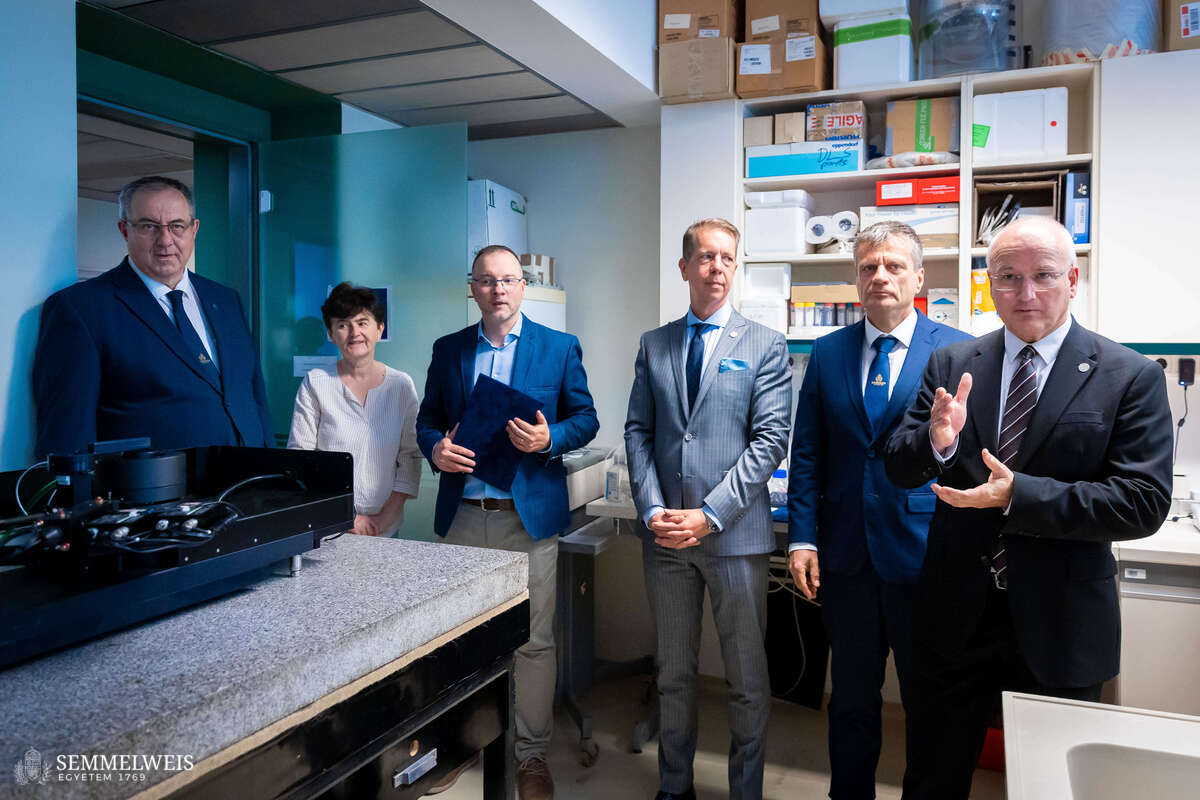
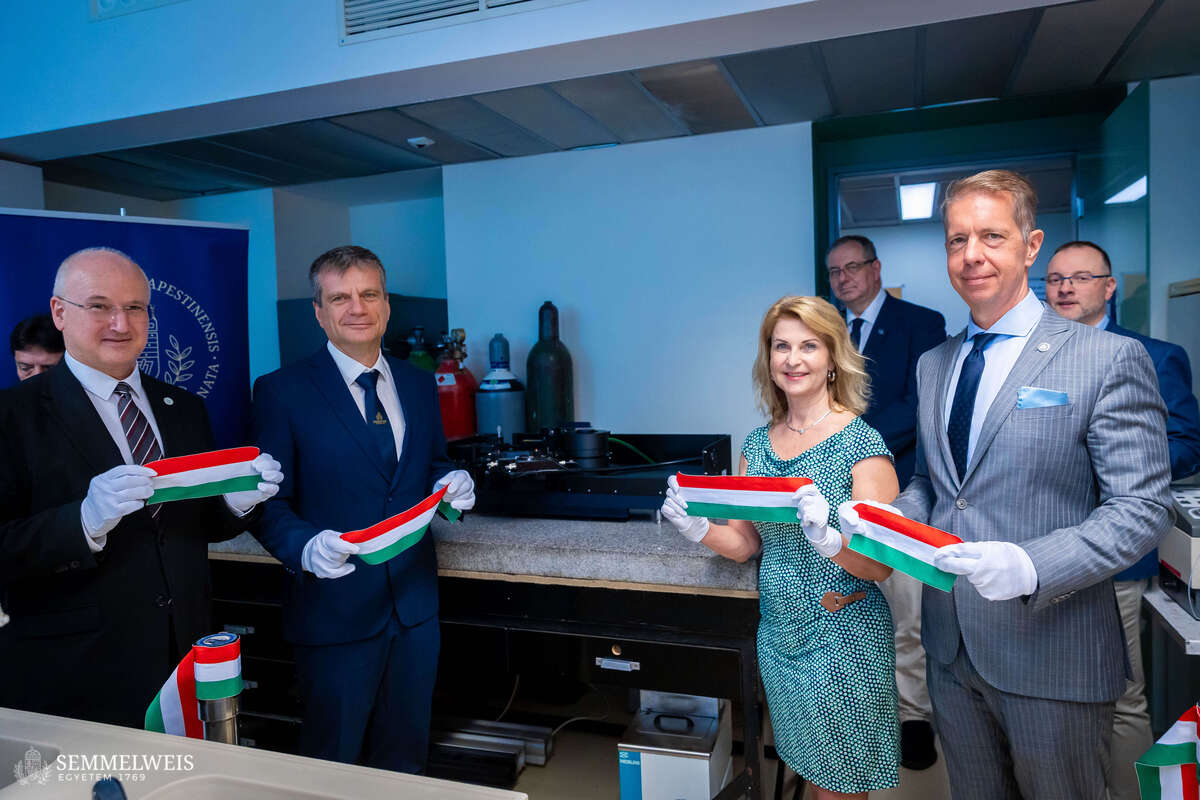
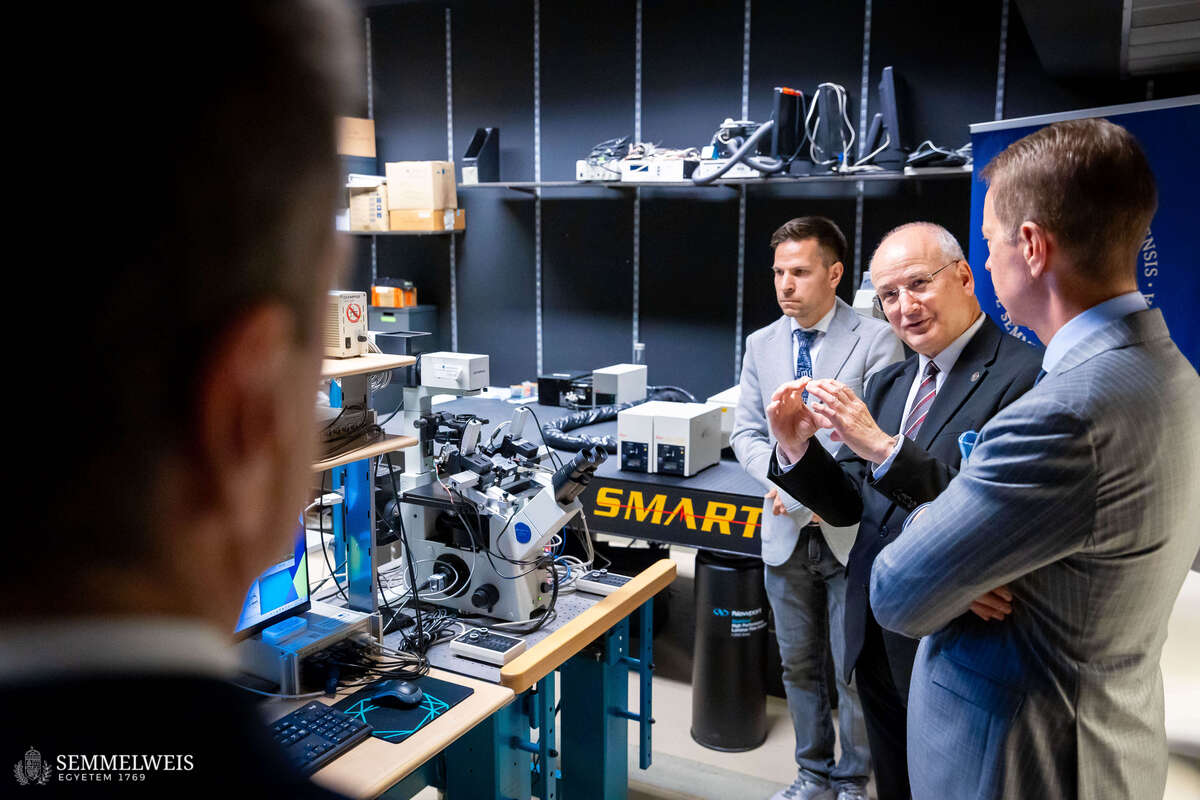
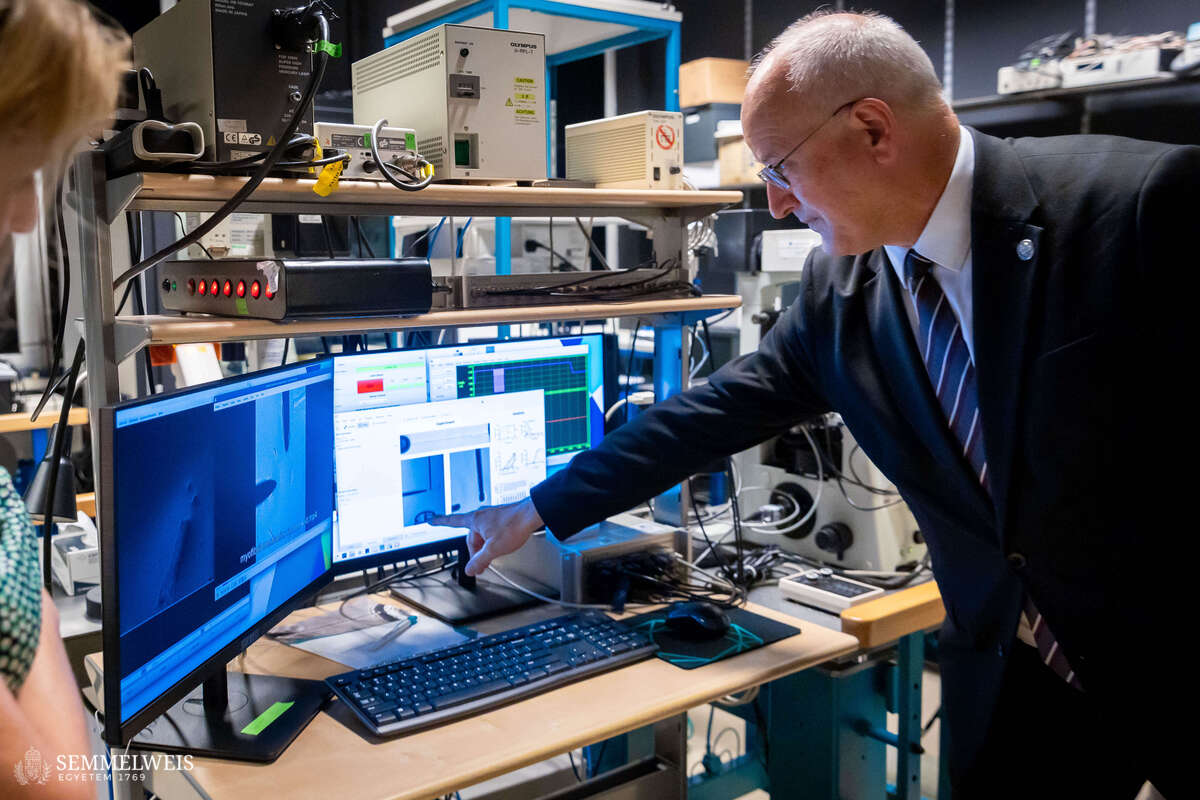
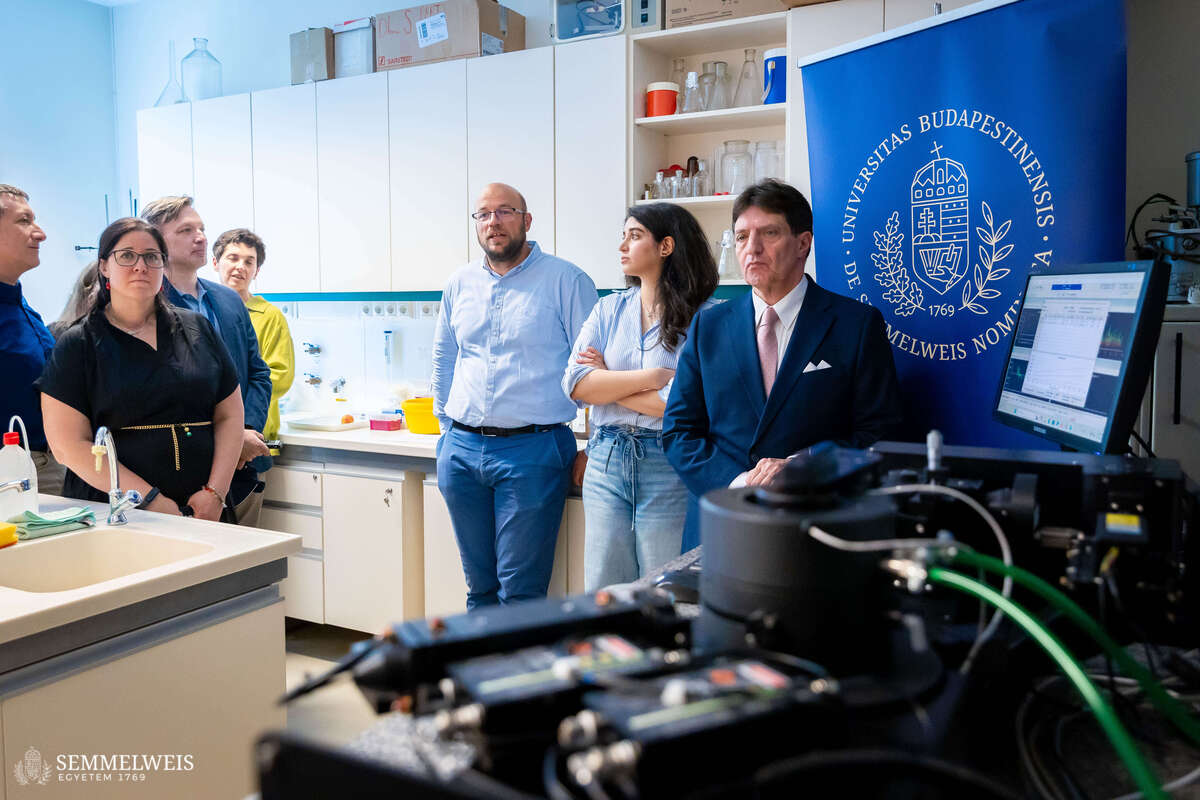
In her brief remarks, Chancellor Dr. Lívia Pavlik congratulated the department on the procurement. Following this, the leaders of the department and the university officially inaugurated the new equipment with a ribbon-cutting ceremony. Dr. Balázs Kiss and Dr. Bence Fehér, staff members of the Department of Biophysics and Radiation Biology, demonstrated the instruments in operation to the event participants.
Gallery
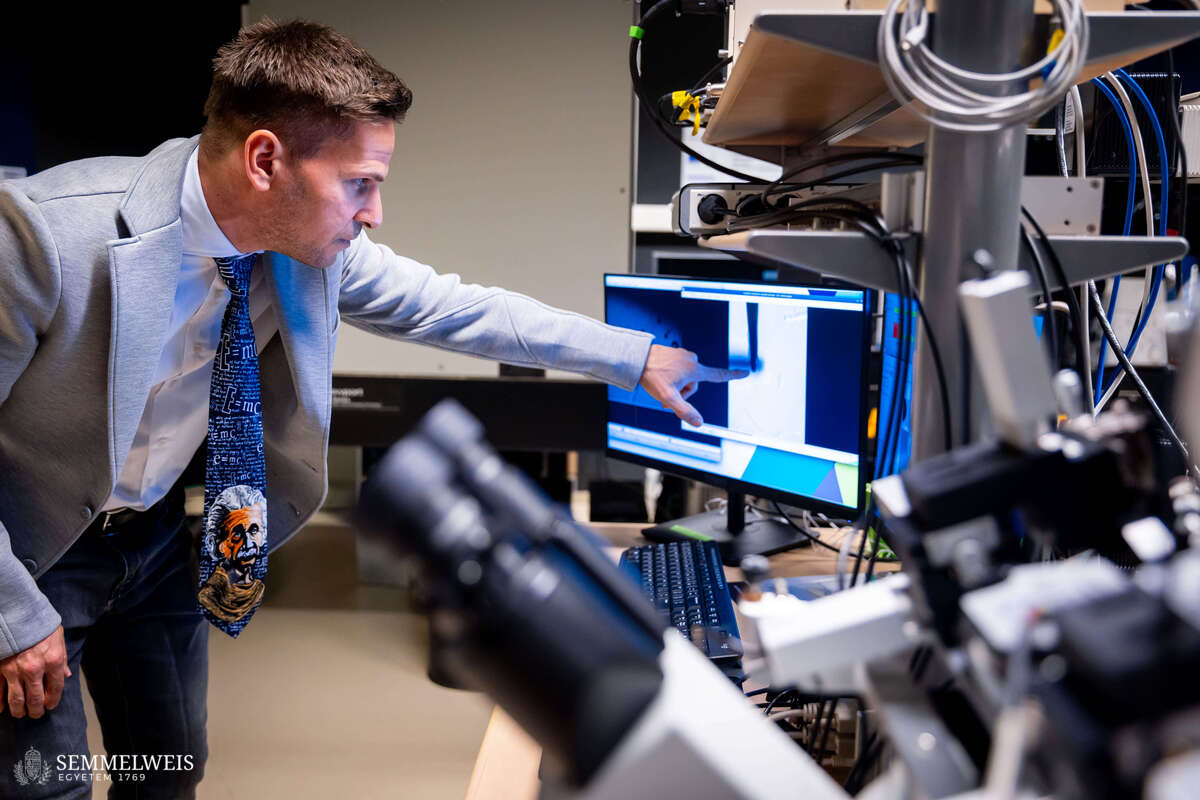
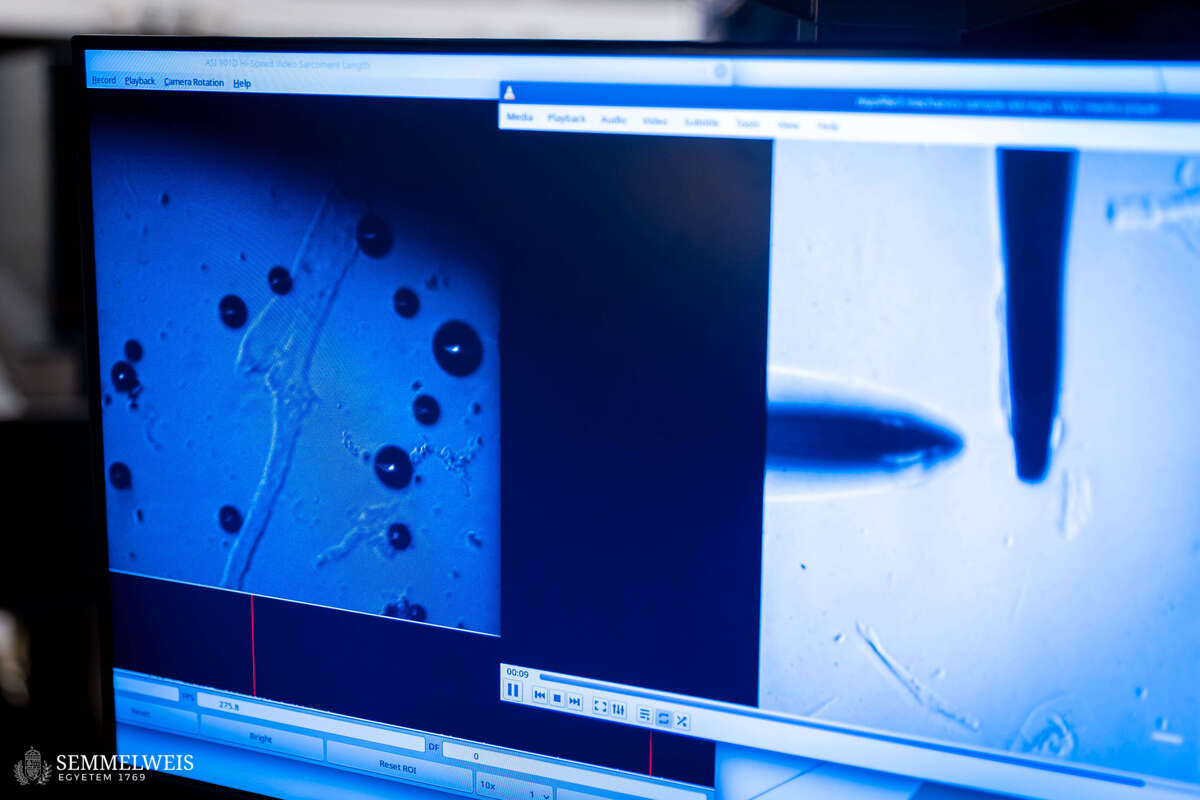
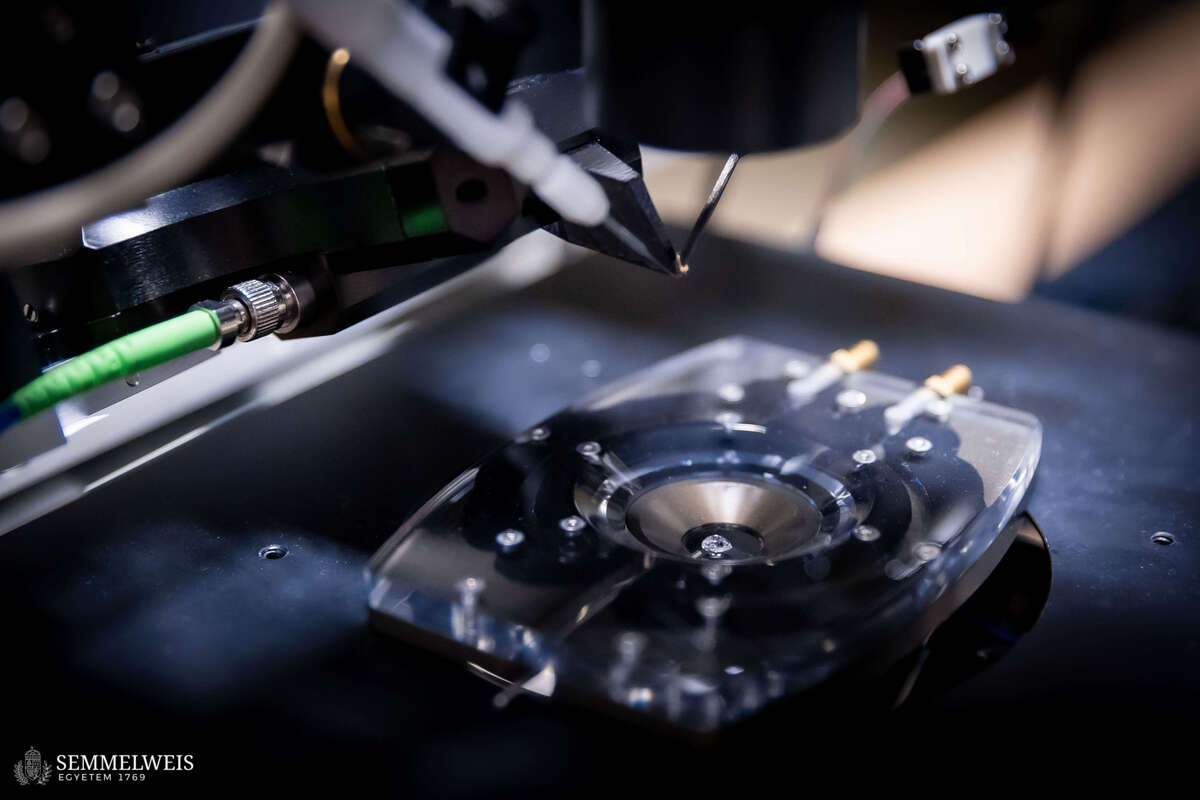
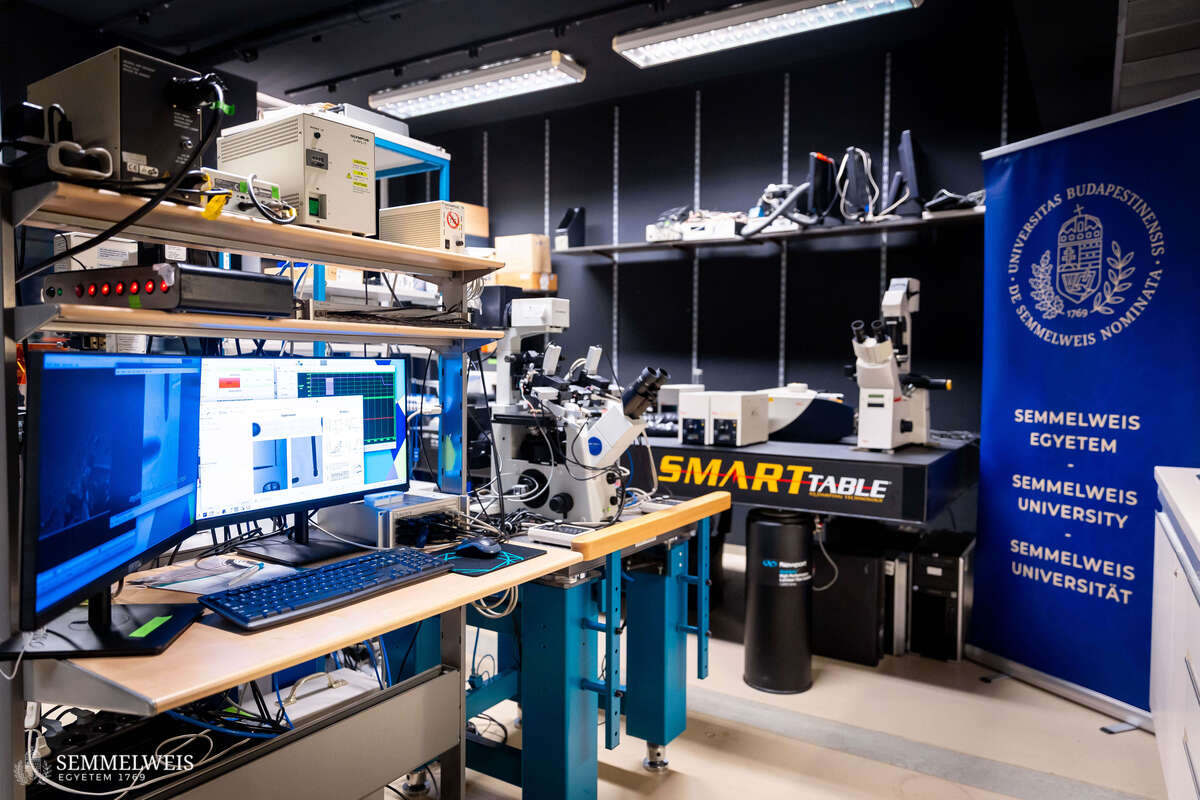
New equipment at the Georg von Békésy Center for Biophysical Research
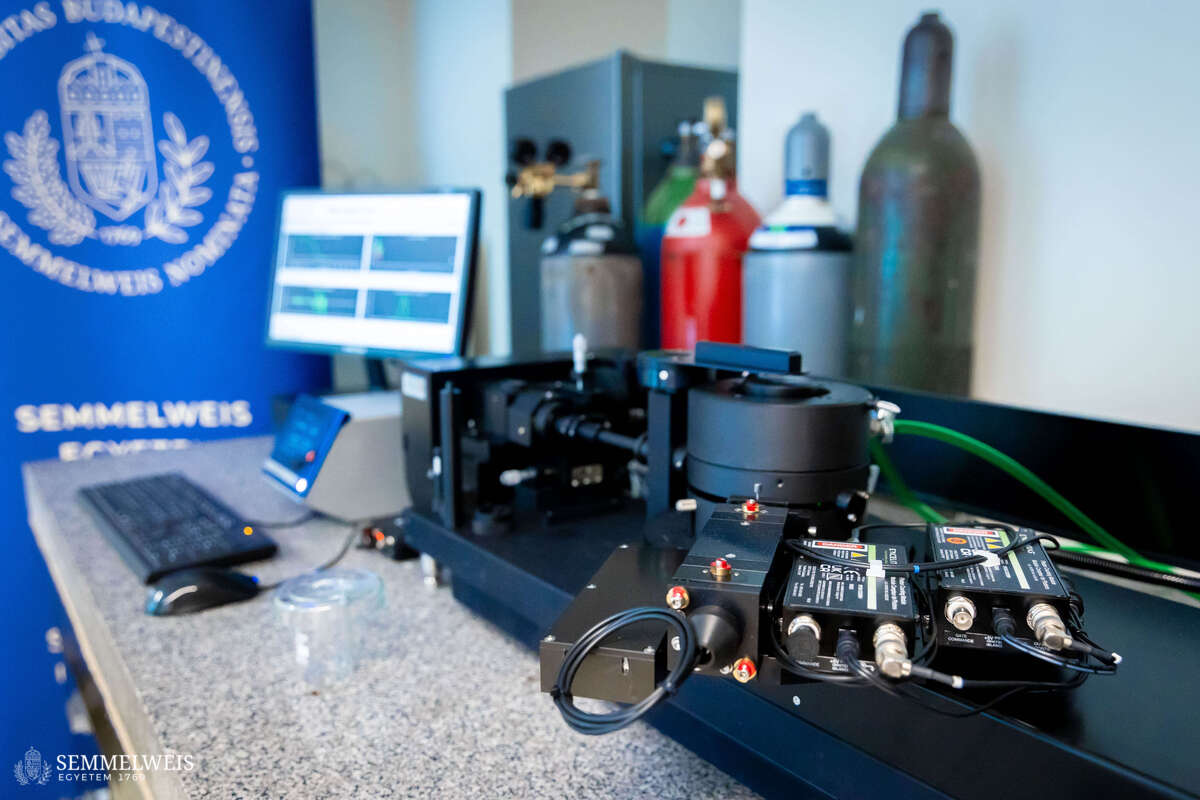
Goniometer, ALV compact light scattering system
With the light scattering device, researchers are attempting to detect amyloid formation – protein aggregates that form under pathological conditions – which is considered a causative factor in neurodegenerative diseases such as Alzheimer’s or Parkinson’s disease. The instrument measures the simultaneous dynamic and static light scattering of amyloid fibrils at a 2-degree angular resolution. The objective is to determine the length, apparent molecular weight, and persistence length of the fibrils, as well as the coefficient describing the nature of the interactions between the two bodies. The ALV compact light scattering system uses laser light and precise photon detection to characterize particles in a liquid non-destructively and in real time.
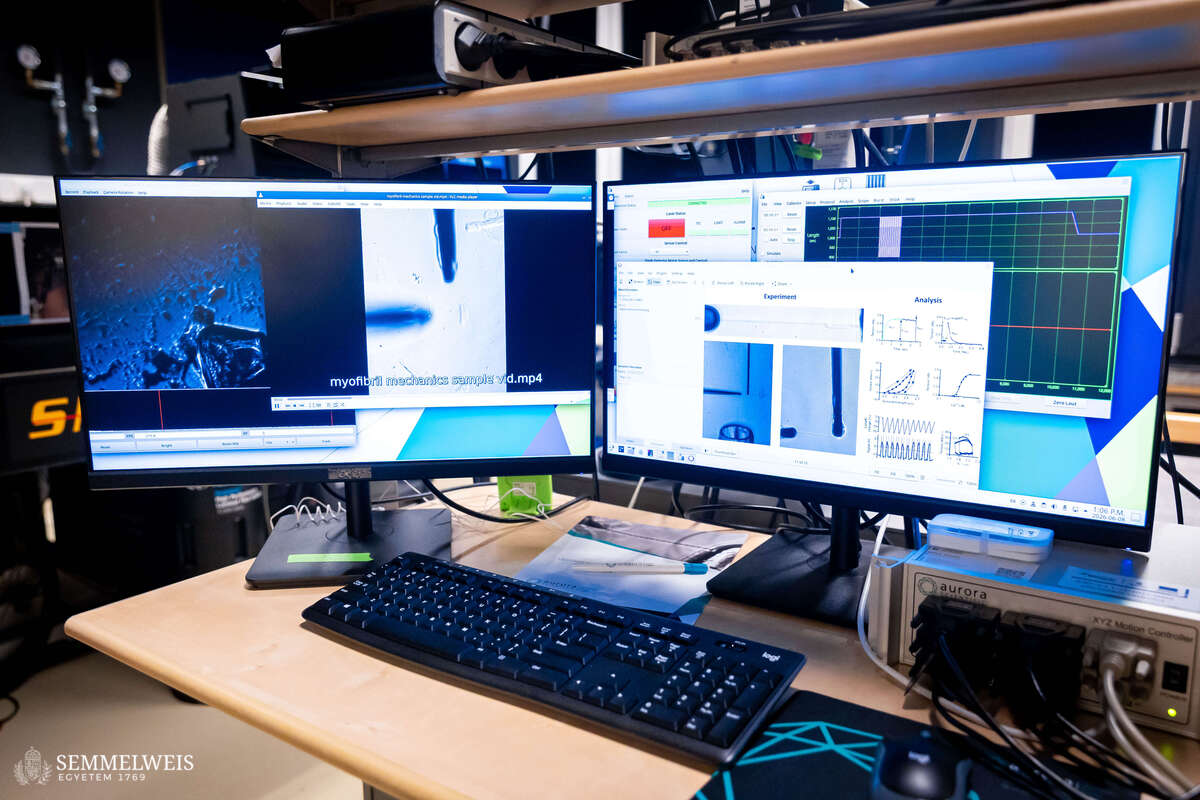
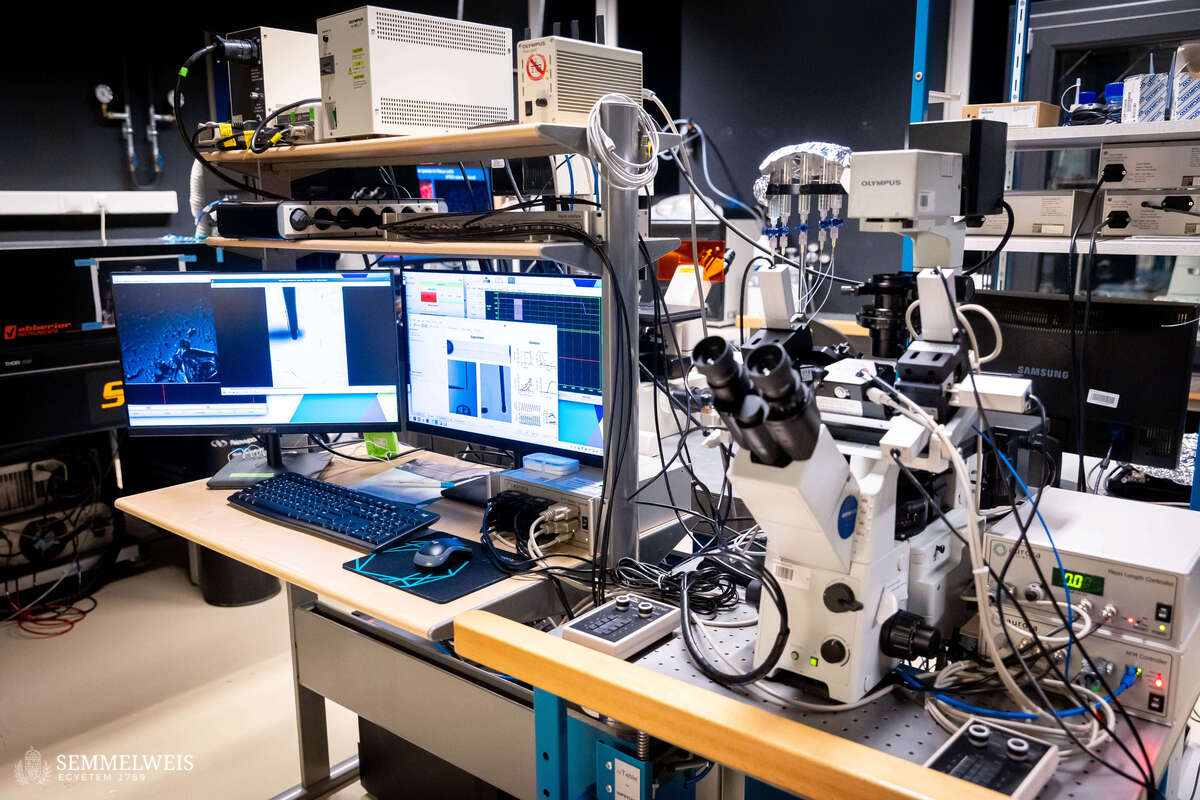
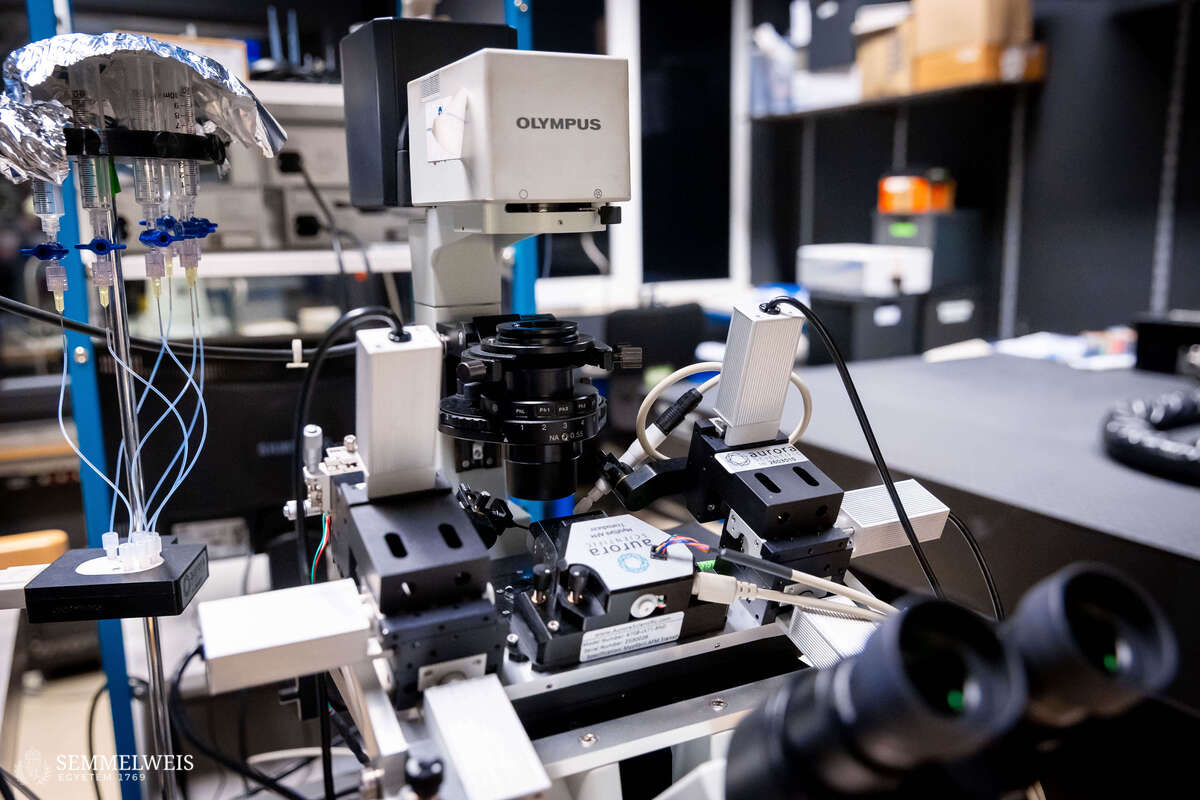
Mechanical and optical equipment for myofibrils
The department’s primary area of research is the study of pathological processes affecting the heart muscle. Using specialized instruments, they are able to perform high-resolution measurements on myofibrils – the smallest contiguous structural and functional units of striated muscle, including skeletal and cardiac muscle. (Myofibrils are fiber-like structures, a few micrometers thick, formed by the longitudinal alignment of contractile proteins that initiate and regulate muscle contraction.) This instrument makes it possible to measure the force exerted by myofibrils isolated from human tissue samples. The device ensures precise mechanical manipulation and chemical activation of the myofibrils.
Róbert Tasnádi
Translation: Judit Dőtsch
Photos by Boglárka Zellei – Semmelweis University