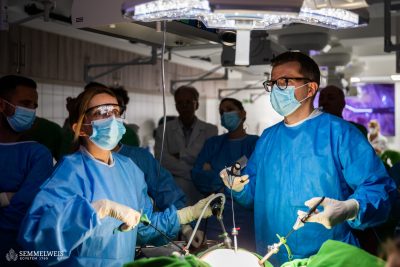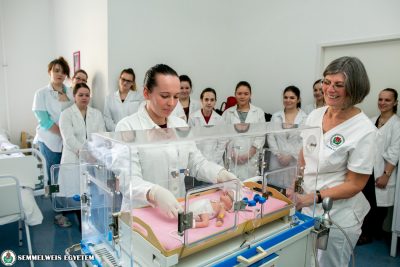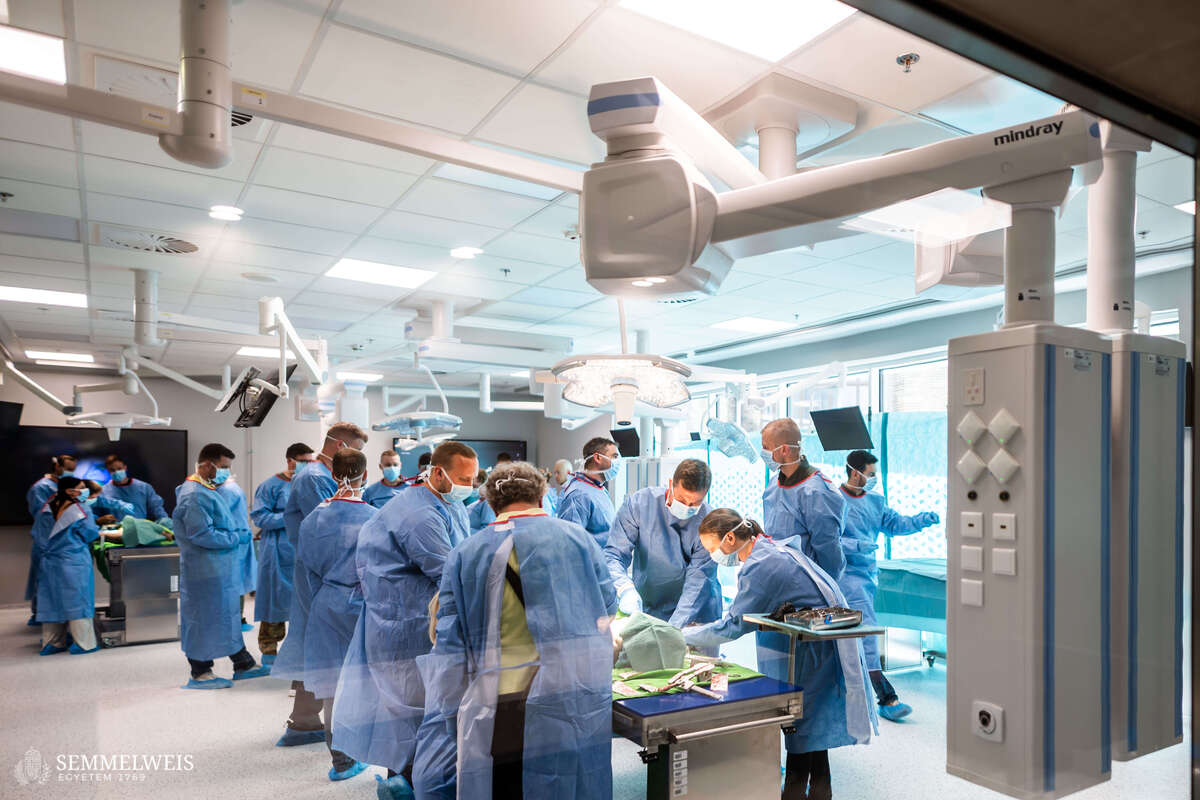
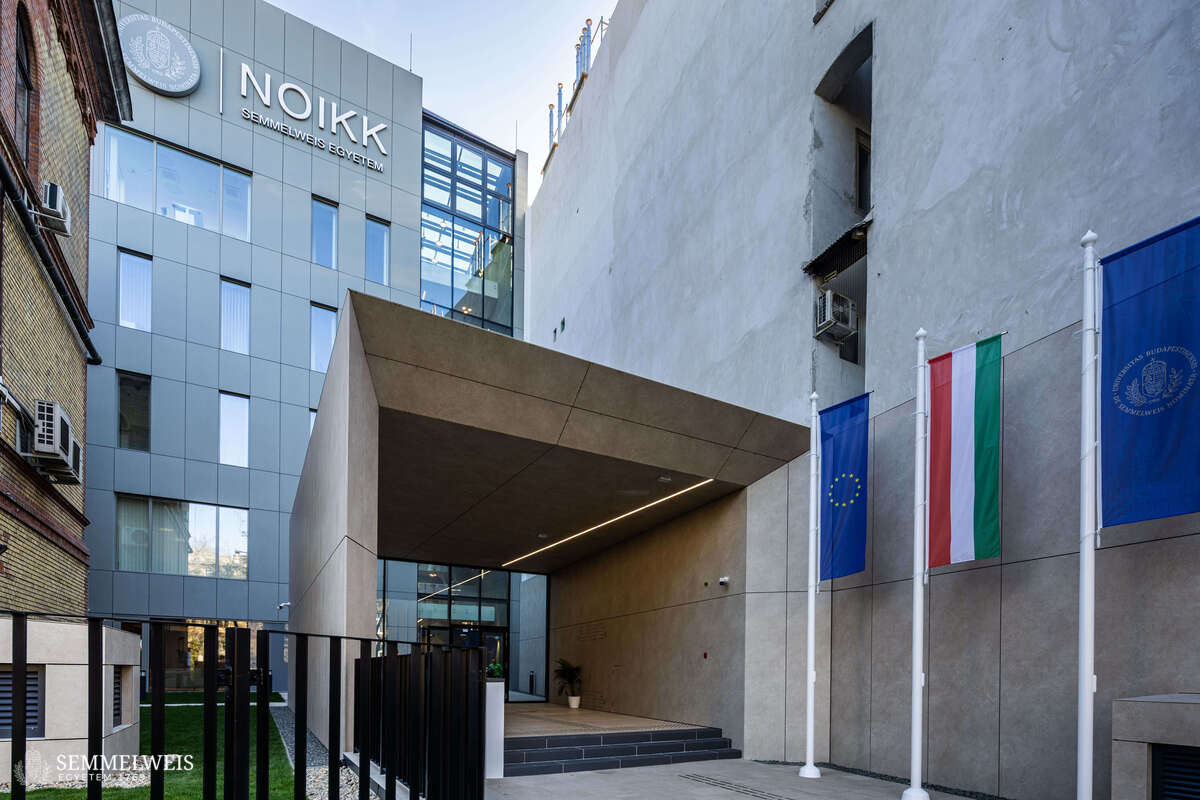
“Several pilot training programs have been held at the recently inaugurated center in the past few weeks. So far, two NATO-related battlefield surgery and trauma courses have been conducted, and an oral surgery course using plastic models has also been offered. The events were not only intended to train participants, but also to test the new building and educational infrastructure under real-life conditions,” explained Dr. Endre Kontsek, a bioengineer, AICER’s Operations Manager, and Research Fellow at Semmelweis University’s Department of Pathology, Forensic and Insurance Medicine.
He added that during the first courses, the operating rooms, support facilities, and the building’s technical systems all performed well, and both Hungarian and international participants spoke highly of the new center. “We have successfully integrated AICER’s new, state-of-the-art surgical infrastructure into our training programs. The purpose-built facilities, operating rooms, and supporting systems have all functioned well. Our initial experiences have been extremely positive,” said Dr. Endre Kontsek.
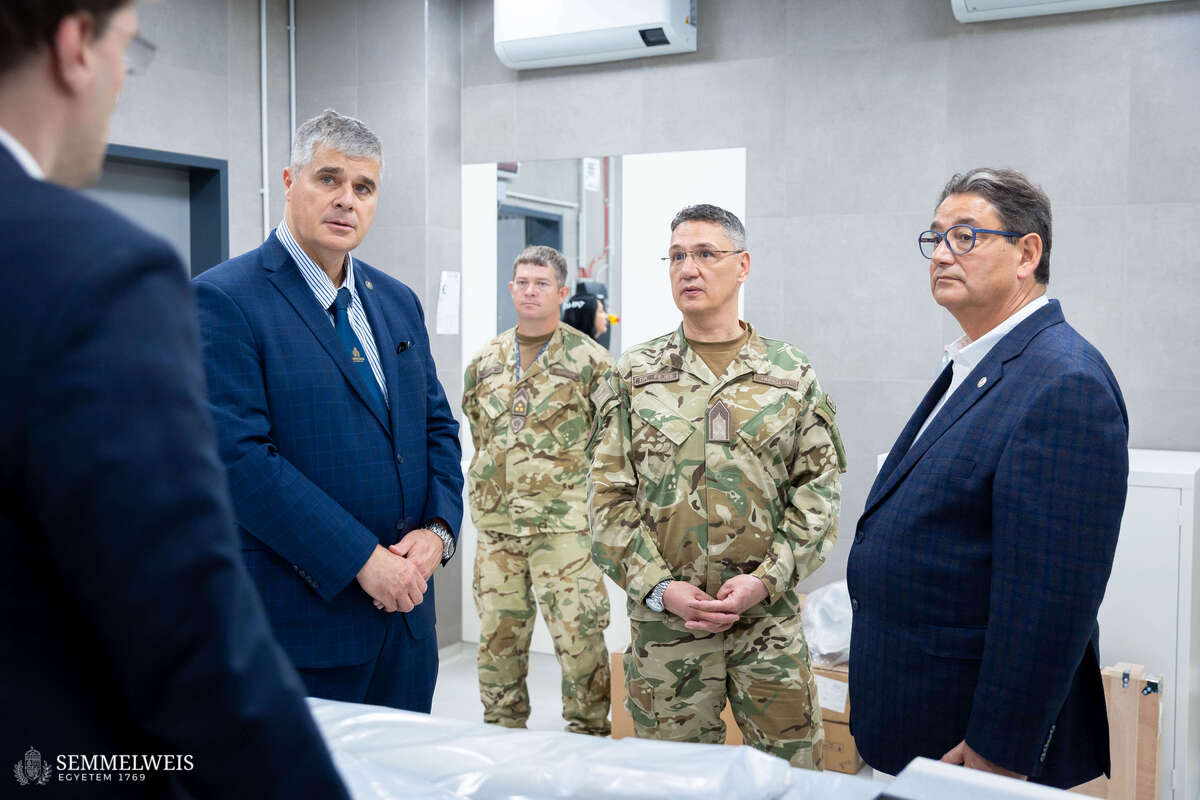
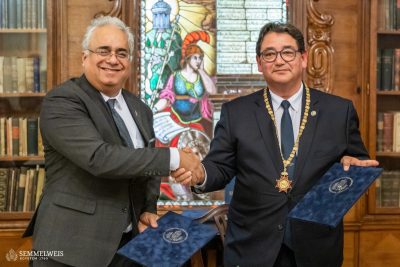
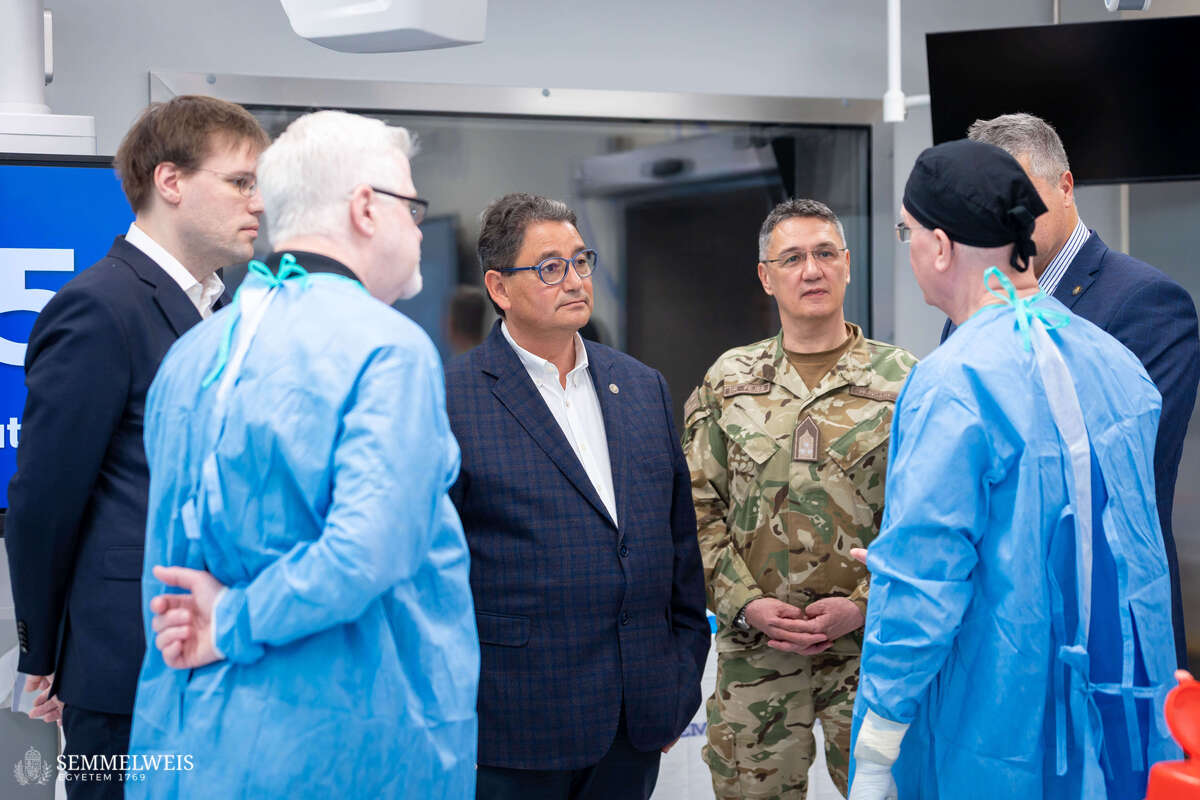
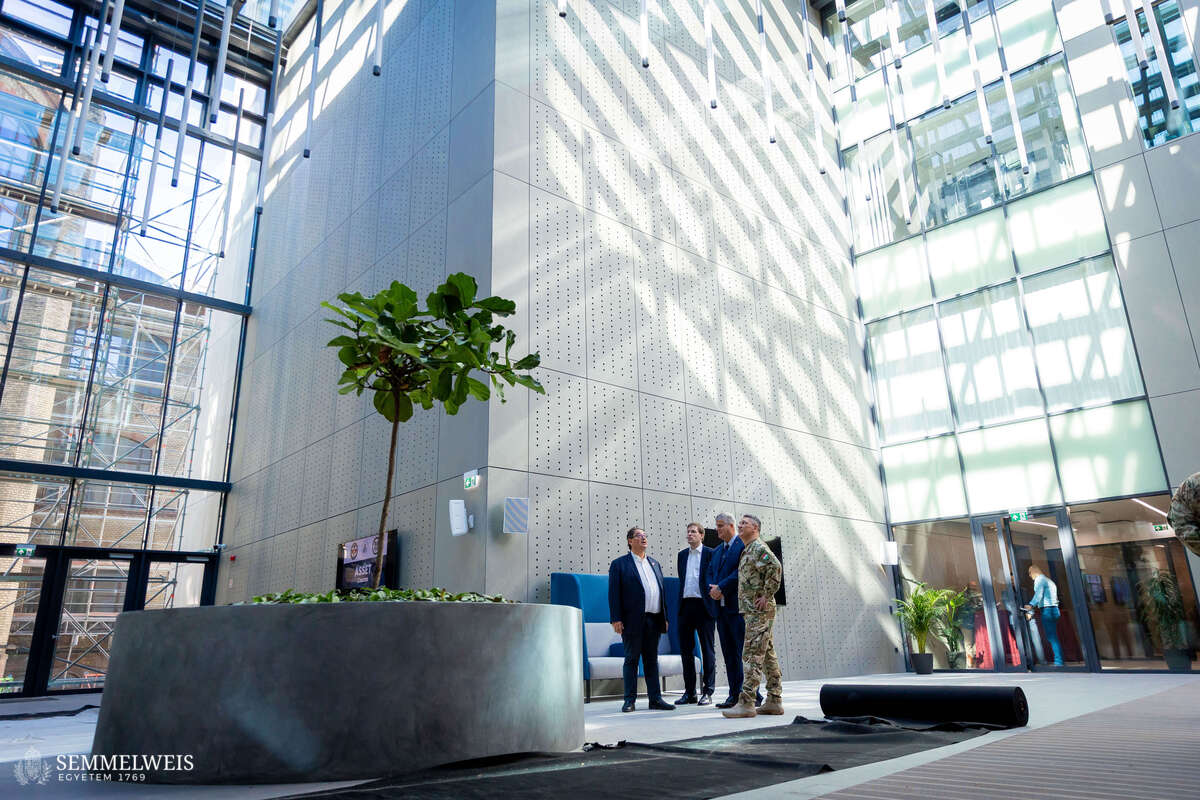
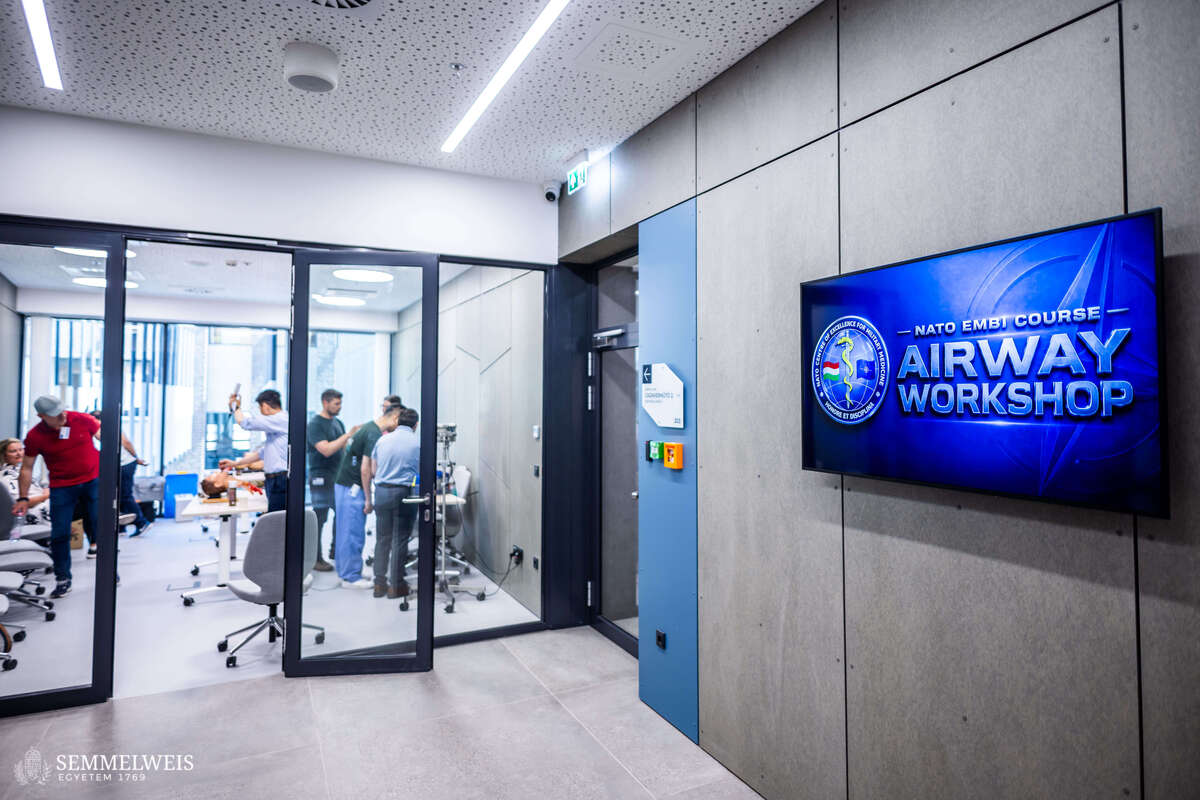
As part of the training programs conducted in collaboration with NATO and other healthcare partners, instructors from the United States also visited the center. Among other things, participants practiced techniques for treating severe, bleeding injuries, while AICER also provided an opportunity for the Hungarian Defence Forces (MH), NATO, and Semmelweis University to continue their cooperation in a new setting. Rector Dr. Béla Merkely, Director of AICER, and Colonel Dr. Zsolt Fejes, Commander of the Hungarian Defence Forces Medical Centre (MH EK), paid a visit to observe the training in person. Dr. Zsolt Fejes expressed his hope that, in collaboration with Semmelweis University, European-level healthcare training programs could be held here, providing trauma surgeons with world-class, unique hands-on training opportunities.
However, the training programs offered by the center are not limited to military medicine. “At the end of May, we held a course on ultrasound-guided joint injections with twenty participants, designed primarily for rheumatologists and rehabilitation specialists to learn techniques for the safe treatment of various joints. Participants of the training were able to practice ultrasound and precise suture techniques for all relevant joints under the guidance of four instructors at four workstations on a rotating basis,” added Dr. Tamás Ruttkay, Operating Room Manager and Assistant Professor at the Department of Anatomy, Histology and Embryology.
“The first pilot courses have clearly demonstrated that AICER is capable of serving a wide range of specialties. From orthopedics and traumatology to rheumatology, anesthesiology, and intensive care, we are able to provide high-quality practical training in numerous fields,” emphasized Dr. Tamás Ruttkay.
The training sessions will continue in the coming weeks: In June, a cadaver course on upper limb surgery will be held for traumatologists and orthopedic surgeons, followed by an airway management course for anesthesiologists and intensive care specialists, and then the center will host a pre-course on knee surgery using cadavers as a side event of the congress organized by the Hungarian Society of Orthopedics and Traumatology.
“Participants and instructors have reported that the already high-quality training programs are now being delivered in a modern, high-capacity, and comprehensive setting. The building is suitable for hosting multiple, separate events simultaneously, which is particularly important for future training sessions and other gatherings,” said Dr. Endre Kontsek.
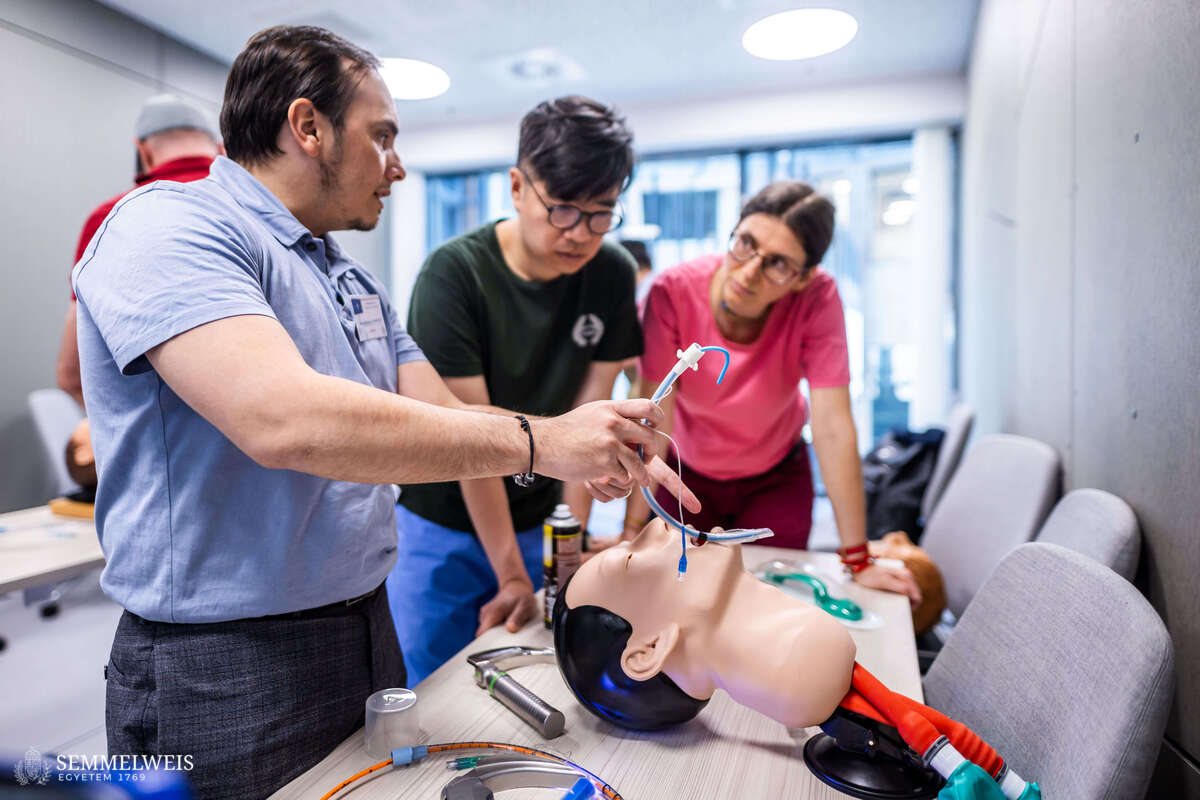
The training courses offered at the center are made possible by donations of bodies (cadavers) for educational and research purposes. These courses provide physicians with the opportunity to master new surgical and diagnostic techniques in conditions that closely resemble real-life circumstances, which directly contributes to improving the quality and safety of patient care. Professor Dr. András Kiss, Director of the Department of Pathology, Forensic and Insurance Medicine, and Deputy Director of AICER, shared that “the center’s mission is to raise the quality of practical training for medical students at Semmelweis University to an even higher level, as well as to ensure the highest standards in specialist training and continuing education for specialists. In this way, the entire Hungarian medical continuing education sector will benefit from the opportunity to learn and practice the latest 21st-century technologies.”
Professor Dr. Alán Alpár, Vice-Rector and Director of the Department of Anatomy, Histology, and Embryology, as well as Deputy Director of AICER, emphasized: “For years, our colleagues and I have been working to ensure that the anatomical training of medical students and physicians continues beyond the first few years, when it provides an essential foundation, to support their further professional training. In recent months, our institute has organized and implemented more than 20 training courses for residents and specialist physicians, with our anatomists actively participating as instructors. AICER has taken this initiative to a whole new level.”
As Rector Dr. Béla Merkely underlined: “The Anatomy & Innovation Center for Education and Research creates new opportunities for Semmelweis University that will enable us to carry out our core missions – education, research, and patient care – at an even higher level.” He explained that students, residents, and specialists could now practice various diagnostic and therapeutic techniques in an anatomical setting, which had previously been possible only to a limited extent. This contributes significantly to the development of practical skills and to further raising the professional standards of training programs.
The rector emphasized that AICER enabled the monitoring of the entire translational research process, from the initial innovative idea to its application at the bedside. The new center will help introduce novel devices, technologies, and procedures into clinical practice more quickly while maintaining the highest professional and safety standards.
For patient care, it is of paramount importance that professionals can learn new surgical techniques and test new procedures and instruments in a safe environment that closely resembles real-life situations before putting them into clinical use. “All of this directly contributes to enhancing patient safety and the continuous improvement of the quality of care,” noted Dr. Béla Merkely.
Gallery
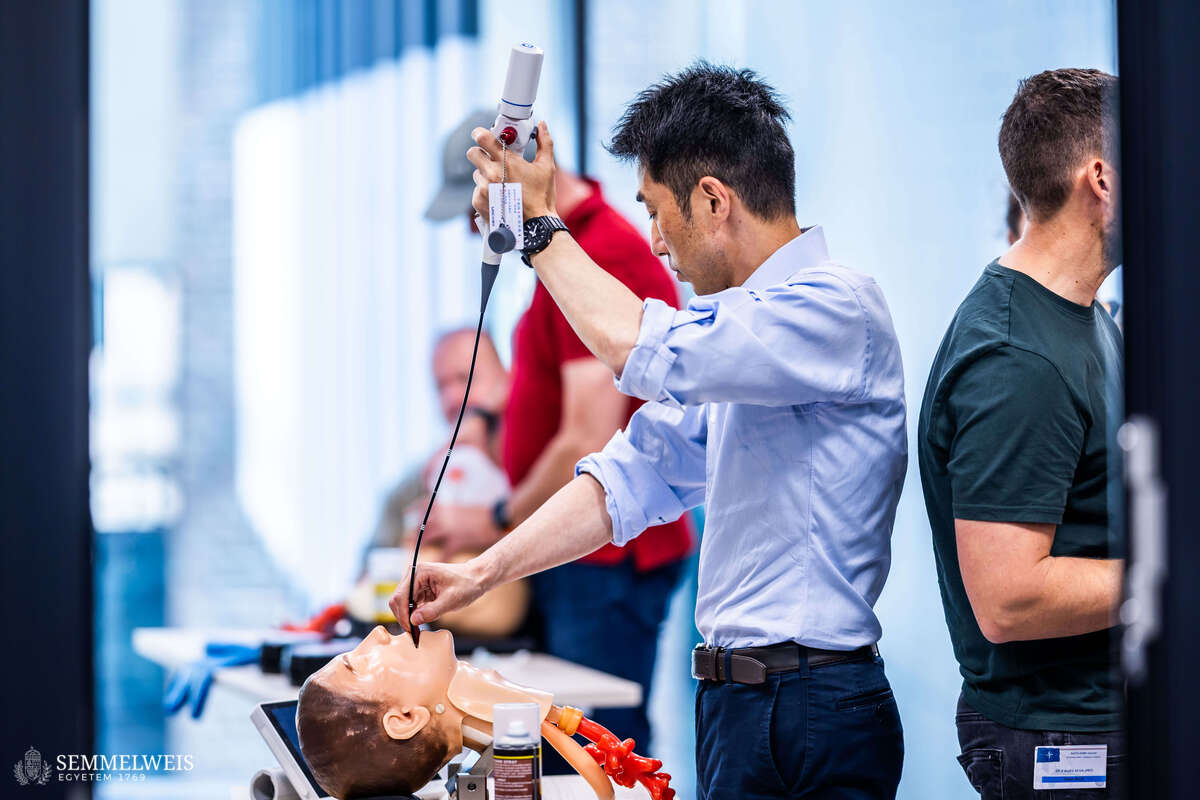
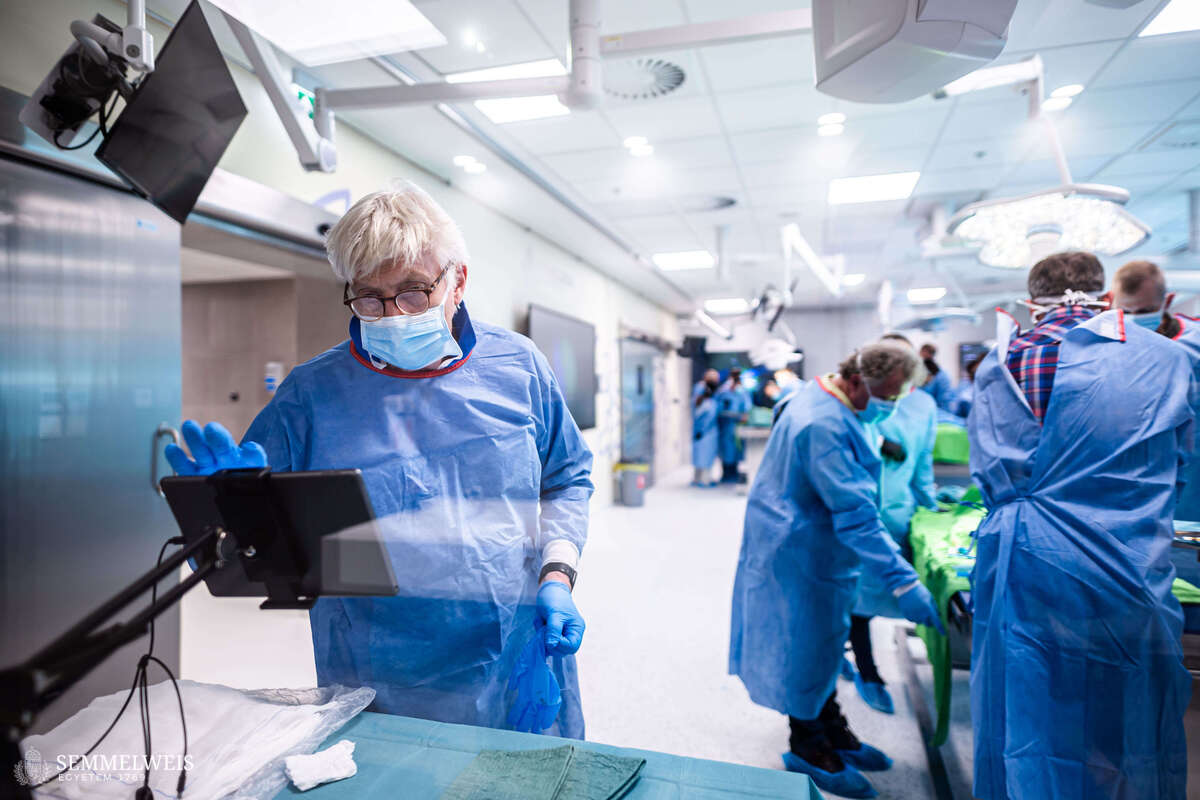
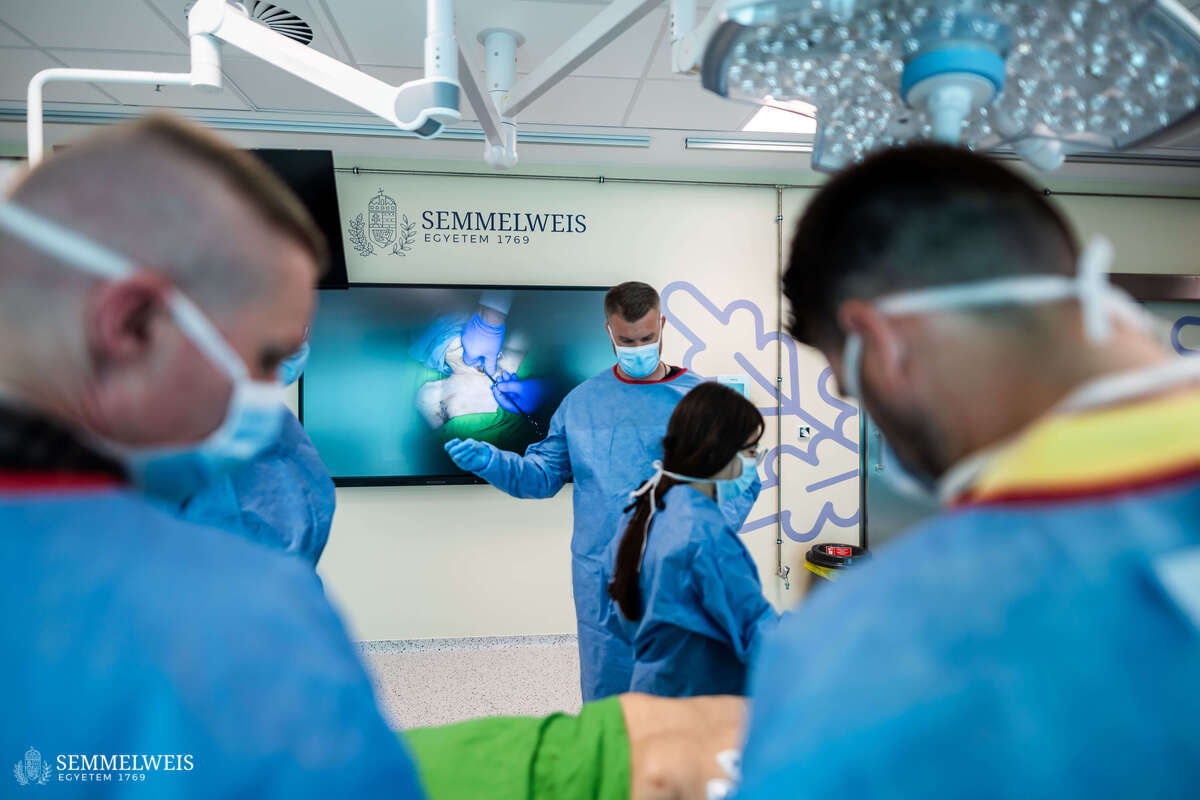
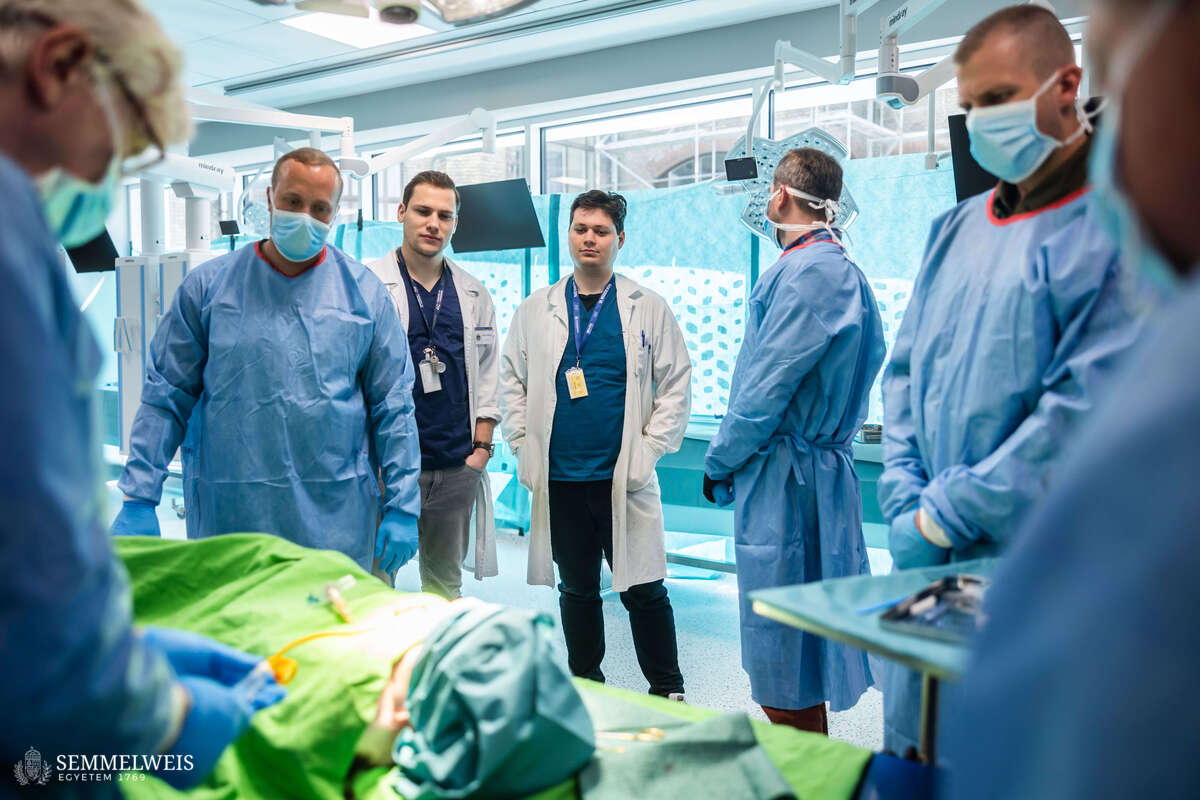
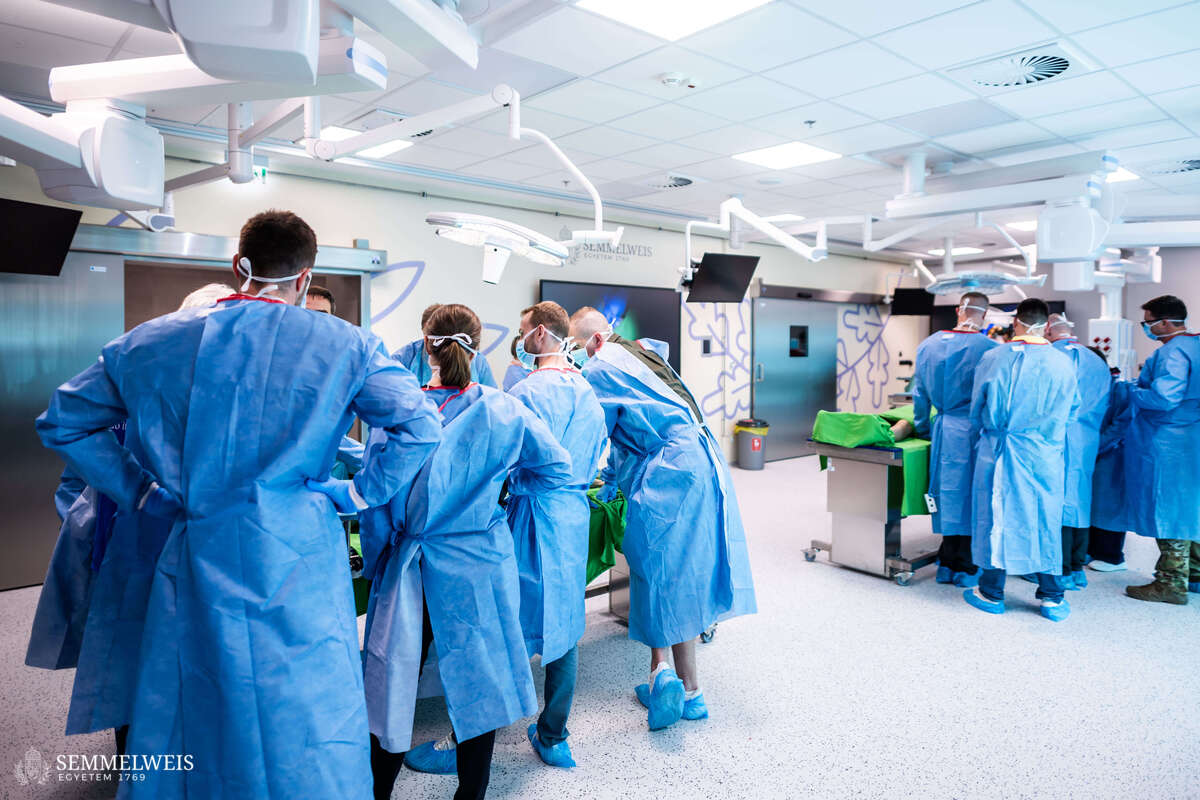
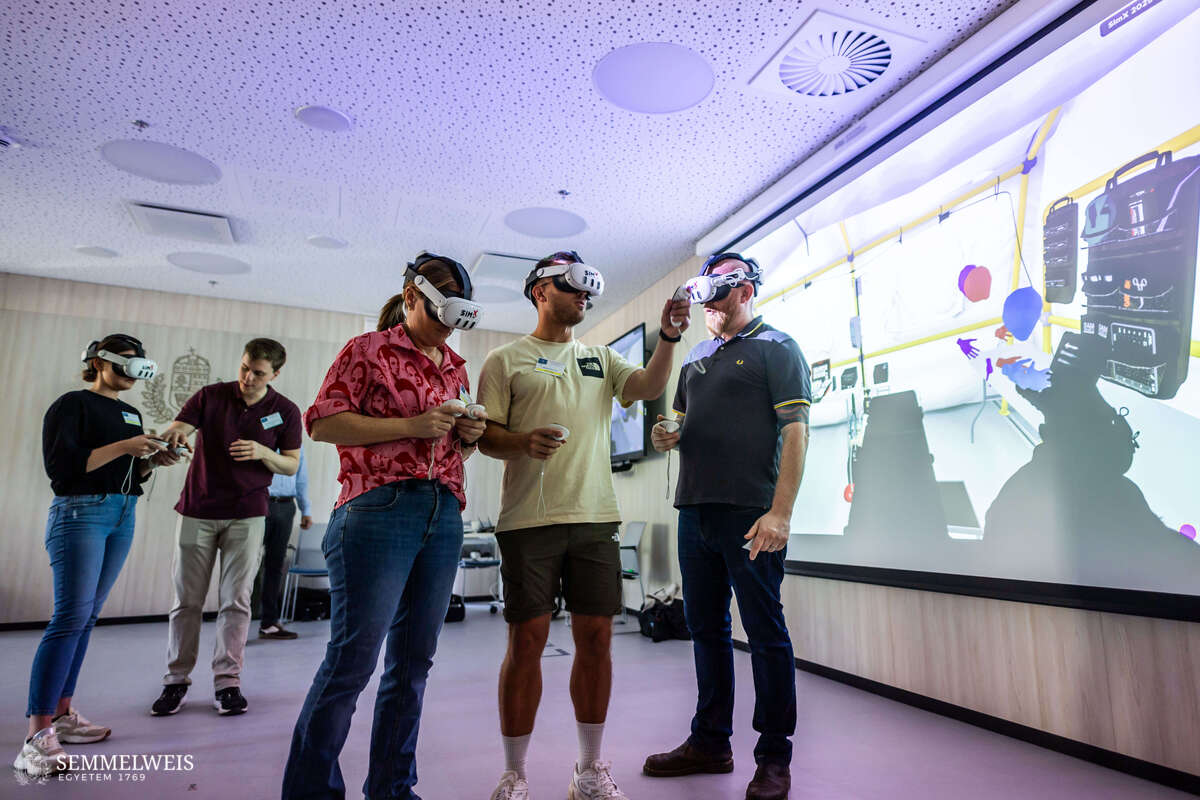
AICER also enables the use of innovative educational solutions, such as various disease models or the pumping heart model, which provide an even more realistic environment for practicing complex procedures. Digital cadaver twin technology involves creating detailed digital replicas of cadavers using state-of-the-art imaging techniques, from which 3D virtual models are constructed, enabling surgical training and research to be conducted in a safe, realistic, and interactive environment.
Experts view the current period as a pilot phase. The goal during the first few months was to fine-tune the infrastructure and educational processes. “Our aim is for AICER to become a leading national and regional hub for hands-on healthcare training,” emphasized Dr. Endre Kontsek.
After the summer break, the training period will resume at the end of August, in line with the academic calendar. The programs are expected to introduce additional specialties, including thoracic, vascular, gynecologic, spinal, and abdominal surgery, as well as endoscopy. In the long term, AICER aims to simultaneously support the practical training of medical students, the skill development of residents, and continuing education programs for specialists both in and outside Hungary.
Eszter Keresztes
Translation: Judit Dőtsch
Photos by Bálint Barta, Boglárka Zellei – Semmelweis University