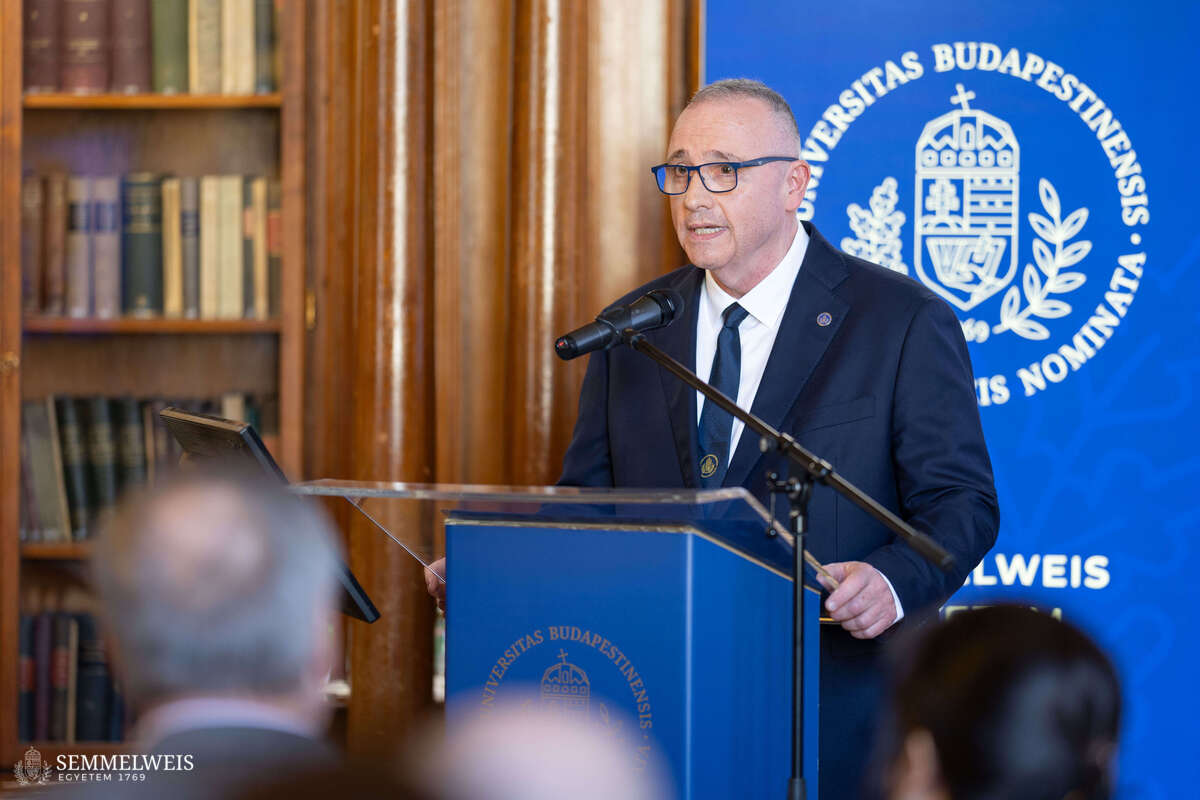
“Although medicine is advancing at a tremendous pace, there are still conditions and diseases that we are unable to combat successfully. In our work, we are dedicated to reducing suffering and alleviating distressing symptoms. We strive to ensure the best possible quality of life and, above all, preserve dignity. We are also committed to supporting and assisting families, who often suffer as much or even more than the patients themselves. That is precisely the essence of palliative care,” said Dr. Béla Merkely at the event introducing the new care program.
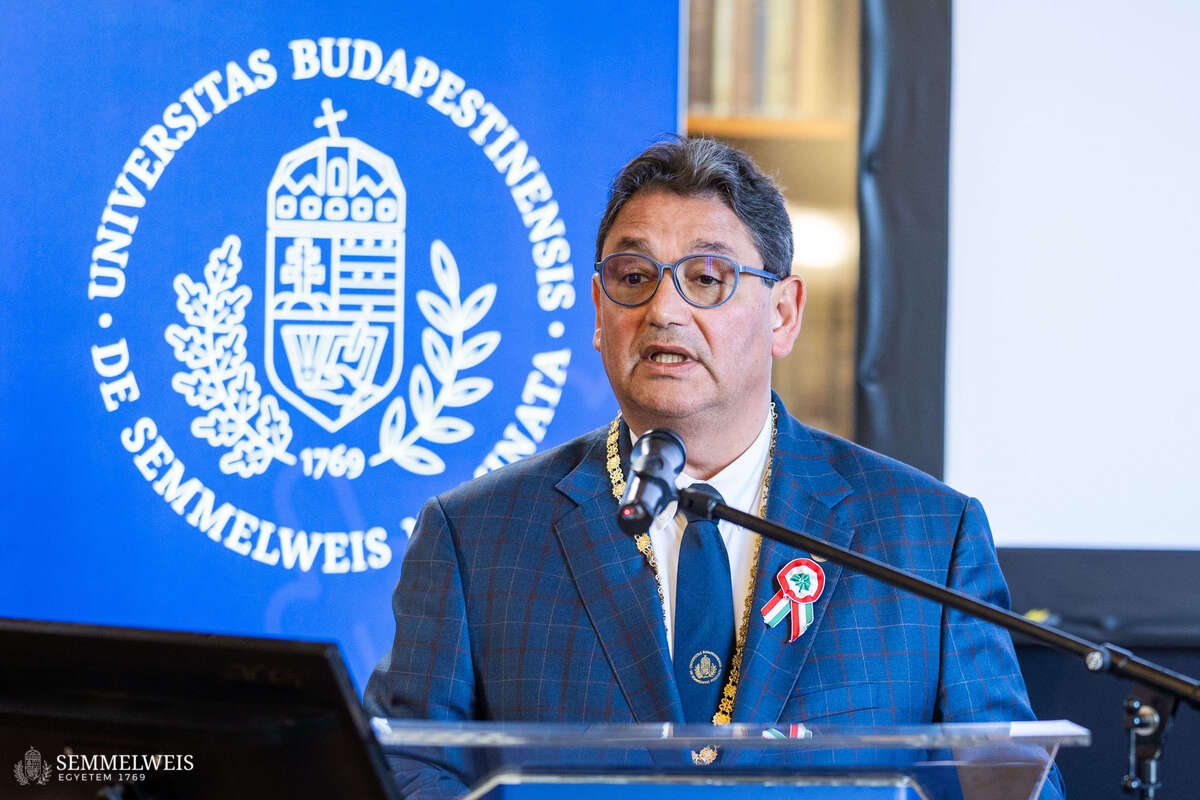 As the rector of Semmelweis University pointed out, this was the first time a model program had been established that was fully integrated into the operations of a university clinic, linking multidisciplinary, inpatient, outpatient, and home-based palliative care into a unified system. Unlike hospice care, which focuses on the final stages of life, this approach can be applied throughout the entire course of the illness, making it broader in scope.
Dr. Béla Merkely emphasized that the palliative care approach was being integrated into patient care as well as medical and health sciences education, adding that postgraduate training programs provided opportunities for standardized data collection, scientific publications, and the implementation of innovations.
This exemplary initiative can serve as a model for other healthcare institutions and is also aligned with the models of early integrated palliative care recommended by the WHO and other international organizations. – Dr. Béla Merkely
Finally, the rector expressed his gratitude for the funding provided by the Swiss-Hungarian Cooperation Programme to support palliative care for children and adults. He also thanked the project’s participants for their efforts.
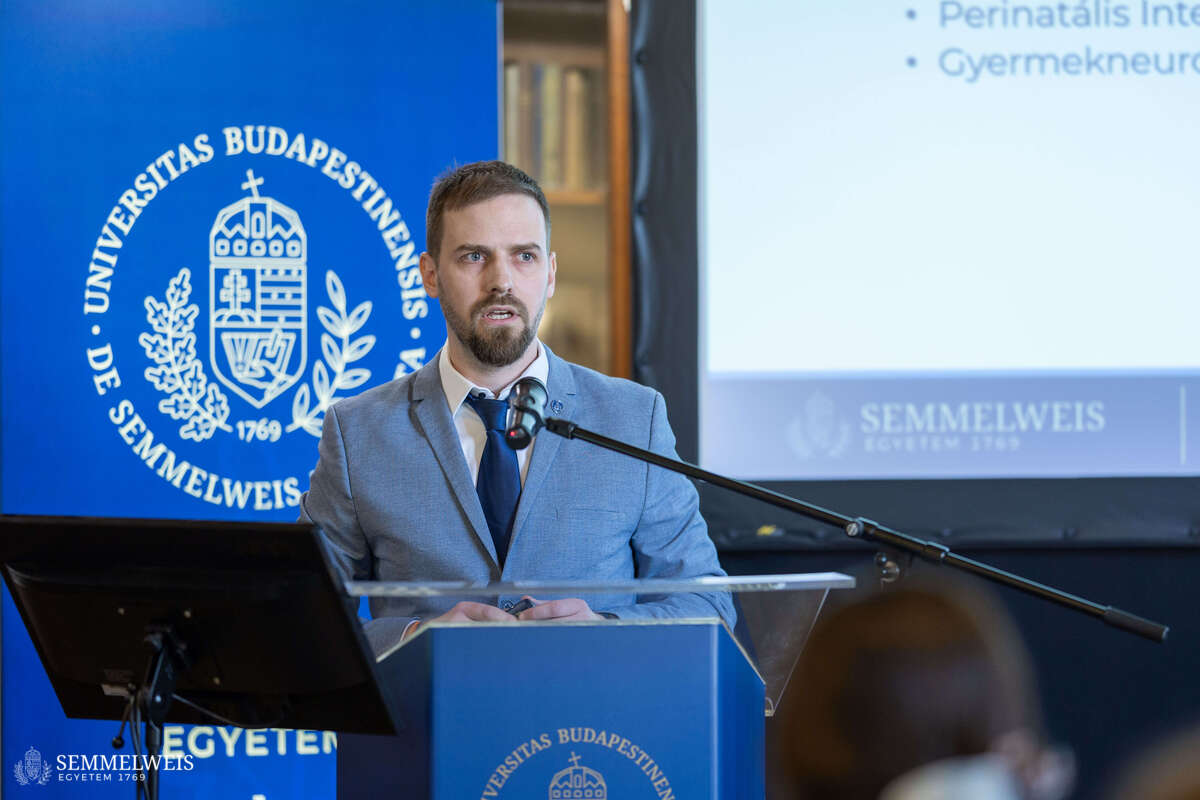 In his presentation on integrated pediatric palliative care, Dr. Gábor Szarvas, clinical specialist at the Tűzoltó Street Department of the Pediatric Center and Operational Head of the pediatric palliative care team, highlighted that, according to surveys, approximately 20 million children worldwide – and about 600,000 in Europe – needed palliative care each year, yet only a fraction of them actually had access to it. He said they would follow the recommendations of international organizations: From the moment of diagnosis, they would offer to care for, monitor, and support the child holistically, considering not only their illness, but also their physical, psychological, and mental condition. They would provide this care and support to the child and their relatives and family members as the disease progressed, regardless of the outcome.
One of the services provided as part of the project is a mobile team, which is available at any time during working hours to all caregivers, doctors, and even families within the Pediatric Center. “We are striving to integrate the palliative care approach into education as much as possible,” noted Dr. Gábor Szarvas. He emphasized that the data and experiences gathered during the project were applied immediately to the care of children.
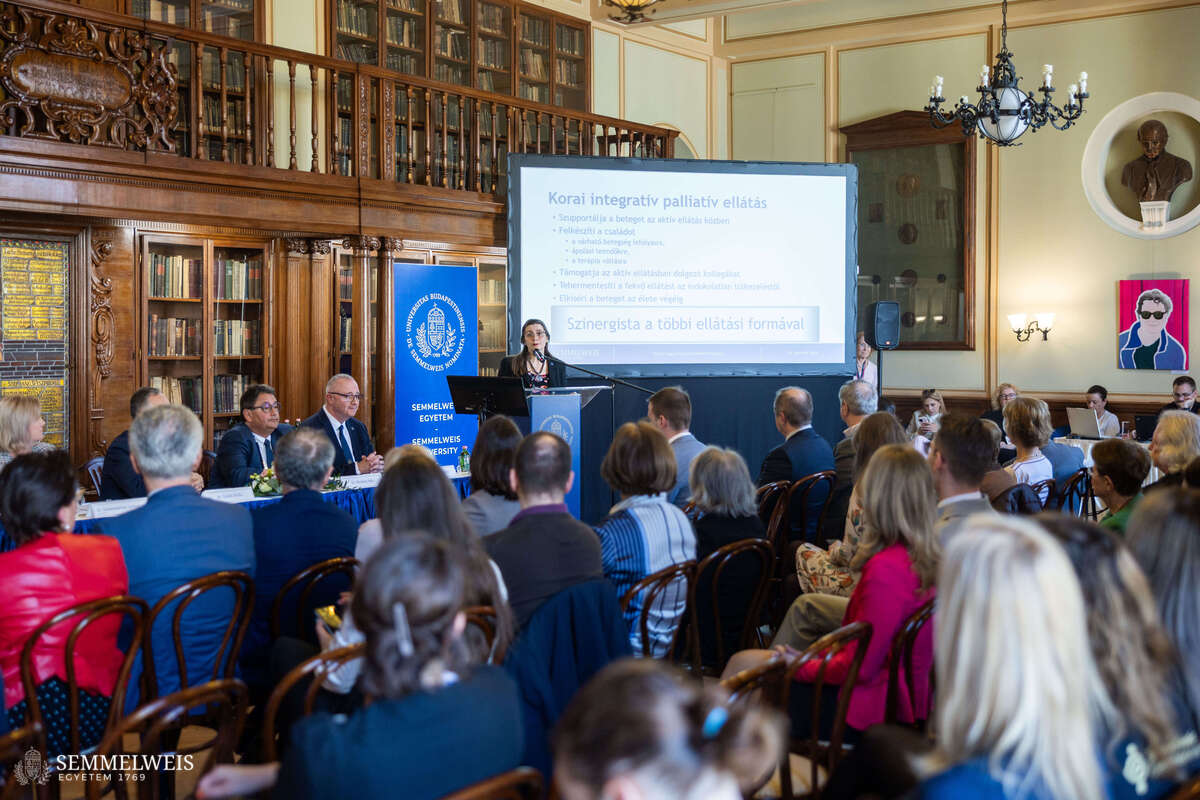
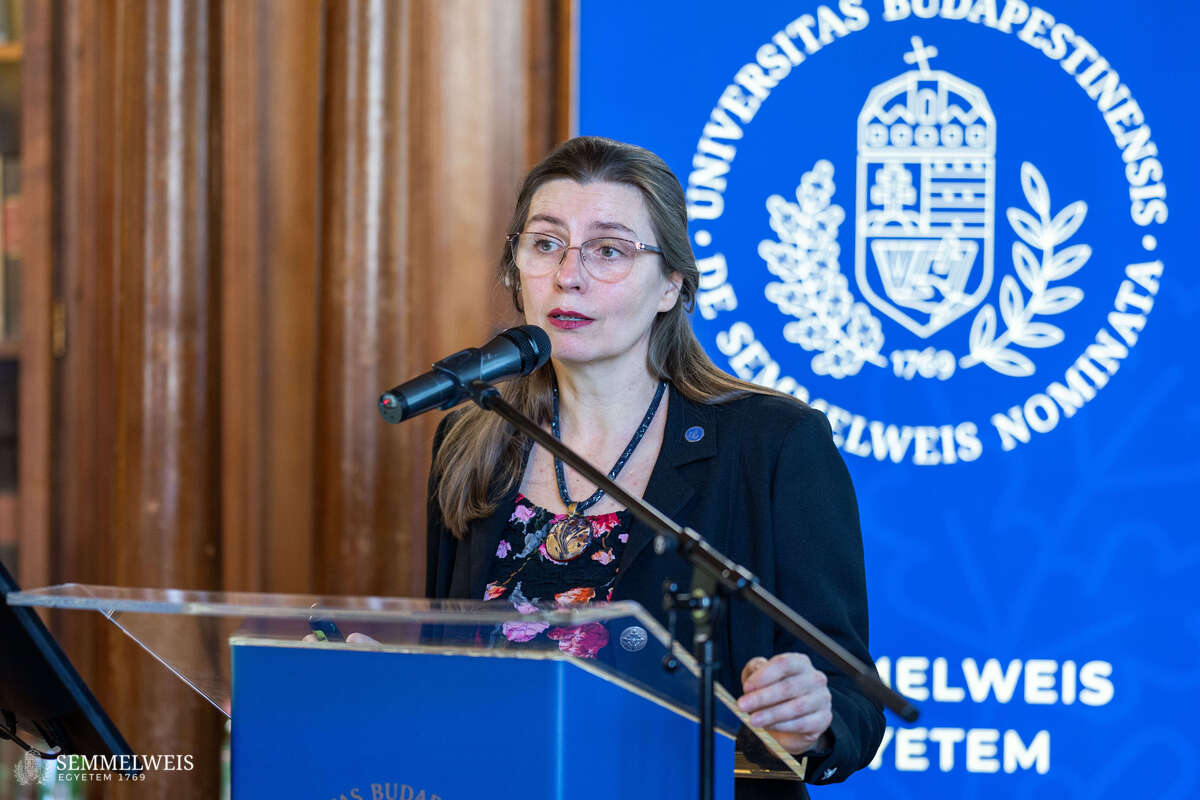 In her presentation, Dr. Anna Horváth, Assistant Professor at the Department of Internal Medicine and Hematology and Head of the adult palliative care team, explained that early integrated palliative care supported patients during ongoing treatment, prepared families for the expected course of disease, assisted with nursing tasks, and provided an opportunity to discuss potential therapy changes with colleagues involved in active care.
In this model, the liaisons at the Department of Internal Medicine and Hematology, the Department of Internal Medicine and Oncology, the Department of Surgery, Transplantation, and Gastroenterology, the Department of Pulmonology, and the Department of Urology notify the mobile team when a patient with a terminal diagnosis enters the healthcare system. This allows the team to provide professional support to those involved in active care as well as offer palliative care to the patients.
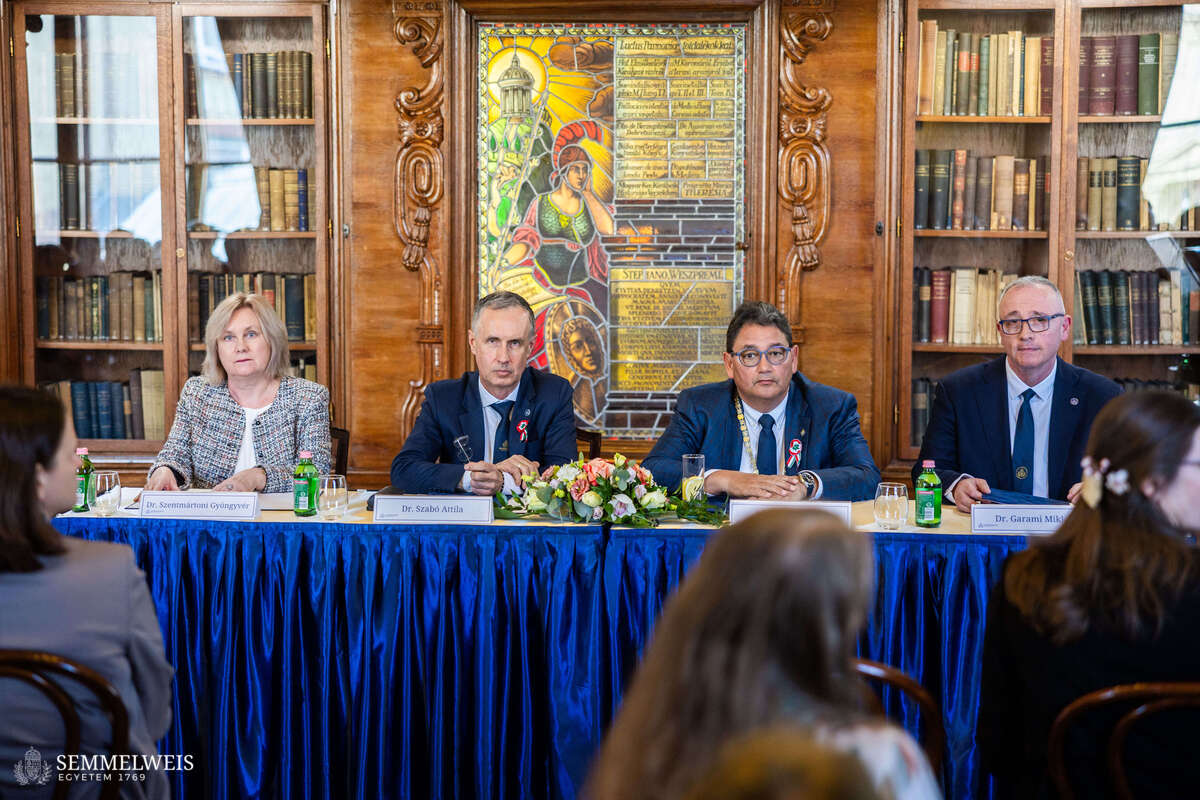
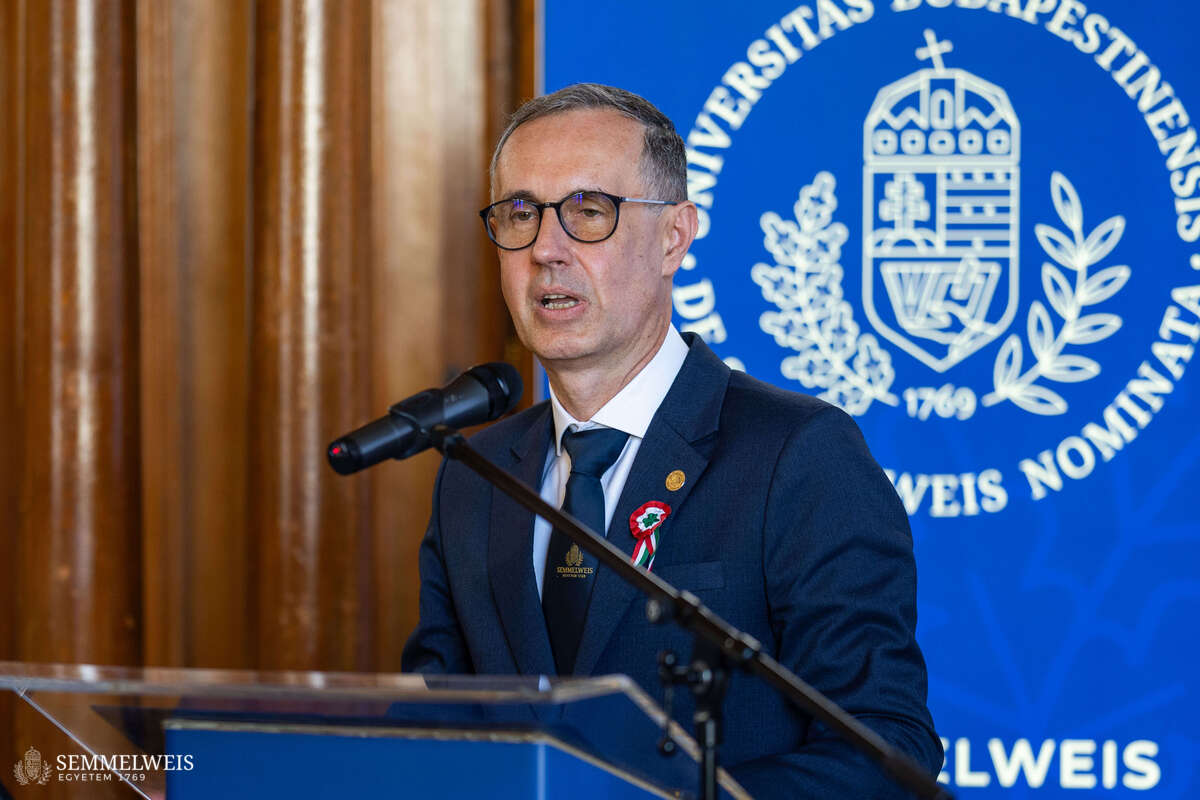 Dr. Attila Szabó, Head of the Clinical Center and Director of the Pediatric Center, pointed out that “The goal of a palliative care approach is not end-of-life care, and it applies not only to oncology patients but to all patients and conditions where complete cure is not possible. Palliative care is made possible by the collaborative efforts of a multidisciplinary team comprising doctors, nurses, psychologists, social workers, and representatives from numerous other fields. It focuses on the whole person, not just the diagnosis, that’s why it can be described as personalized medicine,” emphasized Dr. Attila Szabó.
“Our colleagues are drafting protocols and guidelines that could be adopted at the national or even international level. In this regard, the mission of Semmelweis University is not only to provide care, but also to ensure that the methodological practices and clinical experience developed here contribute to the advancement of palliative care in Hungary,” stated Dr. Attila Szabó.
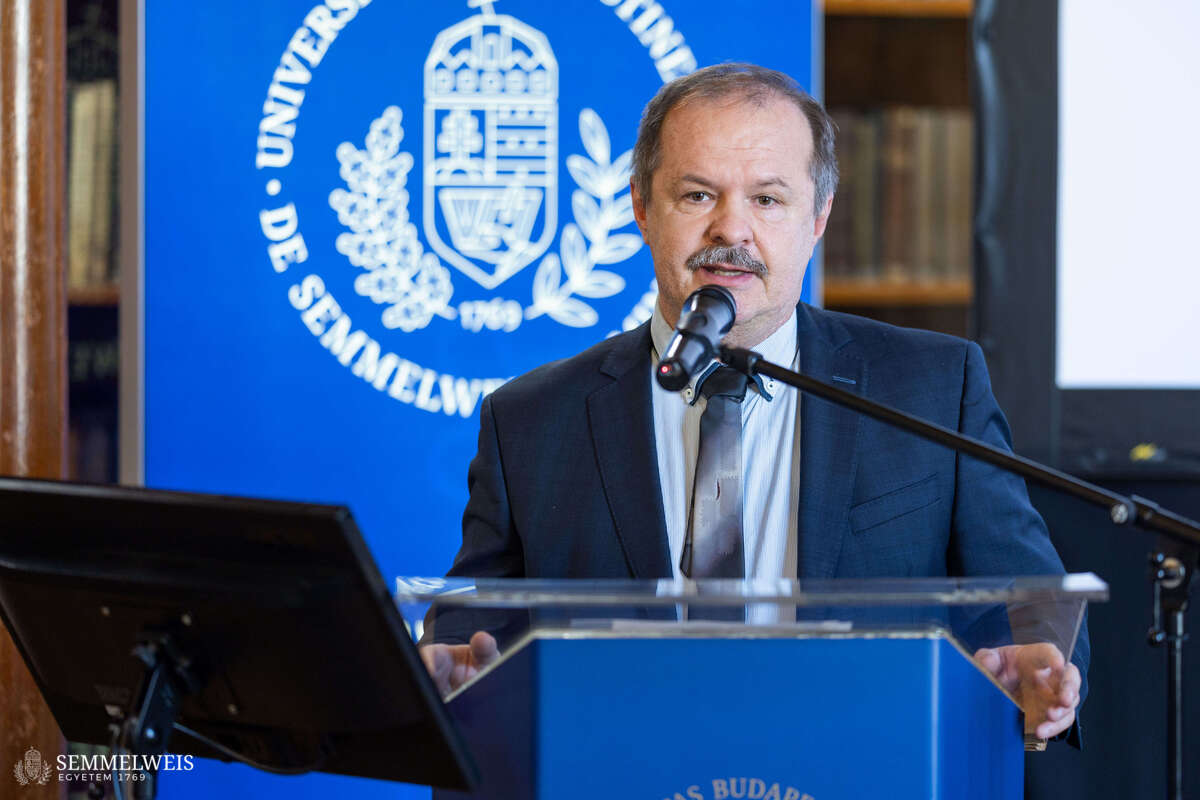 “The current phase of the Swiss-Hungarian Cooperation Programme is just getting started at the university, but the project itself began in 2019,” noted Dr. Gábor Benyó, Medical Director of the children’s hospice Tábitha House and President of the Hungarian Association for Hospice and Palliative Care. He also referenced Mathis Tepanek, who lived to be 13 years old. “His message was that palliative care is not about helping a child die peacefully, but about helping the child and their family live well. And then, when the time has surely come, to help them die gently,” Dr. Gábor Benyó concluded in his speech.
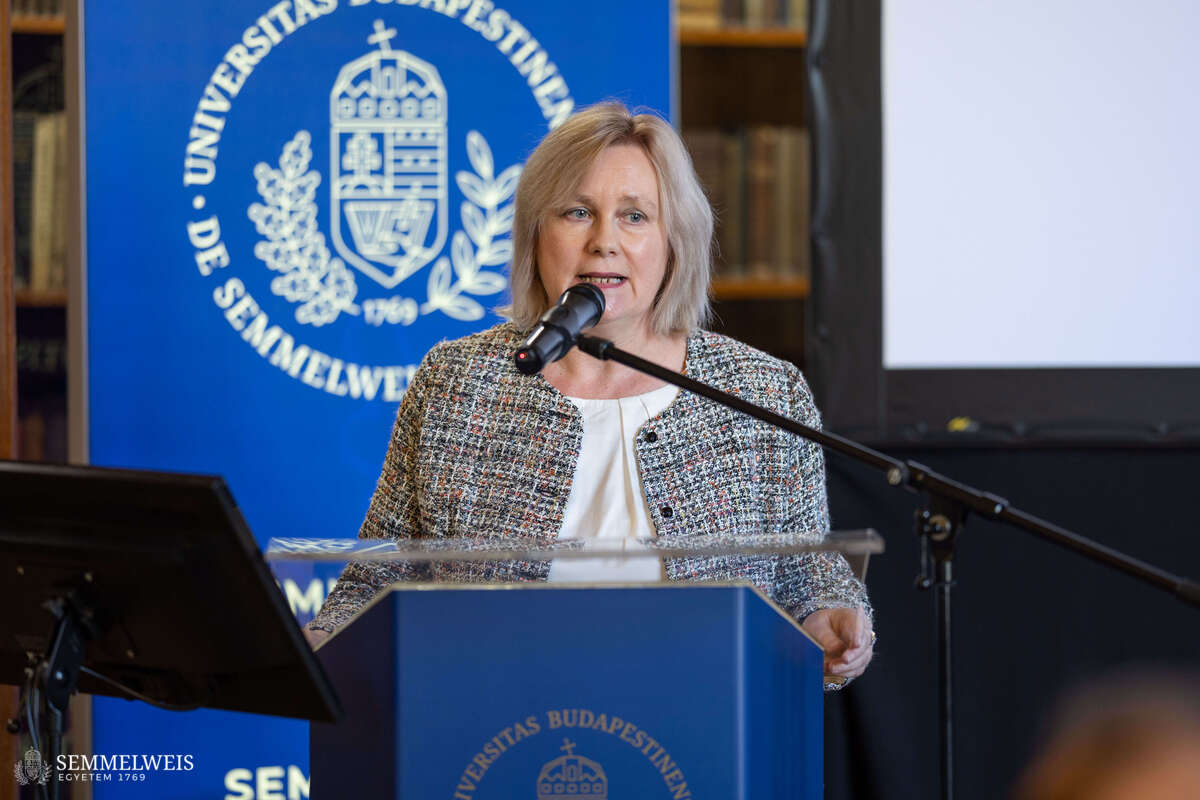 As Dr. Gyöngyvér Szentmártoni, Assistant Professor and Project Leader of the Oncology Division and the adult palliative care program at the Department of Internal Medicine and Oncology, pointed out: “We would like to support our colleagues in the overburdened clinical environment so that they can help their patients achieve a good quality of life and receive the assistance they need with the help of a multidisciplinary mobile palliative care team. And, obviously, we want to help our patients, because we see that very few people across the country have access to this kind of integrative care,” she said. Speaking about the methodological center – which plays a significant role in the program and is currently under development – she explained that it provided comprehensive, personalized support to chronically ill patients and their family members, developed professional materials and a knowledge repository, provided guidance on integrating palliative care into financing, and created opportunities for scientific work and publications based on the collected data.
Gallery

A service funded by the Swiss-Hungarian Cooperation Programme
Adult palliative care is available, upon referral by a specialist, to patients with chronic, more severe conditions who are being treated at the university’s hospitals and who require supportive care temporarily while undergoing active treatment, or who are no longer candidates for active treatment but still require supportive care. The work of the mobile palliative care team is coordinated by the Oncology Division. By the end of the third year of the project, integrated palliative care will be available at every unit. Pediatric palliative care is available, upon referral by a specialist, to children and young people aged 0-21 who are being treated at university hospitals and who suffer from severe, life-shortening, or life-threatening conditions – such as cancer, neurological, congenital developmental disorders, or metabolic diseases, as well as in severe conditions associated with extreme prematurity. Care is provided at multiple levels in a coordinated manner.
The project was implemented with support from the Swiss Contribution and co-financing from the Government of Hungary.


Anita Szepesi
Translation: Judit Dőtsch
Photos by Bálint Barta, Boglárka Zellei – Semmelweis University