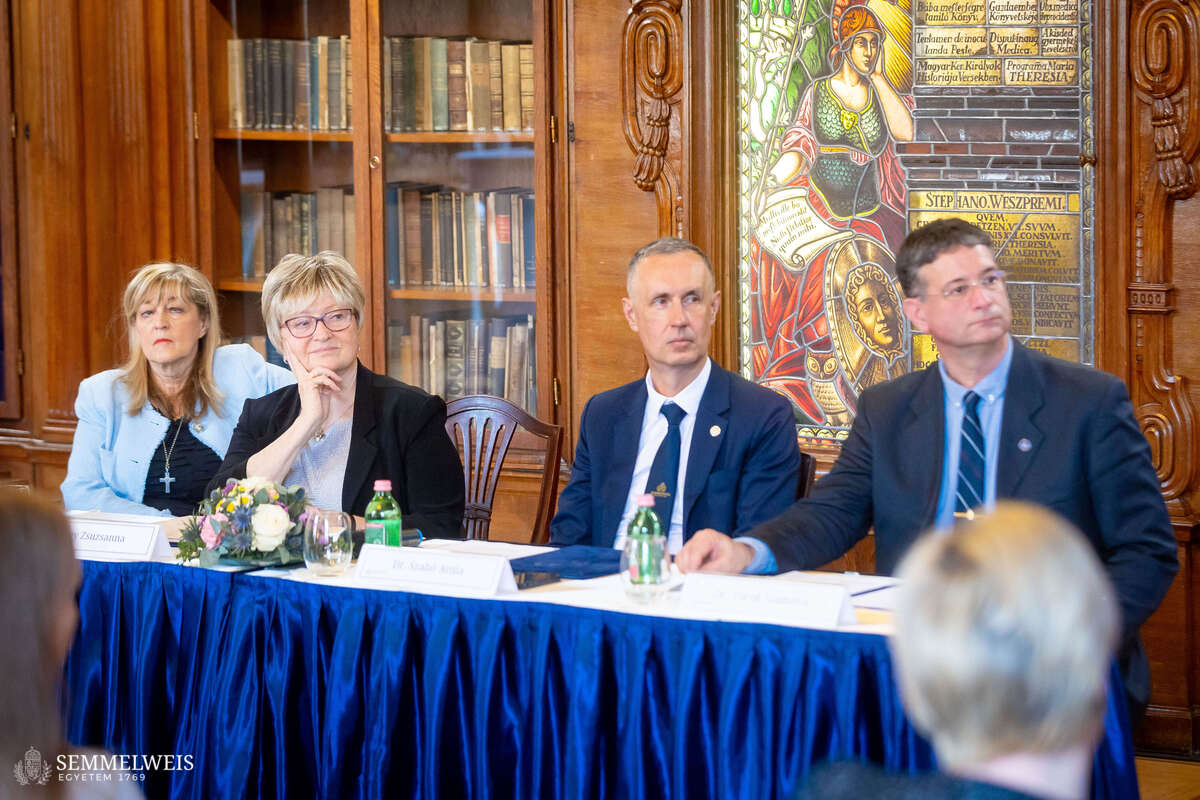
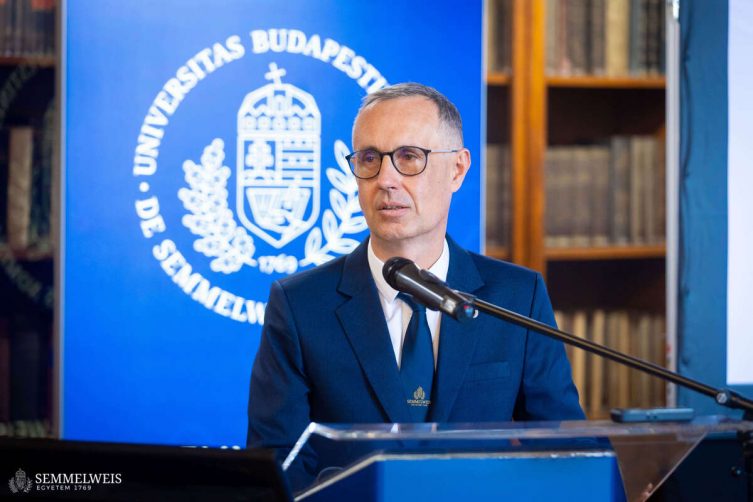
 “At Semmelweis University’s Pediatric Center, we launched an exemplary family therapy program nearly twenty years ago, primarily in the field of pediatric psychiatry, which even then yielded recovery results exceeding the European average, especially among children and adolescents with eating disorders. Two of our university units have received funding from the MOL – New Europe Foundation grant, which means we can now offer even more comprehensive services to the young patients treated here as well as their families,” said Dr. Attila Szabó, Vice-Rector for Clinical Affairs at Semmelweis University and Director of the Pediatric Center, in his welcome speech at the official opening of the program. As he pointed out, a child’s illness places a huge burden even on a well-functioning family, and the healing process is not solely a medical issue, but a complex biopsychosocial process in which the family plays a key role. Family therapy interventions also contribute to making care processes more efficient and to gaining the cooperation of those involved. The vice-rector also emphasized that, with a complex approach to helping sick children recover, not only patient care but also the university’s educational portfolio would be expanded.
Starting in September, three new master’s programs in psychology will be launched, one of which, the MSc program in Systemic Psychology, will place special emphasis on teaching family-level psychological interventions. This new program will also be taught at family therapy outpatient departments. – Dr. Attila Szabó
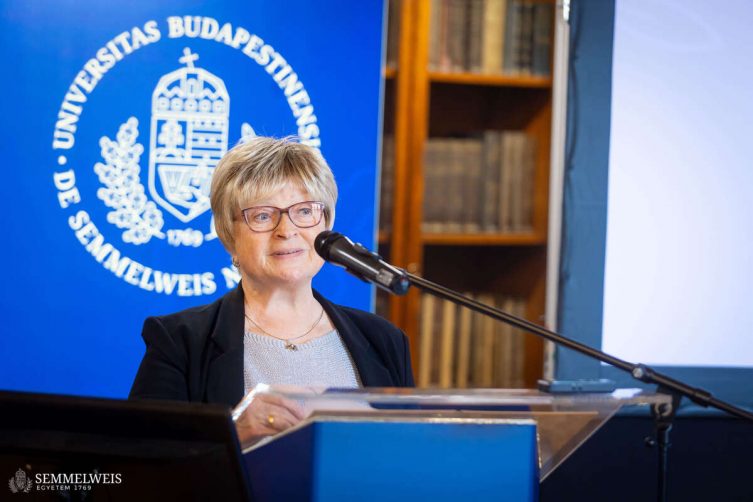 At the program launch event, First Lady Zsuzsanna Nagy gave a welcome address as the program’s chief patron. She is herself a trained family therapist and mental health professional. In her speech, she noted that hope for recovery had to be present in adult family members and siblings as well, and that family therapy supported those affected by stabilizing the emotional balance of the family. Zsuzsanna Nagy praised the development of the program and the fact that the family therapy service, which was an integral part of healthcare, had grown from three locations to being available in 20 different regions. She also thanked the leaders and professionals of the institutions involved in the implementation for their commitment.
The university’s two specialist clinics – the Mental Health Outpatient Clinic at the Semmelweis University Outpatient Clinic, which has been providing family therapy for 35 years, and the Department of Clinical Psychology and Outpatient Clinic at the Department of Psychiatry and Psychotherapy – successfully applied for funding from the Imre Kozma Pediatric Healthcare Plus Grant of the MOL – New Europe Foundation. Thanks to the funding, both specialist clinics will be able to expand their capacities and treat more patients. The specialist outpatient clinic of the Department of Psychiatry and Psychotherapy provides family therapy care for adolescents struggling with anxiety and depressive disorders, neurodiversity, somatization, and eating disorders, thus filling a gap in the national healthcare system. At the Semmelweis University Outpatient Clinic, family therapy care will be significantly expanded with nearly 200 family therapy sessions per year. Appointments will be available every day of the week, where children treated at various units of the university, such as the Pediatric Center or the premises of the András Pető Faculty, as well as their family members are helped with methods that take into account the specificities of each type of illness.
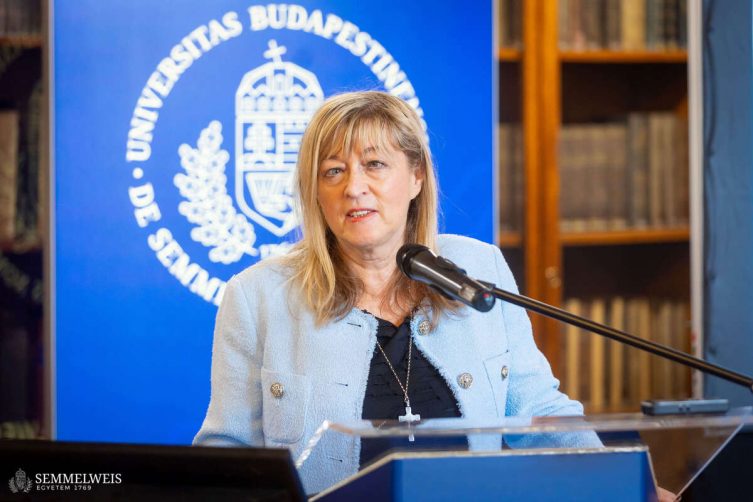 Dr. Mária Schmidt, trustee responsible for social support grants at the MOL – New Europe Foundation, said in her introductory address that the aim of the annual Imre Kozma Pediatric Healthcare Plus Grant was to achieve nationally available, exemplary care development as a complementary service filling a gap in state-funded domestic healthcare institutions. She expressed her gratitude to the participating professionals who, as she put it, not only care for sick children but also for their families, easing their hardships and doing a fantastic job.
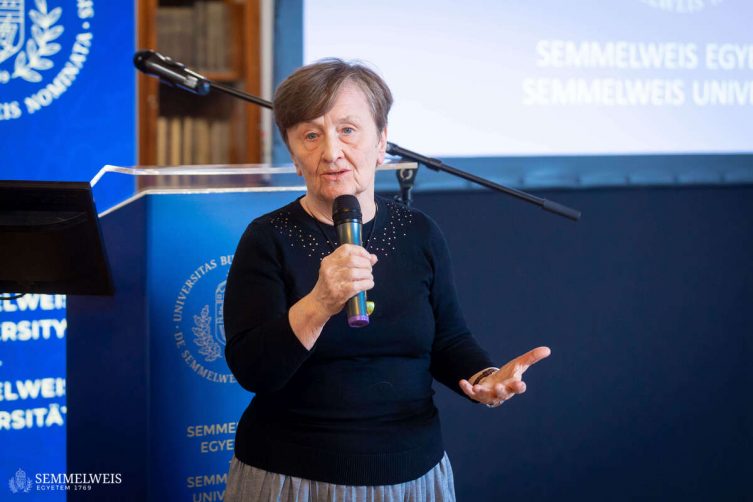 Dr. Katalin Barát, Chief Psychiatrist at the Mental Health Outpatient Clinic of the Semmelweis University Outpatient Clinic, pointed out that the outpatient clinic of the predecessor Rókus Hospital has been providing family therapy services continuously for 35 years, after it was established in 1991 as the first such facility in the country to be financed by public health insurance. In her experience, medical family therapy not only improves communication and cooperation between families and healthcare staff but also enhances interaction and cohesion between family members and spouses, all of which contributes to successfully coping with changed life situations.
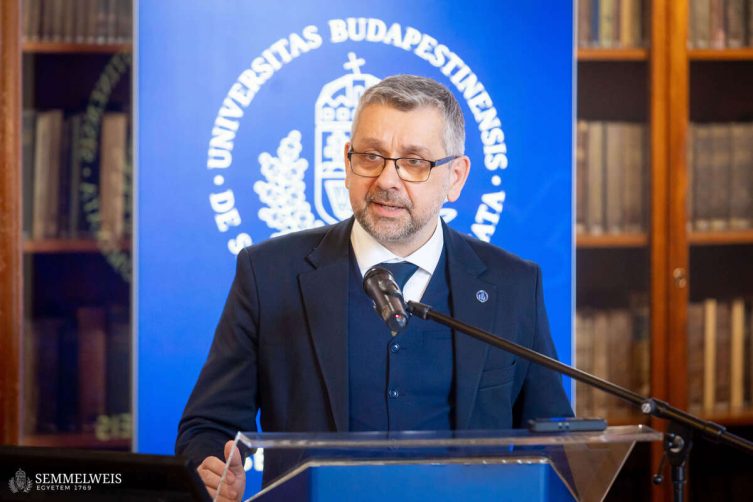 Dr. Péter Varga, Director of the Semmelweis University Outpatient Clinic and Medical Director of the university’s Family Friendly University Program, underlined in his welcome speech that the implementation of family therapy care development could provide real help to families in coping with stressful life situations, in addition to treating chronically ill children. He expressed his delight that, thanks to the support, the outpatient clinic will be expanded with six new specialists and will soon be able to continue operating in a renovated, modern, bright clinical environment.
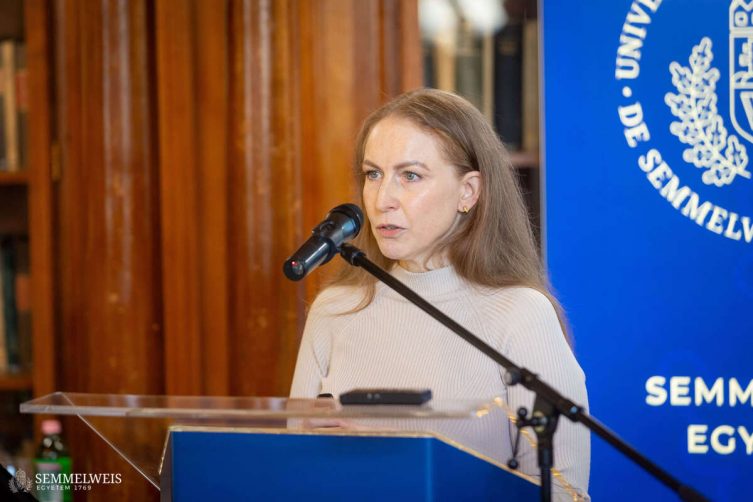 Dr. Xénia Gonda, Head of the specialist outpatient clinic, as well as Associate Professor and Head of the Department of Clinical Psychology, stressed in her presentation that the involvement of the family and caregivers was essential for the lasting improvement and restoration of adolescents’ mental health, and that family therapy was the only thing that also had an impact on supportive environmental factors.
She therefore considers it a significant step forward that, thanks to the support, the outpatient clinic’s therapeutic portfolio will be expanded to include family therapy, and that complex, multi-level forms of care can be applied in addition to individual and group therapy, even after school and work hours, in the evenings.
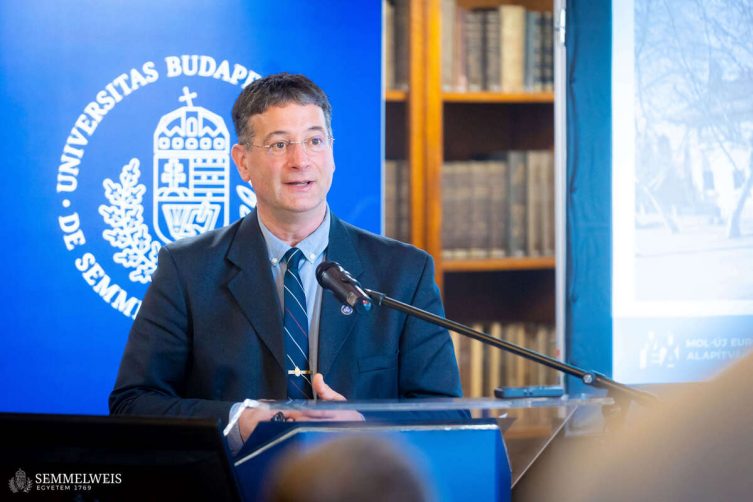 At the event, Dr. Szabolcs Török, Vice Dean of the Faculty of Health and Public Administration (EKK) at Semmelweis University, Professor at the Institute of Mental Health, as well as Professional Director of the Imre Kozma Pediatric Healthcare Plus program, gave an overview of the results achieved since the program’s launch and the ten new family therapy care development programs that will be launched this year thanks to the support. He presented the centers that provide support to children struggling with somatic and mental illnesses and addictions as well as their families. He expressed his hope that the number of rural centers would increase in the future and that the program would also be available in regions and counties not yet covered.
Melinda Katalin Kiss
Translation: Dr. Balázs Csizmadia
Photos by Boglárka Zellei – Semmelweis University; illustration: iStock – Dejan Sarec