It is estimated that one in four children in Hungary is overweight, and this ratio could double within ten years if current trends continue. Experience shows that in most cases, overweight children – if their excess weight is not treated – continue to struggle with this condition into adulthood. Being overweight and obese is a chronic disease in itself, but it can also lead to numerous complications, such as diabetes, cardiovascular disease, liver dysfunction, respiratory disorders, reflux, musculoskeletal complaints, and even psychological issues. In the vast majority of cases (95-98 percent), genetic predisposition and lifestyle are responsible for obesity, so conscious parenting choices can have a huge impact on our children’s health and preventing adult-onset diseases.
1. Watch out for the risk factors that can predict a child’s predisposition to obesity even prior to birth.
 The likelihood of a fetus becoming overweight or obese later in life can be partially predicted before birth based on genetic predispositions, i.e., the body types of the parents and grandparents. In addition, research suggests that children whose mothers gained significant weight during pregnancy or developed diabetes or glucose metabolism disorders are more prone to obesity and diabetes, points out endocrinologist Dr. Zsófia Gács, Head of the Lifestyle Outpatient Clinic at Semmelweis University’s Pediatric Center. This means that as soon as a baby is born, you can already know how much you need to protect them from becoming overweight later in life. However, Dr. Zsófia Gács emphasized that it is important not to view awareness as an oppressive burden, but rather as a tremendous opportunity to actively work toward prevention. By having an appropriate lifestyle, parents teach their children important life skills, thereby protecting them from developing various diseases.
2. Nowadays, we live in an obesogenic environment, surrounded by numerous factors that promote weight gain. Let’s take conscious action against them!
In today’s Western societies, we typically live in an environment that pushes both children and adults toward obesity. Eating habits have changed significantly; we consume more processed, semi-prepared, and ready-made foods. Due to our busy lifestyles, we try to save time by driving our children to kindergarten or school instead of walking or cycling. Advertisements encourage us to consume almost every minute of the day, and they don’t necessarily offer healthy options. As part of this, supermarkets offer tons of colorful sodas with an exciting flavor; it’s really hard to find a healthy drink that is sugar- and calorie-free. Although this requires a lot of effort on the part of parents, it is advisable to opt for water or homemade fruit tea, points out Dr. Zsófia Gács. It is also important to know that 100 percent fruit juices aren’t as beneficial as many people think. Fruit contains sugar, and these drinks often have a high calorie content.
3. Don’t let sweet be the norm! As parents, we can do a lot to help our children develop healthy taste preferences.
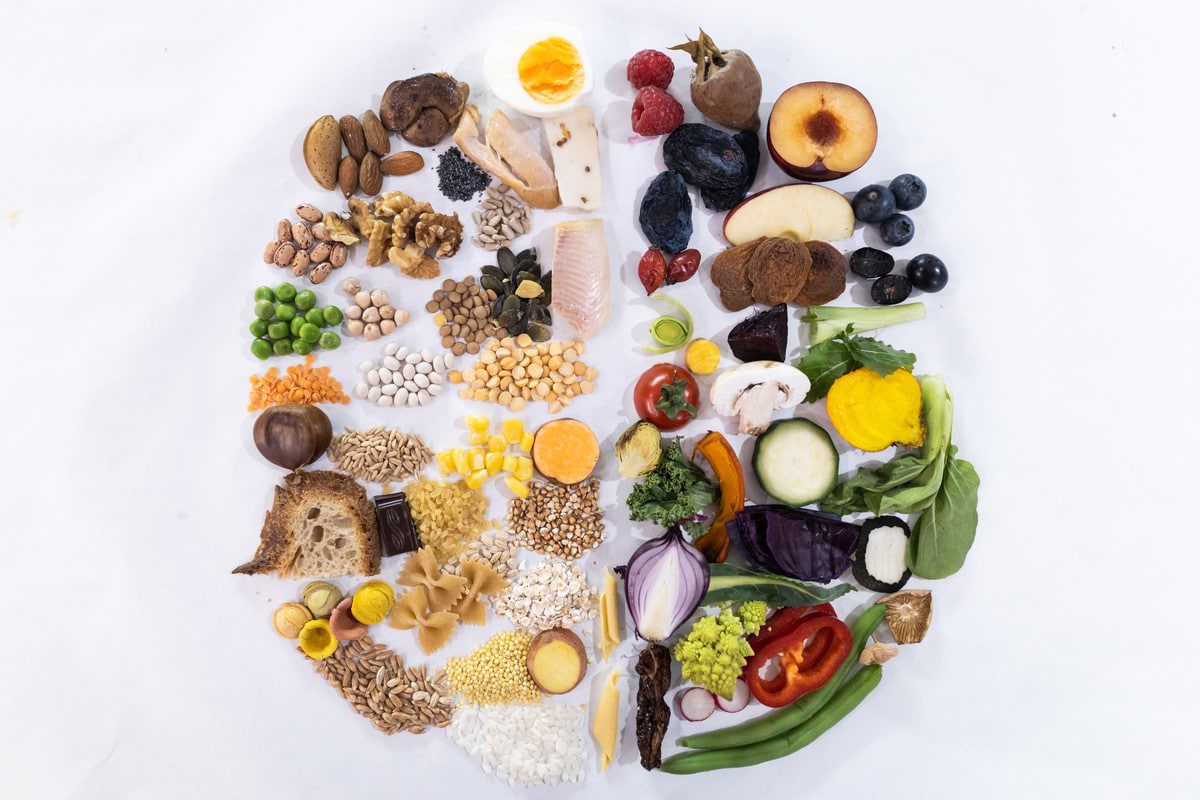
From the very beginning of weaning, it is important to offer your child as many different flavors as possible, providing variety in terms of texture, color, and nutritional content. If your child does not like something, do not force it on them, but try again in a few days, emphasizes Kinga Gangl, dietitian at the Lifestyle Outpatient Clinic. Drinks and foods containing added sugar should be avoided completely under the age of one, but they are not recommended in early childhood either. It is worth checking the ingredients and the amount of added sugar or glucose-fructose syrup per 100 grams on the product labels, which should ideally be 0 gram. Keep in mind that brown sugar (which is refined sugar colored with molasses) has the same carbohydrate content and absorption rate as granulated sugar, and honey also contains a high percentage of natural sugar.
For example, if a three-year-old drinks tea with honey for breakfast, eats a curd snack in the morning, drinks 200 ml of apple juice for lunch, has a fruit yogurt for an afternoon snack, and even adds ketchup to their grilled sandwich for dinner, they will consume more sugar than recommended, even if they did not eat any chocolate or candy during the day. This is important because added sugar can greatly influence the taste preferences of young children, who are naturally inclined toward sweet flavors.
 Parents have the greatest influence on shaping taste preferences until the age of three, as this is when eating habits that affect our health begin to develop. It is key that children get used to natural flavors and do not consume processed, pre-packaged foods and baked goods. To develop healthy eating habits, it is important to introduce children to vegetables, fruits, meats, and grains. This can be achieved through shopping and cooking together – in the latter case, children can help relatively quickly with peeling and chopping, using children’s knives, the dietitian points out.
Smart plate and microbiome
Meals should be balanced, i.e., include vegetables, fruit, protein sources, and grains. In most cases, the problem is not what children eat, but what they do not eat, experts point out, noting that vegetables and fruits are often left out. The more varied and diverse the ingredients in our diet, the better the effect on the composition and diversity of our microbiome, which plays an important role in our immune system and overall health.
4. Change starts with you: Nothing helps more than parental example in developing a healthy diet and an active lifestyle.
Rather than reiterating the health benefits of carrots, allow children to observe how adults around them eat, discuss food, and enjoy eating vegetables. If a child grows up in a household where everyone eats vegetables and fruits without any fuss, they are much more likely to eat these, too.

Setting an example is equally important when it comes to physical activity. If children see that their parents still have the energy and desire to go for an evening walk together after work or to take part in physical activities at the weekend, then this will become second nature to them, too. Parents play a very important role in regulating spontaneous movement, especially at a young age. This includes what kind of leisure activities we provide for them, whether they can go to the playground after kindergarten or school, whether we come up with indoor games for rainy days (e.g., playing with balloons, dancing), and whether we make time to walk or let them ride a toddler tricycle on the way to the store.
It is a warning sign if a child avoids spontaneous physical activity at an early age, complains of leg pain, or gets tired easily. Orthopedic deformities, motor development disorders, or neurodevelopmental disorders may also be underlying causes, which are important to detect and treat in a timely manner to prevent limited mobility.
5. If signs of weight gain are already apparent, let’s reconsider the magic ‘four pillars’ and make changes if necessary.
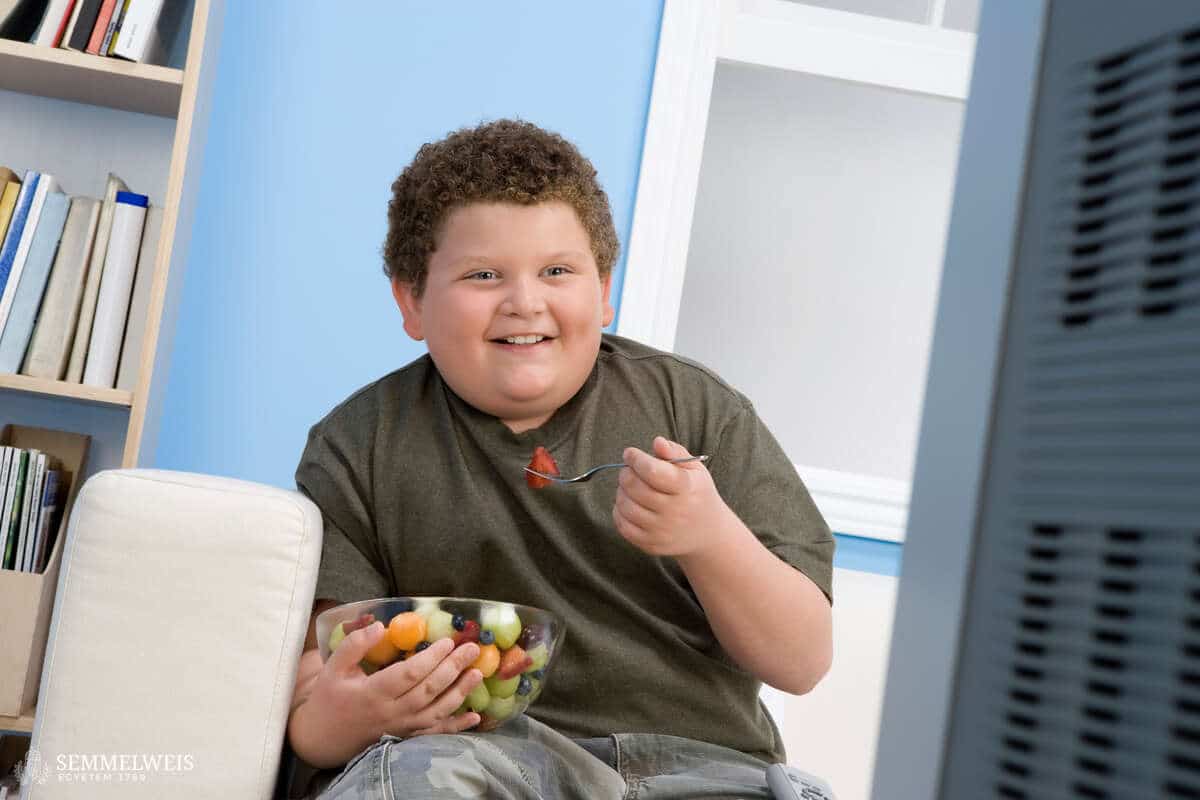
The health visitor and later the school doctor may alert parents if their child’s weight gain is higher than optimal and lifestyle changes are required. In this case, it is necessary to consider the four pillars that form the basis of the work carried out at the Lifestyle Outpatient Clinic, points out Dr. Zsófia Gács.
- Make sure your child eats at regular intervals, has five meals a day with enough veggies and fiber, and doesn’t snack between meals!
- Think about the possible reasons, even psychological ones, that may be driving your child’s eating habits – beyond nutrition and calorie intake. Eating can be a way of coping with stress and processing emotions; anxiety, depression, and ADHD can also be associated with overeating, but some people may perceive thirst as hunger. For this reason, make sure that your child drinks enough fluids!
- The third pillar is sufficient and restful sleep, which has a decisive impact on the next day’s eating and activity levels. Research shows that those who sleep less tend to choose more energy-dense foods the following day and are less inclined to exercise.
- Look for ways to add more activity to your daily routine. It can be as simple as getting off the bus one stop early, taking the stairs up one floor, or doing any kind of activity that your child enjoys.
+ 1 Avoid stigmatization, communicate carefully, and emphasize that health is the primary reason for lifestyle changes.
It is important that every child grows up liking what they see in the mirror, emphasizes Dr. Zsófia Gács. That is why we need to communicate very carefully why we need to pay more attention to eating and exercise. Even well-intentioned adjectives can cause serious damage to a child’s body image and lead to psychological problems. According to surveys, some of the verbal or nonverbal abuse related to being overweight comes from the immediate environment. Many overweight adults report that such experiences – not necessarily limited to childhood – have made them reluctant to go to the gym or the beach, or they can even cause children to be unwilling to eat at school because they fear being teased with comments such as, “Of course you look like that if you eat so much.” The latter is problematic because, due to skipped meals, it can be even more difficult to control the quality and quantity of meals at home when someone is so hungry that they could eat the fridge, says Dr. Zsófia Gács.
- If your child is reluctant to eat vegetables, try offering them in different forms to encourage them to develop a taste for vegetables.
- Fruit is best served whole and raw, but it also makes a big difference if you bake it into cakes or grate it into porridge.
- Avoid consuming sugary soft drinks.
- Instead of store-bought fruit yogurt, choose plain yogurt and add fruit to it. Add fibre-rich biscuits or crackers to dairy products to slow down their absorption and increase their satiating value.
- You don’t have to completely cut out sweets, but don’t serve your child extra snacks on top of their five daily meals. Instead, give them sweets only a few times a week, and as part of a meal.
- Never give sweets to your child as a reward for eating their vegetables. This reinforces the idea that sweets are good, and unpleasant vegetables are something to be endured.
- Avoid deep-fried foods, as they absorb about 30 percent of the fat. Instead, prepare them in the oven or air fryer.
- Avoid eating large quantities of high-fat cold cuts. Always serve these with vegetables so that you don’t end up eating only cold cuts! Offer spreads made from vegetable or cottage cheese as an alternative.
The university’s Lifestyle Outpatient Clinic has been providing comprehensive assistance to children living with obesity since September 2022.
Pálma Dobozi
Translation: Judit Szabados-Dőtsch
Photos by Bálint Barta, Boglárka Zellei – Semmelweis University; illustration: iStock/MNStudio, iStock/IPGGutenbergUKLtd