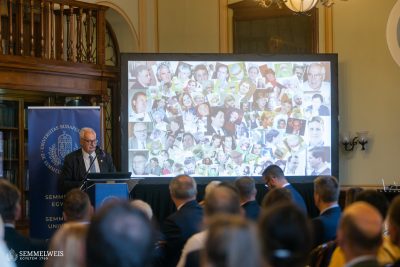
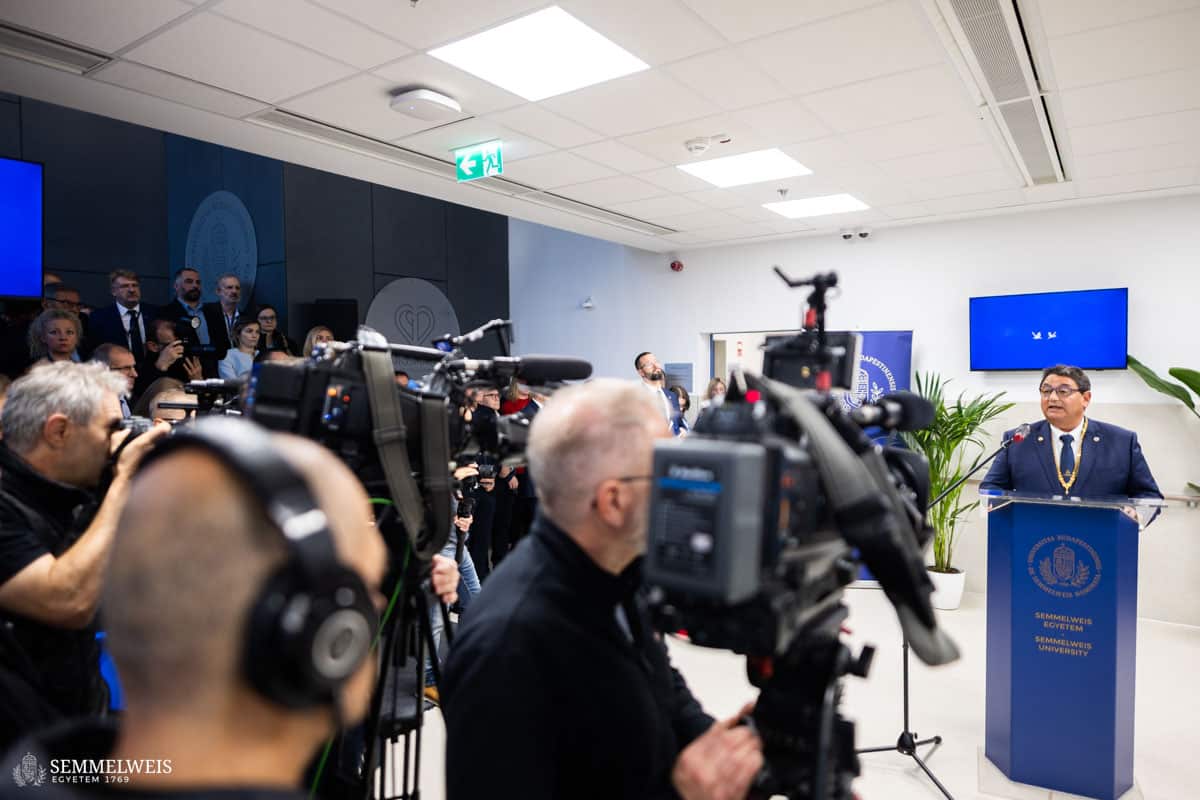
“Here at the Városmajor Heart and Vascular Center, we dared to dream big. After ten years of persistent, steadfast, and dedicated work, we are celebrating the greatest development in our history. This is a milestone that will change our everyday lives and open up new perspectives in providing the highest level of care for our patients, as well as in research and education,” said Dr. Béla Merkely, Director of the clinic and Rector of Semmelweis University, at the opening ceremony for the clinic’s new Diagnostic and Therapeutic Center.
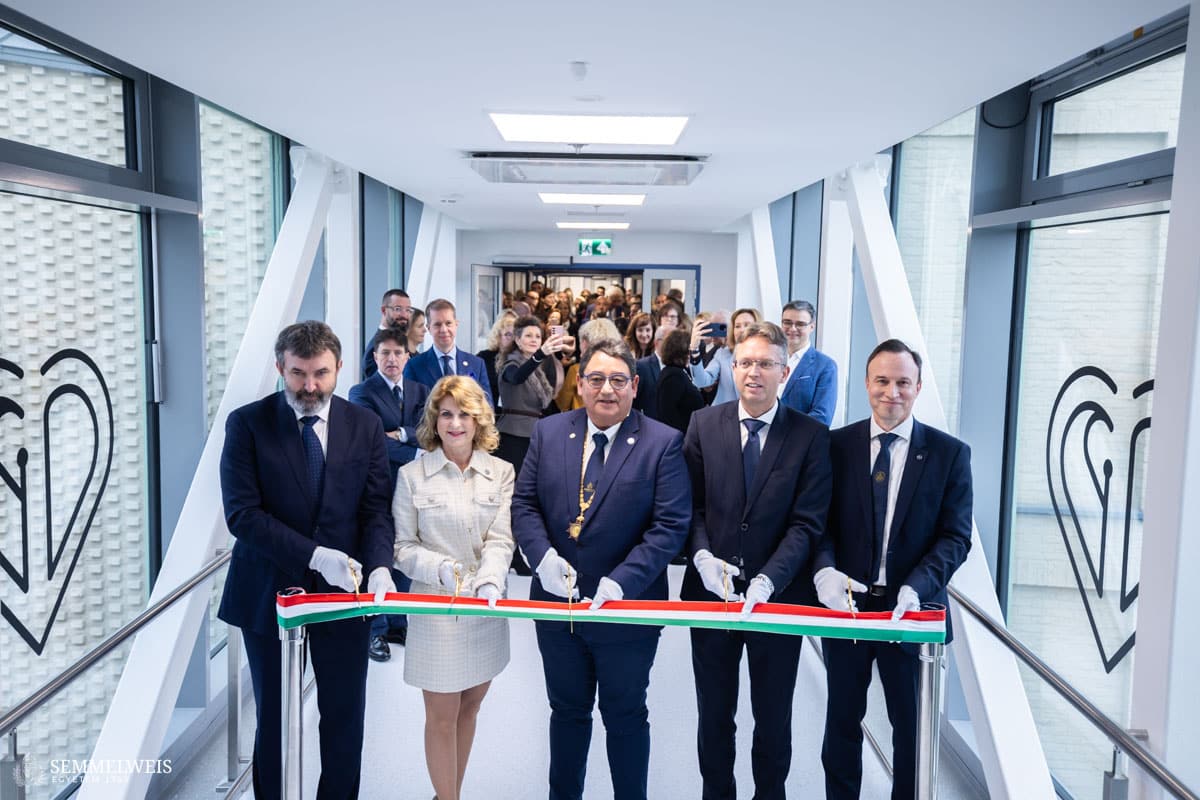
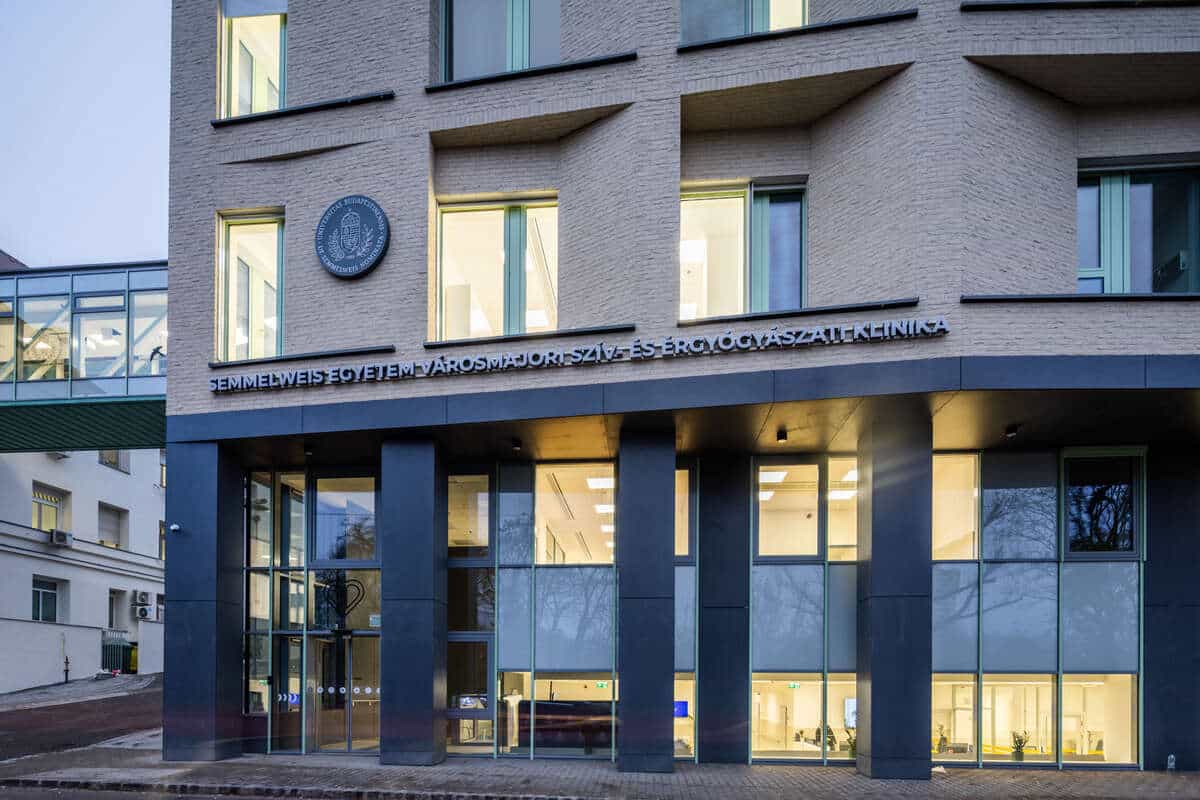
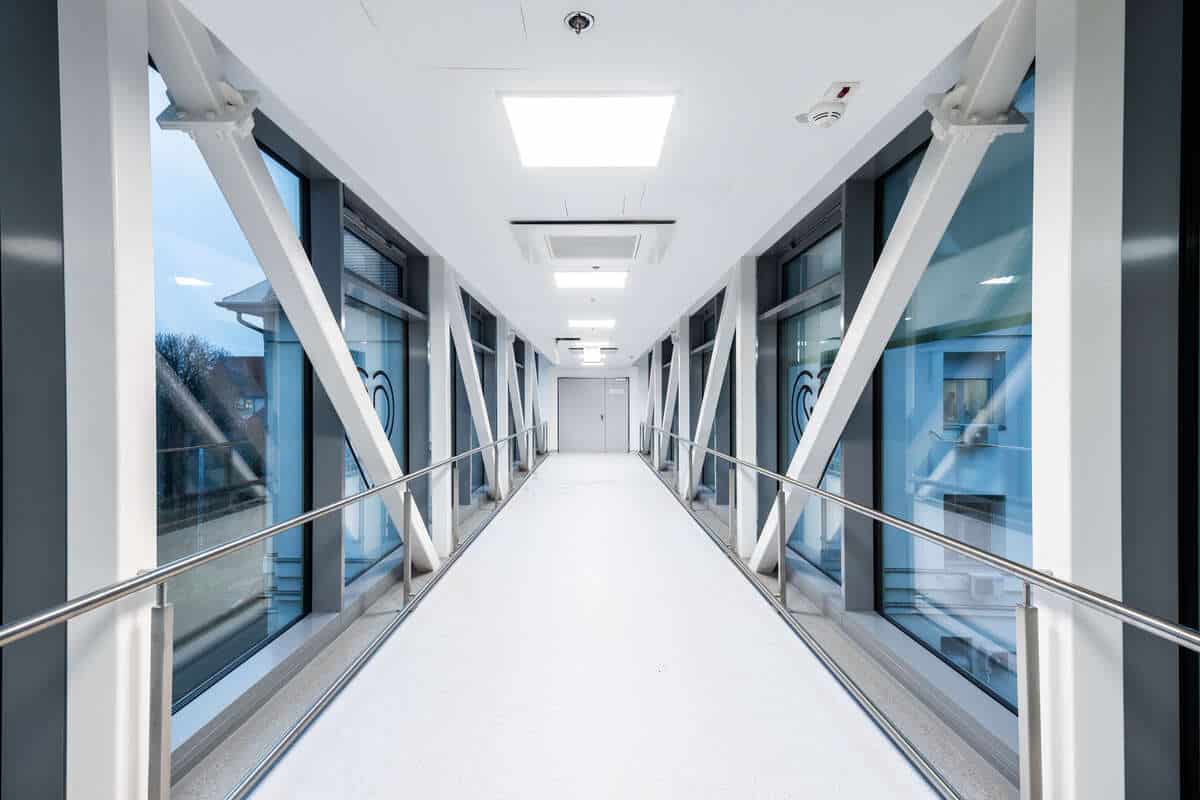
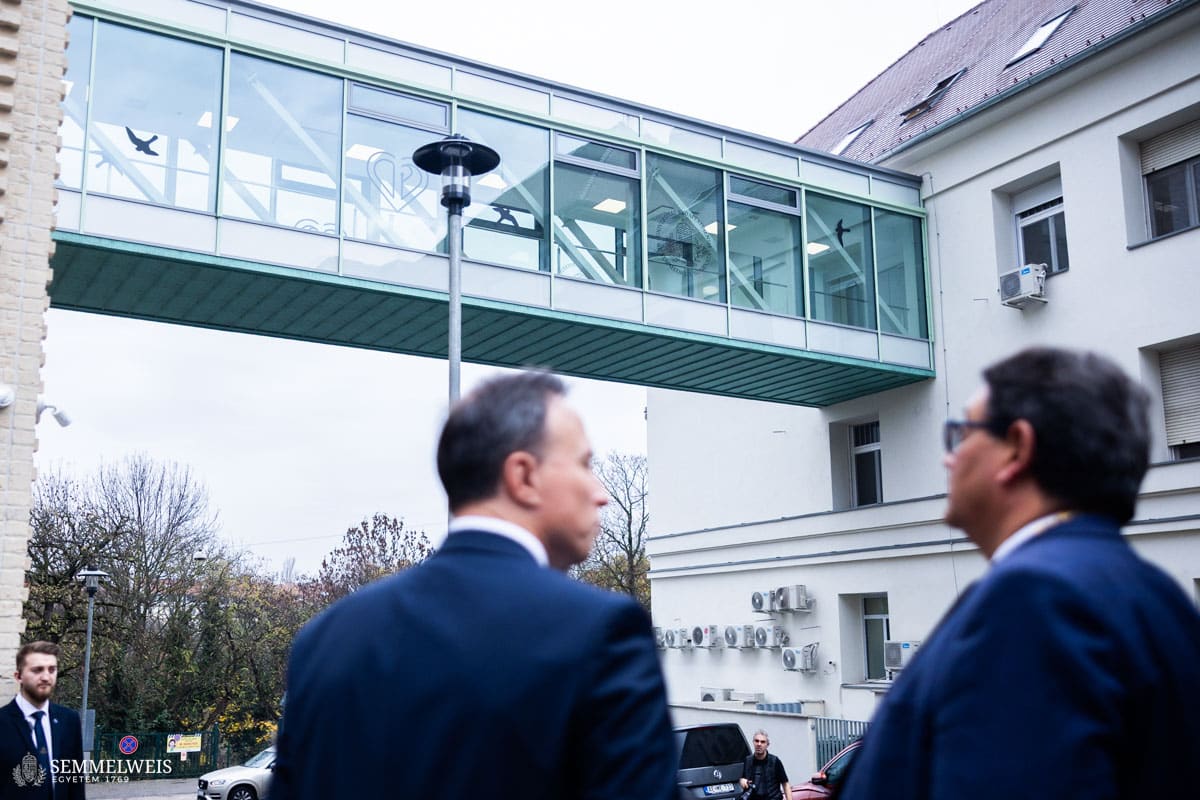
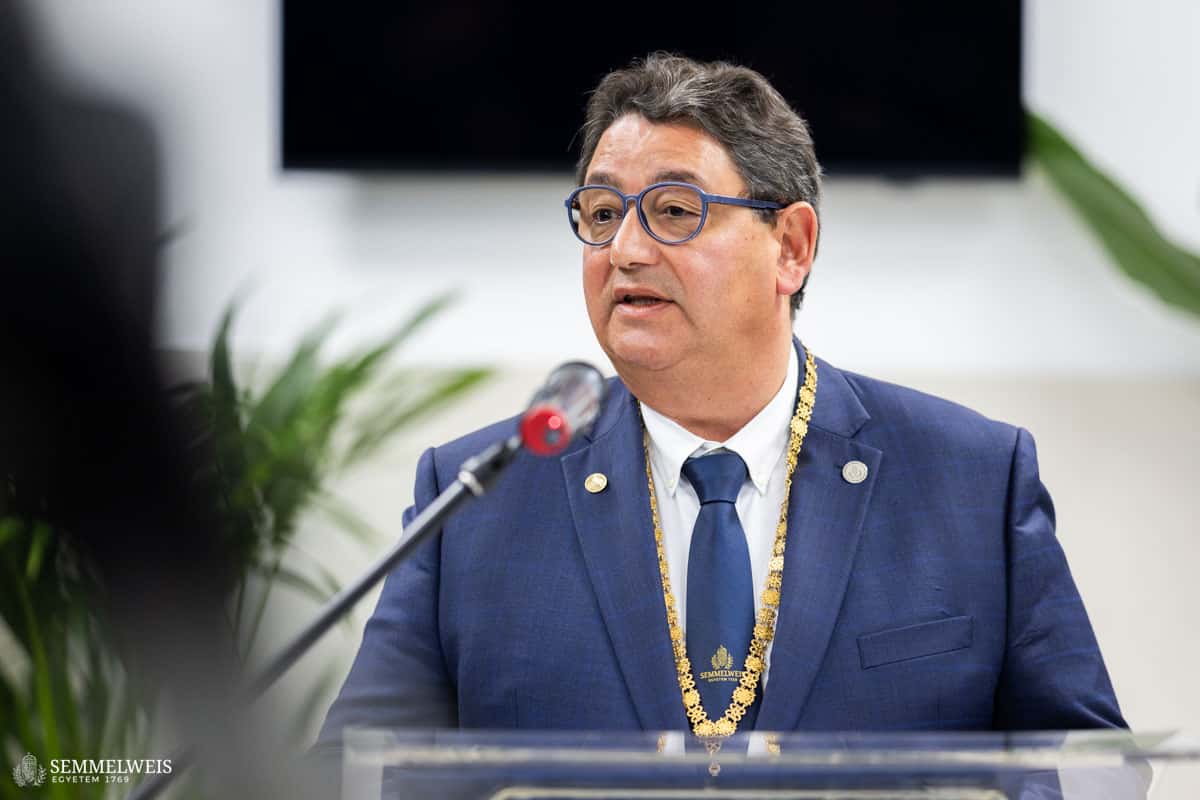 As he explained, the seven-story building, with a net area of 4,492 square meters, would increase the floor space available for the high-level performance of the three core tasks of the Városmajor Heart and Vascular Center by approximately 50 percent. It is connected to the main building at 68 Városmajor Street by a bridge, which is essential for patient care, as it provides level access to the intensive care units, surgical and interventional operating rooms. “With this, we have the potential to become a true European supercenter,” said Dr. Béla Merkely. “Nothing justifies this more than the fact that cardiovascular diseases are among the most common disorders affecting the population and are the leading cause of death in Hungary and worldwide,” he added.
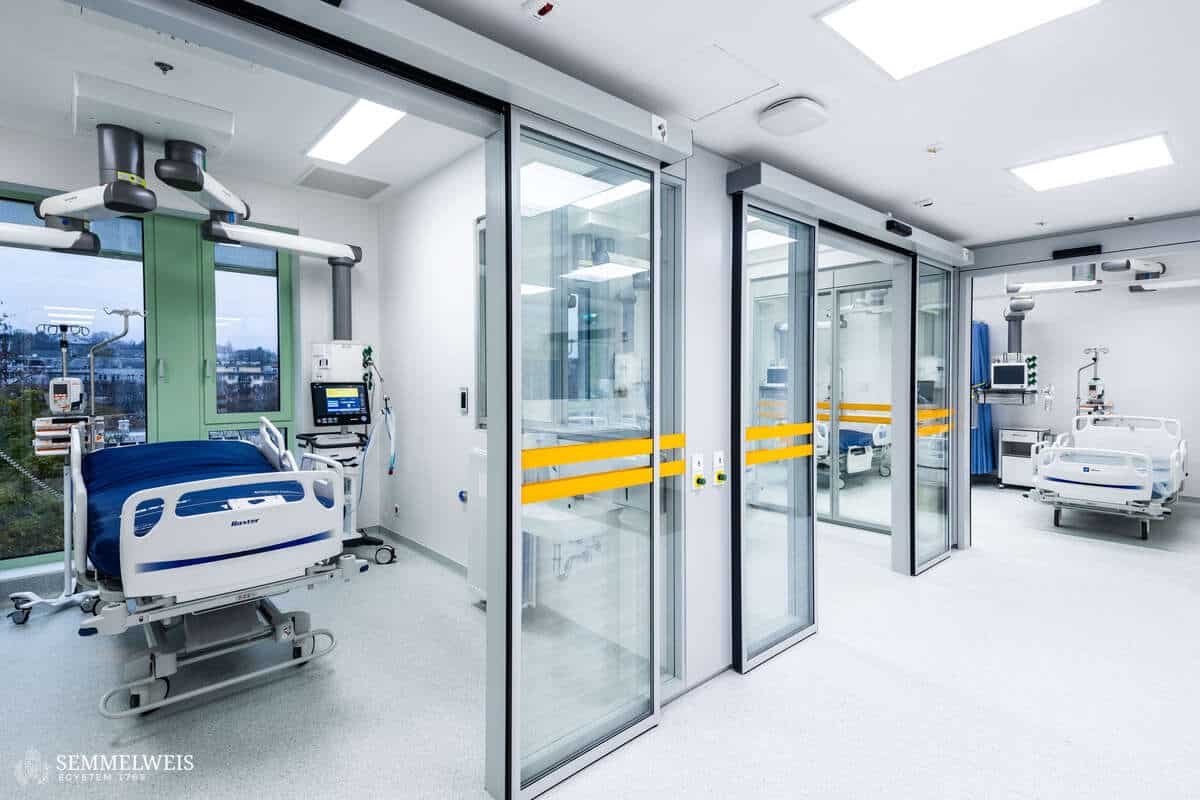
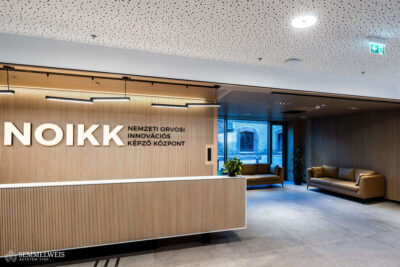
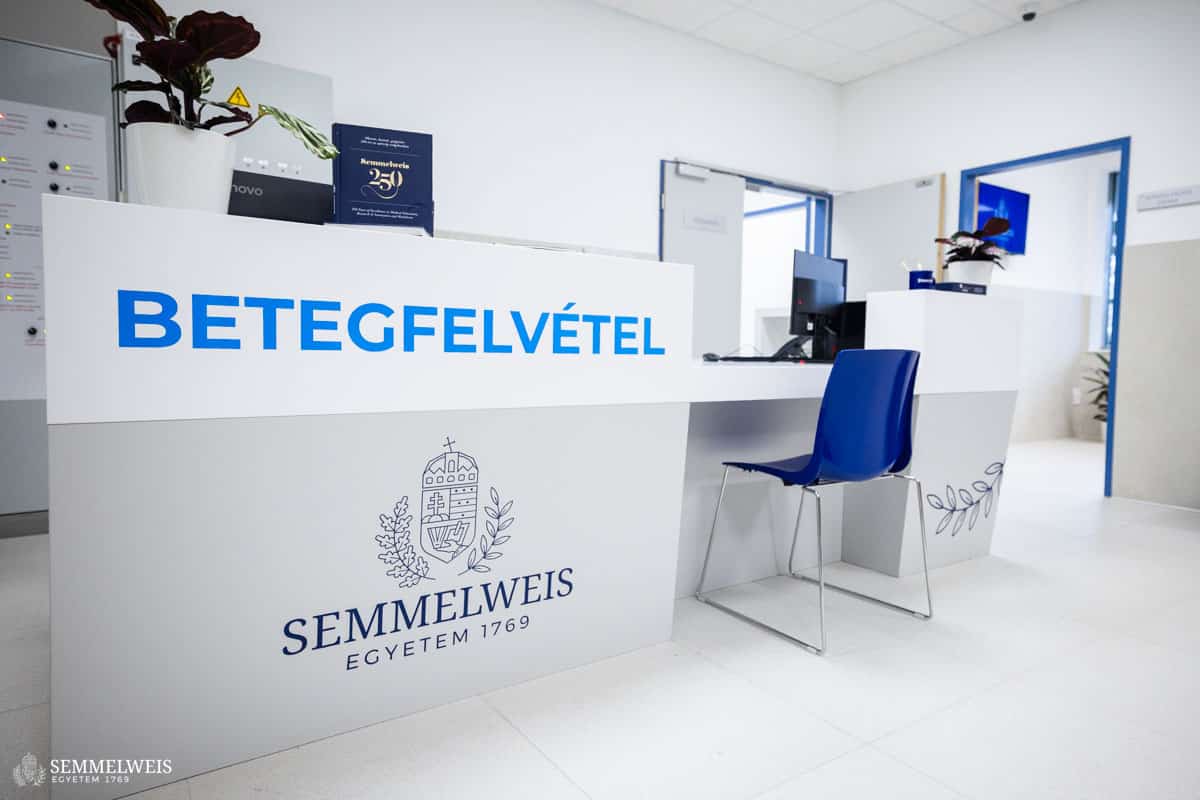
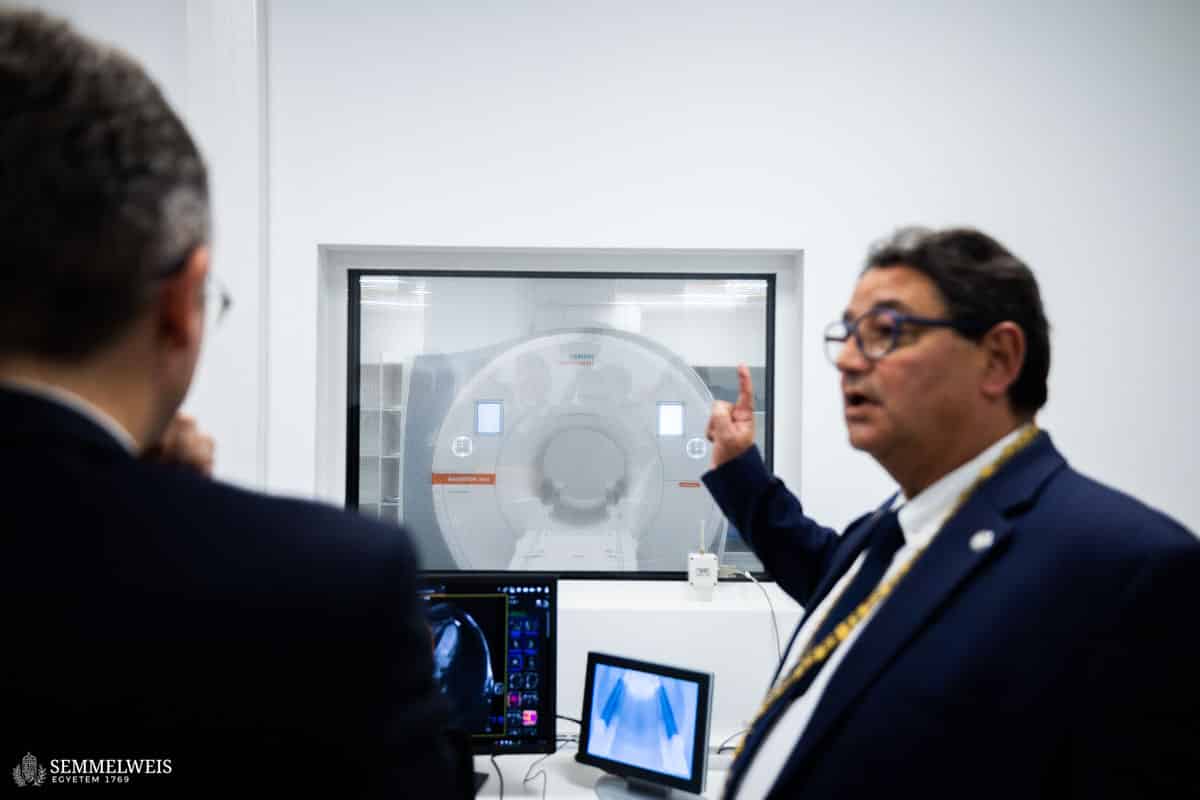
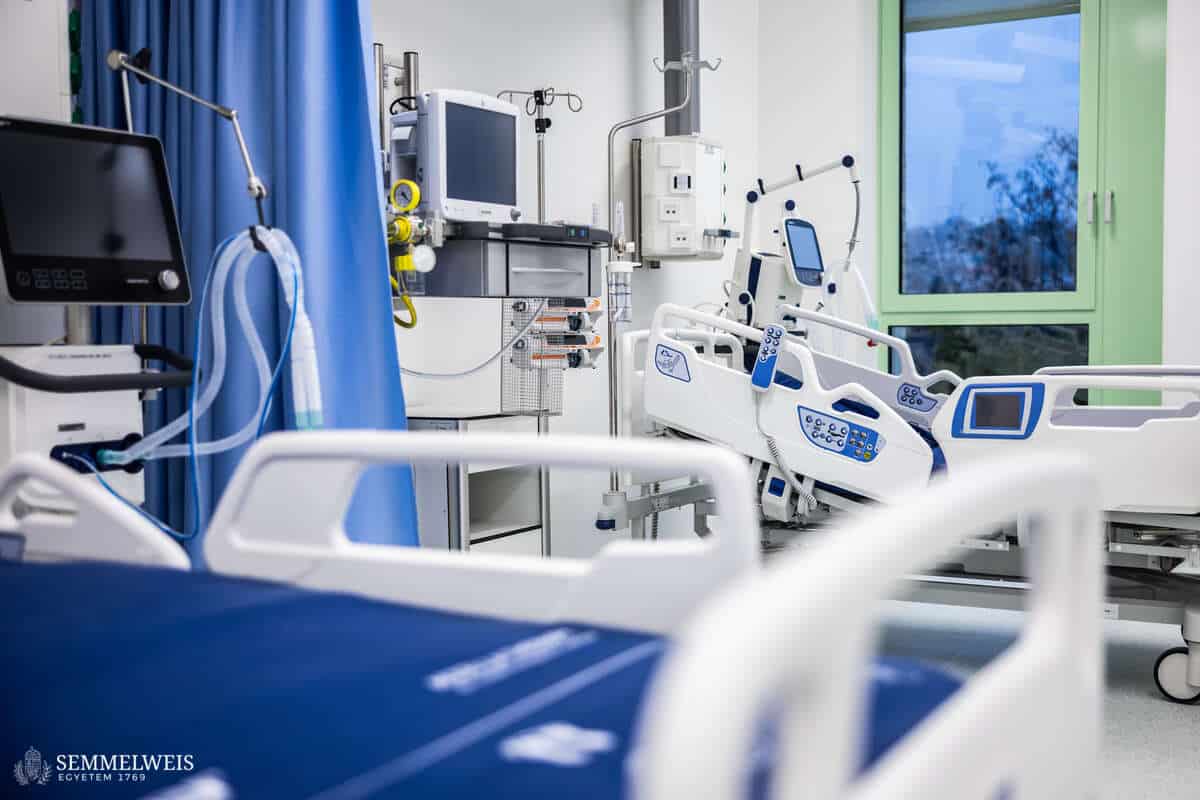
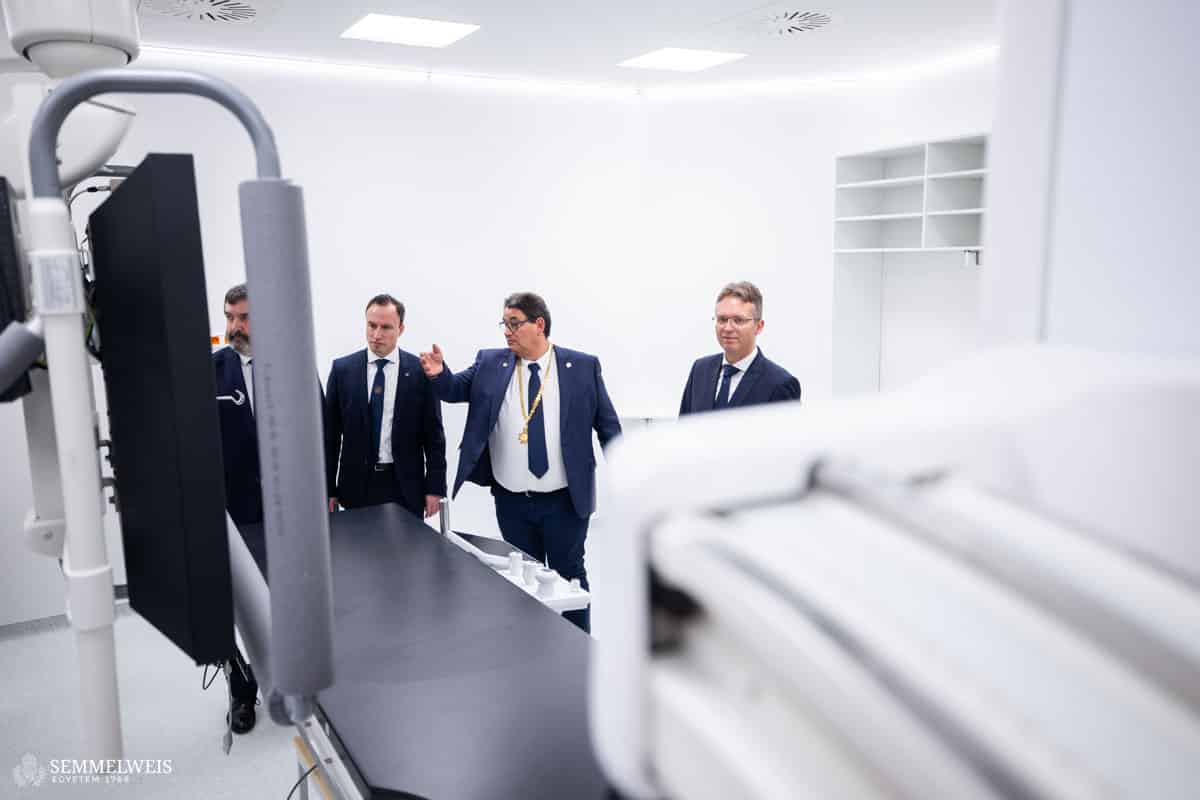
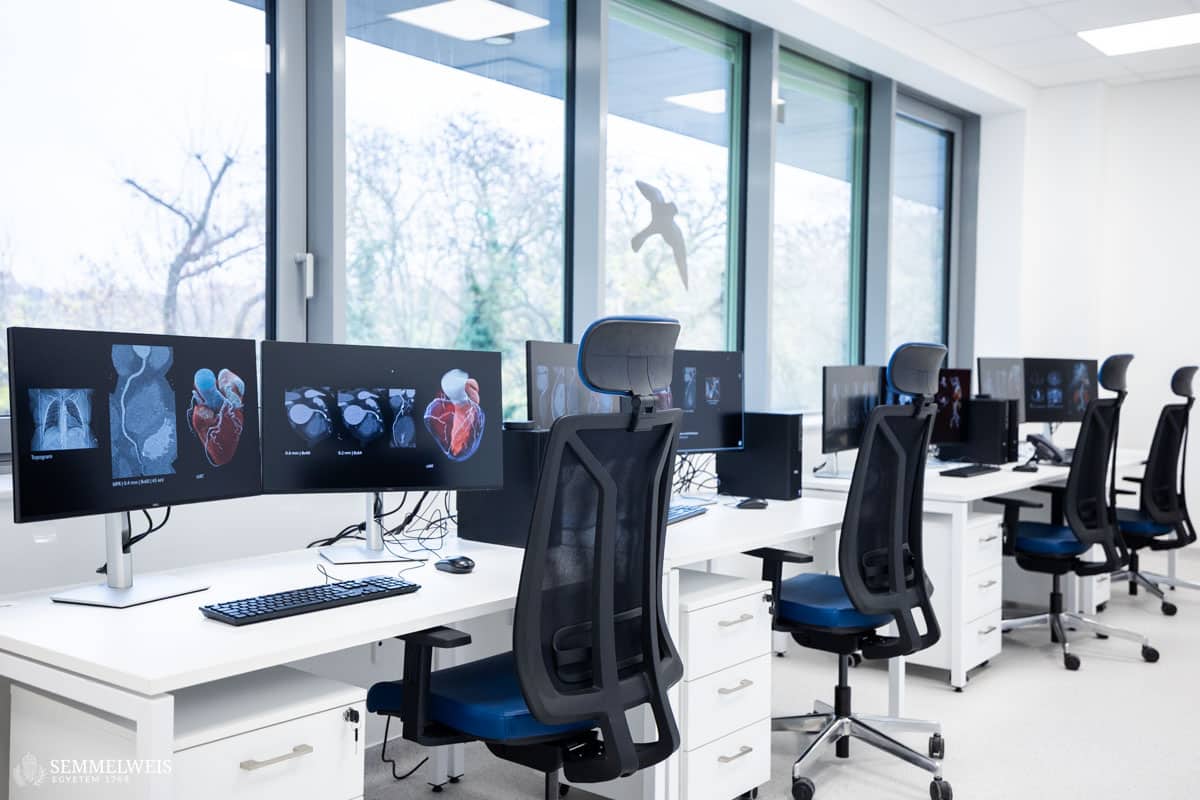
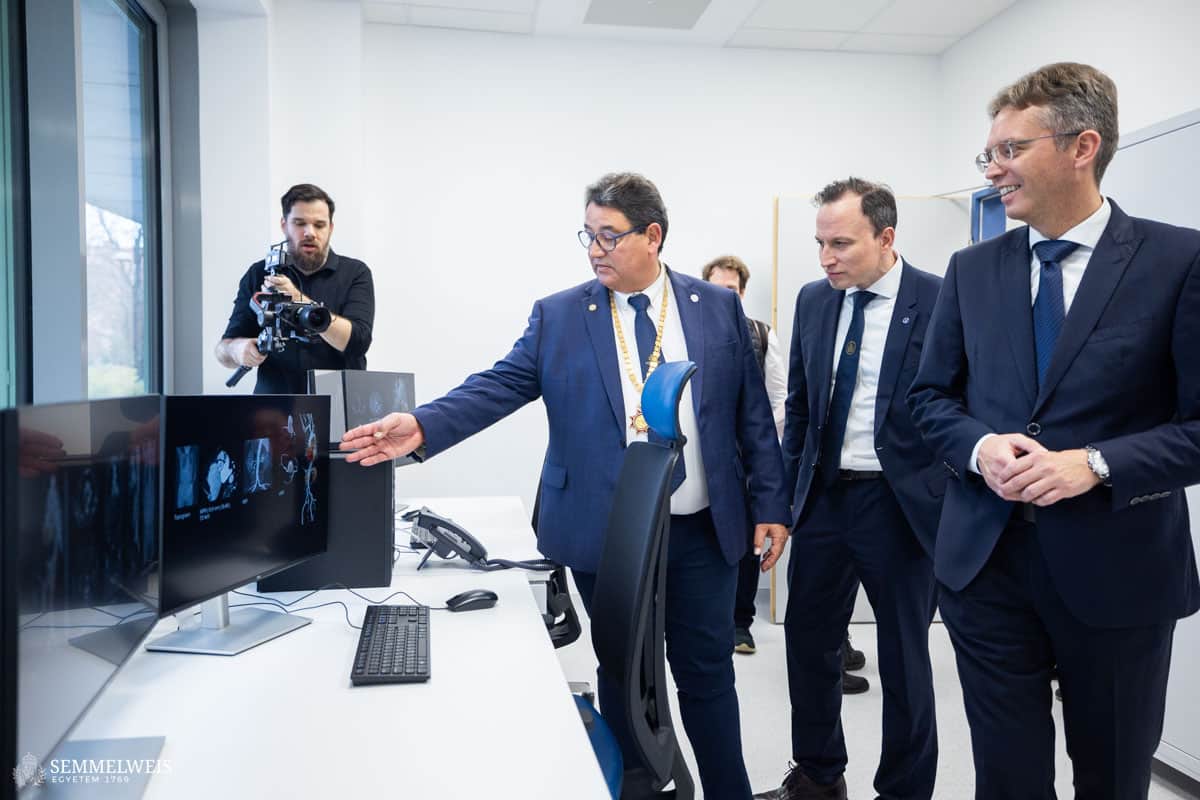
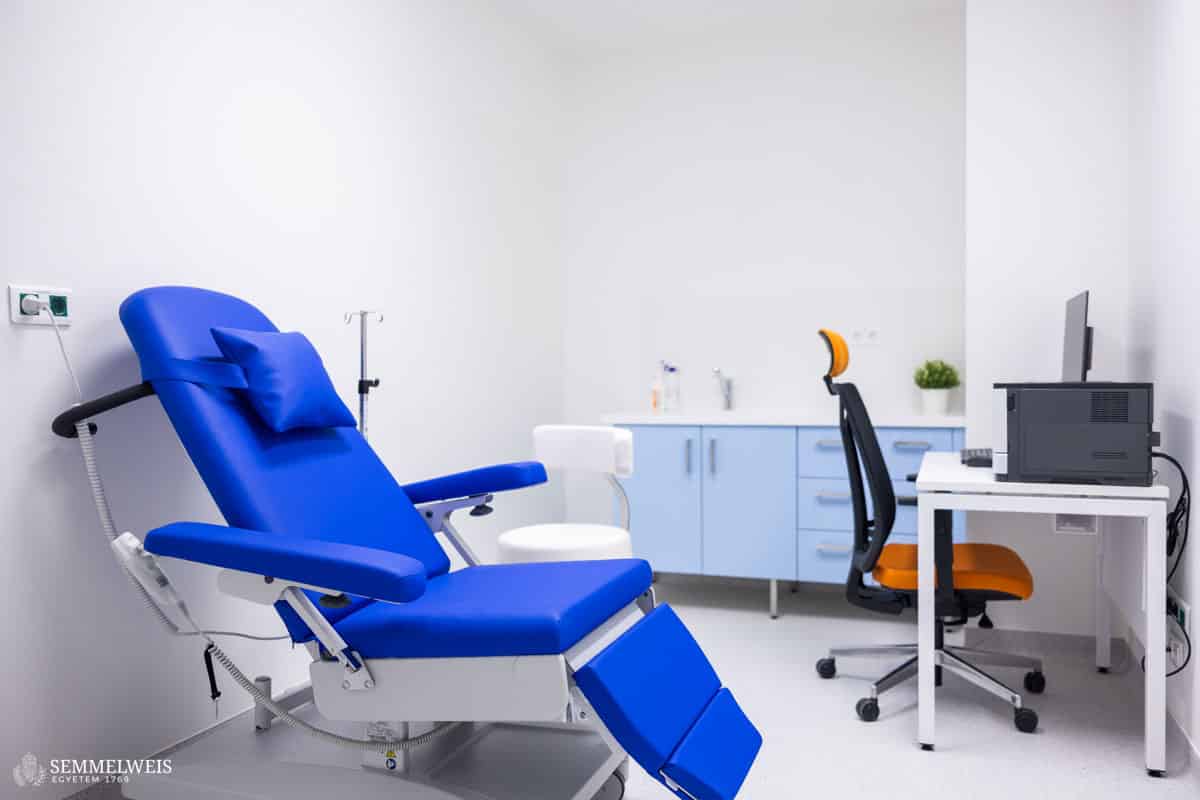
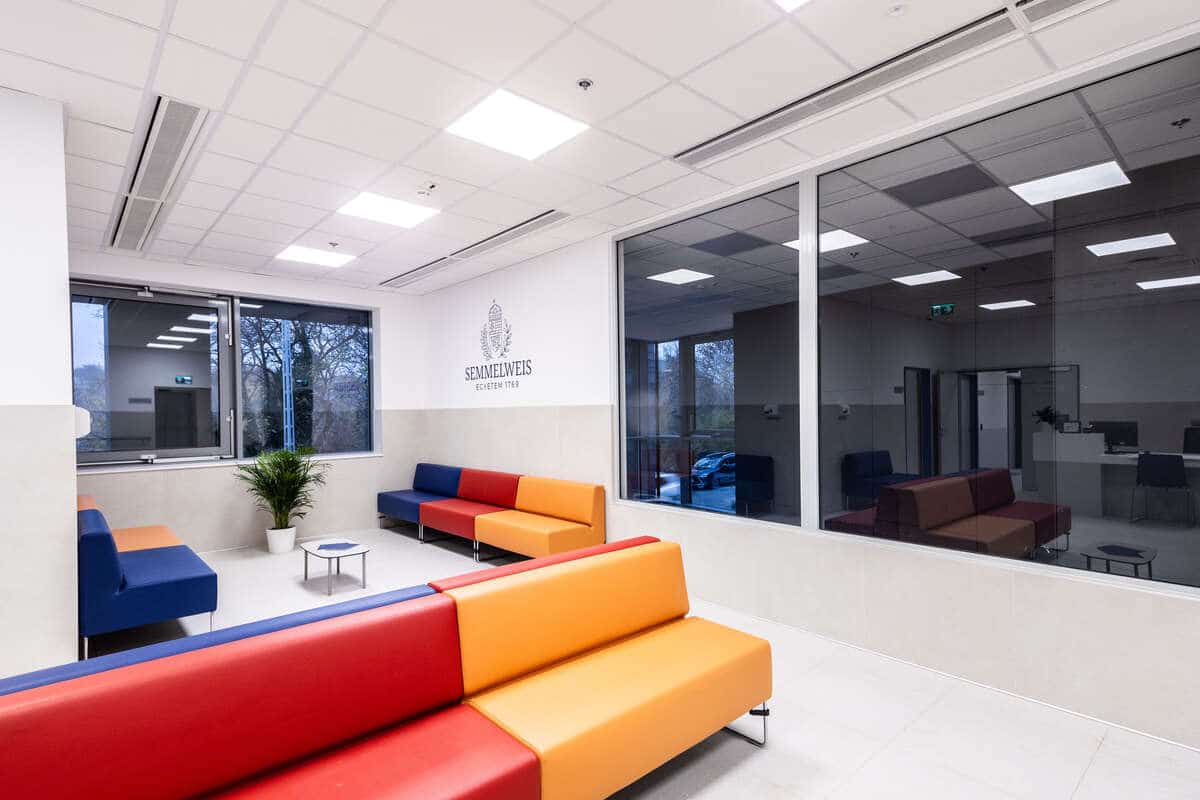
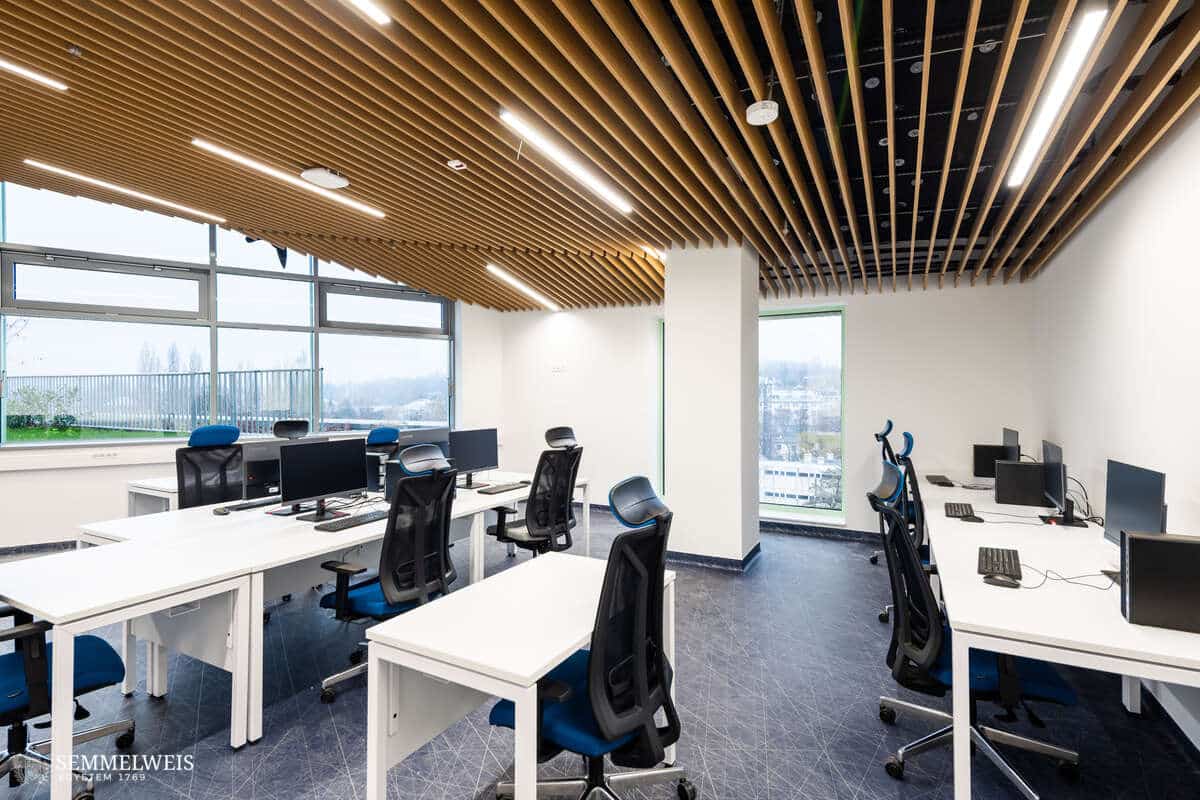
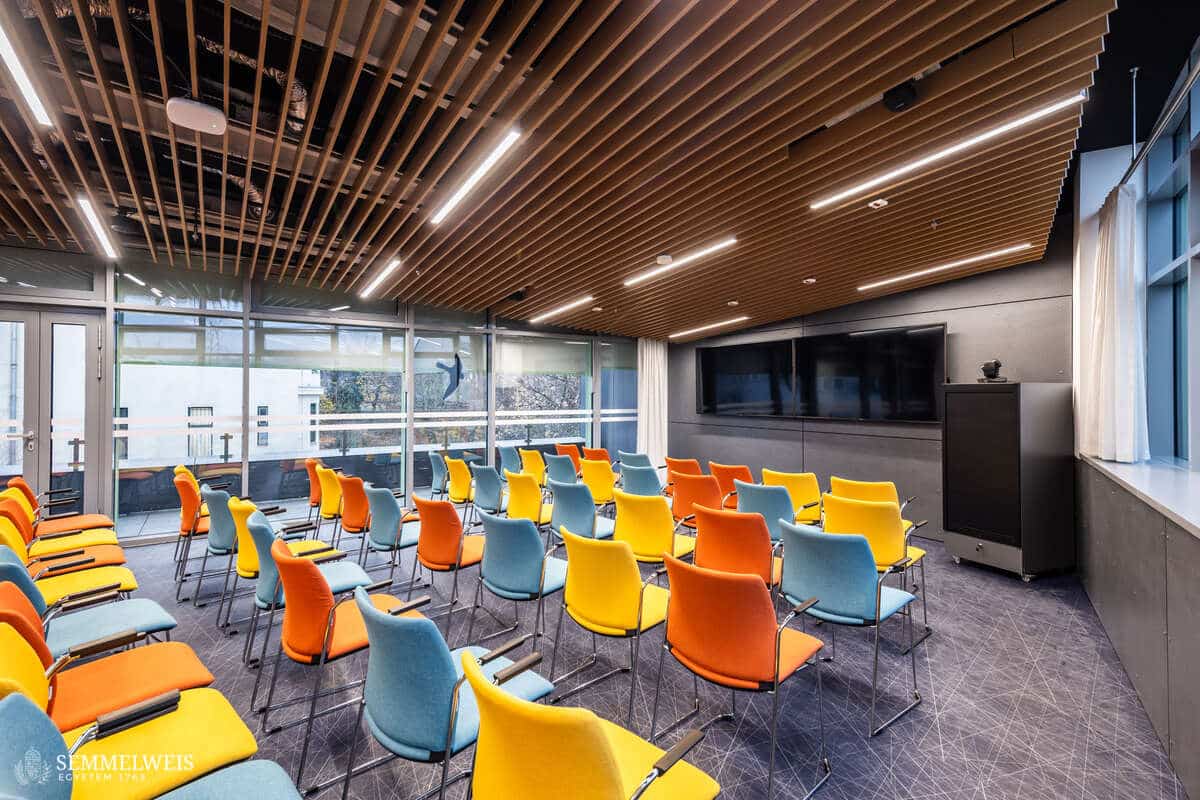
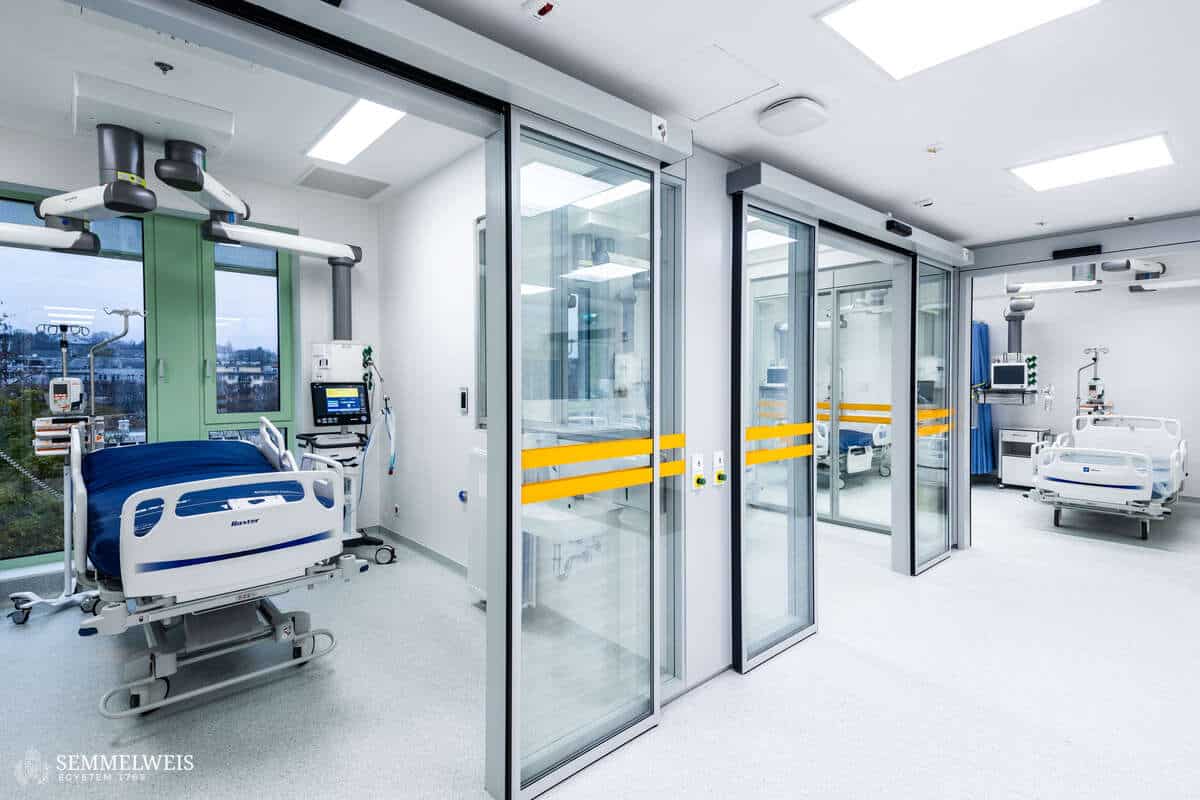
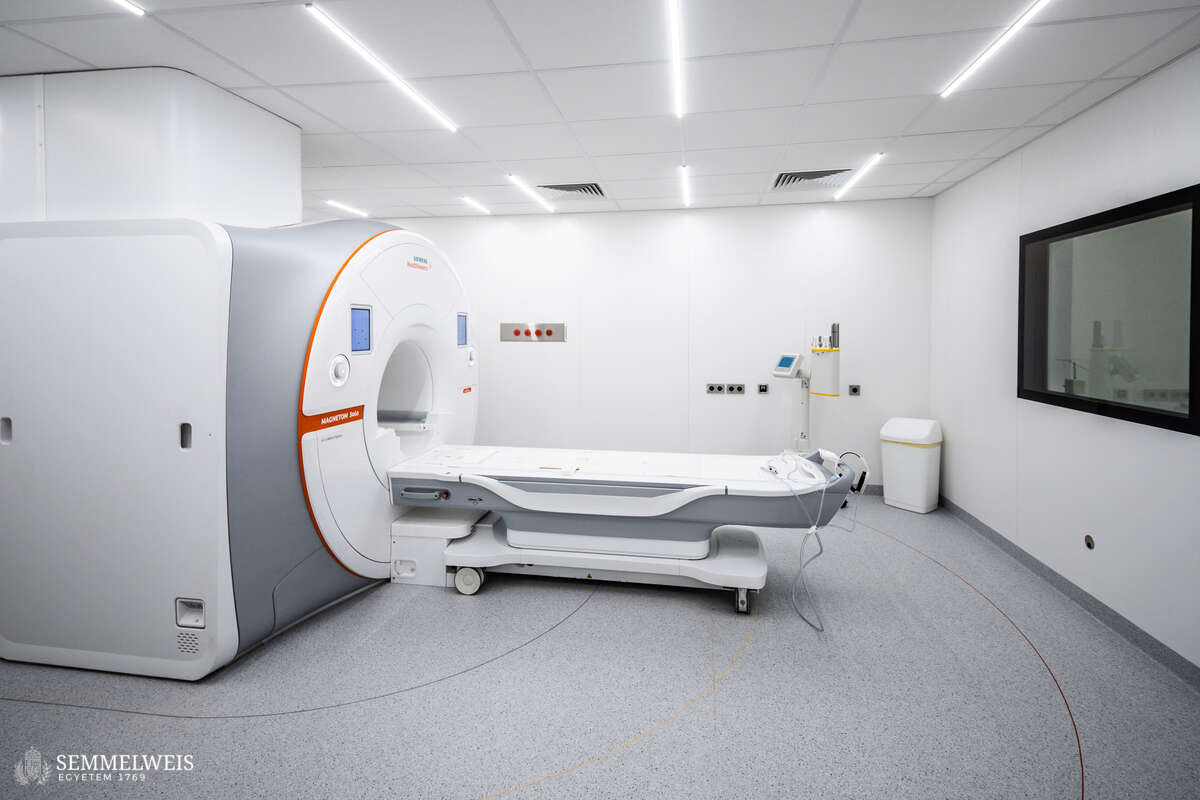
The high-tech diagnostic imaging center in the new wing – with two CT scanners and one MRI – and the state-of-the-art hybrid interventional and electrophysiology laboratory open up new horizons for the clinic’s healthcare activities. The ten new outpatient rooms not only make it possible to treat more patients but also provide a significantly more comfortable environment for them. Separate examination rooms and waiting rooms have been set up for heart transplant patients, making outpatient care even safer for immunosuppressed patients who have undergone organ transplants. Patients who have received heart transplants or require circulatory support are treated in a separate eight-bed intensive care unit. The new student spaces, including the lecture hall and PhD research room, further raise the standard of medical and health sciences education.
Transplant activity, outpatient care, cardiovascular imaging, intensive care, and catheter surgery capacity are expanding, young, talented researchers and students are enjoying better conditions, and the facility provides a high-quality working environment for those who work there. “Ultimately, all of this serves the best interests of our patients,” emphasized Dr. Béla Merkely.
The rector highlighted that Semmelweis University had been ranked among the world’s top 50 universities in cardiovascular medicine for several years and was listed in 35th place in the latest US News rankings. With the current expansion, the Városmajor Heart and Vascular Center could become the largest institution in the region in terms of both the number of cases and scientific performance. It could also become the largest heart transplant center in Europe. All this serves the interests of patients, as knowledge, experience, and innovation are best concentrated in large centers, emphasized Dr. Béla Merkely.
The clinic treats approximately 125,000 outpatients and 16,500 inpatients annually. Thanks to the new development, this number could increase by as much as 30-40 percent starting in December.
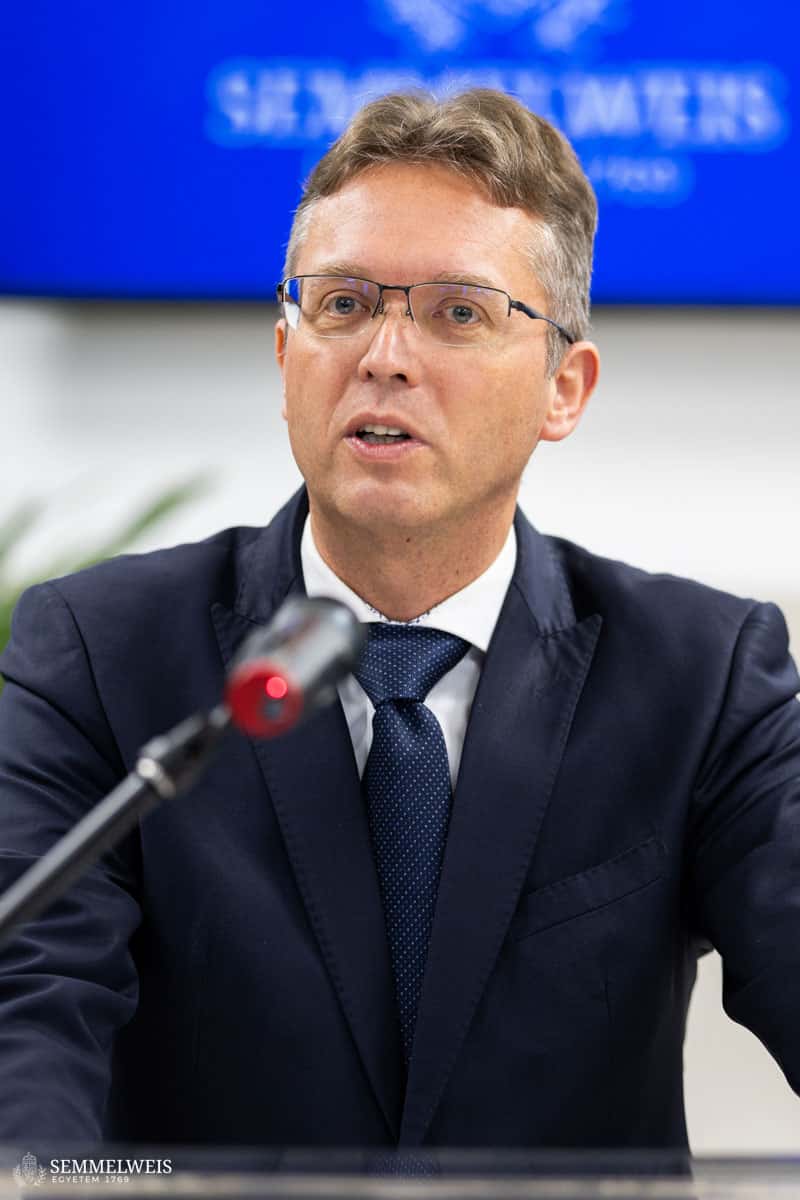 “The Városmajor 70 project integrates everything that makes Semmelweis University successful. Education, research, patient care, high-tech imaging, and new perspectives in heart transplantation – this is how Semmelweis will become Europe’s leading heart transplant center and one of the world’s top 100 universities,” said Dr. Balázs Hankó at the ceremony. The minister for culture and innovation emphasized that Semmelweis University was already the best university in Central Europe, the largest healthcare training institution and the biggest and most complex healthcare provider in Hungary. He talked about the renewal of Hungarian higher education and how 12 Hungarian universities were already among the top 5 percent in the world, with Semmelweis leading the way among Hungarian institutions. “The goal is to have a Hungarian university among the world’s top 100 higher education institutions by 2030. The system has received HUF 600 billion in development funding and three times that amount in operating funding, bringing higher education funding to 2 percent of GDP,” he said.
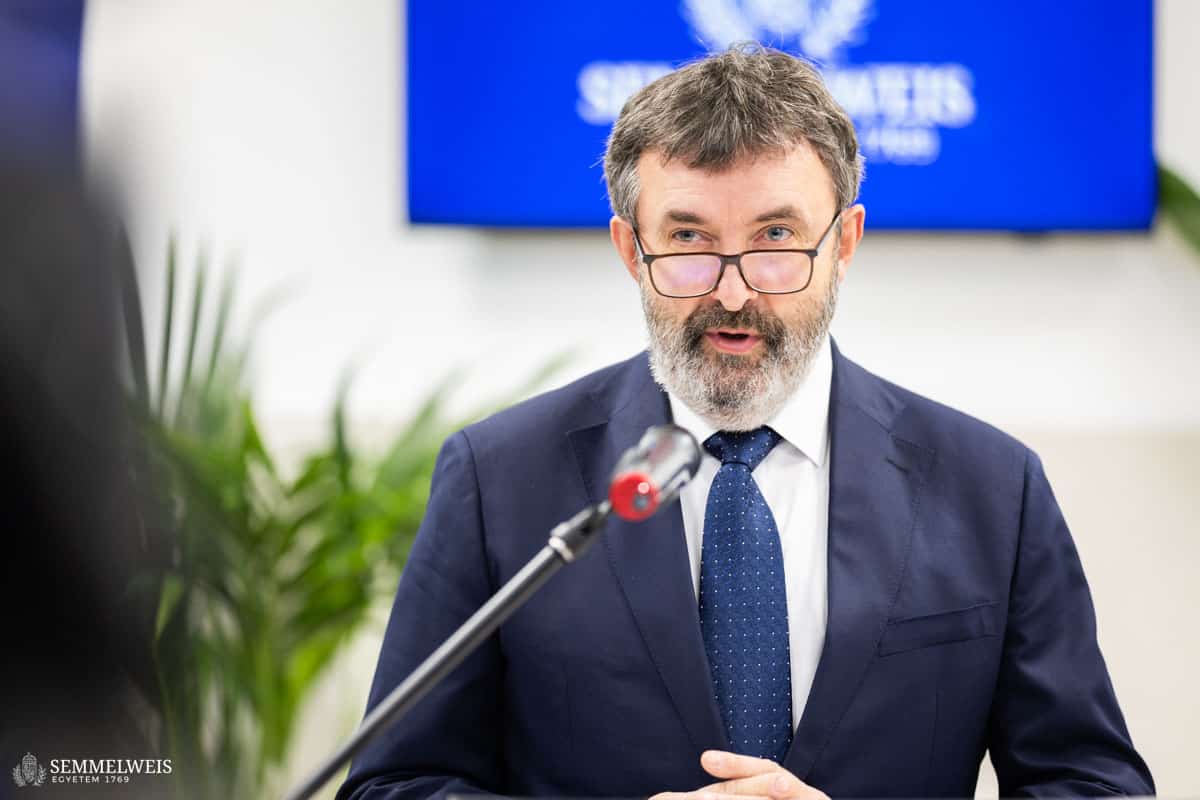 Dr. László Palkovics, Government Commissioner for Artificial Intelligence, said: “Today, we are handing over more than just a world-class building filled with state-of-the-art diagnostic equipment. We are also handing over the physical embodiment of the future of medicine and Semmelweis University’s vision for artificial intelligence. The world-renowned expertise of Semmelweis University, the newly opened AI-assisted Diagnostic Center, and the affiliated developments guarantee that Hungary will not only follow but actively shape the 21st-century revolution in healthcare,” he noted, adding that the government’s decision to provide funding was a strategic and forward-looking step.
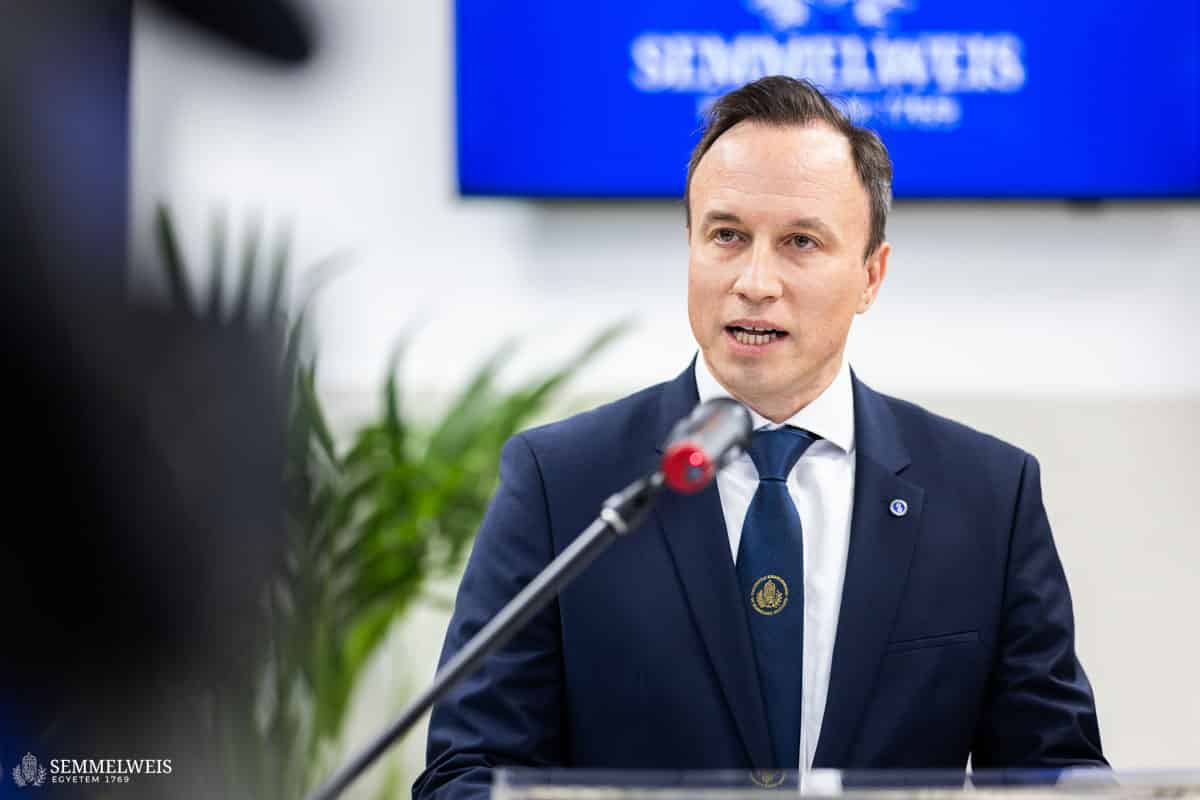 “This moment is not just about the opening of a new diagnostic center, but about the mission that the university has represented for more than 250 years: protecting human life, serving science, and continuously renewing healthcare,” pointed out Gábor Orbán, Chairman of the Foundation for National Health Care and Medical Education, which maintains the university. He added that developing the university’s infrastructure was a priority. The new Diagnostic and Therapeutic Center uses state-of-the-art imaging and therapeutic technologies to facilitate rapid and accurate diagnoses, thereby supporting high-quality patient care and scientific work, he added.
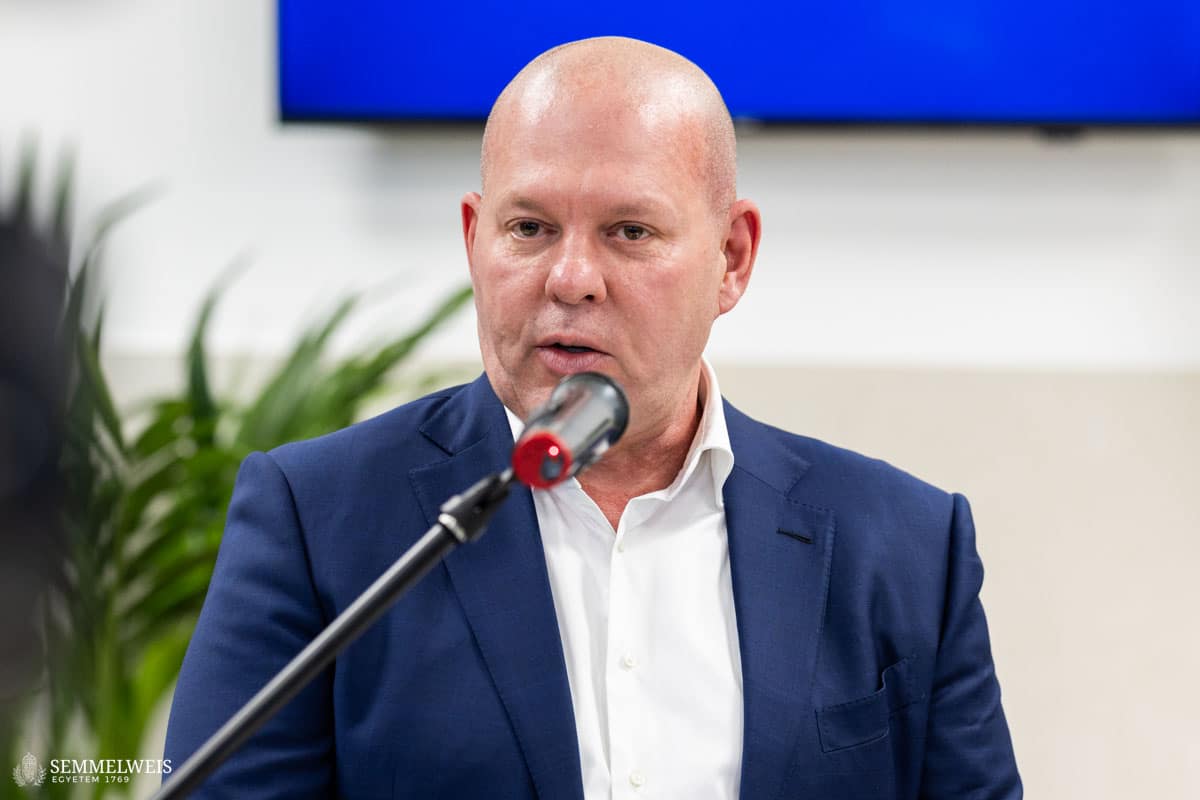 “Today we celebrate the completion of an extraordinary building, which is the result of the dedicated work, patience, and cooperation of many people, and is a good example of how a technical task can become a truly people-oriented mission,” said István Szeivolt, CEO of the contractor Épkar Plc. He shared some telling statistics: The constructions began 16 meters below ground, and nearly 15,000 cubic meters of soil had to be excavated from the plot, which was only 1,000 square meters in size. 1,100 cubic meters of concrete and 120 tons of reinforcing bar were used to construct the foundation slab. The new wing and the main building are connected by a 9-ton steel bridge, which provides a closed, secure passage between the two facilities.
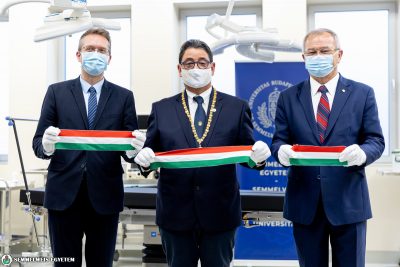
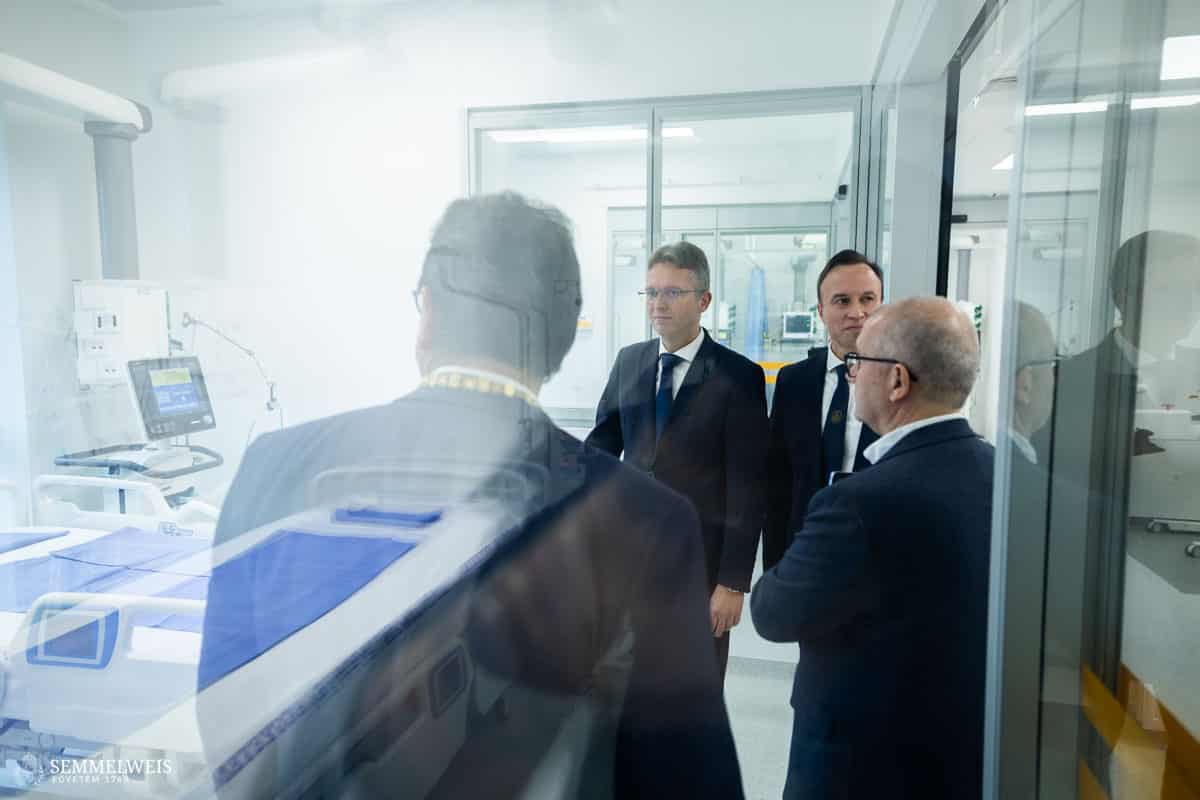
During the building walkthrough, participants of the opening ceremony visited the outpatient clinics located on the ground floor and the teaching area on the fourth floor. The building was inaugurated with a ceremonial ribbon cutting on the bridge at the height of the third floor by Dr. Balázs Hankó, Dr. Béla Merkely, Dr. Lívia Pavlik, Gábor Orbán, and Dr. László Palkovics. Afterwards, participants visited the anesthesiology and intensive care unit on the third floor, the electrophysiology operating room on the second floor, and then the imaging department on the first floor.
Gallery
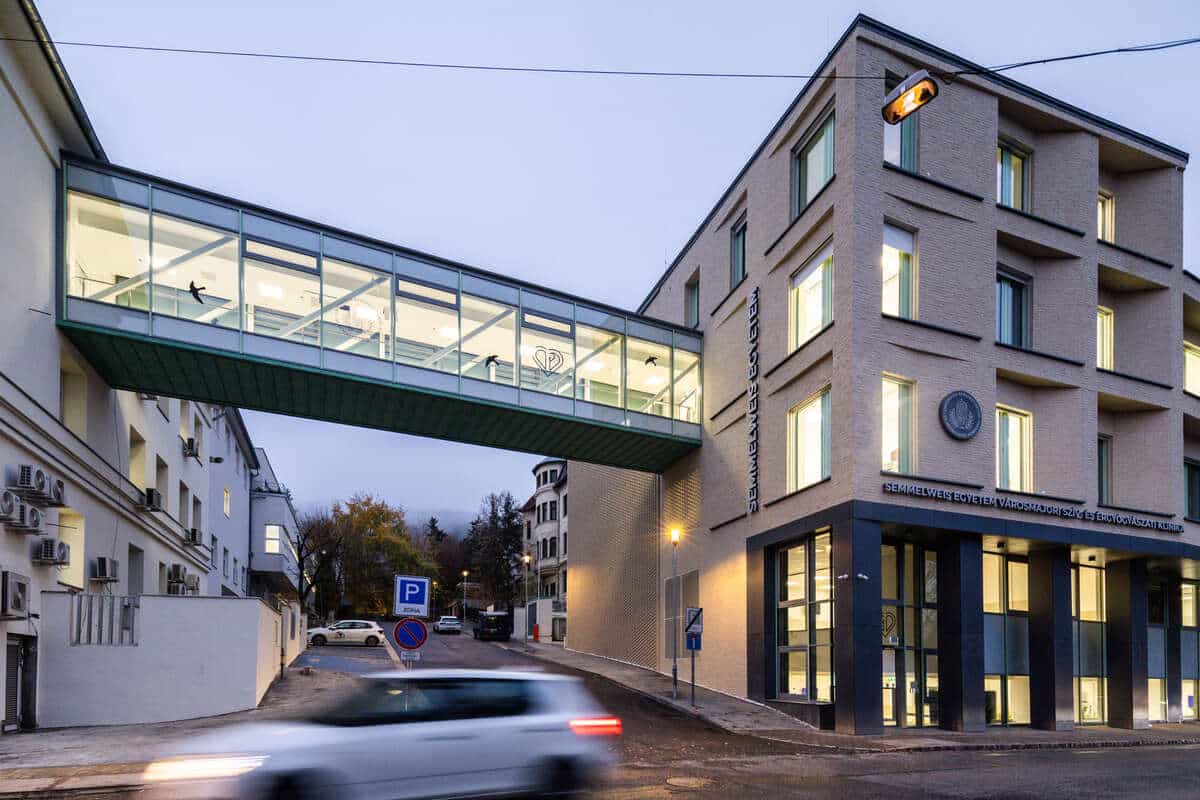
The 1047 square meter plot of land located directly adjacent to the clinic’s building at 68 Városmajor Street, on the corner of Városmajor Street and Acsády Ignác Street, was transferred free of charge by the Budapest 12th District Local Government to the Hungarian State, which in turn transferred it to Semmelweis University. In December 2018, the government decided to purchase the property at 70 Városmajor Street for Semmelweis University. The building was constructed by Épkar Plc., the main contractor and winner of the open public procurement procedure, by using a design & build delivery system. The implementation plans were prepared by the engineering office of CÉH Plc. The gross cost of the construction project was HUF 9.1 billion, while the purchase cost of the medical technology equipment amounted to approximately HUF 4 billion.
Pálma Dobozi
Translation: Judit Szabados-Dőtsch
Photos by Bálint Barta – Semmelweis University