The research conducted by the Rehabilitation Clinic of Semmelweis University involved 115 patients. First, they were tested for concentration, reaction time, knowledge of traffic rules, and spatial neglect. On another research day, each participant had to drive for 40 minutes in real traffic, and at the end of the test a driving examiner-instructor evaluated whether they had passed or failed.
The researchers collected the data from the cognitive tests, built computer models based on them, and determined which model could most accurately predict the outcome of the on-road driving test.
They have found that the most accurate prediction came from the combination of tests that assessed knowledge of traffic rules, decision-making ability, reaction time, and spatial neglect.
Of those whom the model said could not drive, 88% failed, while 98% of those whom the model said could drive passed — and the examiner was unaware of the cognitive test results beforehand.
Overall, the model correctly identified whether a patient was fit to drive in 85% of cases — an obvious improvement over earlier international methods that were only 70–80% reliable.
For the remaining 15%, the team added an “uncertain” category. These patients need more targeted testing to clearly determine their ability to drive.
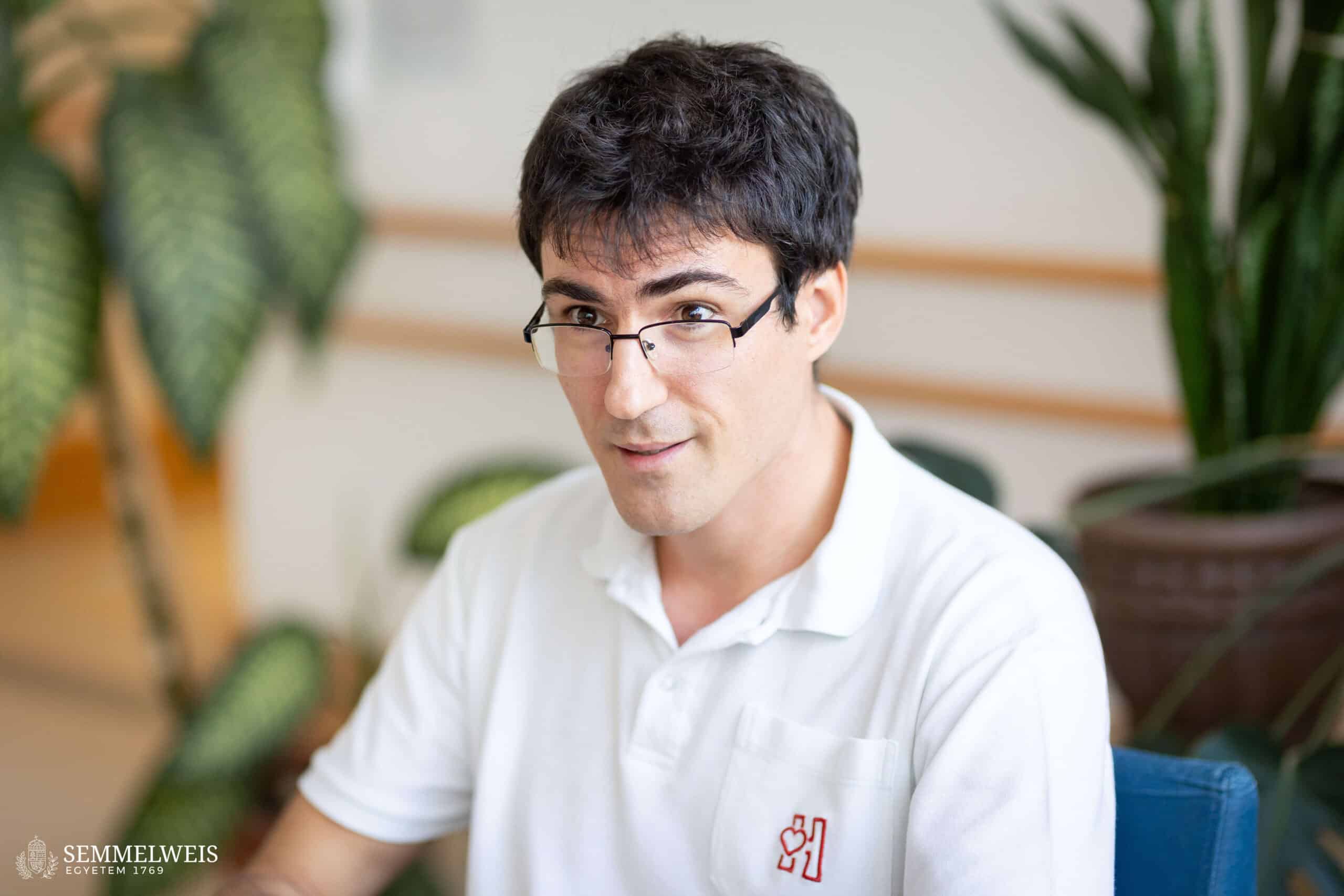 “Our aim was to build a statistical model that places patients into three groups — fit, unfit, or uncertain — to help doctors make more accurate decisions and reduce the risk of mistakes,” said Gábor Szabó, neuropsychologist and first author of the study published in the Journal of Stroke and Cerebrovascular Diseases.
The new ‘cautious’ approach — with the three groups fit, unfit, and uncertain — helps reduce incorrect decisions because the uncertain cases receive additional, detailed assessments. This means fewer people lose their driver’s license without a valid reason.
Another key finding of the study is that the115 patients included 26 people with neglect syndrome. Among them, 12 passed the test drive even though they have reduced spatial awareness.
But this doesn’t mean they would drive safely in longer or more complicated situations — they could be like a ‘ticking time bomb’ on the road. We have found that even if someone passes the test drive, they may still not be truly fit to drive. This is also a novelty at the international level, because patients with spatial neglect are usually not included in this type of research. — Gábor Szabó
The Semmelweis approach is forward-looking in another way as well, even by international standards.
 “It can be useful to assess a patient’s cognitive state with this new data-analysis method as part of the rehabilitation program. It shows what needs improvement, and then these areas can be developed in the following period. At the end, another assessment can show the progress,” said Dr. Gábor Fazekas, professor at the Rehabilitation Clinic and lead researcher of the study.
At the most recent European Forum for Research in Rehabilitation (EFRR) congress, which featured a session on driving abilities, experts responded positively to the new Hungarian analysis model.
Róbert Cseszregi
Photo: Boglárka Zellei – Semmelweis University
Cover: iStock by Getty Images/Daviles, iStock by Getty Images/sudok1