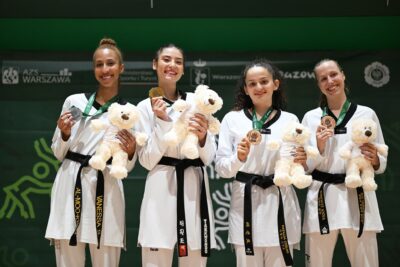
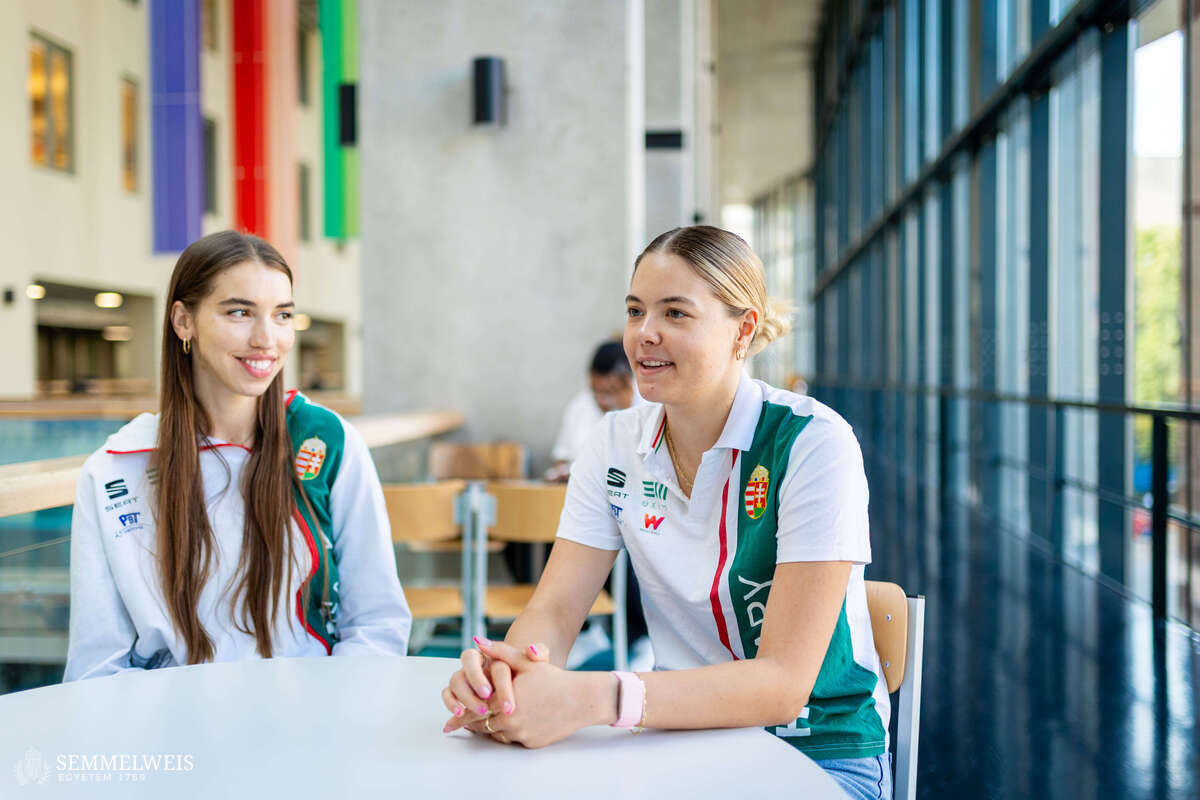
 “It feels great to be a world champion. We’re still the same people, nothing has changed, and yet it’s a little hard to believe that we might even be role models to someone,” Anna Spiesz (ÁOK) told our website during her introduction. She has been fencing and competing regularly since elementary school, and she became a world champion at her very first world championships. Her teammate, Renáta Katona (ETK), who has now won her second world championship title, added: “It’s a big responsibility, but we’re happy about the attention we’re getting.”
As an elite athlete, Anna Spiesz is able to pursue her medical studies on an individualized schedule; she still maintains close ties with her third-year classmates, is taking a joint course with them this year, and even has classes left over from her second year: “Because of this, I’d rather call myself a ‘second-plus-year’ student, but I’m making steady progress here as well,” she interjected, while Renáta, a third-year student in the dietetics program, is already pursuing her second degree through a correspondence program.
“I started fencing at age seven in an after-school club, where it was mostly just play, along with a little basic footwork. When I was nine or ten, I was invited to the fencing hall, where the training was more serious; at first, I missed the playful part, but then I grew to like it,” Anna Spiesz began as she described her athletic background. Renáta Katona was eight years old when, encouraged by her grandfather, she tried fencing. “At first, it seemed like a sport for boys; I didn’t really know what fencing was, but when I went down to the hall, it was love at first sight,” she recalled. “It was a given in our family that everyone would be physically active, that we should do as much sports as possible, find something we really love, and stick with it for at least half a year or a year to see what it’s all about – that’s how I got into saber fencing,” Renáta Katona added. Regular sports were a part of life in both families, and during our conversation, a common thread emerged: Both of their fathers had played water polo.
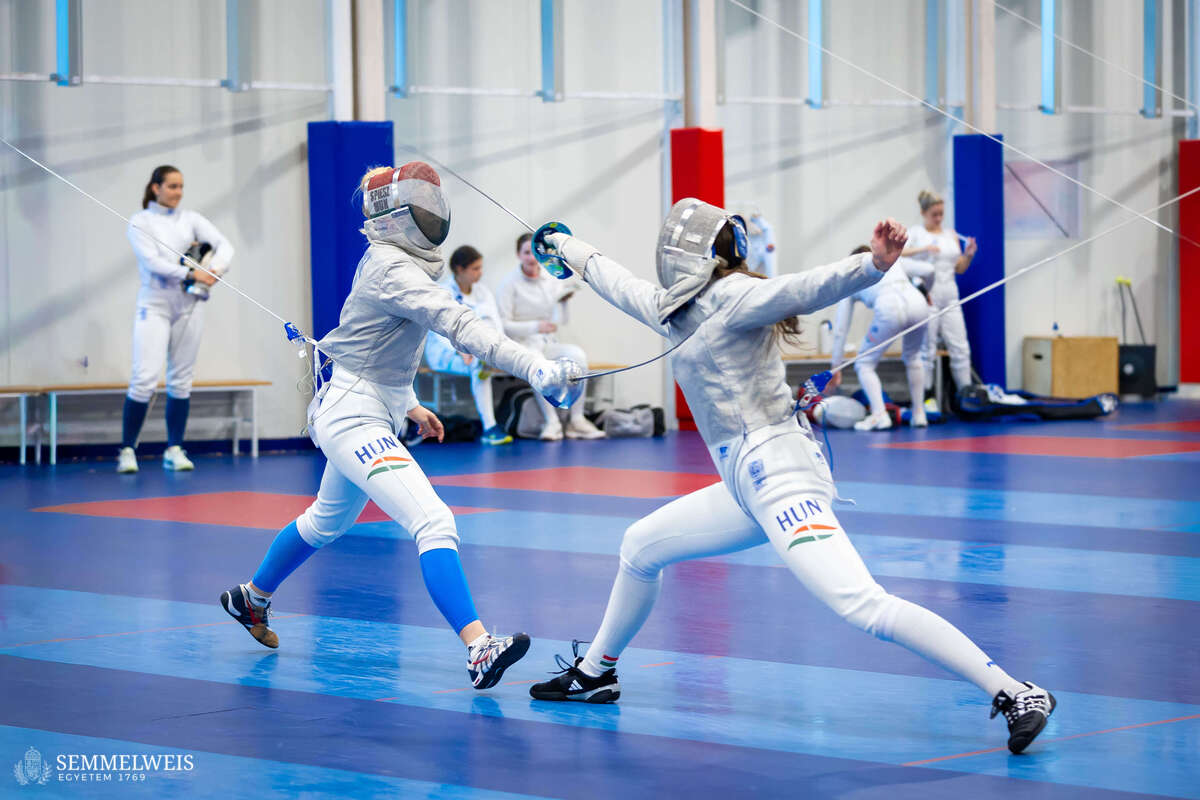
“Fencing is a sport that you can balance with your studies. Whenever there was a major test at school, an exam, or some other form of assessment, the coaches were always flexible about it,” said Anna Spiesz. “I also think fencing is ‘student-friendly’, and the milieu is quite intellectual; as far as I know, many doctors, veterinarians, and lawyers have come from here,” added Renáta Katona. Anna Spiesz’s passion for a career in healthcare goes back to her childhood; both of her grandparents were family doctors – one treating children and the other adults – and she spent her summers with them as a child. “There was a kind medical assistant there who let me help with small tasks, and that captivated me so much that I wanted to be a doctor even when I was very young,” she explained. Because of competitive sports, they have both been working with a dietitian for a long time, which is how Renáta Katona came to be interested in the field of dietetics: “As elite athletes, we have to pay even more attention to nutrition than most people; it’s a crucial part of our physical condition and contributes significantly to our performance. Also, the fact that my mother is a nurse may have played a role in my interest in healthcare,” she added.
With numerous competitions under her belt, Renáta Katona considers her first selection to the national team to be her most memorable sporting experience and a turning point – a time when, at age 15, she played exceptionally well in the cadet age group. “When I received my first national team tracksuit and achieved a good result at a world competition, I started to think that anything was possible…” Anna Spiesz cited her junior years following the cadet level as a similar turning point: “In my first year as a junior, I think I made it onto the podium in my second competition; from there, the results started coming in, and it began to dawn on me that if I was successful at the junior level, I might even be able to compete in the adult division. It was truly an amazing experience when, at around 19 or 20 years old, I actually did that in my first year as a senior, and then we went on to become world champions,” she added.
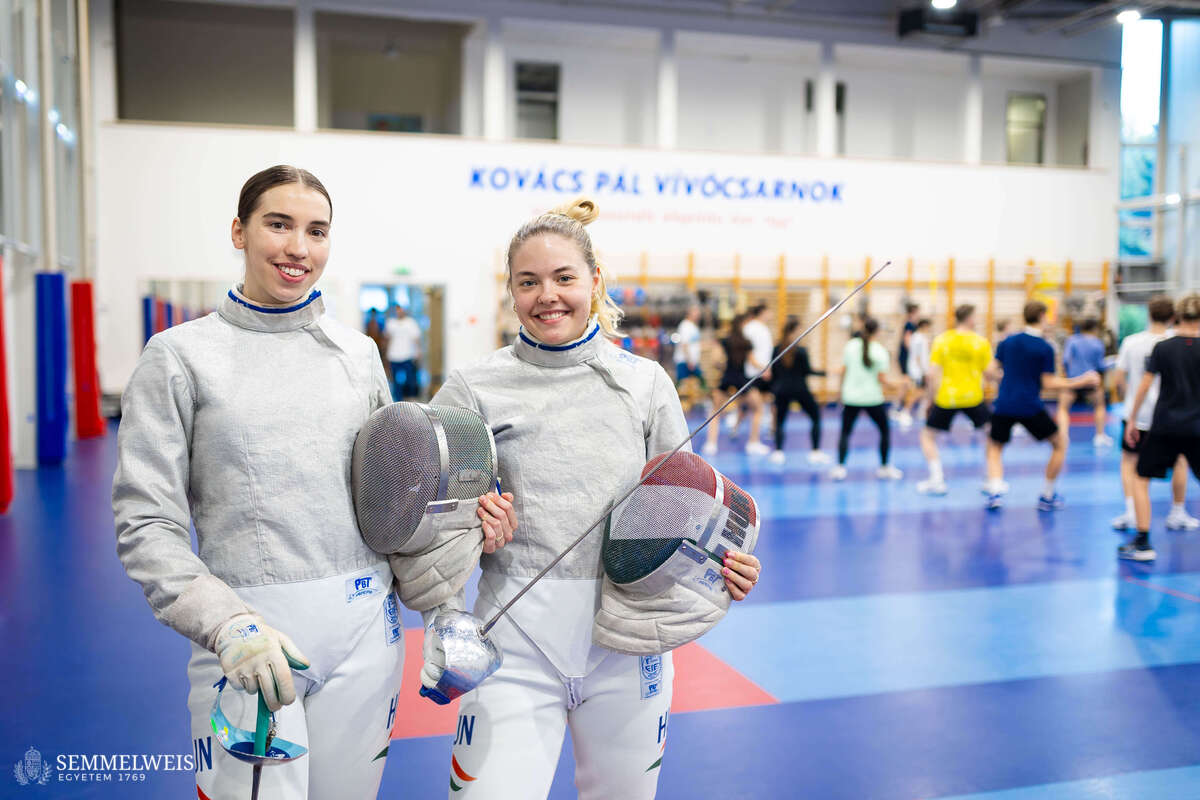
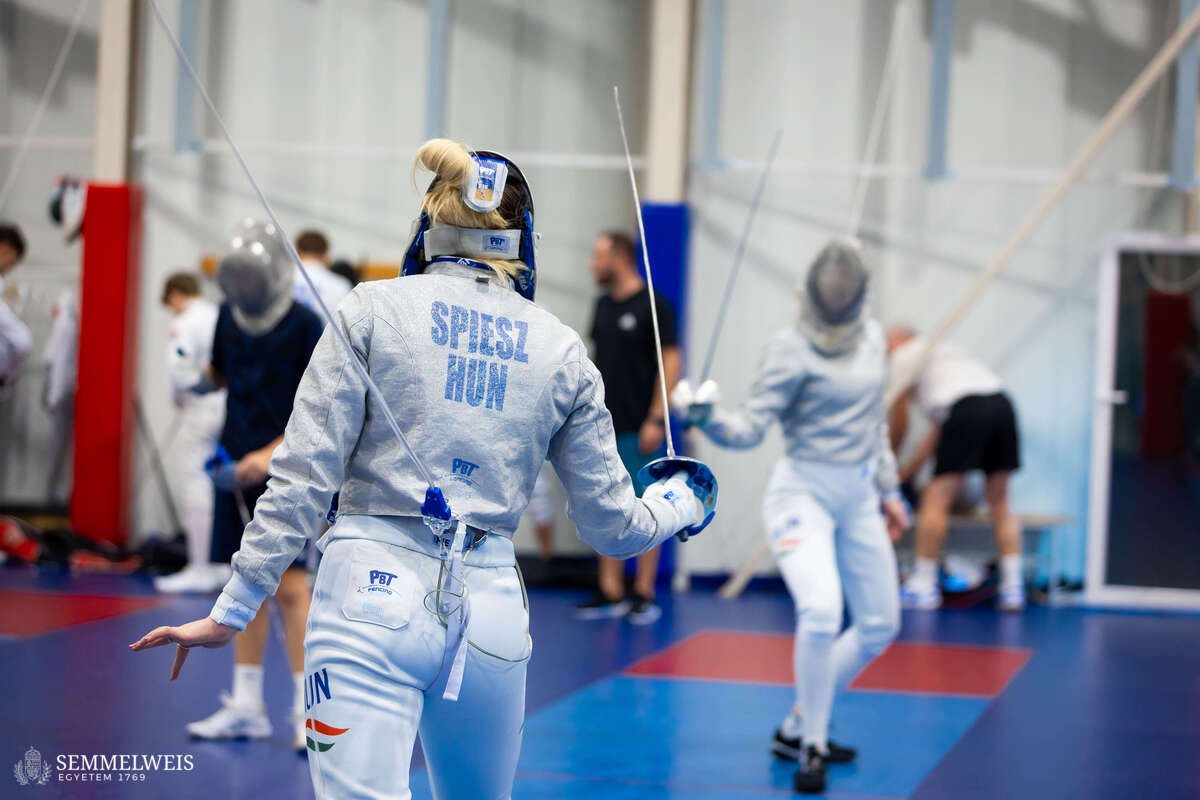
“What I love about fencing is that I know I have a chance against my opponent, but of course I have to believe in myself,” Anna Spiesz emphasized. The fact that, in a sense, there are no physical limits to the sport is a source of motivation for her – athletes don’t have to compete based on distance covered or time, as in many other sports. As she also pointed out, describing the psychology of saber fencing:
Your placing in a competition and how you fence depend largely on your form that day and on your mental preparation – whether you’re fully present not just physically, but mentally as well. That’s why, in an average competition, you stand a chance even against fencers who are, say, world or Olympic champions.
Renáta Katona added: “Tactics are a very important factor in competition, and Hungary has a world-class tradition in fencing technique and coaching.” This is also part of what makes the sport so beautiful to her.
Daily routines also play a role in success; Anna Spiesz, for example, has certain pre-event rituals. “Before a competition, I absolutely have to read at least a page or two from my current favorite novel or crime story, so I read in the evening and in the morning as well. There have been times when Reni [Renáta Katona] was about to leave for the competition venue, and I asked her to wait a moment: ‘Just two more lines, and I’ll be right there.’ I also have a little pony – you can usually see it in the photos – a little mascot that’s right there beside me.” Renáta Katona added that they had already learned several techniques from their sports psychologist that help with concentration before competitions. “Relaxation and stress management are very useful; when we’re nervous, we know what to do, and I try to incorporate these techniques into my competition routine.”
“In the junior categories, the competition season lasts about nine months; at the senior level, it’s 11 months a year, plus we have one month off,” said Anna Spiesz. “There are times during the competition season when we travel abroad to compete every two weeks – sometimes to Lima one week and Korea the next,” added Renáta Katona.
Gallery
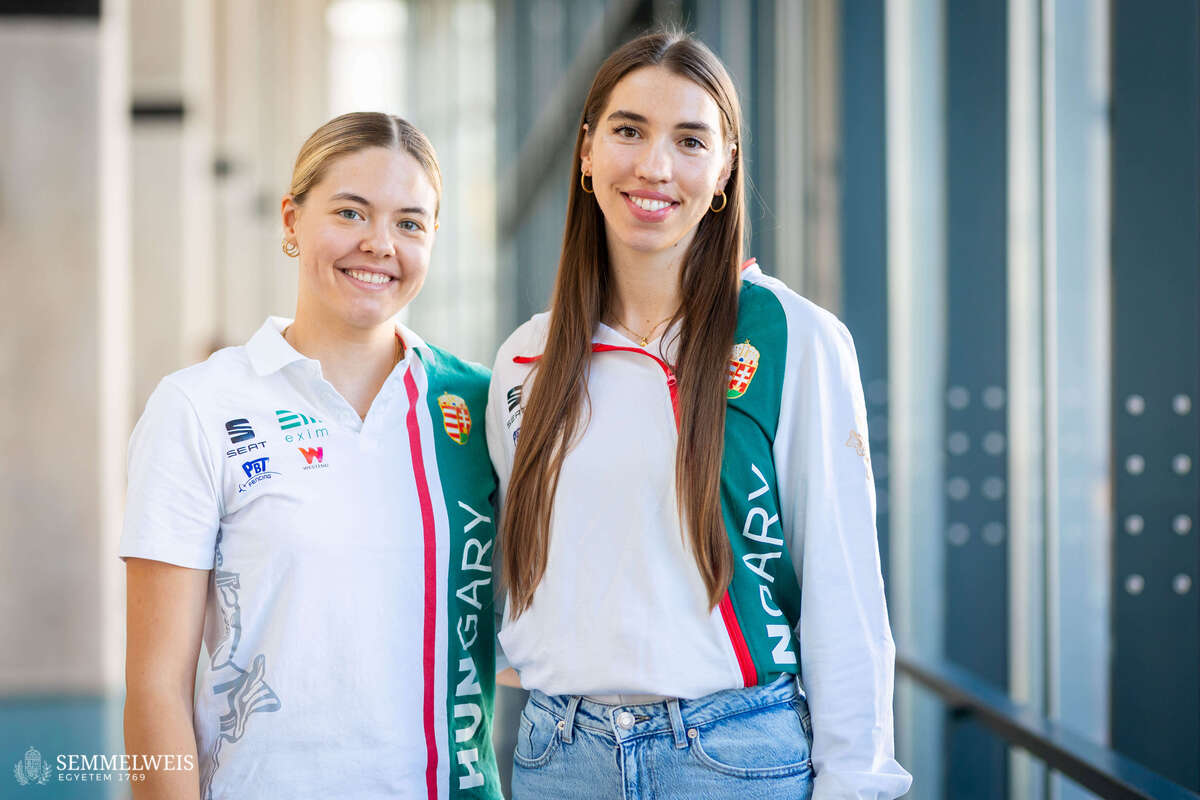
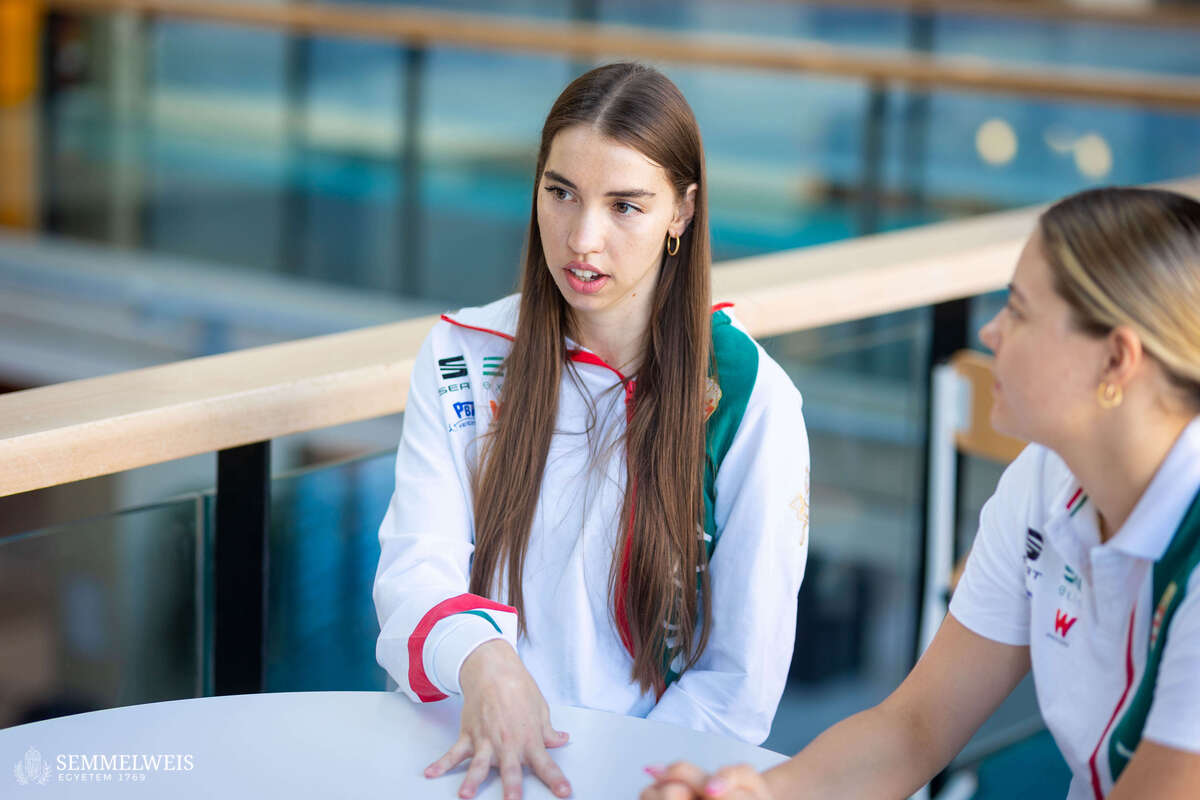
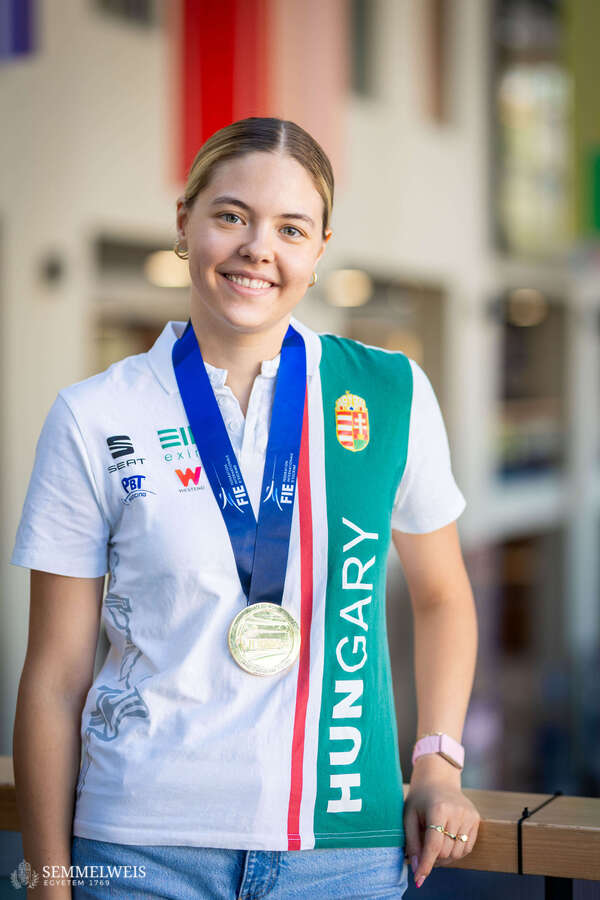
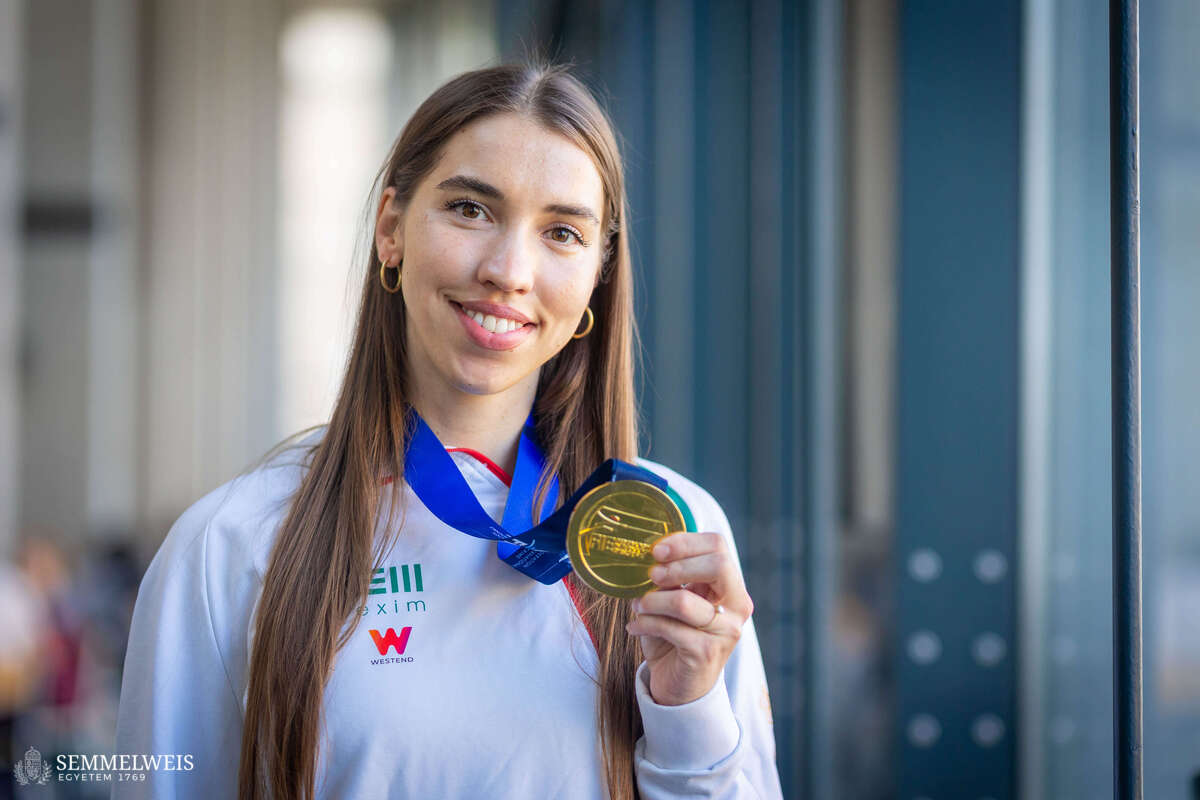
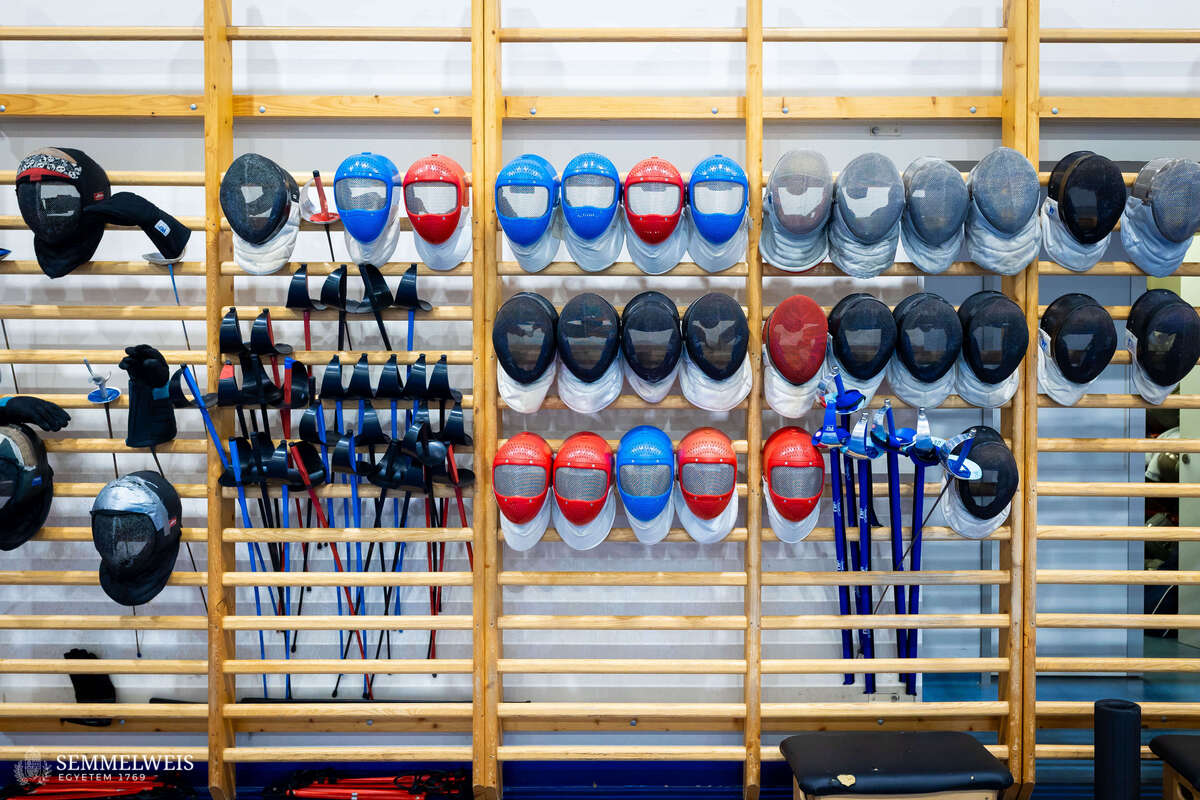
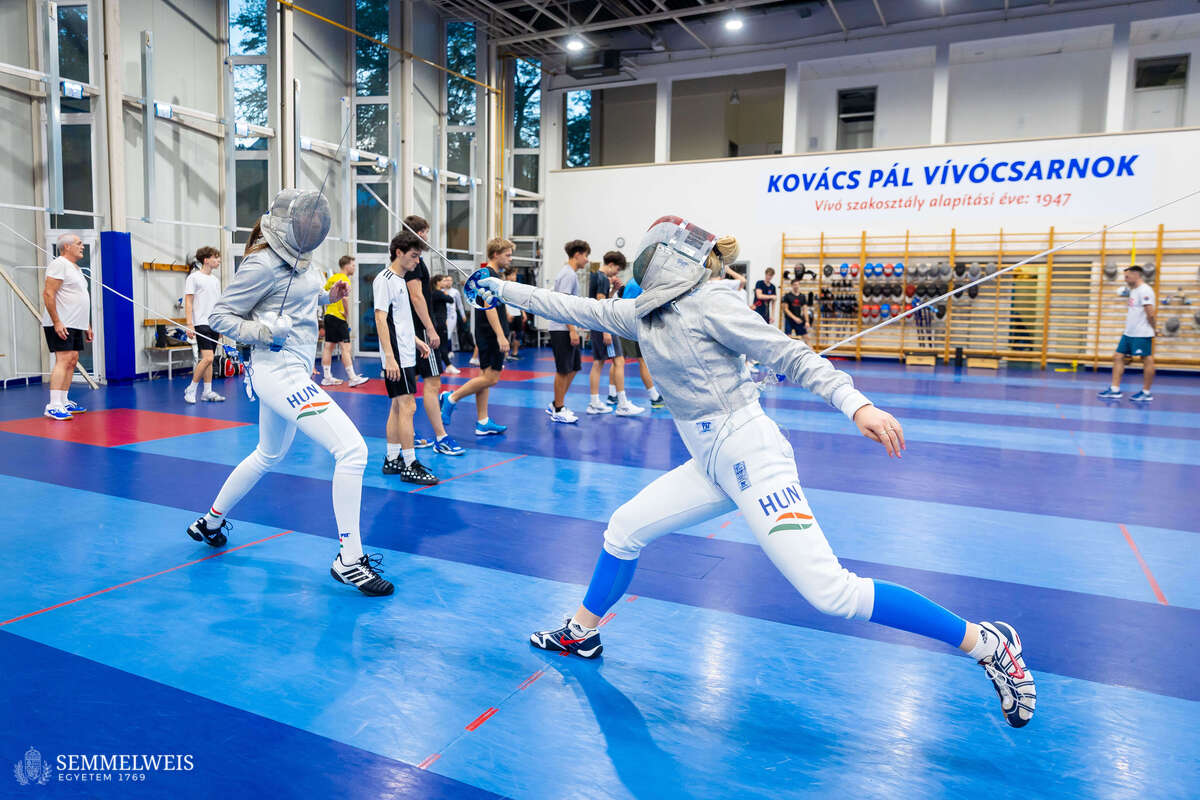
As far as competitions are concerned, the Olympics play an important role in both of their lives. Renáta Katona competed at the Tokyo Olympics during the COVID-19 pandemic, under very strict safety protocols. “Being there at a competition like that, at the very pinnacle of the sport and among the very best athletes, is a wonderful – actually, indescribable – feeling. So I hope Anna gets to experience it too!” she added. “Ever since I was little, it’s been my dream to make it to the Olympics and maybe even win a medal there. I hope I’ll succeed someday, and it would be great if Reni and I could experience it together. We’ll both work toward this as teammates, but also off the fencing strip,” Anna Spiesz noted.
There are many notable figures in Hungarian and international sports who attract their attention. For Anna Spiesz, it was an unforgettable experience when, upon entering her first training session at Vasas, she came face-to-face with Áron Szilágyi (a three-time Olympic champion, as well as a world and European champion Hungarian saber fencer and president of the Vasas SC Fencing Division). “Not only did he call Anna by name, but since then they’ve often trained together,” Renáta Katona remarked, adding that she also looks up to her own coach, who, in addition to being a fencing coach, practices his “conventional profession” as a lawyer, demonstrating that a “dual career path” is possible for an athlete.
They often talk about the challenges of studying: University coursework even comes up during trips to competitions.
I don’t have many days off. I have to study a lot; good time management is important. Throughout the academic year I try to prepare as much as possible, and during exam periods, I focus entirely on that alongside fencing. – Renáta Katona
“My best experience at the university so far has been passing my anatomy exam! I managed to do it this year, right after the European Fencing Championships. I struggled with it a bit because I was quite apprehensive based on what I’d heard about it, so completing it successfully was a huge sense of accomplishment, and I owe a lot to my classmates and teachers as well,” Anna Spiesz said. Renáta Katona added that she felt fortunate to attend this university; she takes pride in its reputation and is grateful that they are able to study at Semmelweis.
Update: At the first FIE World Cup of the fall season in mid-October in Oran, Algeria, the Hungarian women’s saber national team, including Anna Spiesz and Renáta Katona, also won a gold medal.
Róbert Tasnádi
Translation: Dr. Balázs Csizmadia
Photos by Boglárka Zellei – Semmelweis University