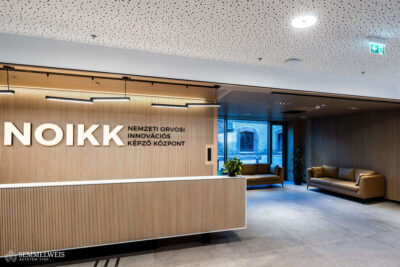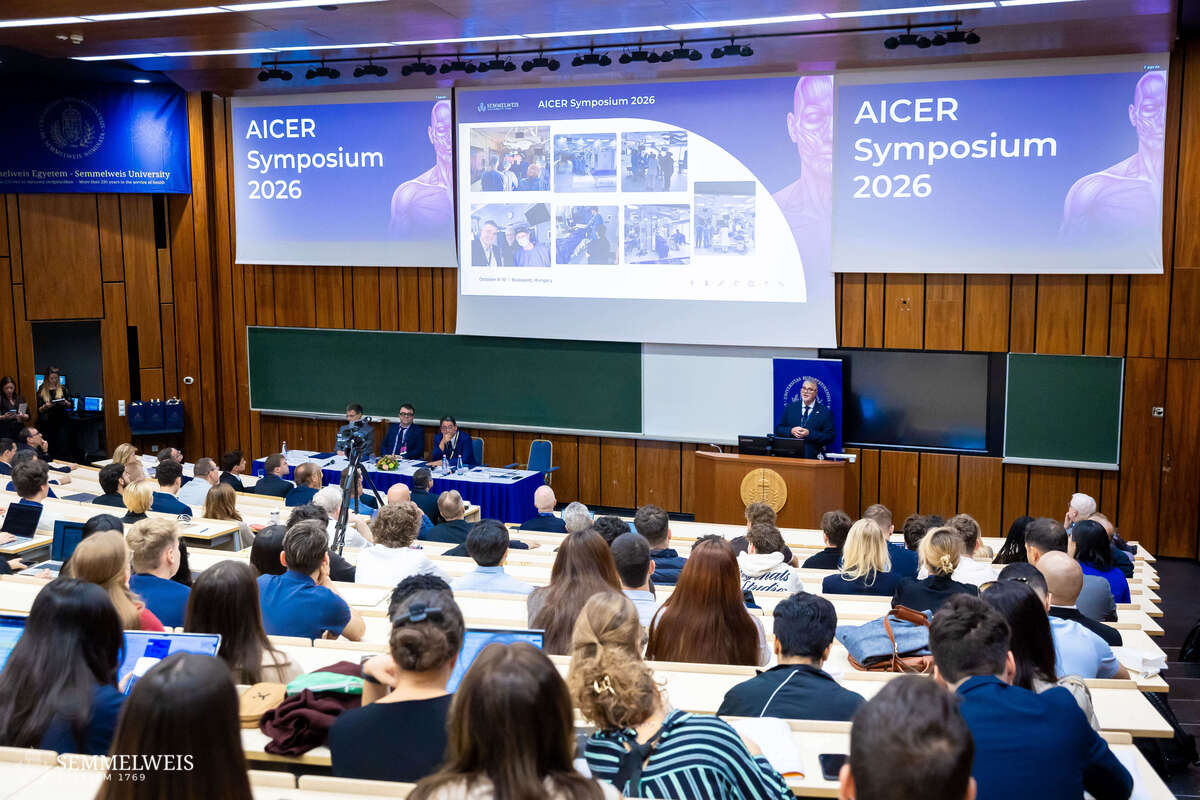
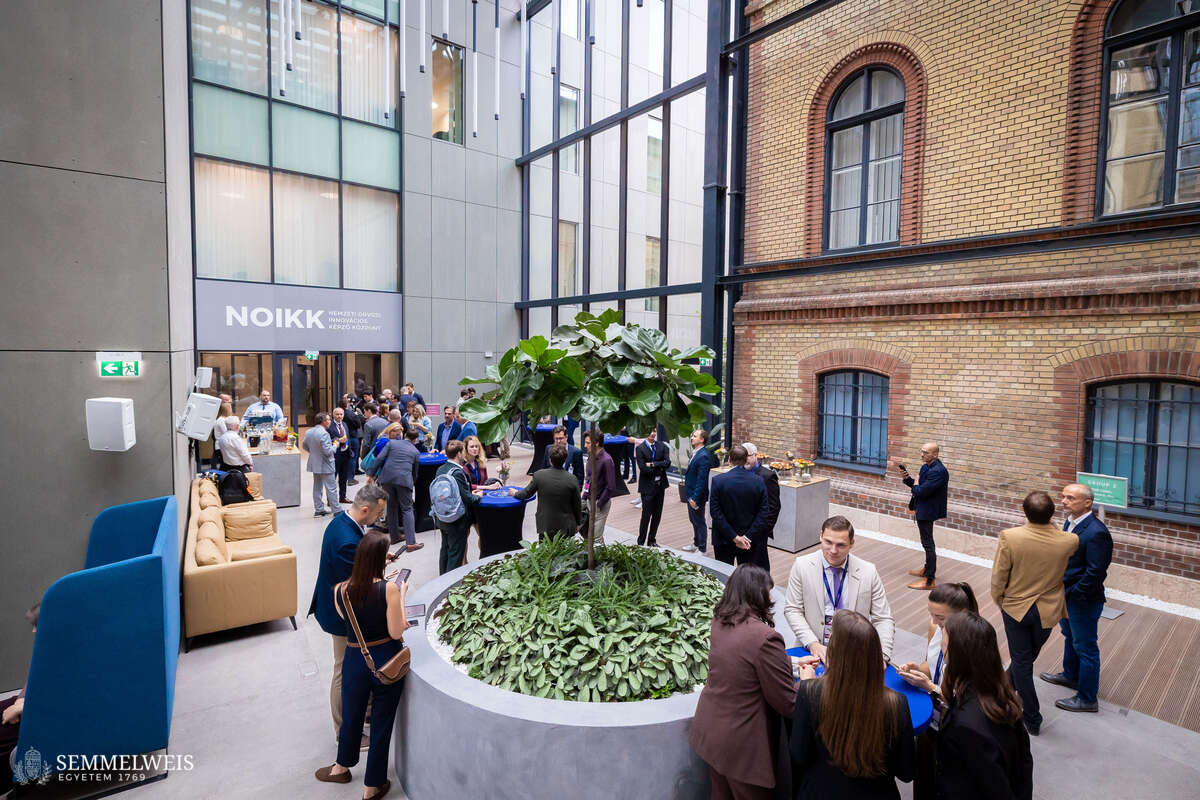
The Anatomy & Innovation Center for Education and Research (AICER/NOIKK) was inaugurated in April 2026. Equipped with world-class facilities and three cadaver operating rooms, it supports research and provides high-quality training in manual and imaging diagnostic professions. Held on October 9–10, the inaugural symposium aimed to explore, through academic and practical sessions, how advanced simulation, surgical robotics, postmortem imaging, and solutions based on artificial intelligence are transforming medical education, diagnostics, and patient care.
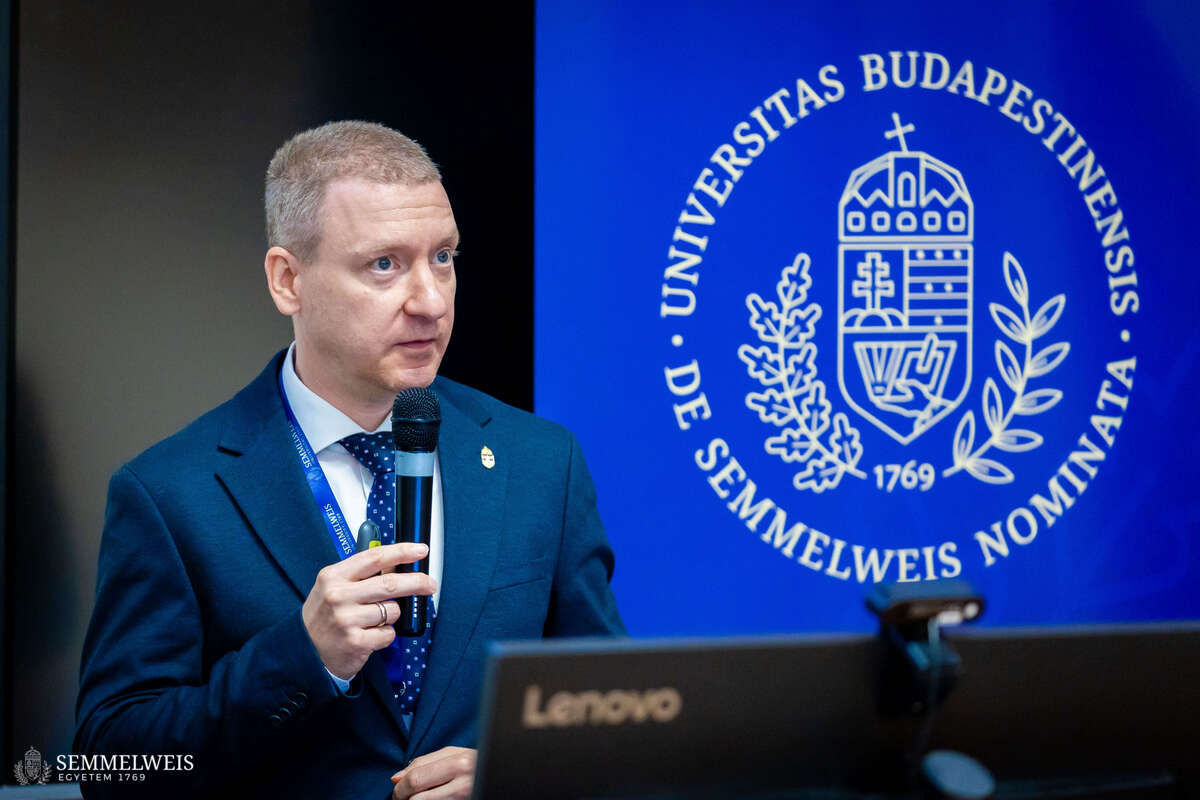
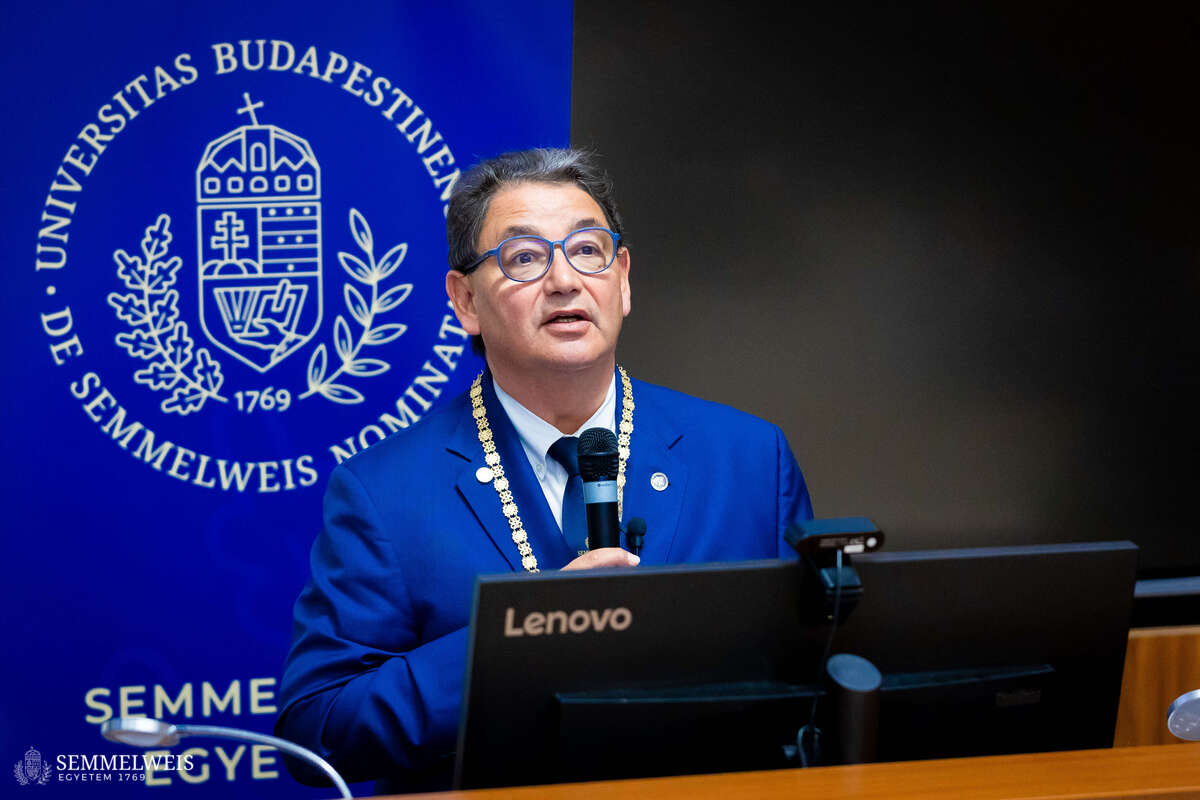 During the opening ceremony, Dr. Béla Merkely, Rector of Semmelweis University, referenced the institution’s mission statement. He emphasized that knowledge and innovative insights are only meaningful if they are applied at the patient’s bedside as quickly and effectively as possible. In his view, AICER/NOIKK — unique in both the region and Europe — serves this very purpose of further strengthening practical training and promoting cutting-edge technologies. It provides a unique training environment for manual professions, offering specialized training and continuing education. “AICER/NOIKK guarantees patient safety and continuous improvement in the quality of care by allowing students to gain experience in a fully realistic environment before treating patients. In addition, this special infrastructure facilitates innovative medical technologies and scientific research, making it a leading hub for industrial innovation,” pointed out Dr. Béla Merkely.
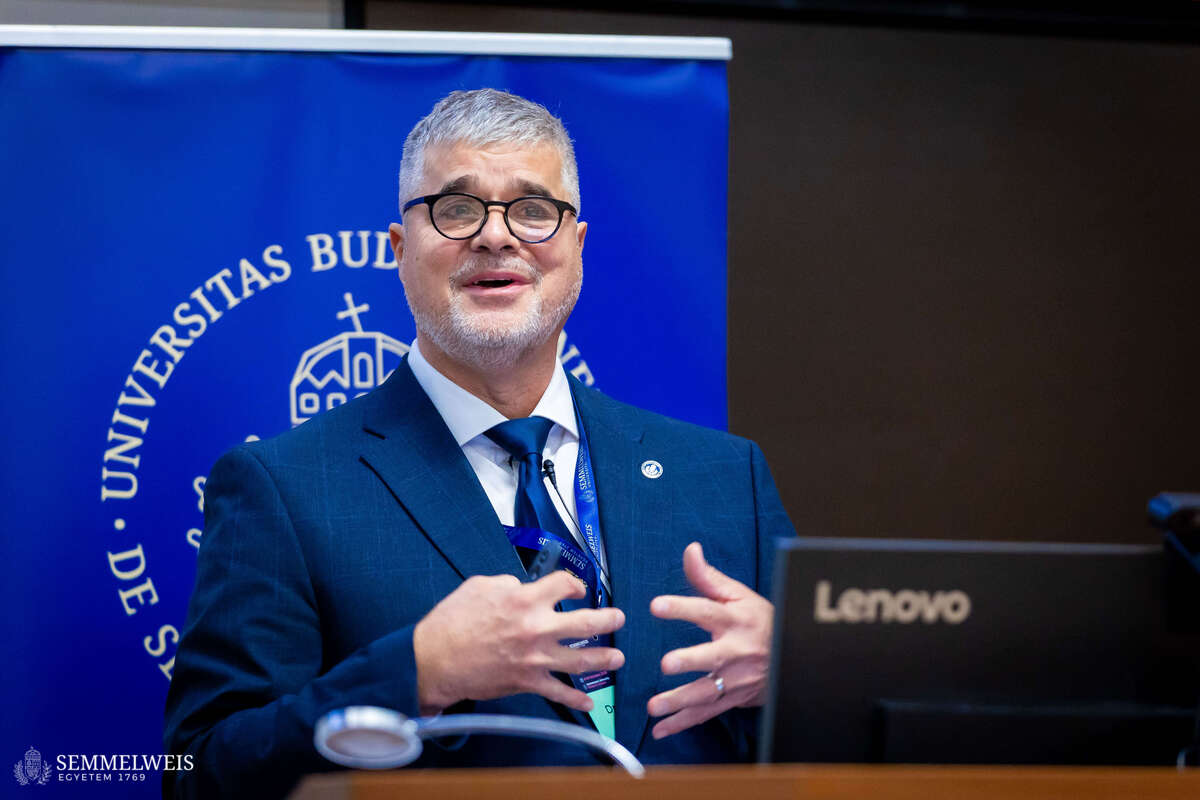 Dr. András Kiss, Program Director at AICER/NOIKK, introduced the center’s operations. He explained that the new center’s roots could be traced back to Semmelweis University’s “morphology campus,” namely, the Department of Anatomy, Histology and Embryology, as well as the Department of Pathology, Forensic and Insurance Medicine. Its main missions are graduate and postgraduate education in cadaver-based surgical and interventional procedures, the performance of postmortem imaging and minimally invasive autopsies, research, and the development of medical devices. In addition, AI-based digital pathology, robotics, and 3D printing are also among the center’s key areas of focus. His presentation provided a detailed overview of the center’s facilities and, through a case study, illustrated the potential applications of the available technology.
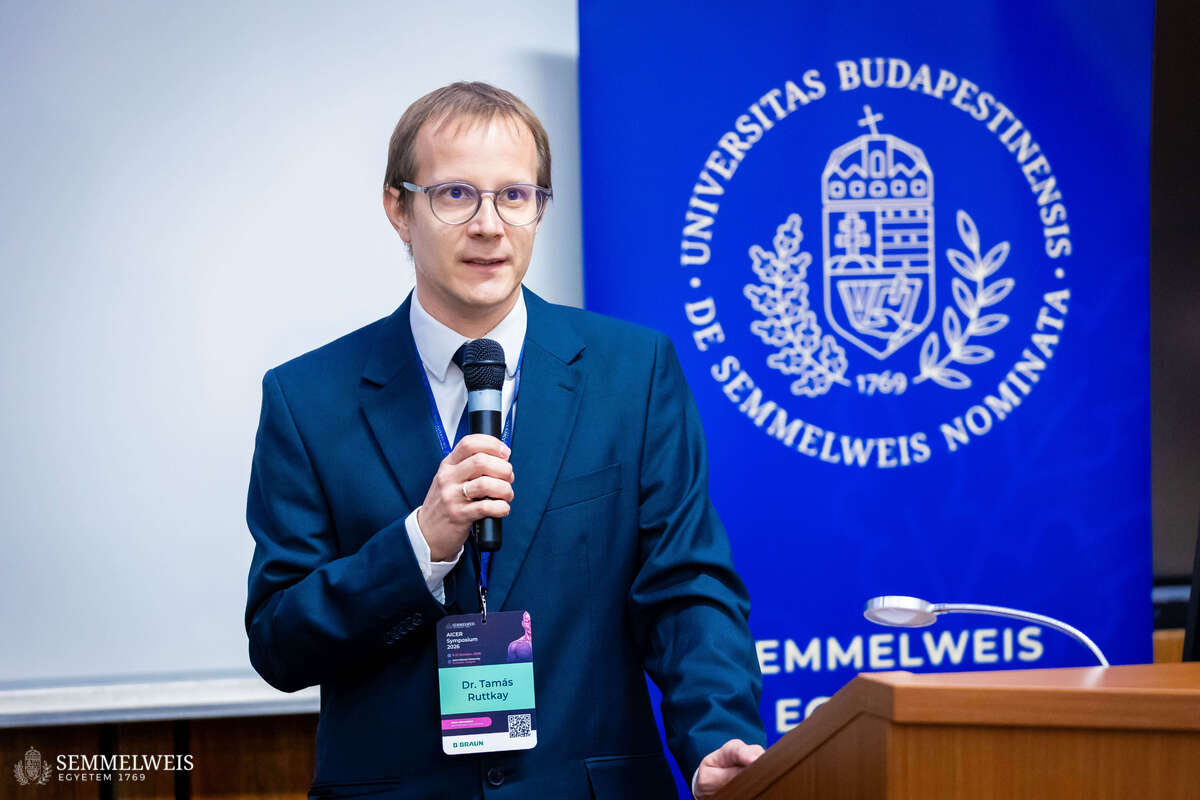
Dr. Miklós Kozlovszky, Director of the Biotech Research Center at Óbuda University (ÓE), demonstrated the functioning of multimodal medical imaging through specific case studies. Dr. Tamás Ruttkay, Assistant Professor, and Dr. Klaudia Péch, Assistant Lecturer, both from the Department of Anatomy, Histology and Embryology, presented the Basic Surgical Skills Cadaveric Laboratory Elective Course for undergraduate students, available at AICER/NOIKK.
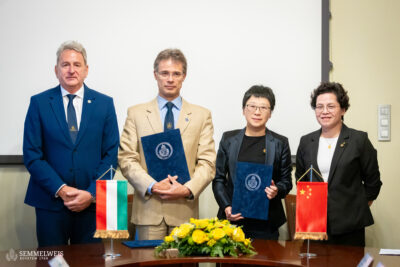
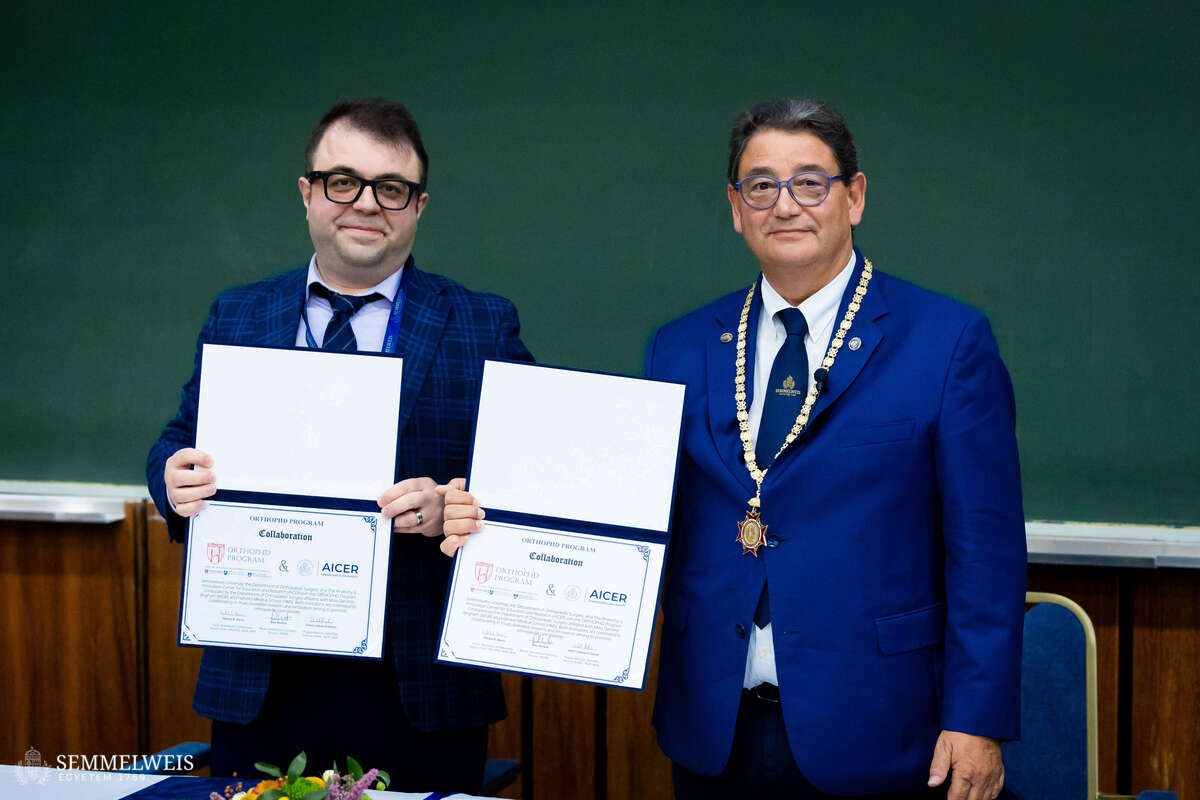
International cooperation agreements were also signed at the opening ceremony of the AICER/NOIKK symposium.
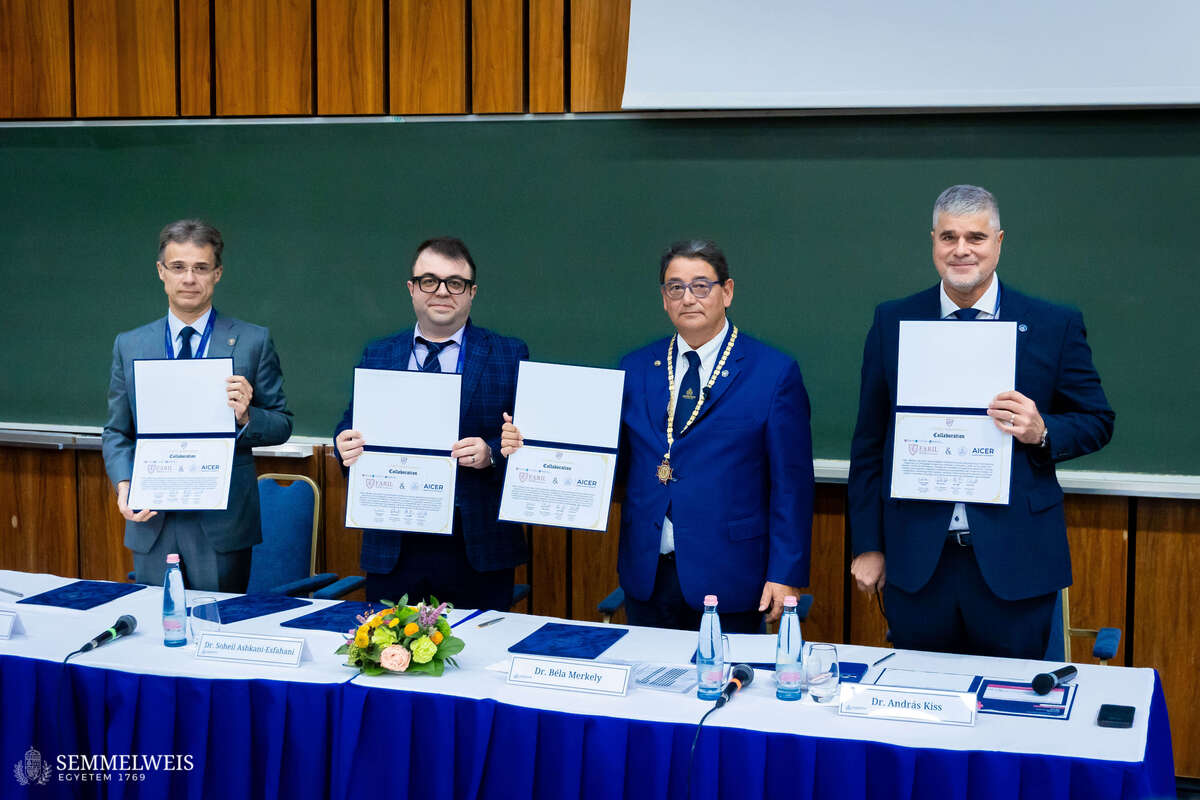 Under the first agreement, Semmelweis University joined the OrtoPhD program, an initiative for musculoskeletal research, innovation, and education launched by the Department of Orthopedic Surgery at Massachusetts General Hospital and Harvard Medical School. The document was signed by Dr. Béla Merkely, Rector of Semmelweis University, and Dr. Soheil Ashkani-Esfahani, Program Director representing the partner institution.
Following this, Dr. Béla Merkely, Vice-Rector for International Studies Dr. Alán Alpár, Dr. András Kiss, and Dr. Soheil Ashkani-Esfahani, in his capacity as director of the Foot and Ankle Research and Innovation Laboratory (FARIL), signed the partnership agreement between Semmelweis University and FARIL. The laboratory, which is affiliated with Mass General Brigham and Harvard Medical School, collaborates with university and clinical partners to conduct research and develop related innovations.
Dr. Péter Galambos, University Professor, Vice-Rector for Innovation at ÓE, and Director of the Antal Bejczy iRobotics Center at ÓE, delivered a keynote presentation on generative robotics; while Dr. Gergő Merkely, Investigator at Brigham and Women’s Hospital, explored the topic of translational orthopedics.
Gallery
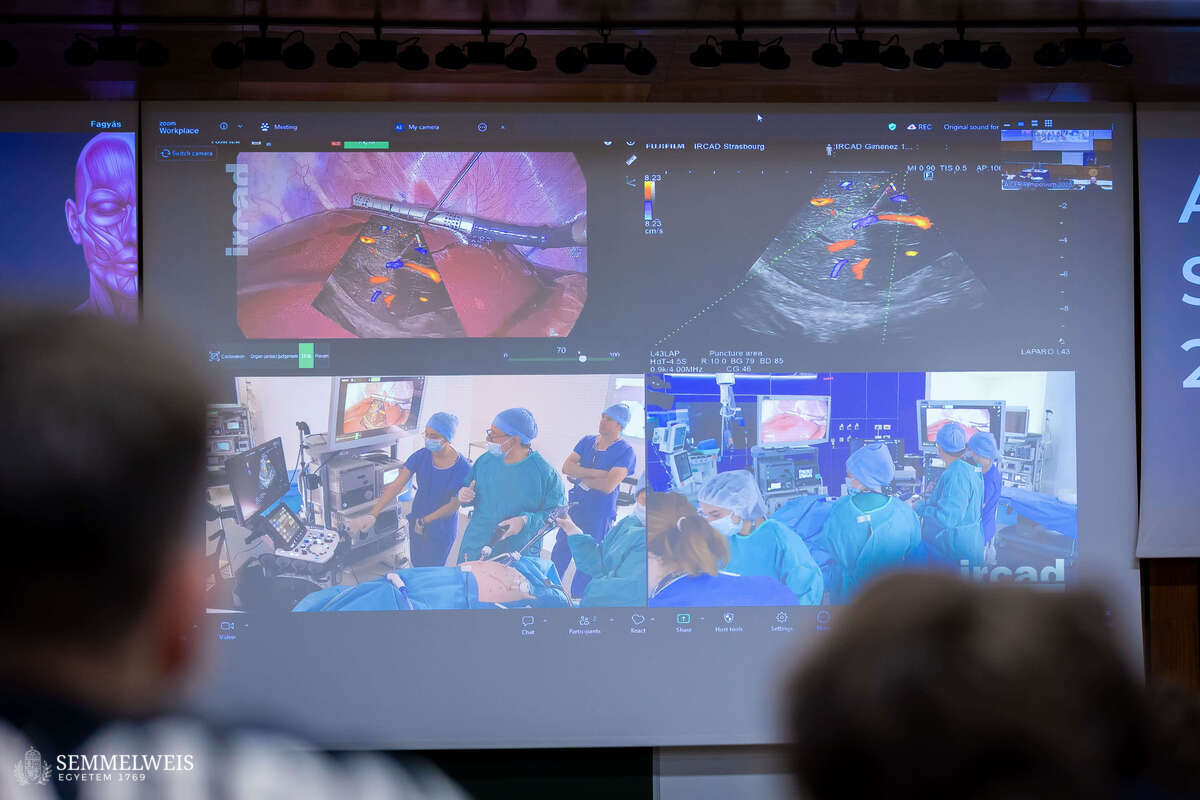
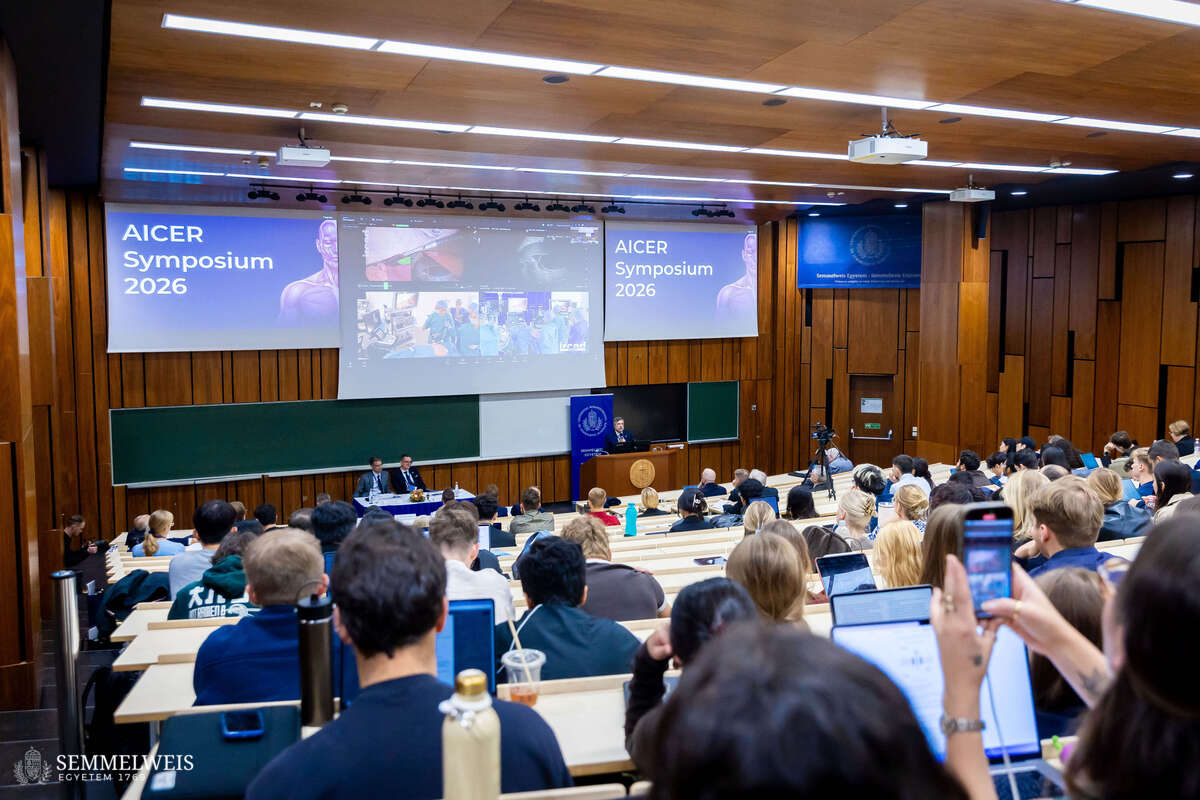
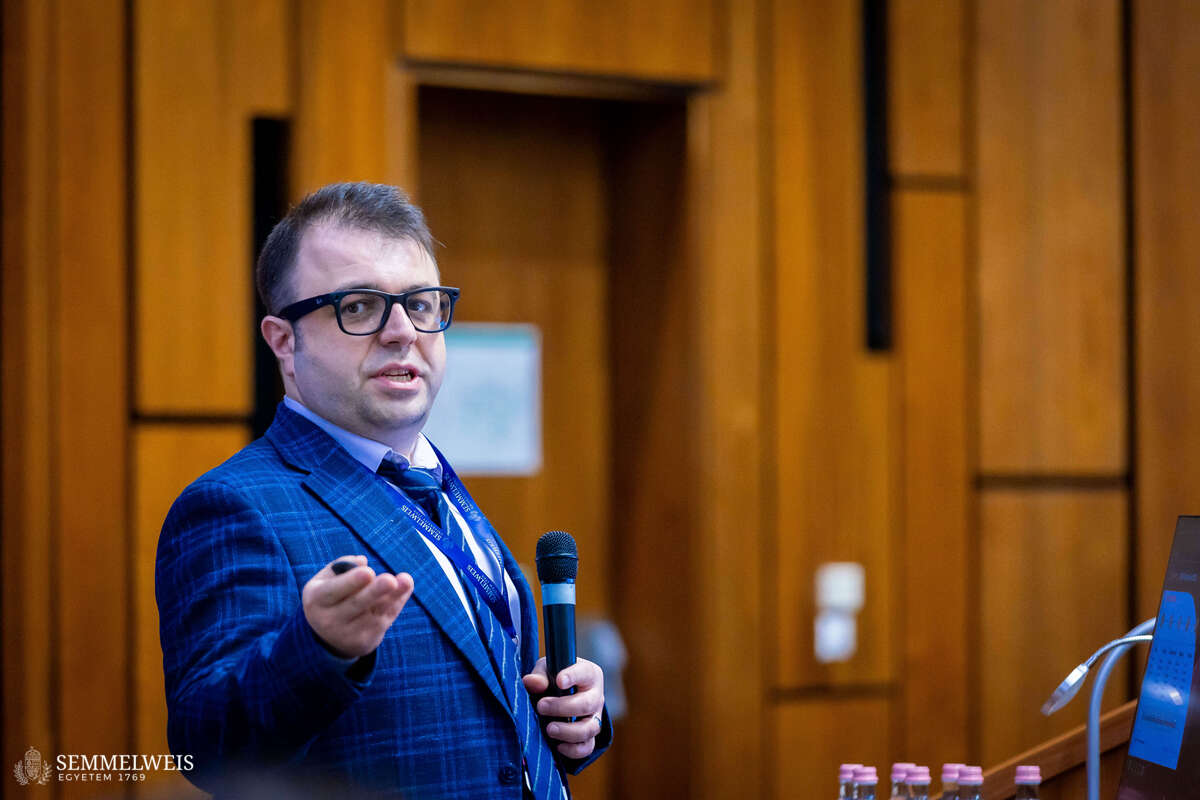
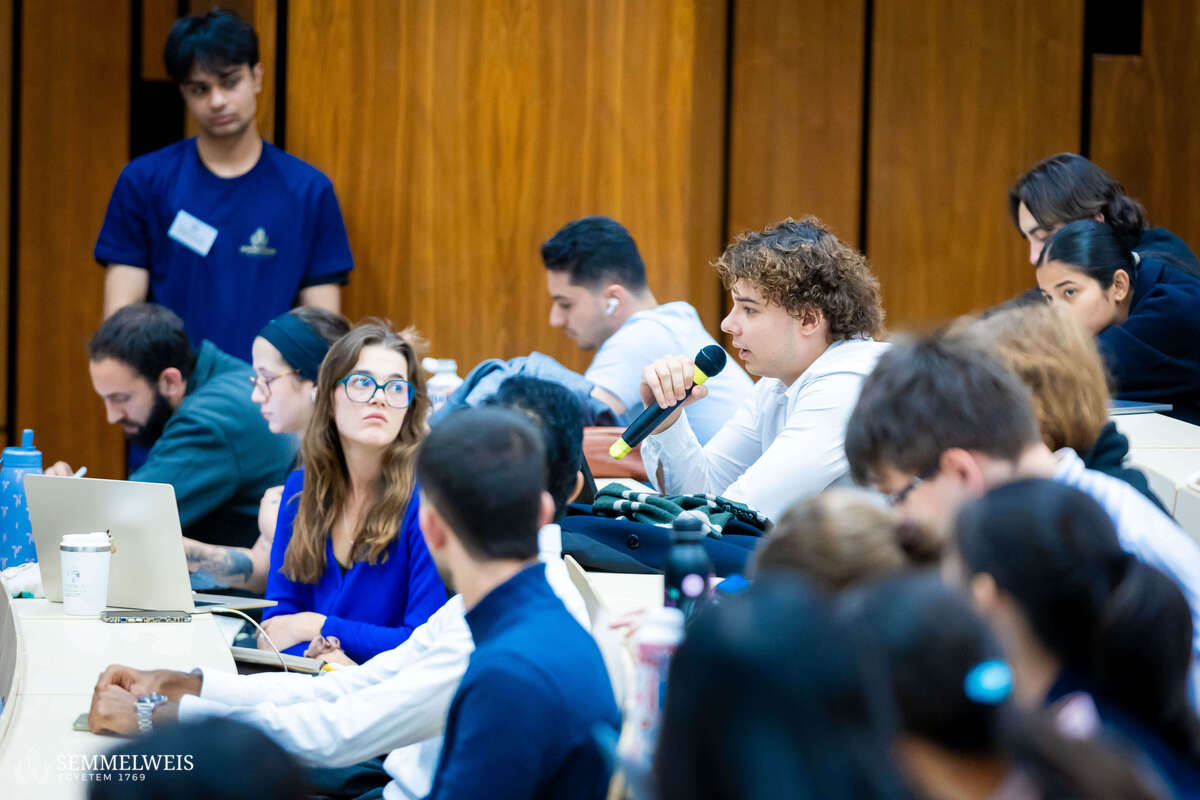

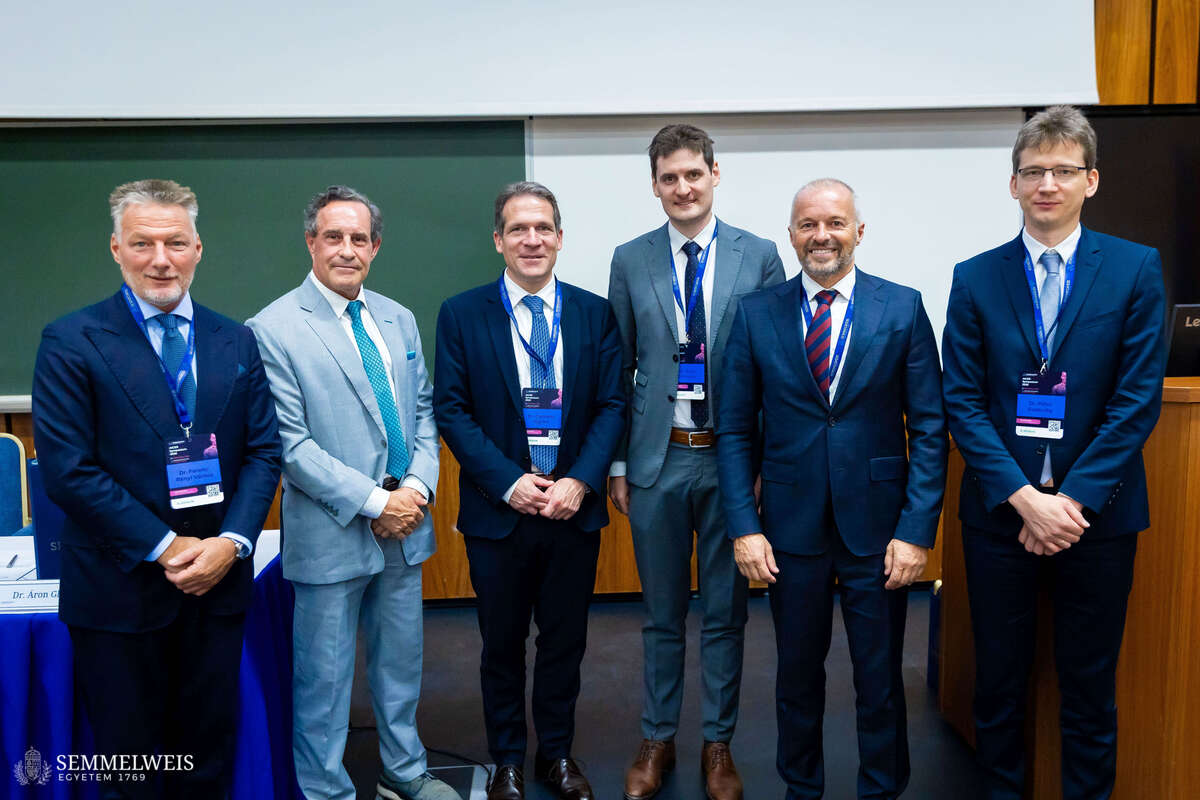
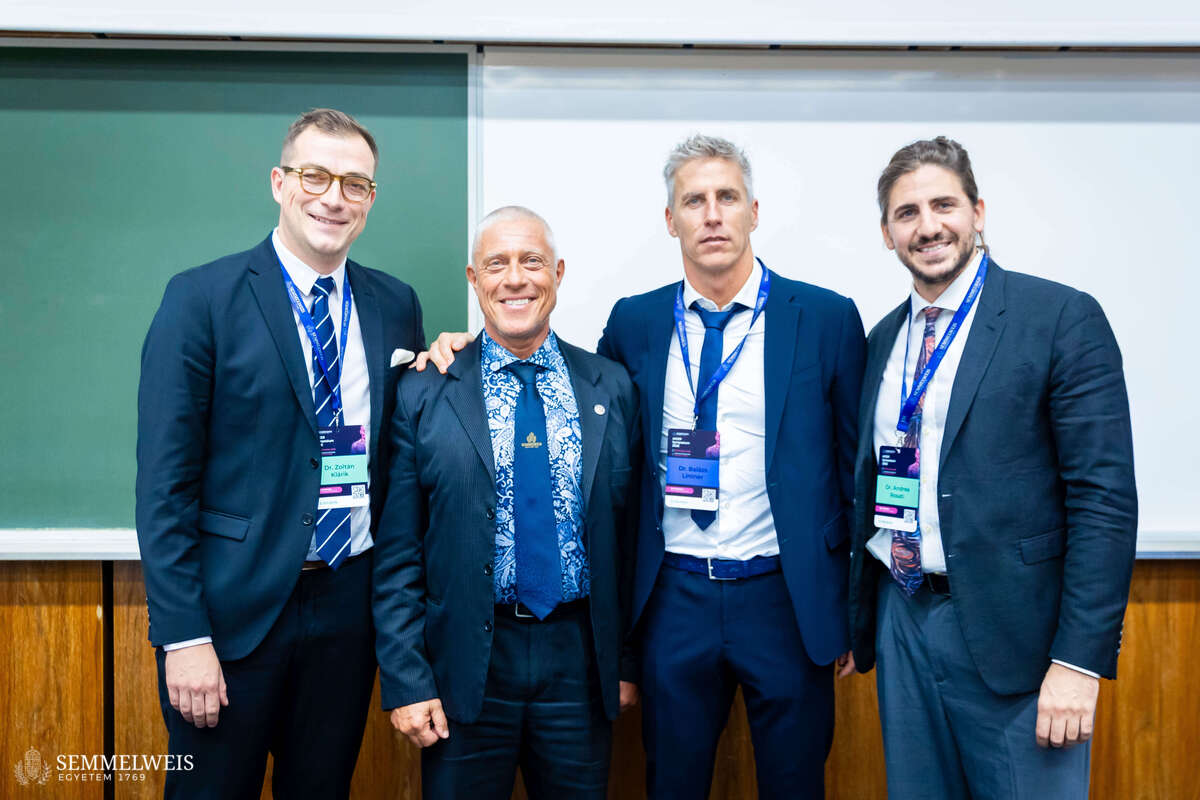
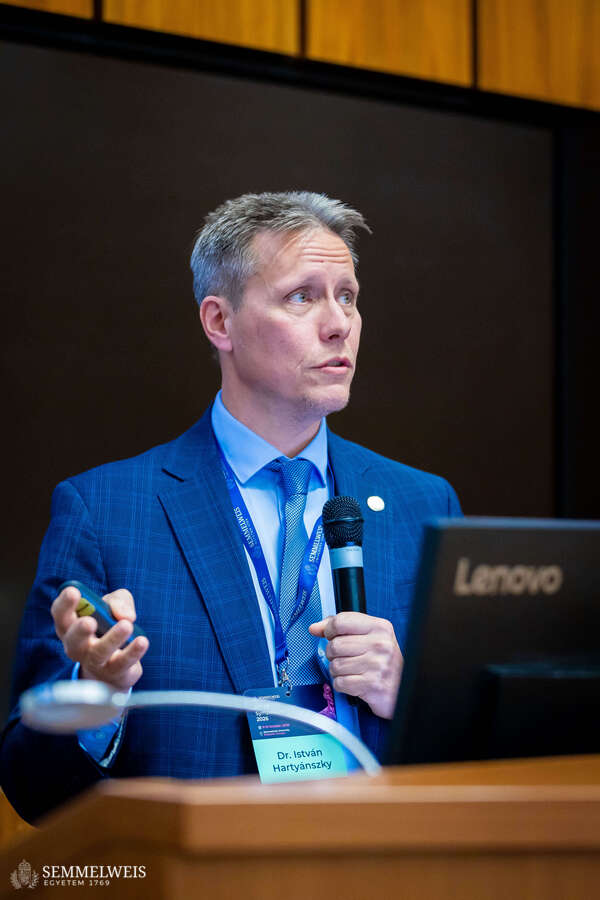
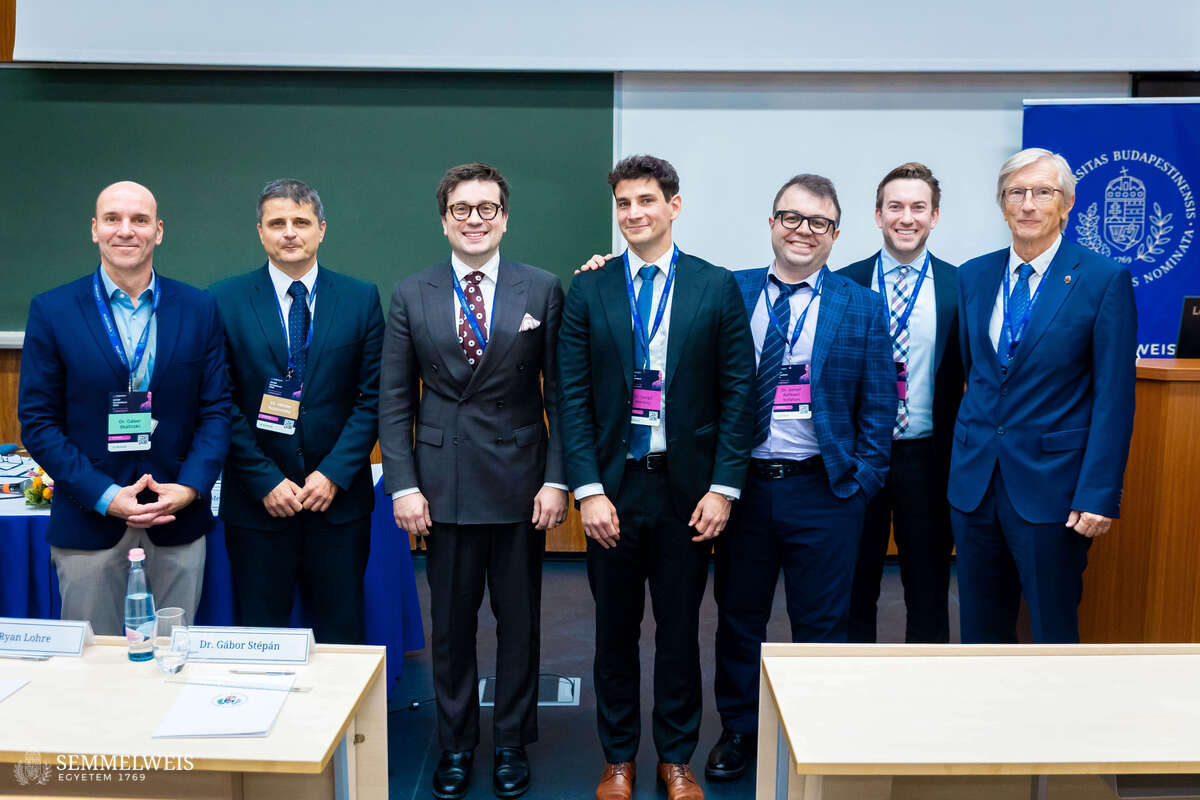
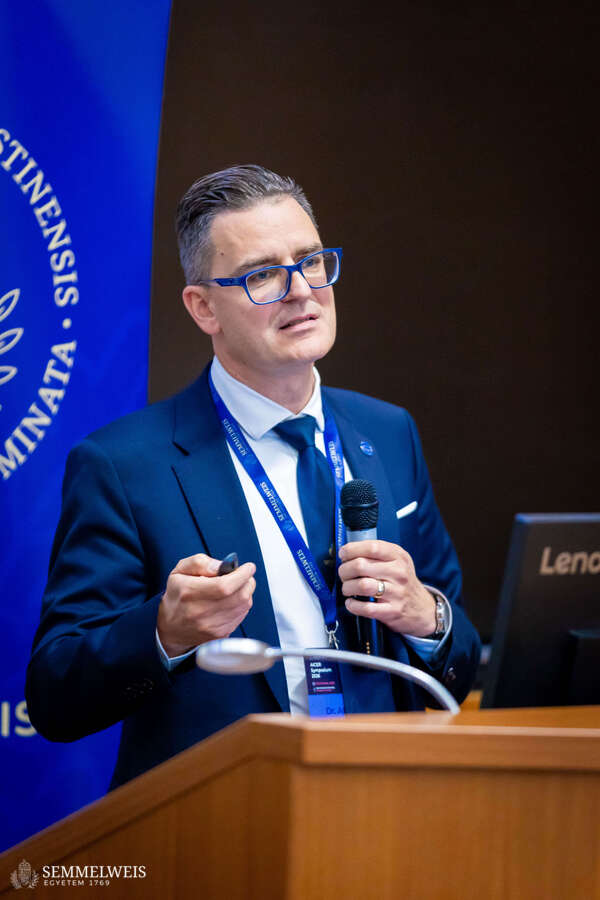
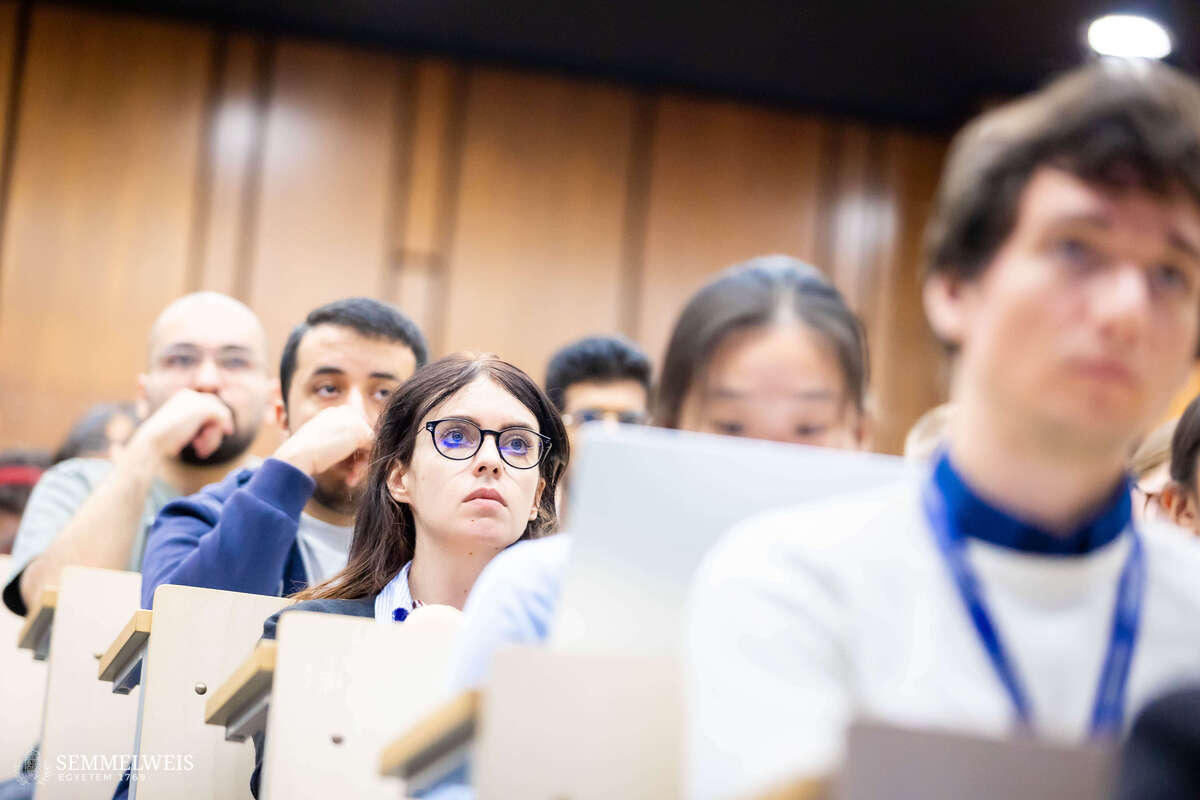
The symposium also featured prominent international speakers. Dr. Soheil Ashkani-Esfahani, along with Dr. Ryan Lohre and Dr. David Bernstein, orthopedic surgeons at Mass General Brigham, spoke about the latest developments in orthopedics. Dr. Karl J. Oldhafer, Rector’s and Dean’s Commissioner of Semmelweis University’s Asklepios Campus Hamburg, and Dr. Mariano E. Giménez, Professor at the University of Buenos Aires, gave presentations on surgical topics. Dr. Zsolt Garami, Medical Director of the Vascular Ultrasound Lab at Houston Methodist Hospital, and Dr. Karlheinz Seidl, Medical Director of the Westpfalz-Klinikum, presented innovations in medical imaging. The subject of military surgery was covered in presentations by Dr. Mark Bowyer, Chief of Trauma and Combat Surgery at the Uniformed Services University of the Health Sciences, and Dr. John Armstrong, a trauma surgeon with the American Medical Association. Dr. Andrea Rosati, Medical Director of the Policlinico Universitario Agostino Gemelli, spoke on gynecology, while Dr. Clemens Aigner, Head of the Department of Thoracic Surgery at the Medical University of Vienna, gave a presentation on thoracic surgery and lung transplantation.
Representing Semmelweis University, presentations were given by Dr. Endre Kontsek, Chief of Operations at NOIKK; Dr. Gábor Skaliczki, Assistant Professor at the Department of Orthopedics; Dr. Attila Szijártó, Director of the Department of Surgery, Transplantation, and Gastroenterology (STéG); Dr. István Hartyánszky, Head of the Department of Cardiac Surgery at the Városmajor Heart and Vascular Center; Dr. László Székely, Assistant Professor at the Department of Otorhinolaryngology, Head and Neck Surgery; Dr. Pál Maurovich Horvat, Director of the Medical Imaging Center (OKK); Dr. Márton Kivovics, Associate Professor at the Department of Public Dental Health (FSZOI); Dr. Alán Alpár, Director of the Department of Anatomy, Histology and Embryology; Dr. Tamás Bodzay, Director of the Department of Traumatology; Dr. Zoltán Klárik, Associate Professor at STéG; Dr. Balázs Lintner, Chief Physician at the Department of Obstetrics and Gynecology; and Dr. Péter Radeczky, Clinical Physician at the Department of Thoracic Surgery.
Gallery
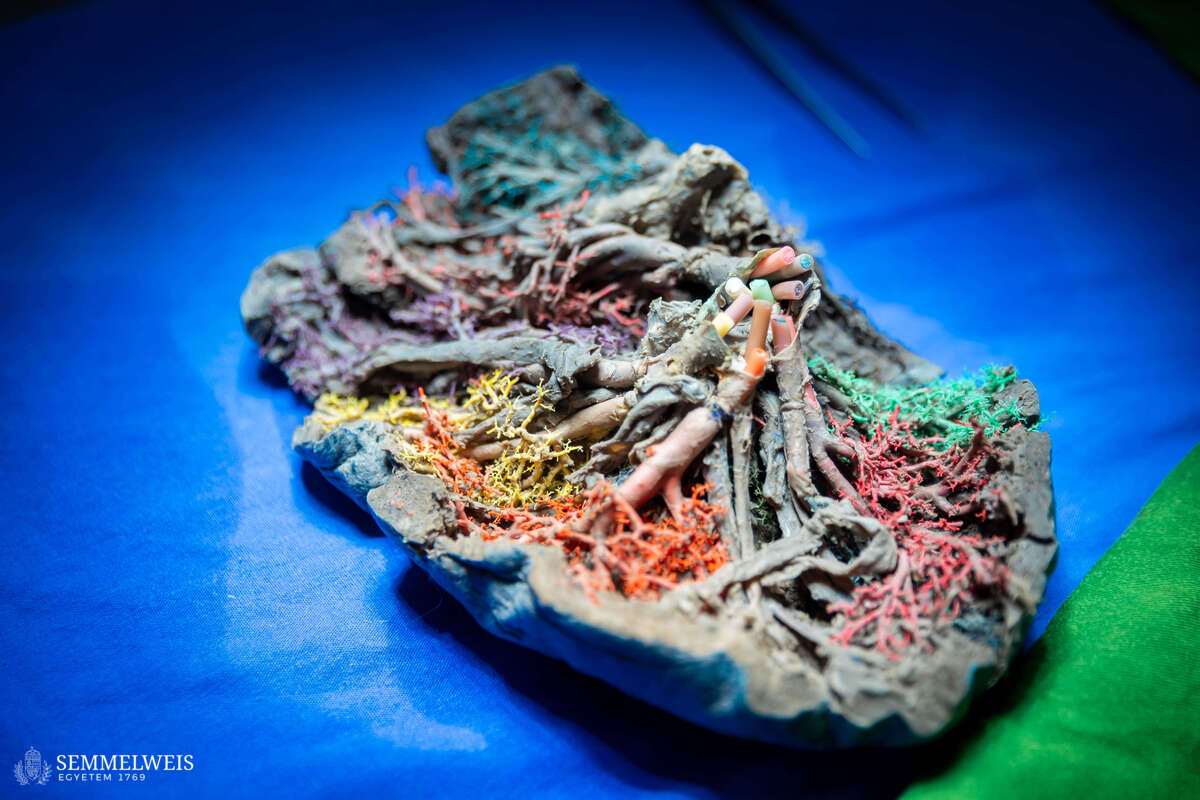
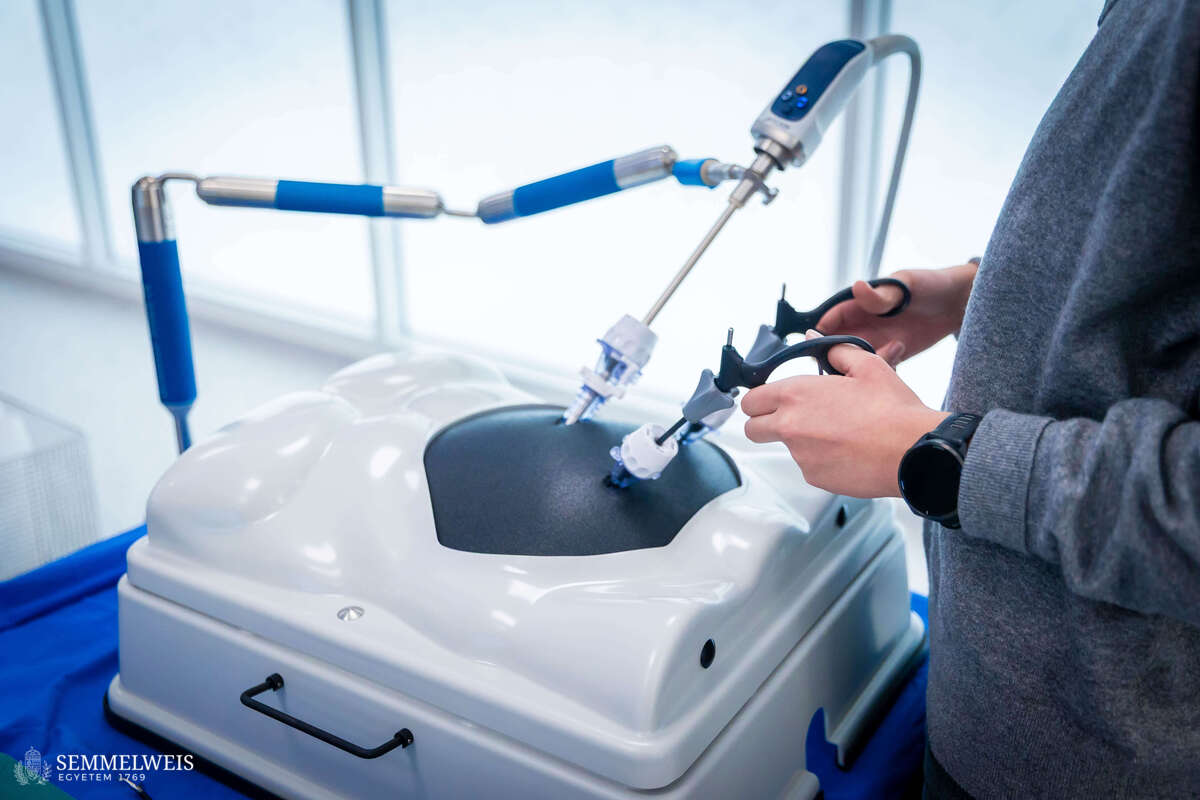
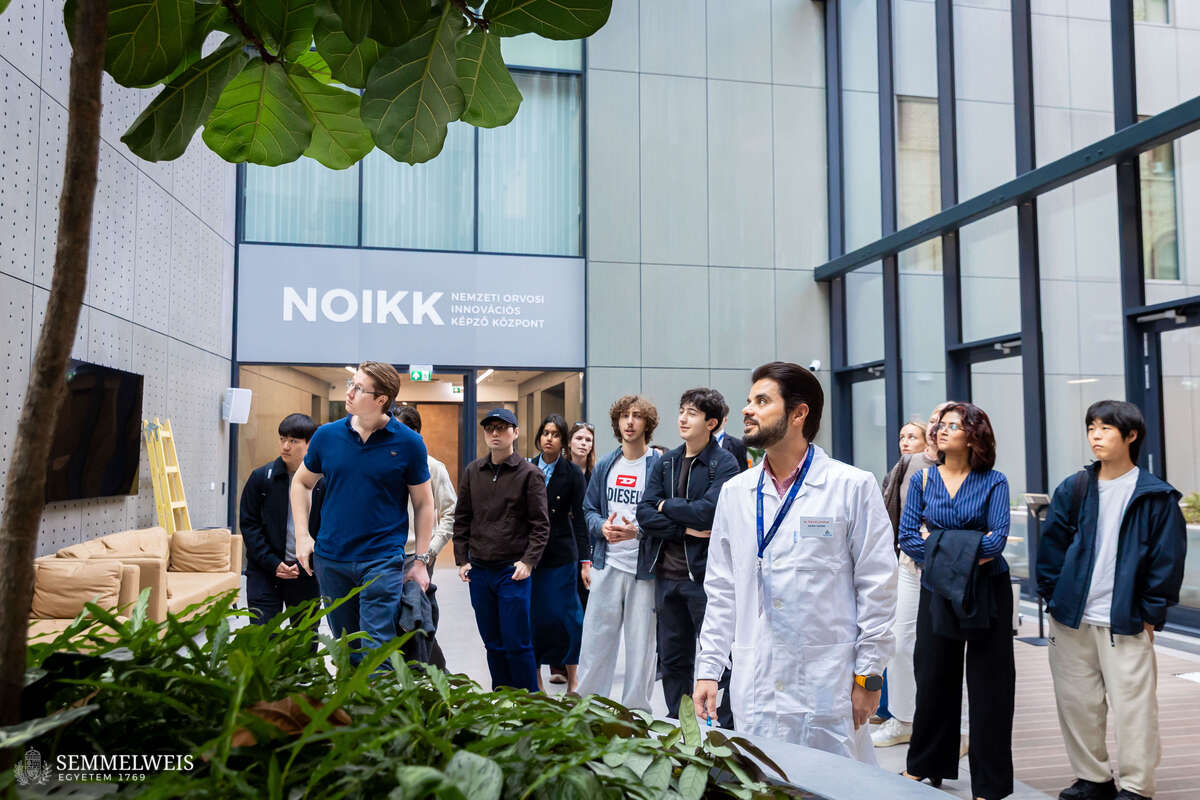
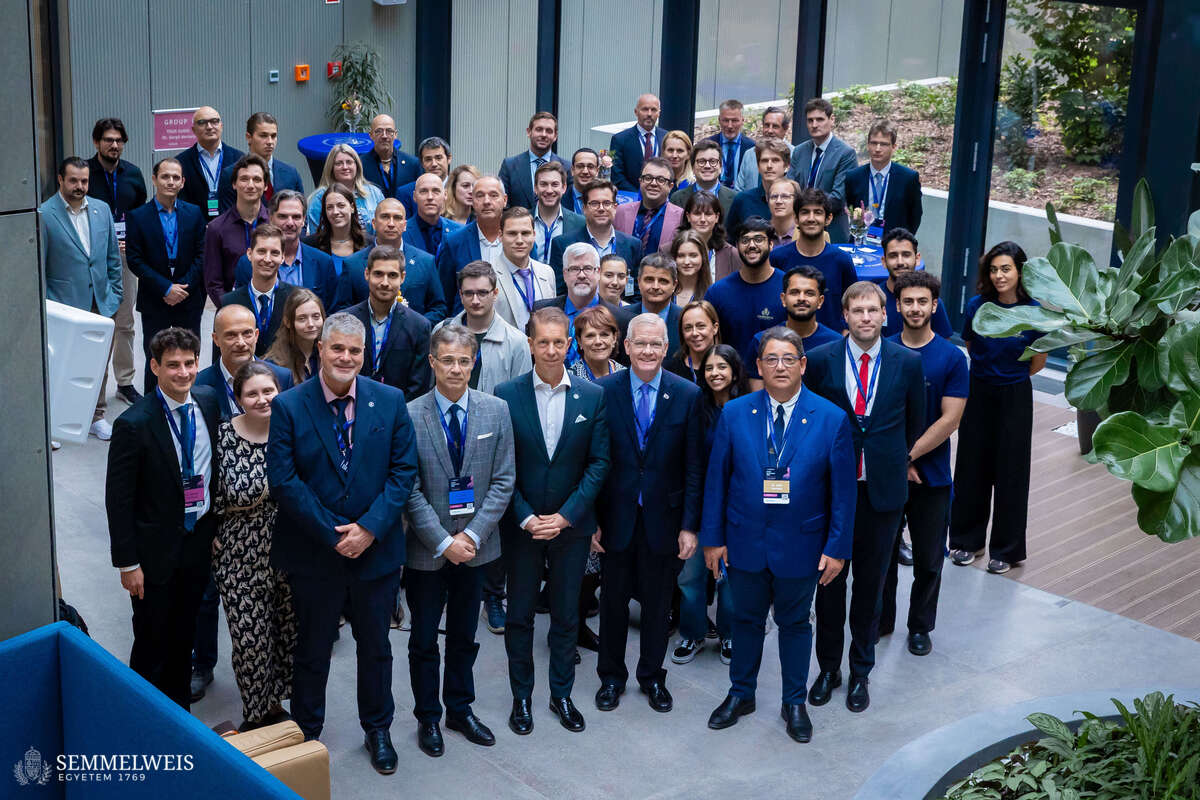
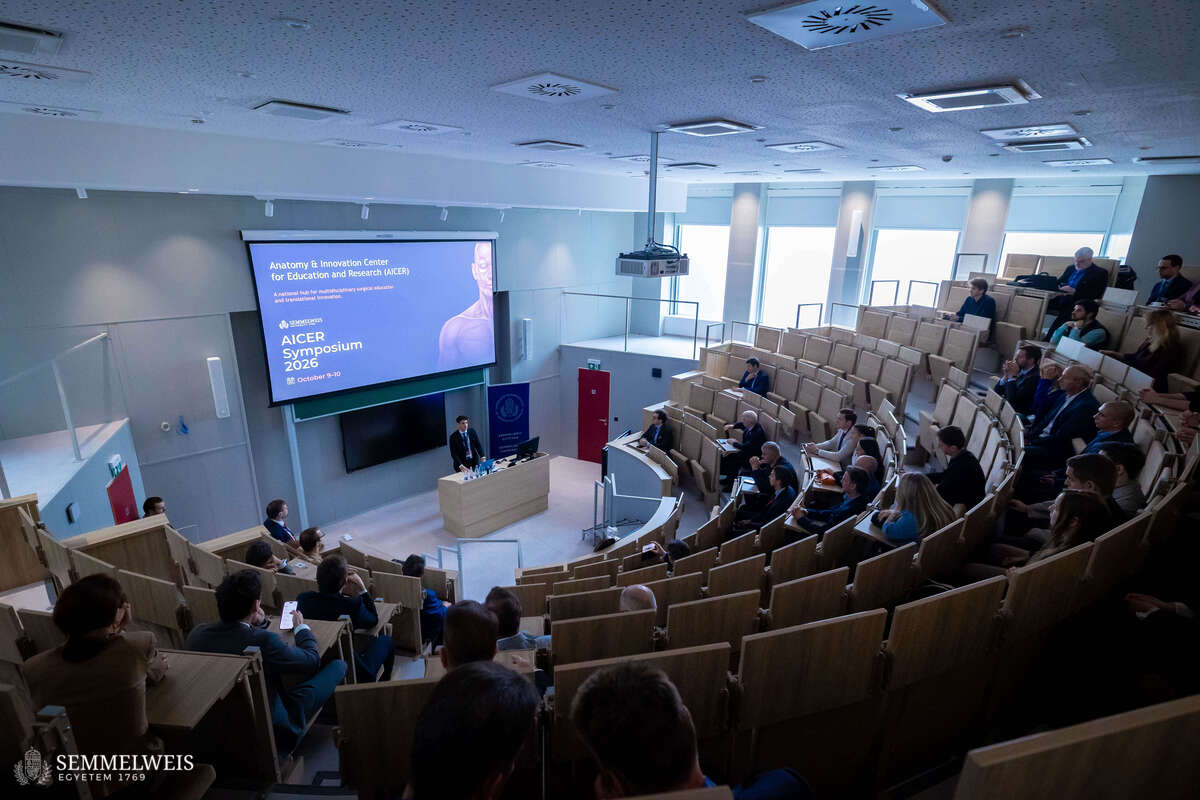
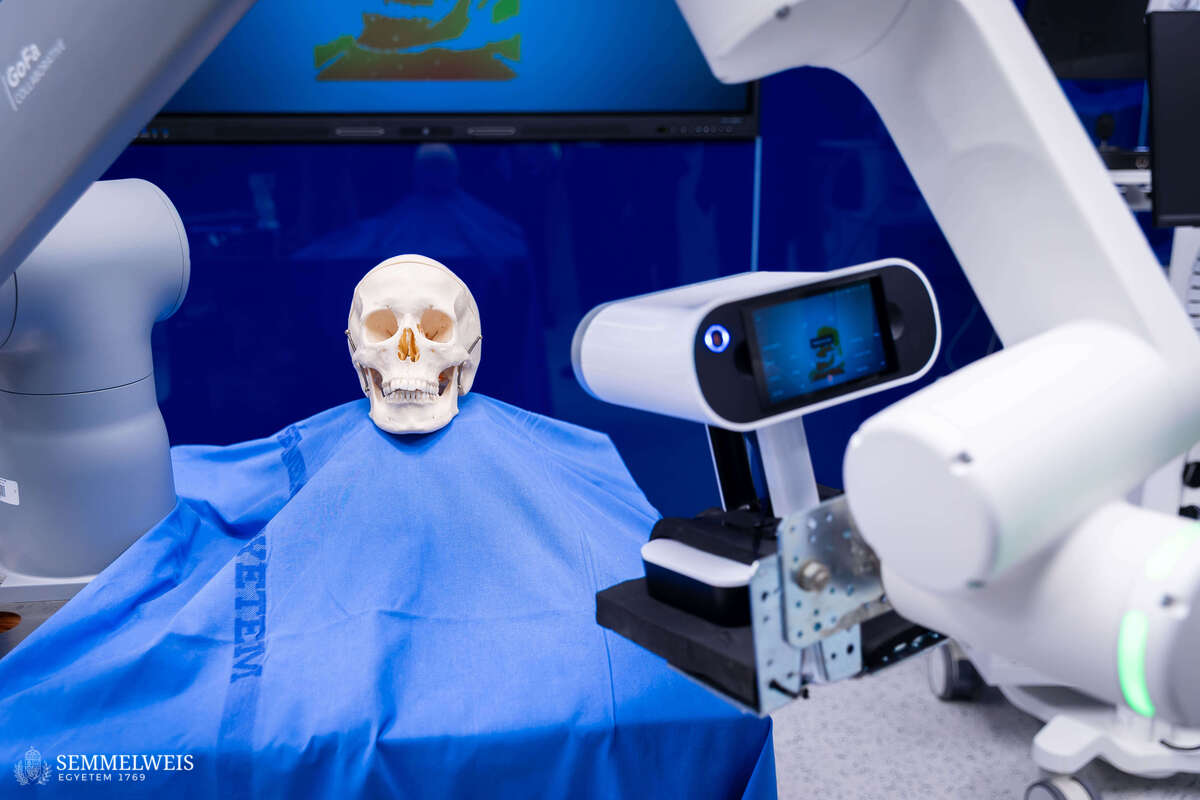
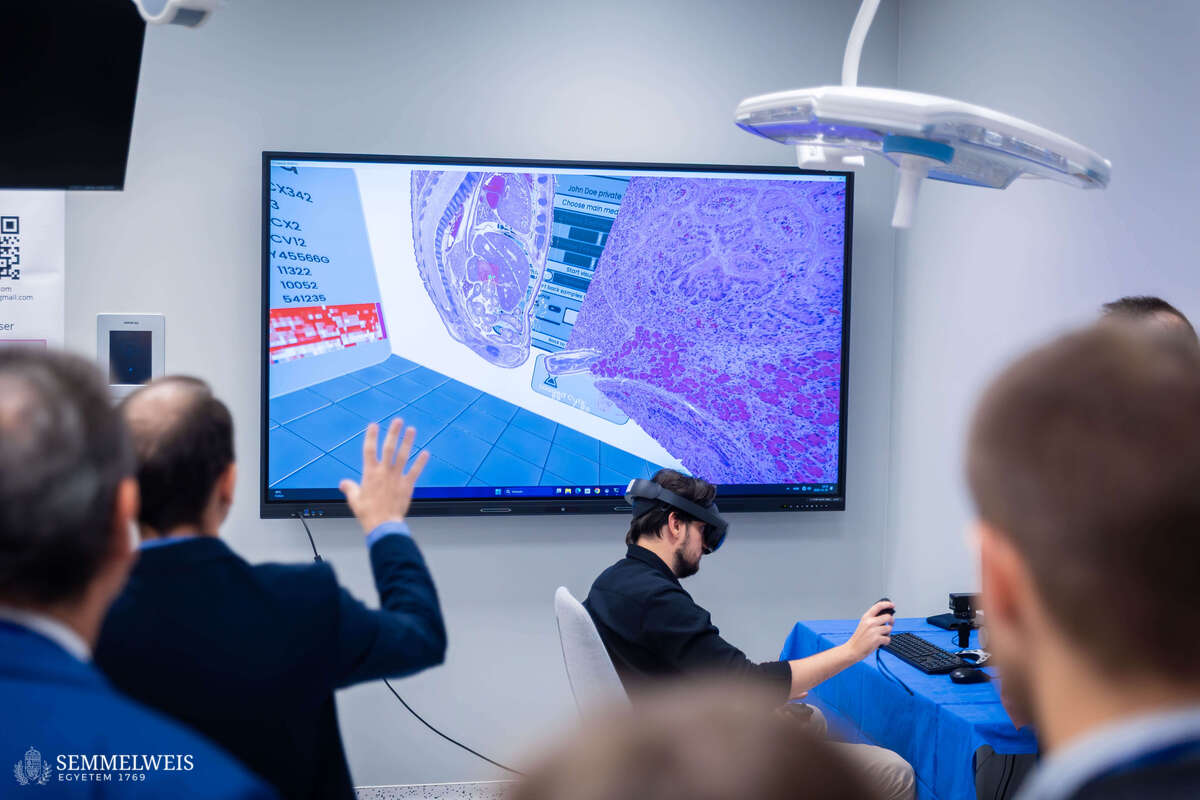
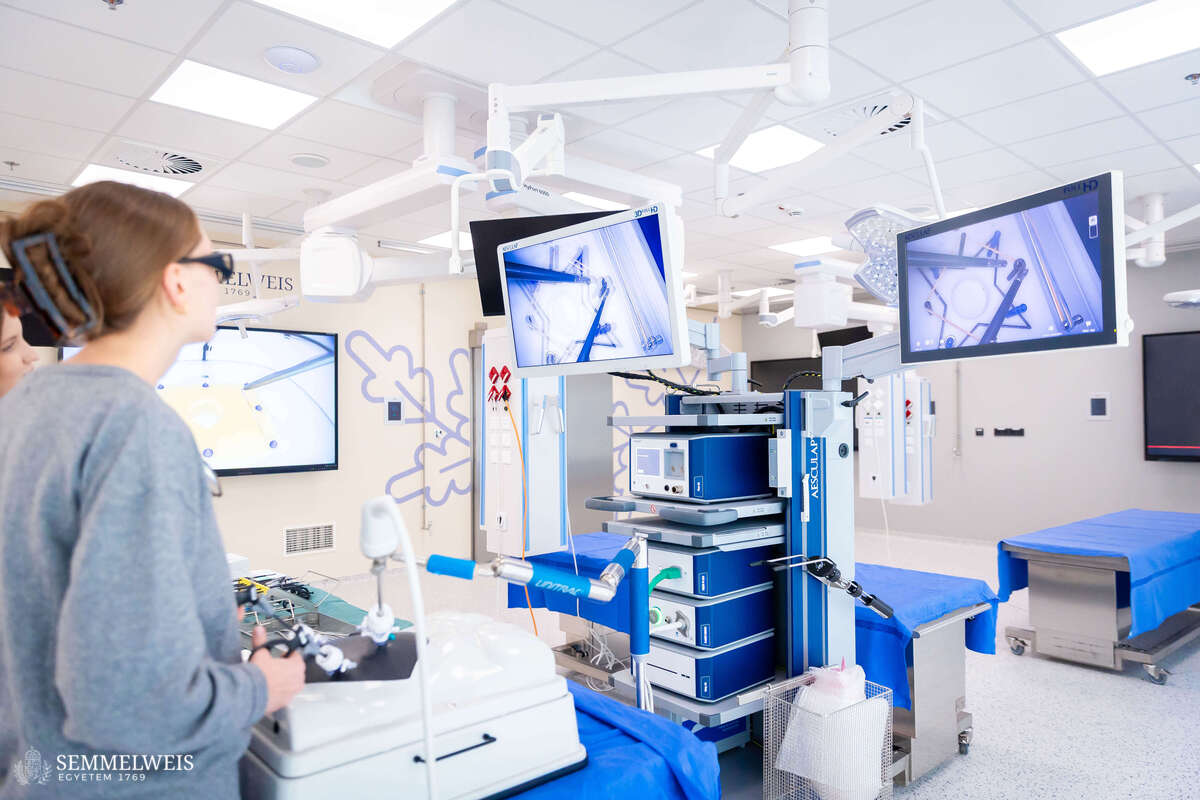
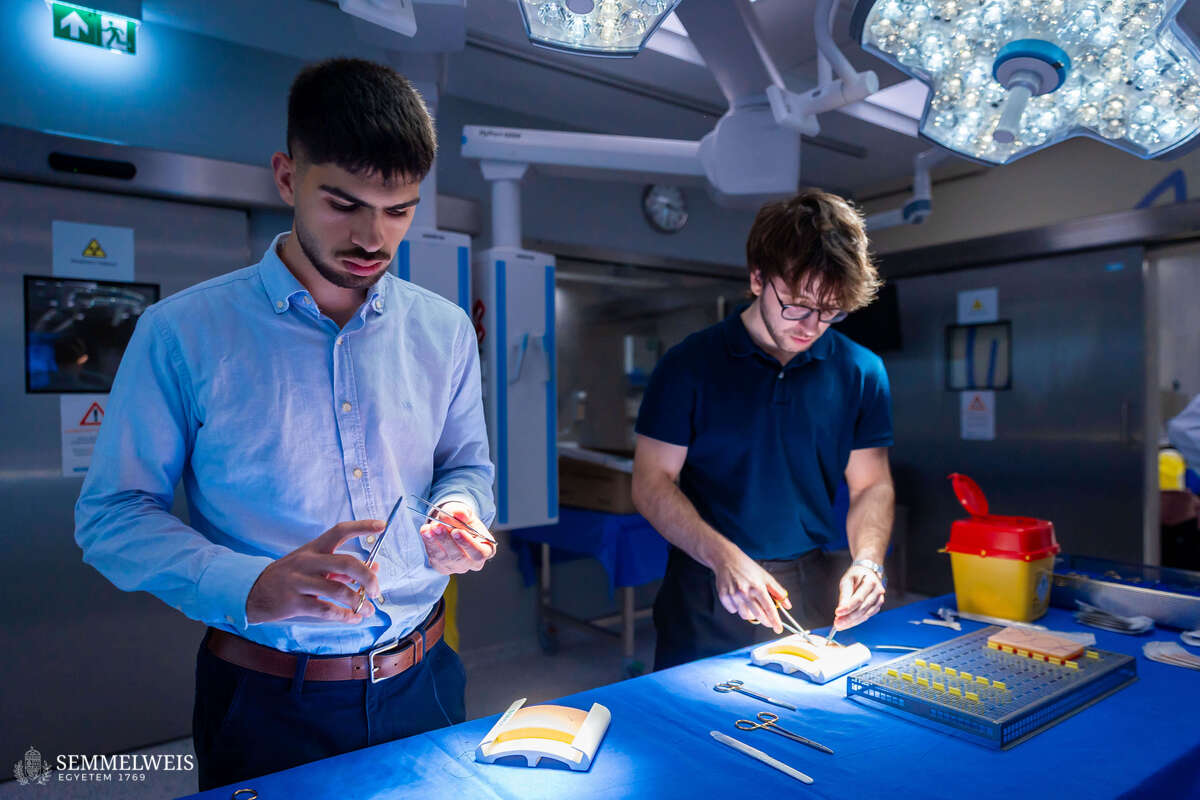
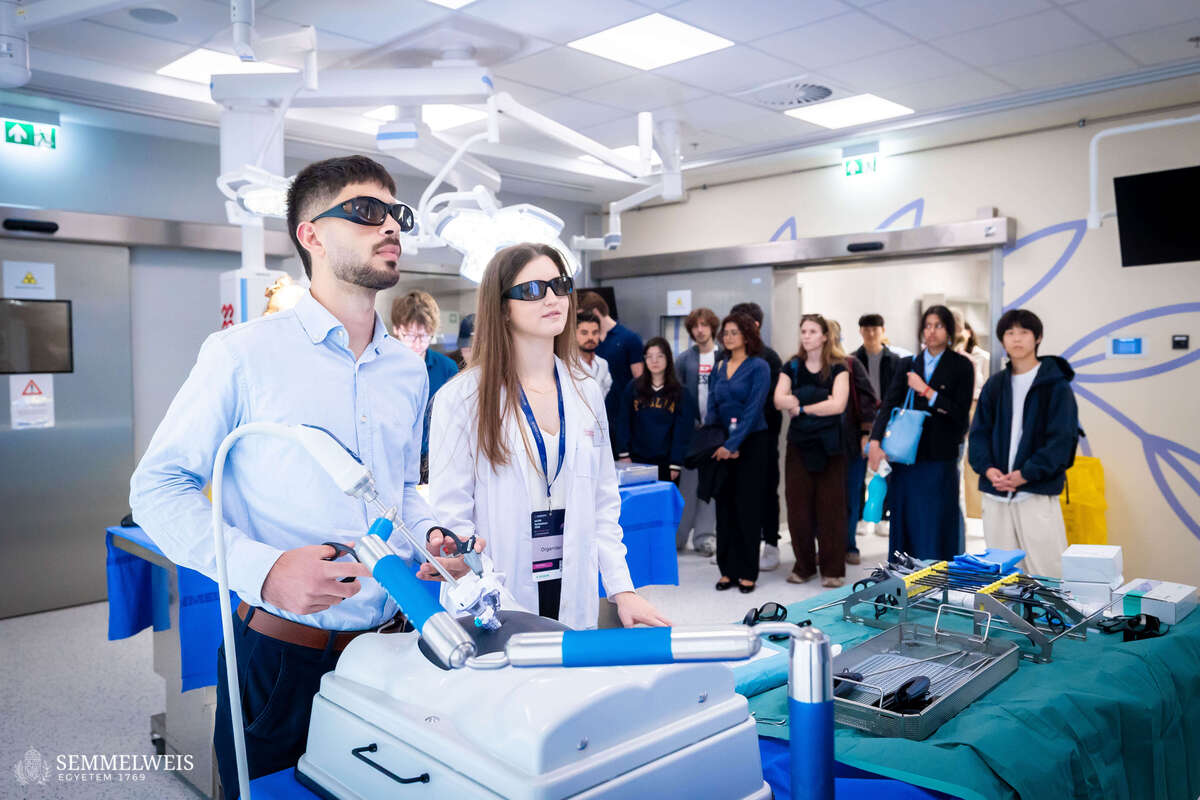
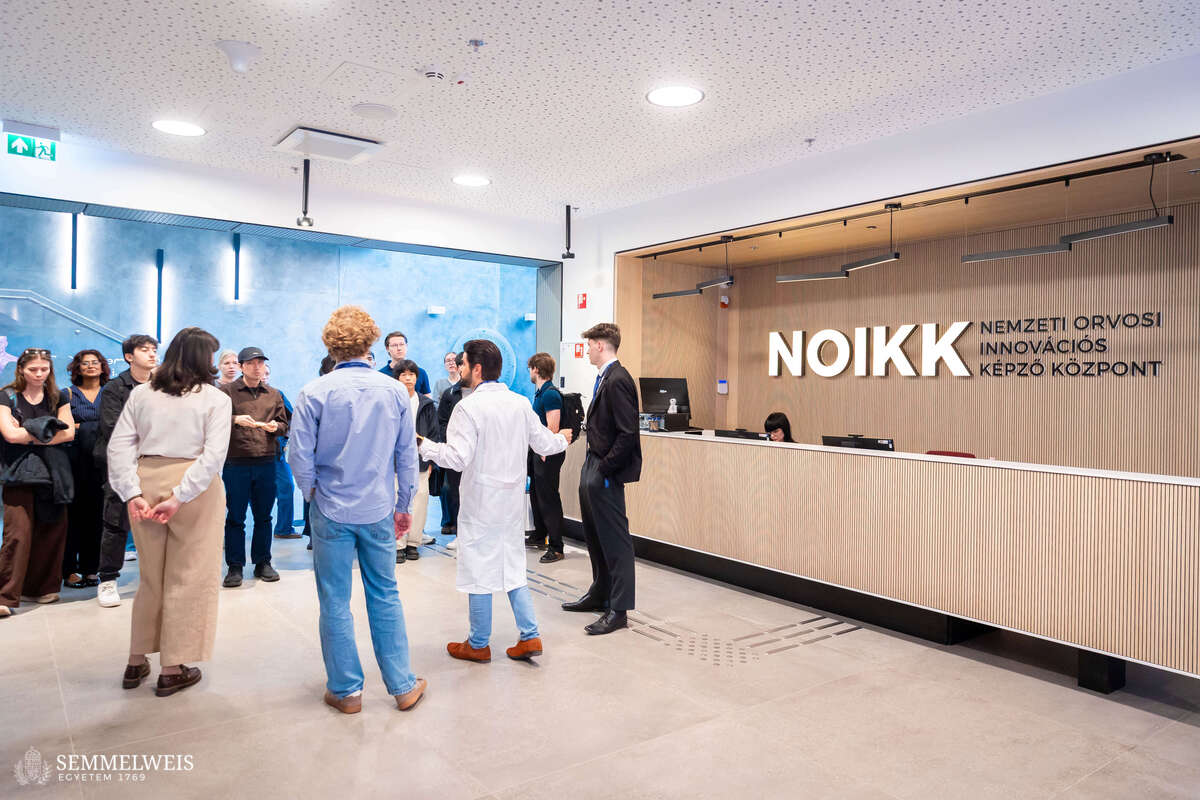
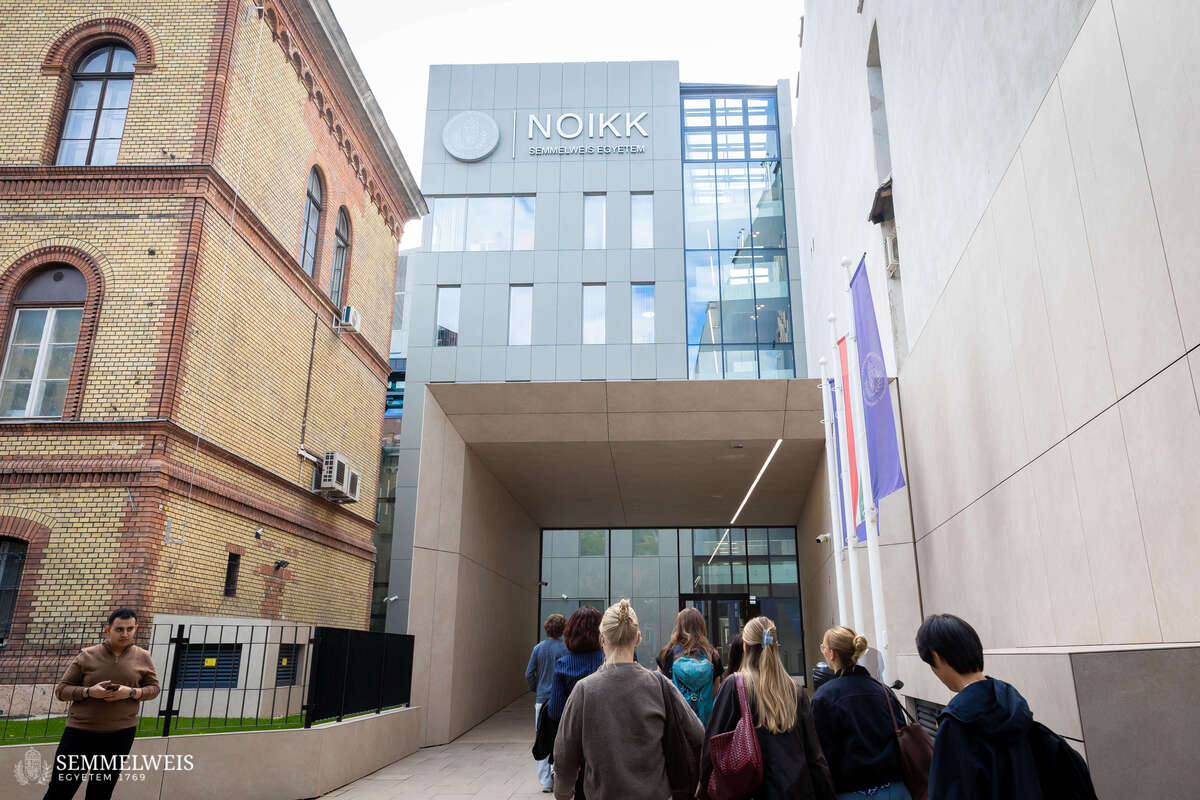
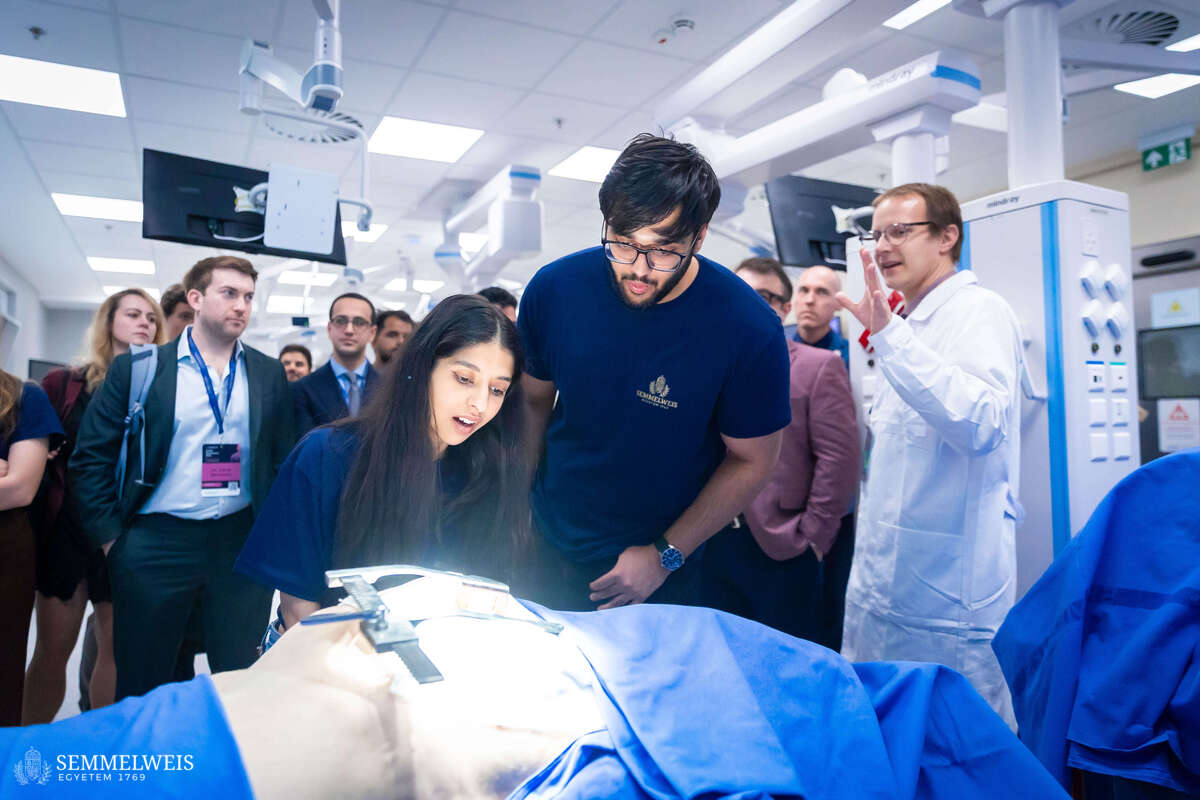
At the workshop held at AICER/NOIKK, Dr. Tamás Ruttkay gave a presentation on the cadaver laboratory, Dr. Endre Kontsek spoke on translational medicine, and Dr. Gergő Merkely discussed innovation trends in the United States and Hungary. The two-day symposium concluded with a three-hour guided tour, which also included interactive workshops in a small group setting.
Judit Dőtsch
Photos by Boglárka Zellei – Semmelweis University
Sponsors: