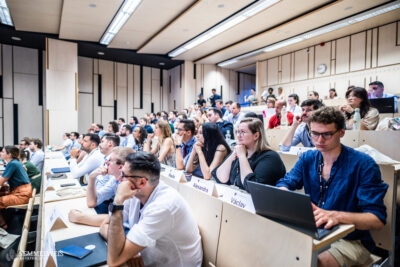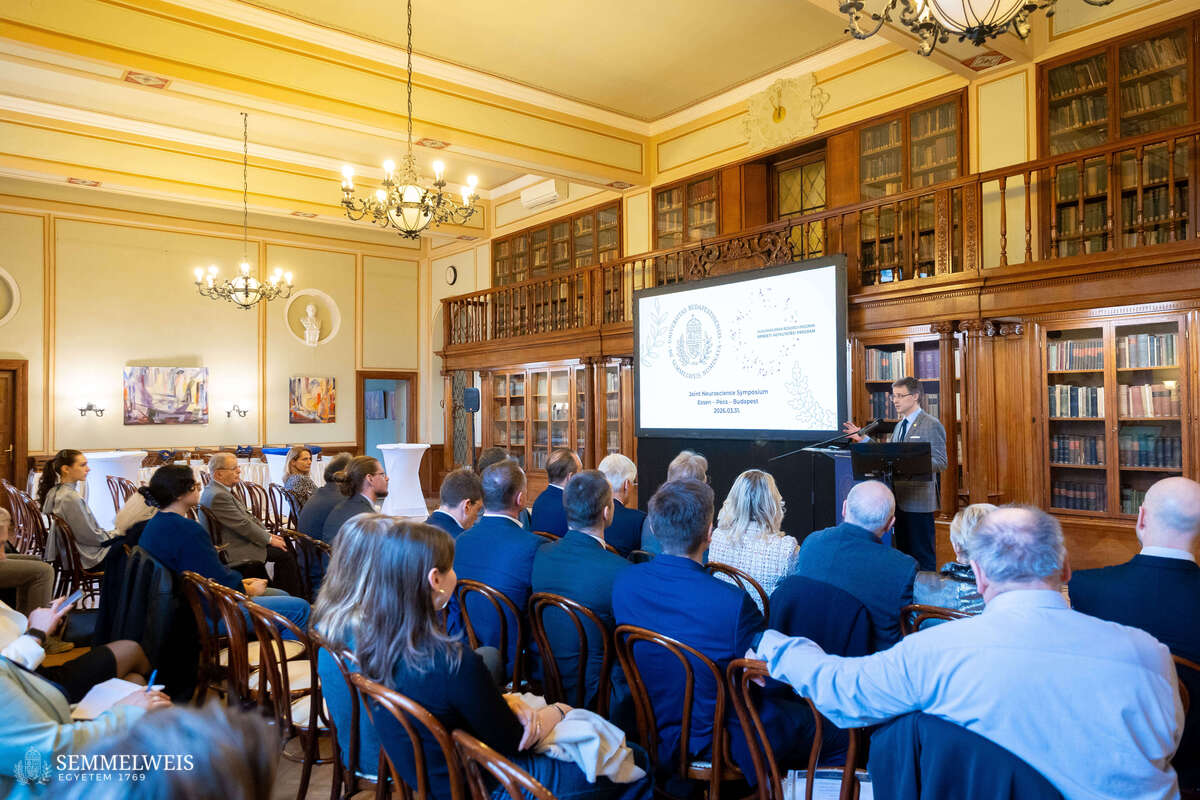
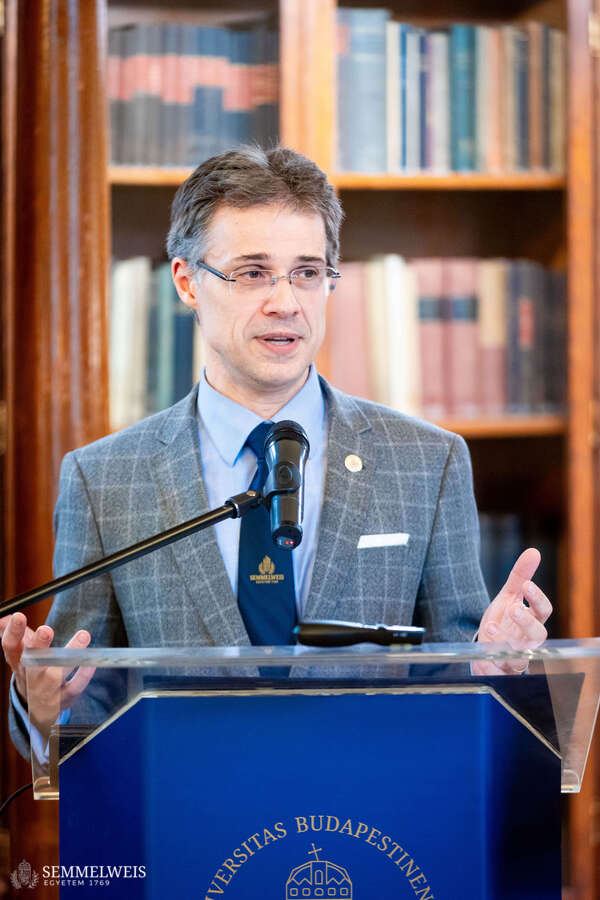
The scientific symposium was opened by Dr. Alán Alpár, Vice-Rector for International Studies. He pointed out that the purpose of this meeting extended beyond presenting the neuroscience research conducted by the participating universities. Therefore, he encouraged the participants to listen to the partner institutions’ talks with an eye toward possible professional collaborations. He extended a special welcome to the representatives of the Semmelweis Student Interest Group in Neurology (SIGN) and thanked Semmelweis University and the Hungarian Brain Research Program for supporting the event.
During the first session of the conference, researchers from the Universitätsklinikum Essen presented on brainstem cavernomas, gene therapy in neurological diseases, and hypoxia. Next, experts from the University of Pécs discussed the translational model of cognition, the examination of pituitary adenylate cyclase-activating polypeptide in Parkinson’s disease, cardiac dysfunctions following an epileptic seizure, and the neuroinflammatory, psychological, and pain matrix activity and connectivity alterations in fibromyalgia patients.
Gallery

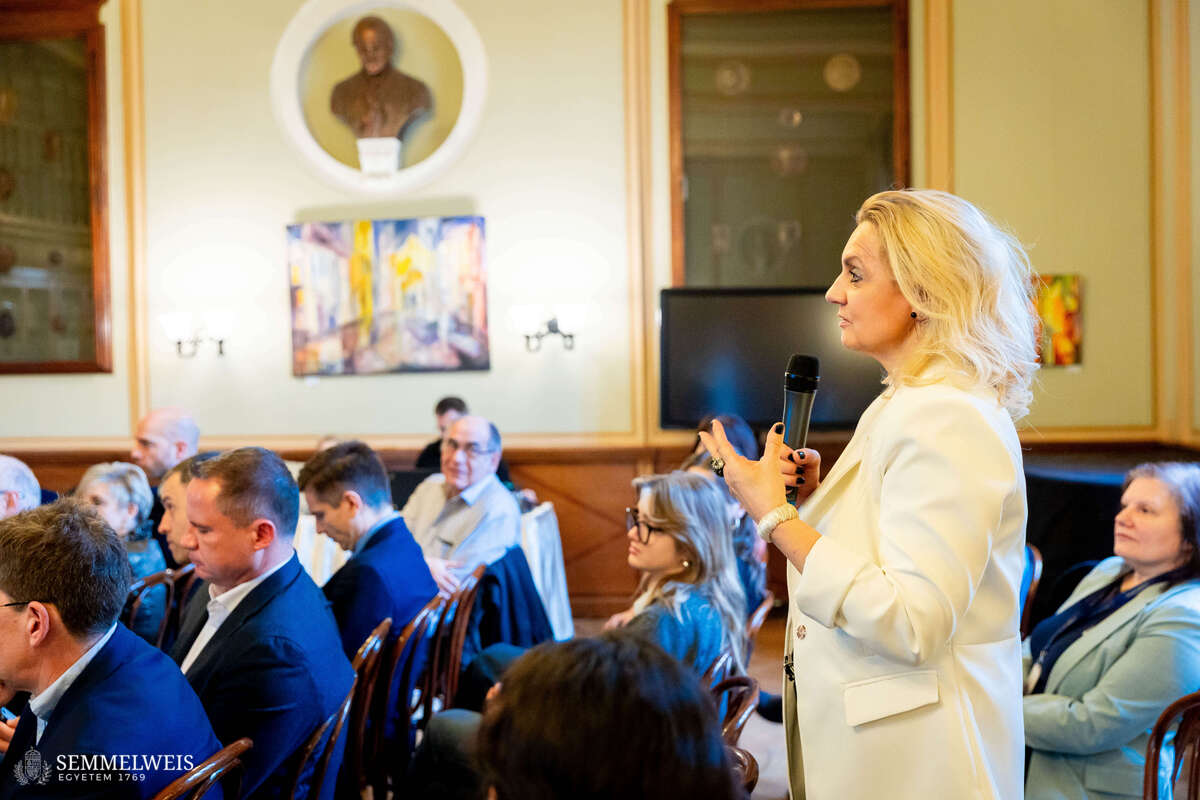
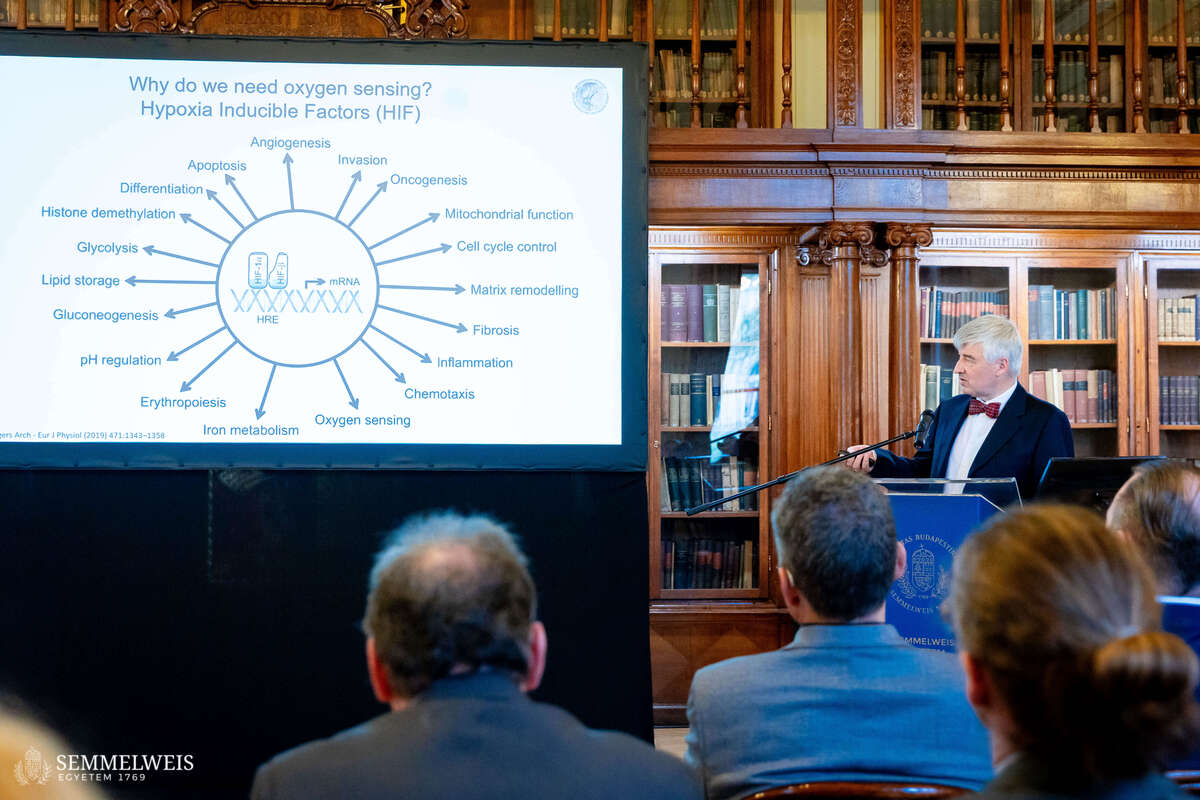
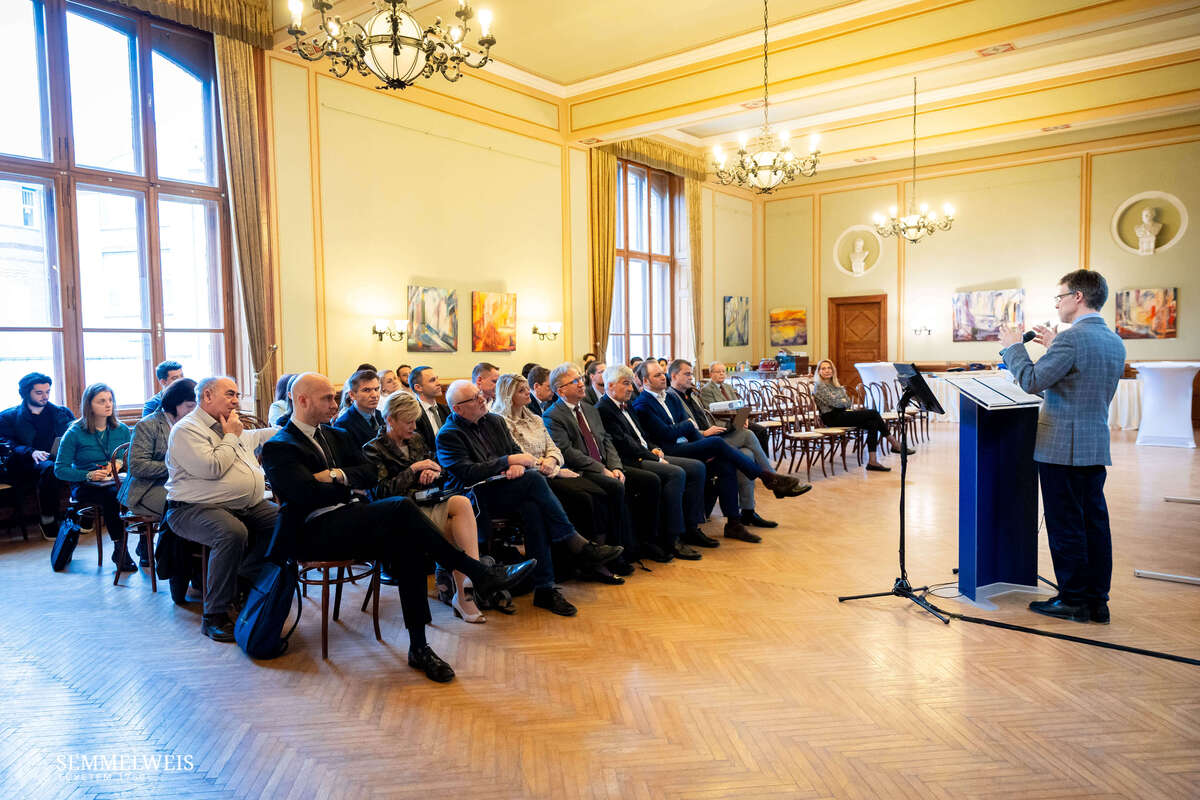
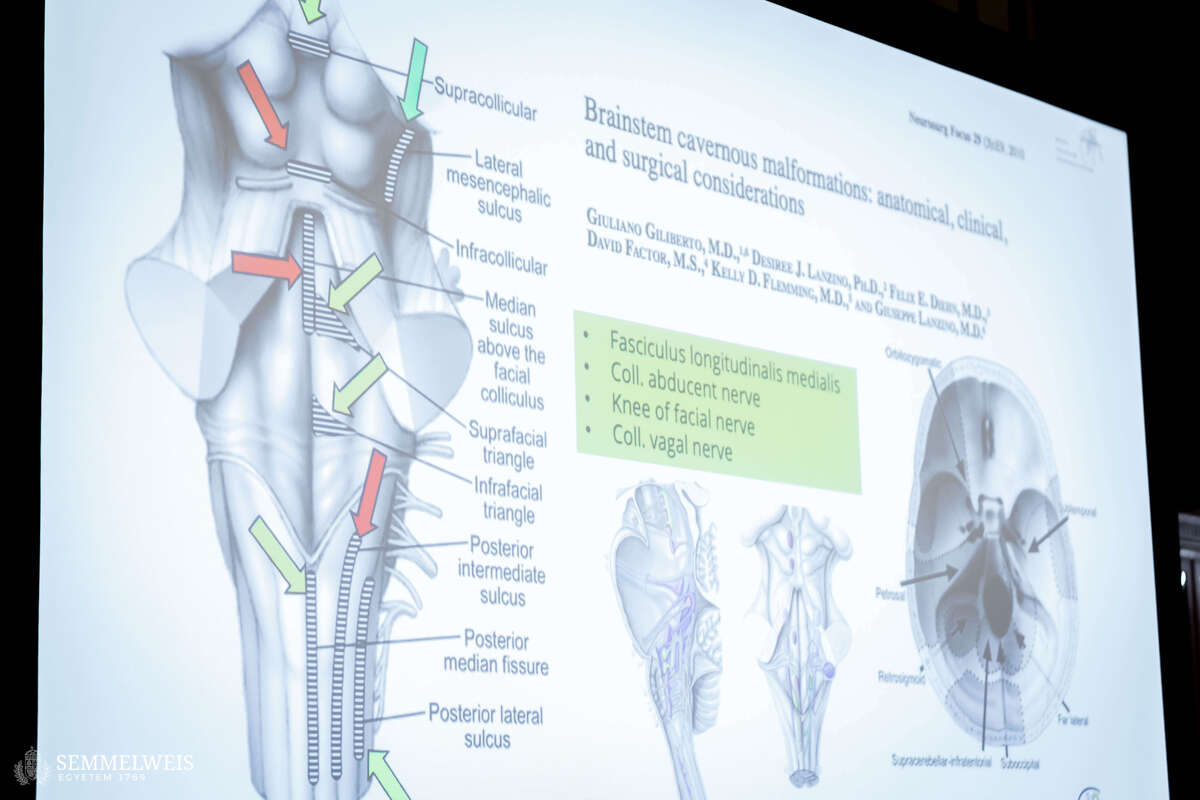
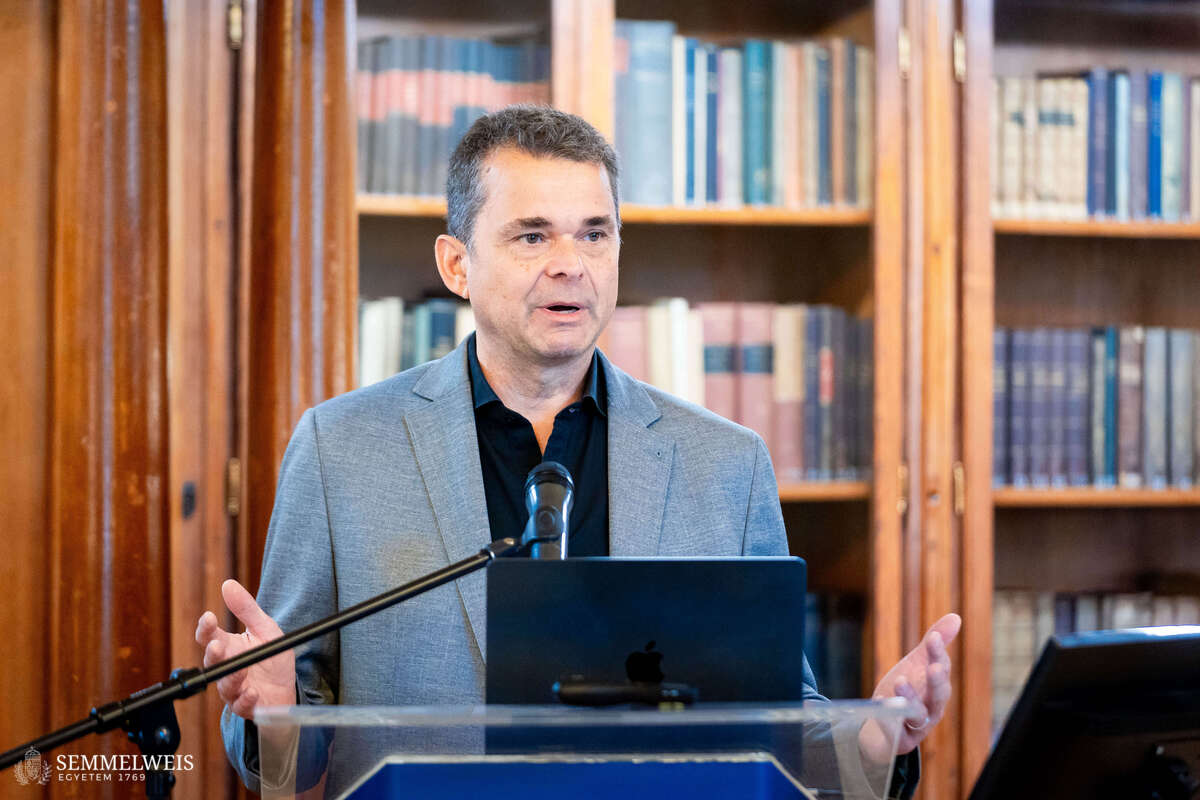
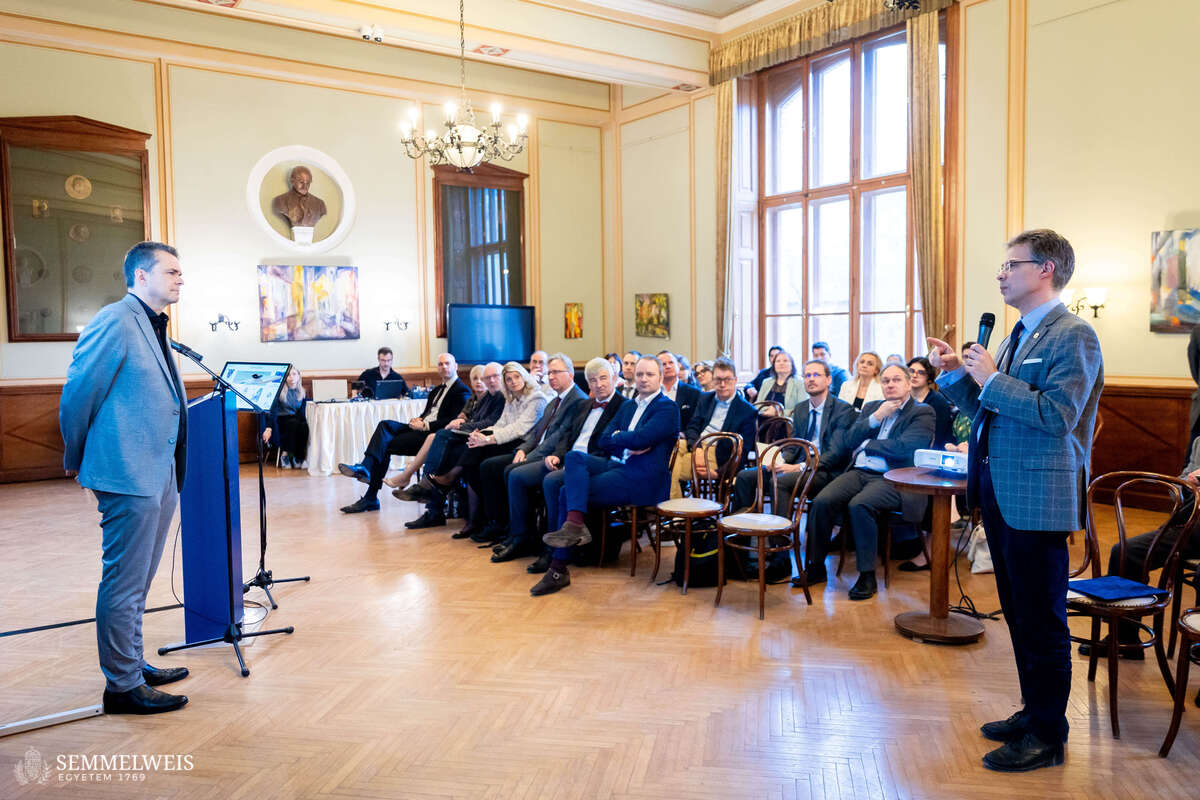
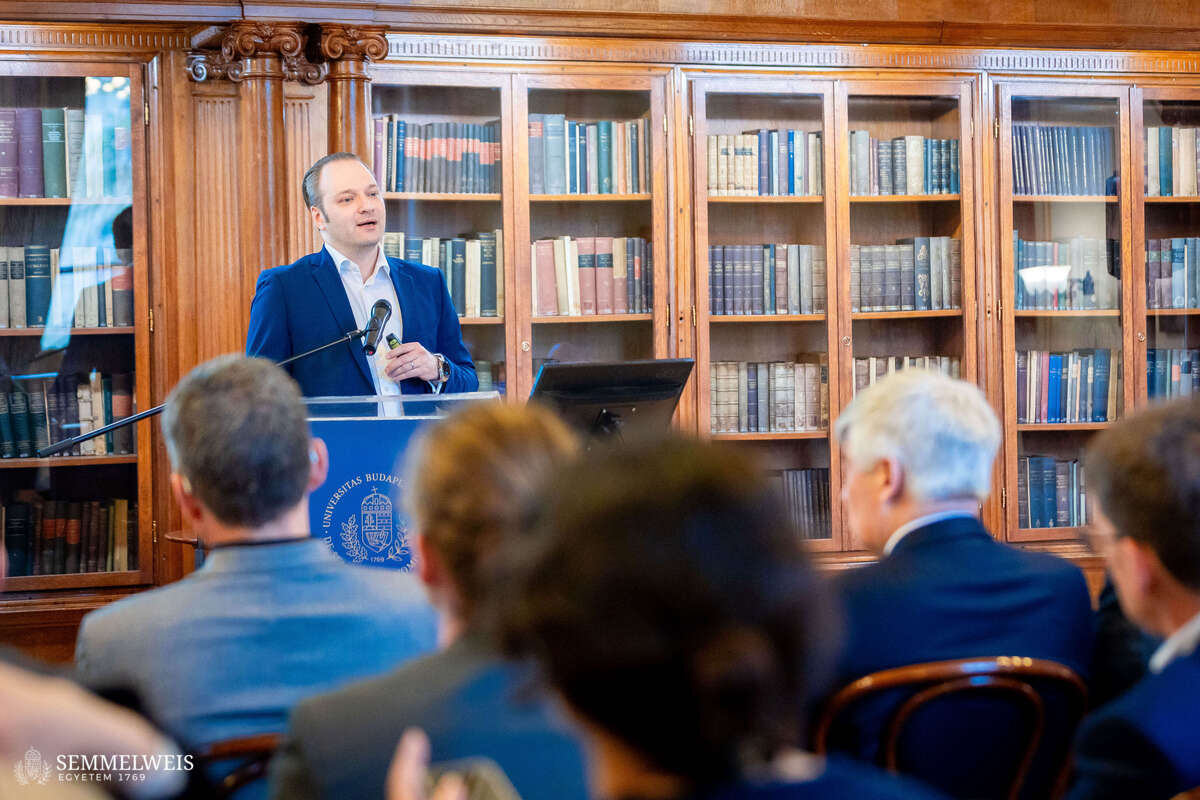
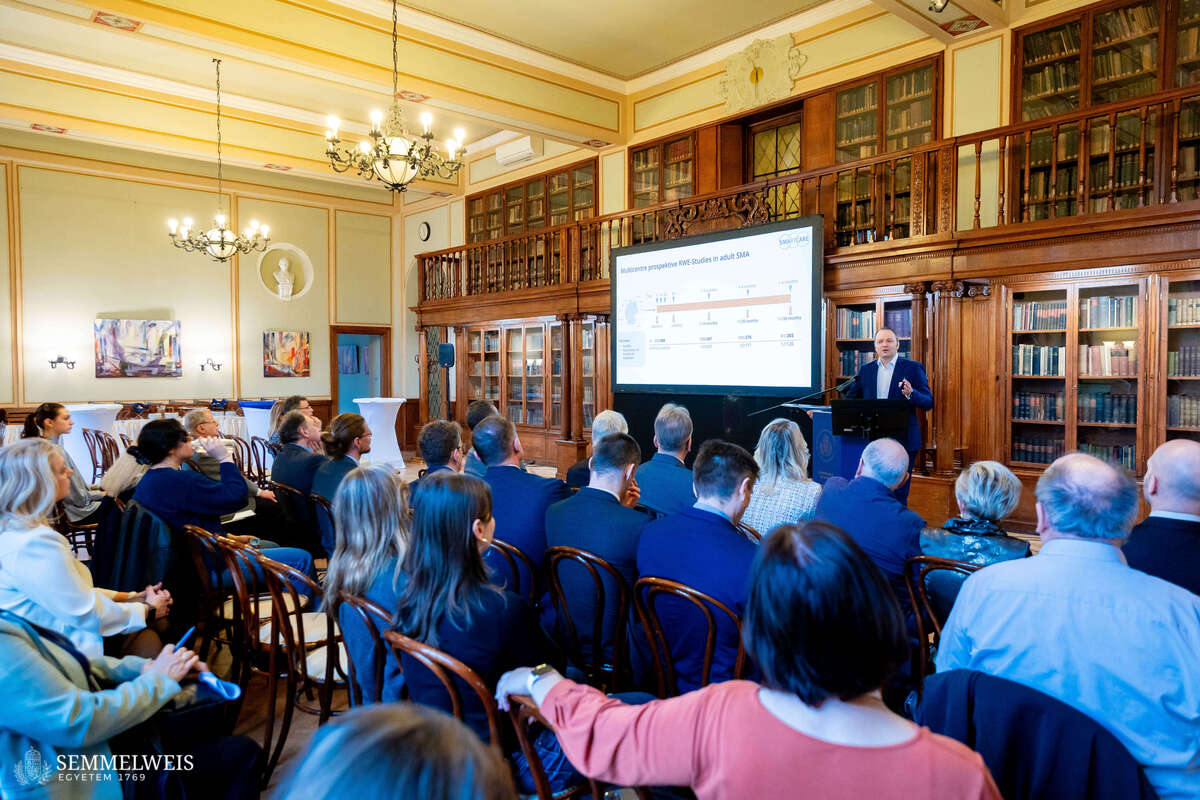
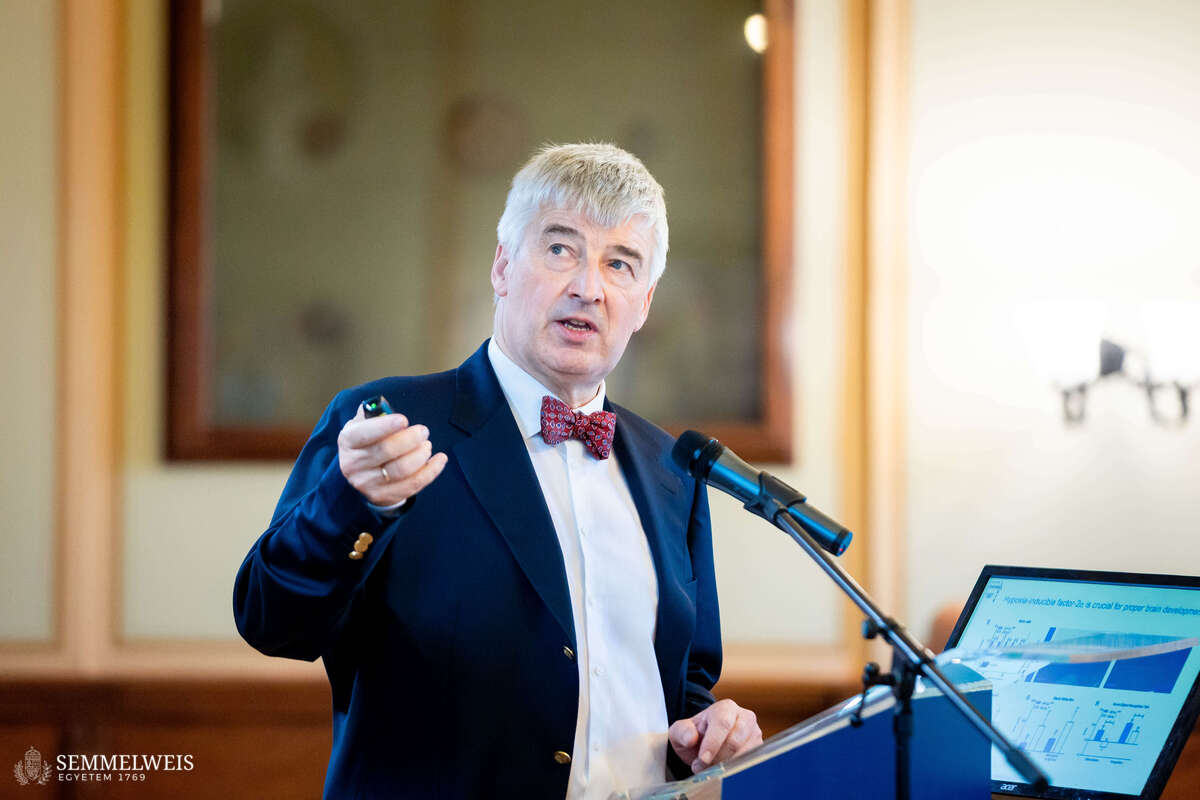
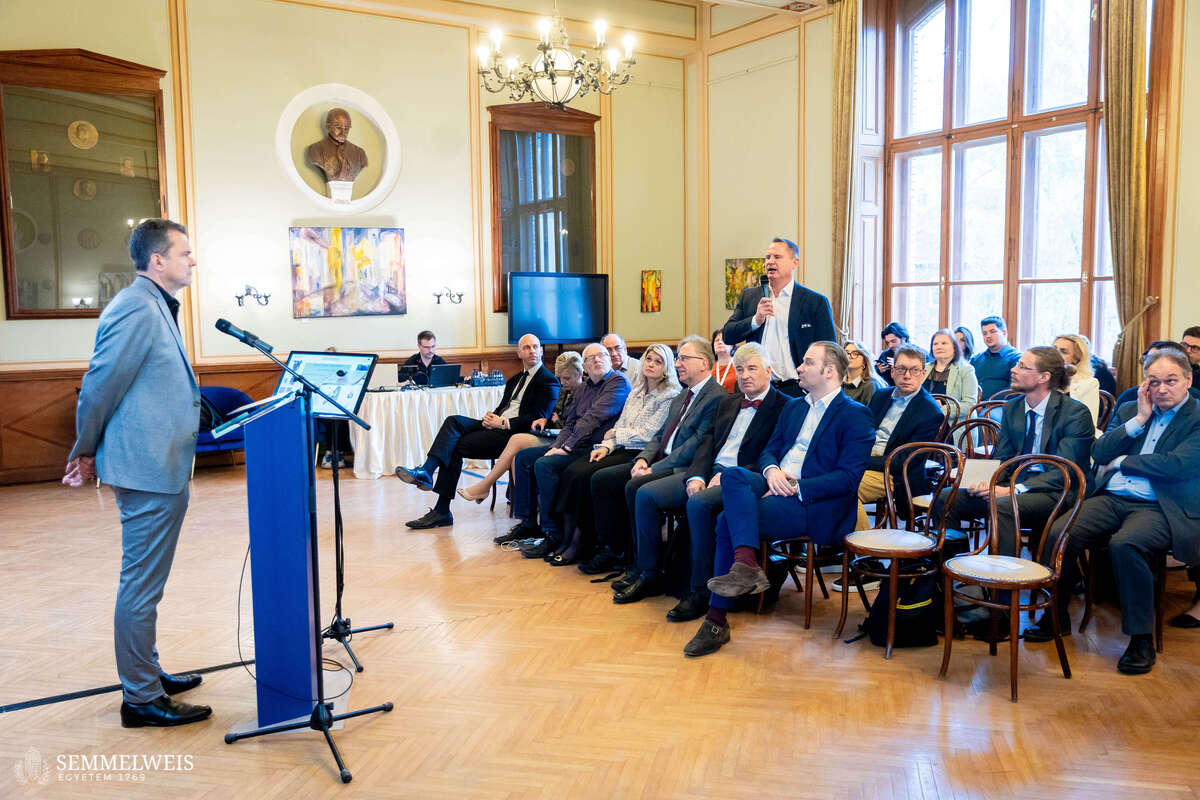
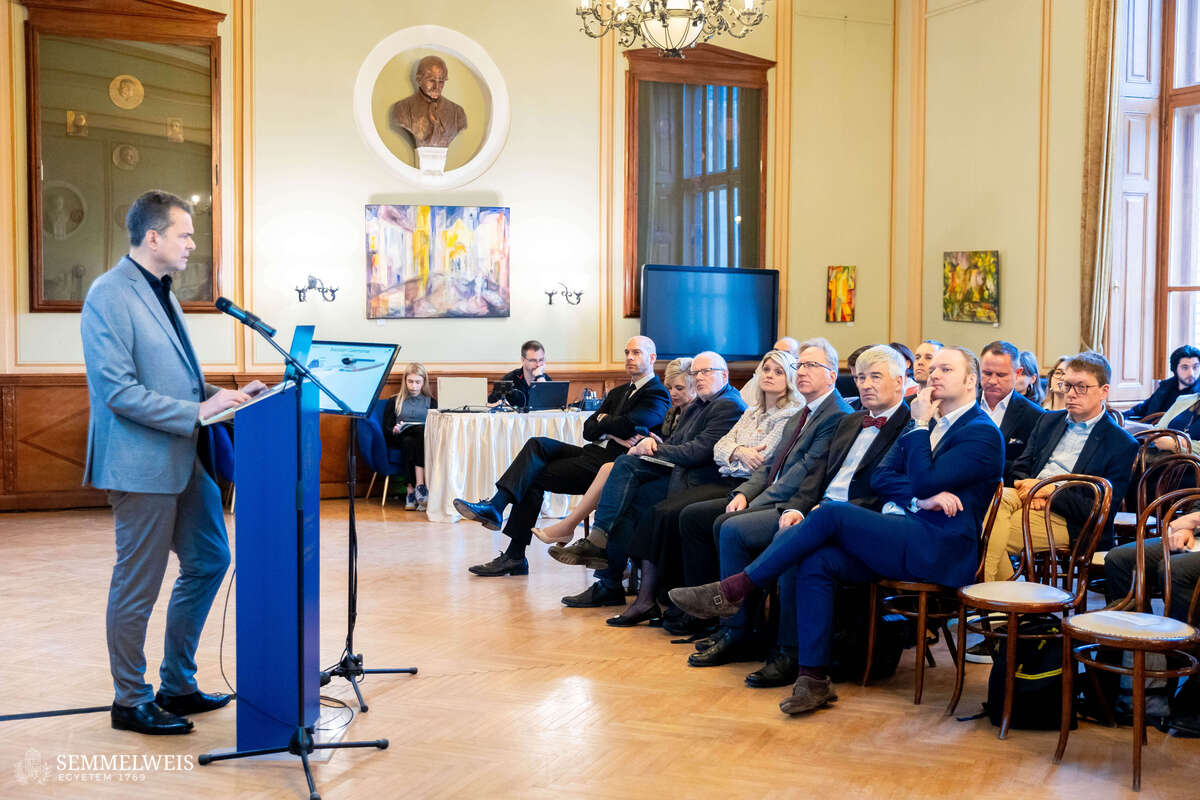
The third session of the symposium showcased the ongoing research at Semmelweis University: Dr. András Attila Horváth, Associate Professor at the Department of Anatomy, Histology and Embryology, spoke about the role of excitatory / inhibitory imbalance in the pathogenesis of cognitive decline. Dr. Árpád Dobolyi, Scientific Advisor at the Institute of Anatomy, Histology, and Embryology, as well as at the Human Brain Tissue Bank led by Dr. Miklós Palkovits, focused on the use of postmortem samples from the Human Brain Tissue Bank for transcriptomics research. Dr. Péter Petschner, Assistant Professor in the Department of Pharmacodynamics, provided insights into migraine and depression via omics approaches, fMRI, and EEG. Dr. Sándor Nardai, Associate Professor and Chief Physician at the Városmajor Heart and Vascular Center, gave a presentation titled “Experimental and Clinical Investigations to Improve the Prognosis of Cerebral Large Vessel Occlusions.”
 In an interview with our website regarding the symposium, Dr. Alán Alpár explained that Otto Wulff, a German conservative politician who served on the Federal Executive Board of the Christian Democratic Union (CDU) for nearly 30 years and is deeply committed to fostering German-Hungarian regional ties, was the driving force behind the idea for academic cooperation. Among Hungary’s medical schools, the universities of Pécs and Budapest responded to the initiative two years ago, and Semmelweis University thereby further strengthened its existing professional ties with the German higher education institution.
Following the German university clinic’s introductory visit to Hungary, the participants held a scientific symposium in Essen in the fall of 2024, with cardiovascular and neurovascular topics on the agenda. Dr. Alán Alpár emphasized that the purpose of the current trilateral meeting was to present the institutions’ neuroscience profiles and their broadest spectrum of ongoing clinical and applied research projects.
The main opportunity – indeed, the duty – of this symposium is to identify the areas of common interest that could give rise to future collaborations. We aim to address topics that not only showcase the work being done here, but also offer us opportunities for learning. — Dr. Alán Alpár
Judit Dőtsch
Photos by Boglárka Zellei – Semmelweis University