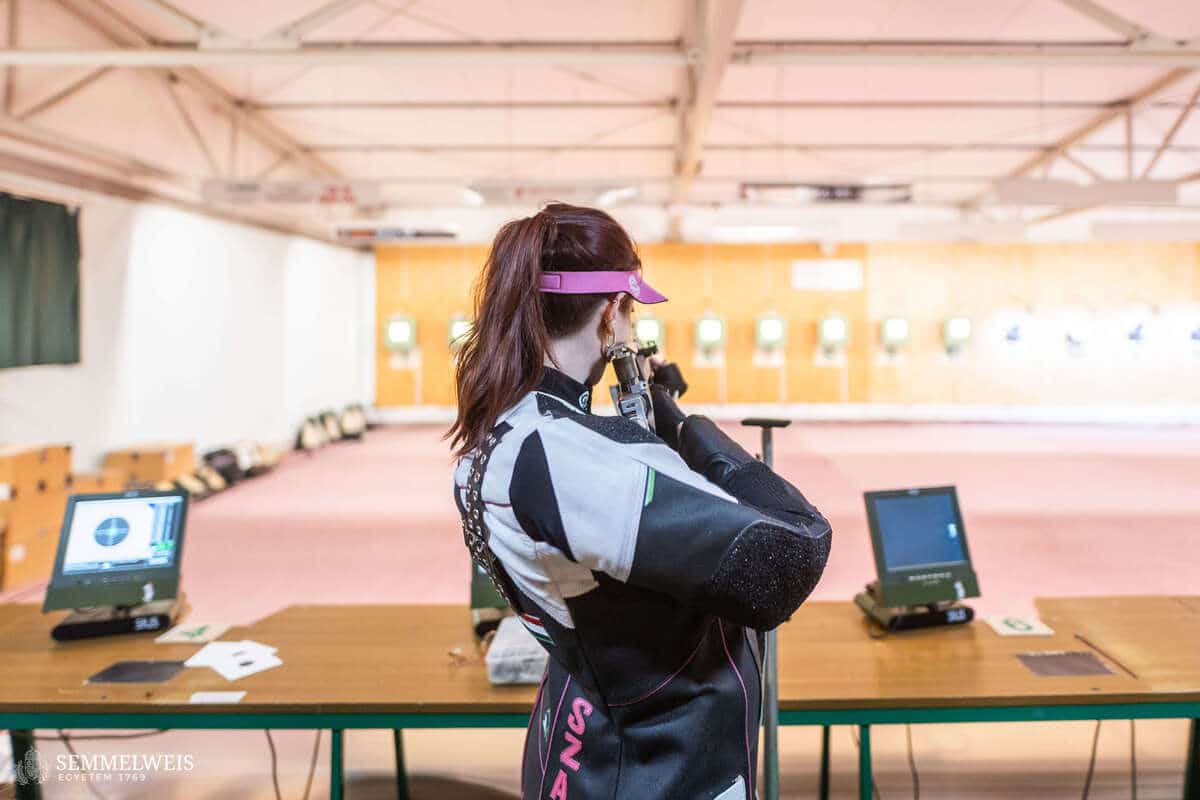
Dr. Fatime Szalai grew up in a family of competitive shooters. Her parents met at the firing range; her father, Mihály Szalai, was a member of the national team, finished fourth at the USPE European Police Championships Shooting a few years ago, and is still actively involved in the sport today – he also heads Fatime’s sports club, the Angyalföld Civilian Shooting Association. Her grandfather also had some impressive achievements to his credit, such as a Budapest championship title. Fatime was an acrobatic rock-and-roll dancer for a long time, but she eventually had to give it up due to an injury, and it was only later, at the age of 15, that she picked up a rifle. “That is considered relatively late; people usually start this sport at a younger age, but luckily, I was able to catch up with the others pretty quickly. They say you can tell if someone is a natural just by the way they hold the rifle and the way they take aim – but diligence is equally important: how much time and energy they put into practice. I made a very good start and reached a high level relatively quickly, but I had to work hard to get there and to stay at that level,” she explained.
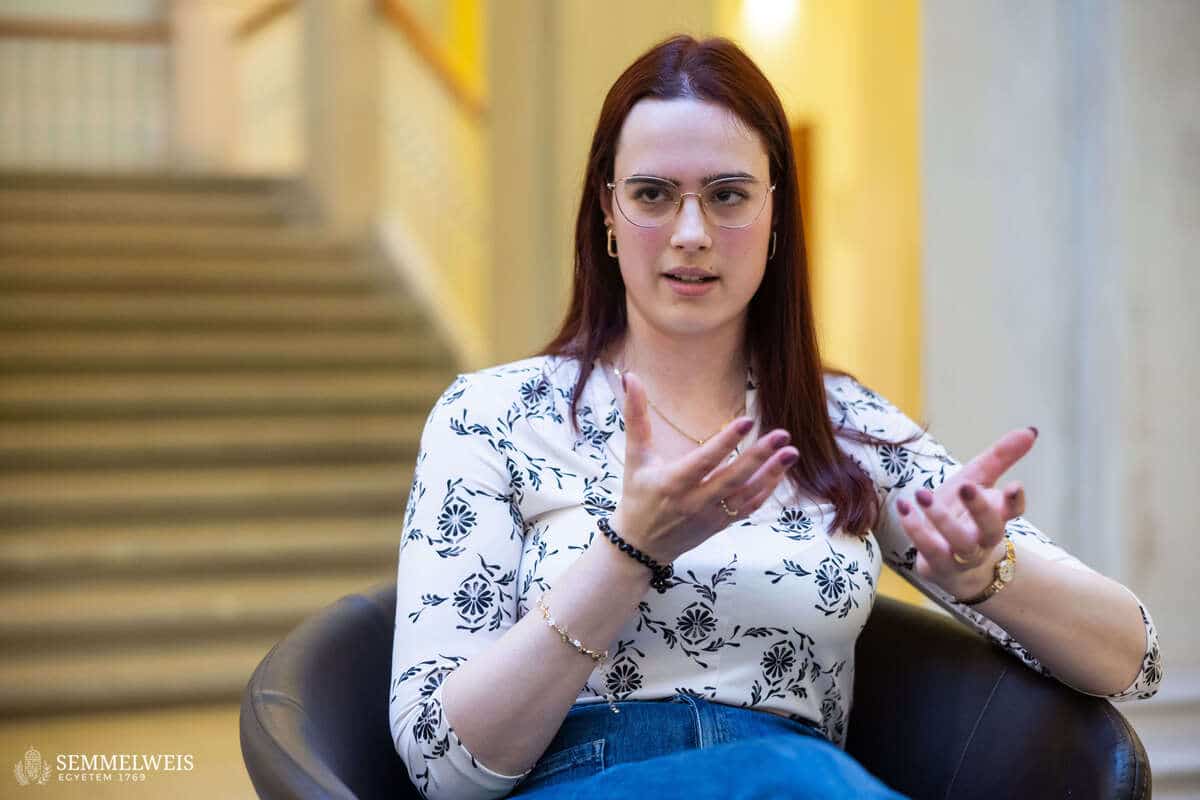 Fatime wasn’t only a latecomer to competitive shooting: She didn’t commit to the field of medicine and health sciences until she was nearing the end of her high school studies. “There are no doctors in my family, and I can’t quite remember when I first became interested in this vocation. I was in an art class in high school, and for a long time I was certain I would become a graphic designer or pursue a career in the arts. At the same time, however, I was also drawn to biology and chemistry, so for some reason I decided at one point to apply to medical school instead,” she recalled. To that end, she took additional elective classes, and her preparation paid off, as she was admitted to the Faculty of Medicine (ÁOK) at Semmelweis University in 2018. “I believe that my artistic side has proven useful in this field as well: My spatial awareness has helped me in studying histology and anatomy, and my ability to see things creatively is also beneficial when writing scientific articles,” noted Dr. Fatime Szalai.
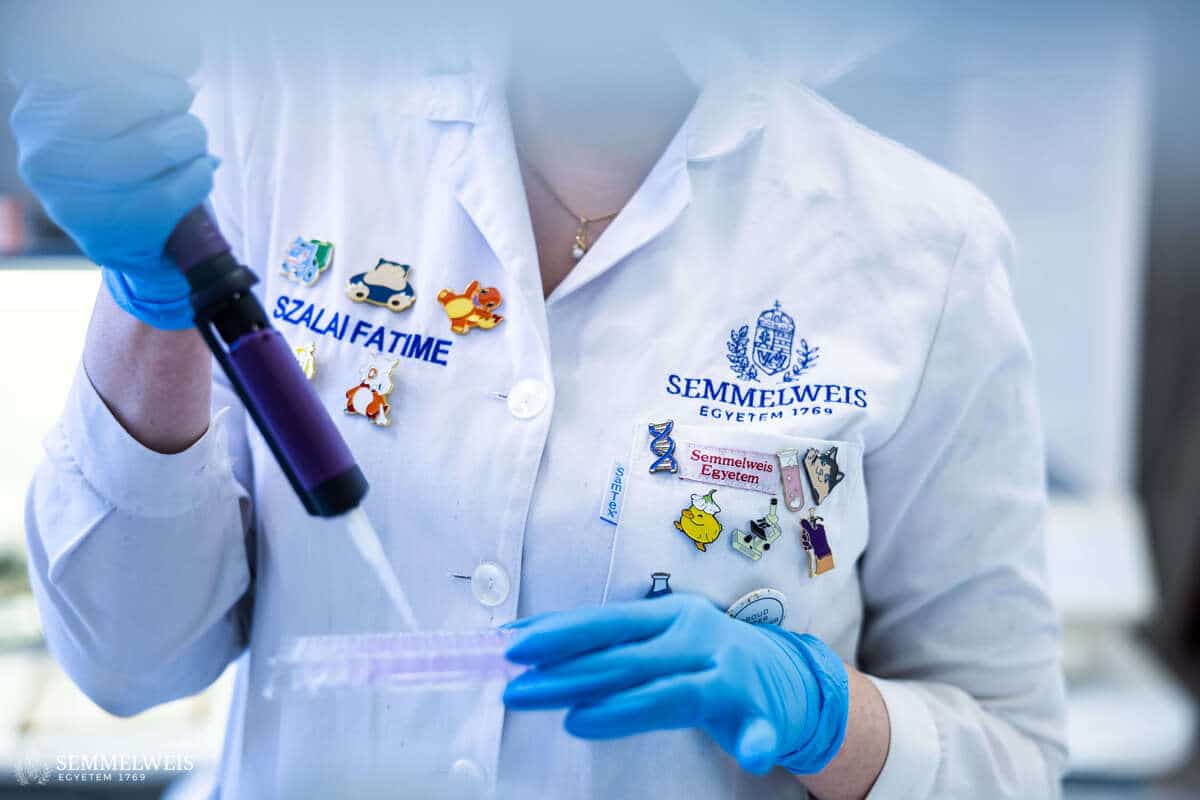
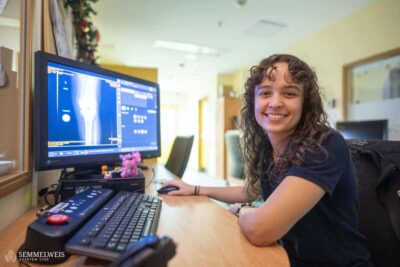
She was introduced to pathology in her third year. To this day, she remains deeply grateful to her former clinical instructor, Dr. Ildikó Krencz, as it was thanks to her that she fell in love with the discipline. She contacted her to delve deeper into oncology – which is how she eventually ended up in the laboratory of Research Professor Dr. Anna Sebestyén, where she conducted research for the Students’ Scientific Association (TDK) under the supervision of Dr. Ildikó Krencz.
Back then, whenever someone told me I’d become a pathologist, I always dismissed the idea by saying, “No, I want to be a clinical oncologist!” After a while, however, I realized that what attracts me most about oncology is its pathological aspects, i.e., histology, diagnosis, and research, rather than clinical work – therefore I stayed here at the Department of Pathology and Experimental Cancer Research. So, it seems that I will indeed become a pathologist after all.
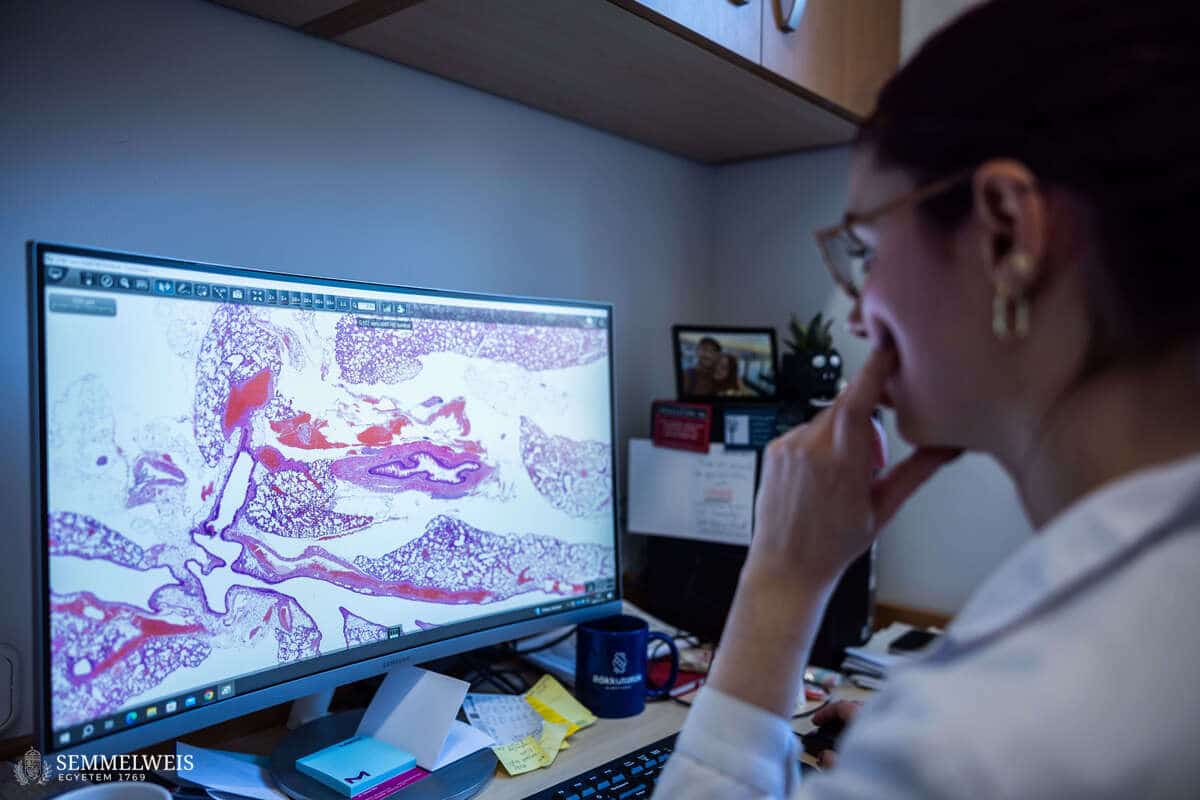 In her TDK research project, she focused on a rare type of lung cancer called lymphangioleiomyomatosis (LAM), which affects approximately two people in every 100,000. She continued this project during her PhD studies, which she expects to complete this year. “We are searching for new treatment methods and trying to map the metabolism of these tumor cells. We are primarily investigating the metabolism of glutamine and GABA; our goal is to influence these processes with medication and discover new therapeutic options,” she explained, adding that she had the opportunity to present their research findings last September in Kansas City at a conference specifically dedicated to this disease. Dr. Fatime Szalai particularly enjoys the versatility of her work. “It’s fascinating to see how a project idea gives rise to a hypothesis. Then, we have to design an experiment to test it. At that point, we often don’t know what lies ahead or what results we’ll get, which is very exciting,” she said. “But I love planning the process just as much, and I especially like the fact that, in the end, our work yields a visible, tangible result in the form of an article,” she added.
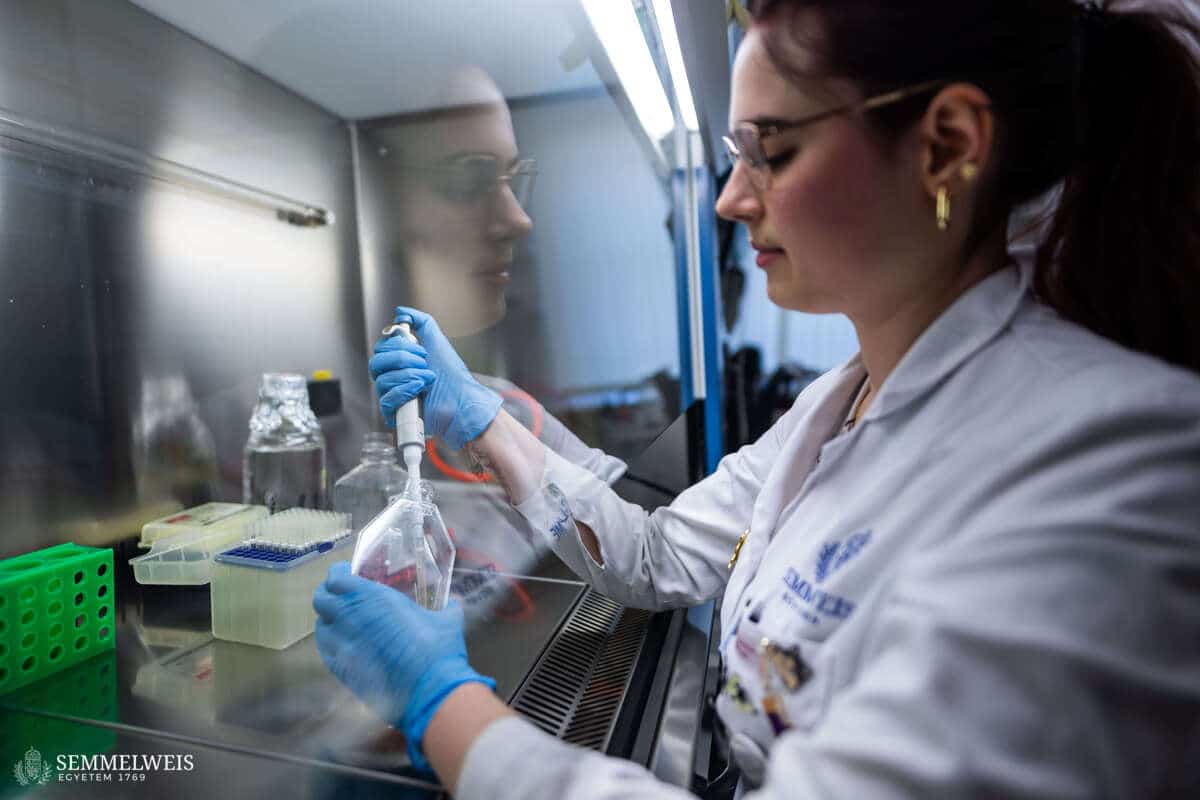
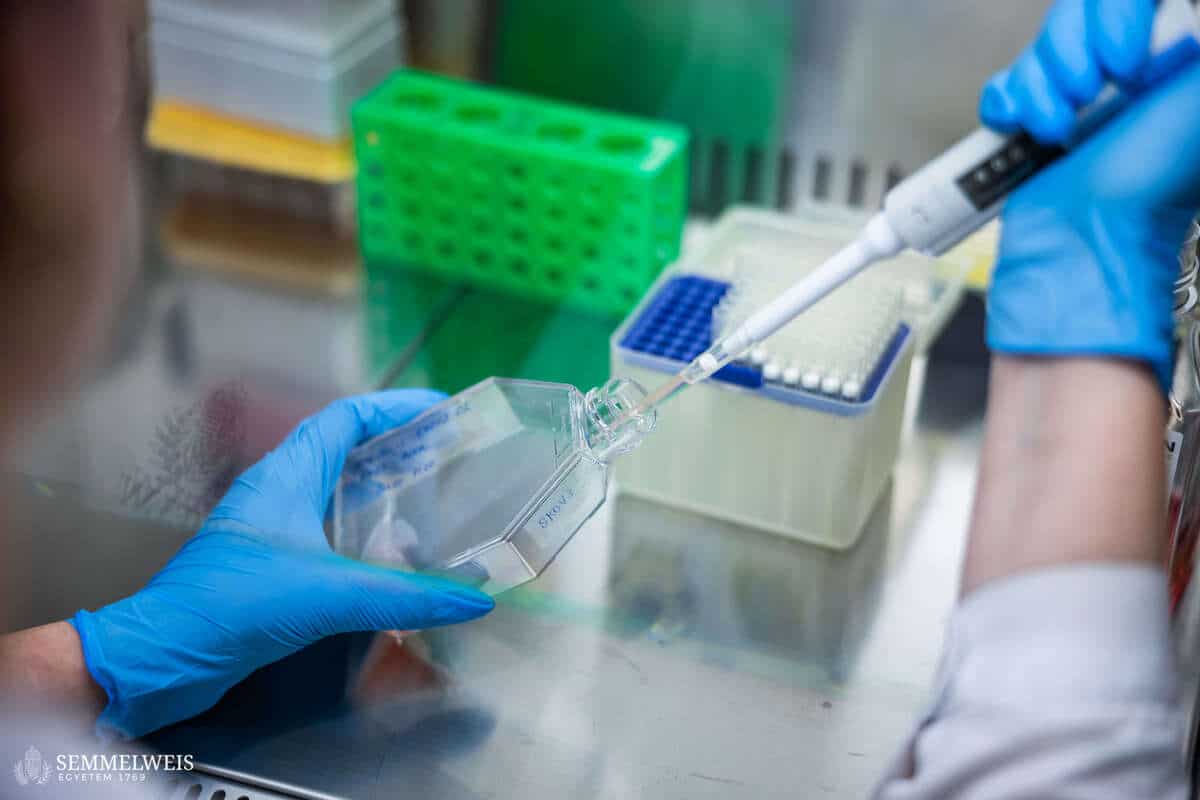
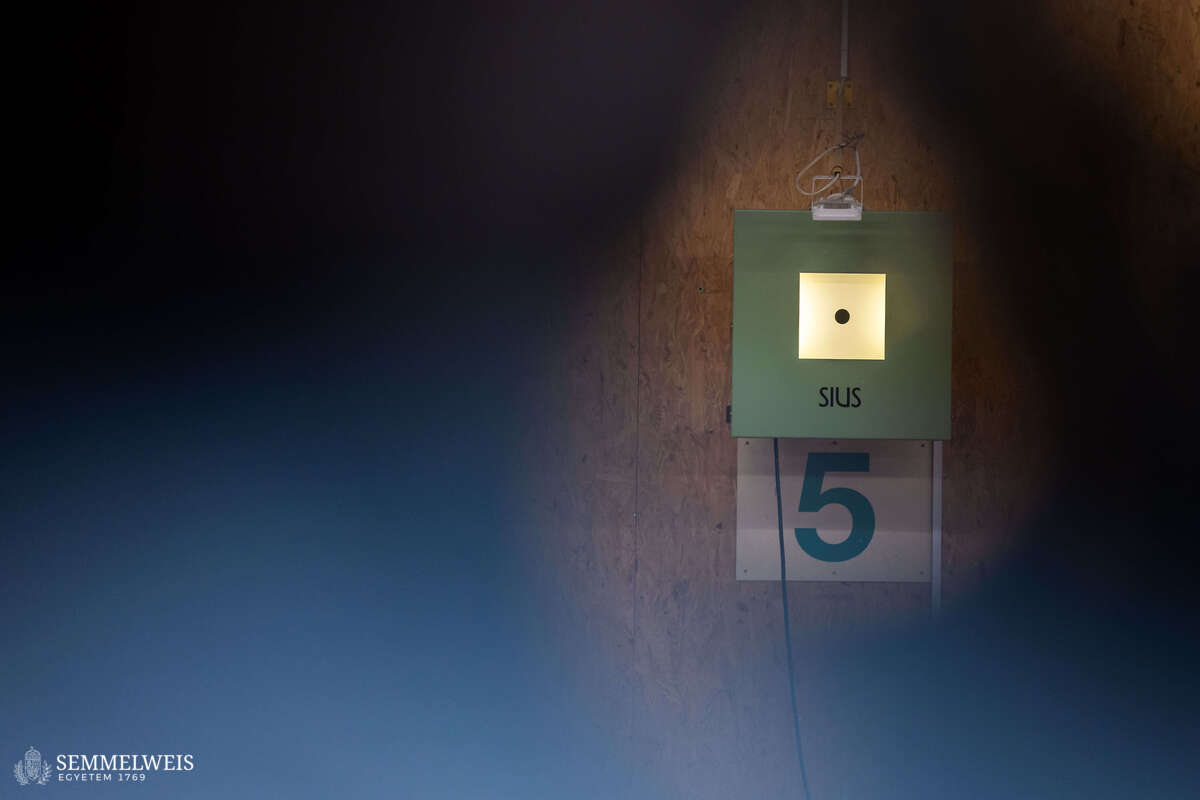
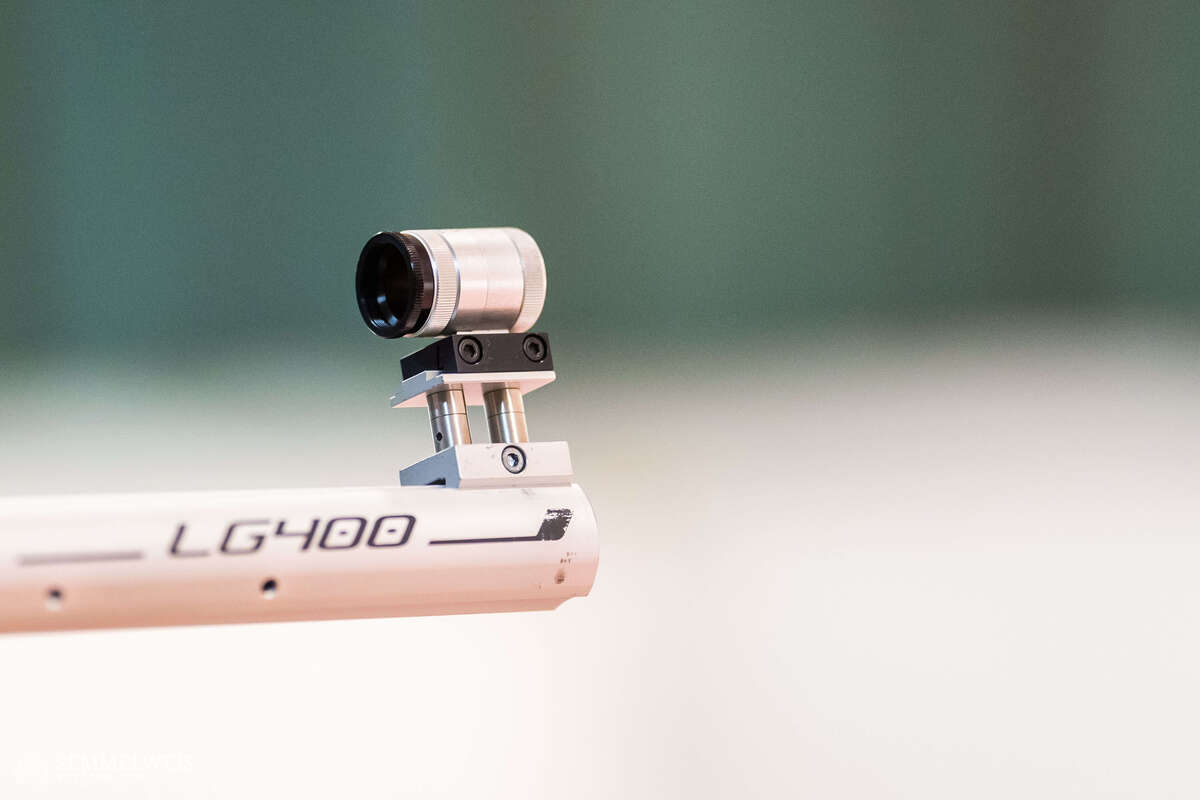
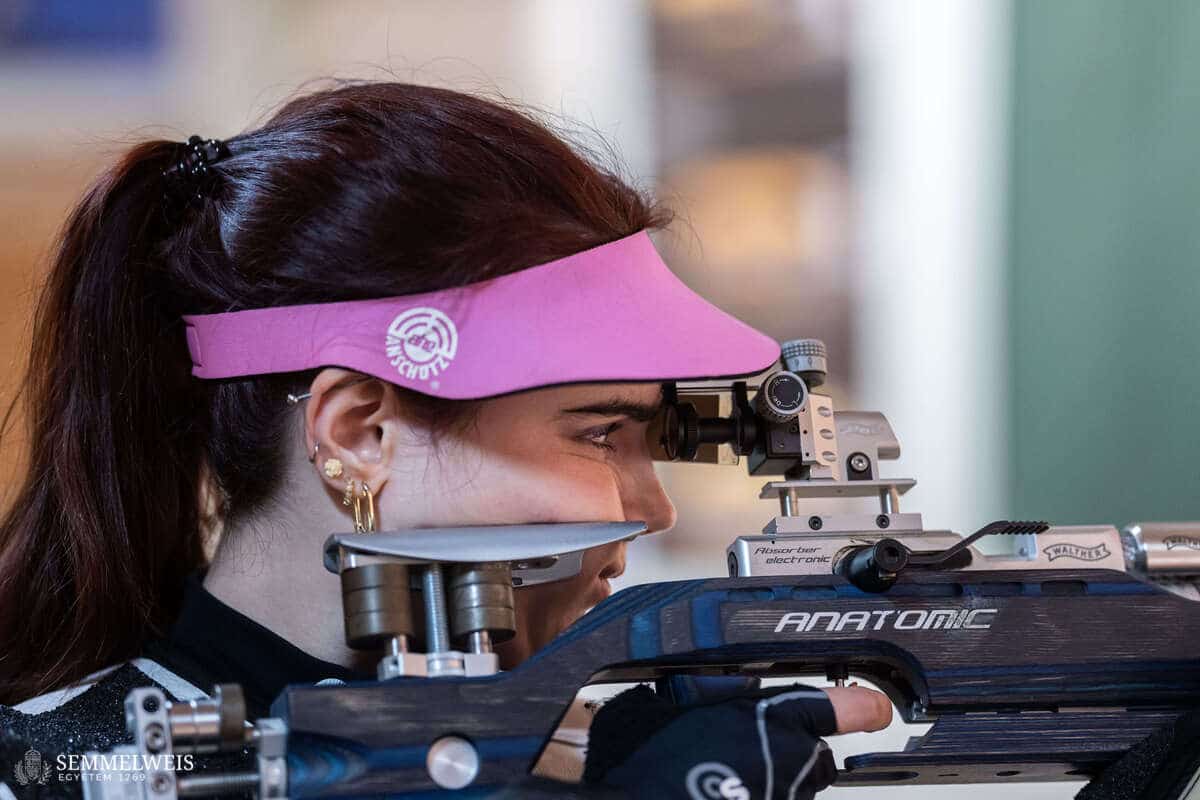
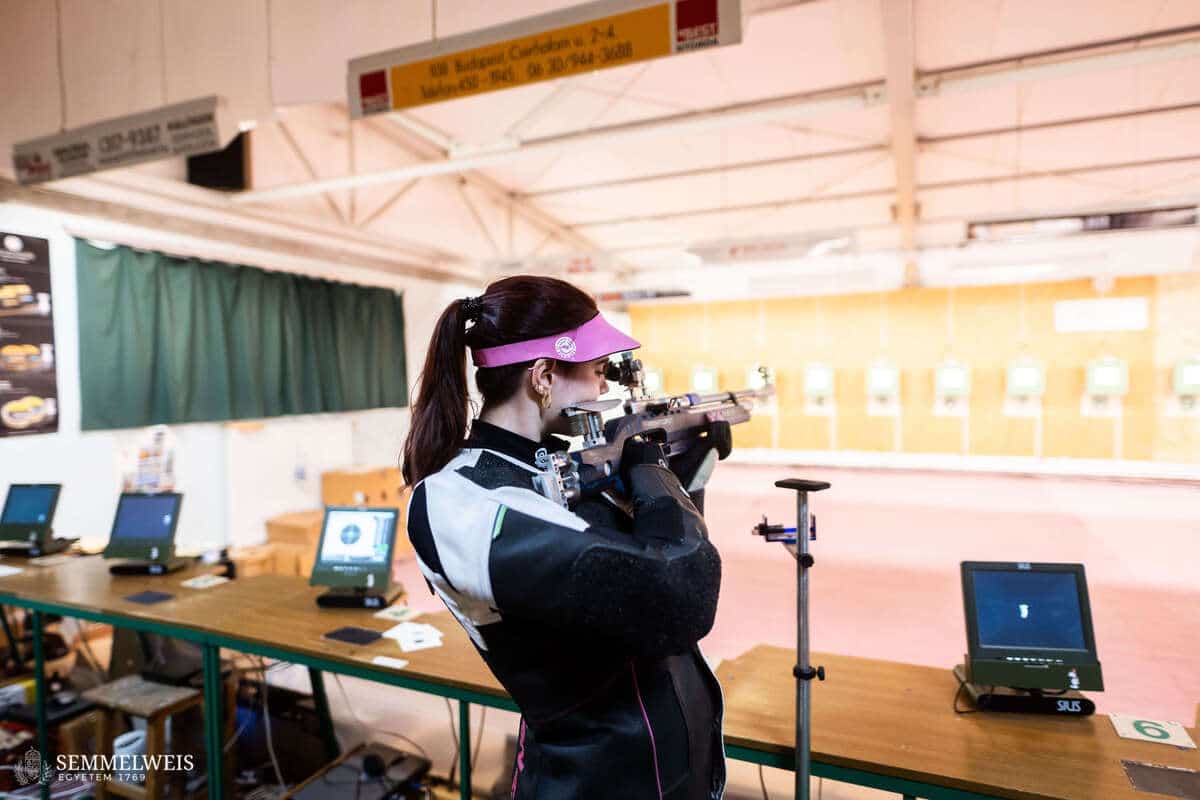
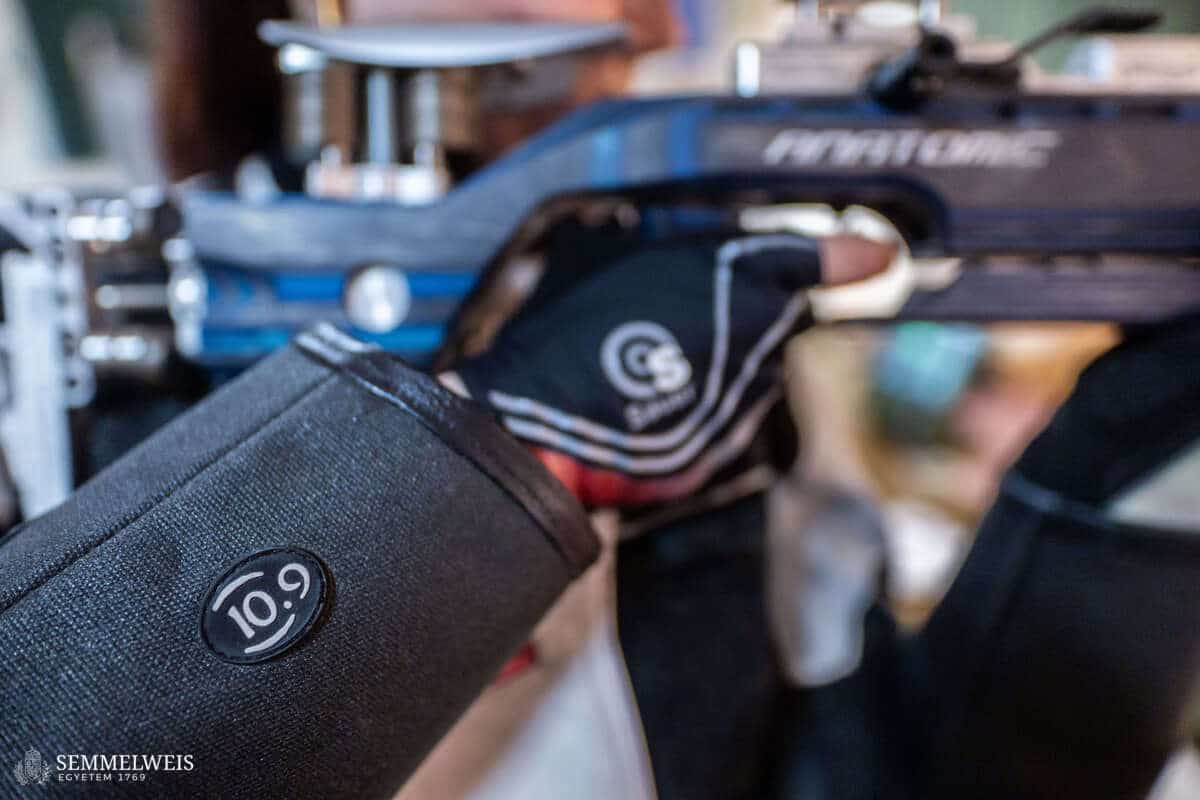
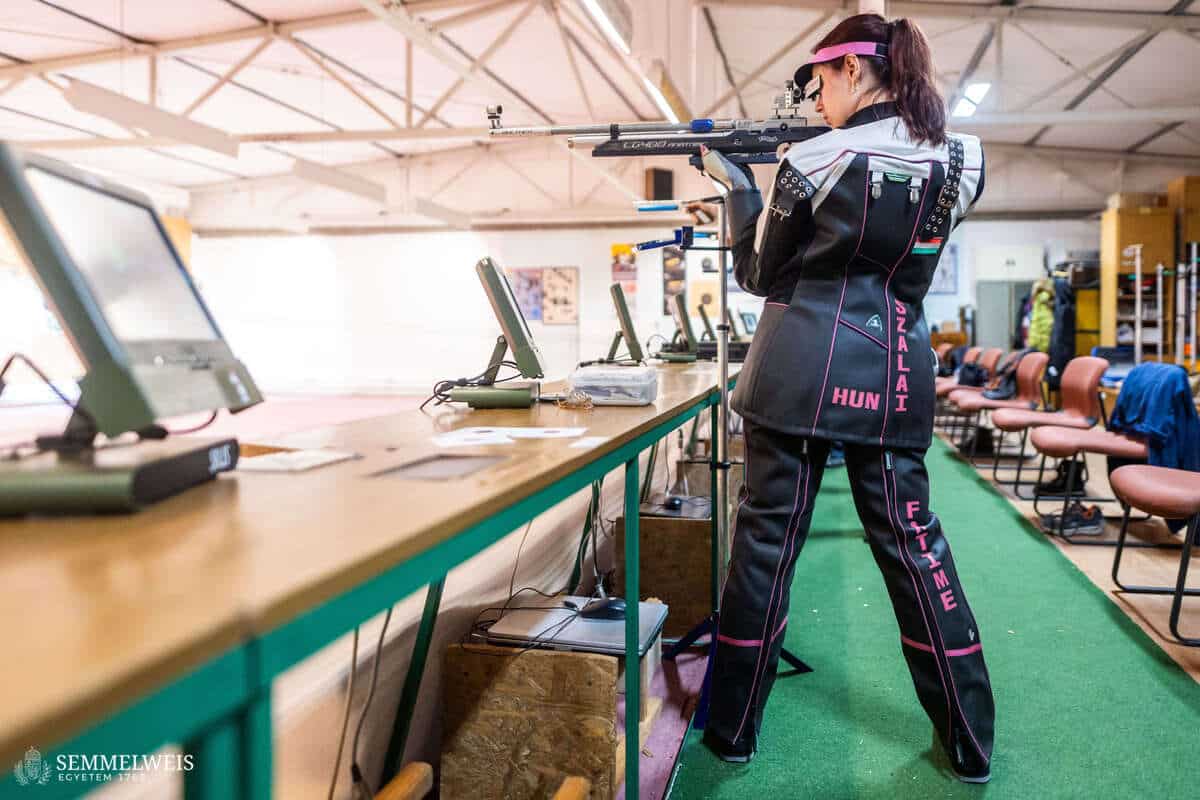
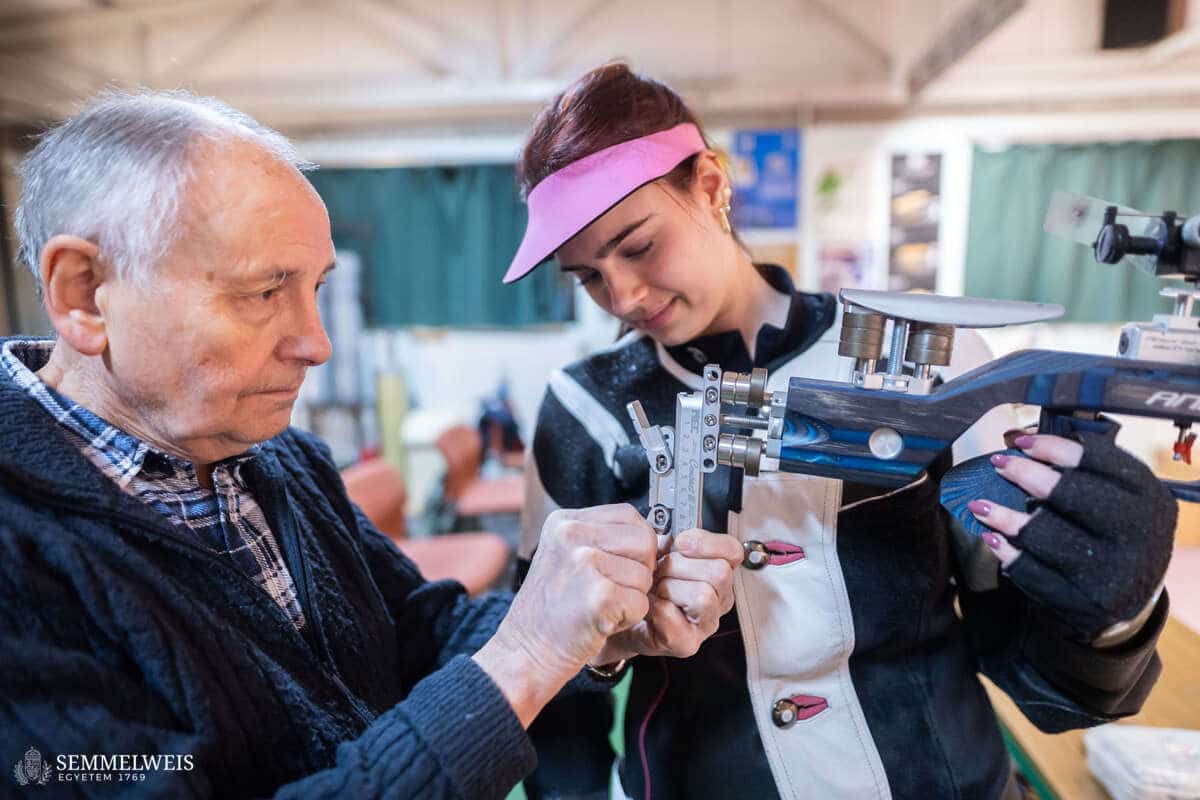 She can put her manual dexterity to good use both in the lab and at the firing range. “In one of our frequently conducted experiments in the lab, we have to pipette different reagents into a 96-well plate, and if I miscount, I might have to repeat the whole process. Shooting also teaches me to focus, since during a competition I have to concentrate for up to an hour and a half without letting my attention wander – and that’s very useful for studying as well,” she noted. In her opinion, there are essentially two types of sport shooters: those who shoot consciously, having planned everything in their heads in advance, and those who shoot based on instinct. “I tend to fall into the first category: I try to stay focused the whole time. This level of awareness is necessary since in sport shooting, mental resilience is even more important than physical strength. “The final result may well depend on this: If you’re in a good position with five shots to go, how you manage those last shots – and whether you can handle the pressure – makes a huge difference. I wasn’t very good at this for a long time, but I’ve improved a lot,” she added. To this day, she looks back with pride on her first competition: At the age of 16, while still in the youth division, she placed fourth in the national championship using a smallbore rifle, shooting from a prone position at a distance of 60 meters. She soon won a bronze medal in the same event at the junior national championship. “During my undergraduate studies, I wasn’t able to train as much as I would have liked. It was difficult to maintain my pace with only two or three training sessions per week, plus weekend competitions. As a result, my progress basically stagnated. However, during my PhD studies, I was able to manage my time better and finally got to spend more time at the firing range again. This was reflected in my results, as I managed to win several national championship titles. I’m most proud of the championship title I won last year in the smallbore standard rifle 3-position, 10-shot event, as well as the fact that we became team champions last year with open-sight air rifles, breaking our own 2024 national record,” she noted.
Speaking about her academic achievements, Dr. Fatime Szalai highlighted that she finished first in the Ödön Krompecher competitive scholarship program in 2023 and, in the same year, was awarded the National Higher Education Scholarship, a recognition of her academic and athletic achievements.
“I am delighted to be part of the Ödön Kerpel-Fronius Talent Development Program. I belong to a wonderful community there, and my mentor, Dr. András Kiss, has helped me immensely with my studies. He continues to offer advice on shaping my PhD and which grants I should apply for. I’m most proud of graduating with honors and achieving success in both my TDK project and sports, so I was able to strike a balance between them. I received a great deal of help from the Tumor Biology Laboratory and the Department of Pathology and Experimental Cancer Research; without their support, I would not have been able to achieve these results,” she pointed out. She hopes to remain in academia and at Semmelweis University in the future. “I would love to continue working at the department as a resident later on, and since I enjoy both teaching and research, my dream is to pursue an academic career,” she said. She also plans to try her hand at postdoctoral research abroad if the opportunity arises, perhaps at the Mayo Clinic in the United States, with which the department has excellent ties. She doesn’t want to give up competitive shooting, either. With the help of her coach, György Szita, she is determined to focus more on Olympic events because she feels she still has potential in this area. Her goal is to become one of the country’s top competitors in these events.
Gallery

Ádám Szabó
Translation: Judit Dőtsch
Photos by Bálint Barta – Semmelweis University